Savoring the Essence: Balsamic Roasted Vegetable Salad That Transforms Everyday Produce
The Magic of Caramelization and Balsamic
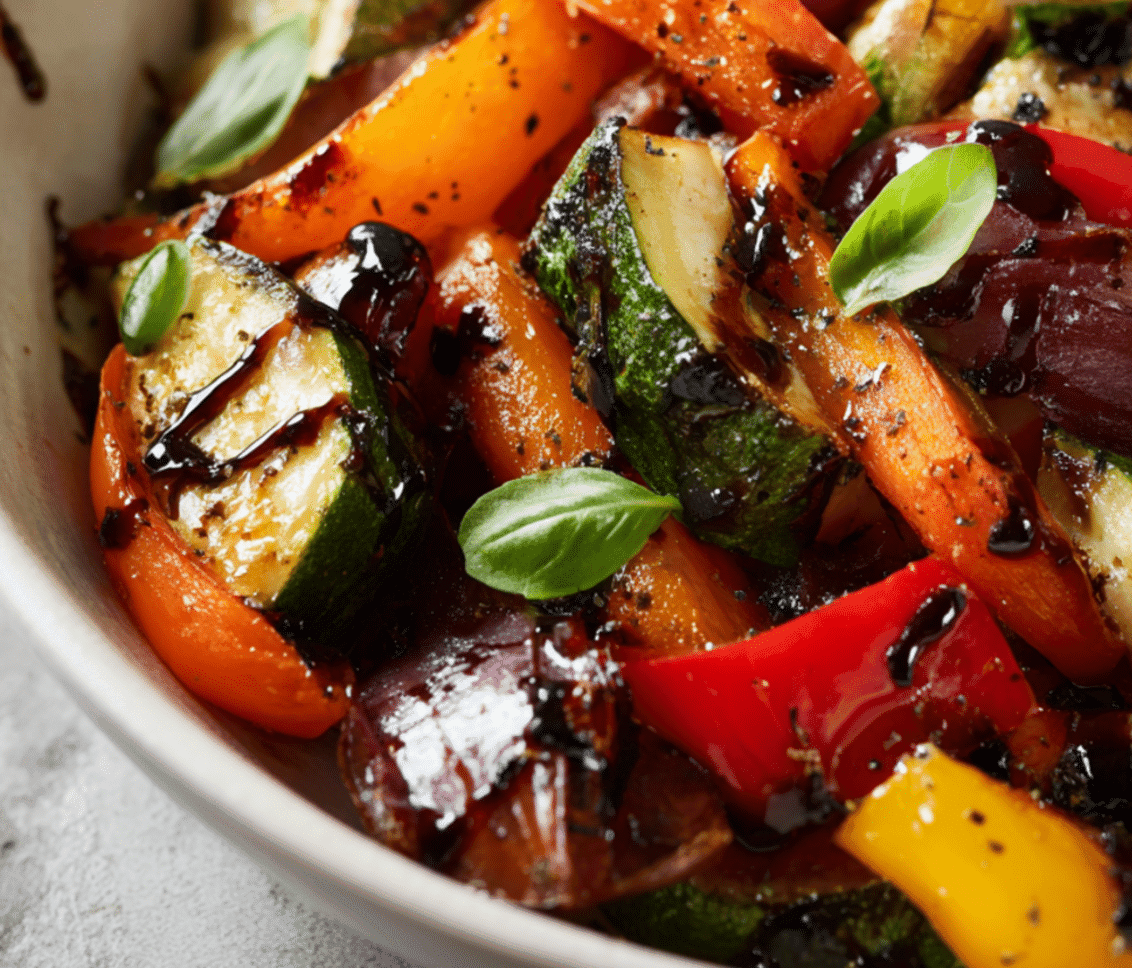
Balsamic roasted vegetable salad brings together the perfect harmony of caramelized vegetables and tangy-sweet balsamic glaze in every bite. This versatile dish celebrates the natural sweetness that emerges when vegetables are roasted to perfection, creating deep flavors that far surpass their raw counterparts. The rich depth of balsamic vinegar adds a sophisticated touch that elevates this simple preparation into something truly special.
“The balsamic Brussels sprouts technique offers similar staged-cooking approaches to prevent burning while developing maximum flavor.”
Garden-Fresh Ingredients: What You’ll Need for Balsamic-Kissed Vegetable Perfection
Core Components and Flavor Enhancers
This balsamic roasted vegetable salad combines humble ingredients into something extraordinary. The magic happens when heat transforms everyday produce into caramelized morsels of goodness, then gets finished with a perfectly balanced balsamic vinaigrette dressing.
| Core Ingredients | Amount |
|---|---|
| Carrots, peeled and cut into 1-inch pieces | 1 cup |
| Bell peppers (red, yellow, or orange), cut into 1-inch squares | 1/2 cup |
| Zucchini, sliced into half-moons | 1/2 cup |
| Red onion, cut into wedges | 1/2 cup |
| Olive oil (for roasting) | 2 tablespoons |
| Balsamic vinegar (quality matters here!) | 3 tablespoons |
| Salt | 1 teaspoon |
| Black pepper, freshly ground | 1/2 teaspoon |
| Fresh basil leaves, torn | 1/4 cup |
| Optional Enhancements | Amount |
|---|---|
| Cherry tomatoes, halved | 1 cup |
| Baby spinach or arugula | 2 cups |
| Crumbled feta or goat cheese | 1/3 cup |
| Pine nuts or walnuts, toasted | 1/4 cup |
| Garlic cloves, minced | 2-3 cloves |
| Fresh thyme leaves | 1 tablespoon |
| Honey (for balsamic glaze) | 1 teaspoon |
| Dijon mustard (for dressing) | 1 teaspoon |
“For a heartier meal, consider adding this roasted vegetable medley to roasted vegetable tomato soup for a complete and satisfying dinner option.”
Kitchen Choreography: Creating Your Perfect Balsamic Vegetable Masterpiece
Preparation and Roasting Technique
The beauty of this balsamic roasted vegetable salad lies in its simplicity, but paying attention to a few key details will elevate your results from good to extraordinary. Follow these steps for perfectly caramelized vegetables bathed in tangy-sweet balsamic goodness.
- Preheat your oven to 400°F (200°C). This higher temperature ensures proper caramelization without steaming the vegetables. Position a rack in the middle of the oven for even heat distribution.
- Prepare your vegetables with careful consideration to size. Cut harder vegetables like carrots slightly smaller than softer ones like zucchini. This ensures everything cooks evenly. Aim for bite-sized pieces that will roast consistently and be easy to eat in the finished salad.
- Toss the vegetables with olive oil, salt, and pepper on a large baking sheet. Use your hands to ensure each piece is coated evenly. For best results, arrange the vegetables in a single layer with some space between pieces – overcrowding leads to steaming instead of roasting.
- Roast for 20-25 minutes, stirring halfway through. Look for golden-brown edges and caramelization. Vegetables should be tender when pierced with a fork but not mushy. The carrots may need a few extra minutes – test for doneness by seeing if they yield easily to a fork.
- While vegetables roast, prepare your balsamic glaze. In a small saucepan, whisk 3 tablespoons balsamic vinegar with 1 tablespoon olive oil over medium-low heat. For a sweeter touch, add 1 teaspoon of honey. Simmer gently for 3-4 minutes until slightly reduced and syrupy. The glaze should coat the back of a spoon but still be pourable.
- Transfer roasted vegetables to a serving bowl. While still warm (but not piping hot), drizzle with the balsamic glaze and toss gently to coat. The warm vegetables will absorb the flavors beautifully.
- Finish with fresh herbs. Scatter torn basil leaves over the dressed vegetables. For additional dimension, consider adding other fresh herbs like thyme or oregano. The heat from the vegetables will release their aromatic oils.
- Let the salad rest for 5 minutes before serving. This brief resting period allows the flavors to meld and develop. Serve warm or at room temperature for the best taste experience.
Pro Tips for Roasting Success: Elevating Your Balsamic Vegetable Creation
Technique Refinements and Flavor Boosters
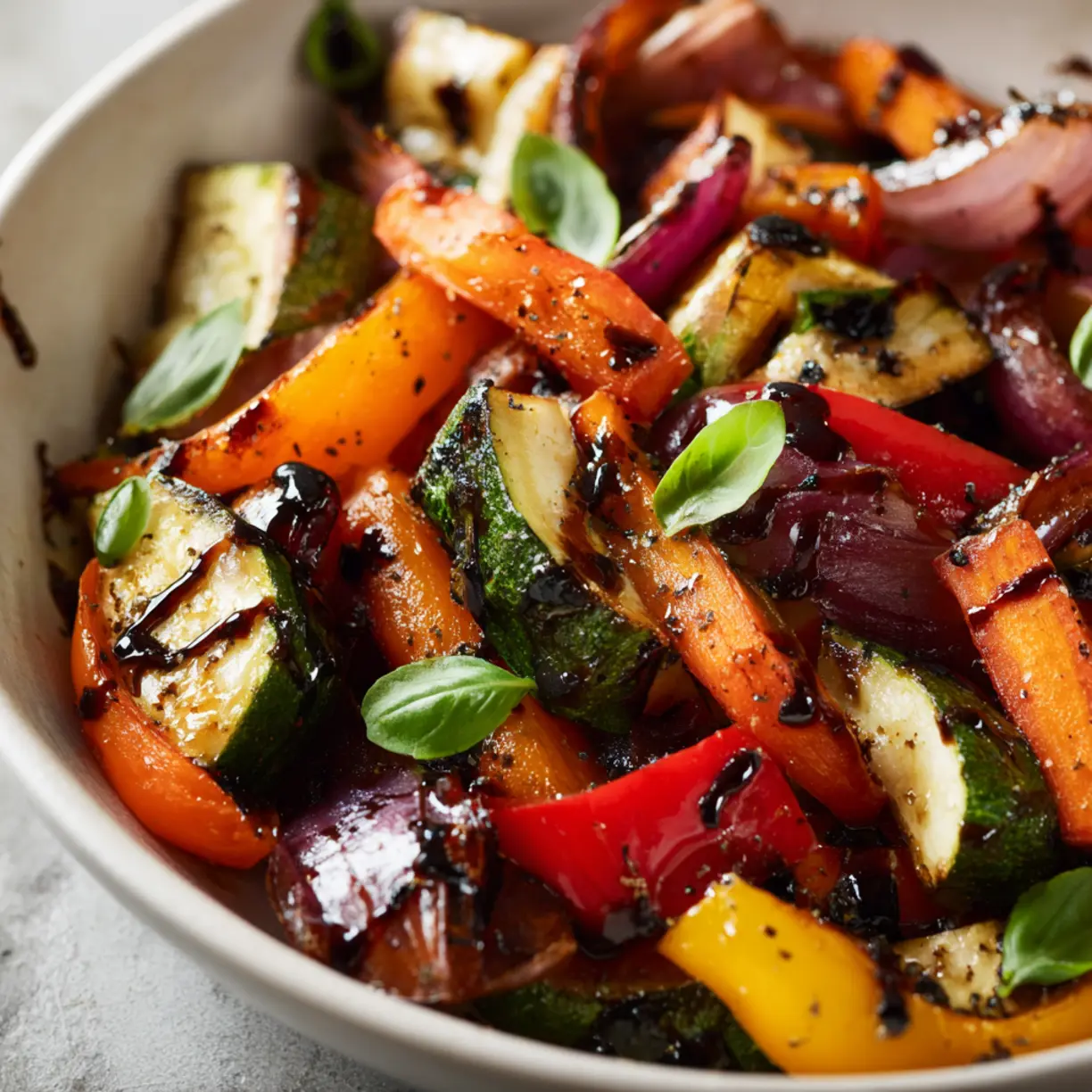
Creating the perfect balsamic roasted vegetable salad is all about understanding how different vegetables behave under heat and how to maximize their natural flavors. These expert tips will help you achieve consistent, delicious results every time.
- Pre-roast dense vegetables first. Root vegetables like carrots and parsnips benefit from a 5-10 minute head start in the oven before adding quicker-cooking vegetables like bell peppers and zucchini.
- Don’t crowd the baking sheet. Vegetables release moisture as they cook. Overcrowding creates steam, preventing proper caramelization. Use two baking sheets if needed for that perfect roasted texture.
- Save delicate ingredients for after roasting. Add baby greens, fresh herbs, cheese, and nuts after cooking to preserve their texture and prevent burning.
- Elevate your balsamic vinaigrette dressing. For a more complex flavor, add a teaspoon of Dijon mustard and a crushed garlic clove to your balsamic glaze. The mustard helps emulsify the dressing while adding depth.
- Experiment with vegetable cuts. Try different shapes and sizes – coin-shaped carrots, spiral-cut zucchini, or diagonal-cut bell peppers – for varied texture and more interesting presentation.
- Consider a splash of acid. A squeeze of fresh lemon juice just before serving brightens the overall flavor profile and balances the sweetness from the roasted vegetables and balsamic.
- Let vegetables cool slightly before dressing. Hot-from-the-oven vegetables will immediately absorb all the dressing. Letting them cool for 3-5 minutes allows the dressing to coat rather than disappear.
“If you enjoy roasted vegetable medleys with unique flavor combinations, you might also love these roasted Brussels sprouts with apple and walnuts which offer a similar sweet-savory contrast.”
Keeping Freshness Alive: Storage Solutions for Your Balsamic Roasted Vegetable Salad
Maximizing Flavor and Texture When Storing Leftovers
One of the many advantages of this balsamic roasted vegetable salad is how well it holds up over time. With proper storage techniques, you can enjoy this vibrant dish for multiple meals, making it perfect for meal prep and busy weekday lunches.
- Allow vegetables to cool completely before refrigerating. Storing hot vegetables creates condensation which can make them soggy. Let them reach room temperature first, then refrigerate.
- Store undressed roasted vegetables separately from the balsamic dressing. This prevents the vegetables from becoming overly soft. Combine just before serving for the best texture contrast.
- Keep in an airtight container for maximum freshness. Properly stored, roasted vegetables will maintain their flavor and texture for 3-4 days in the refrigerator.
- Add fresh components just before serving. If you’ve included baby greens, herbs, cheese, or nuts, add these right before eating rather than storing them with the roasted vegetables.
- Consider freezing extra roasted vegetables without dressing. While texture may change slightly, frozen roasted vegetables make excellent additions to future soups, pastas, or grain bowls. Freeze in single portions for easy use.
- Reheat gently if serving warm again. A quick 30-second microwave or 5 minutes in a 350°F oven will revive leftover roasted vegetables without overcooking them.
- Refresh leftover salad with new ingredients. Add fresh herbs, a squeeze of lemon, or a sprinkle of cheese to rejuvenate day-old salad and create a slightly different experience.
“For another make-ahead friendly roasted vegetable option that stores beautifully, try these roasted butternut squash with cranberries which maintain excellent texture even after refrigeration.”
Creative Twists: Reinventing Your Balsamic Roasted Vegetable Salad
Seasonal and Dietary Adaptations
The beauty of a balsamic roasted vegetable salad lies in its versatility. By changing just a few components, you can create entirely new flavor profiles while maintaining the dish’s core appeal. These variations keep your menu exciting without requiring completely new recipes.
Mediterranean-Inspired Version
Transform your basic balsamic roasted vegetable salad into a Mediterranean feast by adding olives, cucumber, cherry tomatoes, and feta cheese. Replace half the balsamic with lemon juice in the dressing and add a teaspoon of dried oregano to the roasting vegetables. Finish with a sprinkle of za’atar for an authentic touch. This variation pairs beautifully with hummus and warm pita bread.
Harvest Celebration
For a fall-inspired twist, swap summer vegetables for roasted butternut squash, Brussels sprouts, and red onions. Add dried cranberries and toasted pecans after roasting. A splash of maple syrup in the balsamic dressing complements these autumnal flavors perfectly. This heartier version makes an excellent Thanksgiving side dish that’s both colorful and flavorful.
Protein-Packed Main Dish
Turn your side dish into a complete meal by adding protein. Toss in cannellini beans or chickpeas during the last 10 minutes of roasting to warm them through, or add cubed extra-firm tofu that’s been pressed and pre-roasted. For non-vegetarians, grilled chicken or salmon makes this a substantial dinner option. Serve over quinoa for additional protein and a satisfying dinner.
Asian-Inspired Flavor Profile
Create an entirely different flavor experience by replacing the balsamic vinaigrette with a sesame-ginger dressing. Use rice vinegar, a touch of honey, sesame oil, and freshly grated ginger. Roast the vegetables with a splash of soy sauce for depth. After roasting, garnish with sesame seeds, sliced green onions, and cilantro instead of basil for a refreshing East-meets-West fusion.
Spicy Southwest Version
Add a kick to your roasted vegetable medley by incorporating poblano peppers and corn to the vegetable mix. Season with cumin, chili powder, and a pinch of cayenne before roasting. Replace the balsamic vinaigrette with a lime-cilantro dressing and finish with avocado chunks and pepitas. This variation makes an excellent filling for tacos or topping for rice bowls.
Grain Bowl Base
Transform this salad into a hearty grain bowl by serving the balsamic roasted vegetables over farro, barley, or brown rice. Add a dollop of hummus or a soft-boiled egg for protein. The warm grains will slightly wilt any fresh greens you add, creating a delicious contrast of temperatures and textures in every bite. This variation is perfect for meal prep lunches that stay satisfying all week long.
Perfect Pairings: Serving Suggestions for Your Balsamic Vegetable Creation
Presentation Ideas and Complementary Dishes
Balsamic roasted vegetable salad shines as both a side dish and main course, depending on how you present and pair it. These serving suggestions will help you integrate this versatile dish into various meal scenarios, from casual weeknight dinners to elegant entertaining.
Family-Style Weeknight Dinner
Serve your balsamic roasted vegetable salad alongside herb-roasted chicken or simple grilled fish for a complete family meal. The vegetables provide a colorful counterpoint to protein while offering different textures and flavors that appeal to all ages. Present on a large platter in the center of the table for a communal dining experience that encourages everyone to help themselves.
Light Lunch Option
For a satisfying midday meal, serve a smaller portion of the roasted vegetable medley over a bed of quinoa or farro. Add a protein element like chickpeas or a hard-boiled egg for staying power. This balanced plate provides sustained energy without the afternoon slump that often follows heavier lunches. Pack components separately if taking to work and assemble just before eating.
Elegant Appetizer Presentation
Transform this dish into an impressive starter by serving individual portions in small cups or glasses, layered for visual appeal. Start with a base of baby greens, add the warm balsamic roasted vegetables, and top with a sprinkle of goat cheese and toasted pine nuts. This vertical presentation elevates the dish for dinner parties while showcasing the perfect healthy balsamic vinaigrette that ties everything together.
Bruschetta Bar Component
Set out your balsamic roasted vegetable salad as part of a DIY bruschetta bar. Provide toasted baguette slices, ricotta or goat cheese spread, and the warm vegetable medley as a topping option. Guests can build their own combinations, making this perfect for casual entertaining. Other toppings might include olive tapenade, roasted garlic, and fresh herbs for variety.
Grain Bowl Foundation
Use the vegetable mixture as the colorful centerpiece of a nourishing grain bowl. Arrange the balsamic-glazed vegetables over warm farro, quinoa, or brown rice. Add protein of choice and a dollop of yogurt or hummus for creaminess. This presentation method transforms the dish into a complete meal perfect for dinner or meal prep lunches.
Sandwich or Wrap Filling
Repurpose leftover roasted vegetable salad as a flavorful sandwich filling. Spread some goat cheese or hummus on artisan bread, add a generous layer of the vegetables (drained of excess dressing), and top with fresh greens. This creates a portable lunch option that’s much more exciting than standard sandwich fare. The vegetables’ concentrated flavors shine between the bread slices.
Common Questions: Your Balsamic Roasted Vegetable Salad Queries Answered
Troubleshooting and Adaptations
Can I make balsamic roasted vegetable salad ahead of time for a party?
Absolutely! This dish actually benefits from being made slightly ahead. Roast the vegetables up to 24 hours in advance and store them in the refrigerator. Prepare the balsamic dressing separately and keep it at room temperature. About 30 minutes before serving, take the vegetables out of the refrigerator to lose their chill. Reheat them briefly in a 350°F oven for 5-7 minutes if you prefer them warm, or serve at room temperature. Add the dressing and fresh herbs just before serving for the best flavor and texture.
Why did my vegetables steam instead of roast and caramelize?
This common issue usually happens for one of three reasons: overcrowding the pan, too low oven temperature, or vegetables with high water content. Make sure your vegetables have plenty of space on the baking sheet—use two sheets if necessary. Check that your oven is properly preheated to 400°F. For vegetables with high water content like zucchini or mushrooms, you might want to roast them separately or give them more space. Lastly, pat vegetables dry before tossing with oil to remove excess moisture.
Can I use any vegetables for this salad, or are some better than others?
While you can use almost any vegetable, those with natural sugars tend to caramelize better and pair wonderfully with balsamic vinegar. Excellent choices include bell peppers, carrots, onions, sweet potatoes, butternut squash, Brussels sprouts, and parsnips. Vegetables with high water content like zucchini, mushrooms, and tomatoes work well but release more moisture, so they benefit from being roasted separately or added later in the cooking process. Delicate greens should always be added fresh after roasting.
Is there a suitable substitute for balsamic vinegar if I don’t have any?
If you’re out of balsamic vinegar, you can create a similar flavor profile with red wine vinegar or apple cider vinegar mixed with a teaspoon of honey or maple syrup for sweetness. For depth, add a dash of soy sauce or Worcestershire sauce. While it won’t be identical to balsamic vinegar’s unique complexity, this substitution will provide the sweet-tangy balance that complements roasted vegetables so well. Pomegranate molasses or reduced fruit juices can also work in a pinch.
The Culinary Canvas of Balsamic-Glazed Vegetables: Your Gateway to Creative, Healthy Eating
A Foundation for Endless Meal Possibilities
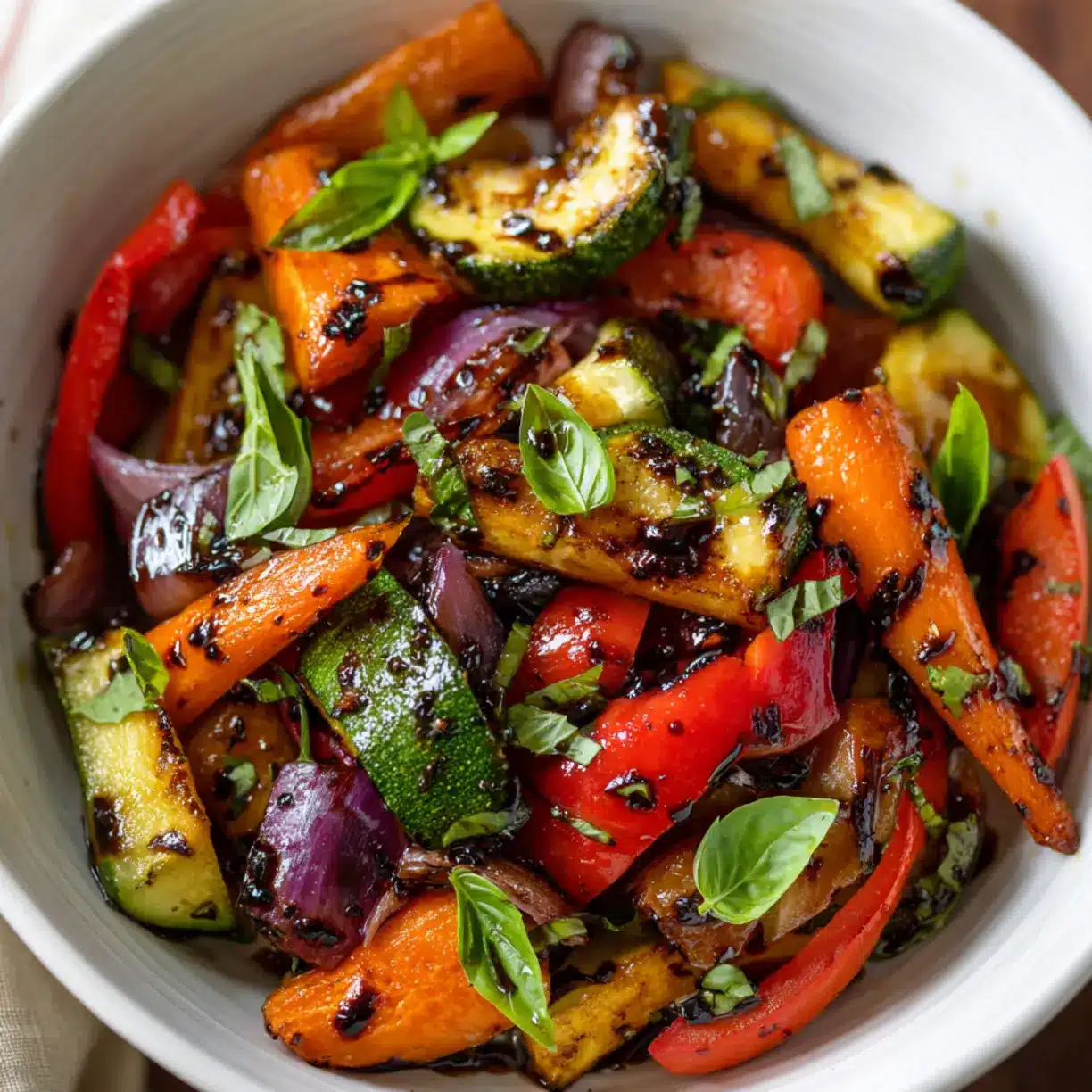
Balsamic roasted vegetable salad represents much more than a simple side dish – it’s a versatile culinary technique that transforms ordinary produce into extraordinary meals. The magic combination of high-heat caramelization and tangy-sweet balsamic creates depth of flavor that makes eating vegetables a true pleasure rather than a nutritional obligation.
By mastering this approach, you’ve added a foundation recipe to your cooking repertoire that adapts to any season, accommodates diverse dietary preferences, and works beautifully in multiple meal contexts. The techniques you’ve learned – proper vegetable cutting for even cooking, achieving ideal caramelization, and balancing flavors in the dressing – transfer to countless other recipes.
“If you’re looking for more ways to enjoy roasted vegetables with creative flavors, our roasted carrots with hummus offers another delicious preparation that highlights the natural sweetness of vegetables.”
Don’t hesitate to experiment beyond the variations suggested here. Your balsamic roasted vegetable salad can evolve with your tastes, available seasonal produce, and nutritional needs. Whether served as a vibrant side dish alongside a protein, incorporated into grain bowls for hearty lunches, or showcased as a colorful addition to your holiday table, this recipe promises satisfaction and nourishment in equal measure.
I encourage you to make this recipe your own. The true joy of cooking comes not just from following instructions precisely but from understanding principles and then adapting them to your preferences. Your perfect balsamic roasted vegetable salad is waiting to be discovered in your kitchen.
PrintBalsamic Roasted Vegetable Salad
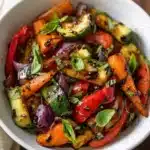
A vibrant medley of caramelized vegetables drizzled with tangy-sweet balsamic glaze.
Perfect as a nutritious side dish or light main course.
Customizable with seasonal produce and easily adaptable for meal prep.
- Prep Time: 15
- Cook Time: 25
- Total Time: 40 minutes
- Yield: 4 servings 1x
- Category: Salad & Dessert
- Method: Roasting
- Cuisine: Mediterranean-Inspired
Ingredients
- 1 cup carrots, peeled and cut into 1-inch pieces
- 1/2 cup bell peppers (red, yellow, or orange), cut into 1-inch squares
- 1/2 cup zucchini, sliced into half-moons
- 1/2 cup red onion, cut into wedges
- 2 tablespoons olive oil
- 1 teaspoon salt
- 1/2 teaspoon black pepper
- 3 tablespoons balsamic vinegar
- 1 tablespoon extra virgin olive oil (for dressing)
- 1 teaspoon honey (optional)
- 1/4 cup fresh basil leaves, torn
- 1 cup cherry tomatoes, halved (optional)
- 1/3 cup crumbled feta or goat cheese (optional)
- 1/4 cup pine nuts or walnuts, toasted (optional)
Instructions
- Preheat your oven to 400°F (200°C).
- Cut vegetables into similar-sized pieces, making harder vegetables slightly smaller than softer ones.
- Arrange vegetables on a large baking sheet and toss with 2 tablespoons olive oil, salt, and pepper. Ensure vegetables are in a single layer with space between pieces.
- Roast for 20-25 minutes, stirring halfway through, until vegetables are caramelized and tender when pierced with a fork.
- While vegetables roast, prepare the balsamic glaze by whisking together balsamic vinegar, 1 tablespoon olive oil, and honey (if using) in a small saucepan. Simmer gently for 3-4 minutes until slightly reduced.
- Transfer roasted vegetables to a serving bowl while still warm.
- Drizzle with the balsamic glaze and toss gently to coat.
- Scatter torn basil leaves over the dressed vegetables.
- If using optional ingredients, add cherry tomatoes, cheese, and toasted nuts now.
- Let rest for 5 minutes before serving warm or at room temperature.
Notes
For meal prep: Store the roasted vegetables separately from the dressing and combine just before serving.
Dense vegetables like carrots and root vegetables may need a 5-10 minute head start in the oven before adding quicker-cooking vegetables.
This salad can be served warm, at room temperature, or cold.
Nutrition facts are estimates and may vary based on ingredients used, portion sizes, and preparation methods.
Nutrition
- Serving Size: 1 serving
- Calories: 175
- Sugar: 8
- Sodium: 620
- Fat: 12
- Saturated Fat: 2
- Unsaturated Fat: 9
- Carbohydrates: 18
- Fiber: 4
- Protein: 3
- Cholesterol: 0
Keywords: balsamic roasted vegetable salad, balsamic vinaigrette dressing, roasted vegetable medley, summer salad recipes, healthy side dish ideas
Let’s connect! Follow me for more Joylicious Recipes: Facebook, Instagram, Pinterest