

Why Foodies And Nutritionists Love Chicken Feet – A Must-Try Recipe
Chicken feet chicken might sound unfamiliar, but it’s a flavorful, nutritious, and exciting dish. Across Asia and the Caribbean, people enjoy it for its rich taste and health benefits.
This meal is loaded with collagen, which supports your skin and joints. It also contains nutrients that boost gut health. The texture is unlike other chicken parts — soft, chewy, and just a little bit crunchy.
Preparing chicken feet at home is simple. With the right steps, you can turn this humble ingredient into something truly delicious. From cleaning and frying to seasoning with bold sauces, you’ll get a complete guide here.
You’ll also learn how to eat chicken feet, what they taste like, and why they’re considered a superfood in many cultures.
Want more dinner ideas? Don’t miss our creamy skillet chicken and mushrooms — a reader favorite for comfort meals.
What Is Chicken Feet Chicken? A Culinary Overview
History and Cultural Significance
Chicken feet chicken has been loved in many cultures for generations. In China, it’s a popular dim sum dish. Meanwhile, the Philippines uses it in savory stews, and Jamaica turns it into flavorful, spicy soups.
In the Southern U.S., chicken feet show up in soul food. They’re often slow-cooked and paired with classic sides like collard greens or cornbread. These meals tell a story — one of resilience, tradition, and full-flavored cooking.
Moreover, preparing chicken feet honors the idea of using the whole animal. Nothing goes to waste, and that mindset connects cultures across continents.
Looking for another comfort classic? Try our creamy chicken spaghetti casserole — it’s a reader favorite.
Why Chicken Feet Are Popular in Global Cuisines
In kitchens across Asia, Africa, and Latin America, chicken feet are a go-to ingredient. They’re affordable, accessible, and full of flavor. Plus, you can prepare them in countless ways — fry them, braise them, or steam them to perfection.
Because of their ability to absorb flavors, they work well with a variety of spices and sauces. From sticky sweet to hot and spicy, the taste possibilities are endless.
Additionally, cooking chicken feet reflects love and intention. For many families, these recipes are passed down through generations, making them deeply personal.
Chicken Feet vs Regular Chicken Cuts
Unlike chicken breast or thighs, chicken feet are all about texture. They’re made up of skin, cartilage, and soft bones, which gives them a gelatinous, chewy bite. That’s what sets them apart — and why so many people enjoy them once they try.
Furthermore, chicken feet offer nutritional benefits you won’t get from lean cuts. They’re rich in collagen, which supports healthy skin, joints, and digestion. Take a look at how they compare:
| Feature | Chicken Feet | Chicken Breast |
|---|---|---|
| Texture | Chewy, gelatinous, crispy skin | Soft, lean, meaty |
| Cooking Methods | Frying, braising, stewing | Grilling, baking, sautéing |
| Nutritional Focus | Collagen, gelatin, calcium | Protein, low fat |
| Cost | Very affordable | Moderate to expensive |
In short, chicken feet chicken offers a bold, rewarding experience. While it may take a bit of prep, the rich taste and health perks are absolutely worth it.
How to Prepare Chicken Feet for Cooking (Step-by-Step Cleaning Guide)
How to Clean Chicken Feet for Eating (Detailed Method)
Before making delicious chicken feet chicken, you’ll need to clean them thoroughly. This step is essential for flavor and food safety. It might seem tricky, but the process is simple once you follow the steps.
First, start by rinsing the chicken feet under cold water. Scrub off any dirt using your hands or a soft brush.
Next, cut off the claws at the tip of each toe using kitchen scissors. This part isn’t edible and removing it makes the dish easier to eat. After that, look for any dark or callused patches on the skin and trim those away too.
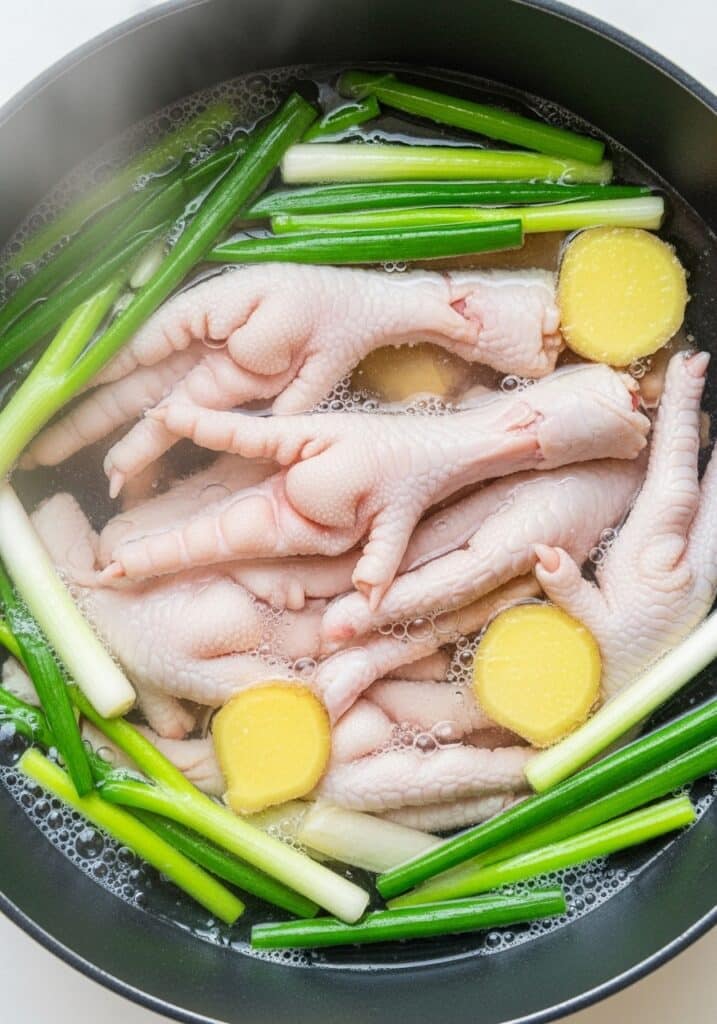
After that, heat a pot of water until it reaches a rolling boil. Drop in the feet and let them blanch for 1–2 minutes. This loosens any leftover skin or debris. Remove them from the water and let them cool slightly before peeling off the thin outer skin if it hasn’t already come off.
Finally, rinse them again and set them aside on a clean towel to dry.
If you’re planning to air-fry or deep-fry them, make sure they are completely dry. Excess water will cause splattering in hot oil and affect the crispness.
Want a chicken recipe that’s easier but still flavorful? Don’t miss our easy baked chicken dinner.
Tips to Remove Smell and Tough Skin Properly
Sometimes chicken feet have a strong scent. You can eliminate this by using Shaoxing wine, ginger, and scallions during blanching. Simply add a thumb-sized piece of ginger, two scallions, and a tablespoon of Shaoxing wine to the boiling water. These ingredients help neutralize odors and bring a subtle aroma to the meat.
Peeling the skin also helps reduce any leftover toughness. If you’re short on time, look for pre-cleaned chicken feet at your local Asian market — many come ready to cook.
Drying is the most overlooked step. Yet it makes all the difference when frying or air-frying. Let the feet air dry for at least 30 minutes after blanching. Some cooks even place them in the fridge uncovered for faster drying.
Prepping Techniques: Cutting, Soaking, Blanching
Let’s break down the full prep process:
- Cut the claws – Trim the nail tips using kitchen shears.
- Blanch the feet – Simmer them in boiling water with ginger and scallions for 1–2 minutes.
- Peel the skin – Remove any loose outer layer to get a smoother texture.
- Soak in iced water – Soak for 1 hour to firm the skin and improve texture.
- Dry thoroughly – Air-dry completely or use paper towels to remove moisture before frying.
| Step | Purpose |
|---|---|
| Cut claws | Makes feet easier to eat |
| Blanch | Cleans and loosens skin |
| Peel skin | Improves taste and appearance |
| Ice water soak | Firms texture and boosts crunchiness |
| Drying | Prevents oil splatter, enhances crispiness |
Taking these steps prepares the feet for frying, braising, or steaming. Clean preparation not only makes your dish safer, but also ensures better texture and taste.
Cooking Methods – How to Make Chicken Feet Chicken at Home
Deep Frying, Braising, and Air Fryer Tips
Once your chicken feet are cleaned and prepped, it’s time to cook. There are a few great ways to prepare chicken feet chicken, each offering a unique texture and flavor.
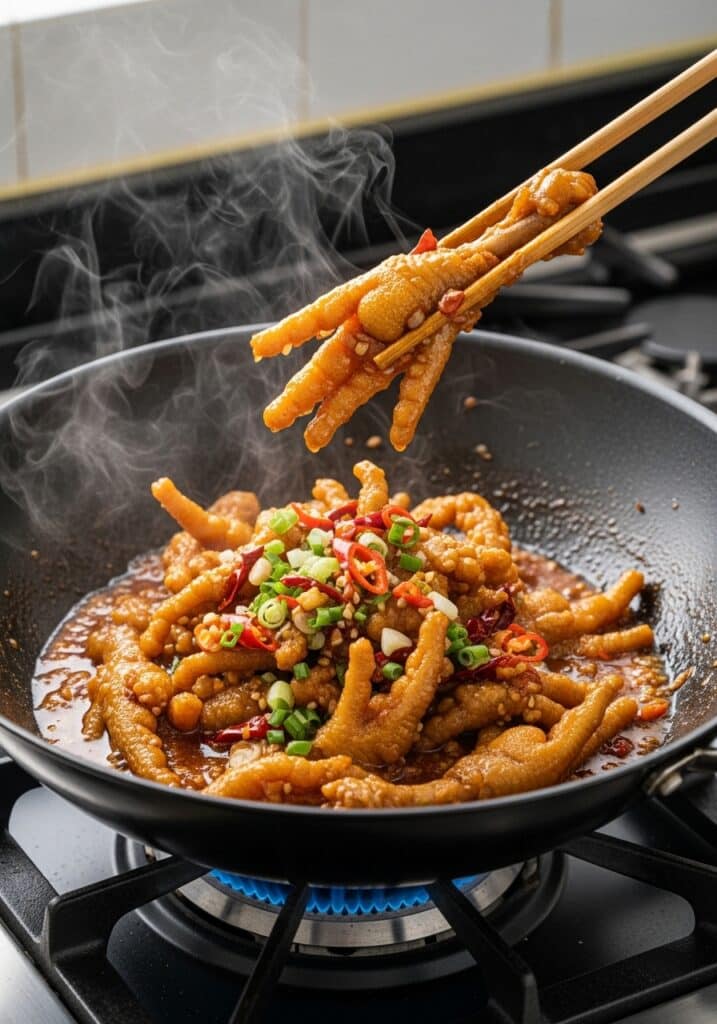
Let’s start with deep frying. Heat enough oil in a wok or deep pan to fully cover the feet. Once hot, add the chicken feet and fry until they turn a deep golden brown. This usually takes 12–18 minutes. The goal is to remove all moisture, which helps create that signature “tiger skin” texture — crispy outside, tender inside.
Prefer a lighter option? Try air-frying. Brush a thin layer of oil on the dried chicken feet. Place them in a preheated air fryer at 375°F and cook for 10–12 minutes. The result is still crispy, just with less oil.
After frying or air-frying, soak the feet in ice water for an hour. This step tightens the skin, making it delightfully bouncy and smooth.
Finally, you’ll braise the chicken feet in a flavorful sauce. This allows the feet to absorb rich flavors and turn soft and juicy.
Need another flavorful chicken idea? Don’t miss this melt-in-your-mouth chicken dinner.
Flavor Pairing and Sauce Preparation
The sauce brings the entire dish to life. Start by heating a bit of oil in a small pan. Add minced garlic, ginger, fermented black beans, and Thai chili if you like heat. Stir until fragrant.
Next, stir in light soy sauce, a splash of dark soy sauce, sugar, and a bit of doubanjiang if you want some extra spice. Let it simmer briefly, then add starch water (a mix of warm water and cornstarch) to thicken the sauce.
Now, return the chicken feet to the pan. Toss them gently until each piece is evenly coated in the sauce. Let them simmer for a few minutes to absorb all that flavor.
This combination of spicy, salty, and umami turns basic chicken feet chicken into something extraordinary.
How to Cook for That Tiger Skin Texture
Want that signature tiger skin look? It’s all in the drying and frying.
Start with properly dried feet. Moisture ruins the crisp, bubbly skin. That’s why air drying or patting them dry is key before any cooking begins.
Next, make sure the oil is hot enough when frying — around 350–375°F. If it’s not hot enough, the skin won’t blister properly.
After frying, don’t skip the ice water soak. It shocks the skin and helps it contract into that wrinkled, tiger-like pattern. Some chefs even do a quick second boil after soaking to strengthen the texture.
If done right, the result is crispy, chewy skin that’s full of flavor — and totally addictive.
Taste & Texture – What Do Chicken Feet Really Taste Like?
Comparing to Other Chicken Parts
If you’ve never tried chicken feet chicken, you might wonder what to expect. The truth? They taste nothing like chicken breast or thighs. Instead of meat, you’re mostly enjoying skin, cartilage, and tendons.
Flavor-wise, chicken feet are mild but rich. They don’t have a strong “chicken” taste, but they soak up sauces like a sponge. This makes them ideal for spicy, savory, or sweet glazes.
Texture is where they truly shine. Unlike muscle meat, chicken feet offer a mix of soft, chewy, and gelatinous layers. Think of them like bone-in wings — except with more crunch and a whole new feel.
Curious about other texture-forward dishes? Explore our crispy parmesan crusted chicken for a satisfying bite.
Texture Profiles: Crunchy, Gelatinous, Chewy
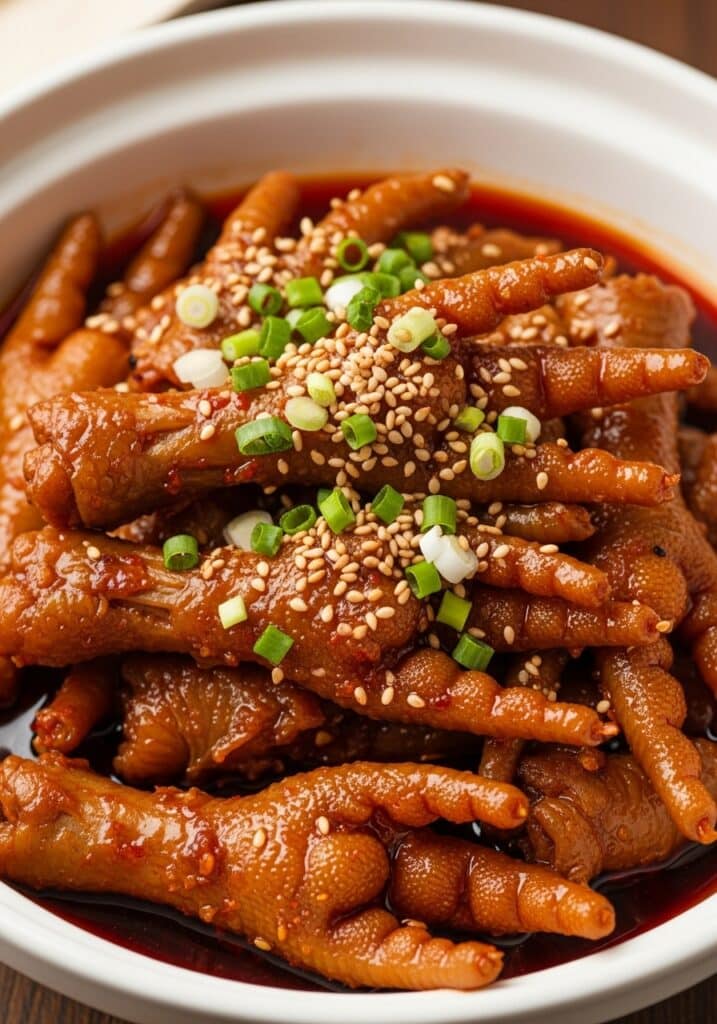
The first bite might surprise you. Depending on how they’re cooked, chicken feet can be crispy on the outside with soft, stretchy skin underneath. When braised, they turn tender and slippery. If deep-fried, you’ll get a delightful crunch.
Here’s how the texture breaks down:
- Skin: Soft and slightly stretchy
- Cartilage: Chewy with a slight snap
- Tendons: Gel-like and rich in collagen
- Overall: Sticky, savory, and very satisfying
It’s not about the meat — it’s about the layers. The unique combination of textures keeps each bite interesting.
When paired with bold sauces, chicken feet become incredibly flavorful. The skin absorbs seasoning beautifully, making every chew taste rich and complex.
How Sauce Impacts Flavor
On their own, chicken feet have a neutral flavor. But once you add sauce, they transform. Soy-based sauces give them a salty depth, while garlic and chili turn up the heat. Sweet glazes add balance and help bring out that chewy bite.
Because of their structure, chicken feet hold onto flavor well. Each toe and joint captures bits of sauce, making the eating experience fun and rewarding.
Plus, you can tweak the flavor to fit any cuisine — Asian, Caribbean, or Southern-style. Whether it’s spicy black bean sauce or tangy vinegar braise, chicken feet always deliver.
Is Chicken Feet Chicken Healthy? Nutrition Breakdown
Protein, Collagen & Gut-Health Benefits
Many people are surprised to learn that chicken feet chicken isn’t just tasty — it’s also packed with health benefits. Even though it doesn’t offer much muscle meat, it delivers a lot of nutritional value.
First, chicken feet are loaded with collagen. This type of protein helps strengthen your skin, joints, nails, and bones. It also helps your gut by protecting the lining of your digestive system. That’s one reason chicken feet are often considered a healing food in traditional Chinese medicine.
In addition to collagen, they also contain gelatin, a form of cooked collagen. Gelatin improves digestion, strengthens your joints, and helps your body recover from injury or stress.
Need another dish that supports comfort and wellness? Check out this creamy garlic herb chicken — full of flavor and feel-good ingredients.
Are Chicken Feet a Superfood?
While the term “superfood” isn’t a medical label, many people use it to describe foods high in nutrients. Chicken feet absolutely qualify.
Here’s why:
- High in protein: Supports muscle repair and energy
- Rich in collagen: Boosts skin elasticity and joint health
- Low in fat: Especially when air-fried or boiled
- Affordable and accessible: Nutrient-rich without the high price
Because they’re nutrient-dense and low in calories, chicken feet can fit into most diets — even keto or paleo. And if you’re avoiding processed foods, this dish gives you a natural way to add protein and minerals to your meals.
Vitamins and Mineral Content (Zinc, Iron, etc.)
Chicken feet also provide trace minerals that your body needs every day. These include:
| Nutrient | Benefit |
|---|---|
| Zinc | Strengthens immunity |
| Iron | Supports red blood cell health |
| Phosphorus | Helps maintain strong bones |
| Copper | Aids in energy production |
| Magnesium | Regulates muscle and nerve function |
Although they’re not a complete meal on their own, chicken feet work well as a side or add-in to soups and stews. With a balanced diet, they contribute to long-term health without adding extra calories.
So yes, chicken feet chicken might look humble — but inside, it’s a quiet powerhouse of nutrition.
How to Properly Eat Chicken Feet Like a Pro
Best Techniques for Eating Without Mess
Eating chicken feet chicken isn’t like cutting into a drumstick or biting into a thigh. It takes a little finesse — but once you get the hang of it, it’s easy and satisfying.
First, pick up the foot by the heel (the thick end). Take small bites and use your front teeth to scrape off the skin, cartilage, and soft tissues. Avoid biting down hard — chicken feet have many small bones.
As you chew, use your tongue to help separate the edible parts from the bones. Then, spit out the bones discreetly into a napkin or onto a small plate. That’s it! You’ve just eaten chicken feet like a pro.
In many Asian cultures, this is a casual, even social experience. You’ll often see friends and families chatting and laughing while munching on a big plate of saucy chicken feet.
Trying a dish that’s easier to eat but still packed with flavor? You’ll love these garlic butter baked chicken breasts.
Bones vs Skin: What You Can and Can’t Eat
Chicken feet are mostly made up of skin, tendons, and bones. Here’s a breakdown of what to enjoy — and what to leave behind:
| Part | Eat or Toss? | Why? |
|---|---|---|
| Skin | Eat | Rich in collagen and flavor |
| Cartilage | Eat | Chewy and soft when cooked |
| Tendons | Eat | Full of gelatin and texture |
| Small Bones | Toss | Not edible or digestible |
| Claws (if present) | Toss | Usually trimmed before cooking |
Stick to the tender parts. If it feels crunchy like bone, spit it out. With time, you’ll get better at knowing what to bite and what to skip.
Cultural Etiquette and Tools
In certain cultures, chicken feet are eaten using chopsticks. In others, they simply use their hands. Both are acceptable — just make sure to keep a napkin nearby.
If you’re at a restaurant, watch how others are eating. It’s okay to follow their lead. And yes, slurping and chewing are part of the fun in many cultures.
When eating at home, you can even wear gloves if you want to keep things neat. But honestly, getting a little messy is part of the experience.
Whether you’re using chopsticks or fingers, enjoying chicken feet chicken is all about slowing down, savoring the flavor, and having fun.
Popular Chicken Feet Chicken Recipes Around the World
Chinese Dim Sum-Style Steamed Chicken Feet
In China, chicken feet chicken is often served at dim sum restaurants. It’s called feng zhao, which means “phoenix claws.” These are deep-fried first, then steamed in a sweet and savory black bean sauce.
The feet soak up the sauce beautifully, making each bite rich and full of umami. It has a tender, mildly chewy texture that’s deeply satisfying. This dish is typically served in small bamboo steamers and shared among friends or family.
Many people dip them in soy sauce, chili oil, or vinegar before eating. It’s one of the most iconic ways to enjoy chicken feet.
Want more bold flavors with an Asian twist? Explore this creamy one-pan chicken and rice, perfect for weeknights.
Filipino Adobo-Style Chicken Feet
In the Philippines, chicken feet are cooked adobo-style — meaning they’re simmered in soy sauce, vinegar, garlic, and bay leaves. The dish is tangy, salty, and a little sweet.
The vinegar gives it a sharp, bright flavor that balances the richness of the skin and cartilage. Chicken feet in adobo are often served over rice, turning a simple meal into something deeply comforting.
Sometimes locals call it adidas — a playful nickname that reflects the dish’s popularity as both street food and home cooking.
Jamaican Spicy Braised Chicken Feet
In Jamaica, chicken feet are added to bold, spicy stews and soups. One common version is “chicken foot soup,” made with yams, dumplings, carrots, and Scotch bonnet peppers.
The feet cook down until tender, giving the soup a thick, silky texture. They’re also seasoned with thyme, garlic, and allspice — making the flavor bold and slightly smoky.
These soups are served hot and often enjoyed as a weekend meal or comfort food during rainy weather.
How Cultures Make It Their Own
From Asia to the Caribbean, chicken feet chicken takes on many forms. What stays the same? The love, care, and tradition behind every recipe.
| Country | Style | Flavor Profile |
|---|---|---|
| China | Dim Sum, steamed in sauce | Savory, sweet, umami |
| Philippines | Adobo, vinegar-based | Tangy, salty, garlicky |
| Jamaica | Braised in soups | Spicy, earthy, hearty |
Each version highlights what makes chicken feet so special — their ability to absorb deep flavor and bring people together at the table.
Our Signature Spicy Braised Chicken Feet Chicken Recipe
Ingredients List (No Changes Made)
To make the best spicy chicken feet chicken at home, start with this flavorful ingredient list:
Main Ingredients
- 500 g chicken feet (about 12 to 15)
- Oil for deep frying
- Iced water for soaking
- 1 thumb ginger
- 2 scallions
- 1 tbsp Shaoxing wine
Sauce
- 2 garlic cloves, finely chopped
- 1 tbsp fermented black beans
- 2 fresh Thai chili peppers, finely chopped (optional)
- 1 inch root ginger, finely chopped
- 1 tbsp light soy sauce
- 1/2 tsp sugar
- 1/2 tbsp doubanjiang (optional)
- 1/2 tsp dark soy sauce
Starch Water
- 1 cup warm water for braising
- 1/2 tbsp corn starch
Step-by-Step Instructions: Clean, Fry, Soak, Braise
1. Clean the Feet
Trim off the claws and remove any tough or dark skin. Wash thoroughly. You can cut the feet into smaller pieces if preferred.
2. Blanch and Dry
Boil a pot of water. Add scallion, ginger, and Shaoxing wine. Blanch the chicken feet for 2 minutes after the water starts boiling. Rinse and pat dry completely to avoid oil splatter during frying.
3. Deep-Fry or Air-Fry
For deep frying, heat oil and cook the chicken feet until golden brown (about 12–18 minutes).
For air frying, lightly coat the feet in oil. Place in a preheated air fryer at 375°F and cook for 10–12 minutes until dry and lightly crisped.
4. Soak in Ice Water
Transfer the fried feet into a bowl of iced water. Let them soak for about 1 hour to tighten the skin and create the tiger-skin effect.
5. Boil Again for Texture
This step is optional but recommended. Boil the soaked feet again for 8–12 minutes to enhance that soft, chewy texture.
6. Make the Sauce
In a small pan, heat a bit of oil. Add garlic, ginger, fermented black beans, and chili if using. Cook on low heat until fragrant. Stir in light and dark soy sauces, sugar, and doubanjiang if desired.
7. Add Starch Water and Braise
Pour in the warm starch water. Let it simmer and thicken slightly.
8. Coat and Serve
Return the chicken feet to the pan. Toss gently until fully coated with sauce. Serve hot. You can also refrigerate and re-steam later for another round.
Looking for another bold, comforting dinner idea? Try this brown sugar garlic chicken — a perfect sweet-and-savory balance.
Optional Air Fryer Method Included
If you prefer to avoid oil, the air fryer works well. Just make sure the feet are dry and lightly oiled before placing them in the basket. The result? Crisp skin, less fat, and the same flavor-packed base for your sauce.
It’s a modern twist on a classic dish — faster, cleaner, and just as delicious.
Common Mistakes to Avoid When Making Chicken Feet Chicken
Overcooking or Undercooking Feet
Getting the texture right is the key to good chicken feet chicken. Overcooked feet can turn mushy, while undercooked ones stay rubbery and tough. You want them to be soft, but still hold their shape.
To avoid this, always time your boil and braise steps carefully. If you’re deep-frying first, don’t rush it — give them 12–18 minutes in the hot oil to remove all moisture and crisp the skin. When braising, 10–15 minutes is usually enough for full flavor and tenderness.
Keep an eye on the color and feel. A deep golden brown and springy texture means you’re on the right track.
Need another crispy, foolproof dish? Try our crispy baked hot honey chicken — packed with crunch and flavor.
Not Drying Feet Before Frying
This is one of the most common mistakes — and it can be dangerous. Wet chicken feet will cause oil to splatter and ruin the crispiness.
After blanching, take time to dry the feet well. Use paper towels or let them air dry for at least 30 minutes. If you’re in a hurry, pop them into the fridge uncovered for quicker results.
Dry feet fry better and absorb flavor more easily when sauced.
Skipping the Ice Water Soaking Step
Many first-time cooks think soaking in ice water is optional. It’s not.
This simple step gives you the famous “tiger skin” effect — that wrinkled, bouncy texture that makes chicken feet chicken so addictive. The cold shock tightens the skin and locks in the crisp.
So after frying, always soak your feet in ice water for at least an hour. You’ll taste the difference.
Using Too Much Sauce or Not Enough
Balance is everything. Too much sauce, and the feet get soggy. Not enough, and the flavor doesn’t come through.
The goal is to coat — not drown — the feet in sauce. Simmer just enough to let the flavors cling to every piece.
Use a small pan if needed, and toss the feet gently. This helps avoid breakage and keeps the skin intact.
Neglecting to Season Early
Seasoning starts before the sauce. Use Shaoxing wine, ginger, scallions, or even a little garlic in your blanching water. These add flavor from the very beginning.
Every step adds depth. If you wait until the end, the dish might taste flat.
FAQs About Chicken Feet Chicken
How do you properly eat chicken feet?
Start by holding the foot at the base. Use your front teeth to bite off the skin and soft parts. Chew gently, then spit out the small bones. Don’t try to eat the bones — just enjoy the chewy, flavorful skin and cartilage.
What do chicken feet taste like?
Chicken feet have a mild flavor that takes on whatever sauce they’re cooked in. The texture is soft, slightly gelatinous, and sometimes a little chewy. The real appeal is how well they absorb bold, savory sauces.
Are chicken feet good for the gut?
Yes! They’re high in collagen and gelatin, which help support the lining of your digestive tract. Many people eat them to promote gut health and reduce inflammation.
Is chicken foot a superfood?
Chicken feet are rich in collagen, calcium, protein, and other nutrients. They help support healthy skin, bones, and joints — so yes, they’re often called a superfood for good reason.
How to clean chicken feet for eating?
First, trim the claws and scrub away any dirt. Blanch the feet in boiling water with ginger and scallions. Then peel the thin outer skin and rinse again. Dry completely before frying or braising.
Conclusion
Chicken feet chicken may not be your usual dinner pick, but it’s one of the most flavorful and nutrient-rich dishes you can make. Whether you fry, braise, or air-fry them, the result is a tender, chewy, and delicious meal loaded with benefits.
From street food stalls in Asia to kitchens in the Southern U.S., chicken feet continue to bring comfort, culture, and bold flavor to the table.
If you’re ready to try something different, chicken feet chicken is a bold choice — and a rewarding one. It’s time to put this underrated classic on your list.
Want more adventurous dishes? Explore our full chicken recipe collection for ideas that go beyond the basics.
Why Foodies And Nutritionists Love Chicken Feet – A Must-Try Recipe
This spicy braised chicken feet chicken recipe brings a rich, chewy, and collagen-packed dish to your table. Deep-fried or air-fried for tiger skin texture, then tossed in a savory chili-garlic sauce — it’s bold, flavorful, and deeply satisfying.
- Prep Time: 20
- Cook Time: 45
- Total Time: 1 hour 5 minutes
- Yield: 2 servings 1x
- Cuisine: Chinese
Ingredients
Main Ingredients:
500 g chicken feet (12 to 15 pieces)
Oil for deep frying
Iced water for soaking
1 thumb ginger
2 scallions
1 tbsp Shaoxing wine
Sauce:
2 garlic cloves, finely chopped
1 tbsp fermented black beans
2 fresh Thai chili peppers, finely chopped (optional)
1 inch ginger root, finely chopped
1 tbsp light soy sauce
1/2 tsp sugar
1/2 tbsp doubanjiang (optional)
1/2 tsp dark soy sauce
Starch Water:
1 cup warm water for braising
1/2 tbsp corn starch
Instructions
- Prepare the Chicken Feet
Trim off claws and remove any dark skin or rough parts.
Wash well and optionally cut into smaller pieces.
2. Blanch and Dry
Bring water to a boil with ginger, scallions, and Shaoxing wine.
Blanch chicken feet for 2 minutes. Rinse and dry thoroughly.
3. Deep-Fry or Air-Fry
Deep-fry in hot oil for 12–18 minutes until golden brown.
Air-fry option: Lightly oil and cook in preheated air fryer at 375°F for 10–12 minutes.
4. Ice Bath Soak
Place fried feet into a bowl of iced water. Soak for 1 hour to tighten the skin and create the tiger-skin effect.
5. Optional Boil for Texture
Boil soaked feet for 8–12 minutes to soften and firm up the skin further.
6. Make the Sauce
In a pan, heat oil and sauté garlic, ginger, black beans, and chili (if using).
Add light soy sauce, dark soy sauce, sugar, and doubanjiang.
7. Thicken with Starch Water
Mix cornstarch with warm water. Pour into the sauce and simmer briefly.
8. Braise and Serve
Return the feet to the pan and toss gently until fully coated.
Simmer a few minutes more and serve hot.
Notes
For maximum crispness, dry the feet completely before frying.
Don’t skip the ice water soak — it creates the iconic tiger-skin texture.
You can refrigerate and reheat by steaming to restore texture and flavor.
Adjust chili for your spice preference — or leave it out altogether.
Nutrition facts are estimates and may vary based on ingredients used, portion sizes, and preparation methods
Nutrition
- Serving Size: 2 servings
- Calories: 284kcal
- Sodium: 695mg
- Fat: 19g
- Saturated Fat: 4g
- Carbohydrates: 4g
- Protein: 21g
- Cholesterol: 84mg
Keywords: chicken feet, fermented black beans, oyster sauce, soy sauce, cinnamon, eggs, dark soy sauce, chicken carcass, red pepper flakes, black, black bean sauce, brown sugar, barbecue sauce
Let’s connect! Follow me for more Joylicious Recipes: Facebook, Instagram, Pinterest