
The Perfect Cold Brew Coffee Recipe: Easy, Delicious, and Refreshing
What Makes Cold Brew Coffee Special
Cold brew coffee recipe enthusiasts know there’s something magical about this smooth, less acidic alternative to regular hot coffee. Unlike conventional brewing methods that use hot water, cold brew relies on time rather than heat to extract flavors from coffee grounds. This patient process results in a remarkably smooth, naturally sweet concentrate that’s versatile enough to enjoy in countless ways. Whether you’re looking to beat the summer heat or simply prefer a less acidic coffee experience, mastering cold brew coffee at home will revolutionize your caffeine routine.
The Science Behind Cold Brew’s Smoothness
The cold brew coffee recipe process extracts coffee compounds differently than hot brewing methods. When coffee grounds steep in cold water for an extended period (typically 12-24 hours), the process pulls out less acid and fewer bitter compounds. This scientific difference explains why cold brew tastes noticeably smoother and sweeter than its hot-brewed counterparts. Additionally, cold brewing extracts more caffeine, making it a potent option for those seeking a sustained energy boost.
“Want more ideas? Check out our delicious breakfast recipes for busy mornings that pair perfectly with your cold brew coffee.”
Ingredients for Perfect Cold Brew
Selecting the Right Coffee Beans
The foundation of any exceptional cold brew coffee recipe starts with selecting the right beans. Medium to dark roasts typically work best, offering chocolate, nutty, and caramel notes that shine in cold brewing. Single-origin beans from regions like Colombia, Guatemala, or Ethiopia can provide unique flavor profiles ranging from fruity to chocolatey. For beginners, a medium roast with chocolate and nut undertones makes an excellent starting point. Remember that fresher beans will always yield better results, so look for recently roasted options from local roasters when possible.
Understanding Water Quality and Ratios
| Ingredient | Quantity | Notes |
|---|---|---|
| Coffee Beans | 1 cup (coarsely ground) | Medium to dark roast preferred |
| Filtered Water | 4 cups | Room temperature, filtered |
Water quality significantly impacts your cold brew coffee recipe results. Always use filtered water to avoid unwanted minerals or chlorine flavors. The classic ratio for cold brew concentrate is 1:4 (one part coffee to four parts water), which creates a strong concentrate you can later dilute to taste. This ratio provides flexibility when serving, allowing you to adjust strength based on preference. For a ready-to-drink version, you might consider a 1:6 or 1:8 ratio instead, though this is less common among cold brew aficionados.

Step-by-Step Cold Brew Coffee Process
Grinding and Preparation Techniques
The perfect cold brew coffee recipe begins with proper grinding. Use a burr grinder if possible to achieve a consistent, coarse grind resembling sea salt or raw sugar. This coarse texture prevents over-extraction and reduces sediment in your final brew. Measure your grounds carefully using a kitchen scale for consistency from batch to batch. Remember that pre-ground coffee is rarely coarse enough for optimal cold brew results, so investing in a quality grinder will significantly improve your cold brewing experience.
“Discover great ideas like our creamy chicken recipes that make for a delicious meal after enjoying your morning cold brew.”
The Steeping and Filtration Process
- Place your coarsely ground coffee beans in a large mason jar or cold brew vessel.
- Slowly pour the filtered water over the grounds, ensuring all grounds are saturated.
- Gently stir the mixture to eliminate any dry pockets of coffee.
- Seal the container and place it at room temperature for 12-15 hours (or overnight).
- After steeping, line a fine-mesh sieve with 2-3 layers of cheesecloth or a coffee filter.
- Slowly strain the mixture into a clean container, allowing gravity to do the work.
- For clearer cold brew, you can filter a second time or use a paper coffee filter.
- Transfer your finished cold brew concentrate to a sealed container for storage.
The steeping duration affects flavor intensity – shorter times (12 hours) produce lighter flavors, while longer steeps (up to 24 hours) create a more robust concentrate. Refrigerator steeping is also acceptable but may require a few additional hours due to slower extraction in colder temperatures.

Tips for Cold Brew Coffee Excellence
Common Mistakes to Avoid
Even simple cold brew coffee recipes can go wrong without proper attention to detail. First, never use a fine grind – this leads to over-extraction, bitterness, and sediment problems. Second, avoid using unfiltered tap water, which can introduce unwanted flavors. Third, don’t rush the filtration process; pressing or squeezing the grounds releases bitter compounds. Fourth, steeping too long (beyond 24 hours) can make your brew taste woody or overly bitter. Finally, neglecting to dilute your concentrate properly can result in an uncomfortably strong coffee experience. Addressing these common pitfalls will dramatically improve your cold brew results.
Enhancing Flavor Profiles
To elevate your cold brew coffee recipe, consider adding complementary flavors during the steeping process. Cinnamon sticks, vanilla beans, or cardamom pods can infuse your brew with subtle complexity. For chocolate notes, add a tablespoon of cocoa nibs to your grounds before steeping. Sweet cold brew enthusiasts might try adding a few strips of orange zest or a teaspoon of whole allspice berries.
“Looking for inspiration? Try our delicious breakfast options that pair wonderfully with your homemade cold brew coffee.”
The Best Equipment Options
While you can make cold brew coffee with basic kitchen supplies, specialized equipment can enhance convenience and results. French press brewers work exceptionally well, allowing for easy separation of grounds from liquid. Dedicated cold brew systems like the Toddy or Filtron provide reliable, mess-free brewing with specialized filters that remove sediment effectively. For large-batch brewing, consider food-grade mesh brewing bags that contain grounds within larger containers. Regardless of your equipment choice, ensure materials are non-reactive (glass, stainless steel, or food-grade plastic) to prevent unwanted flavors from leaching into your brew.
Storing Your Cold Brew Coffee
Maximizing Freshness and Shelf Life
Proper storage is crucial for preserving your cold brew coffee recipe results. Always store your concentrate in an airtight container in the refrigerator to maintain freshness. Glass containers work best as they don’t absorb flavors or odors. While properly stored cold brew concentrate can last up to two weeks, the peak flavor window is typically the first 7 days. After this period, oxidation gradually diminishes flavor quality, though the brew remains safe to drink. For maximum freshness, consider dividing your batch into smaller containers to minimize oxygen exposure each time you serve.
“Here’s your guide to making delicious breakfast treats that complement your cold brew coffee perfectly.”
Batch Sizing for Different Needs
Cold brew coffee recipes can be scaled for various consumption patterns. For daily individual use, a small batch using 1 cup of grounds and 4 cups of water provides about 3 cups of concentrate, sufficient for approximately 6-9 servings when diluted. Households with multiple coffee drinkers might double this recipe. For entertaining or weekly meal prep, consider making larger batches in food-safe containers. Remember that larger batches may require additional filtration time and refrigerator space. Matching your batch size to your consumption pattern prevents waste while ensuring you always have fresh cold brew available.
Freezing Cold Brew for Later Use
For extended storage, freezing cold brew concentrate offers an excellent solution. Pour cold brew into ice cube trays for convenient single-serving portions that can be thawed quickly or added directly to milk for an iced coffee that doesn’t dilute as it melts. Alternatively, freeze larger portions in small mason jars, leaving about an inch of headspace to accommodate expansion. Frozen cold brew maintains quality for up to a month, making it perfect for busy individuals who want to reduce their brewing frequency while maintaining access to fresh-tasting cold brew coffee.
Cold Brew Coffee Variations
Flavored Cold Brew Recipes
The versatility of cold brew coffee recipes allows for endless flavor variations. For a vanilla cold brew, add a split vanilla bean during steeping. Chocolate lovers can create mocha cold brew by stirring in a tablespoon of high-quality chocolate syrup into each serving. For a refreshing twist, infuse your brew with fresh mint leaves during the last hour of steeping. Spiced cold brew featuring cinnamon, nutmeg, and star anise creates a warming profile even in a cold beverage. The low acidity of cold brew provides an excellent canvas for these flavor additions without overwhelming the coffee’s natural characteristics.
“Check out our garlic parmesan chicken pasta for a savory dinner option after enjoying your flavored cold brew coffee.”
Dairy and Non-Dairy Pairing Options
Cold brew coffee’s robust flavor profile pairs wonderfully with various milk options. Traditional dairy milk adds creamy sweetness that balances coffee’s natural bitterness. Half-and-half creates a luxurious, dessert-like experience. For non-dairy alternatives, oat milk’s natural sweetness and creamy texture make it a standout partner for cold brew. Almond milk offers a lighter option that allows coffee flavors to shine through, while coconut milk adds tropical notes that complement certain coffee bean origins. Experiment with different ratios – typically 1:1 or 1:2 (cold brew to milk) provides a balanced result, but adjust according to your preference.
Creating Cold Brew Cocktails and Desserts
Cold brew coffee extends beyond traditional beverages into the realm of cocktails and desserts. For a simple cold brew cocktail, combine equal parts cold brew concentrate and vodka with a splash of coffee liqueur and cream. Cold brew affogato offers a sophisticated dessert – simply pour cold brew concentrate over premium vanilla ice cream. For summer gatherings, freeze cold brew with sweetened condensed milk in popsicle molds for coffee-flavored treats. You can also incorporate cold brew into baking by replacing some liquid ingredients in chocolate cake or brownie recipes with concentrated cold brew for enhanced coffee flavor.
Serving Your Cold Brew Coffee
Dilution Techniques and Ratios
The concentrated nature of cold brew coffee requires proper dilution for balanced flavor. The ideal dilution ratio depends on your brew strength and personal preference, but starting with a 1:1 ratio (equal parts concentrate and water or milk) provides a good baseline. For a stronger cup, try 2:1 (two parts concentrate to one part diluent). Ice melt should factor into your dilution calculations – use slightly stronger mixtures when serving over ice, as melting will gradually dilute your drink. For precision, dilute small amounts first and adjust until you find your perfect ratio, then note this for future consistency.
“Don’t miss our delicious one-pan dinner options that you can enjoy while sipping on your perfectly diluted cold brew coffee.”
Creative Serving Ideas
Elevate your cold brew coffee recipe results with creative presentation. Serve in clear glasses to showcase the coffee’s rich color, perhaps with coffee ice cubes that won’t dilute your drink as they melt. For a café-worthy presentation, use tall glasses with layered milk and coffee for an artistic effect – pour cold milk first, then slowly add cold brew over the back of a spoon to create distinct layers. Garnish with cinnamon sticks, cocoa powder dustings, or coffee beans for visual appeal. For brunch gatherings, set up a cold brew bar with various sweeteners, milk options, and flavor additions like vanilla extract or chocolate shavings.
Sweetening Options for Cold Brew
Cold brew’s naturally smooth profile needs different sweetening approaches than hot coffee. Simple syrup works best as it dissolves completely in cold liquids, unlike granulated sugar. For flavor variety, infuse simple syrups with vanilla, cinnamon, or cardamom. Liquid sweeteners like honey, maple syrup, or agave nectar also blend seamlessly into cold brew. For a healthier option, date syrup provides natural sweetness with subtle caramel notes. Regardless of your sweetener choice, add it to your cup before the cold brew to ensure thorough incorporation, starting with less than you might use in hot coffee since cold brew’s reduced bitterness typically requires less sweetening.

Frequently Asked Questions
What is the best ratio for cold brew coffee?
The ideal ratio for cold brew concentrate is 1:4 (1 cup coffee grounds to 4 cups water). This creates a strong concentrate that you can later dilute when serving. For ready-to-drink cold brew, a 1:8 ratio works well.
How do you make a cold brew coffee?
Combine coarsely ground coffee with cold water in a container, stir to ensure all grounds are saturated, then cover and steep for 12-15 hours at room temperature. Strain through a cheesecloth-lined sieve, then store the concentrate in the refrigerator.
Can you turn regular coffee into cold brew?
No, regular brewed coffee cannot be transformed into cold brew. Cold brew requires a specific steeping process using cold water over an extended period. The brewing methods extract different compounds, giving cold brew its distinctive smooth flavor profile.
What are common mistakes in cold brew recipes?
Common mistakes include using a grind that’s too fine, steeping for too long (causing bitterness), inadequate filtering (leaving sediment), using poor quality water, and improper storage that shortens shelf life.
Is cold brew better with milk or water?
This depends entirely on personal preference. Diluting with water maintains coffee’s pure flavor, while milk adds creaminess and sweetness. Many people enjoy a 1:1 ratio of cold brew concentrate to milk for a balanced, smooth beverage.
Is cold brew stronger than espresso?
By caffeine content per ounce, cold brew concentrate is typically less strong than espresso. However, cold brew is usually consumed in larger volumes, potentially delivering more total caffeine. When properly diluted, cold brew contains approximately 100-200mg of caffeine per 16oz serving, comparable to regular drip coffee.
Conclusion
Mastering Your Cold Brew Journey
Creating the perfect cold brew coffee recipe is a rewarding journey that balances science, patience, and creativity. By understanding the fundamentals – proper grind size, quality beans, correct ratios, adequate steeping time, and thorough filtration – you’ve built a solid foundation for cold brew excellence. Remember that cold brew offers remarkable flexibility; you can adjust countless variables to customize your perfect cup. The cold brewing method’s forgiving nature encourages experimentation with different beans, ratios, and flavoring additions. As you refine your technique, you’ll develop an intuitive understanding of how each element affects your final brew.
“Learn more about refreshing summer drinks that complement your cold brew coffee perfectly.”
Seasonal Adaptations and Enjoyment
While cold brew coffee shines during warm weather months, it’s a versatile option year-round. In summer, enjoy it over ice with a splash of cream for refreshing relief from heat. During fall, incorporate warming spices like cinnamon and nutmeg into your concentrate. Winter cold brew enjoyment might include heating your concentrate with steamed milk for a smoother hot coffee experience. Spring offers opportunities to pair cold brew with fresh flavors like mint or citrus. By mastering this cold brew coffee recipe, you’ve added a versatile technique to your culinary repertoire that adapts to changing seasons and preferences. The journey of cold brew exploration continues with each batch, offering new discoveries and refined enjoyment of coffee’s complex flavors.
PrintCold Brew Coffee Recipe
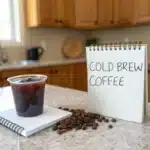
A smooth, low-acid coffee concentrate perfect for refreshing iced coffee drinks.
- Prep Time: 10
- Steeping time: 15 hours
- Total Time: 15 hours 10 minutes
- Yield: 3 1x
- Category: Beverages
- Cuisine: American
Ingredients
- 4 cups filtered water
- 1 cup coffee beans
Instructions
- Coarsely grind coffee beans to a consistency resembling sea salt.
- Combine ground coffee and filtered water in a large mason jar or cold brew container.
- Stir gently to ensure all grounds are saturated.
- Cover and steep at room temperature for 12-15 hours.
- Strain through a fine-mesh sieve lined with cheesecloth into a clean container.
- Store concentrate in refrigerator for up to 2 weeks.
- Serve diluted with water, milk or over ice to taste.
Notes
Nutrition facts are estimates and may vary based on ingredients used, portion sizes, and preparation methods.
Nutrition
- Serving Size: 3
- Calories: 5 Kcal
- Sodium: 5mg
- Carbohydrates: 1g
Keywords: cold brew, coffee concentrate, iced coffee, homemade coffee
Let’s connect! Follow me for more Joylicious Recipes: Facebook, Instagram, Pinterest