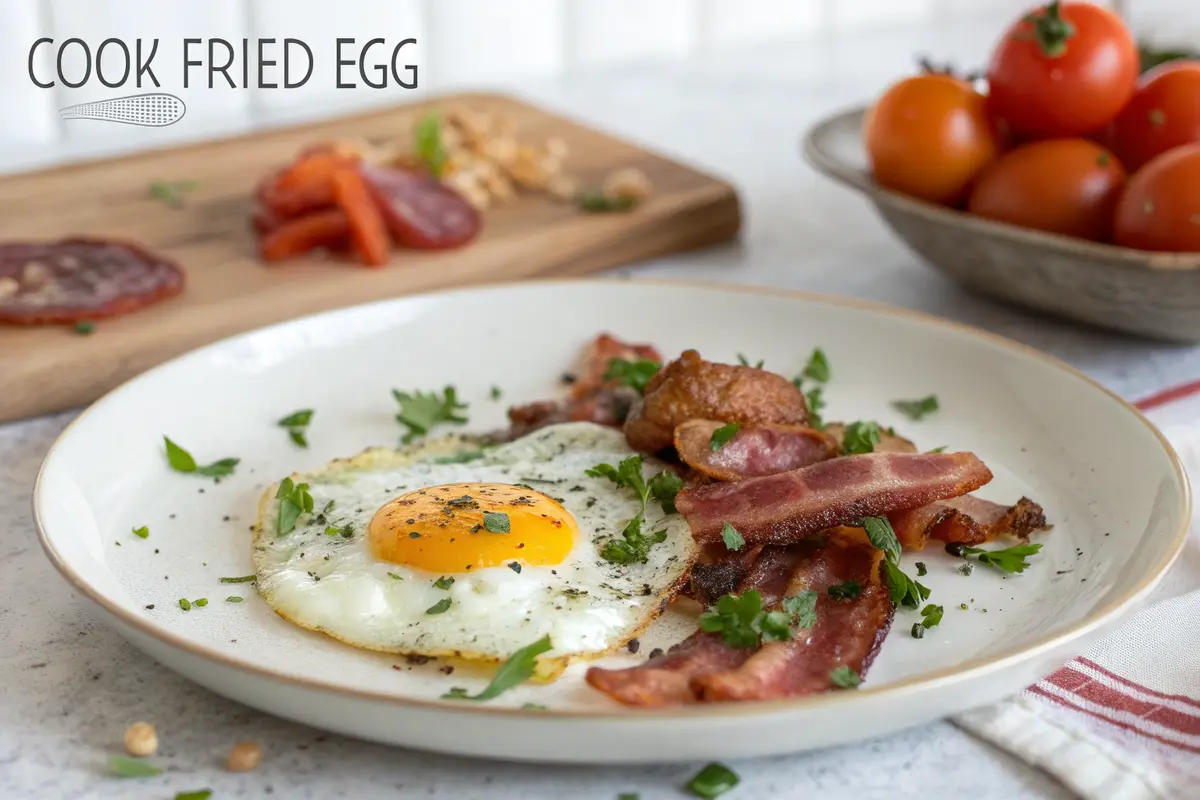
The Ultimate Guide to Cook Fried Egg Perfection
Why Fried Eggs Deserve a Special Place in Your Kitchen
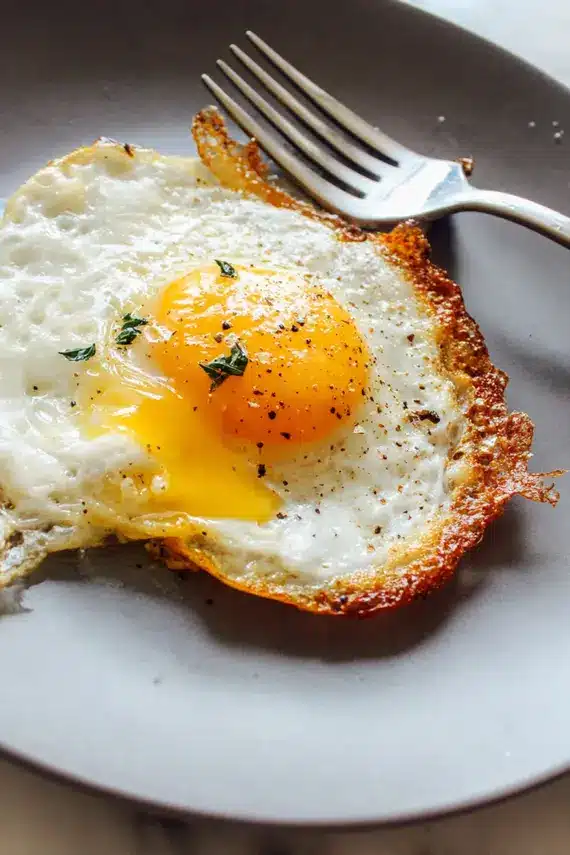
Cook fried egg properly and you’ll unlock a world of culinary possibilities that extend far beyond basic breakfast. The beauty of a perfectly fried egg lies in its simplicity—crispy, lacy edges giving way to firm whites and a gloriously runny yolk that creates its own rich sauce. “The Brown Sugar Banana Pancakes recipe pairs wonderfully with these fried eggs for a complete breakfast experience.” Fried eggs require minimal ingredients yet offer maximum flavor when prepared correctly.
Whether you’re crafting a quick weekday breakfast, topping a rice bowl for dinner, or creating an elegant brunch dish, mastering how to cook the perfect fried egg elevates everything it touches. The versatility of this humble protein makes it suitable for any meal of the day—providing a boost of nutrition and a touch of indulgence in minutes.
Essential Ingredients for Golden Perfection
The Building Blocks of a Perfect Fried Egg
The beauty of fried eggs lies in their simplicity, but quality ingredients make all the difference. Here’s what you’ll need to cook fried egg perfection:
| Basic Ingredients | Quantity |
|---|---|
| Large eggs | 2 |
| Unsalted butter (or high-quality olive oil) | 1 tablespoon |
| Kosher salt | Pinch |
| Freshly ground black pepper | Pinch |
| Fresh herbs for garnish (chives, parsley, thyme) | Optional, 1 teaspoon chopped |
Flavor Enhancers and Optional Add-ins
Take your fried eggs to the next level with these optional ingredients:
| Enhancement Options | Quantity | Purpose |
|---|---|---|
| Smoked paprika | ¼ teaspoon | Adds smoky depth |
| Red pepper flakes | Pinch | For gentle heat |
| Garlic powder | ⅛ teaspoon | Savory undertone |
| Grated Parmesan | 1 tablespoon | Creates crispy edges |
| Everything bagel seasoning | ½ teaspoon | Adds texture and flavor |
| Fresh lemon zest | ¼ teaspoon | Brightens flavor |
“The Breakfast Twice Baked Potatoes provide a hearty base that pairs perfectly with these golden fried eggs.”
Foolproof Method for Restaurant-Quality Results
Mastering the Perfect Fried Egg Technique
Follow these detailed steps to achieve perfect fried eggs every time:
- Prepare your pan: Select a quality non-stick or well-seasoned cast iron skillet. Heat it over medium heat for 1-2 minutes until evenly warm but not smoking.
- Add your fat: Add the tablespoon of butter (or oil) to the pan and tilt to coat the cooking surface evenly. The butter should melt completely and begin to foam slightly but not brown.
- Crack with care: Crack each egg individually into a small bowl or ramekin first, rather than directly into the pan. This prevents shell fragments and allows for gentle placement.
- Lower eggs into the pan: With the pan at the proper temperature, gently slide each egg into the hot fat. The whites should immediately begin to turn opaque at the edges with a slight sizzle.
- Season immediately: While the eggs are still raw, sprinkle with salt and pepper. Season from a height of about 10 inches for even distribution.
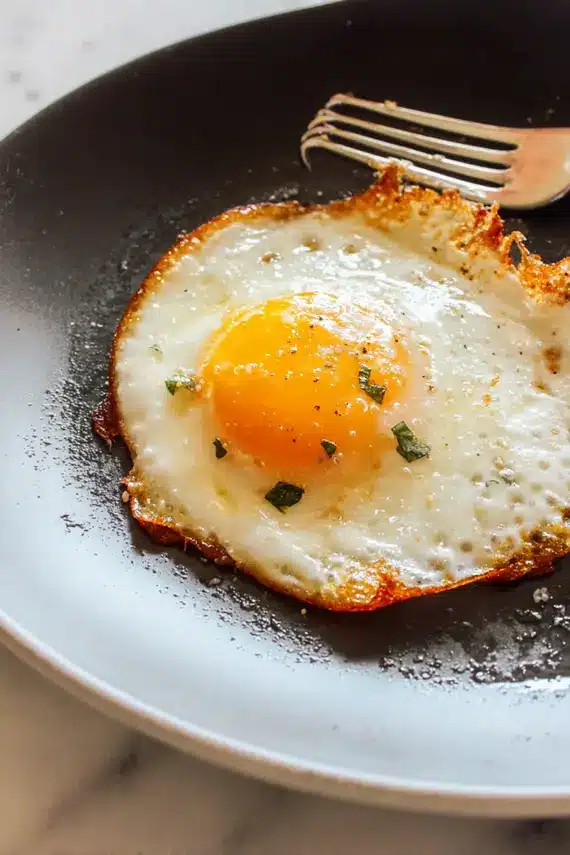
- Monitor the cooking process: For sunny-side-up eggs, cook until the whites are completely set (no more translucent areas) but the yolks remain bright yellow and runny, approximately 2-3 minutes. Look for slightly crispy, golden edges as your visual cue.
- Optional basting technique: For sunny-side-up eggs with more thoroughly cooked whites but runny yolks, tilt the pan slightly and use a spoon to collect hot butter, then drizzle it over the egg whites repeatedly.
- For over-easy eggs: Once the whites are nearly set after about 2 minutes, gently flip the egg using a thin spatula. Cook for just 15-30 seconds on the second side for runny yolks, or 45-60 seconds for medium yolks.
- Transfer with care: Use a slotted spatula to lift the eggs from the pan, allowing excess fat to drain, and transfer to your serving plate.
- Garnish: Immediately add a final small pinch of flaky sea salt if desired, and any fresh herbs for both flavor and presentation.
Expert Tricks for Fried Egg Mastery
Professional Techniques for Home Cooks
Elevate your fried egg game with these professional tips:
- Room temperature eggs: Take eggs out of the refrigerator 15-20 minutes before cooking. Room temperature eggs cook more evenly and are less likely to crack when hitting the hot pan.
- Fat selection matters: Butter creates a nutty flavor and beautiful browning, while olive oil offers a cleaner taste. For the best of both worlds, use a combination of butter and a splash of olive oil to prevent the butter from burning.
- Watch your heat: Medium-low to medium heat is ideal. Too high, and your eggs will have tough, browned bottoms before the whites set; too low, and they’ll spread too much and become rubbery.
- Create a freshness test: Not sure if your eggs are fresh? Fresh eggs have compact, domed whites that stay close to the yolk when cracked into a pan. Older eggs spread more.
- For perfectly round eggs: Use egg rings or even clean mason jar rings placed in the pan before adding the egg. Alternatively, use a small pan that fits just one or two eggs.
- Cover technique: For sunny-side-up eggs where you want set whites but runny yolks, cover the pan with a lid for the final 30 seconds of cooking. The trapped steam will help set the top of the whites without overcooking the yolks.
- The splash method: For another approach to setting the whites, add ½ teaspoon of water to the pan and immediately cover with a lid, letting the steam help cook the top of the egg.
“The Fried Brie Appetizer technique offers similar staged-cooking approaches to prevent burning while developing maximum flavor.”
Storing Fried Eggs the Right Way
Best Practices for Leftovers
While fried eggs are best enjoyed immediately after cooking, sometimes you may need to store leftovers. Here’s how to do it properly:
- Immediate cooling: Allow fried eggs to cool completely at room temperature for no more than 30 minutes before refrigerating.
- Storage container: Place cooled eggs in an airtight container to prevent them from absorbing other food odors in the refrigerator.
- Maximum freshness window: Properly stored fried eggs will maintain acceptable quality for up to 2 days in the refrigerator, though the yolks will continue to set and lose their runny texture.
- Reheating method: To reheat, place eggs in a covered microwave-safe dish and warm on 50% power for 30-45 seconds. Alternatively, place them in a covered skillet over low heat for 1-2 minutes until just warmed through.
- Quality expectations: Be aware that reheated fried eggs will never match the texture of freshly prepared ones. The yolks will firm up and the whites may become slightly rubbery.
Practical Meal Prep Ideas
For more practical meal prep involving eggs, consider these alternatives:
- Component prep: Rather than storing fried eggs, prepare other components of your meal in advance and cook fresh eggs just before serving.
- Soft-boiled alternative: Soft-boiled eggs can be made ahead, chilled in their shells, and briefly reheated in hot (not boiling) water for a similar runny yolk experience.
- Frittata conversion: Transform your fried egg concept into a frittata with add-ins, which stores and reheats beautifully for several days.
“The Easy Lemon Bars Recipe demonstrates similar careful attention to texture preservation during storage.”
Delicious Variations to Elevate Your Fried Egg Game
Global Inspirations for Fried Egg Lovers
Once you’ve mastered the basic technique to cook fried egg perfection, explore these creative variations:
Spanish-Style Fried Eggs
Heat 3-4 tablespoons of olive oil until quite hot but not smoking. Carefully add the egg and use a spoon to continuously baste the hot oil over the whites. This creates delightfully crispy, lacy edges while keeping the yolk runny. Season with smoked paprika and flaky salt for an authentic touch.
Middle Eastern Shakshuka-Inspired Eggs
In a small skillet, warm 2 tablespoons of tomato sauce with ¼ teaspoon cumin, a pinch of cayenne, and a touch of minced garlic. Make a well in the center and slide in your egg. Cover and cook until whites are set but yolk remains runny. Finish with crumbled feta and fresh cilantro.
Asian-Inspired Soy Fried Eggs
Cook your eggs as directed in the main recipe. Just before serving, drizzle with 1 teaspoon of soy sauce mixed with ½ teaspoon rice vinegar and a few drops of sesame oil. Garnish with sliced scallions and a sprinkle of white sesame seeds for a umami-rich experience.
Herb-Infused Butter Eggs
Before cooking your eggs, infuse the butter by adding 1 teaspoon of finely chopped fresh herbs (rosemary, thyme, or sage) to the melting butter. Let it sizzle for 30 seconds to release the aromatic oils before adding the eggs. The herbs will crisp slightly and impart their flavor to both the butter and eggs.
Cheese-Crusted Fried Eggs
After adding your eggs to the pan, sprinkle 1 tablespoon of finely grated Parmesan or cheddar cheese around the edges of the egg whites. As the eggs cook, the cheese will form a delicious crispy crust that adds texture and flavor to every bite.
Spiced Masala Eggs
Before adding eggs to the pan, bloom ¼ teaspoon each of ground cumin, coriander, and turmeric with a pinch of garam masala in the hot butter for 30 seconds. Add the eggs and cook as directed. The spices will create a fragrant foundation that transforms the simple egg into an aromatic delight.
Perfect Pairings and Serving Suggestions
Building Complete Meals Around Fried Eggs
Transform your perfectly cooked fried eggs into satisfying meals with these serving ideas:
Breakfast Classics Reimagined
Create the ultimate breakfast toast by layering avocado slices on whole grain sourdough, topping with a fried egg, and finishing with microgreens and a drizzle of hot sauce. For a hearty start to the day, serve your fried eggs atop sweet potato hash with sautéed bell peppers and onions.
Lunch and Dinner Applications
For a quick yet satisfying dinner, place your fried eggs over a warm grain bowl featuring quinoa, roasted vegetables, and a tahini drizzle. Add instant protein to a simple salad by topping mixed greens, cherry tomatoes, and cucumber with a perfectly cooked fried egg and frisée salad techniques can elevate this simple dish to restaurant quality.
Global Cuisine Inspirations
Create a simplified version of Korean bibimbap by arranging steamed rice, sautéed spinach, julienned carrots, and bean sprouts in a bowl, topped with your fried egg and a dollop of gochujang sauce. For a Mediterranean-inspired meal, serve your fried eggs over a bed of garlicky yogurt with toasted pine nuts, sumac, and warm pita bread on the side.
Presentation Ideas
For an impressive brunch presentation, create fried egg toasts on a wooden board with various toppings like smashed avocado, roasted tomatoes, sautéed mushrooms, and fresh herbs, allowing guests to customize their plates. When serving multiple eggs, consider using a pre-warmed plate to keep the eggs at the perfect temperature from first bite to last.
Common Questions About Frying Eggs
Troubleshooting Fried Egg Challenges
Why do my egg whites spread too much in the pan?
This usually happens when eggs aren’t fresh or when the pan isn’t hot enough before adding the eggs. For optimal results, use the freshest eggs possible and ensure your pan is properly preheated to medium heat before adding the fat and eggs. You can also use egg rings to contain the whites if spreading is a persistent issue.
How can I prevent the edges of my fried eggs from becoming tough and crispy?
If you prefer tender whites throughout, use moderate heat (medium-low rather than medium) and a bit more fat in the pan. The extra butter or oil creates a buffer that prevents direct high heat from creating those crispy edges. Additionally, cooking covered for part of the time creates steam that helps keep the whites tender.
Why does my yolk always break when I flip the egg for over-easy?
This common issue usually stems from flipping too forcefully or using an inadequate spatula. Wait until the whites are set enough to support the yolk (approximately 2-3 minutes), then use a thin, flexible silicone or nylon spatula. Slide it gently under the egg, getting as much of the egg’s surface on the spatula as possible before quickly but gently turning it over with a smooth wrist motion.
What’s the secret to getting that perfect sunny-side-up egg with set whites but runny yolk?
The basting technique is your best friend here. Once your eggs are in the pan, slightly tilt it to pool the butter at one side, then use a spoon to repeatedly scoop up the hot butter and drizzle it over the egg whites (avoiding the yolk). This helps the top of the whites set without needing to flip the egg. Alternatively, cover the pan for the last 30 seconds of cooking to let steam finish setting the top of the whites.
“The Chicken Leg Marinade demonstrates similar techniques for achieving perfect doneness while maintaining moisture.”
Embracing the Art of the Perfect Fried Egg
Taking Your Breakfast Game to New Heights
Learning how to cook fried egg properly is a fundamental culinary skill that pays delicious dividends at any meal. The humble fried egg represents the perfect intersection of simplicity and satisfaction—few foods offer such rich rewards with so little effort. With just a few minutes and a handful of pantry staples, you can create a protein-rich addition to countless dishes or enjoy them as the star of a satisfying meal.
The techniques you’ve learned—from selecting the right pan temperature to mastering the flip—create transferable skills that will serve you well across many cooking applications. Remember that practice makes perfect, and each egg is an opportunity to refine your approach. Whether you prefer yours sunny-side up with pristine, runny yolks or over-medium with a jammy center, the perfect fried egg is now within your reach.
“The Instant Pot Shredded Chicken recipe offers another protein option that pairs beautifully with these perfectly fried eggs for a complete meal.”
Perfect Fried Eggs
- Learn how to cook fried eggs to perfection with crispy edges and runny yolks.
- This foolproof recipe delivers restaurant-quality results in just minutes.
- Discover professional techniques for creating the ultimate breakfast staple.
- Prep Time: 2
- Cook Time: 3
- Total Time: 5 minutes
- Yield: 2 fried eggs 1x
- Category: Breakfast & Brunch
- Method: Skillet
- Cuisine: American
Ingredients
- 2 large eggs
- 1 tablespoon unsalted butter (or olive oil)
- Pinch of kosher salt
- Pinch of freshly ground black pepper
- 1 teaspoon fresh herbs, chopped (optional)
- Pinch of flaky sea salt for finishing (optional)
Instructions
- Heat a non-stick skillet over medium heat for 1-2 minutes until evenly warm.
- Add the butter and tilt the pan to coat the surface evenly. Allow butter to melt and foam slightly.
- Crack each egg individually into a small bowl, then gently slide into the hot butter.
- Season immediately with salt and pepper from a height for even distribution.
- Cook until the whites are completely set but yolks remain runny, about 2-3 minutes for sunny-side up.
- Optional: For sunny-side up with more set whites, tilt pan and spoon hot butter over the whites repeatedly.
- For over-easy eggs, gently flip when whites are nearly set and cook second side for 15-30 seconds (runny yolk) or 45-60 seconds (medium yolk).
- Transfer to a plate using a slotted spatula.
- Garnish with optional fresh herbs and a final pinch of flaky sea salt.
- Serve immediately.
Notes
- For the freshest eggs, look for compact whites that stay close to the yolk when cracked.
- Room temperature eggs cook more evenly than cold ones.
- For perfectly round eggs, use egg rings or mason jar rings in the pan.
- Cover the pan for the last 30 seconds to help set the whites without flipping.
- Nutrition facts are estimates and may vary based on ingredients used, portion sizes, and preparation methods.
Nutrition
- Serving Size: 1 fried egg
- Calories: 110
- Sodium: 95
- Fat: 9
- Saturated Fat: 4
- Unsaturated Fat: 5
- Carbohydrates: 1
- Protein: 6
- Cholesterol: 185
Keywords: cook fried egg, fried egg recipe, perfect fried egg, how to fry egg, easy fried egg, breakfast eggs
Let’s connect! Follow me for more Joylicious Recipes: Facebook, Instagram, Pinterest