

Mediterranean Orzo Salad: A Fresh and Vibrant Recipe for Any Occasion
What Makes Orzo Salad Special
Orzo salad stands out as one of the most versatile Mediterranean-inspired dishes you can prepare for any occasion. This pasta salad combines the delightful rice-shaped pasta with fresh vegetables, tangy feta cheese, and aromatic herbs to create a refreshing meal that works equally well as a side dish or main course. The beauty of orzo salad lies in its perfect balance of textures and flavors – tender pasta, crunchy vegetables, creamy cheese, and zesty dressing coming together in each delicious bite. Furthermore, this dish can be prepared in advance, making it ideal for meal prep, picnics, potlucks, or as a quick weekday lunch option.
“Looking for inspiration? Try our cucumber tomato salad recipe for another refreshing Mediterranean option!”
The Mediterranean Influence on Orzo Salad
The Mediterranean diet has long been celebrated for its health benefits and delicious flavor profiles, and orzo salad embodies these principles perfectly. Drawing inspiration from Greek cuisine in particular, this orzo salad features classic Mediterranean ingredients like Kalamata olives, feta cheese, fresh herbs, and a simple yet flavorful dressing. The combination of these ingredients not only creates an explosion of flavor but also provides a nutritionally balanced meal packed with protein, fiber, and healthy fats. Additionally, the use of fresh herbs and vegetables brings vibrant color to the dish, making it as visually appealing as it is delicious. The Mediterranean approach to food emphasizes fresh, seasonal ingredients and simple preparation methods, resulting in dishes that are both satisfying and nourishing.
Ingredients: Everything You Need for Perfect Orzo Salad
The Foundation: Orzo and Dressing Components
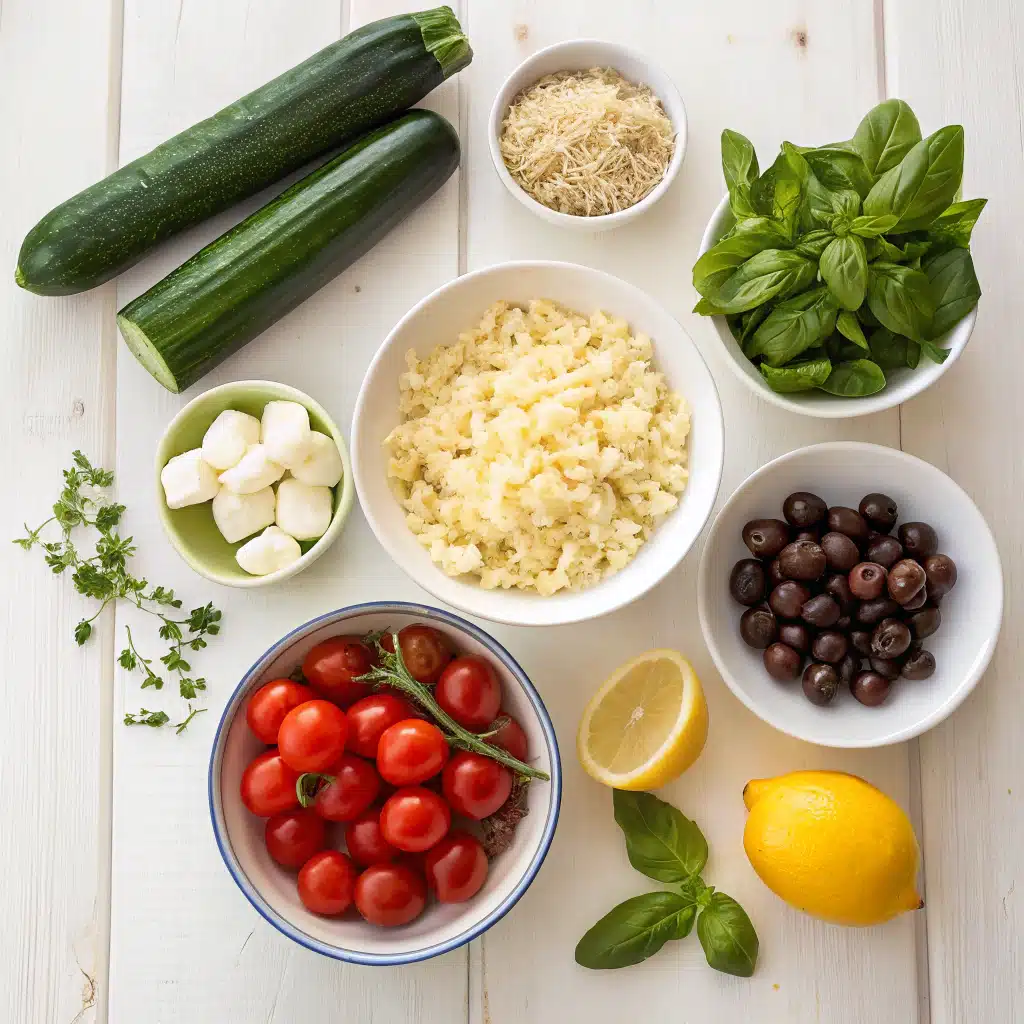
The heart of any good orzo salad begins with quality ingredients, particularly the pasta itself and a flavorful dressing. For this recipe, you’ll need the following base components:
| Main Ingredients | Dressing Components |
|---|---|
| 1½ cups dry orzo pasta | Greek Salad Dressing (homemade) |
| 1 cup cooked chickpeas | 1 tablespoon red wine vinegar |
| 2 Persian cucumbers | 1 tablespoon fresh lemon juice |
| 2 cups halved cherry tomatoes | ½ teaspoon dried oregano |
| 4 ounces feta cheese | ¼ teaspoon sea salt |
| ⅓ cup thinly sliced red onion | Freshly ground black pepper |
| ½ cup pitted Kalamata olives |
The orzo pasta provides the perfect canvas for the other flavors in this dish. Unlike larger pasta shapes, orzo’s small size allows it to absorb the dressing evenly while still maintaining a pleasant, slightly chewy texture. Meanwhile, the dressing combines tangy, aromatic elements that will coat every component of the salad, infusing it with Mediterranean flavor. The combination of red wine vinegar, fresh lemon juice, and oregano creates a bright, zesty foundation that perfectly complements the other ingredients.
Fresh Components: Vegetables, Herbs, and Cheese
The vibrant, fresh components truly elevate this orzo salad from good to exceptional:
| Fresh Ingredients | What They Add |
|---|---|
| 2 Persian cucumbers | Crunch and freshness |
| 2 cups cherry tomatoes | Sweetness and juicy texture |
| 1 cup fresh basil and/or mint leaves | Aromatic flavor |
| 4 ounces feta cheese | Creamy, tangy element |
| ⅓ cup red onion | Sharp flavor contrast |
| ½ cup Kalamata olives | Briny, rich flavor |
Each ingredient plays a crucial role in creating a balanced flavor profile. The Persian cucumbers add refreshing crispness, while the cherry tomatoes provide bursts of sweet-tart flavor. The feta cheese introduces creaminess and saltiness, complemented by the briny Kalamata olives. Red onions offer a pleasant sharpness that cuts through the other flavors, while fresh herbs like basil and mint bring aromatic complexity to every bite. Additionally, the chickpeas add protein and hearty texture, making the salad more satisfying and nutritionally complete. Together, these components create a symphony of Mediterranean flavors that make this orzo salad truly special.
Step-by-Step: Creating Your Mediterranean Orzo Salad
Cooking the Orzo to Perfection
The foundation of a great orzo salad starts with perfectly cooked pasta. Here’s how to achieve the ideal texture:
- Bring a large pot of water to a rolling boil, then add a generous amount of salt (about 1 tablespoon per 4 quarts of water).
- Add the 1½ cups of dry orzo pasta to the boiling water, stirring immediately to prevent sticking.
- Cook the orzo according to package directions, typically 8-10 minutes, or until it’s slightly past al dente – you want it tender but not mushy.
- Once cooked, drain the orzo thoroughly in a colander.
- Immediately toss the hot orzo with a small amount of olive oil to prevent clumping.
- Spread the orzo on a baking sheet in an even layer to cool quickly and stop the cooking process.
This approach ensures your orzo will have the perfect texture for salad – not too firm, not too soft, and definitely not sticky. Additionally, cooling the pasta on a baking sheet rather than in a bowl helps it cool evenly without becoming gummy.
“Don’t miss our pasta salad recipe for more pasta salad inspiration and techniques!”
Preparing the Vegetables and Dressing
While your orzo is cooking and cooling, you can prepare the other components:
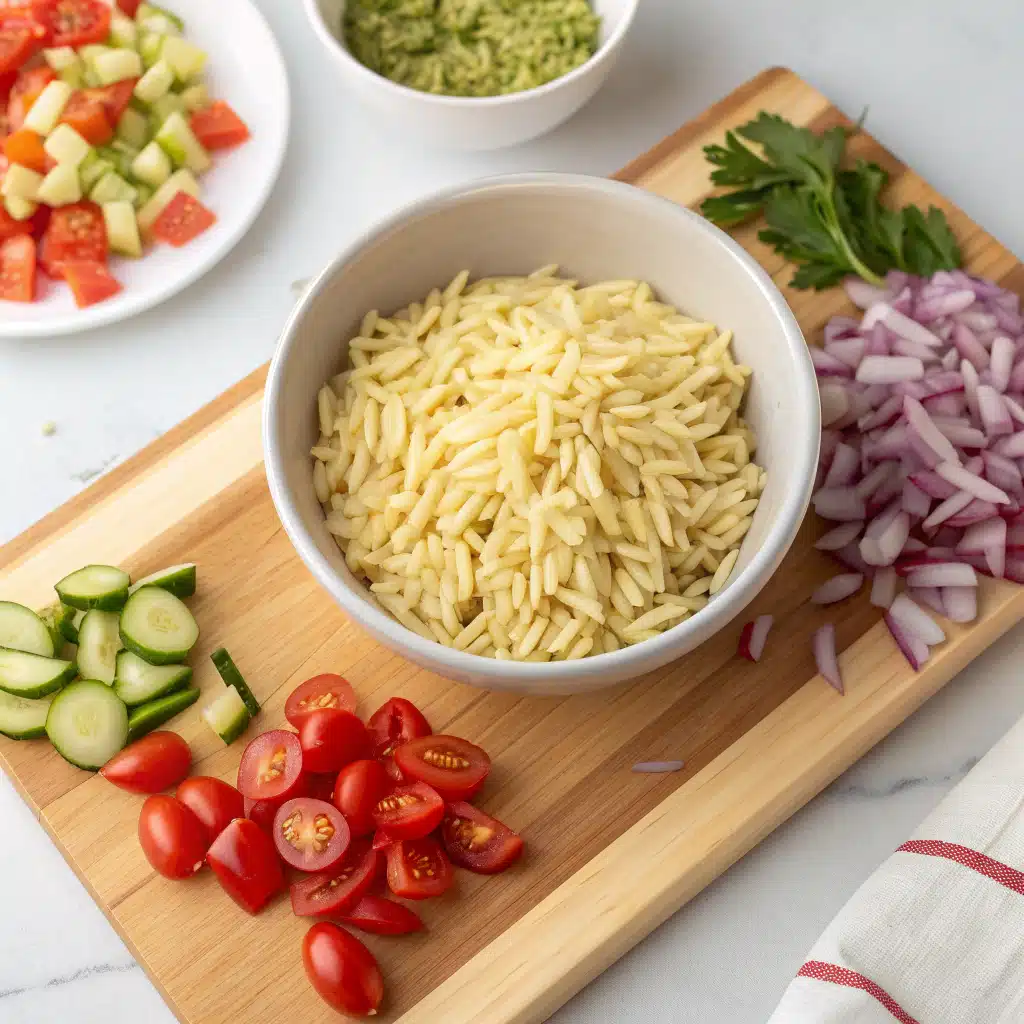
- Prepare the Greek Salad Dressing by whisking together all the dressing ingredients in a small bowl.
- Enhance the basic dressing by adding 1 tablespoon red wine vinegar, 1 tablespoon fresh lemon juice, ½ teaspoon dried oregano, and ¼ teaspoon sea salt.
- Wash and halve the Persian cucumbers lengthwise, then slice into ¼-inch thick half-moons.
- Halve the cherry tomatoes, creating bite-sized pieces that will release their juicy flavor.
- Thinly slice the red onion – soaking the slices in ice water for 5-10 minutes can mellow their sharpness if desired.
- Drain and rinse the chickpeas well, ensuring they’re not too wet when added to the salad.
- Cut the feta cheese into small ¼-inch cubes rather than crumbling it for a more distinct texture in each bite.
- Roughly chop or tear the fresh herbs just before assembly to preserve their aromatic qualities.
The key to a great orzo salad lies in the preparation of these ingredients. Cutting everything into similar, bite-sized pieces ensures you get a perfect blend of flavors in each forkful. Moreover, this preparation work can be done while the orzo cooks and cools, making efficient use of your time in the kitchen.
Combining and Serving Your Orzo Salad
The final assembly brings all components together:
- In a large mixing bowl, combine the cooled orzo pasta with the prepared vegetables, chickpeas, feta cheese, and Kalamata olives.
- Drizzle the dressing over the salad ingredients, starting with about two-thirds of it and adding more to taste.
- Add half of your fresh herbs to the mixture.
- Gently toss everything together, being careful not to break up the feta cheese or crush the tomatoes.
- Add freshly cracked black pepper and extra salt to taste if desired.
- Let the salad sit for 15-20 minutes before serving to allow the flavors to meld together.
- Just before serving, sprinkle the remaining fresh herbs on top for a burst of color and aroma.
- For the best flavor, let the salad come to room temperature before serving.
This orzo salad is best when the ingredients have had a chance to get acquainted, but not so long that the vegetables lose their crispness. Furthermore, the salad can be made a few hours ahead and kept at room temperature, making it perfect for entertaining. For longer storage, refrigerate the salad but bring it back to room temperature before serving to fully enjoy its flavors.
Tips: Mastering Your Mediterranean Orzo Salad
Ingredient Selection and Preparation Advice
Creating a truly exceptional orzo salad starts with choosing and preparing your ingredients thoughtfully:
- Orzo Quality: Select a high-quality orzo pasta, preferably made from durum wheat semolina, which holds its shape better in salads.
- Tomato Selection: If cherry tomatoes aren’t at their peak, substitute grape tomatoes or even diced Roma tomatoes, which tend to be more consistent year-round.
- Cucumber Options: Persian cucumbers are ideal because they have fewer seeds and thinner skin, but English cucumbers work well too. Regular cucumbers should be peeled and seeded.
- Feta Considerations: Traditional Greek feta made from sheep’s milk offers the most authentic flavor, but cow’s milk feta works well too. Buy a block and cube it yourself for better texture than pre-crumbled versions.
- Herb Freshness: Fresh herbs make a significant difference – avoid dried herbs for garnish, as they won’t provide the same bright flavor and visual appeal.
- Olive Oil Quality: Use a good quality extra virgin olive oil for the dressing, as its flavor will be prominent in the finished dish.
Additionally, consider the size of your ingredients – cutting everything into similar-sized pieces creates a more cohesive salad where no single ingredient dominates. Moreover, properly draining and drying ingredients, especially the chickpeas and olives, prevents excess moisture from diluting your dressing.
Common Mistakes to Avoid
Even experienced cooks can make these common orzo salad mistakes:
- Overcooking the Orzo: Perhaps the most common error is overcooking the pasta. Orzo continues to soften slightly as it cools and absorbs dressing, so cook it just past al dente but not to the point of mushiness.
- Skipping the Cooling Step: Adding dressing to hot orzo causes it to absorb too much liquid and become soggy. Always cool the pasta completely before assembling the salad.
- Under-Seasoning: Pasta salads generally need more salt than you might think. The orzo itself should be cooked in properly salted water, and the finished salad may need additional salt to bring out all the flavors.
- Adding All Ingredients at Once: For best results, add delicate herbs just before serving so they maintain their vibrant color and aroma.
- Over-Mixing: Toss the salad gently to avoid breaking down the vegetables and cheese. Using two large spoons or spatulas works better than a vigorous stirring motion.
- Serving Cold from the Refrigerator: Cold temperatures dull flavors. If you’ve refrigerated the salad, let it come to room temperature before serving for optimal taste.
Furthermore, avoid making the salad too far in advance if you want the freshest texture – while flavors meld beautifully over time, the vegetables can lose their crispness after a day or so.
“Here’s your guide to chickpea salad for more tips on working with this nutritious legume!”
Creative Additions and Substitutions
The beauty of orzo salad lies in its versatility. Consider these creative modifications:
- Protein Additions: Add grilled chicken, shrimp, or salmon to transform the salad into a complete meal.
- Cheese Alternatives: If you’re not a feta fan, try goat cheese, fresh mozzarella pearls, or even halloumi.
- Veggie Twists: Try adding roasted red peppers, artichoke hearts, sun-dried tomatoes, or grilled zucchini for extra flavor and variety.
- Nut Options: Toast pine nuts, walnuts, or sliced almonds to add crunch and nutritional value.
- Spice Adjustments: Add a pinch of red pepper flakes or Aleppo pepper for a subtle heat that complements the Mediterranean flavors.
- Sweet Elements: Consider adding a small amount of dried cranberries or golden raisins for a sweet counterpoint to the savory ingredients.
- Grain Substitutions: If you’re out of orzo, this salad works well with other small pasta shapes like farfalle or even with grains like farro or pearl couscous.
Moreover, you can adjust the dressing to your preference – adding more lemon for brightness, a touch of honey for sweetness, or even a small amount of Dijon mustard for depth. These customizations allow you to make this orzo salad uniquely yours while still maintaining its Mediterranean character.
Storage: Keeping Your Orzo Salad Fresh and Delicious
Short-Term Storage Solutions
Proper storage is essential to maintaining the quality of your orzo salad. For short-term storage (1-2 days), follow these guidelines:
- Refrigeration: Store the orzo salad in an airtight container in the refrigerator. Glass containers work particularly well as they don’t absorb odors or stain from the ingredients.
- Dressing Considerations: If you’re preparing the salad in advance but not serving immediately, consider keeping some of the dressing separate and adding it just before serving to prevent the orzo from absorbing too much liquid.
- Herb Management: Reserve a portion of the fresh herbs to add just before serving, as they tend to wilt and darken in the refrigerator.
- Temperature Adjustment: Always allow refrigerated orzo salad to sit at room temperature for about 15-20 minutes before serving to enhance the flavors – cold temperatures suppress taste.
- Quick Refresh: If your salad seems dry after refrigeration, drizzle a small amount of olive oil and a squeeze of fresh lemon juice, then toss gently to revive it.
Additionally, keeping the salad in a shallow container rather than a deep one helps maintain consistent temperature throughout and prevents the bottom layer from becoming soggy. Furthermore, covering the surface directly with plastic wrap before putting on the container lid can reduce air exposure and keep everything fresher.
Long-Term Storage and Freezing Guidelines
While orzo salad is best enjoyed within a day or two, there are ways to extend its life:
- Maximum Refrigeration Time: Properly stored orzo salad will stay good for up to 3-5 days in the refrigerator, though the textures of some components will gradually deteriorate.
- Component Separation: For longer storage, consider keeping the components separate – store cooked orzo, chopped vegetables, and dressing in different containers, then combine portions as needed.
- Freezing Limitations: Complete orzo salad doesn’t freeze well, as the vegetables become mushy and the dressing may separate upon thawing. However, plain cooked orzo can be frozen for up to 3 months.
- Signs of Spoilage: Discard the salad if you notice any off odors, sliminess, or discoloration, regardless of how long it’s been stored.
- Reviving Techniques: If your salad has been refrigerated for several days and seems dry or dull, add fresh components like newly chopped herbs, a squeeze of lemon juice, or even a few fresh vegetable pieces to bring it back to life.
For potlucks or picnics, remember that orzo salad should not sit at room temperature for more than 2 hours (or 1 hour if the temperature is above 90°F/32°C) for food safety reasons.
“Check out our food storage tips for salads to learn more about keeping your fresh dishes safe and delicious!”
Meal Prep Strategies with Orzo Salad
Orzo salad makes an excellent candidate for meal preparation strategies:
- Batch Cooking: Prepare a large batch of orzo salad on Sunday for weekday lunches, but store the more delicate ingredients separately if possible.
- Mason Jar Method: Layer the ingredients in mason jars with dressing at the bottom, followed by sturdy ingredients like chickpeas and cherry tomatoes, then orzo, and finally delicate items like fresh herbs on top. This prevents sogginess until you’re ready to shake and eat.
- Companion Foods: Prepare complementary proteins like grilled chicken breast strips or hard-boiled eggs to add fresh protein to your orzo salad throughout the week.
- Repurposing Options: Transform leftover orzo salad by warming it slightly and serving it as a side dish with grilled meat, or stuff it into hollowed tomatoes or bell peppers for a different presentation.
- Portion Control: Divide the prepared salad into individual containers for grab-and-go lunches that maintain proper portion sizes.
Moreover, consider making extra orzo when preparing the salad and freezing it in portion-sized containers. This gives you a head start on making fresh batches of the salad in the future without having to cook pasta each time. Additionally, keeping a jar of homemade Greek dressing in the refrigerator means you’re always prepared to whip up a quick orzo salad when needed.
Variations: Exploring Different Orzo Salad Styles
Seasonal Orzo Salad Adaptations
One of the greatest strengths of orzo salad is its adaptability to seasonal ingredients throughout the year:
- Spring Orzo Salad: Incorporate tender asparagus tips, fresh peas, and mint for a bright, verdant version. Add some lemon zest to the dressing for extra brightness.
- Summer Orzo Salad: Embrace summer’s bounty with sweet corn kernels, diced bell peppers, and basil. Add fresh peaches or nectarines for a surprising sweet note.
- Fall Orzo Salad: Transition to autumn with roasted butternut squash, dried cranberries, and toasted pumpkin seeds. A splash of apple cider vinegar in the dressing complements these fall flavors beautifully.
- Winter Orzo Salad: Create a heartier version with roasted Brussels sprouts, pomegranate seeds, and walnuts. A touch of honey in the dressing balances the deeper winter flavors.
Additionally, consider adjusting the herbs to match the season – dill and chives in spring, basil in summer, sage in fall, and rosemary in winter. Furthermore, seasonal adaptations can include changing the cheese selection: fresh goat cheese in spring, feta in summer, smoked gouda in fall, and aged Parmesan in winter. These thoughtful adjustments ensure your orzo salad remains fresh and exciting year-round.
Global-Inspired Orzo Salad Versions
While our base recipe has Mediterranean roots, orzo salad can easily adopt flavors from around the world:
- Italian Orzo Salad: Swap feta for mozzarella pearls, add salami cubes, roasted red peppers, and an Italian herb blend. Dress with a simple balsamic vinaigrette.
- Mexican-Inspired Orzo Salad: Incorporate black beans, corn, diced avocado, and cilantro. Use a lime-based dressing with cumin and a touch of chili powder.
- Asian-Fusion Orzo Salad: Mix in edamame, shredded carrots, sliced snow peas, and chopped cashews. Create a dressing with rice vinegar, sesame oil, ginger, and a touch of honey.
- Middle Eastern Orzo Salad: Add roasted eggplant, pomegranate seeds, pistachios, and plenty of mint and parsley. Dress with a tahini-lemon dressing for a rich flavor profile.
- Moroccan Orzo Salad: Incorporate chickpeas, golden raisins, chopped dried apricots, and toasted almonds. Season with warm spices like cinnamon, cumin, and a touch of harissa in the dressing.
Moreover, these global variations can serve as an excellent way to use up leftover proteins – add sliced steak to the Mexican version, grilled shrimp to the Asian-fusion, or lamb to the Middle Eastern variation. These diverse interpretations demonstrate how versatile orzo salad can be as a canvas for culinary creativity.
“Want more ideas? Check out our arugula salad recipe for another globally-inspired fresh dish!”
Dietary Adaptation Options
Orzo salad can be easily modified to accommodate various dietary needs:
- Gluten-Free Orzo Salad: Substitute traditional orzo with gluten-free orzo made from rice or corn flour, or use a small gluten-free pasta shape like quinoa elbows.
- Vegan Orzo Salad: Omit the feta cheese or replace it with a dairy-free alternative like marinated tofu cubes or a store-bought vegan feta. Ensure your dressing contains no honey or other animal products.
- High-Protein Orzo Salad: Double the chickpeas and add additional protein sources like edamame, quinoa, or hemp seeds for a protein-packed meal.
- Low-Carb Version: Reduce the orzo quantity and increase the vegetables. For a very low-carb option, replace the orzo entirely with riced cauliflower that’s been lightly sautéed.
- Grain-Free Option: Substitute the orzo with small cauliflower florets that have been blanched until just tender for a grain-free alternative that maintains a similar mouth feel.
- Heart-Healthy Adaptation: Use less cheese and more vegetables, particularly those rich in heart-healthy nutrients like bell peppers and dark leafy greens.
Additionally, the dressing can be adapted for different dietary needs – use a measured amount of olive oil for those monitoring fat intake, or create an oil-free version using pureed white beans or yogurt as a base. Furthermore, these adaptations don’t just accommodate restrictions – they open up new flavor and texture possibilities that might become your preferred way to enjoy orzo salad.
Serving: Perfect Pairings and Presentation Ideas
Complementary Main Dishes and Sides
Orzo salad is incredibly versatile when it comes to pairing with other dishes:
- Grilled Proteins: Serve alongside grilled chicken, salmon, lamb chops, or shrimp for a complete Mediterranean-inspired meal. The bright, tangy flavors of the salad balance beautifully with charred, smoky meats.
- Vegetarian Mains: Pair with stuffed bell peppers, grilled halloumi skewers, or a hearty vegetable tart for a satisfying meat-free dinner.
- Soup Companions: Serve a smaller portion as a side to complement soups, particularly Mediterranean options like lemon chicken soup, tomato bisque, or white bean and kale soup.
- Sandwich Pairings: Offer alongside paninis, wraps, or classic sandwiches for a more interesting alternative to potato chips or fries.
- Additional Sides: Complement with simple sides like hummus and pita chips, roasted vegetables, or a small green salad for a varied and balanced meal.
Additionally, orzo salad works wonderfully as part of a larger Mediterranean mezze spread, alongside items like stuffed grape leaves, tzatziki, olives, and fresh pita bread. Furthermore, it’s an excellent companion to any grilled foods during summer barbecues, providing a refreshing counterpoint to richer, smokier flavors.
“Discover great ideas like our chicken gyro recipe for the perfect main dish to serve with this orzo salad!”
Presentation Techniques for Maximum Appeal
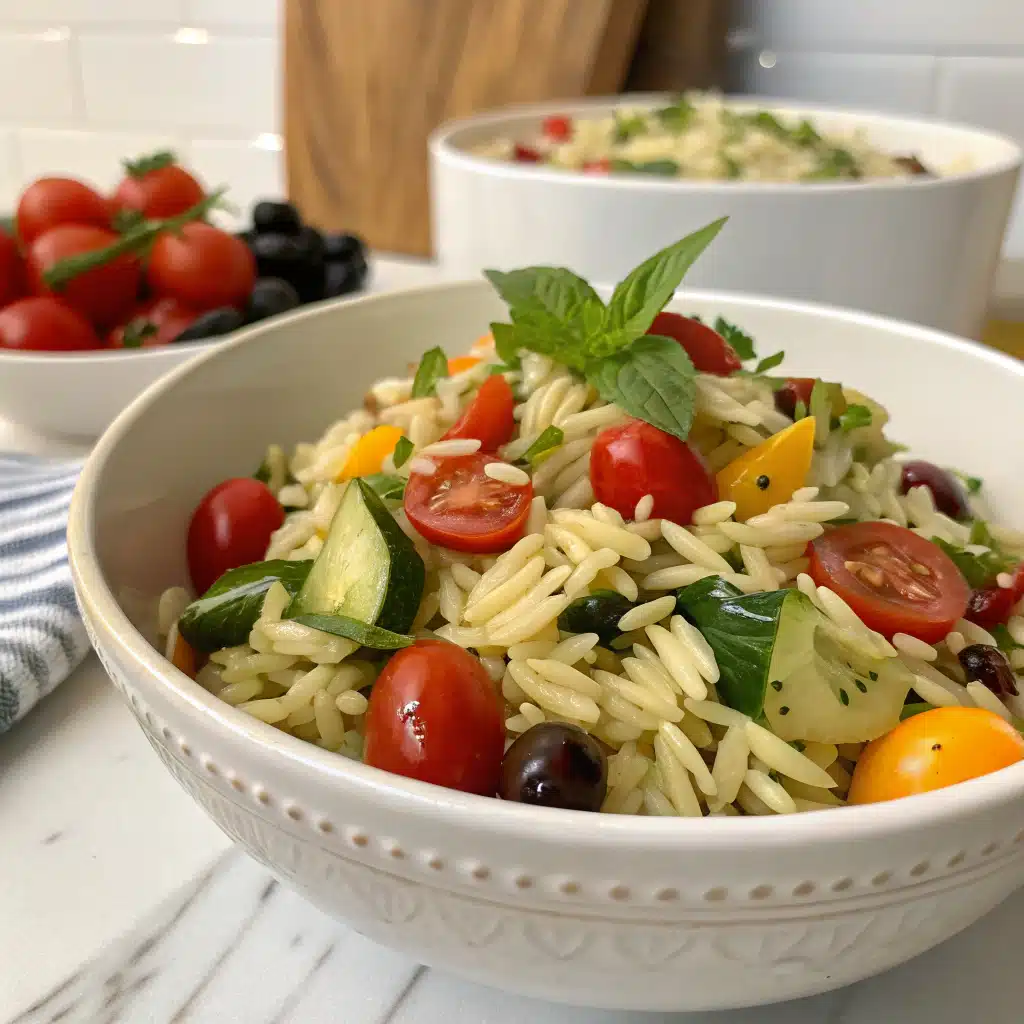
How you present your orzo salad can significantly enhance the dining experience:
- Serving Vessels: Consider serving in a large, shallow white bowl to showcase the colorful ingredients, or individual portions in small mason jars for a picnic or buffet setting.
- Garnish Ideas: Just before serving, add a fresh sprinkle of herbs, a drizzle of your best olive oil, or a light dusting of sumac or za’atar for visual appeal and flavor enhancement.
- Component Arrangement: For a more sophisticated presentation, arrange some components on top rather than mixing everything – reserve some feta cubes, olives, and fresh herbs to place decoratively on top of the mixed salad.
- Color Consideration: If adapting the recipe, think about maintaining color contrast – aim for a mix of colors to create a visually appealing dish.
- Temperature and Timing: Serve at room temperature, removing from the refrigerator about 20 minutes before serving to allow flavors to bloom.
- Edible Flowers: For special occasions, consider garnishing with edible flowers like nasturtiums or borage blossoms for a stunning presentation.
Moreover, consider serving methods that allow guests to customize their experience – place additional feta, fresh herbs, or even toasted pine nuts in small bowls alongside the main salad so everyone can adjust to their preference. Additionally, providing lemon wedges allows diners to add a fresh squeeze of citrus if desired.
Additionally, if serving the orzo salad as part of a larger Mediterranean spread, consider offering a selection of beverages that guests can choose from based on their preferences and the other dishes being served. Furthermore, seasonal adaptations can extend to beverages as well – a rosé in summer, mulled cider in fall, or a pomegranate spritzer in winter can complement seasonal variations of the salad.
FAQs: Common Questions About Orzo Salad
What is in an orzo salad?
A Mediterranean orzo salad combines tender orzo pasta, crisp veggies like cucumbers and tomatoes, chickpeas, feta, olives, and fresh herbs such as basil or mint. It’s tossed in a zesty olive oil–lemon dressing and easily customized with seasonal ingredients while keeping the balance of pasta, veggies, protein, and dressing.
What are common orzo salad mistakes?
Common mistakes include overcooking the orzo, mixing ingredients before it cools, and under-seasoning. Avoid overmixing and don’t serve it cold—let it warm slightly for better flavor.
How healthy is orzo salad?
This dish is nutritious when loaded with vegetables, chickpeas, and olive oil. It provides protein, fiber, healthy fats, and antioxidants. While regular orzo is refined, you can choose whole-wheat orzo for extra fiber or simply increase the veggies and lean protein. Overall, it fits beautifully into the Mediterranean diet, known for supporting heart health.
What cheese goes with orzo salad?
Feta is the go-to for its salty, tangy flavor, but other options include mozzarella pearls, goat cheese, ricotta salata, or grilled halloumi. Dairy-free feta substitutes also blend well without changing the character of the dish.
What to pair with orzo salad?
It’s delicious alongside grilled chicken, fish, lamb, or vegetarian mains like stuffed peppers. For a lighter meal, pair it with soup or eggs. It’s also ideal for picnics and potlucks with hummus, pita, and other Mediterranean sides.
How long does orzo salad last in the fridge?
Store it in an airtight container for 3–5 days, though it’s best within 2. Let it reach room temperature before serving, and refresh with a drizzle of olive oil and lemon juice if it seems dry.
Conclusion: Embracing the Mediterranean Lifestyle
The Joy of Mediterranean Cuisine
Orzo salad represents more than just a delicious recipe – it embodies the heart of Mediterranean cuisine and lifestyle. This approach to eating celebrates fresh ingredients, simple preparation methods, and the pleasure of sharing food with others. The Mediterranean diet has been extensively studied for its health benefits, including reduced risk of heart disease, improved cognitive function, and lower rates of certain cancers. By incorporating dishes like orzo salad into your regular meal rotation, you’re not just enjoying a tasty meal, but also embracing a way of eating that nourishes both body and soul.
The beauty of Mediterranean cuisine lies in its emphasis on plant-based foods, healthy fats like olive oil, and moderate portions of dairy, fish, and lean meats. Orzo salad perfectly captures this balanced approach, combining complex carbohydrates, vegetables, plant proteins, and just enough cheese to add flavor without overwhelming the dish. Furthermore, the simple preparation methods preserve the natural flavors and nutritional value of the ingredients, resulting in food that is both satisfying and wholesome.
Making Orzo Salad Your Own
One of the most rewarding aspects of cooking is adapting recipes to make them uniquely yours, and orzo salad provides the perfect canvas for culinary creativity. Whether you’re adjusting the ingredients based on seasonal availability, dietary preferences, or simply what you have on hand, the basic template of this dish allows for endless variations while maintaining its Mediterranean character. Don’t be afraid to experiment with different herbs, vegetables, proteins, or dressings – each variation becomes a new discovery that might just become your signature version.
Remember that the best cooking comes from understanding the principles behind a dish rather than rigidly following a recipe. Once you’ve mastered the basic orzo salad, you’ll develop an intuition for what combinations work well together, how to balance flavors, and how to adapt the dish for different occasions. Additionally, sharing your unique versions with friends and family creates connections and memories centered around food – a cornerstone of Mediterranean culture.
“Looking for inspiration? Try our comprehensive collection of Mediterranean recipes for more delicious meal ideas!”
Ultimately, orzo salad exemplifies what makes Mediterranean cuisine so beloved worldwide – simple ingredients treated respectfully, combined thoughtfully, and shared generously. Whether served as a quick weekday lunch, a side dish at a barbecue, or part of an elaborate mezze spread, this versatile dish brings a touch of Mediterranean sunshine to any table.
PrintMediterranean Orzo Salad

A vibrant Mediterranean orzo salad featuring fresh vegetables, feta cheese, chickpeas, and herbs tossed in a zesty Greek dressing. Perfect for potlucks, meal prep, or as a refreshing side dish.
- Prep Time: 20 minutes
- Cook Time: 10 minutes
- Total Time: 30 minutes
- Yield: 6 servings 1x
- Category: Salad
- Cuisine: Mediterranean
Ingredients
- 1½ cups dry orzo pasta
- 1 recipe Greek Salad Dressing
- 1 tablespoon red wine vinegar
- 1 tablespoon fresh lemon juice
- ½ teaspoon oregano
- ¼ teaspoon sea salt
- 2 Persian cucumbers, halved vertically, and sliced ¼-inch thick
- 2 cups halved cherry tomatoes
- 1 cup cooked chickpeas, drained, and rinsed
- 4 ounces feta cheese, cut into ¼-inch cubes
- ⅓ cup thinly sliced red onion
- ½ cup pitted Kalamata olives
- 1 cup fresh basil and/or mint leaves
- Freshly ground black pepper
Instructions
- Cook orzo in salted water according to package directions until slightly past al dente. Drain, toss with a little olive oil to prevent sticking, and spread on a baking sheet to cool completely.
- Prepare the Greek Salad Dressing and add red wine vinegar, lemon juice, oregano, and sea salt.
- In a large bowl, combine cooled orzo, cucumbers, tomatoes, chickpeas, feta, red onion, and olives.
- Pour dressing over the salad ingredients, add half the herbs, and season with black pepper.
- Gently toss everything to combine, taking care not to break up the feta or crush the tomatoes.
- Let the salad rest for 15-20 minutes before serving to allow flavors to meld.
- Garnish with remaining herbs just before serving.
Notes
For best results, serve at room temperature rather than cold from the refrigerator. You can prepare the salad a day in advance and store it in the refrigerator.
Nutrition facts are estimates and may vary based on ingredients used, portion sizes, and preparation methods.
Nutrition
- Serving Size: 6 servings
- Calories: 285
- Sugar: 3g
- Sodium: 410mg
- Fat: 11g
- Saturated Fat: 4g
- Trans Fat: 0g
- Carbohydrates: 38g
- Fiber: 4g
- Protein: 10g
- Cholesterol: 17mg
Keywords: orzo salad, Mediterranean salad, Greek pasta salad, feta orzo, cold pasta salad
Let’s connect! Follow me for more Joylicious Recipes: Facebook, Instagram, Pinterest