
Homemade Seasoned Fries: The Ultimate Guide for Perfectly Crispy Fries
Why Seasoned Fries Are the Perfect Side Dish
Seasoned fries are the ultimate crowd-pleasing side dish that transforms ordinary potatoes into an extraordinary culinary experience. These crispy, flavorful fries elevate any meal with their perfect balance of herbs and spices. Unlike plain french fries, seasoned fries bring a burst of flavor that complements everything from burgers to grilled chicken. Additionally, they’re versatile enough to stand alone as a satisfying snack. With the right technique and seasoning blend, you can create restaurant-quality seasoned fries in your own kitchen that will have everyone reaching for seconds.
The Secret to Perfect Seasoned Fries
The magic of truly exceptional seasoned fries lies in both the cooking method and the seasoning blend. First, soaking the cut potatoes removes excess starch, which not only prevents them from sticking together but also helps achieve that coveted crispy exterior. Second, the double-frying technique creates the ideal texture—crisp on the outside and fluffy on the inside. Finally, applying the seasoning immediately after frying ensures it adheres perfectly to the hot fries, locking in flavor with every bite.
“Looking for inspiration? Try our crispy air fryer parmesan crusted chicken as a delicious main to serve with these fries.”
The seasoning salt combines aromatic herbs, warming spices, and savory elements that transform simple potatoes into an addictive side dish you’ll want to make again and again.
Ingredients for Perfect Seasoned Fries
Choosing the Right Potatoes
For the best seasoned fries, potato selection is crucial. To start, sweet potatoes—especially white-fleshed varieties like Hannah or Japanese—offer a perfect balance of flavor and texture. They contain just enough natural sugar to caramelize beautifully during frying, yet they don’t become overly sweet. In addition, these varieties hold their structure well during the double-frying process. Alternatively, Russet or Idaho potatoes work wonderfully for traditional seasoned fries because of their high starch content and low moisture. Finally, whatever variety you choose, look for firm potatoes without green spots or sprouts, and aim for similar sizes to ensure even cooking.
The Perfect Seasoning Blend
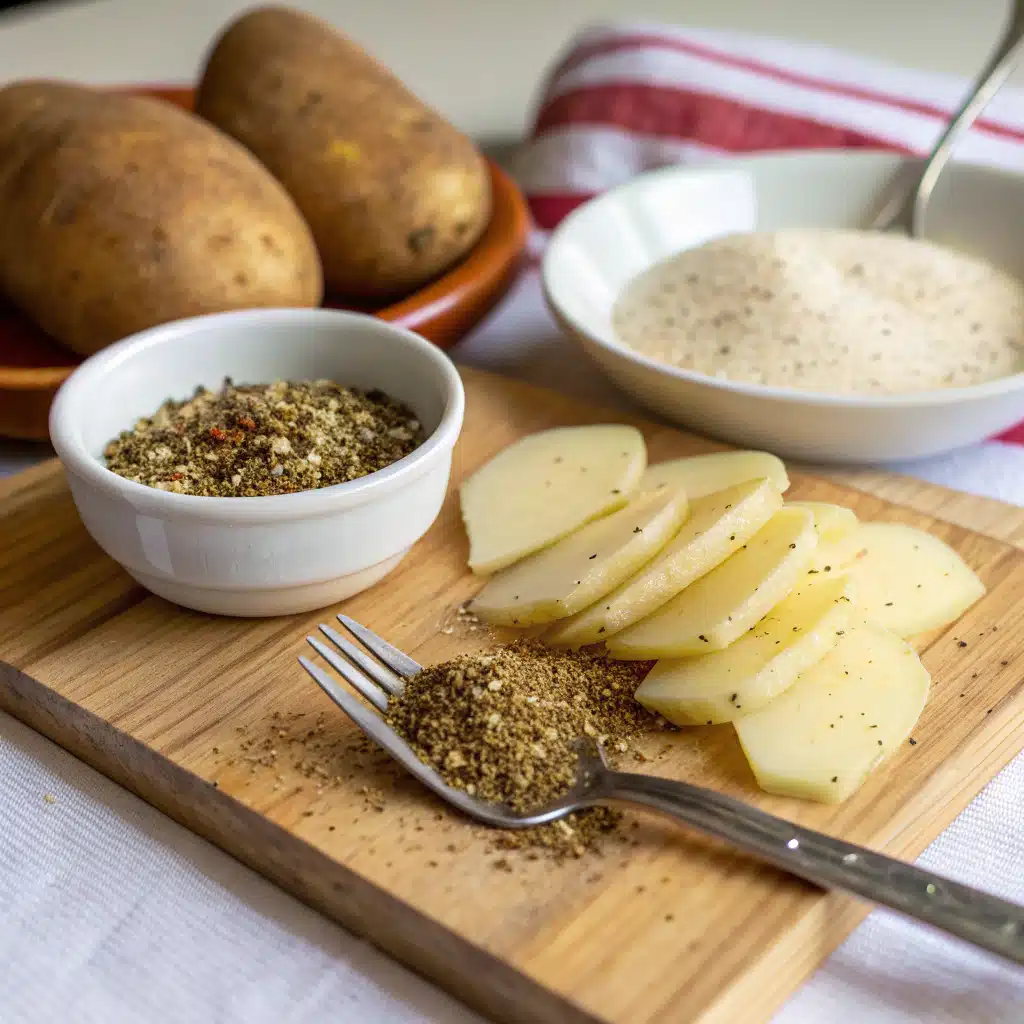
The heart of amazing seasoned fries is a well-balanced seasoning mix that delivers layers of flavor. Our signature seasoning salt combines warming spices like smoked paprika and chili powder with aromatic herbs like basil and oregano. The garlic and onion powders provide savory depth, while cumin and sage add complexity. Here’s what you’ll need for the perfect blend:
| Seasoning Ingredients | Amount | Flavor Profile |
|---|---|---|
| Sea salt | 2 teaspoons | Base flavor enhancer |
| Smoked paprika | 1 teaspoon | Smoky, sweet depth |
| Garlic powder | 1 teaspoon | Savory, aromatic |
| Onion powder | 1/2 teaspoon | Sweet, savory notes |
| Chili powder | 1/2 teaspoon | Mild heat, complexity |
| Dried basil | 1/2 teaspoon | Herbal, slightly sweet |
| Black pepper | 1/4 teaspoon | Mild heat, aroma |
| Cumin | 1/4 teaspoon | Earthy, warm notes |
| Ground sage | 1/4 teaspoon | Aromatic, slightly bitter |
| Dried oregano | 1/8 teaspoon | Pungent, earthy flavor |
Step-by-Step Guide to Making Seasoned Fries
Preparation and Soaking Process
The journey to perfect seasoned fries begins with proper preparation. Follow these steps for the best results:
- Thoroughly wash 3 medium sweet potatoes (about 2 pounds) under cold running water to remove any dirt.
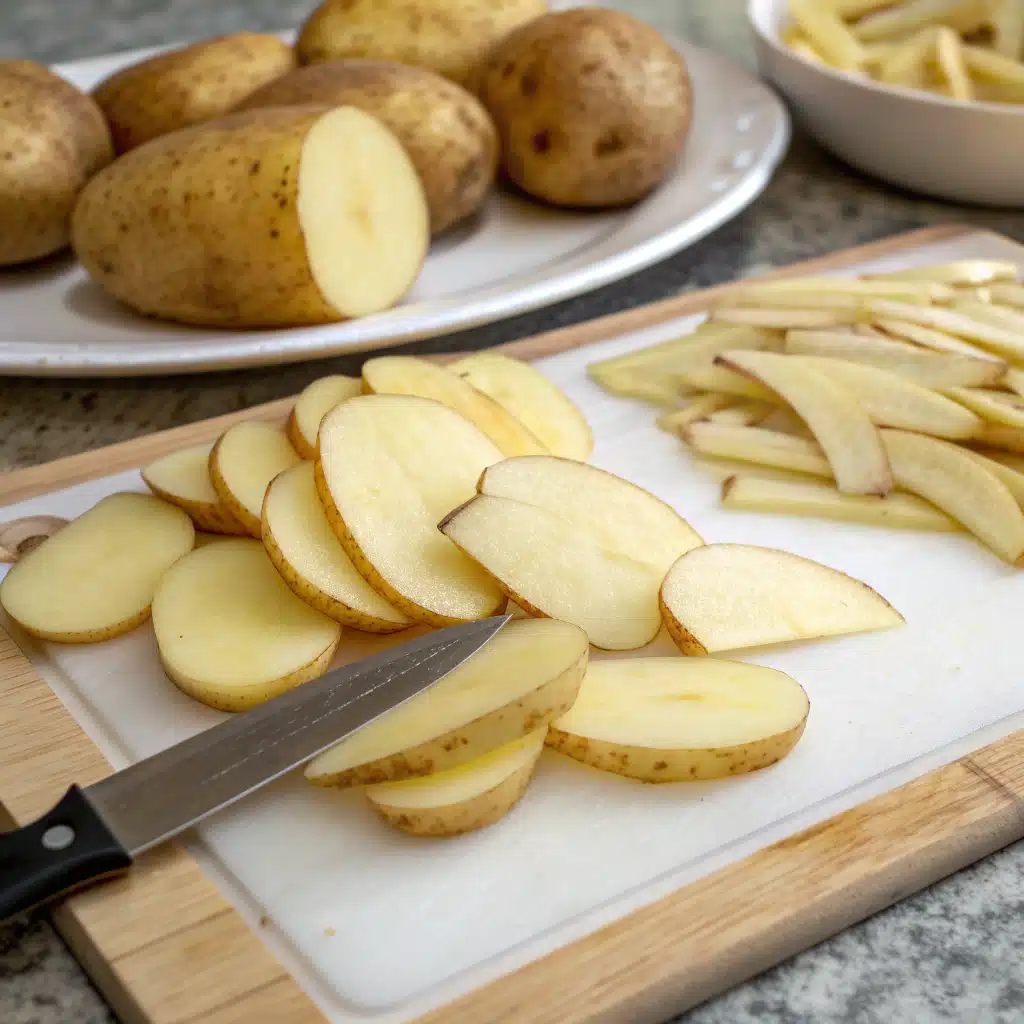
- Using a sharp knife, cut each potato lengthwise into 1/2-inch-thick slices, then cut each slice into 1/4-inch sticks for uniform fries.
- Put the cut potatoes into a large bowl and submerge them fully in cold water.
- Allow the potatoes to soak for at least 30 minutes, though soaking for up to 24 hours in the refrigerator will yield even better results.
- While the potatoes are soaking, combine all the seasoning salt ingredients in a small bowl and mix thoroughly.
- After soaking, drain the potatoes in a colander and pat them completely dry with paper towels. This crucial step removes excess starch and prevents the oil from splattering during frying.
Proper soaking and drying ensure your seasoned fries will be crispy on the outside and fluffy on the inside. The soaking process removes excess starch that would otherwise cause the fries to stick together during cooking.
The Double-Frying Technique
The secret to restaurant-quality seasoned fries lies in the double-frying method. This technique creates the perfect texture: crispy on the outside and tender inside.
“Check out our garlic butter chicken bites for another quick and delicious recipe that pairs wonderfully with these seasoned fries.” Here’s how to master it:
- Heat 4 cups of duck fat or avocado oil in a deep fryer or large, heavy-bottomed pot to 300°F, using a kitchen thermometer for accuracy.
- Working in small batches (about two handfuls at a time), carefully add the dried potato sticks to the hot oil, ensuring they’re fully submerged with at least 1 inch of oil above them.
- Par-cook the potatoes for 3-5 minutes until they’re light brown. This first fry cooks the inside of the fries.
- Using a mesh skimmer or slotted spoon, carefully remove the par-cooked fries, gently shake off excess oil, and transfer to a wire rack to drain.
- Repeat until all potatoes have been par-cooked.
- Increase the oil temperature to 350°F.
- Return the par-cooked fries to the hot oil in small batches for their second fry, cooking for about 3 minutes until they’re golden brown and crispy.
- Remove and drain on a wire rack.
- Immediately transfer the hot fries to a large bowl and toss with the prepared seasoning salt to taste.
Finishing and Seasoning Your Fries
Properly seasoning your fries is the final crucial step that transforms them from good to extraordinary:
- Transfer the freshly fried, hot fries to a large mixing bowl immediately after draining.
- Sprinkle 1-1.5 teaspoons of your prepared seasoning salt over the fries. Start with less; you can always add more.
- Gently toss the fries to evenly distribute the seasoning, being careful not to break the fries.
- Taste a fry and adjust the seasoning if needed by adding more seasoning salt.
- Serve the seasoned fries immediately while hot and crispy.
- Optionally, serve with The New Primal BBQ Sauce or your favorite dipping sauce on the side.
The key is seasoning the fries while they’re still hot and fresh from the fryer. The residual oil helps the seasoning adhere evenly to each fry, creating the perfect flavor-packed bite. The heat also activates the dried herbs and spices in the seasoning, intensifying their aromatic qualities.
Tips for Perfect Seasoned Fries
Cutting Techniques for Even Cooking
Achieving perfectly cooked seasoned fries starts with how you cut your potatoes. Consistency is key for even cooking, so aim for uniform thickness throughout. Here are some expert techniques:
- Use a sharp knife to prevent crushing the potato while cutting.
- Cut potatoes into 1/4-inch sticks for traditional fries, or slightly thicker for steak fries.
- Consider using a mandoline slicer with a french fry attachment for perfectly uniform cuts.
- For extra-long fries, cut the potato lengthwise first, then slice into sticks.
- Keep the skin on for added texture and nutrition, or peel if you prefer a more traditional look.
Maintaining consistent thickness ensures all your fries cook at the same rate, which prevents some from burning while others remain undercooked. In addition, cutting against the grain of the potato produces fries that are less likely to break during the cooking process.
Oil Selection and Temperature Control
Choosing the right oil and maintaining proper temperature are crucial factors for crispy, flavorful seasoned fries.
“Discover great ideas like our Louisiana-style loaded fries for an indulgent variation on this classic side dish.” Consider these important points:
- Duck fat creates exceptionally flavorful fries with a rich, savory quality.
- Avocado oil is an excellent alternative with a high smoke point and neutral flavor.
- Other good options include peanut oil, canola oil, or vegetable oil.
- Always use a reliable kitchen thermometer to monitor oil temperature.
- Maintain 300°F for the first fry to cook the interior without over-browning the exterior.
- Increase to 350°F for the second fry to create that perfect crispy exterior.
- Allow the oil to return to the proper temperature between batches.
- Never overcrowd the pot or fryer, as this drops the oil temperature dramatically.
Temperature control is perhaps the most critical aspect of frying. Oil that’s too cool results in soggy, oil-soaked fries, while oil that’s too hot causes the exterior to burn before the interior cooks properly.
Troubleshooting Common Problems
Even experienced cooks occasionally run into challenges when making seasoned fries. Here are solutions to common issues:
- Soggy fries: Ensure potatoes are thoroughly dried after soaking, maintain proper oil temperature, and don’t overcrowd the fryer.
- Burnt seasoning: Add seasoning immediately after frying, not during cooking. The high heat can burn spices and herbs.
- Fries sticking together: Soak potatoes properly to remove excess starch, dry them completely, and fry in small batches.
- Undercooked centers: Cut fries to a consistent thickness and follow the double-frying method to ensure they cook thoroughly.
- Seasoning not sticking: Apply seasoning while fries are still hot and slightly oily from frying.
- Fries darkening before cooking: Soak cut potatoes in cold water to prevent oxidation.
- Greasy fries: Use a proper draining setup with a wire rack over paper towels rather than placing fries directly on paper towels.
With proper technique and these troubleshooting tips, you’ll be making perfectly seasoned fries every time. Remember that practice makes perfect, and each batch will help you refine your approach.
Storage and Reheating Seasoned Fries
Proper Storage Methods
While seasoned fries are best enjoyed fresh, proper storage can help maintain their quality if you have leftovers. Follow these guidelines for optimal results:
- Allow fries to cool completely before storing to prevent condensation and sogginess.
- Store in an airtight container lined with paper towels to absorb excess moisture.
- Keep refrigerated for up to 3 days. Avoid freezing already cooked seasoned fries as they’ll lose their crispy texture.
- Store your homemade seasoning salt separately in an airtight jar in a cool, dark place for up to 6 months.
- For make-ahead preparation, you can cut and soak the potatoes a day in advance, then store them in the refrigerator in fresh cold water.
- If you’re preparing a large batch for later use, consider par-cooking the fries (first fry only), cooling them completely, then refrigerating. Finish with the second fry just before serving.
Proper storage helps preserve both flavor and texture while ensuring food safety.
Reheating for Maximum Crispness
Reheating seasoned fries properly is essential to restore their crispy texture.
“Here’s your guide to easy homemade chicken pot pie, another comfort food classic that pairs wonderfully with these fries.”
Try these methods for the best results:
- Oven method: Preheat your oven to 425°F. Spread fries in a single layer on a baking sheet and heat for 5-7 minutes until crispy and hot.
- Broiler method: Place fries on a baking sheet under the broiler for 2-3 minutes, watching carefully to prevent burning.
- Air fryer method: Reheat at 350°F for 3-4 minutes for perfectly crispy results.
- Skillet method: Heat a small amount of oil in a skillet over medium-high heat and quickly reheat fries, stirring occasionally.
- Avoid microwaving, as this makes fries soggy and ruins their texture.
- After reheating, you may want to add a light sprinkle of fresh seasoning salt to refresh the flavor.
For the best texture when reheating, arrange the fries in a single layer with space between them to allow hot air to circulate around each fry, restoring crispness.
Making Seasoned Fries Ahead of Time
Planning ahead for a party or family dinner? Here’s how to prepare seasoned fries in advance:
- Complete all preparation steps up to and including the first fry (par-cooking).
- Allow the par-cooked fries to cool completely on a wire rack.
- Store in an airtight container in the refrigerator for up to 24 hours.
- When ready to serve, bring the fries to room temperature for 15-20 minutes.
- Complete the second fry at 350°F until golden and crispy.
- Season immediately and serve hot.
This method allows you to do most of the work ahead of time while still serving fresh, crispy seasoned fries. The final frying takes just minutes, making it perfect for entertaining or busy weeknight dinners.
Variations on Seasoned Fries
Regional and International Seasoning Blends
Take your seasoned fries on a global flavor journey by exploring these regional and international seasoning variations:
- Cajun seasoned fries: Combine paprika, cayenne, garlic powder, onion powder, dried oregano, and thyme for a spicy Southern kick.
- Italian herb fries: Mix dried basil, oregano, rosemary, thyme, and grated Parmesan for Mediterranean-inspired fries.
- Mexican street fries: Blend chili powder, cumin, coriander, lime zest, and a touch of cinnamon for vibrant, citrusy fries.
- Indian masala fries: Create a blend of garam masala, turmeric, cumin, coriander, and a pinch of cayenne for aromatic, spicy fries.
- Greek-style fries: Combine dried oregano, garlic powder, lemon zest, and crumbled feta (added after frying) for tangy, herbaceous fries.
- Japanese furikake fries: Sprinkle with nori flakes, sesame seeds, and a touch of sugar and salt for umami-rich fries.
- Moroccan fries: Mix cumin, cinnamon, paprika, turmeric, and a touch of cayenne for exotic, warming flavors.
Each of these variations transforms basic seasoned fries into a unique culinary experience that complements different main dishes.
Sweet and Savory Variations
Beyond traditional savory seasoned fries, explore these creative sweet and savory combinations:
- Cinnamon sugar fries: Toss sweet potato fries with a mixture of cinnamon, brown sugar, and a pinch of salt for a dessert-like treat.
- Maple bacon fries: Sprinkle fries with crumbled bacon and a light drizzle of maple syrup for an indulgent sweet-savory combination.
- Honey chipotle fries: Create a blend of chipotle powder, salt, and a light drizzle of honey for spicy-sweet fries.
- Brown butter and sage fries: After frying, toss fries in brown butter infused with fresh sage for a rich, aromatic variation.
- Rosemary parmesan fries: Combine fresh chopped rosemary with grated parmesan cheese and a touch of lemon zest.
- Coconut curry fries: Mix curry powder with coconut sugar and salt for exotic, slightly sweet fries.
- Apple pie spice fries: Toss sweet potato fries with apple pie spice mix and a touch of brown sugar for dessert fries.
These creative variations expand the role of seasoned fries from side dish to unique appetizer or even dessert.
Baked Seasoned Fries Alternative
For a healthier alternative to fried seasoned fries, try this baked version: “Learn more about easy sheet pan chicken and potatoes for a complete meal that features baked potatoes similar to these fries.”
- Preheat your oven to 450°F with a rack positioned about 3 inches from the broiler.
- Follow the same preparation steps: wash, cut, and soak the potatoes, then dry thoroughly.
- In a large bowl, toss the cut potatoes with 1/3 cup melted duck fat or avocado oil until well coated.
- Arrange the fries in a single layer on two rimmed baking sheets, ensuring none overlap.
- Bake one sheet at a time for 8-10 minutes, then flip the fries and bake for another 8-10 minutes until tender and golden.
- Once all fries are baked, combine them on a single baking sheet.
- Sprinkle with seasoning salt and toss to coat evenly.
- Set the oven to broil and broil the fries for 2 minutes, toss, then broil for 2 minutes more until crispy.
- Serve immediately.
While baked fries won’t be quite as crispy as their double-fried counterparts, this method significantly reduces oil usage while still delivering delicious, seasoned fries with a satisfying texture.
Serving Seasoned Fries
Classic and Creative Dipping Sauces
The right dipping sauce can elevate your seasoned fries from delicious to extraordinary. Try these classic and creative options:
- Classic ketchup: The traditional favorite, with sweet and tangy notes.
- Garlic aioli: Creamy, garlicky mayonnaise-based sauce with a touch of lemon.
- Spicy sriracha mayo: Mix mayonnaise with sriracha sauce for a creamy heat.
- Truffle mayo: Elevate regular mayonnaise with a few drops of truffle oil.
- Honey mustard: The perfect balance of sweet and tangy with a slight kick.
- Blue cheese dip: Creamy, tangy, and perfect with spicy seasoned fries.
- Curry ketchup: Mix regular ketchup with curry powder for an international twist.
- Chipotle ranch: Smoky, spicy, and creamy all at once.
- Malt vinegar aioli: A sophisticated take on the classic fish and chips condiment.
- BBQ sauce: Sweet, tangy, and smoky, like The New Primal BBQ Sauce mentioned in our recipe.
Offering a variety of dipping sauces allows everyone to customize their seasoned fries experience and makes for a fun, interactive element when entertaining.
Pairing Suggestions
Transform your seasoned fries from simple side dish to part of a memorable meal with these perfect pairings:
- Classic burger: The quintessential partnership, with the crispy, seasoned fries complementing a juicy burger.
- Grilled steak: The rich, savory flavors of steak are balanced by the crispy, herb-seasoned fries.
- Fried chicken: Create a deluxe comfort food experience with this classic combination.
- Fish tacos: The crispy texture and seasoning of the fries provide a perfect contrast to soft, fresh fish tacos.
- Grilled vegetables: For a lighter option, serve seasoned fries alongside grilled seasonal vegetables.
- Meatloaf: Another comfort food classic that pairs beautifully with the crispy texture of seasoned fries.
- Rotisserie chicken: The simple, savory flavors of rotisserie chicken allow the seasoned fries to shine.
- Sandwiches and wraps: Elevate lunch with seasoned fries on the side.
- Beer-battered fish: Create your own elevated fish and chips with seasoned fries instead of plain.
“Don’t miss our crack chicken recipe for a perfect main dish to serve alongside these crispy seasoned fries.”
Presentation Ideas
Elevate your seasoned fries with these creative presentation ideas:
- Paper cone: Serve fries in a paper cone lined with parchment paper for a street-food feel.
- Mini fry baskets: Small wire baskets create a restaurant-quality presentation.
- Parchment-lined mug: A casual yet appealing way to serve individual portions.
- Wooden board: Spread fries on a wooden serving board for family-style dining.
- Cast iron skillet: Serve sizzling hot directly in a small cast iron skillet.
- Mason jar: Stand fries upright in a wide-mouth mason jar for a rustic presentation.
- Newspaper cone: For a British fish and chips inspired presentation (use food-safe paper).
- Individual ramekins: Perfect for serving different varieties of seasoned fries with their own dipping sauces.
- Garnish with fresh herbs like chopped parsley, chives, or microgreens for a pop of color.
- For an extra special touch, serve on a platter with small bowls of various dipping sauces arranged around the fries.

FAQs About Seasoned Fries
What toppings are used on seasoned French fries?
Popular toppings for seasoned fries include grated Parmesan cheese, fresh herbs like parsley or chives, crumbled bacon, green onions, and chili flakes. In addition, more elaborate toppings such as pulled pork, melted cheese, sour cream, guacamole, or even a fried egg can turn fries into a hearty meal. Ultimately, the best toppings enhance the seasoning while still allowing the crispy texture of the fries to shine.
Which seasonings work best for fries?
The best seasonings for fries include paprika, garlic powder, onion powder, salt, and pepper as a foundation. In addition, herbs like dried oregano, basil, and thyme add aromatic notes. For heat, you can use cayenne or chili powder. Meanwhile, smoked paprika brings depth, while cumin provides earthy warmth. Ultimately, the ideal blend balances savory, aromatic, and warming elements without letting any single flavor dominate.
What spices are commonly added to fries?
Common spices for fries include paprika, garlic powder, onion powder, black pepper, cayenne pepper, chili powder, cumin, and dried herbs like oregano, thyme, and rosemary. In addition, specialized blends might feature smoked paprika, Old Bay seasoning, Cajun spice mix, or Italian herb blends. Ultimately, the best spice combinations enhance the potato’s natural flavor rather than masking it.
What goes into seasoned salt?
Traditional seasoned salt typically contains salt, paprika, garlic powder, onion powder, and black pepper as its base. In addition, many blends include turmeric for color, celery salt for umami, and herbs like oregano or thyme. Sometimes, a touch of sugar is added to balance flavors. Meanwhile, our recipe builds extra depth with smoked paprika, dried basil, cumin, sage, and oregano, creating a more complex and aromatic blend.
At what point should you add seasoning to fries?
The ideal time to season fries is immediately after they come out of the fryer or oven, while they’re still hot and have a thin coating of oil. As a result, the seasonings adhere properly, and the heat activates the dried herbs and spices, intensifying their flavors. Conversely, avoid seasoning before cooking because high heat can burn spices and herbs, which creates bitter flavors.
What ingredients are in popular seasoned fries?
Popular seasoned fries typically feature potatoes (either regular or sweet), along with high-heat oil for frying such as peanut, avocado, or vegetable. In most cases, commercial versions include salt, paprika, garlic powder, onion powder, and sometimes sugar. On the other hand, gourmet versions may add herbs like rosemary or thyme, parmesan cheese, or specialty ingredients such as truffle oil or unique chili varieties for a distinctive flavor profile.
Conclusion
Why Homemade Seasoned Fries Are Worth the Effort
Making seasoned fries from scratch might require more time and effort than opening a frozen bag, but the results are undeniably superior. Homemade seasoned fries offer an unmatched freshness and texture that simply can’t be replicated with pre-packaged options. Moreover, you have complete control over the ingredients, allowing you to adjust the seasoning to your exact preference and dietary needs.
“Want more ideas? Check out our creamy garlic herb chicken recipe for another delicious dish to serve with these fries.”
Additionally, the double-frying technique creates the perfect balance of crispy exterior and fluffy interior that elevates your fries to restaurant quality. Once you’ve mastered the technique, you’ll find that homemade seasoned fries become an impressive yet achievable side dish that transforms even simple meals into special occasions.
Experimenting with Your Own Seasoning Blends
One of the greatest joys of making homemade seasoned fries is the opportunity to create your own signature seasoning blend. To begin, use our basic recipe as a foundation, then adjust and experiment based on your preferences. For example, you may prefer more heat from cayenne or chili powder, or you might want to highlight herbs like rosemary or thyme.
Furthermore, don’t be afraid to incorporate unexpected ingredients such as lemon zest, nutritional yeast for a cheesy flavor, or even a touch of cinnamon for warmth. In addition, keep notes on your experiments so you can refine your perfect blend over time. As a result, the possibilities become virtually endless, and developing your own signature seasoned fries can turn into a culinary trademark that friends and family eagerly anticipate. Ultimately, the best seasoning blend is the one that delights your taste buds, so trust your palate and have fun with the process.
PrintHomemade Seasoned Fries: The Ultimate Guide for Perfectly Crispy Fries

Perfectly crispy sweet potato fries with a homemade seasoning blend that creates layers of irresistible flavor.
- Prep Time: 40
- Cook Time: 15
- Total Time: 55 minutes
- Yield: 4 1x
- Category: Side Dish
- Cuisine: American
Ingredients
- 3 medium sweet potatoes, about 2 pounds (preferably Hannah or other white flesh variety like Japanese), cut into fries
- 4 cups duck fat or avocado oil
- 1 1/2 teaspoon seasoning salt
- The New Primal BBQ Sauce, for serving
Seasoning Salt:
- 2 teaspoons sea salt
- 1 teaspoon smoked paprika
- 1 teaspoon garlic powder
- 1/2 teaspoon onion powder
- 1/2 teaspoon chili powder
- 1/2 teaspoon dried basil
- 1/4 teaspoon black pepper
- 1/4 teaspoon cumin
- 1/4 teaspoon ground sage
- 1/8 teaspoon dried oregano
Instructions
- Wash potatoes, cut into 1/2-inch slices lengthwise, then cut into 1/4-inch sticks.
- Soak potatoes in water for at least 30 minutes or up to 24 hours.
- Meanwhile, combine all seasoning salt ingredients in a bowl.
- Drain potatoes and pat dry thoroughly with paper towels.
- Heat oil to 300°F and fry potatoes in small batches for 3-5 minutes until light brown.
- Remove with a slotted spoon to a wire rack to drain.
- Increase oil temperature to 350°F and fry potatoes a second time for about 3 minutes until golden brown.
- Transfer hot fries to a bowl and immediately toss with seasoning salt.
- Serve warm with BBQ sauce.
Notes
For a baked version, toss with oil and bake at 450°F for 16-20 minutes, flipping halfway. Finish under the broiler for extra crispiness. Nutrition facts are estimates and may vary based on ingredients used, portion sizes, and preparation methods.
Nutrition
- Serving Size: 4
- Calories: 320 kcal
- Sugar: 5g
- Sodium: 650mg
- Fat: 18g
- Saturated Fat: 3g
- Carbohydrates: 35g
- Fiber: 5g
- Protein: 3g
Keywords: seasoned fries, sweet potato fries, homemade fries, spiced fries, crispy fries
Let’s connect! Follow me for more Joylicious Recipes: Facebook, Instagram, Pinterest