Zesty Artichoke Lemon Pesto: A Bright, Flavorful Mediterranean Spread
Introduction: The Vibrant World of Artichoke Lemon Pesto
The Perfect Mediterranean Fusion
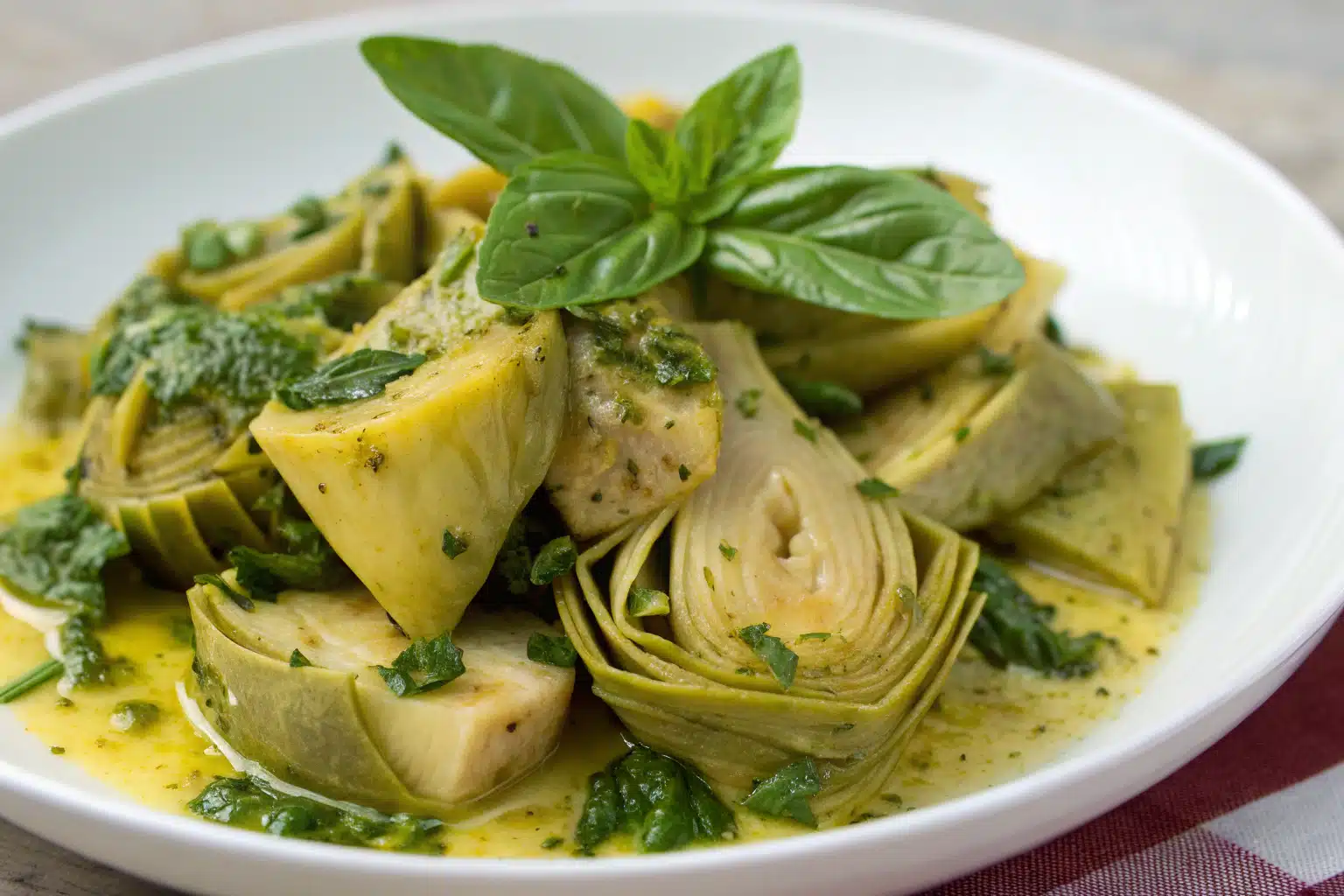
Artichoke lemon pesto brings together two iconic Mediterranean flavors in one versatile spread. This bright, tangy alternative to traditional basil pesto combines the earthy depth of artichoke hearts with the vibrant zing of fresh lemon for a spread that’s equally delicious tossed with pasta, spread on sandwiches, or used as a dip. Unlike its pine nut-heavy cousin, artichoke lemon pesto offers a lighter profile while maintaining all the rich, savory qualities that make pesto a beloved staple in kitchens worldwide.
“Want more ideas? Check out our spinach artichoke stuffed baguette for another delicious way to enjoy artichokes.”
A Modern Take on Classic Pesto
While traditional pesto Genovese relies on basil and pine nuts, this artichoke lemon variation represents the beautiful evolution of Italian cuisine. The brightness of lemon perfectly complements the subtle earthiness of artichokes, creating a balanced flavor profile that works wonderfully in both warm and cold dishes. Additionally, this recipe offers flexibility for those with dietary restrictions, making it a versatile addition to your culinary repertoire.
Ingredients: Everything You Need for Artichoke Lemon Pesto
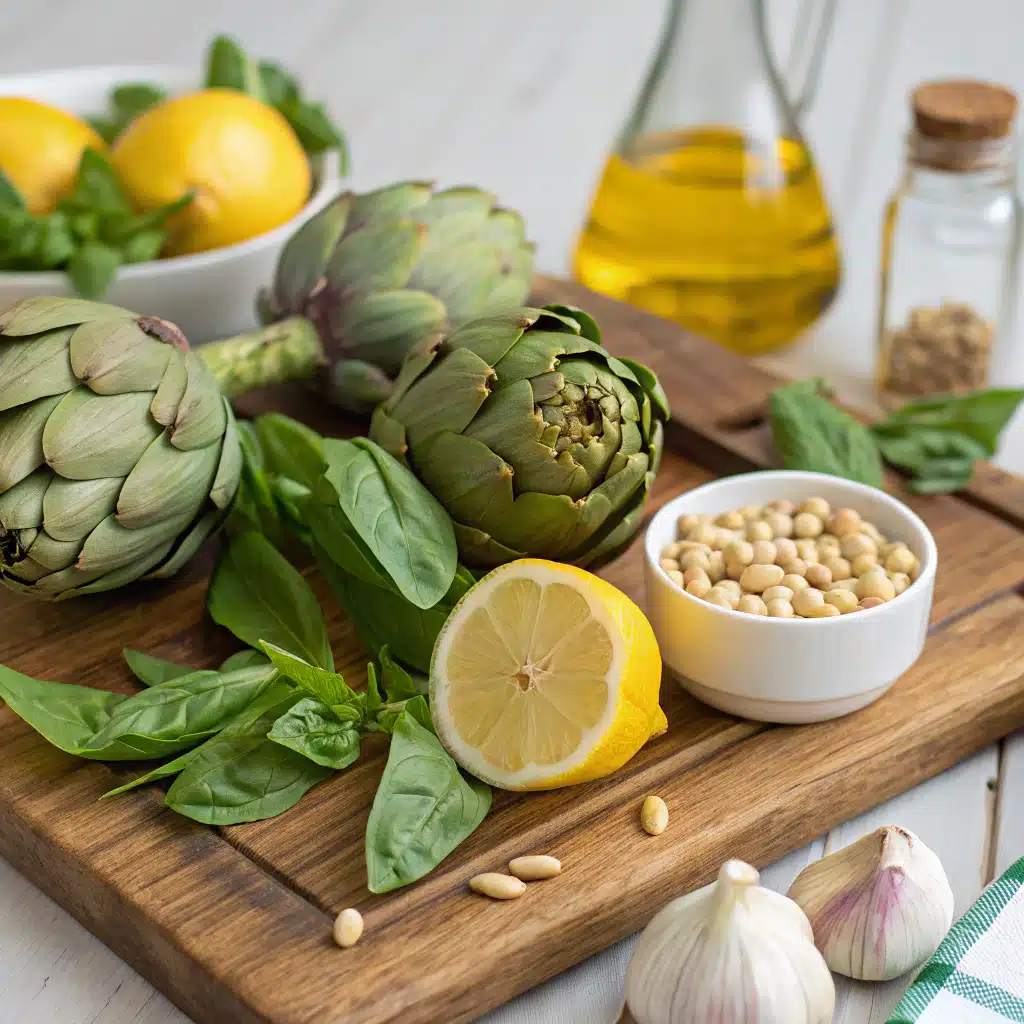
The Core Components
| Ingredient | Amount | Notes |
|---|---|---|
| Canned or jarred artichoke hearts | 2 cups | Drained thoroughly |
| Garlic clove | 1 | Fresh is best |
| Fresh parsley | 1/4 cup | Flat-leaf preferred |
| Fresh lemon juice | 2 tablespoons | About 1 medium lemon |
| Lemon zest | 1 teaspoon | From the same lemon |
| Hard Italian-style cheese | 1/3 cup | Finely grated |
| Olive oil | 1/3 cup | Extra virgin recommended |
| Salt | To taste | Sea salt works well |
| Black pepper | To taste | Freshly ground |
Quality Considerations for Best Results
The quality of your ingredients significantly impacts the final result of your artichoke lemon pesto. When selecting artichoke hearts, look for brands packed in water rather than marinated varieties, which may alter the intended flavor profile. For the cheese component, Parmesan, Pecorino Romano, or Grana Padano all work beautifully, adding the necessary savory depth. Finally, since olive oil plays a crucial role in the texture and flavor, opt for a good-quality extra virgin olive oil with a fruity rather than bitter profile.
Step-by-Step: Creating Perfect Artichoke Lemon Pesto
Preparation Process
Thoroughly drain the artichoke hearts, pressing gently to remove excess liquid. This prevents a watery pesto and ensures proper texture.
Add the artichoke hearts, garlic, parsley, lemon juice, lemon zest, and grated cheese to your food processor bowl.
Pulse several times until the mixture becomes finely chopped and well combined. Scrape down the sides of the bowl as needed to ensure even processing.
With the processor running on low speed, gradually drizzle in the olive oil through the feed tube until the pesto reaches a smooth, creamy consistency.
Taste the mixture and season with salt and black pepper according to your preference. Pulse briefly to incorporate.
Achieving the Ideal Texture
The texture of your artichoke lemon pesto can be adjusted to suit your preference and intended use. For a chunkier pesto that works well as a spread, pulse less and maintain some texture in the artichokes. “Learn more about texture and consistency with our creamy baked mushrooms recipe, which uses similar techniques for achieving the perfect mouthfeel.” For a smoother sauce that will cling to pasta, process longer and add an extra tablespoon of olive oil if needed. Remember that pesto will thicken slightly when refrigerated, so consider this when achieving your desired consistency.
Visual Indicators of Doneness
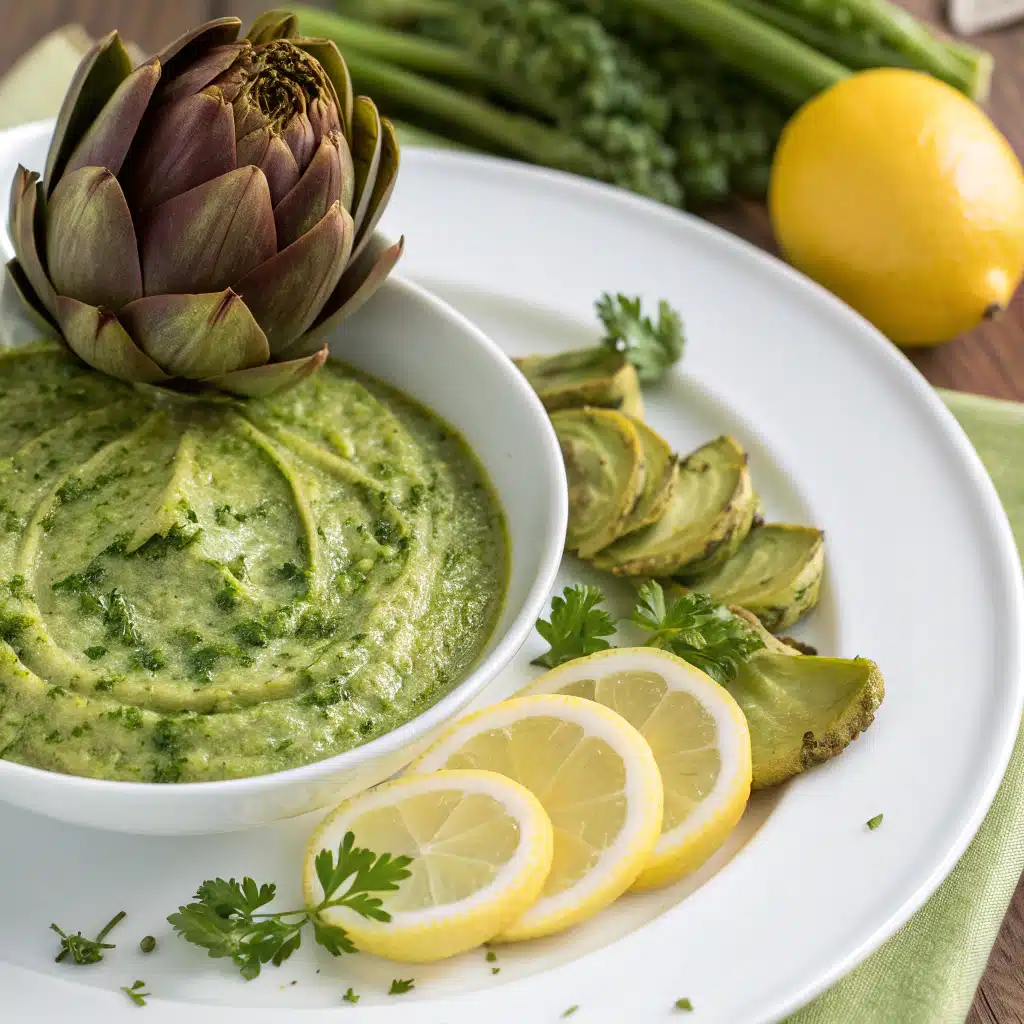
Your finished artichoke lemon pesto should have a uniform appearance with small flecks of green parsley throughout. The color will be predominantly pale green with a slight sheen from the olive oil. Avoid over-processing, which can generate heat and damage the delicate flavors of both the lemon and parsley.
Tips: Mastering Artichoke Lemon Pesto
Flavor Enhancement Strategies
To elevate your artichoke lemon pesto, consider these professional tips. First, toast a tablespoon of pine nuts or walnuts and add them to the processor for additional depth and texture. Second, roast the garlic before adding it to mellow its sharpness while enhancing its sweetness. Third, for a more pronounced lemon flavor, add an additional teaspoon of zest—the oils in the zest contain concentrated flavor compounds that brighten the entire dish.
Common Pitfalls to Avoid
Several issues might affect your artichoke lemon pesto. If your pesto tastes bitter, the olive oil may have been processed too long, releasing bitter compounds. Solution: Add oil gradually at the end of processing. If the pesto separates or appears oily, you may have added the oil too quickly. Fix this by gradually incorporating a teaspoon of cold water while pulsing. Finally, if the flavor seems flat, a pinch of red pepper flakes or a few drops of additional lemon juice can provide the necessary brightness.
Adapting for Dietary Needs
Artichoke lemon pesto can easily accommodate various dietary restrictions. For a dairy-free version, substitute nutritional yeast for the hard cheese, adding a pinch of salt to compensate for the lost saltiness. For a lower-fat option, replace half the olive oil with vegetable broth. These modifications maintain the integrity of the dish while making it accessible for more dietary preferences.
“Discover great ideas like our white bean spread for another delicious dairy-free option that pairs well with this pesto.”
Storage: Preserving Your Artichoke Lemon Pesto
Refrigerator Storage Methods
For short-term storage, transfer your artichoke lemon pesto to an airtight container. For optimal preservation, drizzle a thin layer of olive oil on top to create a seal that prevents oxidation and maintains color. Properly stored, this pesto keeps in the refrigerator for 5-7 days. Before each use, stir well to reincorporate any separated oil.
Freezing Techniques for Longevity
Artichoke lemon pesto freezes exceptionally well, maintaining its flavor for up to 3 months. Portion the pesto into ice cube trays, freeze until solid, then transfer the frozen cubes to a freezer bag. This method allows you to thaw exactly the amount needed for each use. To thaw, simply place your desired portion in the refrigerator overnight or add frozen cubes directly to hot pasta, where they’ll melt naturally into the dish.
Signs of Freshness and Spoilage
Fresh artichoke lemon pesto maintains its vibrant color and pleasant aroma. Watch for these signs that indicate your pesto should be discarded: darkening color (particularly browning), sour smell, mold growth, or any off flavors. To maximize freshness, always use clean utensils when scooping pesto from its storage container. “Here’s your guide to roasted butternut squash with cranberries, another make-ahead dish that stores beautifully alongside your pesto.”
Variations: Creative Spins on Artichoke Lemon Pesto
Herb Variations
While the base recipe uses parsley, you can create exciting flavor profiles by substituting or adding other herbs. For a more traditional pesto note, replace half the parsley with fresh basil. For a robust Mediterranean variation, add two tablespoons of fresh oregano. A subtle anise note can be achieved with a tablespoon of fresh tarragon. Each herb brings its unique character while maintaining the essential artichoke-lemon foundation.
Texture Modifications
The consistency of your artichoke lemon pesto can be adapted for various applications. For a chunky dip perfect for vegetables or crackers, process minimally and fold in a quarter cup of diced roasted red peppers. For a creamy spread ideal for sandwiches, blend in two tablespoons of Greek yogurt or mascarpone cheese. For a thinner sauce that coats pasta beautifully, add an extra tablespoon of olive oil and two tablespoons of the pasta cooking water when mixing.
Flavor Profile Adaptations
Customize the flavor profile to suit various cuisines and preferences. For a spicy version, add a quarter teaspoon of red pepper flakes or a small jalapeño. For a Greek-inspired variation, include a tablespoon of chopped olives and a teaspoon of dried oregano. For a sunny Mediterranean twist, incorporate a tablespoon of sun-dried tomatoes. “Looking for inspiration? Try our burrata salad which features complementary Mediterranean flavors that would pair beautifully with this pesto.”
Serving: Delicious Ways to Enjoy Artichoke Lemon Pesto
Pasta Applications
Artichoke lemon pesto transforms pasta into a gourmet meal in minutes. For a simple yet elegant dish, toss one-quarter cup of pesto with 8 ounces of cooked pasta, adding a splash of pasta water to create a silky sauce. Enhance with cherry tomatoes and fresh mozzarella for a complete meal. For a heartier option, mix with orecchiette pasta and add sautéed shrimp and asparagus. The bright lemon notes cut through the richness, creating a balanced dish.
Protein Pairings
This versatile pesto elevates proteins with minimal effort. Spread a layer on chicken breasts before baking for a flavorful crust, or use as a topping for grilled fish, particularly mild varieties like cod or halibut. For a vegetarian option, dollop over roasted cauliflower steaks or stir into warm white beans for a protein-rich side dish. The tangy profile of the pesto complements rather than overwhelms these proteins.
Creative Applications
Beyond the expected uses, artichoke lemon pesto shines in numerous creative applications. Swirl into risotto just before serving for a burst of brightness. Spread on pizza dough instead of traditional sauce and top with mozzarella and vegetables. Mix with mayonnaise for an elevated sandwich spread or blend with Greek yogurt for a nutritious vegetable dip.
“Don’t miss our chicken with olive salsa which would be fantastic with a dollop of this pesto as a finishing touch.”
FAQs: Common Questions About Artichoke Lemon Pesto
Can artichoke lemon pesto be made without nuts?
Yes, absolutely! Unlike traditional basil pesto which relies on pine nuts for texture and flavor, this artichoke lemon pesto recipe is naturally nut-free. The artichokes provide enough body and substance to create a thick, spreadable consistency without requiring nuts as a thickening agent.
What type of artichokes work best for pesto?
Canned or jarred artichoke hearts packed in water (not marinated) work best for this pesto. They provide consistent texture and flavor, are available year-round, and require minimal preparation. If using frozen artichokes, thaw completely and pat dry to remove excess moisture before processing.
How long does homemade pesto keep in the fridge?
Properly stored in an airtight container with a thin layer of olive oil on top, artichoke lemon pesto will keep in the refrigerator for 5-7 days. Always use clean utensils when scooping to prevent contamination and extend shelf life.
Can artichoke lemon pesto be frozen?
Yes, this pesto freezes exceptionally well for up to 3 months. Freeze in ice cube trays for convenient portioning, then transfer the frozen cubes to freezer bags. Thaw overnight in the refrigerator or add frozen directly to hot dishes.
What dishes pair well with artichoke pesto?
Artichoke lemon pesto is incredibly versatile. It works beautifully tossed with pasta, spread on grilled chicken or fish, used as a sandwich spread, stirred into soups, dolloped onto roasted vegetables, mixed into grain bowls, or simply served as a dip with crusty bread.
Is artichoke lemon pesto dairy free?
The standard recipe includes Italian hard cheese, but it’s easily adapted to be dairy-free by substituting nutritional yeast for the cheese. Use 3 tablespoons of nutritional yeast plus an extra pinch of salt to replicate the savory, umami qualities of cheese while keeping the recipe dairy-free.
Conclusion: Why Artichoke Lemon Pesto Deserves a Place in Your Kitchen
Versatility and Convenience
Artichoke lemon pesto stands out for its remarkable versatility and convenience. Unlike traditional pesto which often requires seasonal basil, this version relies on readily available ingredients that can be kept on hand for impromptu meal preparation. Its adaptability means one batch can serve multiple purposes throughout the week—from pasta sauce to sandwich spread to protein enhancer—making it an efficient addition to your cooking repertoire.
“Check out our turkey sausage mushroom soup for another versatile recipe that helps make meal planning easier.”
Nutritional Benefits
Beyond its culinary applications, artichoke lemon pesto offers significant nutritional advantages. Artichokes are rich in fiber, vitamins C and K, folate, and antioxidants. Combined with heart-healthy olive oil and the vitamin C from fresh lemon, this pesto becomes a functional food that contributes positively to your diet while enhancing flavor. This balance of taste and nutrition represents the best of Mediterranean-inspired cooking—proof that delicious food can simultaneously support well-being.
PrintArtichoke Lemon Pesto

A bright, versatile spread that combines the earthy depth of artichoke hearts with fresh lemon for a perfect complement to pasta, sandwiches, or as a dip.
- Prep Time: 10
- Total Time: 10 minutes
- Yield: 1 1x
- Category: Sauce
- Cuisine: Mediterranean
Ingredients
- 2 cups canned or jarred artichoke hearts, drained
- 1 garlic clove
- 1/4 cup fresh parsley
- 2 tablespoons fresh lemon juice
- 1 teaspoon lemon zest
- 1/3 cup finely grated hard Italian-style cheese
- 1/3 cup olive oil
- Salt, to taste
- Black pepper, to taste
Instructions
- Add artichoke hearts, garlic, parsley, lemon juice, lemon zest, and cheese to food processor.
- Pulse until finely chopped and well combined.
- With processor running, slowly pour in olive oil until smooth and creamy.
- Season with salt and black pepper to taste.
- Use immediately or refrigerate in airtight container until needed.
Notes
For dairy-free version, substitute nutritional yeast for cheese. Nutrition facts are estimates and may vary based on ingredients used, portion sizes, and preparation methods.
Nutrition
- Serving Size: 1
- Calories: 120 Kcal
- Sodium: 150mg
- Fat: 11g
- Saturated Fat: 2g
- Carbohydrates: 4g
- Fiber: 2g
- Protein: 3g
- Cholesterol: 5mg
Keywords: artichoke pesto, lemon pesto, artichoke spread, Mediterranean spread
Let’s connect! Follow me for more Joylicious Recipes: Facebook, Instagram, Pinterest