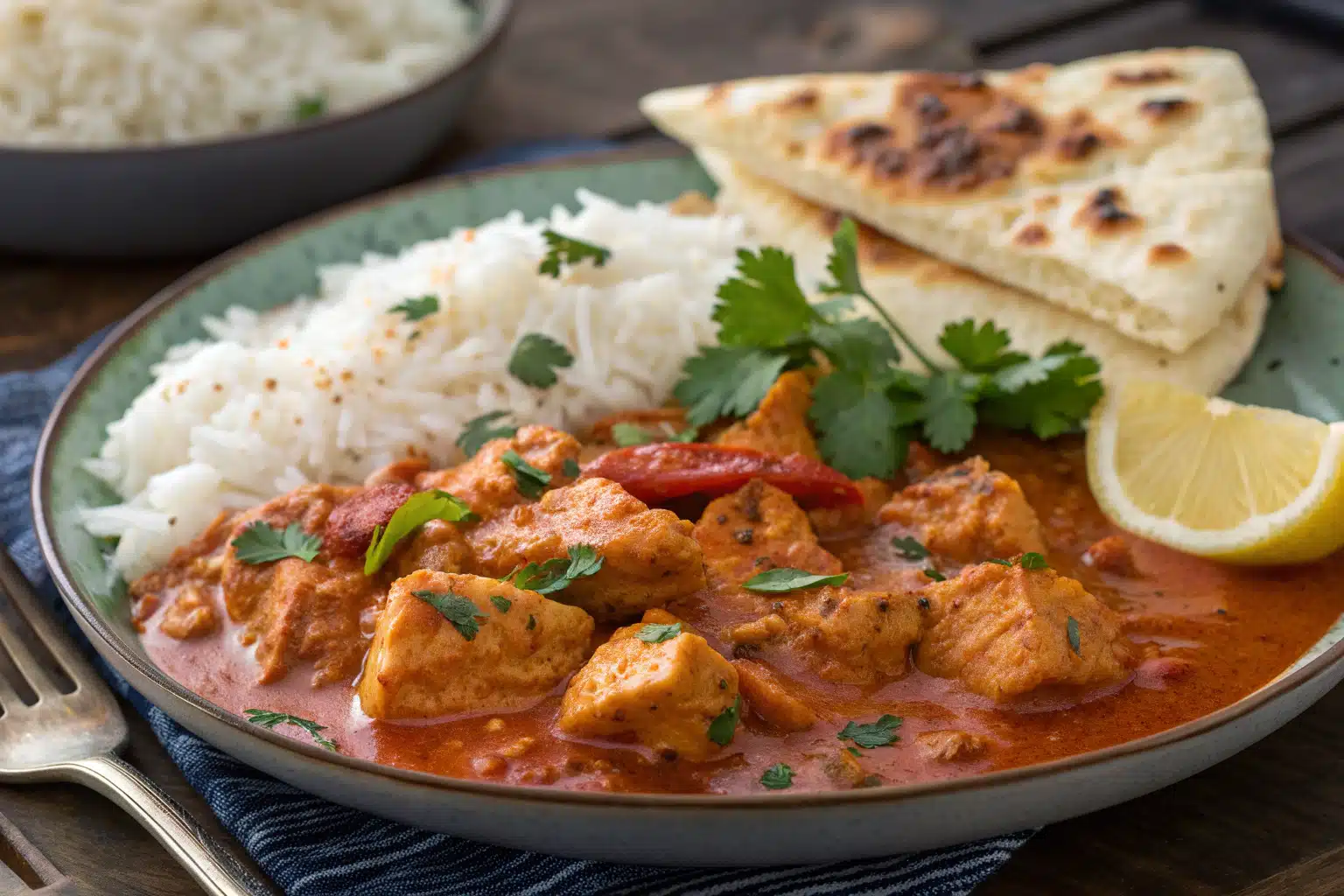
Authentic Chicken Tikka Masala Recipe: A Complete Guide to this Classic Indian Dish
The Origin and Popularity of Chicken Tikka Masala
Chicken tikka masala is one of the most beloved Indian dishes worldwide, known for its creamy tomato sauce and tender marinated chicken pieces. Despite its association with Indian cuisine, many food historians believe this dish was actually created in the United Kingdom by Bangladeshi chefs in the 1960s. Today, it’s often considered Britain’s national dish and has gained immense popularity across America as well. What makes chicken tikka masala stand out is its perfect balance of spices, creaminess, and that signature orange-red color that’s instantly recognizable on any dinner table.
“Learn more about our wide variety of delicious chicken recipes for more culinary inspiration.”
What Makes Chicken Tikka Masala Special
The magic of chicken tikka masala lies in its two-part cooking process. First, chicken pieces are marinated in yogurt and spices, then traditionally cooked in a tandoor (clay oven). Afterward, they’re simmered in a rich, creamy tomato sauce infused with aromatic spices. This method ensures the chicken remains incredibly tender while absorbing all the complex flavors. The dish strikes an ideal balance between spicy, sweet, and tangy notes, creating a harmonious flavor profile that’s both comforting and exciting. It’s this distinctive combination that has made chicken tikka masala a staple in Indian restaurants and home kitchens across America.
Ingredients for Perfect Chicken Tikka Masala
Essential Spices and Aromatics
The heart of any authentic chicken tikka masala is its spice blend. While pre-made tikka masala blends are available, knowing the key spices helps you adjust flavors to your preference. The essential spices include garam masala, cumin, coriander, turmeric, and Kashmiri chili powder. Kashmiri chili is particularly important as it provides the signature red color without overwhelming heat. Fresh aromatics like garlic and ginger create the foundation of flavor, typically used in a paste form for maximum impact. Additionally, ingredients like cinnamon, cardamom, and cloves can be added for extra depth and complexity. These aromatic spices work together to create that unmistakable tikka masala flavor profile.
The Marinade and Sauce Components
For the perfect chicken tikka masala, you’ll need two sets of ingredients: one for the marinade and another for the sauce. The marinade relies heavily on yogurt, which not only adds tanginess but also tenderizes the chicken through its natural acids. Meanwhile, the sauce requires a combination of tomato (usually in the form of passata or puree), cream, and butter or ghee for richness. The quality of these base ingredients significantly impacts the final dish. Using full-fat yogurt and heavy cream provides the most authentic flavor and texture, while ghee (clarified butter) adds that distinctive nutty taste that’s characteristic of many Indian dishes.
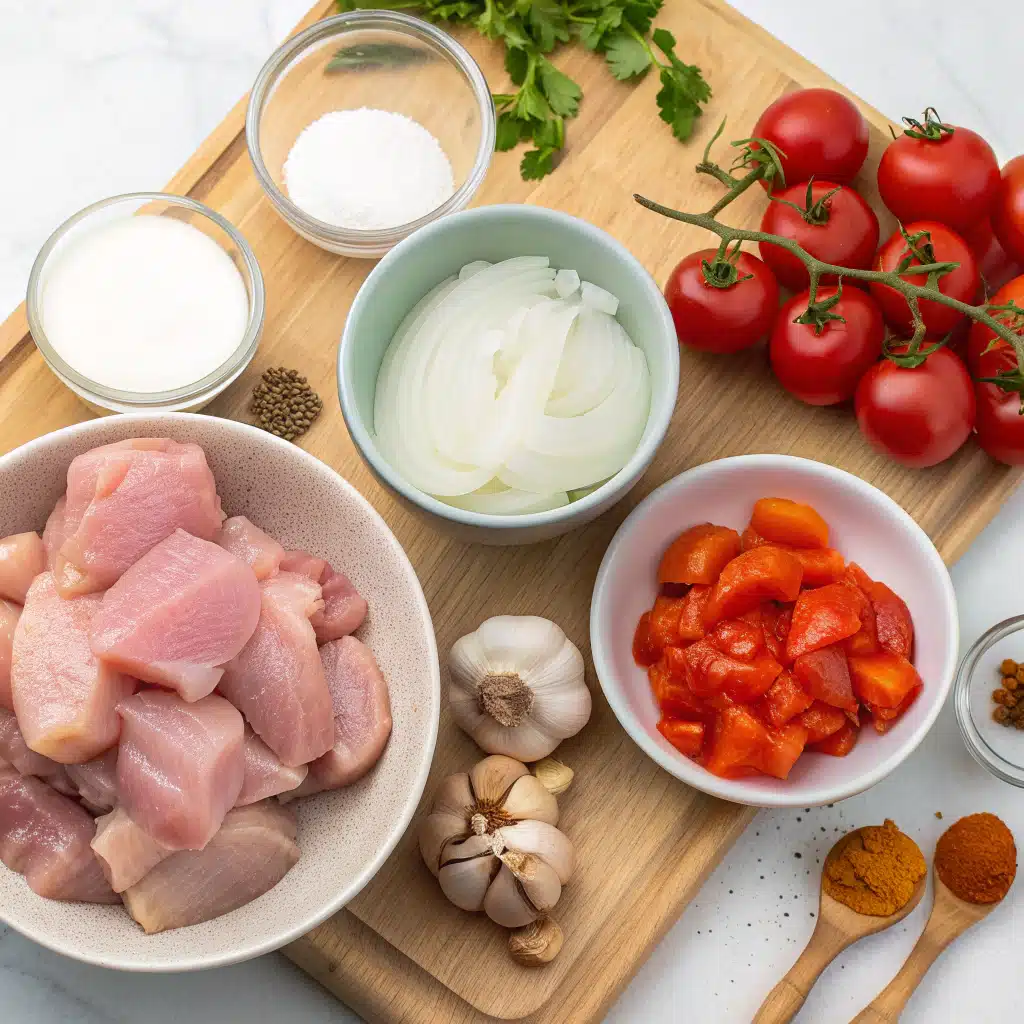
| Ingredient Category | Items | Purpose |
|---|---|---|
| Protein | 4 chicken breast fillets | Main protein source |
| Marinade Base | 250ml natural yoghurt, 2tbs lemon juice | Tenderizes chicken |
| Marinade Spices | 1tbs Tikka Masala blend, 1/2tsp Kashmiri chilli powder | Flavors chicken |
| Sauce Base | 1tbs butter or ghee, 1 onion (minced), 1 carton passata | Creates sauce foundation |
| Sauce Flavoring | 2tsp garlic ginger paste, 4tsp Tikka Masala blend | Adds depth and aroma |
| Finishing Elements | 100ml cream, Fresh coriander (optional) | Creates creaminess and freshness |
Step-by-Step Chicken Tikka Masala Recipe
Preparing and Marinating the Chicken
- Begin by cutting the chicken breast fillets into large, even chunks about 1.5 inches in size. This ensures they cook uniformly and stay tender.
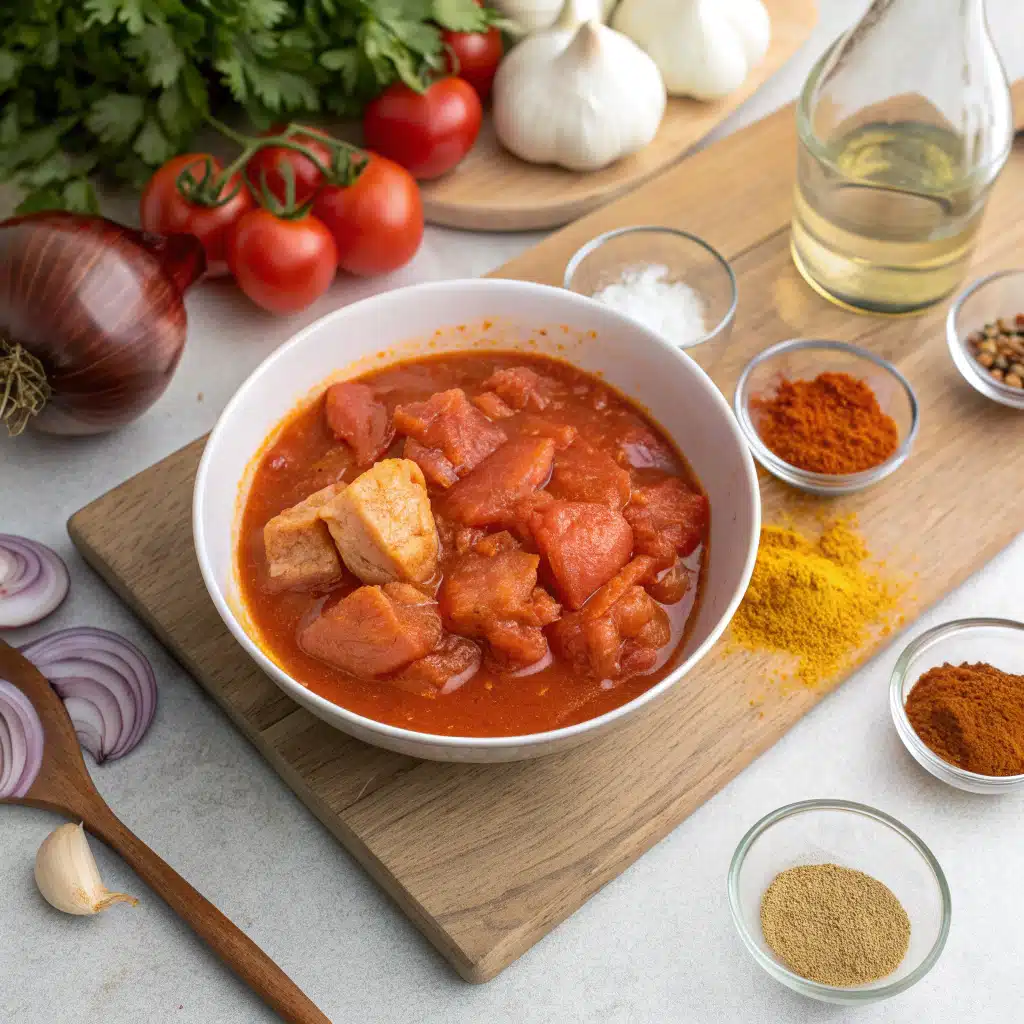
- In a large bowl, prepare the marinade by combining 250ml natural yogurt, 2 tablespoons of lemon juice, 1 tablespoon of Tikka Masala blend, and 1/2 teaspoon of Kashmiri chili powder.
- Mix these ingredients until thoroughly combined to create a smooth, consistent marinade.
- Add the chicken chunks to the marinade, stirring thoroughly to ensure each piece is completely coated.
- Cover the bowl with plastic wrap and refrigerate for at least 4 hours, though overnight marination yields the best results by allowing the flavors to fully penetrate the meat.
“Check out our creamy garlic herb chicken recipe for another delicious chicken dish with rich flavors.”
Cooking the Marinated Chicken
- When you’re ready to cook, preheat your oven to 400°F (200°C).
- Pour about an inch of water into a baking tray, then place a wire rack over it. This technique creates steam that helps keep the chicken moist.
- Arrange the marinated chicken pieces on the rack, ensuring they’re not touching one another.
- Position the tray on the top shelf of your preheated oven.
- Bake for approximately 20 minutes, turning the pieces once halfway through cooking.
- The chicken is done when the edges begin to char slightly, giving that authentic tandoor-like appearance.
- Remove from the oven and sprinkle with a little fresh lemon juice to brighten the flavors.
- Allow the chicken to rest while you prepare the sauce.
Creating the Signature Tikka Masala Sauce
- In a heavy-bottomed pan, melt 1 tablespoon of ghee or butter over medium heat.
- Add the finely minced onion and 2 teaspoons of garlic-ginger paste, stirring frequently.
- Cook this mixture for about 15 minutes, until the onions become soft and golden brown in color.
- Add 4 teaspoons of Tikka Masala spice blend to the pan and continue to fry for another 2-3 minutes. This step is crucial as it blooms the spices, intensifying their flavors.
- Pour in the carton of passata (sieved tomatoes) and stir well to combine with the spiced onion mixture.
- Bring the sauce to a gentle simmer and allow it to bubble away for about 15 minutes, stirring occasionally. During this time, the sauce will reduce slightly and the flavors will deepen.
- The sauce should take on a rich, vibrant orange-red color and thicken to a consistency that will coat the back of a spoon.
Combining and Finishing the Dish
- For the final step, transfer your sauce to a deep, heavy frying pan if it isn’t already in one.
- Heat the pan until it’s quite hot, then add another small spoon of ghee or butter.
- Add the cooked chicken pieces to the hot pan and toss them briefly to coat with the melted ghee.
- Pour your prepared tikka masala sauce over the chicken, stirring gently to ensure all pieces are evenly coated.
- Keep the pan moving as you pour in 100ml of cream, stirring continuously to fully incorporate it into the sauce.
- Continue cooking over high heat for a few minutes, allowing the sauce to reduce slightly and thicken to your preferred consistency.
- If desired, stir in a handful of freshly chopped coriander (cilantro) for added freshness and color.
- Transfer your completed chicken tikka masala to a serving dish.
- Garnish with a swirl of cream, some toasted almond flakes, and additional chopped coriander for an authentic presentation.
Tips for Chicken Tikka Masala Success
Getting the Perfect Spice Balance
Creating the perfect spice balance for your chicken tikka masala is crucial for an authentic taste experience. If you’re using a pre-made tikka masala blend, start with the recommended amount and adjust according to your taste preferences. For those creating their own spice blend, remember that balance is key—no single spice should overwhelm the others. Kashmiri chili provides color without excessive heat, but you can adjust the heat level by varying the amount or substituting with milder paprika for less spice or adding cayenne for more punch. Additionally, toasting whole spices before grinding them intensifies their flavors and aromas. Finally, remember that spices bloom and develop when cooked in fat, so allowing your spices to sauté properly in ghee or butter is an essential step for maximum flavor development.
Maximizing Flavor Through Proper Technique
The difference between good and exceptional chicken tikka masala often comes down to technique. First, don’t rush the marination process—allowing the chicken to marinate overnight makes a noticeable difference in flavor and tenderness. When cooking the onions for your sauce, patience is essential; properly caramelized onions (which can take 15-20 minutes) create a sweet depth of flavor that forms the foundation of the sauce. Similarly, don’t rush the simmering stage—allowing your sauce to reduce concentrates the flavors. For the creamiest texture, ensure your cream is at room temperature before adding it to the hot sauce to prevent curdling.
“Discover great ideas like our garlic butter baked chicken breast for more techniques to enhance chicken flavors.”
Avoiding Common Mistakes
Even experienced cooks can make mistakes when preparing chicken tikka masala. One common error is overcooking the chicken, which results in dry, tough meat instead of the tender, juicy pieces this dish is known for. Remember that the chicken will continue cooking when added to the hot sauce. Another mistake is adding cream too early or at too high a heat, which can cause it to split. Always reduce the heat before adding cream and stir continuously. Rushing the sauce-building process is also problematic—onions need time to properly caramelize, and spices need time to bloom. Finally, don’t skimp on the fat (ghee, butter, and cream); these ingredients are essential for the rich, luxurious texture that defines authentic chicken tikka masala.
Storage and Meal Planning
How to Store Leftovers Properly
Chicken tikka masala actually improves in flavor after a day in the refrigerator, making it perfect for leftovers. To store properly, allow the dish to cool completely before transferring to airtight containers. Refrigerated tikka masala will keep well for 3-4 days. If you notice the sauce thickening in storage, simply add a small amount of water or cream when reheating. For longer storage, chicken tikka masala freezes exceptionally well for up to 3 months. Divide into portion-sized containers for convenient future meals. When freezing, leave a little space at the top of containers as the sauce may expand slightly.
“Don’t miss our smothered chicken and gravy recipe which also stores beautifully for leftovers.”
Make-Ahead Tips for Entertaining
Chicken tikka masala is an ideal dish for entertaining because much of the preparation can be done in advance. The chicken can be marinated up to 24 hours before cooking, allowing the flavors to develop deeply while saving you time on the day of your event. The sauce can also be prepared 1-2 days ahead and stored in the refrigerator. On the day of serving, simply reheat the sauce, cook the marinated chicken, and combine them with fresh cream for a stress-free main course. For a complete make-ahead meal, prepare accompaniments like rice or naan bread and refrigerate or freeze them separately. When serving a crowd, consider setting up a tikka masala bar with the main dish alongside various toppings like fresh herbs, sliced chilies, and additional cream for guests to customize their portions.
Scaling the Recipe for Different Occasions
One of the greatest advantages of chicken tikka masala is how easily it scales for different group sizes. For intimate dinners, halve all ingredients while maintaining the same cooking times. For larger gatherings, the recipe can be doubled or even tripled with excellent results. When cooking for a crowd, consider making the dish in batches to ensure even cooking, particularly during the chicken roasting stage where overcrowding the baking sheet can lead to steaming rather than proper browning. To feed a very large group, prepare multiple batches of the sauce up to two days ahead, then combine them in a large pot for consistent flavor before adding the freshly cooked chicken pieces. For buffet-style service, keep the completed dish warm in a slow cooker set to low, adding a splash of cream just before serving to refresh the sauce.
Variations on Classic Chicken Tikka Masala
Vegetarian and Vegan Alternatives
Creating a delicious meat-free version of chicken tikka masala is surprisingly simple. For vegetarian options, firm paneer cheese makes an excellent protein substitute that holds its shape and absorbs the flavors of the marinade beautifully. Extra-firm tofu, pressed to remove excess moisture, also works well. For a veggie-centric approach, cauliflower florets, chickpeas, or a combination of roasted vegetables like bell peppers, zucchini, and eggplant can be used. For vegan versions, replace the dairy yogurt in the marinade with coconut or soy yogurt, and swap the cream in the sauce with full-fat coconut milk or cashew cream. Coconut milk adds a subtle sweetness that complements the spices, while cashew cream provides richness without altering the flavor profile significantly. These plant-based variations follow the same cooking technique as the original recipe, though vegetables may require less marination and cooking time than chicken.
Adjusting Heat Levels and Flavor Profiles
Traditional chicken tikka masala has a moderate spice level that pleases most palates, but you can easily adjust the heat to suit your preferences. For a milder version, reduce the amount of chili powder or substitute with sweet paprika. If you prefer a spicier kick, add fresh green chilies, increase the chili powder, or incorporate a pinch of cayenne pepper. Beyond heat levels, you can create regional variations by adjusting the spice profile. For a South Indian twist, add mustard seeds and curry leaves; for a Punjabi version, increase the garam masala and add a touch of amchur (dried mango powder) for tanginess.
“Looking for inspiration? Try our crispy hot honey chicken for a different flavor profile that pairs well with these Indian spices.”
Creative Serving Suggestions
While traditionally served with basmati rice and naan bread, chicken tikka masala’s versatility allows for creative serving options. For a low-carb alternative, serve over cauliflower rice or alongside a fresh cucumber salad. For fusion dishes, use the tikka masala sauce as a base for pasta, creating an Indian-Italian crossover that’s surprisingly delicious. Tikka masala wraps make perfect lunches—simply roll the chicken and a bit of sauce in a warm tortilla or flatbread with fresh vegetables. For appetizers, serve small portions in phyllo cups topped with a dollop of yogurt, or use as a filling for samosas. The sauce also makes an excellent dipping option for crusty bread or as a topping for baked potatoes. For summer entertaining, try tikka masala skewers—thread the marinated chicken onto skewers, grill, and serve with the sauce on the side for dipping.
Serving Your Chicken Tikka Masala
Traditional Accompaniments
Authentic chicken tikka masala is traditionally served with specific accompaniments that complement its rich, complex flavors. Basmati rice is the classic pairing—its fragrant, fluffy texture provides the perfect canvas for soaking up the creamy sauce. For an elevated experience, prepare jeera (cumin) rice by tempering cumin seeds in ghee before cooking the rice. Fresh naan bread is another essential accompaniment, ideally slightly charred from high heat cooking. The bread’s slight chewiness contrasts beautifully with the sauce’s creaminess. A side of cooling raita (yogurt with cucumber and mint) helps balance the dish’s richness and provides temperature contrast. Kachumber salad—a simple mix of diced cucumber, tomatoes, onions with lemon juice and salt—adds freshness and textural contrast. For a complete Indian meal experience, serve small dishes of pickles, chutneys, and poppadoms alongside your main course.
“Want more ideas? Check out our easy homemade chicken pot pie recipe for classic comfort food pairings.”
Presentation Tips for Impressive Serving
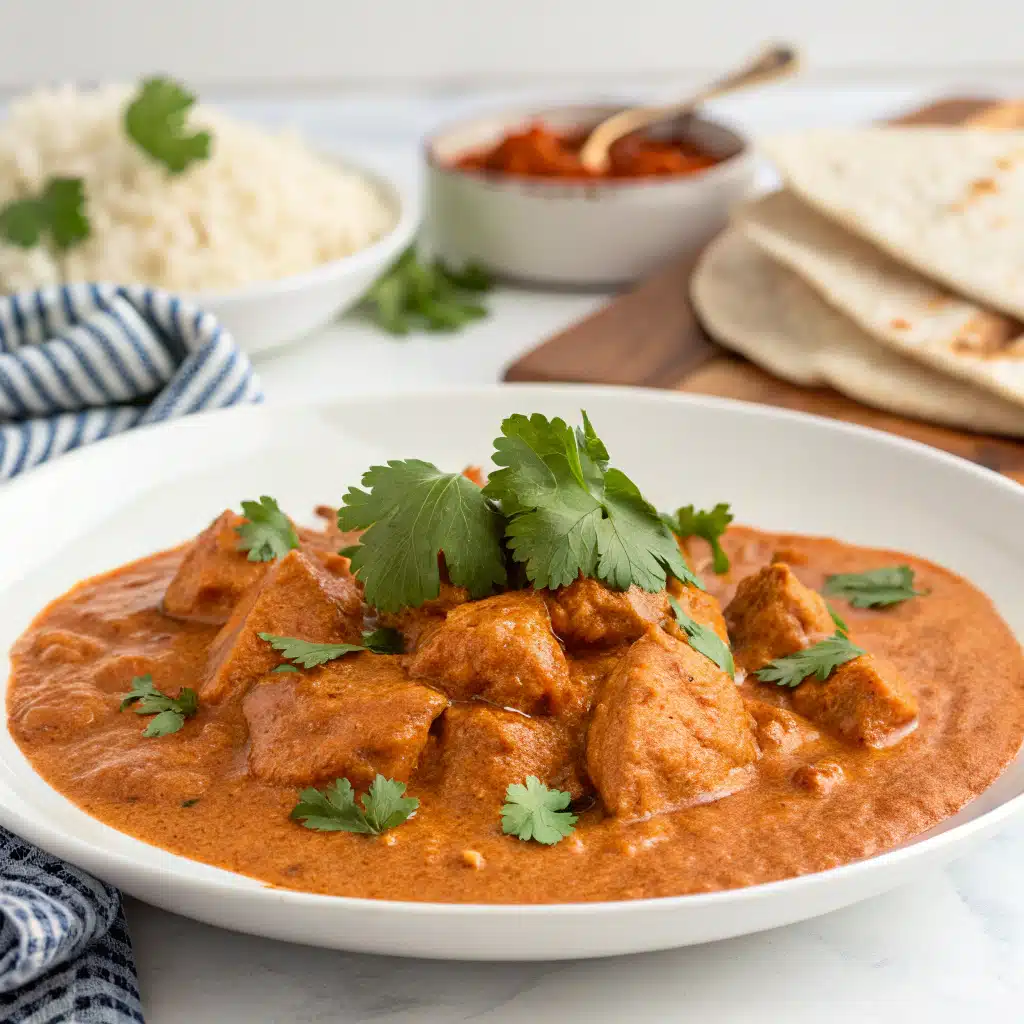
The visual presentation of your chicken tikka masala can elevate it from a simple homemade meal to a restaurant-worthy dining experience. For elegant serving, transfer the completed dish to a warmed, shallow serving bowl rather than a plate—the slight depth keeps the sauce contained while allowing the vibrant colors to shine. Create contrast by serving the deep orange tikka masala alongside white basmati rice, with a sprinkle of bright green chopped cilantro across both.
For individual plating, use a ring mold to create a neat circle of rice, then place the chicken tikka masala partially on the rice and partially on the plate. Garnish with artistic drizzles of cream, a sprinkle of garam masala, and strategically placed fresh herb leaves. For family-style serving, provide small bowls of additional garnishes like toasted sliced almonds, diced cucumber, and extra chopped cilantro so diners can customize their plates. Remember that warmed serving dishes help keep the food at optimal temperature throughout the meal.
Frequently Asked Questions
What goes in a chicken tikka masala?
Chicken tikka masala features marinated chicken in a creamy, spiced tomato sauce made with yogurt, aromatics, and warm spices, finished with butter and fresh cilantro.
How healthy is chicken tikka masala?
It provides lean protein and beneficial spices, but traditional versions can be high in calories and fat due to cream and butter. A restaurant serving averages 400–500 calories per cup. For a lighter option, use skinless chicken breast, low-fat yogurt, and substitute heavy cream with Greek yogurt or light coconut milk. Adding vegetables like bell peppers or spinach boosts nutrition and fiber.
What does tikka masala taste like?
Tikka masala is rich, creamy, and mildly tangy with a tomato base. It balances warm spices like cumin and garam masala with subtle sweetness from onions and cream. The marinated chicken stays tender and flavorful, while the sauce delivers comforting warmth without overpowering heat.
Is tikka masala spicy?
Typically mild to medium, tikka masala gets its deep red hue from Kashmiri chili rather than intense heat. Most versions are aromatic and balanced. Spice levels can be adjusted—reduce chili for a gentler flavor or add cayenne or fresh chili for extra kick.
What is the difference between butter chicken and tikka masala chicken?
Butter chicken is creamier, sweeter, and richer with more butter and cream, often thickened with cashew paste. Tikka masala is tangier, more tomato-forward, and spicier. Butter chicken originated in India, while tikka masala was created in the UK.
Is tikka masala sweet or salty?
It’s both sweet and savory in harmony—sweetness from onions, tomatoes, and cream balanced by salt and spices. The result is a rounded, multi-layered flavor with gentle spice and no dominant taste.
Conclusion
Mastering Your Chicken Tikka Masala Journey
Becoming proficient at making chicken tikka masala is a rewarding culinary accomplishment that opens the door to a world of Indian cuisine. As you practice this recipe, you’ll develop an intuitive understanding of spice balancing and sauce development that transfers to many other dishes. Remember that perfecting this classic takes time—each time you prepare it, you’ll notice subtle improvements in technique and flavor development. Pay attention to the small details: how the onions caramelize, how the chicken cooks, and how the sauce reduces. These observations will help you refine your approach. Don’t be afraid to experiment once you’ve mastered the basic recipe, perhaps by incorporating regional variations or adjusting the spice blend to suit your preferences.
“Here’s your guide to melt-in-your-mouth chicken recipes for more techniques to perfect your chicken dishes.”
Sharing the Tikka Masala Experience
One of the greatest joys of mastering chicken tikka masala is sharing it with others. This dish has universal appeal that transcends cultural boundaries, making it perfect for introducing friends and family to Indian flavors. Consider hosting an Indian-themed dinner party featuring your homemade tikka masala alongside other complementary dishes like samosas, chutney, and raita. Encourage guests to eat in the traditional Indian way, using pieces of naan bread to scoop up the sauce. Share the story behind this iconic dish—its cross-cultural origins and worldwide popularity make for fascinating dinner conversation. Don’t forget to pass along your recipe and techniques to those who enjoy your cooking. Food traditions grow stronger when shared, and your personal version of chicken tikka masala might become a cherished recipe passed down through generations, creating a lasting culinary legacy.
PrintChicken Tikka Masala

Authentic chicken tikka masala featuring tender marinated chicken pieces in a rich, creamy tomato sauce with aromatic Indian spices.
- Prep Time: 20 minutes
- Cook Time: 50 minutes
- Total Time: 1 hour 10 minutes
- Yield: 4 servings 1x
- Category: Dinner
- Cuisine: Indian
Ingredients
- 4 chicken breast fillets
For the Marinade:
- 250ml natural yoghurt
- 2tbs lemon juice
- 1tbs Tikka Masala blend
- 1/2tsp Kashmiri chilli powder
For the Sauce:
- 1tbs butter or ghee
- 1 onion, minced
- 2tsp garlic ginger paste
- 1 carton passata (sieved tomato)
- 4tsp Tikka Masala blend
- 100ml cream
Instructions
- Cut chicken into large chunks and combine with yogurt, lemon juice, and spices for marinade. Refrigerate overnight.
- Preheat oven to 200°C. Place chicken on a rack over water-filled tray and bake for 20 minutes until edges blacken.
- Make the sauce by frying onion and garlic-ginger paste in ghee until golden. Add spices and passata, then simmer for 15 minutes.
- Combine chicken with sauce in a hot pan, add cream, and simmer briefly until thickened.
- Garnish with coriander, almond flakes and a swirl of cream before serving.
Notes
Nutrition facts are estimates and may vary based on ingredients used, portion sizes, and preparation methods.
Nutrition
- Serving Size: 4 servings
- Calories: 385
- Sugar: 5g
- Sodium: 320mg
- Fat: 22g
- Saturated Fat: 12g
- Trans Fat: 0g
- Carbohydrates: 14g
- Fiber: 2g
- Protein: 34g
- Cholesterol: 130mg
Keywords: chicken tikka masala, Indian recipe, creamy curry, spiced chicken
Let’s connect! Follow me for more Joylicious Recipes: Facebook, Instagram, Pinterest