
Authentic Seaweed Salad Recipe: A Japanese Delicacy Made Easy
The Japanese Culinary Treasure
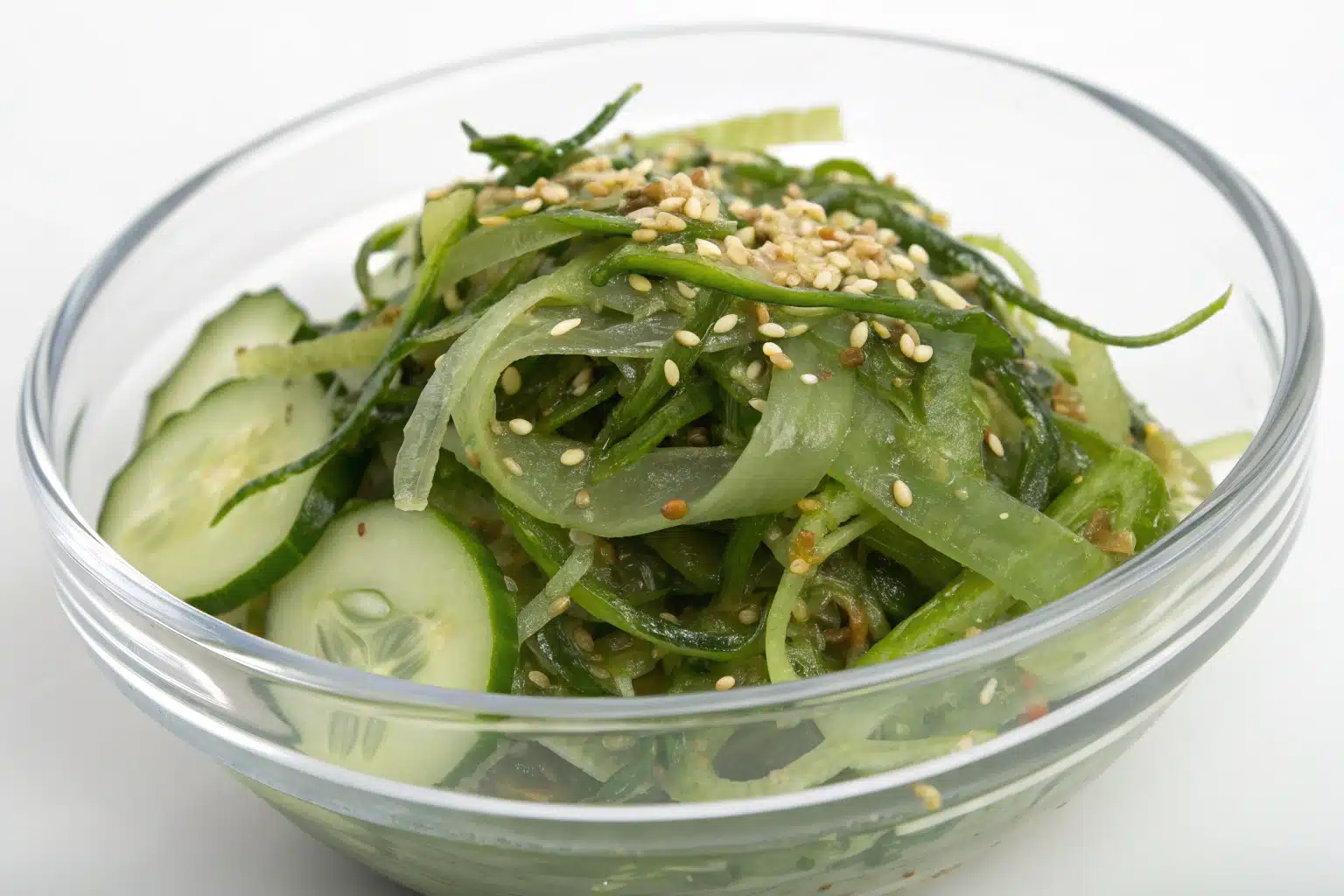
Seaweed salad has become increasingly popular in Western cuisine, but it has been a staple in Japanese food culture for centuries. This vibrant green, slightly crunchy, and umami-rich dish is not only a feast for the eyes but also a nutritional powerhouse. Traditionally called “wakame salad” or “goma wakame,” seaweed salad features various sea vegetables dressed in a savory, tangy, and slightly sweet dressing.
“Learn more about traditional Japanese recipes” that complement this refreshing dish.
Health Benefits of Sea Vegetables
Seaweed salad is more than just a delicious appetizer or side dish; it’s an excellent source of essential minerals, vitamins, and antioxidants. Rich in iodine, calcium, iron, and vitamins A, C, and E, seaweed offers impressive health benefits. It contains unique compounds like fucoidan, which has anti-inflammatory and immune-boosting properties. Additionally, seaweed salad is naturally low in calories but high in fiber, making it a perfect addition to a balanced diet.
Ingredients for Authentic Seaweed Salad
Essential Sea Vegetables and Their Characteristics
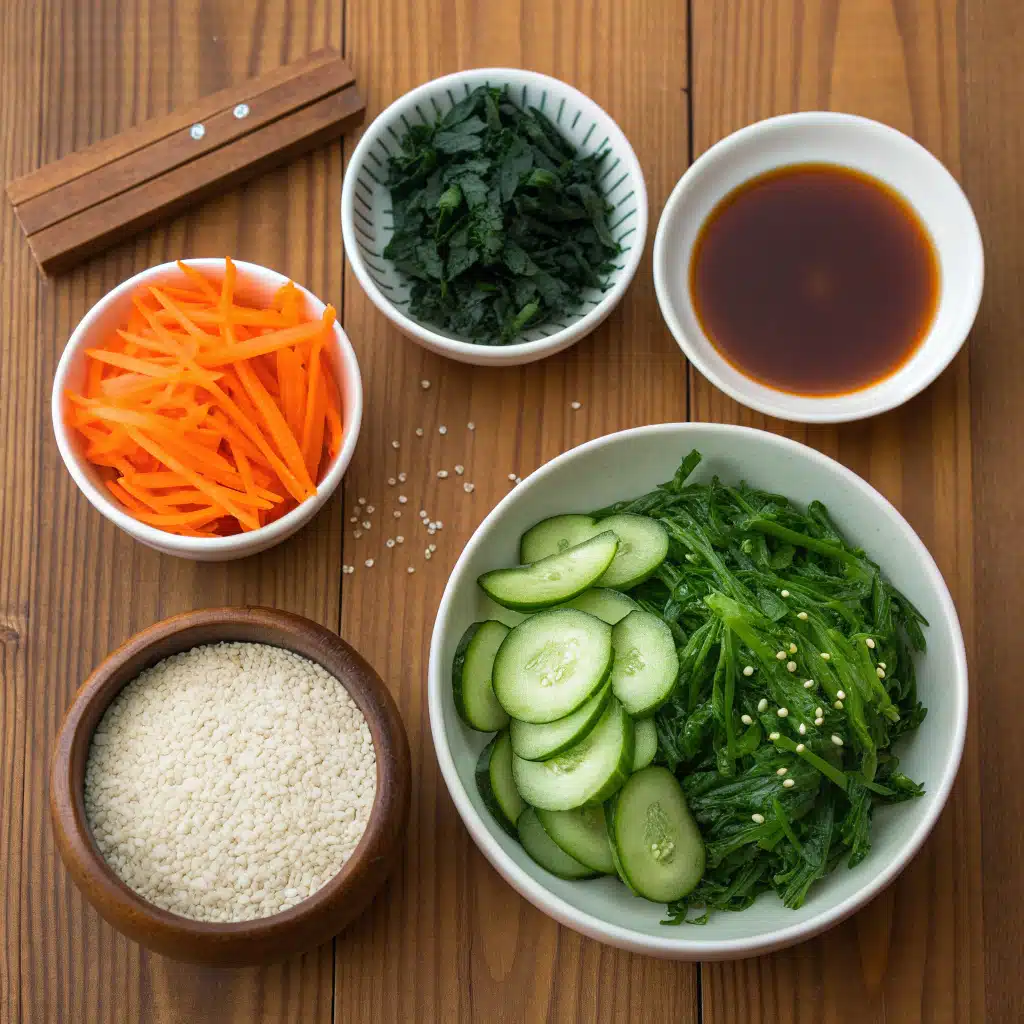
| Ingredient | Amount | Notes |
|---|---|---|
| Dried seaweed/sea vegetable salad | 50g | Typically includes wakame, hijiki, or mixed varieties |
| Awase miso | 1 tbsp | A blend of white and red miso for balanced flavor |
| Soy sauce | 1 tbsp | Preferably Japanese shoyu for authentic flavor |
| Mirin | 1 tbsp | Sweet Japanese rice wine for cooking |
| White roasted sesame seeds | 1 tbsp | Plus extra for garnish |
| Sesame oil | 1 tbsp | Adds nutty aroma and flavor |
| Rice vinegar | 1 tsp | For tanginess |
| Yuzu juice | 1 tsp | Citrus juice with unique flavor (can substitute with lemon) |
| Red chilli | 1, finely sliced | Adjust amount based on heat preference |
| Sea salt | Pinch | To taste |
The Perfect Dressing Components
The magic of seaweed salad lies in its dressing, which combines savory, sweet, tangy, and umami flavors. The awase miso provides depth, while sesame oil adds nuttiness. Yuzu juice brings a bright citrus note that cuts through the richness, and the mirin contributes essential sweetness. This balanced combination transforms simple sea vegetables into an irresistible dish that pairs wonderfully with many Asian main courses.
Step-by-Step Seaweed Salad Preparation
Rehydrating Dried Seaweed
- Place the 50g of dried seaweed salad mix in a large bowl.
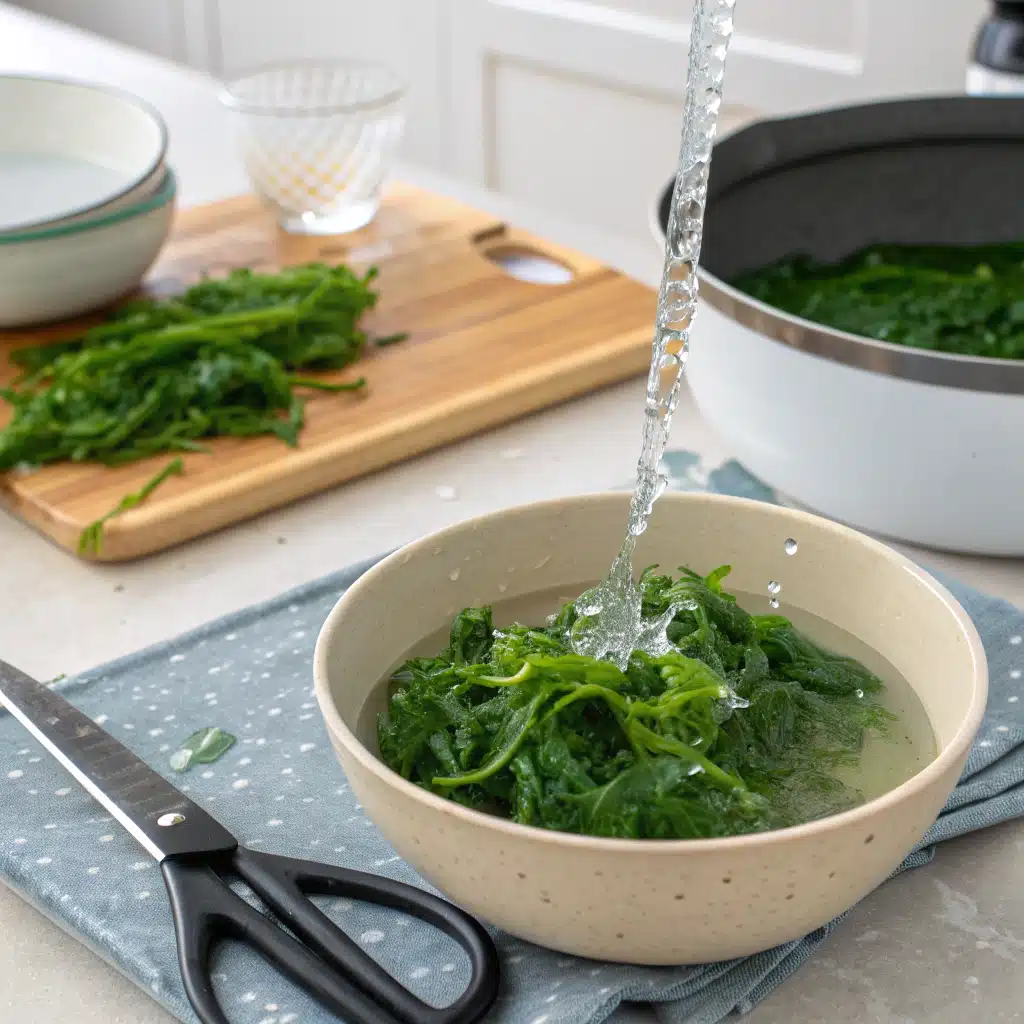
- Add cool water until the seaweed is fully submerged, with about an inch of water above the seaweed.
- Allow the seaweed to soak for approximately 20 minutes until it expands and becomes soft.
- If using larger pieces of wakame or other whole seaweed varieties, you may need to slice them into bite-sized pieces after rehydration.
Creating the Authentic Umami Dressing
- In a separate small bowl, combine the awase miso, soy sauce, mirin, sesame oil, rice vinegar, and yuzu juice.
- Add the roasted sesame seeds and finely sliced red chilli.
- Whisk all ingredients thoroughly until well incorporated and the miso has completely dissolved.
- Taste the dressing and add a pinch of sea salt if needed, adjusting flavors to your preference.
Assembling Your Seaweed Salad
- Once rehydrated, thoroughly drain the seaweed using a colander.
- Gently squeeze excess water from the seaweed (but don’t press too hard).
- Transfer the drained seaweed to a serving bowl.
- Pour the prepared dressing over the seaweed and toss gently until evenly coated.
- Garnish with additional white sesame seeds for presentation and added texture.
- For the best flavor, refrigerate for at least 30 minutes before serving to allow the flavors to meld together. “Discover great ideas like serving seaweed salad with grilled protein dishes” for a complete meal.
Tips for the Perfect Seaweed Salad
Selecting Quality Ingredients
The quality of your seaweed significantly impacts the final dish. Look for dried seaweed that is deep green without discoloration. Pre-packaged seaweed salad mix is convenient, but you can also create your own blend using wakame, hijiki, and other sea vegetables. For the best flavor, use authentic Japanese condiments like premium soy sauce, pure sesame oil, and real mirin rather than substitutes. The yuzu juice can be harder to find, but specialty Asian markets typically carry it, or you can substitute with a mix of lemon and lime juice.
Texture Management
The texture of seaweed salad should be pleasantly chewy with a slight crunch – not rubbery or too soft. To achieve this perfect consistency, avoid over-soaking your seaweed. Check it regularly during the rehydration process, and once it reaches the desired tenderness, drain it immediately. If you prefer a firmer texture, you can briefly soak the seaweed in ice water after draining, which helps it maintain some crispness.
Flavor Balancing Techniques
Achieving the perfect balance of flavors in your seaweed salad dressing may require some adjustments based on personal taste preferences. If you find the dressing too salty, add a little more mirin. If it’s too tangy, increase the miso or add a tiny bit of honey. For heat lovers, additional red chilli or a dash of sriracha can intensify the spice level. Remember that seaweed naturally contains umami and saltiness, so taste the dressed salad before adding extra salt.
Storage of Seaweed Salad
Short-Term Refrigeration
Properly stored seaweed salad can be kept in the refrigerator for up to 3-4 days. For best results, store it in an airtight container to prevent it from absorbing other food odors and to maintain its moisture level. The flavors often improve after the first day as the seaweed continues to marinate in the dressing. “Looking for inspiration? Try other refrigerator-friendly Asian recipes” that pair well with seaweed salad.
Freezing and Thawing Considerations
While fresh is always best for seaweed salad, you can freeze it for longer storage. However, be aware that the texture may change slightly upon thawing. To freeze, place the salad in an airtight container or freezer bag, removing as much air as possible. When you’re ready to use it, let it thaw in the refrigerator overnight instead of leaving it out at room temperature. After thawing, you may need to drain excess water and refresh the salad with a small amount of additional dressing.
Maintaining Freshness and Flavor
To keep your seaweed salad tasting its best during storage, consider storing the seaweed and dressing separately if you’re making a larger batch. This prevents the seaweed from becoming overly saturated and losing its pleasant texture. If you notice the salad drying out during storage, a small splash of rice vinegar or sesame oil can help revive it. Always use clean utensils when serving to prevent introducing bacteria that could shorten shelf life.
Seaweed Salad Variations
Regional Japanese Adaptations
Different regions in Japan prepare seaweed salad with local ingredients and preferences. In Hokkaido, you might find versions with sea urchin or salmon roe added for luxury. Okinawan preparations often include more tropical influences like bitter melon or island citrus. The Kansai region tends to favor lighter, subtler dressings, while Tokyo-style seaweed salads might incorporate more contemporary fusion elements. Exploring these regional variations can add interesting dimensions to your homemade seaweed salad.
Modern Fusion Interpretations
Contemporary chefs have embraced seaweed salad as a versatile base for creative fusion dishes. Try adding avocado cubes, mango slivers, or pomegranate seeds for unexpected sweetness and texture. Crispy fried shallots or garlic chips can introduce appealing crunch. Some innovative recipes incorporate quinoa or edamame for additional protein. For a Korean-influenced version, add a touch of gochujang (Korean chili paste) to the dressing. “Don’t miss our fusion cuisine ideas” for more creative meal planning.
Dietary Adaptations
Seaweed salad can easily be adapted to accommodate various dietary needs. For a gluten-free version, replace regular soy sauce with tamari. To reduce sodium, use low-sodium soy sauce and increase the acid components like yuzu or rice vinegar. If you’re following a vegan diet, the traditional recipe is already suitable, but you can enhance it with additional plant proteins like tofu or tempeh. For those watching calories, reduce the sesame oil slightly and increase the vinegar proportion in the dressing.
Serving Seaweed Salad
Traditional Accompaniments
In Japanese dining, seaweed salad is traditionally served as a side dish (kobachi) or as part of a larger array of small dishes. It pairs exceptionally well with grilled or raw fish, particularly sashimi and sushi. At izakaya (Japanese pubs), you’ll often find it served alongside yakitori (grilled chicken skewers) or karaage (Japanese fried chicken). The refreshing, palate-cleansing qualities of seaweed salad make it an excellent counterpoint to richer dishes.
Contemporary Serving Suggestions
Beyond traditional pairings, seaweed salad makes an excellent addition to modern dishes. Use it as a topping for poke bowls or rice bowls for added texture and nutrition. It can be incorporated into wraps or sandwiches for an unexpected burst of flavor. Some creative home cooks use seaweed salad as a bed for seared tuna or salmon, creating an elegant plate with minimal effort. It even works as a unique garnish for clear soups, adding color and umami depth.
Presentation Techniques
The vibrant green color of seaweed salad makes it a visually striking dish that deserves thoughtful presentation. Serve it in small, dark-colored bowls to make the green hues pop. A traditional Japanese ceramic dish with blue or black glaze provides beautiful contrast. For an elegant touch, mound the salad into a neat heap and garnish with black and white sesame seeds, thin strips of nori, or small edible flowers. A wooden serving spoon completes the authentic presentation. “Here’s your guide to creating visually appealing Asian-inspired dishes” with tips from professional food stylists.
Frequently Asked Questions About Seaweed Salad
What does seaweed salad have in it?
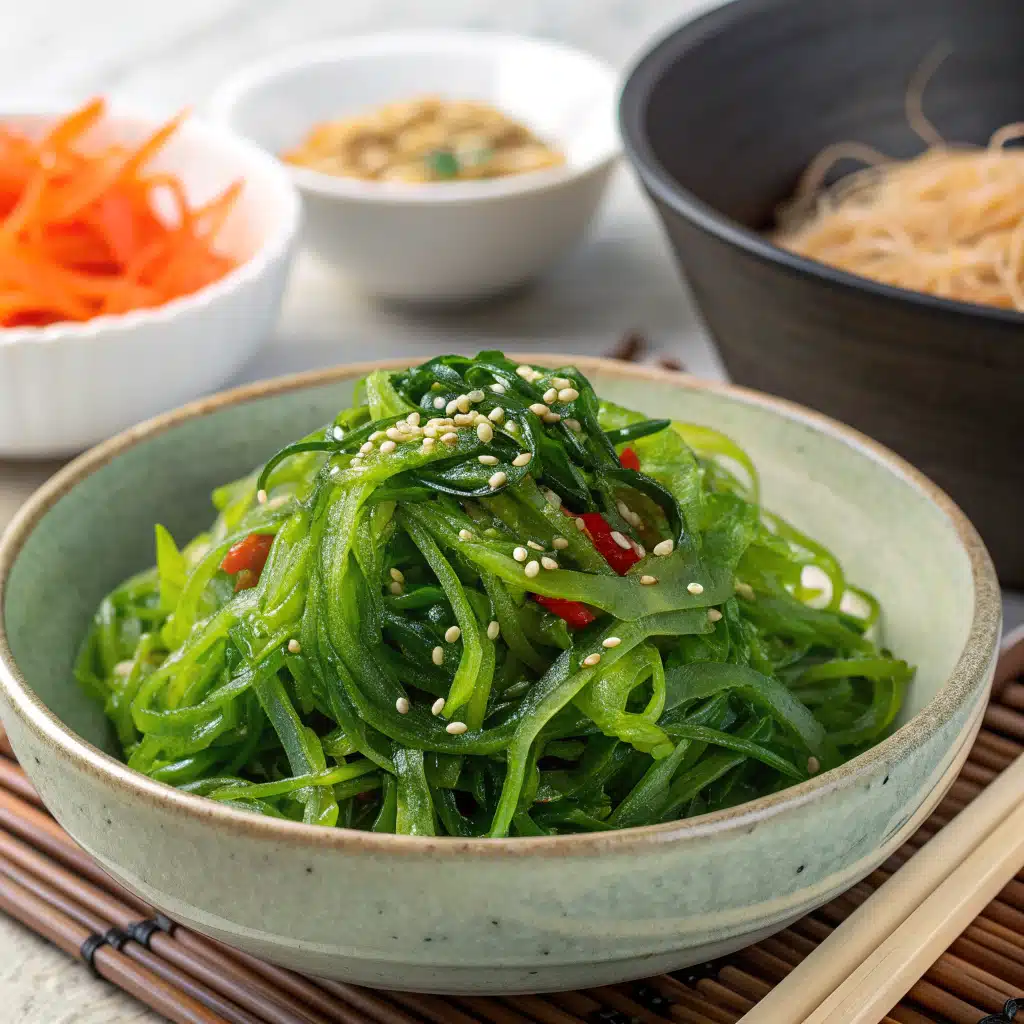
Seaweed salad is made with rehydrated sea vegetables—most commonly wakame, but sometimes hijiki or mixed varieties. It’s tossed in a dressing of sesame oil, soy sauce, rice vinegar, mirin, and miso, then topped with sesame seeds and occasionally chili flakes. Some recipes add cucumber or carrot for extra crunch and color.
What does seaweed salad taste like?
It offers a savory umami flavor with ocean-like notes balanced by the nutty taste of sesame and the gentle sweetness of mirin. The texture is chewy yet crisp, and sesame seeds add a subtle crunch. When chili is included, it brings a mild, pleasant heat.
Is seaweed salad good or bad for you?
Seaweed salad is generally very nutritious. It’s low in calories and rich in iodine, calcium, iron, magnesium, and antioxidants. It also provides plant-based omega-3s. However, it can be high in sodium, especially in store-bought versions, so moderation is key. Homemade versions are often the healthiest option.
What to eat with seaweed salad?
It pairs beautifully with sushi, sashimi, grilled fish, poke bowls, or rice dishes. You can also enjoy it with Korean bibimbap or alongside heavier meals like tempura or tonkatsu. For a light, balanced meal, try it with miso soup, rice, or grain bowls topped with avocado and protein.
How are you supposed to eat seaweed salad?
It’s traditionally eaten with chopsticks from a small side dish, taken in small bites between other dishes to refresh the palate. There’s no strict rule—forks are fine in casual settings.
How long does seaweed salad last in the refrigerator?
Homemade seaweed salad keeps for about 3–4 days in an airtight container. Store-bought versions may last up to a week, but discard it if it smells off or feels unusually slimy.
Conclusion
Embracing Sea Vegetables in Your Diet
Seaweed salad represents an accessible and delicious way to incorporate the nutritional benefits of sea vegetables into your diet. By preparing this vibrant dish at home, you control the ingredients and can adjust flavors to suit your preferences. Beyond its impressive nutritional profile, seaweed offers environmental benefits as it requires no fresh water, fertilizer, or land to grow. As more people seek sustainable food sources, sea vegetables like those in seaweed salad are gaining deserved recognition as future-friendly foods that are both planet-conscious and health-promoting.
From Traditional to Personal
While this recipe provides an authentic foundation for traditional Japanese seaweed salad, don’t be afraid to make it your own. The beauty of cooking lies in adaptation and personal expression. Whether you prefer more heat, additional vegetables, or fusion elements, the versatile nature of seaweed salad welcomes experimentation. As you become comfortable with the basic preparation, you might discover variations that become signature dishes in your household.
“Want more ideas? Check out our collection of adaptable Asian recipes” for endless inspiration.
Seaweed Salad
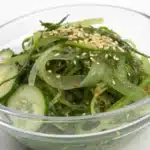
A refreshing, authentic Japanese seaweed salad with sesame dressing that perfectly balances umami, sweet and tangy flavors.
- Prep Time: 25 minutes
- Cook Time: 0 minutes
- Total Time: 25 minutes
- Yield: 4 servings 1x
- Category: Salad
- Cuisine: Japanese
Ingredients
- 50g of dried seaweed/sea vegetable salad
- 1 tbsp awase miso
- 1 tbsp soy sauce
- 1 tbsp mirin
- 1 tbsp white roasted sesame seeds
- 1 tbsp sesame oil
- 1 tsp rice vinegar
- 1 tsp yuzu juice
- 1 red chilli, finely sliced
- pinch of sea salt
Instructions
- Place dried seaweed in a bowl of cold water and soak for 20 minutes until fully rehydrated.
- Meanwhile, prepare the dressing by whisking together miso, soy sauce, mirin, sesame seeds, sesame oil, rice vinegar, yuzu juice, chili, and salt until well combined.
- Thoroughly drain the rehydrated seaweed and gently squeeze out excess water.
- Cut seaweed into bite-sized pieces if necessary.
- Transfer seaweed to a serving bowl, pour dressing over, and toss gently to coat.
- Garnish with additional sesame seeds and chill for 30 minutes before serving.
Notes
Nutrition facts are estimates and may vary based on ingredients used, portion sizes, and preparation methods.
Nutrition
- Serving Size: 4 servings
- Calories: 78
- Sugar: 1g
- Sodium: 486mg
- Fat: 6g
- Saturated Fat: 0.9g
- Trans Fat: 0g
- Carbohydrates: 5g
- Fiber: 2g
- Protein: 2g
- Cholesterol: 0mg
Keywords: seaweed salad, Japanese salad, wakame salad, sea vegetables, healthy appetizer
Let’s connect! Follow me for more Joylicious Recipes: Facebook, Instagram, Pinterest