Seafood Sensation: Mastering Classic Crab Cakes
The Perfect Coastal Appetizer
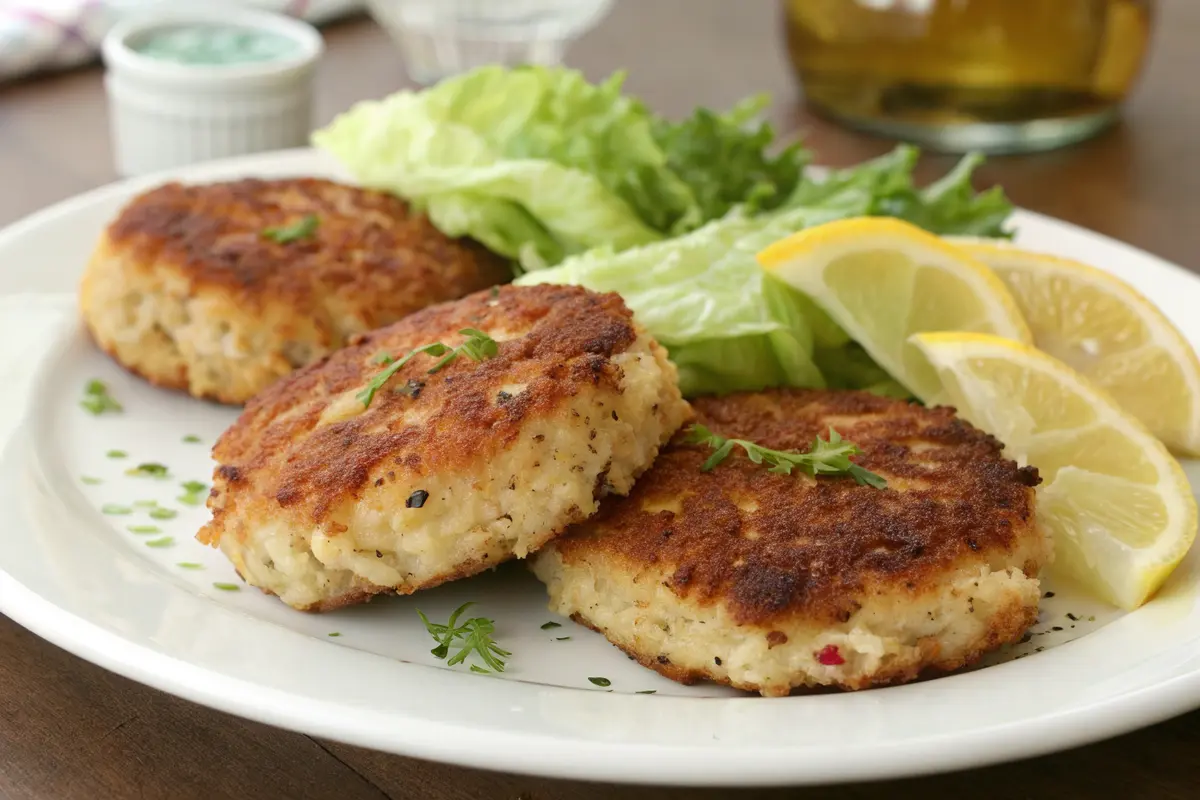
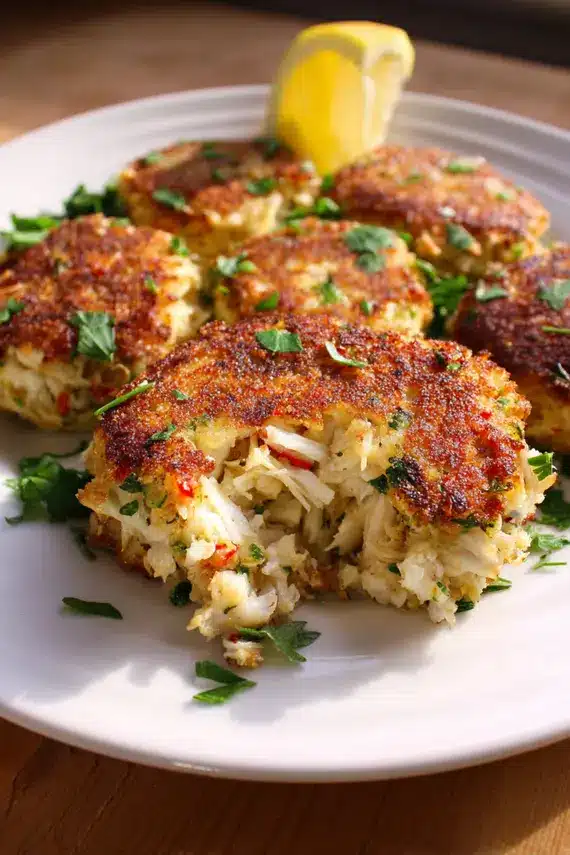
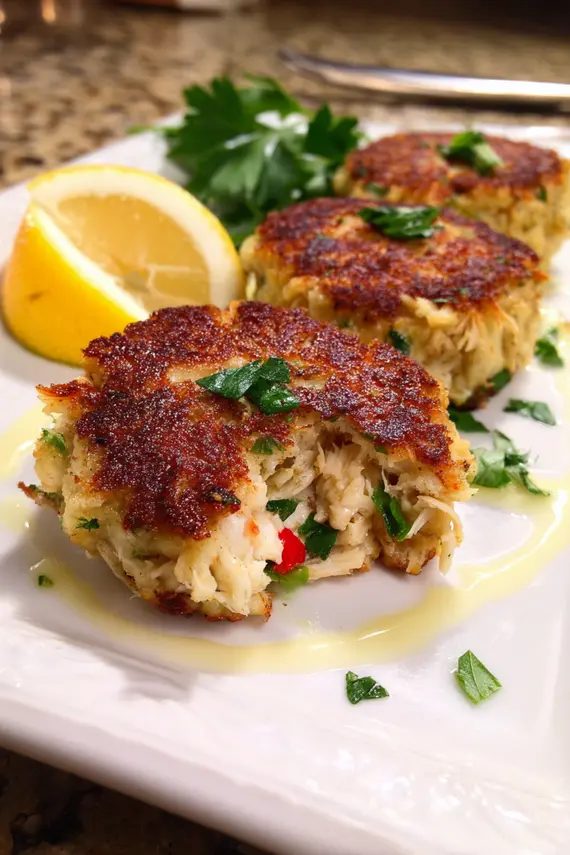
Classic crab cakes bring the essence of coastal dining right to your home kitchen, featuring tender lump crab meat delicately seasoned and pan-fried to golden perfection. These irresistible patties balance the natural sweetness of fresh crab with savory seasonings, all encased in a satisfyingly crispy exterior that gives way to a moist, flavorful interior. “The Instant Pot Shredded Chicken technique offers similar staged-cooking approaches to prevent burning while developing maximum flavor.”
These versatile seafood delights work beautifully as an elegant appetizer for dinner parties, a luxurious weekend brunch centerpiece, or even as the star of a light summer dinner paired with a crisp salad. Whether you’re serving them with a zesty lemon aioli dip for special occasions or tucking them into brioche buns for casual family meals, these crab cakes deliver restaurant-quality results with surprisingly straightforward preparation.
Essential Components for Extraordinary Crab Cakes
Quality Ingredients Make the Difference
The secret to truly outstanding classic crab cakes lies in selecting the finest ingredients and combining them with a light touch. While many recipes rely on excessive fillers, our version celebrates the natural sweetness and delicate texture of premium crab meat. “The Cream Cheese Dip uses a similar folding technique to maintain ingredient integrity throughout the mixing process.”
| Main Ingredients | Amount |
|---|---|
| Lump crab meat | 1 pound |
| Panko breadcrumbs | 1/2 cup, plus extra for coating |
| Red bell pepper | 1/4 cup, finely diced |
| Fresh parsley | 2 tablespoons, chopped |
| Egg | 1, lightly beaten |
| Mayonnaise | 2 tablespoons |
| Dijon mustard | 1 teaspoon |
| Salt | 1/2 teaspoon, or to taste |
| Black pepper | 1/4 teaspoon, freshly ground |
| Olive oil | 2-3 tablespoons for pan-frying |
| Lemon wedges | For serving |
Optional Flavor Enhancers
| Enhancer Ingredients | Amount |
|---|---|
| Old Bay seasoning | 1 teaspoon (authentic Maryland flavor) |
| Worcestershire sauce | 1 teaspoon (deepens savory notes) |
| Fresh chives | 1 tablespoon, minced |
| Lemon zest | 1 teaspoon (brightens flavor) |
| Green onions | 2 tablespoons, thinly sliced |
| Garlic powder | 1/4 teaspoon |
Homemade Lemon Aioli Dip
| Aioli Ingredients | Amount |
|---|---|
| Mayonnaise | 1/2 cup |
| Fresh lemon juice | 1 tablespoon |
| Lemon zest | 1/2 teaspoon |
| Garlic | 1 small clove, finely minced or pressed |
| Fresh dill | 1 teaspoon, chopped (optional) |
| Salt and pepper | To taste |
Foolproof Method for Perfect Classic Crab Cakes
Gentle Preparation for Maximum Texture
The key to creating restaurant-quality classic crab cakes at home lies in handling the delicate crab meat minimally and creating a perfectly balanced binding mixture. This detailed method ensures crispy golden exteriors while maintaining moist, tender interiors packed with sweet crab flavor.
- Inspect the crab meat: Carefully pick through the crab meat to remove any shell fragments or cartilage while keeping the lumps as intact as possible. For the best texture, avoid breaking up the crab too much.
- Create the binding mixture: In a large bowl, combine the beaten egg, mayonnaise, Dijon mustard, Worcestershire sauce (if using), Old Bay seasoning (if using), salt, and pepper. Mix thoroughly until smooth and well incorporated.
- Add the aromatics: Gently fold in the finely diced red bell pepper, chopped parsley, chives or green onions (if using), and lemon zest (if using). These ingredients add vibrant color, fresh flavor, and subtle texture contrast.
- Incorporate the breadcrumbs: Add the panko breadcrumbs to the binding mixture and stir to combine. The breadcrumbs will absorb moisture and help the cakes hold their shape while providing a lighter texture than regular breadcrumbs.
- Add the crab meat: Using your hands or a large silicone spatula, very gently fold the crab meat into the mixture using a lifting motion rather than stirring. Take care to keep as many lumps intact as possible for the best texture. The mixture should just barely hold together.
- Chill the mixture: Cover the bowl and refrigerate for at least 30 minutes (or up to 4 hours). This crucial step allows the flavors to meld and helps the mixture firm up, making the cakes easier to form and less likely to fall apart during cooking.
- Form the crab cakes: With clean, slightly damp hands, gently divide the chilled mixture into 8 equal portions. Shape each portion into a patty about 3 inches wide and 3/4 inch thick, handling the mixture as little as possible to maintain those precious crab lumps.
- Optional coating step: For an extra-crispy exterior, place about 1/2 cup of additional panko breadcrumbs in a shallow dish. Carefully press each patty into the breadcrumbs on both sides for a light, crispy breadcrumb coating.
- Heat the pan: In a large, heavy-bottomed skillet (preferably cast iron or non-stick), heat 2-3 tablespoons of olive oil over medium heat until shimmering but not smoking. The oil should be hot enough to sizzle when the cakes are added.
- Cook the crab cakes: Carefully place the crab cakes in the hot oil, working in batches if necessary to avoid overcrowding. Cook for 3-4 minutes on the first side until deeply golden brown. You’ll see the edges becoming visibly crisp and golden.
- Flip and finish cooking: Using a thin, wide spatula, gently flip each cake and cook for another 3-4 minutes on the second side. The ideal crab cake has a uniformly golden-brown crispy crust on both sides with a moist, hot center.
- Drain and rest: Transfer the cooked crab cakes to a paper towel-lined plate to absorb any excess oil. Let them rest for 1-2 minutes to set up slightly before serving.
- Prepare the lemon aioli: While the crab cakes rest, whisk together all aioli ingredients in a small bowl until smooth and well combined. Adjust seasoning to taste.
- Serve immediately: Arrange the crab cakes on a serving platter or individual plates. Garnish with fresh herbs, provide lemon wedges for squeezing, and serve with the lemon aioli dip on the side.
Expert Advice for Crab Cake Success
Professional Techniques for Home Cooks
Creating perfect classic crab cakes requires attention to detail and a few chef-inspired techniques. “The Chopped Chicken Salad uses similar carefully balanced flavor combinations to create depth without overwhelming the main ingredient.”
- Select the right crab meat: For authentic, restaurant-quality crab cakes, use fresh lump crab meat rather than claw meat or imitation crab. While more expensive, lump crab contains larger pieces that create that distinctive texture in premium crab cakes.
- Handle with care: The less you handle and mix the crab meat, the better your cakes will be. Excessive mixing breaks down the delicate lumps and creates a pasty texture rather than the desired chunky consistency.
- Control moisture carefully: If your crab meat is particularly wet, drain it gently on paper towels before adding to the mixture. Excess moisture will make your cakes fall apart during cooking.
- Perfect your technique: When shaping the patties, use a gentle pressing motion rather than squeezing or compacting. The cakes should hold together but remain somewhat loose for the best texture.
- Master the heat level: Maintain a consistent medium heat when cooking crab cakes. Too hot, and they’ll burn before cooking through; too low, and they’ll absorb excess oil and become greasy.
- Don’t skip the chilling step: The refrigeration period isn’t just for flavor development—it’s crucial for allowing the binding ingredients to set up properly so your cakes hold together during cooking.
- Use a fish spatula: A thin, wide fish spatula makes flipping delicate crab cakes much easier than a regular spatula. The flexible edge slides smoothly underneath without breaking the patties.
Keeping Your Seafood Treasures Fresh
Proper Storage for Maximum Enjoyment
Proper storage is essential for maintaining the quality and safety of your classic crab cakes, whether you’re planning to enjoy leftovers or preparing them ahead for a special occasion.
Refrigeration Guidelines
- Cooked crab cakes: Allow completely cooled crab cakes to be refrigerated in an airtight container with layers separated by parchment paper. They’ll maintain their quality for up to 3 days.
- Raw, formed crab cakes: If you want to prepare ahead, you can refrigerate uncooked, shaped crab cakes for up to 24 hours. Place them on a parchment-lined baking sheet, cover loosely with plastic wrap, and refrigerate. The texture is best when cooked within 8 hours of mixing.
- Crab mixture: The mixed (but not yet formed) crab cake mixture can be refrigerated for up to 24 hours in an airtight container. This is often the best make-ahead option as it prevents the cakes from drying out or becoming soggy.
Freezing Options
- For best results: Freeze crab cakes raw rather than after cooking. Form the patties, place them on a parchment-lined baking sheet, and freeze until solid (about 2 hours). Then transfer to a freezer-safe container or freezer bag with parchment between layers. They’ll keep for up to 3 months.
- Cooking from frozen: Don’t thaw frozen raw crab cakes before cooking. Instead, add 2-3 extra minutes to the cooking time per side, using slightly lower heat to ensure they cook through without burning.
- Cooked crab cake storage: While not ideal, cooked crab cakes can be frozen for up to 1 month. Thaw overnight in the refrigerator and reheat in a 350°F oven for 10-15 minutes until warmed through.
Reheating Recommendations
- Oven method (preferred): Preheat oven to 350°F. Place refrigerated crab cakes on a baking sheet and heat for 10-12 minutes until warmed through. This method maintains the crisp exterior best.
- Stovetop refresh: For a quick refresh that maintains texture, heat a small amount of oil in a skillet over medium heat and warm crab cakes for about 2 minutes per side.
- Microwave caution: While convenient, microwaving will soften the crispy exterior. If you must use this method, heat on 50% power in 30-second intervals until just warmed through.
Creative Twists on the Timeless Classic
Exciting Flavor Variations
While traditional classic crab cakes are unbeatable, these creative variations offer delightful twists on the beloved recipe without straying too far from the original concept.
Mediterranean-Style Crab Cakes
Transform your classic crab cakes with Mediterranean flair by incorporating 2 tablespoons of minced sun-dried tomatoes, 1 tablespoon of chopped fresh basil, 1 teaspoon of lemon zest, and 2 tablespoons of crumbled feta cheese. Serve with a dollop of tzatziki sauce instead of aioli for a refreshing Greek-inspired flavor profile.
Asian-Inspired Crab Cakes
For an Eastern twist, add 1 teaspoon of grated fresh ginger, 1 tablespoon of minced green onion, 1 teaspoon of soy sauce, and 1/2 teaspoon of sesame oil to the base mixture. Replace the panko with tempura crumbs for extra crunch, and serve with a simple dipping sauce made from equal parts mayonnaise and sriracha with a splash of lime juice.
Herb-Forward Garden Version
Create a spring-inspired variation by adding 1/4 cup of finely minced fresh herbs like dill, chives, tarragon, and parsley. Incorporate 2 tablespoons of finely diced cucumber for freshness and subtle crunch. Serve with a light yogurt-dill sauce for a bright, herb-forward crab cake experience.
Spicy Cajun Crab Cakes
Heat things up by adding 1-2 teaspoons of Cajun seasoning, 1 tablespoon of minced bell pepper, 1 tablespoon of finely diced celery, and a dash of hot sauce to the base mixture. Serve with a remoulade sauce for an authentic New Orleans-inspired seafood appetizer that brings warmth and depth.
Mini Crab Cake Bites
Perfect for entertaining, shape the mixture into bite-sized cakes about 1.5 inches in diameter. Reduce cooking time to about 2 minutes per side and serve on small spoons or cucumber rounds with a tiny dollop of aioli and a sprinkle of microgreens for an elegant passed appetizer that’s sure to impress.
Gluten-Free Adaptation
Create a gluten-free version by substituting the panko breadcrumbs with crushed gluten-free rice cereal, almond flour, or gluten-free panko. Ensure all other ingredients (particularly Worcestershire sauce if using) are certified gluten-free. The texture will be slightly different but equally delicious, allowing everyone to enjoy this classic dish.
Presenting Your Golden Seafood Masterpieces
Elegant Serving Suggestions
Classic crab cakes deserve to be showcased in ways that highlight their delicate flavor and golden appearance. From casual family dinners to elegant entertaining, these serving ideas elevate your culinary creation.
Plating for Dinner
For a sophisticated main course, place two large crab cakes atop a bed of lightly dressed mixed greens or arugula. Add a small pile of quick-pickled vegetables for color contrast and acidity, and finish with a drizzle of lemon aioli in a decorative pattern around the plate. This ultimate crab salad recipe offers complementary flavors that would pair beautifully alongside these golden crab cakes for a complete seafood-focused meal.
Appetizer Presentation
Serve miniature crab cakes on a large white platter garnished with fresh herbs, lemon wedges, and edible flowers. Place the lemon aioli in a small bowl in the center, surrounded by the golden-brown cakes. Add decorative cocktail picks for easy handling at cocktail parties or dinner gatherings.
Family-Style Service
For casual weekend brunches or family dinners, arrange the crab cakes on a wooden serving board alongside small bowls of different sauces—perhaps the lemon aioli, a spicy sriracha mayo, and a fresh herb tartar sauce. Include lemon wedges and sprigs of herbs for guests to garnish as desired.
Crab Cake Sandwiches
Transform leftover crab cakes into outstanding sandwiches by placing them on toasted brioche buns with butter lettuce, sliced tomato, and a spread of lemon aioli. Serve with a side of sweet potato fries or vinegar-dressed coleslaw for a satisfying lunch or casual dinner option.
Seasonal Accompaniments
Enhance your classic crab cakes with seasonal side dishes that complement their flavor. In summer, serve with a fresh corn and tomato salad; in fall, pair with roasted root vegetables; in winter, offer creamy mashed potatoes; and in spring, serve alongside asparagus or fresh pea shoots.
Brunch Inspiration
Create an impressive brunch centerpiece by topping each crab cake with a perfectly poached egg and a light hollandaise sauce. Serve with roasted breakfast potatoes and a small salad for a luxurious weekend meal that rivals the finest restaurant offerings.
Common Questions About Classic Crab Cakes
Expert Answers to Your Cooking Queries
Why do my crab cakes fall apart during cooking?
This common issue usually stems from one of three problems: insufficient binding ingredients, excess moisture, or too much handling. Ensure you’re using enough egg and mayonnaise to bind the mixture, drain very wet crab meat before mixing, and handle the mixture gently when forming patties. Chilling the formed cakes for at least 30 minutes before cooking dramatically improves their stability.
What’s the best type of crab meat to use for authentic crab cakes?
For restaurant-quality classic crab cakes, fresh lump crab meat provides the optimal balance of flavor and texture. Jumbo lump crab meat offers impressive large pieces but comes at a premium price. Backfin or special crab meat (a mix of body meat and some lump) makes an excellent middle-ground option. Claw meat, while flavorful, creates a different texture profile with smaller pieces. Pasteurized crab meat in refrigerated containers offers good quality and convenience compared to shelf-stable canned varieties.
Can I bake these crab cakes instead of pan-frying?
Absolutely! While pan-frying creates the traditional crispy golden crust, baking offers a lighter alternative with less hands-on attention. Preheat your oven to 375°F, lightly coat the crab cakes with cooking spray or brush with olive oil, and bake on a parchment-lined baking sheet for approximately 20-25 minutes, flipping halfway through. The internal temperature should reach 165°F. While baked cakes won’t develop quite the same crispy exterior, they’re still delicious and allow you to prepare all servings simultaneously.
Your Gateway to Seafood Excellence
Taking Homemade Crab Cakes to New Heights
Classic crab cakes represent the perfect balance of sophisticated flavor and comforting familiarity. With their golden crispy breadcrumb coating and sweet, tender crab interior, they transform everyday meals into special occasions while remaining surprisingly straightforward to prepare. “The Braised Beef Cheeks recipe demonstrates similar principles of transforming high-quality ingredients into impressive yet approachable home cooking.”
Whether you’re serving these seafood delights as an elegant appetizer with lemon aioli dip or as the centerpiece of a coastal-inspired dinner, they’re sure to earn rave reviews from family and friends alike. The beauty of this versatile recipe lies in its adaptability—follow our step-by-step instructions for perfectly classic results, or explore the creative variations to customize the flavors to your preference.
Don’t save these golden treasures just for special occasions. With proper storage techniques and make-ahead options, you can enjoy restaurant-quality crab cakes any day of the week. “The Berry Dutch Baby Pancake offers another impressive yet straightforward recipe perfect for elevating everyday meals into special occasions.”
We invite you to bring the distinctive taste of coastal cuisine into your own kitchen with this foolproof recipe. Your journey to seafood excellence begins with these perfectly golden, crispy-exterior, tender-interior classic crab cakes—a timeless dish that proves truly exceptional cooking doesn’t require complicated techniques, just quality ingredients and thoughtful preparation.
PrintClassic Crab Cakes
- Restaurant-quality crab cakes with golden crispy exteriors and sweet, tender crab meat inside.
- Minimal fillers let the natural flavors shine in this coastal favorite.
- Serve with homemade lemon aioli for an impressive appetizer or light main course.
- Prep Time: 25
- Cook Time: 10
- Total Time: 35 minutes
- Yield: 8 crab cakes (4 servings) 1x
- Category: Dinner
- Method: Pan-Frying
- Cuisine: American
Ingredients
- 1 pound lump crab meat, picked over for shells
- 1/2 cup panko breadcrumbs, plus extra for coating
- 1/4 cup red bell pepper, finely diced
- 2 tablespoons fresh parsley, chopped
- 1 egg, lightly beaten
- 2 tablespoons mayonnaise
- 1 teaspoon Dijon mustard
- 1/2 teaspoon salt, or to taste
- 1/4 teaspoon freshly ground black pepper
- 1 teaspoon Old Bay seasoning (optional)
- 1 teaspoon Worcestershire sauce (optional)
- 1 teaspoon lemon zest (optional)
- 2–3 tablespoons olive oil for pan-frying
- Lemon wedges for serving
- For the Lemon Aioli:
- 1/2 cup mayonnaise
- 1 tablespoon fresh lemon juice
- 1/2 teaspoon lemon zest
- 1 small garlic clove, minced
- 1 teaspoon fresh dill, chopped (optional)
- Salt and pepper to taste
Instructions
- Carefully pick through crab meat to remove any shell fragments, keeping lumps intact.
- In a large bowl, combine egg, mayonnaise, Dijon mustard, salt, pepper, and Old Bay seasoning (if using).
- Add bell pepper, parsley, and lemon zest (if using), mixing well.
- Fold in panko breadcrumbs.
- Gently fold in crab meat, maintaining lumps as much as possible.
- Cover and refrigerate mixture for at least 30 minutes (up to 4 hours).
- With damp hands, form mixture into 8 equal patties about 3/4 inch thick.
- Optional: Press patties into additional panko breadcrumbs for extra crispiness.
- Heat olive oil in a large skillet over medium heat until shimmering.
- Cook crab cakes for 3-4 minutes per side until golden brown and heated through.
- Transfer to paper towel-lined plate to drain briefly.
- Meanwhile, combine all aioli ingredients in a small bowl.
- Serve crab cakes immediately with lemon wedges and lemon aioli.
Notes
- For best results, use fresh lump crab meat rather than canned or imitation crab.
- Handle the mixture gently to maintain those precious crab lumps for the best texture.
- Make-ahead tip: The formed, uncooked crab cakes can be refrigerated for up to 24 hours before cooking.
- Nutrition facts are estimates and may vary based on ingredients used, portion sizes, and preparation methods.
Nutrition
- Serving Size: 2 crab cakes
- Calories: 320
- Sugar: 1
- Sodium: 850
- Fat: 22
- Saturated Fat: 3
- Unsaturated Fat: 18
- Carbohydrates: 9
- Fiber: 1
- Protein: 22
- Cholesterol: 145
Keywords: classic crab cakes, seafood appetizer, golden fried crab cakes, lemon aioli dip, crispy breadcrumb coating, maryland crab cakes
Let’s connect! Follow me for more Joylicious Recipes: Facebook, Instagram, Pinterest