Delicious Braised Beef Cheeks: The Ultimate Comfort Dish
Why This Recipe Is Special
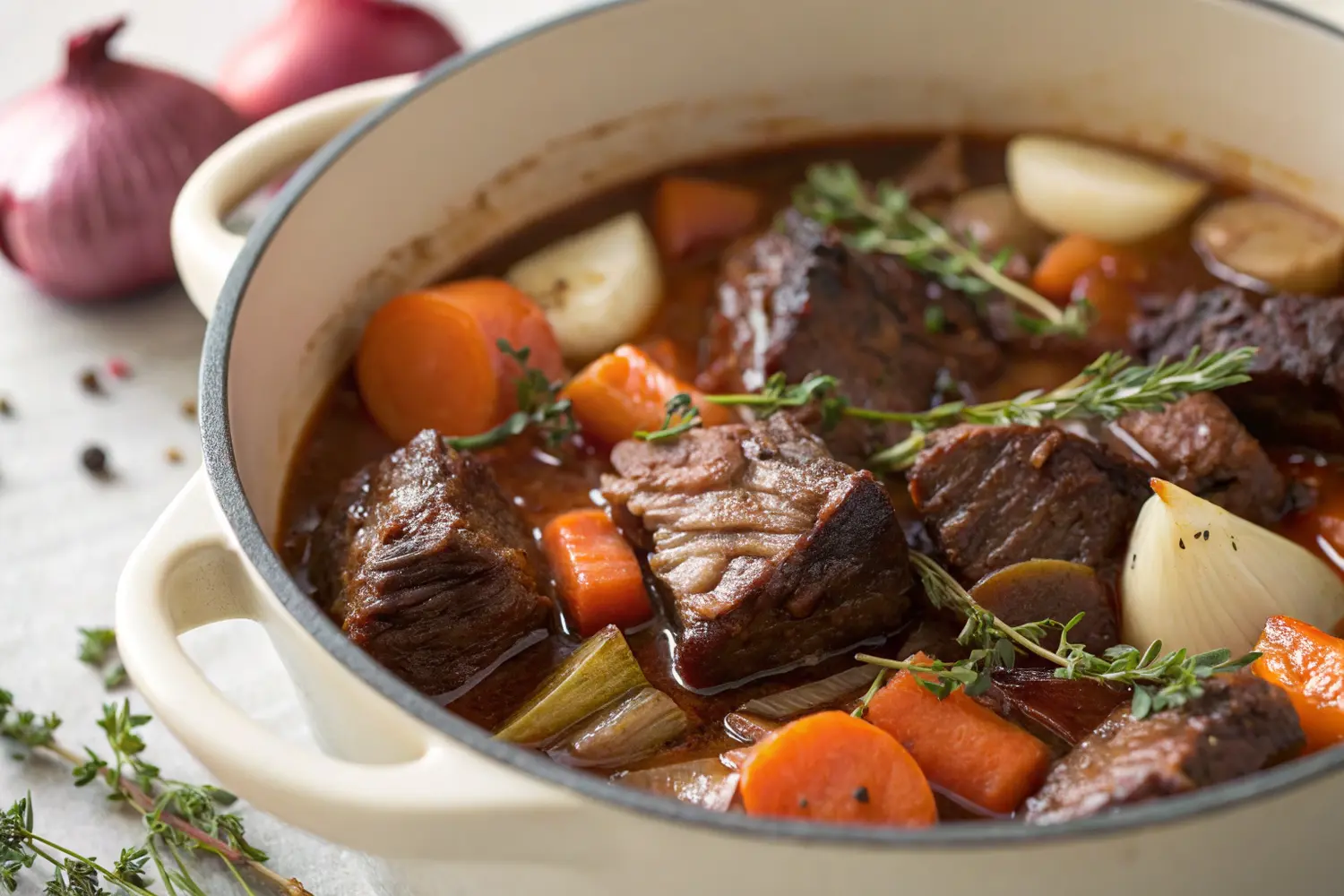
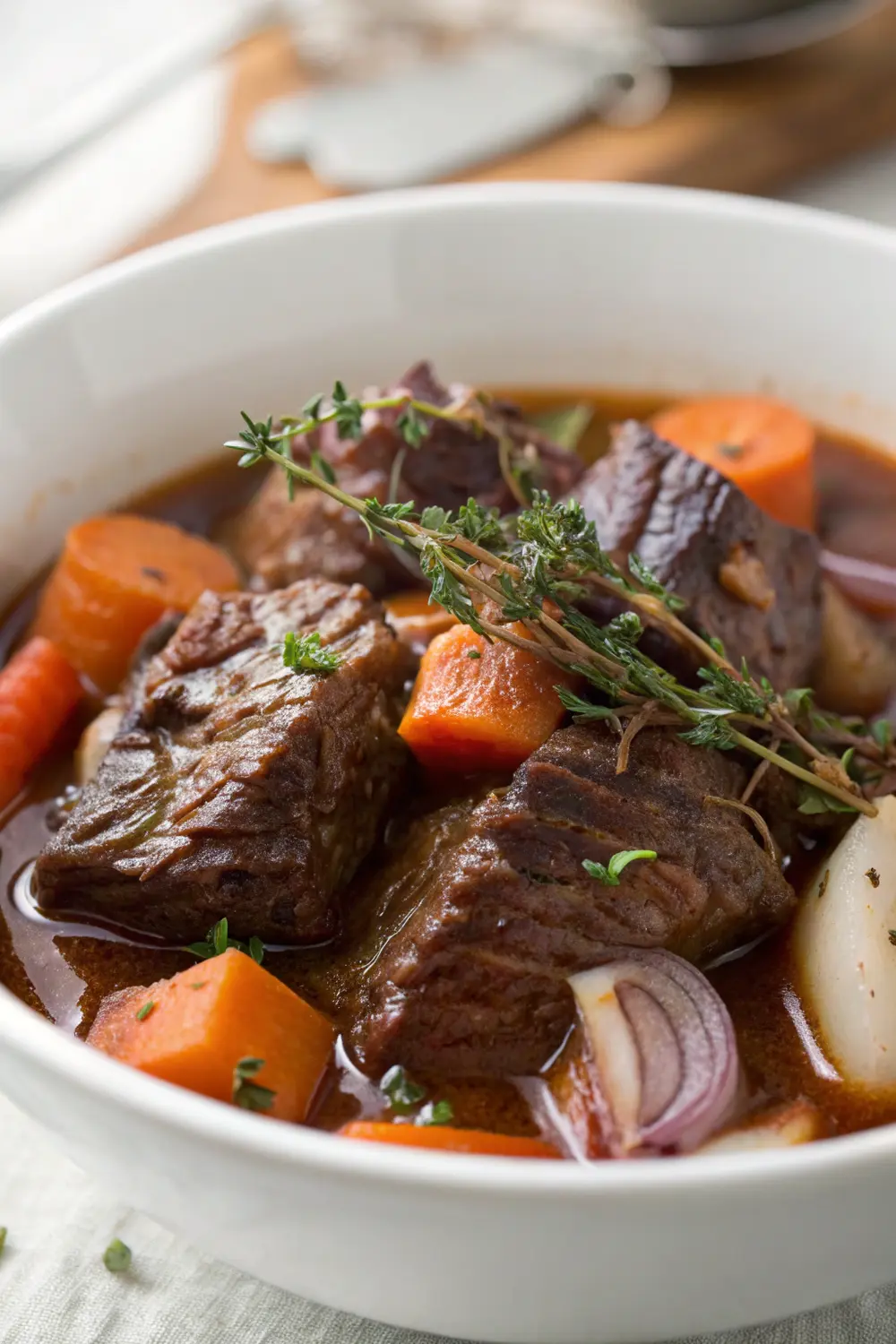
Braised beef cheeks transform one of the most underrated cuts of meat into something truly extraordinary. These rich, gelatinous pieces become melt-in-your-mouth tender when simmered slowly in a flavorful red wine sauce. The deep, complex flavors develop over hours of gentle cooking, creating a dish that’s both rustic and sophisticated. “The beef pulao shares this same ability to transform simple ingredients into something spectacular through patient cooking.”
This hearty dish is perfect for those cooler months when you crave something warming and substantial. Served over creamy mashed potatoes or with crusty bread to soak up the luxurious sauce, braised beef cheeks make an impressive centerpiece for Sunday family dinners, special occasions, or anytime you want to elevate your weeknight meal into something memorable.
Essential Ingredients for Perfect Beef Cheek Stew
The Building Blocks of Flavor
The magic of tender beef cheeks comes from quality ingredients and proper technique. This table outlines everything you’ll need to create this spectacular comfort food beef dish:
| Main Ingredients | Quantity | Notes |
|---|---|---|
| Beef cheeks, trimmed | 2 pounds | Ask your butcher to clean and trim them |
| Dry red wine | 1 cup | Cabernet Sauvignon or Merlot work well |
| Carrots | 2 medium, sliced | Cut into 1-inch chunks for better texture |
| Yellow onion | 1 large, diced | Sweet onions provide good flavor |
| Garlic cloves | 3, minced | Up to 5 cloves for garlic lovers |
| Fresh thyme | 2 sprigs | Tied with kitchen twine for easy removal |
| Sea salt | 1 tablespoon | Adjust to taste |
| Freshly ground black pepper | 1 teaspoon | Freshly ground provides better flavor |
| Flavor Enhancers | Quantity | Notes |
| Beef stock | 2 cups | Low-sodium preferred |
| Tomato paste | 2 tablespoons | Adds richness and depth |
| Bay leaves | 2 | Remove before serving |
| Celery stalks | 2, diced | Essential for mirepoix base |
| Mushrooms | 8 ounces, quartered | Cremini or button varieties |
| Rosemary | 1 sprig | Optional but recommended |
| Optional Add-ins | Quantity | Notes |
| Pancetta or bacon | 4 ounces, diced | Adds smokiness and richness |
| Star anise | 1 pod | Adds subtle complexity |
| Orange zest | 1 teaspoon | Brightens the dish |
| Parsnips | 1 large, chopped | Adds sweetness and body |
| Fresh parsley | ¼ cup, chopped | For garnish |
| High-quality olive oil | 2 tablespoons | For finishing the dish |
“The beef meatball casserole uses a similar foundation of aromatics and vegetables to build deep, satisfying flavors in every bite.”
Mastering the Art of Red Wine Braised Beef
Step-by-Step Cooking Process
Follow these detailed instructions to ensure your braised beef cheeks achieve that perfect, fall-apart tenderness that makes this dish so special:
- Prepare the beef cheeks: Pat the beef cheeks completely dry with paper towels. Season generously with salt and pepper on all sides, pressing the seasonings into the meat to adhere. Let the seasoned meat rest at room temperature for 30 minutes to absorb flavors and cook more evenly.
- Sear for maximum flavor: Heat 2 tablespoons of oil in a large Dutch oven or heavy-bottomed pot over medium-high heat until shimmering. Working in batches to avoid crowding, sear the beef cheeks for 3-4 minutes per side until deeply browned with a caramelized crust. Look for a rich mahogany color that indicates proper caramelization. Transfer the seared cheeks to a plate.
- Build the aromatic base: Reduce heat to medium and add another tablespoon of oil if needed. Add the diced onions, carrots, and celery, stirring occasionally until softened and beginning to brown, about 5-7 minutes. Add the mushrooms and cook for another 3-4 minutes until they begin to release their moisture.
- Incorporate aromatics: Add the minced garlic, stirring constantly for 30-60 seconds until fragrant but not browned. Add the tomato paste and cook, stirring continuously, for 2 minutes until it darkens slightly and coats the vegetables.
- Deglaze the pot: Pour in the red wine, using a wooden spoon to scrape up all the flavorful browned bits from the bottom of the pot. Let the wine simmer for 2-3 minutes, reducing by about one-third.
- Combine everything: Return the beef cheeks to the pot along with any accumulated juices. Add the beef stock, thyme, rosemary, bay leaves, and any optional add-ins you’re using. The liquid should cover the meat at least halfway – add more stock if needed.
- Slow braise: Bring the liquid to a gentle simmer, then reduce heat to low. Cover the pot with a tight-fitting lid and cook for 2½-3 hours, turning the beef cheeks once halfway through. The meat is ready when it can be easily pierced with a fork and offers no resistance.
- Finish the sauce: Once the beef cheeks are tender, carefully remove them to a warm plate. Increase the heat to medium-high and simmer the sauce uncovered for 15-20 minutes until it reduces and thickens to your desired consistency. Taste and adjust seasonings as needed.
- Serve: Return the beef cheeks to the sauce to warm through. Serve the cheeks with the reduced sauce and vegetables spooned over your choice of accompaniment, garnished with fresh herbs if desired.
“The beef rolls technique also relies on proper searing followed by a gentle cooking process to develop rich flavor profiles.”
Chef’s Secrets for Exceptional Braised Beef Cheeks
Professional Techniques for Home Cooks
These insider tips will help you elevate your beef cheek stew from good to extraordinary:
- Source quality beef cheeks: Ask your butcher to properly clean and trim the cheeks of any silverskin or tough connective tissue. Grass-fed beef cheeks often have better flavor and texture than grain-fed alternatives.
- Don’t rush the searing: A proper sear creates the foundation of flavor for the entire dish. Take your time to develop a deep brown crust on all sides of the beef cheeks. This step alone can transform the final taste.
- Temperature control is crucial: The ideal temperature for braising is a bare simmer—just a few bubbles breaking the surface. Too hot, and the meat will toughen; too cool, and the collagen won’t properly break down.
- Test for doneness properly: Rather than relying on time alone, check the tenderness by inserting a fork or paring knife into the thickest part of a beef cheek. It should slide in and out with almost no resistance, and the meat should start to fall apart when gently pressed.
- Consider overnight refrigeration: For maximum flavor, make this dish a day ahead. Cool completely and refrigerate overnight. This allows the flavors to meld and makes it easier to remove excess fat from the surface before reheating.
- Alternative cooking methods: While stovetop braising is traditional, you can achieve similar results in a slow cooker (6-8 hours on low) or pressure cooker (50-60 minutes at high pressure). Just be sure to still sear the meat and sauté the vegetables before the slow cooking process begins.
- Balance with brightness: The rich, hearty flavors of braised beef cheeks benefit from a touch of acidity or freshness. Consider adding a gremolata garnish (minced parsley, lemon zest, and garlic) just before serving, or a small splash of aged balsamic vinegar to the finished sauce.
“The beef ragu with gnocchi also benefits from these same slow-cooking principles that develop complex flavors and tender textures.”
Keeping Your Tender Beef Cheeks Fresh
Proper Storage Methods
Braised beef cheeks actually improve in flavor over time, making them ideal for meal prep. Here’s how to properly store and reheat this comfort food beef dish:
Refrigeration
For short-term storage, cool the braised beef cheeks completely at room temperature (no longer than 2 hours), then transfer to airtight containers. The beef cheeks will keep well in the refrigerator for 3-4 days. The gelatinous sauce will solidify when chilled—this is normal and is a sign of properly cooked collagen-rich meat.
Store the beef cheeks in their sauce to prevent them from drying out. The sauce acts as a natural preservative and flavor enhancer as the dish rests. If you notice fat solidifying on top after refrigeration, you can either remove it for a leaner dish or mix it back in for added richness.
Freezing for Extended Storage
Braised beef cheeks freeze exceptionally well for up to 3 months. For best results:
1. Cool the dish completely in the refrigerator first
2. Portion into freezer-safe containers, leaving some headspace for expansion
3. Label with contents and date
4. For individual portions, freeze beef cheeks and sauce in silicone muffin trays or small containers
Proper Reheating Techniques
To maintain the tender texture when reheating:
1. Thaw frozen beef cheeks overnight in the refrigerator
2. Reheat slowly in a covered pot on the stovetop over low heat, stirring occasionally
3. Add a splash of beef stock or water if the sauce has become too thick
4. Alternatively, reheat in a 325°F oven in a covered dish until warmed through (about 20-30 minutes)
Avoid microwave reheating if possible, as it can create hot spots that toughen the meat. If you must use a microwave, use a lower power setting (50-70%) and stir halfway through.
“The beef and vegetable roast benefits from similar storage techniques that preserve both flavor and texture over several days.”
Exciting Twists on Classic Red Wine Braised Beef
Creative Flavor Variations
While the traditional recipe is undeniably delicious, these variations offer new dimensions of flavor while maintaining the integrity of this comfort food beef dish:
Mediterranean-Inspired Beef Cheeks
Transform your beef cheeks with bright Mediterranean flavors. Use white wine instead of red and add olives, capers, sundried tomatoes, and a hint of lemon zest. Finish with fresh oregano and serve with polenta or pearl couscous. This lighter approach maintains the dish’s comforting essence while introducing sunny Mediterranean notes.
Asian-Fusion Beef Cheeks
For an Asian twist, replace the wine with beef stock and incorporate star anise, cinnamon, ginger, and a touch of five-spice powder. Add soy sauce and a small amount of brown sugar for depth. Near the end of cooking, stir in some bok choy or Chinese broccoli for freshness and texture. Serve over steamed rice or with homemade scallion pancakes.
Smoky Chipotle Beef Cheeks
Create a Mexican-inspired variation by adding chipotle peppers in adobo sauce, ground cumin, and oregano to the braising liquid. Incorporate fire-roasted tomatoes and a dash of cinnamon for complexity. Finish with fresh lime juice and cilantro before serving with warm corn tortillas or over cilantro lime rice.
Root Vegetable Beef Cheeks
Enhance the comfort factor by adding hearty root vegetables during the last hour of cooking. Try parsnips, turnips, and rutabaga along with the traditional carrots. The vegetables will absorb the rich flavors while adding natural sweetness and textural contrast. This version creates an all-in-one meal perfect for cold winter evenings.
Mushroom Lover’s Beef Cheeks
For fungi enthusiasts, create a mushroom-forward version by incorporating a variety of mushrooms—cremini, shiitake, oyster, and porcini. Add dried porcini mushrooms (rehydrated) to intensify the umami flavors. The resulting dish has extraordinary depth and an earthy character that pairs beautifully with the tender beef cheeks.
Herbaceous Green Beef Cheeks
For a springtime variation, brighten traditional braised beef cheeks with an abundance of fresh herbs. During the last 30 minutes of cooking, add generous amounts of fresh tarragon, parsley, chives, and dill. Finish with a gremolata of lemon zest, parsley, and garlic for a burst of freshness that balances the rich, tender beef.
Perfect Pairings for Your Melt-in-Your-Mouth Beef Dish
Accompaniments That Elevate Every Bite
The rich, tender beef cheeks deserve thoughtful accompaniments that complement their deep flavors and luxurious texture. Here are some inspired serving suggestions:
Creamy Base Options
Silky mashed potatoes make the perfect foundation for soaking up the flavorful sauce. For variety, try:
– Cauliflower puree with roasted garlic for a lighter option
– Parsnip and potato mash for subtle sweetness
– Creamy polenta with Parmesan for Italian-inspired comfort
– Buttered egg noodles for a homestyle approach
Vegetable Sides
Balance the richness with vibrant vegetables:
– Roasted Brussels sprouts with balsamic glaze
– Sautéed green beans with toasted almonds
– Honey-glazed carrots with fresh thyme
– Simple bitter greens like arugula dressed with lemon and olive oil Nuoc cham sauce can be drizzled over steamed vegetables for an Asian-inspired side that contrasts beautifully with the rich beef.
Bread Companions
Nothing beats quality bread for sauce-sopping duties:
– Crusty artisan sourdough, lightly toasted
– Soft dinner rolls with salted butter
– Garlic-rubbed crostini
– Homemade focaccia with rosemary and sea salt
Presentation Ideas
For an impressive meal presentation:
– Serve individual portions in shallow bowls, with the beef cheek nestled on the accompaniment and sauce poured around
– Garnish with microgreens, edible flowers, or a fine herb oil for restaurant-quality plating
– For family-style service, present on a large platter surrounded by colorful vegetables
– Consider mini copper pots or cast iron servers for individual portions at dinner parties
Make-Ahead Serving Plan
For stress-free entertaining:
1. Prepare the beef cheeks 1-2 days ahead and refrigerate
2. Make accompaniments the day of serving
3. Reheat beef cheeks slowly while guests arrive
4. Assemble and serve with fresh garnishes for a meal that tastes like you’ve been cooking all day

Your Questions About Perfect Braised Beef Answered
Expert Solutions for Common Concerns
Can I substitute another cut of beef if I can’t find beef cheeks?
Yes, while beef cheeks have a unique texture and flavor, other collagen-rich cuts can work well. Chuck roast, beef short ribs, or beef shanks (osso buco) are excellent alternatives. These cuts also benefit from long, slow cooking and will develop a similar tender texture. You may need to adjust cooking times slightly—chuck might take 30 minutes less, while short ribs typically need about the same amount of time as cheeks.
My sauce is too thin after cooking. How can I thicken it?
If your sauce hasn’t reduced enough during the final simmering, you have several options. The simplest is to remove the beef cheeks and continue reducing the sauce over medium-high heat until it reaches your desired consistency. Alternatively, you can make a beurre manié by kneading equal parts butter and flour together, then whisking small amounts into the simmering sauce until thickened. For a gluten-free option, mix 1 tablespoon cornstarch with 2 tablespoons cold water and stir into the sauce, bringing it to a simmer until thickened.
I don’t use alcohol in my cooking. What can I substitute for the red wine?
You can create a flavorful non-alcoholic alternative by combining beef stock with 2 tablespoons of balsamic vinegar and 1 tablespoon of pomegranate molasses or red grape juice. This combination provides acidity, sweetness, and depth similar to what wine brings to the dish. You might also add a teaspoon of Dijon mustard to further enhance complexity. The final flavor profile will be slightly different but equally delicious.
Final Thoughts on Mastering Braised Beef Cheeks
From Special Occasion to Weeknight Wonder
Braised beef cheeks represent the perfect intersection of rustic comfort and culinary elegance. While they require time, the actual hands-on effort is minimal, and the results are consistently impressive. The transformation that occurs—from tough, sinewy muscle to fork-tender meat bathed in a deeply flavorful sauce—is nothing short of culinary magic.
What makes this dish particularly special is its flexibility. You can prepare it days in advance for easy entertaining, adjust the flavors to suit your preferences, or scale it up to feed a crowd. The techniques you’ll master with this recipe—proper searing, deglazing, and slow braising—will serve you well across countless other dishes in your cooking repertoire.
“The braised beef with apples demonstrates similar techniques while introducing different seasonal flavors that are equally comforting and delicious.”
Whether you’re cooking to impress guests or simply treating yourself to an exceptional meal, these tender beef cheeks deliver an experience that reminds us why slow food traditions endure in our fast-paced world. So set aside an afternoon, embrace the wonderful aromas that will fill your kitchen, and prepare to enjoy one of the most satisfying dishes you’ll ever make.
PrintBraised Beef Cheeks
Melt-in-your-mouth tender beef cheeks slow-cooked in a rich red wine sauce.
This comforting dish transforms a humble cut into an extraordinary meal with minimal effort.
Perfect for special occasions or weekend family dinners.
- Prep Time: 30
- Cook Time: 180
- Total Time: 3 hours 30 minutes
- Yield: 4 servings 1x
- Category: Dinner
- Method: Braising
- Cuisine: European
Ingredients
- 2 pounds beef cheeks, trimmed of excess fat and silverskin
- 1 tablespoon sea salt
- 1 teaspoon freshly ground black pepper
- 2 tablespoons vegetable oil
- 1 large yellow onion, diced
- 2 medium carrots, sliced into 1-inch chunks
- 2 celery stalks, diced
- 8 ounces mushrooms, quartered
- 3 garlic cloves, minced
- 2 tablespoons tomato paste
- 1 cup dry red wine (such as Cabernet Sauvignon or Merlot)
- 2 cups beef stock (low-sodium preferred)
- 2 sprigs fresh thyme
- 1 sprig fresh rosemary
- 2 bay leaves
- ¼ cup fresh parsley, chopped (for garnish)
- 2 tablespoons high-quality olive oil (for finishing)
Instructions
- Pat beef cheeks dry with paper towels and season generously with salt and pepper on all sides. Allow to rest at room temperature for 30 minutes.
- Heat oil in a large Dutch oven over medium-high heat. Working in batches, sear beef cheeks for 3-4 minutes per side until deeply browned. Transfer to a plate.
- Reduce heat to medium and add onions, carrots, and celery to the pot. Cook for 5-7 minutes until softened.
- Add mushrooms and cook for another 3-4 minutes until they begin to release their moisture.
- Add minced garlic and cook for 30-60 seconds until fragrant.
- Stir in tomato paste and cook for 2 minutes, stirring continuously.
- Pour in red wine, scraping up browned bits from bottom of pot. Simmer for 2-3 minutes, reducing by about one-third.
- Return beef cheeks to pot along with any accumulated juices. Add beef stock, thyme, rosemary, and bay leaves.
- Bring to a gentle simmer, then reduce heat to low. Cover with tight-fitting lid and cook for 2½-3 hours, turning beef cheeks once halfway through.
- When beef cheeks are fork-tender, remove them to a warm plate.
- Increase heat to medium-high and simmer sauce uncovered for 15-20 minutes until reduced and thickened.
- Return beef cheeks to sauce to warm through. Taste and adjust seasonings.
- Serve beef cheeks with sauce spooned over mashed potatoes or polenta, garnished with fresh parsley and a drizzle of olive oil.
Notes
For maximum flavor, make this dish a day ahead and refrigerate overnight. This allows the flavors to develop further and makes it easier to remove excess fat from the surface before reheating.
Ask your butcher to clean and trim the beef cheeks for you.
The dish freezes well for up to 3 months.
Nutrition facts are estimates and may vary based on ingredients used, portion sizes, and preparation methods.
Nutrition
- Serving Size: 1 serving (1 beef cheek with sauce)
- Calories: 485
- Sugar: 6
- Sodium: 780
- Fat: 29
- Saturated Fat: 11
- Unsaturated Fat: 15
- Carbohydrates: 14
- Fiber: 3
- Protein: 38
- Cholesterol: 112
Keywords: braised beef cheeks, beef cheek stew, red wine braised beef, tender beef cheeks, comfort food beef
Let’s connect! Follow me for more Joylicious Recipes: Facebook, Instagram, Pinterest