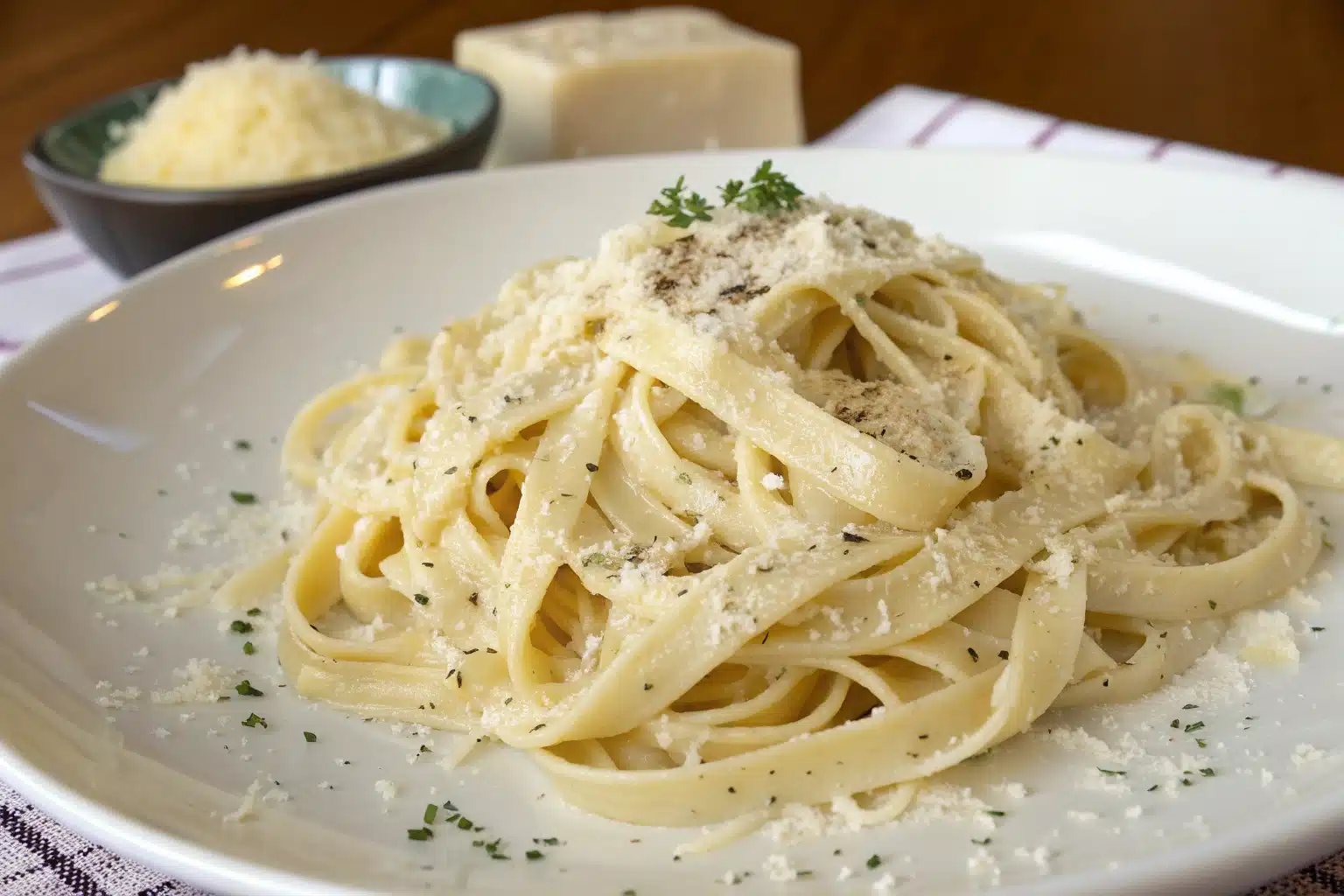
The Best Homemade Fettuccine Alfredo: Creamy, Rich, and Ready in 30 Minutes
The Classic Italian-American Comfort Dish
Fettuccine Alfredo stands as one of the most beloved pasta dishes in American cuisine, known for its rich, creamy texture and simple yet indulgent flavor profile. This velvety pasta dish combines tender fettuccine noodles with a luxurious sauce made from butter, heavy cream, and Parmesan cheese, creating comfort food at its finest. Whether you’re preparing a special dinner for loved ones or craving a satisfying weeknight meal, homemade fettuccine Alfredo delivers restaurant-quality results right in your own kitchen.
“Looking for more pasta inspiration? Check out our creamy chicken linguine recipe for another family favorite.”
Why Make Fettuccine Alfredo at Home?
Making fettuccine Alfredo from scratch offers numerous advantages over store-bought alternatives. First, you control the quality of ingredients, ensuring no artificial preservatives or additives find their way into your meal. Additionally, homemade Alfredo sauce reaches a silky consistency that pre-packaged versions simply can’t match. Furthermore, the process is surprisingly quick and straightforward – in just about 30 minutes, you can create a restaurant-worthy dish at a fraction of the cost. Once you master this basic recipe, you’ll have a versatile foundation for countless variations, making it a valuable addition to your cooking repertoire.
Essential Ingredients for Perfect Fettuccine Alfredo
The Foundation: Pasta and Dairy Components
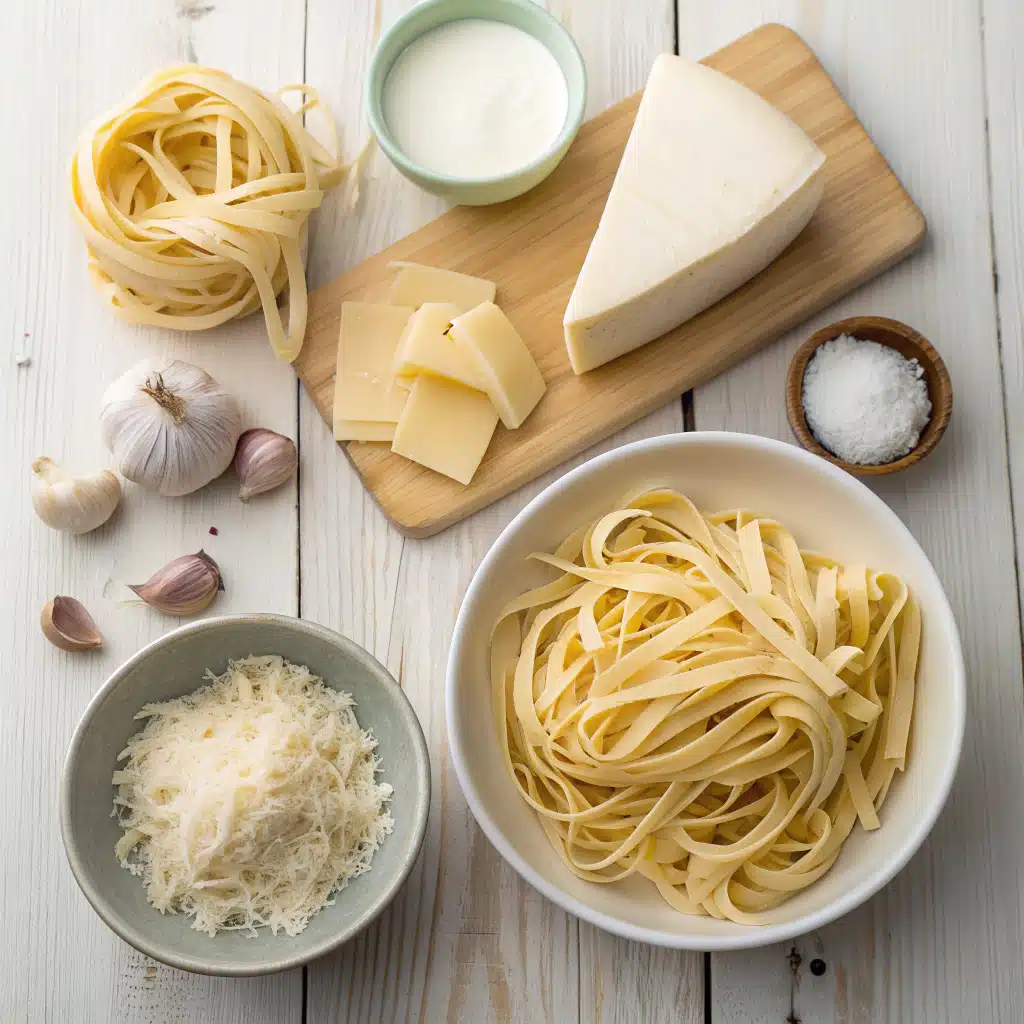
The beauty of fettuccine Alfredo lies in its simplicity, requiring just a handful of quality ingredients. For authentic results, prioritize high-quality products whenever possible. Here’s what you’ll need:
| Ingredient | Quantity | Notes |
|---|---|---|
| Fettuccine Pasta | 1 lb | Traditional dried pasta works perfectly |
| Butter | 6 Tablespoons | Unsalted preferred for better flavor control |
| Garlic Clove | 1 (minced) | Adds subtle flavor depth |
| Heavy Cream | 1 1/2 cups | Full-fat delivers the richest results |
| Salt | 1/4 teaspoon | Plus more for pasta water |
| Shredded Parmesan Cheese | 1 1/4 cup | Freshly grated provides superior melt and flavor |
| Black Pepper | 1/4 teaspoon | Freshly ground recommended |
| Italian Parsley | 2 Tablespoons | Optional, adds color and freshness |
Quality Matters: Choosing the Right Ingredients
The quality of your ingredients significantly impacts the final dish. Whenever possible, opt for freshly grated Parmesan cheese rather than pre-packaged varieties, as it melts more smoothly and offers superior flavor. Similarly, real heavy cream (not half-and-half or milk) provides the authentic richness fettuccine Alfredo is known for. For the pasta itself, a high-quality fettuccine will cook more evenly and hold the sauce better. While dried pasta works wonderfully, fresh fettuccine can elevate the dish even further if you have access to it.
Step-by-Step Guide to Creamy Fettuccine Alfredo
Preparing the Pasta to Perfection
- Begin by filling a large pot with water. Add 1-2 tablespoons of salt to properly season the pasta as it cooks.
- Heat the water on high until it reaches a vigorous, rolling boil.
- Add the pound of fettuccine pasta to the boiling water and cook according to package instructions until al dente (typically 8-10 minutes).
- Before draining, reserve about 1 cup of the starchy pasta water, which can help thin the sauce if needed.
- Drain the pasta but don’t rinse it – the starch on the surface helps the sauce adhere better.
Creating the Silky Alfredo Sauce
The secret to perfect Alfredo sauce is gentle heat and constant attention. “Don’t miss our creamy garlic chicken pasta if you’re looking for more delicious sauce techniques.”
- While the pasta cooks, place a large skillet or pan over medium heat.
- Add the 6 tablespoons of butter and allow it to melt completely.
- Add the minced garlic clove to the melted butter and cook for 1-2 minutes, stirring frequently to prevent burning. The garlic should become fragrant but not brown.
- Carefully pour the heavy cream into the skillet, stirring to combine with the butter and garlic mixture.
- Allow the cream mixture to simmer gently for 5-8 minutes, reducing slightly. The sauce will begin to thicken as it reduces.
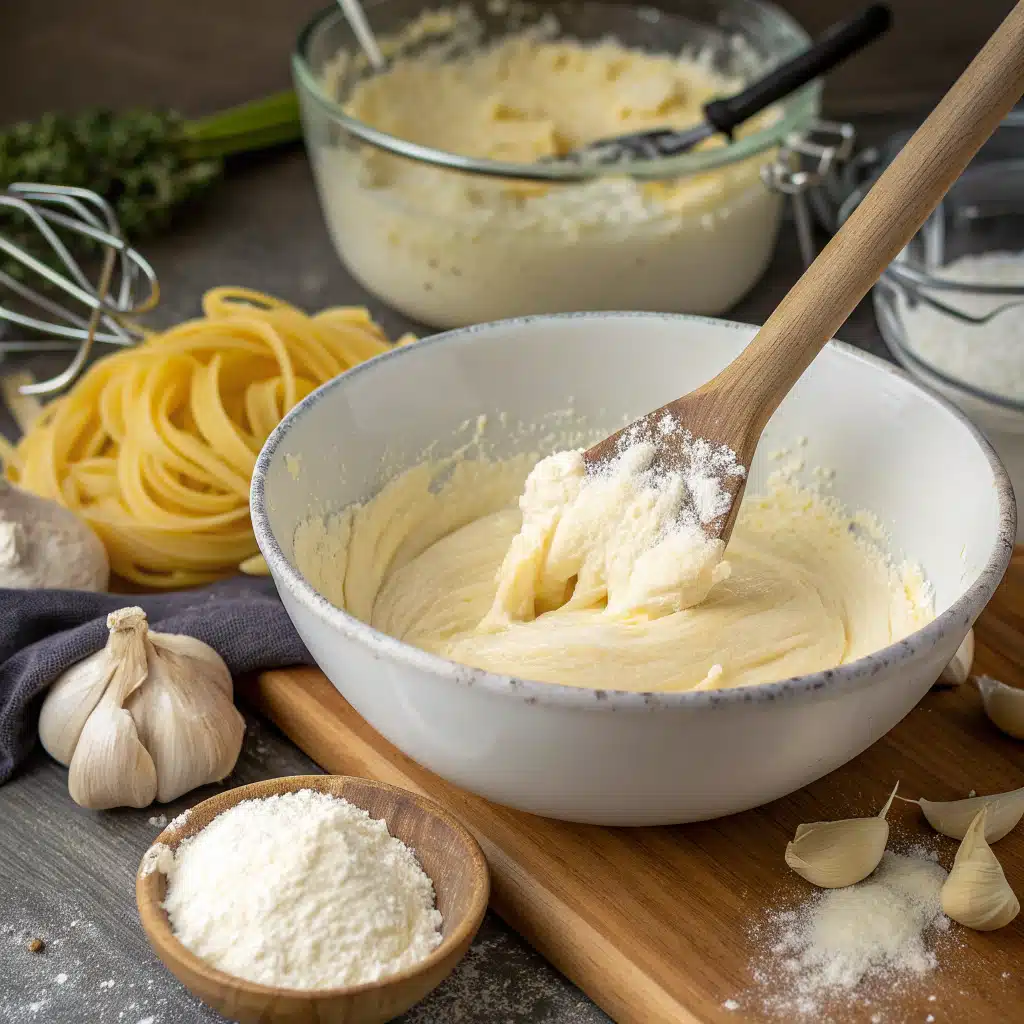
- Reduce heat to low and gradually add half of the Parmesan cheese (about 2/3 cup), whisking continuously until completely melted and smooth.
- Season with the salt and pepper, adjusting to taste if necessary.
Bringing It All Together
- Add the drained fettuccine directly to the pan with the sauce.
- Gently toss the pasta in the sauce until every strand is evenly coated. Use tongs for the most control.
- Sprinkle half of the remaining Parmesan cheese over the pasta and continue tossing.
- If the sauce seems too thick, add a splash of the reserved pasta water to reach your desired consistency.
- Transfer to a serving dish or individual plates and finish with the remaining Parmesan cheese.
- If desired, garnish with chopped Italian parsley for a pop of color and fresh flavor.
- Serve immediately while hot and creamy.
Expert Tips for Fettuccine Alfredo Success
Temperature Control for Perfect Sauce
The difference between stunning Alfredo sauce and a disappointing result often comes down to temperature management. Heat that’s too high can cause the sauce to break, resulting in a grainy texture rather than the silky finish we’re seeking. Always keep your sauce at a gentle simmer rather than a boil. Additionally, when adding the Parmesan cheese, temporarily remove the pan from heat or reduce to the lowest setting to prevent the cheese from clumping or becoming stringy. Patience yields perfection when it comes to this delicate sauce.
The Importance of Pasta Water
Never underestimate the magical properties of pasta water! This starchy liquid serves as a secret ingredient in many pasta dishes, including fettuccine Alfredo.
“Here’s your guide to using pasta water effectively in various recipes.”
Always reserve about a cup before draining your pasta. The starchy water helps to extend the sauce while maintaining its creamy consistency, and the salt in the water enhances the overall flavor. If your Alfredo sauce thickens too much upon standing (which is common), a splash of pasta water will bring it back to life without diluting the flavor as plain water would.
Timing Is Everything
Successful fettuccine Alfredo relies heavily on proper timing. Unlike some pasta dishes that can sit for a while, Alfredo sauce is at its best immediately after preparation. The sauce will continue to thicken as it cools, so plan to serve it right away for optimal texture. To ensure perfect timing, have all ingredients measured and ready before you begin cooking (mise en place), and coordinate the pasta cooking with your sauce preparation so they finish simultaneously. If you must wait briefly before serving, keep both components separate and combine just before serving.
Proper Storage and Reheating of Fettuccine Alfredo
Refrigerating Leftovers Correctly
While fettuccine Alfredo is best enjoyed immediately after preparation, leftovers can still be delicious when properly stored. Transfer any remaining pasta to an airtight container within two hours of cooking to prevent bacterial growth. Refrigerate promptly and store for up to 3 days. Keep in mind that the sauce will solidify significantly when chilled – this is normal and doesn’t indicate spoilage. For best results, store any unused sauce separately from the pasta if possible, as this prevents the noodles from absorbing too much moisture and becoming overly soft.
Freezing Fettuccine Alfredo: Yes or No?
Dairy-based sauces generally don’t freeze well, and Alfredo sauce is particularly problematic due to its high fat content. When thawed, the sauce tends to separate and take on a grainy texture. However, if you must freeze leftovers, place them in a freezer-safe container, remove as much air as possible, and store for no more than 1-2 months. Label clearly with the date. Be aware that the quality will diminish, but the food safety remains intact when properly frozen and thawed.
Best Practices for Reheating
Reheating fettuccine Alfredo requires a gentle touch to restore its creamy texture.
“Discover great ideas like our creamy salmon pasta recipe which uses similar reheating techniques.”
The microwave can work in a pinch, but it often results in oily separation. Instead, try these superior methods:
Stovetop method (preferred): Place leftover pasta in a skillet over low heat. Add a splash of milk or cream (1-2 tablespoons per cup of pasta) and stir gently until warmed through. The additional dairy helps re-emulsify the sauce.
Oven method: Preheat oven to 350°F. Place pasta in an oven-safe dish, add a tablespoon of cream or milk, cover tightly with foil, and bake for 15-20 minutes until heated through.
Water bath method: Place leftovers in a sealed bag and submerge in hot (not boiling) water for about 10 minutes, squeezing occasionally to distribute heat.
Regardless of method, never bring leftover Alfredo sauce to a boil, as this will cause the sauce to break and become greasy.
Delicious Variations on Classic Fettuccine Alfredo
Protein Additions to Make It a Complete Meal
Transform your fettuccine Alfredo from a side dish to a satisfying main course by incorporating protein.
“Want more ideas? Check out our chicken alfredo recipe for a popular variation.”
Here are some excellent options:
Grilled Chicken Alfredo: Season chicken breasts with Italian herbs, salt, and pepper, then grill until cooked through. Slice thinly and arrange over the finished pasta.
Shrimp Alfredo: Sauté peeled, deveined shrimp in butter with a touch of garlic until pink and opaque. Fold into the pasta just before serving.
Salmon Alfredo: Flake cooked salmon (baked or grilled) and gently incorporate into the finished dish for an elegant seafood variation.
Bacon Alfredo: Crisp diced bacon or pancetta in a separate pan, drain excess fat, and sprinkle over the completed pasta for a smoky flavor contrast.
Vegetarian Protein Options: Sautéed tofu cubes or white beans provide protein without meat. Season well before adding to complement the sauce’s flavors.
Vegetable Incorporations for Nutrition and Color
Balance the richness of fettuccine Alfredo by adding vegetables, which contribute nutrients, color, and textural contrast:
Classic Additions: Peas, asparagus tips, or broccoli florets work beautifully with the creamy sauce. Blanch briefly before adding to maintain vibrant color.
Mushroom Alfredo: Sauté sliced mushrooms (cremini, button, or portobello) until golden brown and fold into the finished pasta for an earthy dimension.
Spinach Alfredo: Wilt fresh spinach into the hot sauce just before adding the pasta for a nutrition boost that doesn’t compromise flavor.
Roasted Vegetable Alfredo: Add roasted red peppers, zucchini, or cherry tomatoes for sweet, caramelized notes that complement the cream sauce.
Sun-dried Tomato and Artichoke: These Mediterranean favorites add intense flavor and work particularly well with herb-enhanced variations.
Flavor Twists for the Adventurous Cook
While traditional fettuccine Alfredo is perfection in simplicity, these creative variations offer delightful alternatives:
Herb-infused Alfredo: Add fresh herbs like basil, thyme, or tarragon to the sauce for aromatic complexity.
Lemon Alfredo: Incorporate fresh lemon zest and a small squeeze of juice for brightness that cuts through the richness.
Roasted Garlic Alfredo: Replace the raw garlic with a whole head of roasted garlic for deeper, sweeter flavor without the sharp bite.
Spicy Cajun Alfredo: Add Cajun seasoning to taste for a spicy Southern twist that pairs especially well with shrimp or chicken.
Truffle Alfredo: A few drops of truffle oil or a small amount of minced truffle elevates this dish to gourmet status, perfect for special occasions.
Perfect Pairings: What to Serve with Fettuccine Alfredo
Complementary Side Dishes
Fettuccine Alfredo’s richness calls for sides that provide balance through contrast.
“Learn more about pairing sides with pasta dishes in our cowboy butter chicken linguine recipe.”
Consider these excellent companions:
Simple Green Salad: A lightly dressed salad with vinaigrette provides acidity that cuts through the creamy pasta. Consider arugula with lemon dressing or mixed greens with balsamic vinaigrette.
Roasted Vegetables: Caramelized vegetables like asparagus, Brussels sprouts, or cherry tomatoes offer textural contrast and nutritional balance.
Garlic Bread or Breadsticks: While admittedly indulgent alongside an already rich dish, crusty bread is perfect for soaking up every bit of the delicious sauce.
Sautéed Greens: Quick-cooked spinach, kale, or Swiss chard with garlic and a squeeze of lemon brings brightness and nutritional value.
Tomato-Based Antipasti: Marinated tomatoes or a simple bruschetta provides acidic contrast that refreshes the palate between bites of rich pasta.
Dessert Suggestions to Complete the Meal
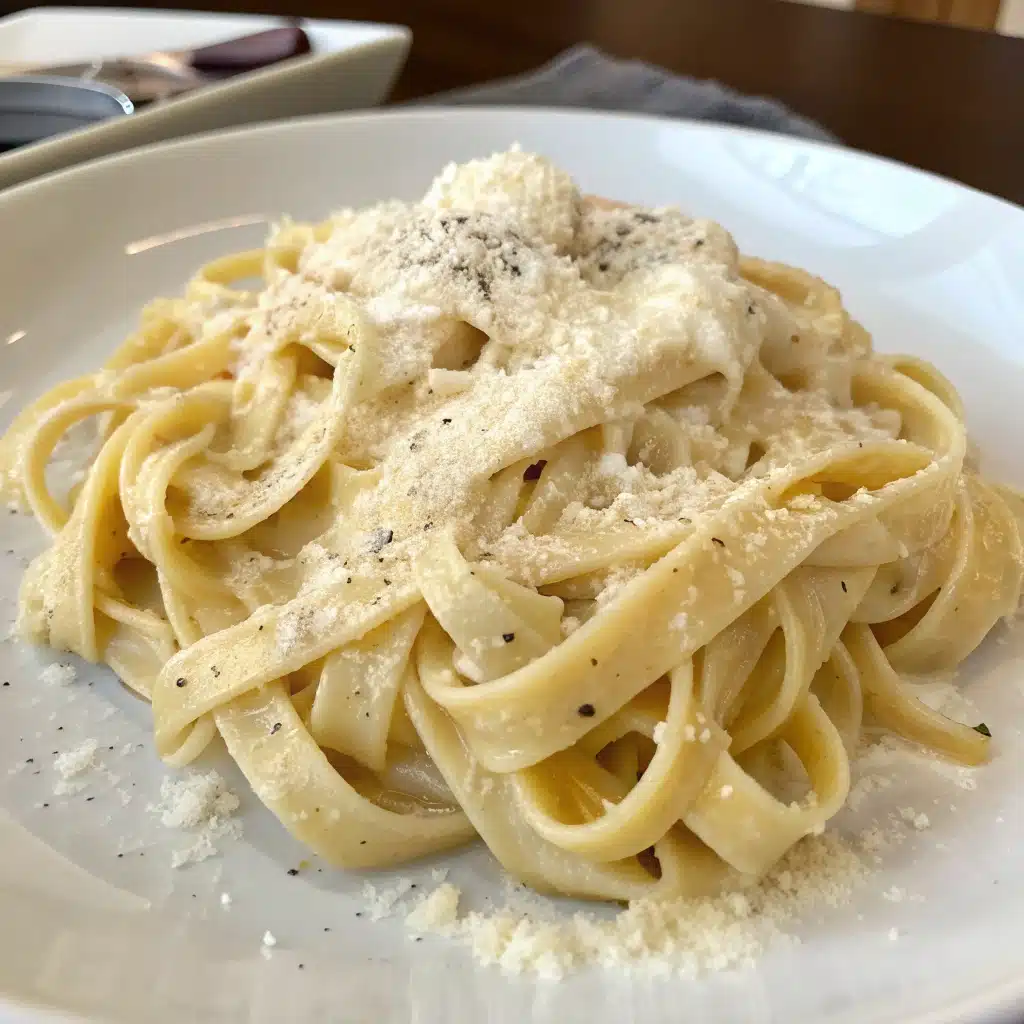
After a rich main course like fettuccine Alfredo, the ideal dessert provides contrast rather than additional heaviness:
Fresh Berries: A simple bowl of seasonal berries, perhaps with a light sprinkle of sugar or a small dollop of whipped cream, offers a refreshing conclusion.
Lemon Sorbet: The bright acidity cleanses the palate and provides a light, refreshing end to the meal.
- Affogato: A scoop of creamy vanilla gelato topped with a shot of hot espresso, creating a perfect blend of sweet and bold flavors.
Biscotti: These crisp Italian cookies are perfect for dipping in coffee without overwhelming after a substantial pasta course.
Fresh Fruit Tart: A light pastry shell with custard and fresh fruit combines sweetness with refreshing qualities that complement the preceding rich dish.
FAQs About Fettuccine Alfredo
What is fettuccine Alfredo made of?
Classic fettuccine Alfredo is made with fettuccine pasta, butter, and Parmesan cheese. The American adaptation adds heavy cream for a richer, more stable sauce. Garlic, salt, pepper, and fresh parsley are often included for extra flavor. Its charm lies in simplicity—using quality ingredients creates a creamy, indulgent pasta without much effort.
Why do they call it fettuccine Alfredo?
The dish was named after Alfredo di Lelio, an Italian restaurateur in Rome who created it in 1908 for his wife. He made a gentle, buttery pasta to help her recover her appetite. Later, Hollywood stars Douglas Fairbanks and Mary Pickford tried it during their honeymoon and helped popularize it in the U.S.
What do you serve with fettuccine Alfredo?
Because it’s rich and creamy, fettuccine Alfredo pairs best with light sides. Try a green salad with vinaigrette, roasted veggies like broccoli or asparagus, or garlic bread. Add grilled chicken or shrimp for protein.
Is fettuccine Alfredo the same thing as chicken Alfredo?
Not quite. Fettuccine Alfredo is the original creamy pasta, while chicken Alfredo adds grilled or sautéed chicken to make it heartier. The sauce—made of butter, cream, and Parmesan—remains the same in both.
Is fettuccine Alfredo Italian or American?
It began in Italy as “pasta al burro,” made only with butter and cheese. The cream-based version became popular in America, so the traditional dish is Italian, while the creamy version is Italian-American.
What’s the difference between linguine and fettuccine?
Fettuccine is wider and thicker, ideal for creamy sauces like Alfredo. Linguine, meaning “little tongues,” is thinner and lighter, better suited for seafood or olive oil–based sauces.
Conclusion: Mastering the Art of Fettuccine Alfredo
From Beginner to Pro: Your Fettuccine Alfredo Journey
Fettuccine Alfredo represents one of those rare dishes that manages to be simultaneously simple in preparation yet sophisticated in result. As you’ve seen throughout this guide, creating restaurant-quality Alfredo sauce at home requires just a handful of quality ingredients and attention to a few key techniques. The journey from beginner to pro with this dish isn’t about mastering complicated methods but rather about understanding the importance of proper heat control, ingredient quality, and timing.
“Check out our garlic parmesan chicken pasta for another recipe that builds on these foundational skills.”
Even your first attempt at homemade fettuccine Alfredo will likely surpass store-bought versions, and with each preparation, you’ll develop an intuitive understanding of how the sauce should look and feel. Don’t be afraid to adjust seasoning to your preference or incorporate some of the variations we’ve suggested to make the recipe your own. Remember that cooking is both science and art – follow the fundamentals while adding your personal touch.
Why Homemade Always Wins
After experiencing the unparalleled richness and silky texture of homemade fettuccine Alfredo, you’ll understand why this dish deserves its status as a comfort food classic. Unlike commercial versions that often contain stabilizers, preservatives, and artificial flavors, your homemade creation delivers pure, authentic taste. Furthermore, the ability to control exactly what goes into your meal provides not just superior flavor but peace of mind regarding ingredients.
Beyond taste, there’s an undeniable satisfaction in creating something from scratch that brings joy to those you share it with. Fettuccine Alfredo, with its luxurious appeal and crowd-pleasing qualities, offers the perfect opportunity to experience that pleasure. Whether you’re cooking for yourself, your family, or guests, this timeless pasta dish proves that sometimes, the simplest preparations yield the most memorable results. Master this recipe, and you’ll have a reliable, impressive dish in your culinary repertoire for years to come.
PrintFettuccine Alfredo

Creamy, rich fettuccine Alfredo made with butter, garlic, heavy cream and Parmesan cheese. This restaurant-quality pasta dish comes together in just 30 minutes for an irresistible meal.
- Prep Time: 5 minutes
- Cook Time: 25 minutes
- Total Time: 30 minutes
- Yield: 4 servings 1x
- Category: Dinner
- Cuisine: Italian-American
Ingredients
- 1 lb Fettuccine Pasta
- 6 Tablespoons Butter
- 1 Garlic Clove (minced)
- 1 1/2 cups Heavy Cream
- 1/4 teaspoon Salt
- 1 1/4 cup Shredded Parmesan Cheese
- 1/4 teaspoon Pepper
- 2 Tablespoons Italian Parsley (optional)
Instructions
- Bring a generous pot of salted water to a boil, then add the fettuccine and cook just until it reaches a firm, tender texture as directed on the package.
- As the pasta cooks, warm the butter in a large skillet over medium heat until melted. Add minced garlic and cook 1-2 minutes until fragrant.
- Pour in heavy cream, stir to combine, and simmer 5-8 minutes until slightly reduced.
- Reduce heat and add half the Parmesan cheese, whisking until melted and smooth.
- Season sauce with salt and pepper.
- Reserve 1 cup pasta water before draining fettuccine.
- Add drained pasta to the sauce, tossing to coat. Add more Parmesan and thin with pasta water if needed.
- Garnish with remaining cheese and parsley if desired. Serve immediately.
Notes
For best results, serve immediately as the sauce thickens upon standing.
Nutrition facts are estimates and may vary based on ingredients used, portion sizes, and preparation methods.
Nutrition
- Serving Size: 4 servings
- Calories: 785
- Sugar: 3g
- Sodium: 560mg
- Fat: 52g
- Saturated Fat: 32g
- Trans Fat: 0g
- Carbohydrates: 56g
- Fiber: 2g
- Protein: 23g
- Cholesterol: 174mg
Keywords: fettuccine alfredo, pasta, Italian cuisine, cream sauce, parmesan cheese, homemade alfredo
Let’s connect! Follow me for more Joylicious Recipes: Facebook, Instagram, Pinterest