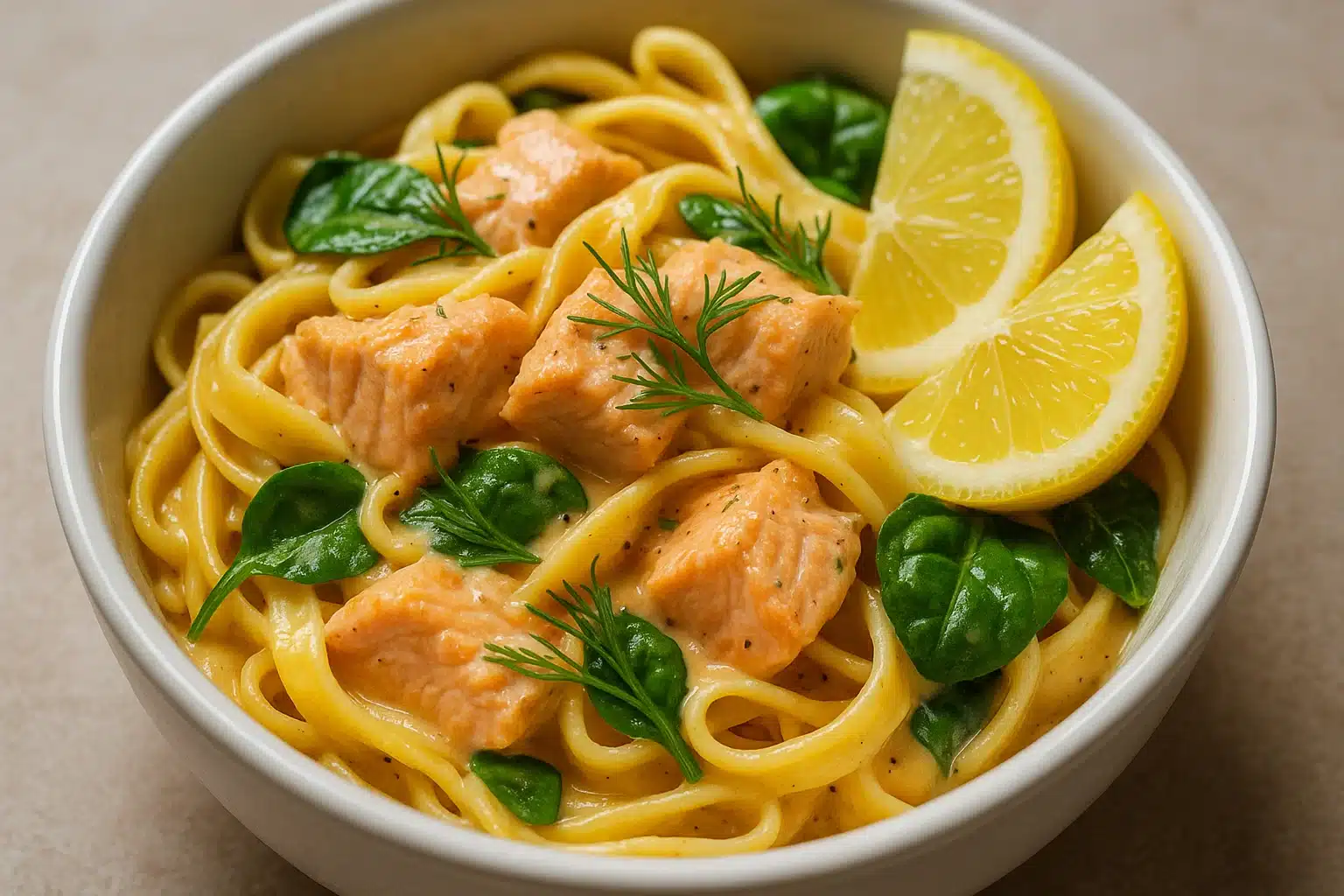
Easy Salmon Pasta Recipe – Rich, Creamy & Delicious
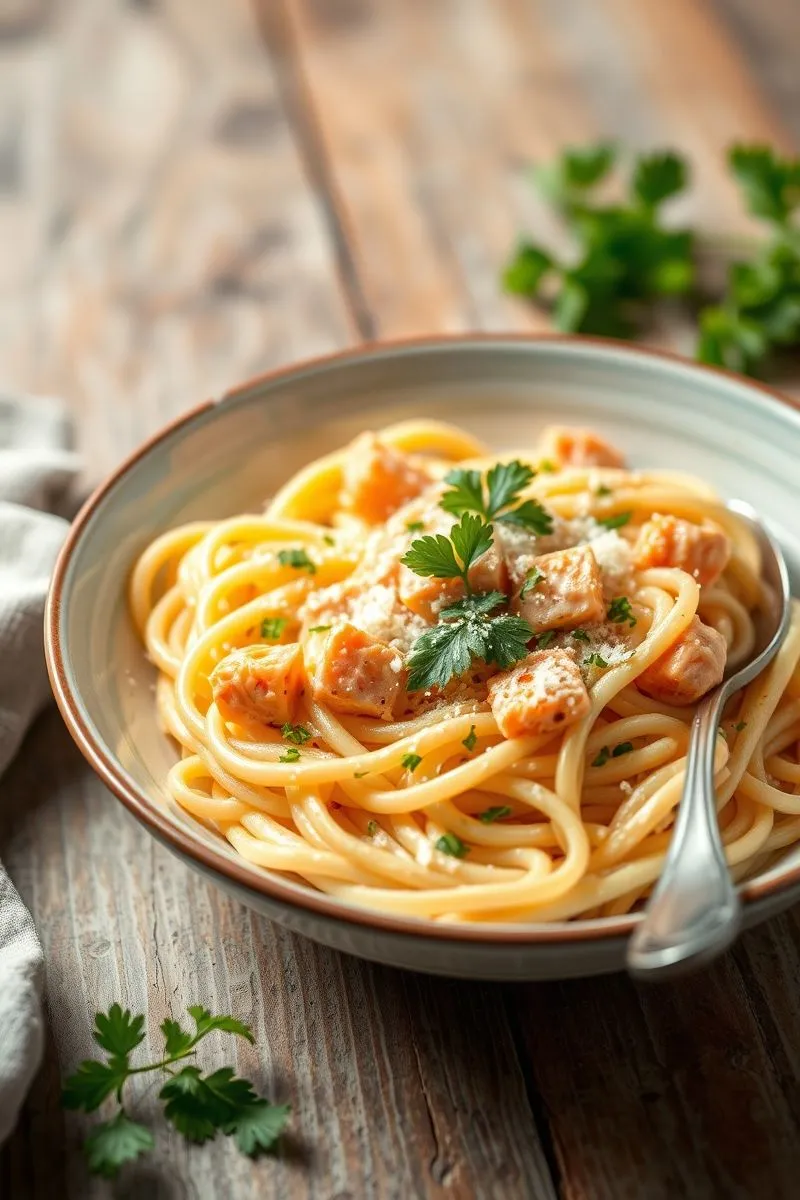
Salmon pasta recipe lovers, you’re in for a creamy, savory treat that’s rich in flavor and surprisingly easy to make. Whether you’re using fresh fillets or canned salmon, this dish delivers a luxurious combination of flaky fish, silky linguine, and a velvety white cream sauce. It’s a restaurant-worthy comfort food that you can serve on a busy weeknight or at your next dinner gathering.
Don’t miss our ultimate creamy garlic pasta guide for more creamy, cozy inspiration.
You’ll learn how to perfectly bake salmon, make a bold and bright cream sauce, and bring it all together with baby spinach, garlic, capers, and a hit of lemon. Ready to make magic in your kitchen? Let’s dig into the essentials of this stunning pasta dish.
Introduction to the Perfect Salmon Pasta Recipe
Why Salmon Pasta is a Weeknight Favorite
Salmon pasta is a flavor-packed, flexible dish that’s elegant yet quick. The combination of tender salmon, buttery noodles, and rich sauce delivers a comfort food vibe with gourmet energy. It’s become a household staple because:
- It uses just a handful of ingredients
- The preparation is simple and low-mess
- It works with both fresh and canned salmon
- You can switch up herbs, pasta shapes, and cheeses
If you want a dish that looks impressive but cooks up easily, salmon pasta checks every box.
The Rise of Seafood Pasta in American Kitchens
Over the last few years, seafood pasta—especially recipes using salmon—have taken over social feeds, dinner tables, and meal plans. It’s not just the flavor: salmon is loaded with protein, healthy fats, and bold taste. As more home cooks aim for nourishing, well-balanced meals, salmon pasta has earned its spot as a go-to dish.
Best of all, you don’t need to be a pro to nail this recipe. With the right prep and a few clever tips, anyone can turn a simple list of ingredients into a satisfying, crowd-pleasing plate.
Check out this creamy skillet chicken and mushroom recipe if you’re a fan of hearty, sauce-rich meals.
Ingredients for the Best Salmon Pasta Recipe
Must-Have Pantry and Fresh Ingredients
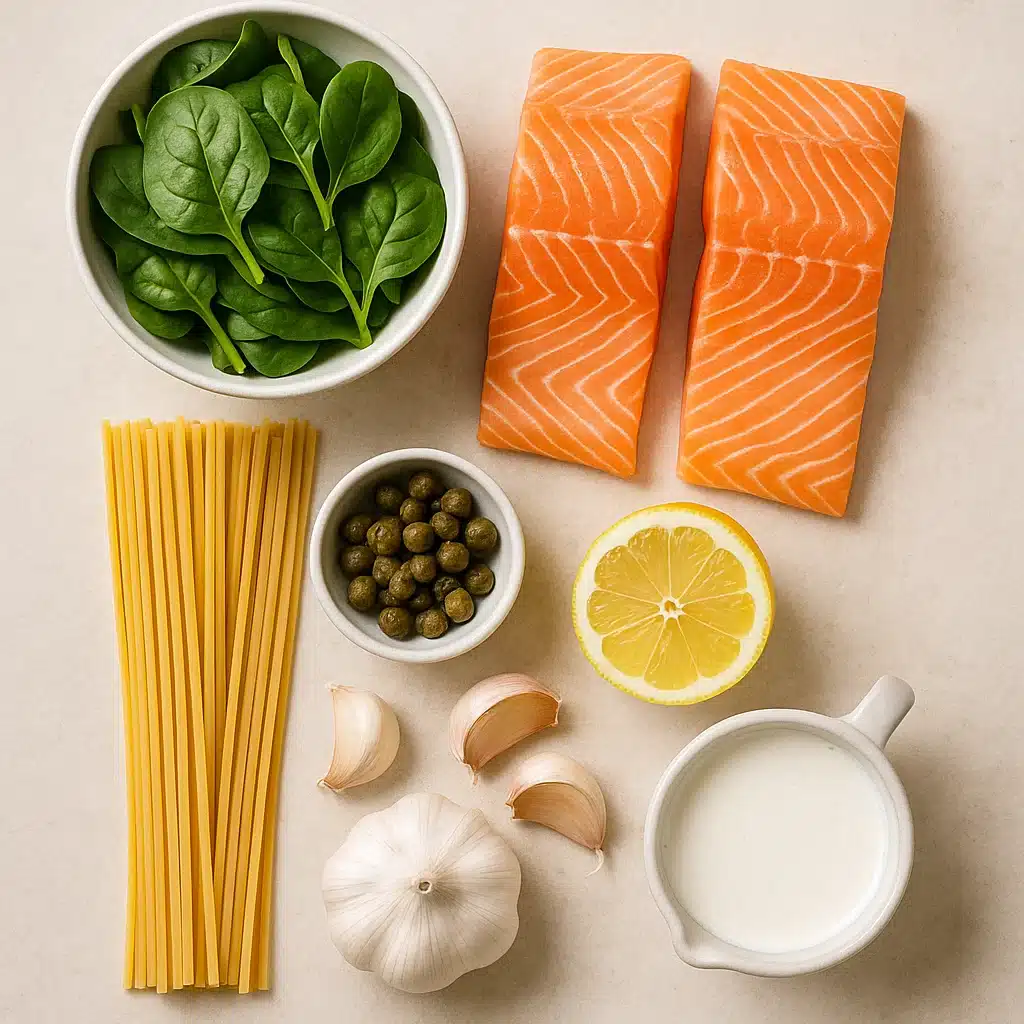
Using a mix of fresh ingredients and everyday pantry items, you can create a rich, creamy pasta dish that tastes just like it came from a high-end restaurant.To make the best salmon pasta recipe, you’ll want to start with quality ingredients. Luckily, most of what you need is probably already in your kitchen. Using a mix of fresh ingredients and everyday pantry items, you can create a rich, creamy pasta dish that tastes just like it came from a high-end restaurant.
Here’s exactly what you’ll need:
| Ingredient | Amount |
|---|---|
| Nonstick cooking spray | For baking pan |
| Salmon fillets | 2 fillets (about ¾ lb) or 1 large |
| Kosher salt | 1 tsp, divided (plus more for pasta water) |
| Ground black pepper | ½ tsp, divided |
| Linguine | 12 oz |
| Unsalted butter | 2 tbsp |
| Garlic cloves, minced | 3 |
| Heavy cream | 1 ¼ cups |
| Grated lemon zest | 1 tsp |
| Baby spinach | 1 box (5 oz) |
| Capers | 2 tbsp |
| Lemon wedges (optional) | For garnish |
As you can see, this recipe blends creamy, zesty, and savory elements in a single pan. While the butter and cream give it a luxurious texture, the lemon and garlic add brightness. Meanwhile, spinach and capers bring balance and depth.
Not sure what cookware to use? Check out our stainless steel vs. nonstick cookware breakdown to make the best choice for your kitchen setup.
Ingredient Substitutions: Fresh vs. Canned Salmon
Although fresh salmon is ideal, you might be wondering — can you use canned salmon instead? Yes, absolutely. If you’re short on time or fresh fish, canned salmon is a worthy substitute that still delivers solid flavor and texture.
Let’s compare the two:
| Fresh Salmon | Canned Salmon |
|---|---|
| Needs baking time | Ready to use |
| Skin removed after cooking | Usually skinless |
| Moist and firm | Softer and more crumbly |
| Mild and buttery flavor | Slightly salty, richer taste |
That said, if you do use canned salmon, be sure to drain it well. Also, it helps to flake it gently with a fork before adding it to your pasta. For best results, stick with wild-caught canned salmon for cleaner taste and fewer additives.
While both versions work, fresh salmon tends to hold its texture better in the final dish. However, canned is a great backup that doesn’t require any oven time — perfect for when you’re in a rush.
Don’t miss our guide on using air fryers like a pro if you’re thinking of alternative ways to cook salmon for another version of this dish.
How to Cook Salmon for Pasta
Oven-Baking Salmon Fillets to Perfection
To make a truly memorable salmon pasta recipe, the salmon needs to shine. That starts with baking it just right — not overdone, not undercooked. When baked properly, the salmon flakes easily into tender chunks that melt into the pasta without falling apart.
Here’s the step-by-step:
- Preheat your oven to 350°F.
- Lightly coat a small, rimmed baking sheet with nonstick spray to prevent sticking.
- Place the salmon fillets skin-side down on the prepared pan.
- Season the salmon evenly with half a teaspoon of salt and a quarter teaspoon of ground black pepper.
- Bake for 14 to 16 minutes, or until the salmon is nearly opaque throughout and the internal temperature reaches 145°F.
That’s it! This gentle oven-bake method keeps the salmon moist while giving it a slightly crisp edge. Be careful not to overbake — dry salmon doesn’t mix well with pasta.
As soon as it’s done, take it out and set it aside. You’ll add it to the pasta last, so it stays flavorful and whole.
Discover great ideas like this skillet chicken mushroom bake if you’re a fan of simple proteins done right.
How to Know When Salmon Is Fully Cooked
Unsure if your salmon’s ready? Use one of these easy signs:
- Color: It turns from deep orange to light pink and becomes slightly opaque.
- Texture: A fork should glide through easily, breaking the fish into big, moist flakes.
- Temperature: Use a food thermometer to confirm 145°F in the thickest part of the fillet.
Still not sure? Try the “fork test.” Insert a fork and twist gently — if the fish flakes apart without resistance, it’s done. But if it resists or looks too translucent inside, give it another minute or two.
If you’re using canned salmon, you can skip the baking step completely. Just open the can, drain it well, and flake it with a fork. That way, you’re ready to stir it in once your sauce and pasta come together.
Looking for inspiration? Try this easy baked chicken recipe for more baked protein ideas that pair well with pasta.
Creamy Sauce for Salmon Pasta
Building a Rich Cream Sauce with Garlic
Now that the salmon’s ready, let’s turn to the creamy sauce — the heart of this salmon pasta recipe. The sauce brings all the flavors together, so it needs to be rich but not too heavy, with a bright, savory finish.
Here’s how to build it step-by-step:
- In a large skillet, melt 2 tablespoons of unsalted butter over medium heat.
- Add 3 minced garlic cloves and cook for 1 minute, stirring constantly.
- Pour in 1¼ cups of heavy cream.
- Stir in 1 teaspoon grated lemon zest, ½ teaspoon salt, and ¼ teaspoon pepper.
- Raise the heat to medium-high and bring the mixture to a gentle boil.
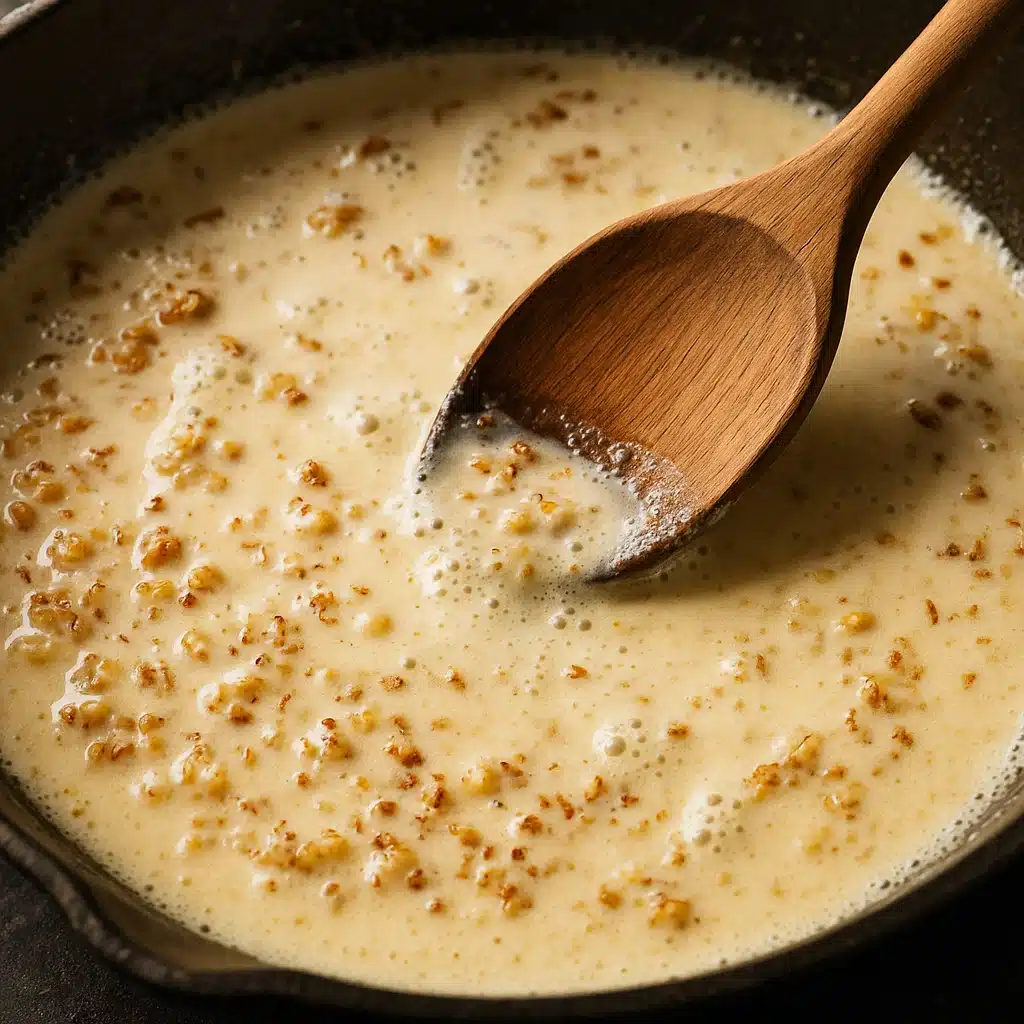
- Once boiling, reduce heat to medium. Cook for 5 to 6 minutes, stirring often, until the sauce thickens to a silky, spoon-coating consistency.
This sauce doesn’t use flour, so don’t worry about making a roux. The cream reduces naturally to create a smooth texture. The lemon zest lifts the richness just enough.
Check out this buttercup squash guide for other creamy recipes that pair seasonal vegetables with sauce like a pro.
Balancing Flavors with Lemon, Capers, and Spinach
Once the sauce reaches that perfect creamy texture, it’s time to build flavor and depth. Add:
- 5 ounces of baby spinach (one full box)
- 2 tablespoons of capers (rinsed if they’re too salty)
The spinach will wilt gently once you add the hot pasta, and the capers will infuse the dish with a briny kick — like little flavor bombs in every bite.
Right before serving, the fresh salmon chunks will go on top. That way, they stay whole and tender, rather than getting lost in the mix.
Don’t miss our kitchen tool comparison if you’re thinking about adding a time-saving tool to your dinner prep lineup.
Pro Tip: If the sauce ever gets too thick while waiting on the pasta, just stir in a few tablespoons of the hot pasta water to loosen it. It’ll bring back the perfect texture without thinning out the flavor.
Cooking Pasta for the Ideal Texture
Why Linguine Is a Great Match for Salmon
When making a salmon pasta recipe, the type of pasta matters. Linguine is one of the best choices. It’s flat, slightly wide, and holds creamy sauces beautifully. It also twirls easily on a fork, which makes it ideal for a saucy dish like this one.
Other pasta types like fettuccine or spaghetti will also work. But linguine offers the perfect balance — it’s not too thin to get lost in the sauce and not too thick to overpower the salmon.
If you’re using a different pasta shape, choose one with a similar size or surface area. That way, it’ll soak up the sauce without clumping or drying out.
Don’t miss our creamy chicken Alfredo recipe for another great example of pairing pasta with rich sauce.
Tips for Cooking Al Dente Pasta Every Time
Achieving the perfect pasta texture is essential for a great final dish. Overcooked pasta turns mushy and won’t hold the sauce. Undercooked pasta can be too chewy and harsh. Al dente — firm but cooked — is what we want.
Follow these simple steps for perfect results:
- Heat a large pot of water until it reaches a full, steady boil.
- Add a generous pinch of salt. Doing this ensures the pasta absorbs seasoning as it cooks.
- Drop in 12 ounces of linguine and stir well to prevent sticking.
- Cook according to the package instructions, usually 9–11 minutes for al dente.
- Before draining, reserve about ½ cup of the pasta water. You may need it to loosen the sauce later.
Once cooked, drain the pasta but do not rinse it. Rinsing removes the natural starch that helps the sauce cling to the noodles. Instead, toss it straight into the sauce while still hot. The heat helps the sauce coat every strand evenly.
Looking for inspiration? Try this Gipfeli pastry recipe if you want to serve a flaky side with your creamy seafood pasta.
Pro Tip: If you’re prepping early, toss the drained pasta with a teaspoon of olive oil to prevent sticking. But don’t let it sit too long — fresh pasta works best right off the boil.
Bringing It All Together – Mixing Pasta, Sauce & Salmon
Tossing Pasta with Creamy Sauce and Spinach
Now that your pasta is cooked, your salmon is baked, and your creamy sauce is ready, it’s time to combine everything. This part is quick but important. The goal is to blend the flavors without overmixing or overcooking.
Here’s what to do:
- Add the baby spinach and capers to the skillet of hot sauce.
- Place the drained, hot linguine directly on top of the spinach.
- Turn the heat to low and toss gently for 1 to 2 minutes. The heat will wilt the spinach just enough without making it soggy.
As you toss the pasta, the spinach softens, the sauce clings, and the capers burst with a touch of briny goodness. It all comes together into a silky, flavor-packed pasta base.
If your sauce thickened too much while waiting, just stir in a few tablespoons of that reserved pasta water. This helps loosen the sauce without watering it down.
Looking for inspiration? Try this creamy skillet pasta dish for another one-pan pasta idea full of flavor.
Breaking and Adding Salmon Without Overmixing
Now for the finishing touch: the salmon.
- Use a wide spatula to lift the salmon off the baking sheet.
- Slip the spatula between the flesh and skin to remove the skin easily.
- Gently separate the salmon into thick, flaky portions and place them over the pasta without stirring.
- Do not stir the salmon in — just let the heat from the pasta warm it through.
This helps keep the fish tender and whole. If you stir too hard, the salmon can fall apart and turn mushy. You want big pieces in every bite.
Serve immediately, with lemon wedges on the side if desired. A little squeeze of fresh lemon right before eating brightens the entire dish.
Don’t miss our comparison of top cooking tools if you’re looking to cut prep time for your next recipe.
Pro Tip: If you’re saving leftovers, store the salmon separately from the pasta. This helps preserve the fish’s texture and keeps your dish tasting fresh when reheated.
Flavor Pairings That Elevate Salmon Pasta
What Cheese Goes with Salmon Pasta?
Adding the right cheese can bring richness and balance to your salmon pasta recipe. But it’s important to choose one that complements the fish — not one that overpowers it.
Here are your best options:
- Parmesan: Sharp and nutty, it melts well into cream sauces. Sprinkle on top just before serving.
- Pecorino Romano: Saltier than Parmesan, great if you want a stronger bite.
- Goat Cheese: Creamy and tangy, it blends into the sauce beautifully and gives it a soft texture.
- Ricotta: If you want a lighter, slightly sweet touch, spoon a little on top for a fresh twist.
Avoid very strong cheeses like blue cheese or aged cheddar — they tend to fight with the delicate salmon flavor.
If you’re serving this dish for guests, a bowl of fresh-grated Parmesan on the table is always a good move. Guests can sprinkle on their preferred amount to suit their own taste.
Check out our creamy garlic chicken pasta recipe for more ways to pair cheese with creamy sauces.
The Best Herbs to Complement This Dish
Fresh herbs make a big difference. They add aroma, color, and layers of flavor that can turn a simple dish into something special.
Try these:
- Dill: Light, lemony, and made for salmon. Add it fresh at the end.
- Parsley: Bright and clean, it helps balance the richness.
- Chives: Mild onion flavor that works well with cream and garlic.
- Basil: Not traditional here, but a few torn leaves can add sweetness.
You can also mix fresh herbs right into the sauce before serving, or sprinkle them on top for a fresh finish.
No fresh herbs? Dried versions work just fine in a pinch. Just remember to use about ⅓ the amount, since dried herbs are more concentrated.
Don’t miss our buttercup squash recipe ideas if you love pairing earthy ingredients with herbs.
Pro Tip: Always add delicate herbs like parsley and dill at the end. Cooking them too long can dull their flavor and color.
What to Serve with Salmon Pasta
Fresh Side Dishes That Pair Perfectly
A creamy salmon pasta recipe is rich, warm, and full of flavor. So, when choosing side dishes, aim for light and crisp options. These help balance out the meal and keep it from feeling too heavy.
Here are a few great side dish ideas:
- Simple Green Salad: A fresh salad with mixed greens, cherry tomatoes, and a lemon vinaigrette works great. The citrus cuts through the creaminess.
- Garlic Bread: Crunchy on the outside, soft on the inside — ideal for soaking up leftover sauce.
- Roasted Vegetables: Try asparagus, zucchini, or bell peppers for color and extra nutrients.
- Steamed Broccoli: Easy to make and always a family favorite. Finish with a quick squeeze of lemon and a light sprinkle of sea salt for brightness.
If you’re keeping things light, a crisp cucumber and tomato salad can also refresh the plate. Bonus: most of these sides can be prepped while the pasta cooks.
Don’t miss our chicken Alfredo dinner guide for more tips on pairing pasta with easy, balanced sides.
Non-Alcoholic Beverage Ideas
A good drink pairing can elevate the whole meal. Luckily, salmon pasta offers plenty of options if you prefer something alcohol-free.
If You Don’t Drink Alcohol:
- Sparkling Water with Lemon: Simple and clean.
- Iced Green Tea: Mild, herbal, and refreshing.
- Cucumber-Mint Lemonade: Adds a touch of sweetness while cutting through the richness.
These drinks don’t just cleanse the palate — they complement the flavors in your dish without stealing the spotlight.
Looking for inspiration? Try this kitchen gear breakdown if you’re serving a crowd and want to speed up prep time.
Using Leftovers or Canned Salmon
Making Salmon Pasta with Canned Salmon
Sometimes, you don’t have fresh salmon on hand — and that’s totally okay. Canned salmon is a fast, affordable, and tasty backup that still works beautifully in this dish.
Here’s how to use it:
- Choose boneless, skinless canned salmon, preferably wild-caught for better flavor.
- Drain it well to remove extra moisture and oil.
- Flake it with a fork before adding to the pasta.
Since it’s already cooked, there’s no need to bake or season it. Just stir it into the pasta during the final step, once the sauce and spinach are ready. Warm it gently over low heat for 1–2 minutes — enough to heat through without drying it out.
Pro Tip: If the canned salmon tastes a bit salty or strong, balance it with a squeeze of fresh lemon or a little extra cream.
Check out this rich, creamy chicken mushroom dish for another flexible recipe that works with fresh or canned ingredients.
How to Store and Reheat for Best Results
Got leftovers? You’re in luck. This pasta stores and reheats well — if you do it right.
Storing:
- Let the pasta cool completely.
- Transfer leftovers to a sealed container and refrigerate to keep them fresh.
- It’s best eaten within 2 to 3 days.
Reheating:
- Before reheating, stir in a bit of milk or cream to bring the sauce back to life.
- Microwave in 30-second bursts, stirring gently in between.
- Or reheat on the stove over low heat, adding a bit of cream or water as needed.
Avoid high heat — it can dry out the sauce and make the salmon tough.
If you stored the salmon separately (which we recommend), reheat it gently and add it back just before serving.
Don’t miss our guide to easy cookware upgrades if you want to simplify meal prep and cleanup.
FAQ – Salmon Pasta Recipe Questions Answered
What sauce goes with salmon pasta?
A creamy garlic sauce pairs best with salmon pasta. It brings out the rich, savory flavor of the fish while balancing it with lemon, herbs, and a touch of saltiness from capers. You can also use a light lemon butter sauce if you want something less creamy.
Do salmon and pasta go together?
Yes, salmon and pasta are a great match. The tender texture of salmon blends perfectly with the smoothness of pasta and creamy sauces. It’s a popular pairing in both Italian and modern American dishes. Plus, it’s an easy way to add more healthy seafood to your meals.
What cheese is best with salmon pasta?
Parmesan is the most popular cheese to serve with salmon pasta. This cheese melts smoothly and delivers a nutty, savory taste that enhances both the garlic and creamy base. Other good choices include goat cheese for creaminess or Pecorino for a sharper taste.
What herb goes with salmon pasta?
Dill is the top herb for salmon pasta. It adds a fresh, slightly lemony flavor that pairs perfectly with fish. Parsley, chives, and basil are also good options for extra color and aroma. Always use fresh herbs if you can.
What is the best thing to pair with salmon?
Light sides like green salads, roasted veggies, or garlic bread go well with salmon. They add crunch and freshness to balance the rich flavors of the fish and sauce.
Can you use canned salmon in pasta?
Yes, canned salmon works well in pasta. Just drain it, flake it with a fork, and stir it in at the end. It’s a quick, budget-friendly option that still gives you protein and great flavor.
Conclusion: A Comforting Salmon Pasta Recipe You’ll Crave Again and Again
This salmon pasta recipe is more than just a quick dinner — it’s comfort food that feels special. From the flaky, oven-baked salmon to the creamy white sauce and tender linguine, every bite is packed with flavor. It’s easy to make, flexible with fresh or canned salmon, and always a hit at the table.
Whether you’re cooking for your family, meal-prepping for the week, or hosting a cozy dinner, this recipe delivers. You can adjust the herbs, try different cheeses, and even serve it with your favorite salad or roasted veggie side.
Don’t forget the squeeze of lemon at the end — it brightens everything and brings the dish together.
Looking for inspiration? Try this flavorful creamy garlic chicken pasta next — it’s just as satisfying and easy to make.
Now that you’ve mastered this recipe, it’s time to plate it up and enjoy. Simple, hearty, and full of flavor — this salmon pasta is one you’ll come back to again and again.
PrintCreamy Salmon Pasta
Creamy salmon pasta with linguine, garlic, spinach, and lemon in a white cream sauce. A quick, flavorful seafood dinner ready in 30 minutes!
- Prep Time: 15 minutes
- Cook Time: 25 minutes
- Total Time: 40 minutes
- Yield: 4 1x
Ingredients
- Nonstick cooking spray
- 2 salmon fillets about 3/4 pound (1 large fillet is also fine)
- 1 teaspoon kosher salt divided, plus more for pasta water
- ½ teaspoon ground black pepper divided
- 12 ounces linguine
- 2 tablespoons unsalted butter
- 3 garlic cloves minced
- 1 ¼ cups heavy cream
- 1 teaspoon grated lemon zest
- 1 box baby spinach 5 ounces
- 2 tablespoons capers
- Lemon wedges for garnish (optional)
Instructions
- Preheat oven to 350°F.
- Lightly coat a small rimmed baking sheet with cooking spray to prevent sticking.
- Place salmon skin-side down on the pan.
- Season salmon with ½ tsp salt and ¼ tsp black pepper.
- Bake for 14–16 minutes, or until salmon reaches 145°F and flakes easily.
- At the same time, fill a large pot with water, add salt, and bring it to a boil.
- Boil the linguine following the package directions until it’s firm but tender.
- In a large skillet, melt butter over medium heat.
- Add the chopped garlic and cook for 1 minute, stirring nonstop to avoid burning.
- Pour in the heavy cream, lemon zest, and the rest of the salt and pepper, mixing well.
- Bring to a boil, then simmer for 5–6 minutes until slightly thickened.
- Add spinach and capers to the skillet.
- Drain pasta and place it over the spinach.
- Toss gently over low heat for 1–2 minutes until spinach wilts.
- Remove salmon from the oven.
- Use a spatula to remove skin and flake salmon into large chunks.
- Gently place salmon over the pasta.
- Serve warm with lemon wedges, if desired.
Notes
Nutrition facts are estimates and may vary based on ingredients used, portion sizes, and preparation methods
Nutrition
- Serving Size: 4
- Calories: 777kcal
- Sugar: 5g
- Sodium: 785mg
- Fat: 39g
- Saturated Fat: 22g
- Unsaturated Fat: 14g
- Trans Fat: 0.2g
- Carbohydrates: 69g
- Fiber: 4g
- Protein: 31g
- Cholesterol: 146mg
Keywords: salmon pasta recipe, creamy salmon linguine, salmon dinner idea, seafood pasta, pasta with salmon and cream sauce, easy salmon recipe, lemon garlic salmon pasta, weeknight seafood dinner, salmon and spinach pasta
Let’s connect! Follow me for more Joylicious Recipes: Facebook, Instagram, Pinterest