
Perfect Garden Salad Recipe: Fresh, Crunchy, and Full of Flavor
What Makes a Garden Salad Special
A garden salad is the quintessential side dish that complements nearly any meal. This refreshing combination of crisp vegetables brings color, nutrition, and vibrant flavors to your table. The beauty of a garden salad lies in its simplicity – fresh ingredients lightly dressed to enhance their natural flavors rather than mask them.
“Learn more about our other nutritious recipes that pair perfectly with this garden salad.”
The History and Evolution of Garden Salads
Garden salads have been gracing dining tables for centuries. Originally, these salads were literally made from ingredients picked directly from gardens, hence the name. Over time, the garden salad has evolved from a simple mix of available greens to a thoughtfully composed dish that balances textures, colors, and flavors. While regional variations exist worldwide, the core concept remains the same – showcasing fresh produce at its best.
Garden Salad Ingredients: Fresh Components for Perfect Results
Essential Base Ingredients
| Ingredient | Amount | Notes |
|---|---|---|
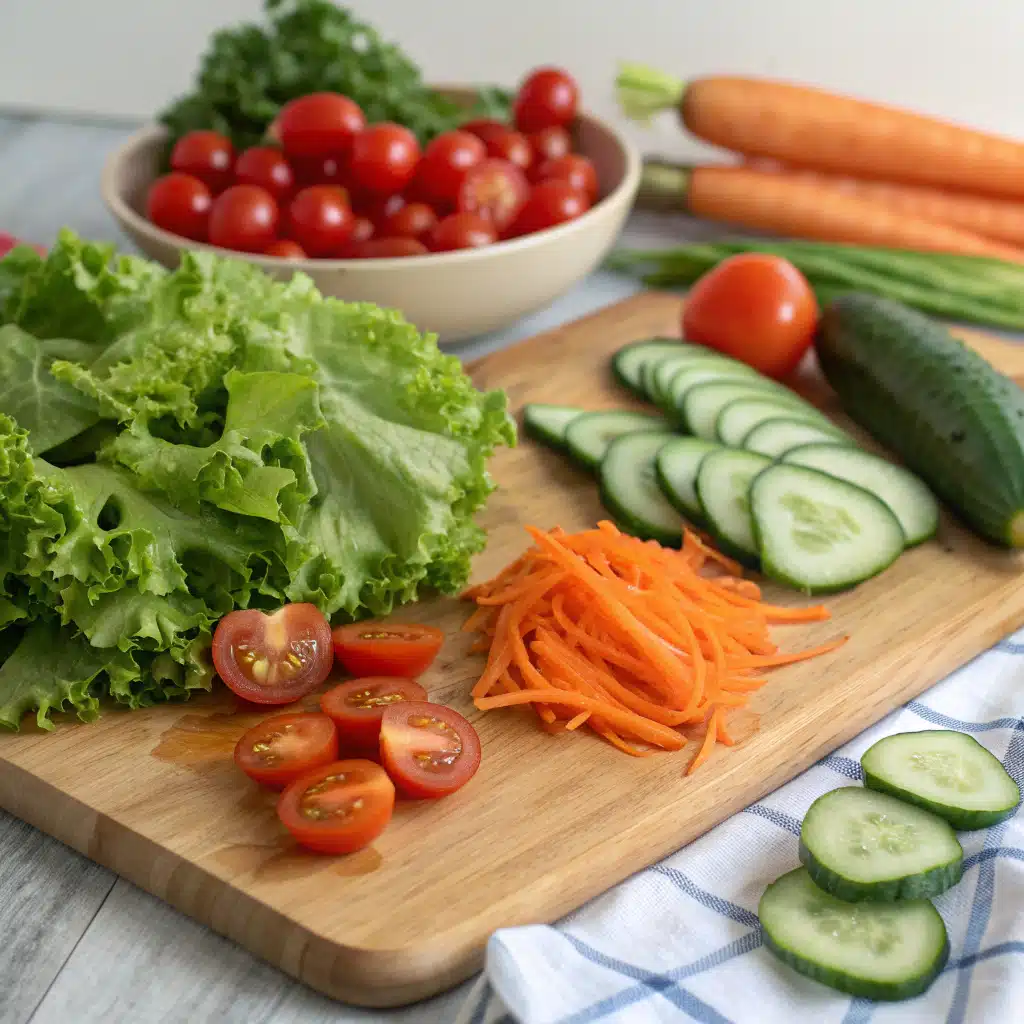
| Iceberg lettuce | 1 small head | Chopped into bite-size pieces (5-6 large handfuls) |
| Cherry or grape tomatoes | 1 cup (125g) | Halved, or 2 regular tomatoes cut into wedges |
| Cucumber | 1 medium | Sliced (Lebanese/Persian, or 1/2 English cucumber) |
| Carrot | 1 medium | Peeled and grated using a box grater |
Perfect Dressing Components
| Ingredient | Amount | Notes |
|---|---|---|
| Apple cider vinegar | 1 tablespoon | Any vinegar or lemon juice can be substituted |
| Extra virgin olive oil | 3 tablespoons | Or other neutral oil |
| Dijon mustard | 1/2 teaspoon | Any non-spicy smooth mustard works |
| Salt | 1/2 teaspoon | Cooking/kosher salt (or 1/4 tsp table salt) |
| Black pepper | 1/2 teaspoon | Freshly ground is best |
| Parsley or chives | 1 teaspoon | Very finely chopped (optional garnish) |
Step-by-Step Garden Salad Preparation Guide
Creating the Perfect Dressing
- Gather all dressing ingredients: apple cider vinegar, olive oil, Dijon mustard, salt, and black pepper.
- Add all ingredients to a small jar and seal tightly.
- Seal the jar and shake hard until the dressing emulsifies and lightly thickens.
- Taste the dressing and adjust seasoning if needed – add more oil for creaminess, more vinegar for tang, or a touch of honey if you prefer sweetness.
- Set the dressing aside while preparing the vegetables to allow flavors to meld.
Preparing and Combining the Vegetables
- Wash all vegetables thoroughly under cold running water.
- Dry the lettuce completely using a salad spinner or clean kitchen towels.
- Chop the iceberg lettuce into bite-sized pieces and place in a large bowl.
- Slice the cucumber into thin rounds or half-moons.
- Halve the cherry tomatoes or cut regular tomatoes into wedges.
- Peel and grate the carrot using a box grater.
- Add all prepared vegetables to the bowl with the lettuce.
- Toss gently to combine all vegetables evenly.
“Check out our creamy chicken garlic herb recipe for a delicious main dish to serve alongside this garden salad.”
Final Assembly and Serving
- Pour the prepared dressing over the vegetable mixture just before serving.
- Using salad tongs or two large spoons, toss everything together gently but thoroughly to coat all ingredients with dressing.
- Sprinkle the optional chopped parsley or chives over the top for a pop of color and fresh flavor.
- Transfer to a serving bowl immediately for the best texture and flavor.

Pro Tips for the Perfect Garden Salad
Ingredient Selection and Preparation
Selecting the right ingredients is crucial for creating a standout garden salad. Always choose the freshest vegetables available – look for crisp lettuce with no wilting, firm tomatoes, and cucumbers without soft spots. Additionally, proper preparation techniques can elevate your garden salad from good to exceptional. Thoroughly drying your lettuce after washing, for instance, ensures the dressing will adhere properly rather than becoming diluted with excess water.
Dressing Techniques and Timing
The timing of dressing your garden salad significantly impacts its texture and flavor. For optimal results, dress your salad just moments before serving. This preserves the crispness of the vegetables, particularly the lettuce, which can quickly become limp when sitting in dressing. Furthermore, consider the temperature of your ingredients – slightly chilled vegetables often taste better in a garden salad, enhancing the refreshing quality of the dish.
“Don’t miss our cucumber tomato salad recipe for another fresh vegetable side dish option.”
Creative Additions to Enhance Your Garden Salad
While the classic garden salad is perfect in its simplicity, thoughtful additions can create delightful variations. Consider adding protein elements like grilled chicken, hard-boiled eggs, or chickpeas to transform your garden salad into a complete meal. Texture enhancements such as toasted nuts, croutons, or seeds provide satisfying crunch. Finally, flavor boosters including herbs, different cheese varieties, or olives can introduce complexity and depth to your garden salad experience.
Storing Your Garden Salad: Keeping It Fresh
Short-Term Storage Solutions
Properly storing a garden salad, even for a short period, requires attention to detail. If you need to prepare components ahead of time, store them separately and assemble just before serving. The undressed salad can be covered with a slightly damp paper towel and refrigerated for several hours. However, for the best results, consume your garden salad within 24 hours of preparation, as the vegetables will gradually lose their crispness and vibrant flavors over time.
Component Storage for Meal Prep
For convenient meal planning, you can prepare garden salad components in advance. Clean and chop lettuce, then store it in a container lined with paper towels to absorb excess moisture. Keep chopped vegetables in separate containers to prevent color transfer and maintain individual textures. The dressing can be prepared up to a week ahead and stored in an airtight jar in the refrigerator. When ready to eat, simply combine all components and enjoy a fresh-tasting garden salad without the last-minute preparation.
“Want more ideas? Check out our avocado shrimp salad for another refreshing meal option.”
Reviving Wilted Garden Salad Ingredients
Even with careful storage, salad greens occasionally wilt. Fortunately, slightly wilted lettuce can often be revived by submerging it in ice water for 10-15 minutes, which restores crispness by rehydrating the leaves. After soaking, thoroughly dry the lettuce before using. For vegetables that have lost their firmness but aren’t spoiled, consider repurposing them in cooked dishes like soups or stir-fries rather than discarding them, reducing food waste while still enjoying their nutritional benefits.
Garden Salad Variations: Exploring Different Flavors
Seasonal Garden Salad Adaptations
One of the joys of making garden salads is adapting them to showcase seasonal produce. In spring, incorporate tender young greens, radishes, and snap peas. Summer garden salads shine with juicy tomatoes, bell peppers, and fresh herbs. Fall variations might include roasted root vegetables, apples, or pears. Winter garden salads can feature sturdy greens like kale, along with citrus segments and pomegranate seeds. Embracing seasonality ensures you’re enjoying ingredients at their peak flavor while supporting local agriculture.
International Garden Salad Inspirations
Drawing inspiration from global cuisines can transform your garden salad into an exciting culinary adventure. Mediterranean-style garden salads might include olives, feta cheese, and a lemon-oregano dressing. Asian-inspired versions could feature snow peas, water chestnuts, and a sesame-ginger vinaigrette. Mexican-influenced garden salads often incorporate avocado, corn, black beans, and a lime-cilantro dressing. These international variations maintain the essence of a garden salad while introducing distinctive flavor profiles from around the world.
“Here’s your guide to watermelon cucumber feta salad for another internationally-inspired fresh dish.”
Dietary-Specific Garden Salad Options
Garden salads are naturally adaptable to various dietary preferences and requirements. For protein-rich vegan options, add chickpeas, edamame, or marinated tofu. Keto-friendly variations might emphasize higher fat components like avocado, cheese, and olive oil-based dressings while limiting higher-carb vegetables. Paleo garden salads can incorporate seeds, nuts, and lean proteins while avoiding grains and legumes. These adaptations ensure everyone can enjoy a delicious garden salad tailored to their specific nutritional needs without sacrificing flavor or satisfaction.
Serving Your Garden Salad: Presentation and Pairing
Presentation Ideas for Different Occasions
The presentation of your garden salad can significantly enhance the dining experience. At casual family dinners, use a large wooden or ceramic bowl that makes tossing and serving easy. When hosting an elegant dinner party, plate individual portions with artfully arranged components or use clear glass bowls to showcase the vibrant colors. For buffets or potlucks, choose a shallow, wide container that displays the ingredients beautifully and simplifies serving.
Perfect Main Dish Pairings
A garden salad serves as the ideal accompaniment to countless main dishes. It pairs beautifully with grilled meats, offering a light, refreshing contrast to rich flavors. With pasta dishes, a garden salad provides a nutritious balance to the carbohydrates. Alongside sandwiches, it adds freshness and crunch. For a complete meal, top your garden salad with grilled chicken, salmon, or steak. The versatility of a garden salad makes it a welcome addition to virtually any menu, enhancing the overall dining experience.
“Looking for inspiration? Try our creamy garlic baked caesar chicken as a perfect main dish to serve with this garden salad.”
Scaling for Different Group Sizes
Successfully scaling a garden salad requires more than simply multiplying ingredients. For larger gatherings, consider increasing the variety of vegetables rather than just the quantity, creating a more impressive presentation. When serving crowds, dress portions of the salad progressively rather than all at once to maintain optimal texture throughout the event. For intimate dinners, focus on premium ingredients and careful presentation. Regardless of group size, the key principles remain consistent: fresh ingredients, balanced flavors, and appropriate dressing just before serving.
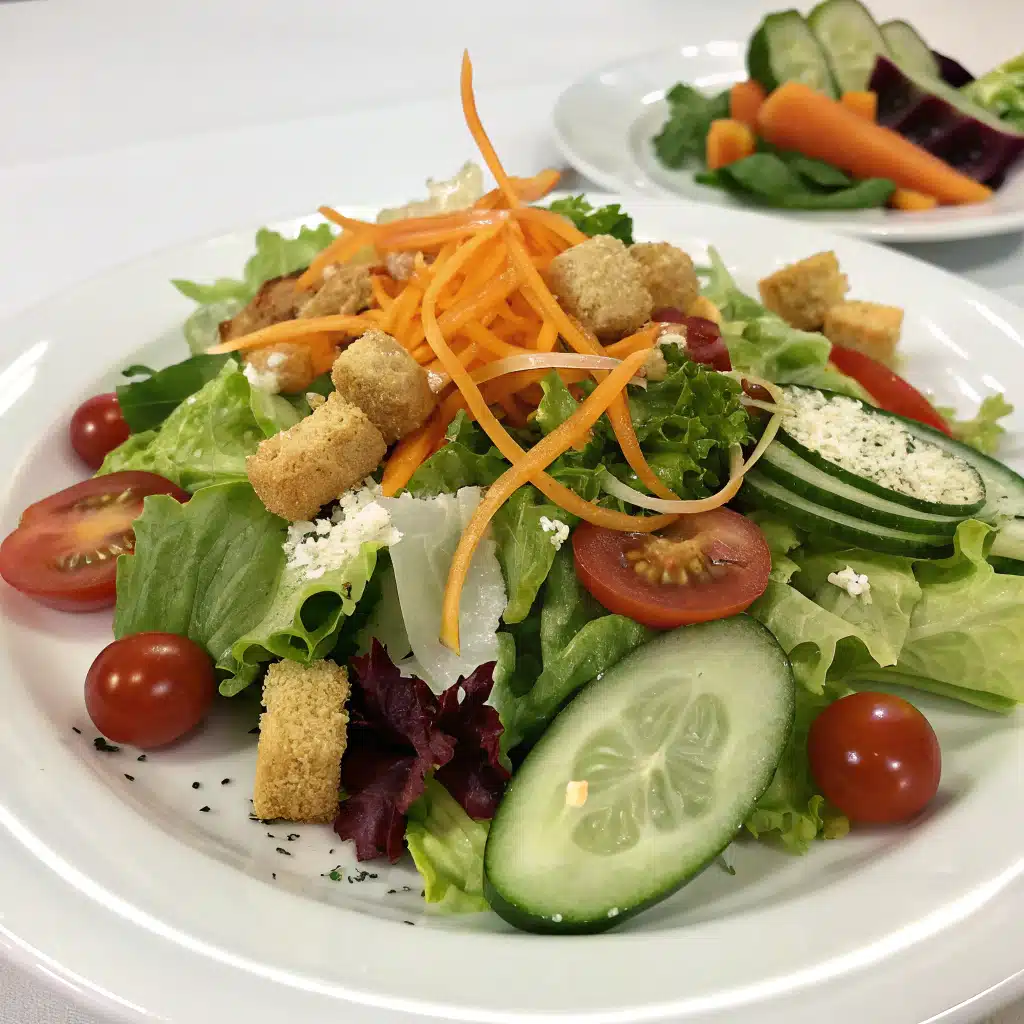
Garden Salad FAQ
What does a garden salad contain?
Traditionally, a garden salad begins with a base of fresh lettuce or mixed greens. Typically, it’s dressed with a simple vinaigrette made from oil, vinegar, and seasonings. Additionally, raw vegetables such as tomatoes, cucumbers, and carrots add color and crunch. Moreover, you can include bell peppers, red onions, radishes, or other seasonal produce. Ultimately, the exact mix varies depending on preference and availability.
What is the difference between a garden salad and a Caesar salad?
A garden salad features a mix of fresh vegetables tossed with a light vinaigrette. By contrast, a Caesar salad specifically combines romaine, Parmesan, croutons, and a signature dressing made with anchovy, garlic, egg, olive oil, and lemon juice. Moreover, garden salads are highly versatile, allowing endless substitutions and add-ins. Additionally, you can vary the vegetables, toppings, and vinaigrettes to suit taste or season. Meanwhile, Caesar salads generally follow a classic, tightly defined formula. Consequently, the garden salad offers flexibility, whereas the Caesar delivers a consistent, traditional flavor profile.
What herbs go well in a garden salad?
Parsley, chives, basil, dill, and cilantro are excellent herbs for garden salads. Parsley and chives add a mild, fresh flavor that complements most vegetables. Basil pairs wonderfully with tomatoes in summer salads. Dill works beautifully with cucumber-forward salads. Cilantro adds brightness to salads with southwestern flavors. Fresh herbs not only enhance flavor but also add visual appeal and nutritional benefits.
How to fancy up a garden salad?
Elevate a garden salad by adding premium ingredients like avocado, artichoke hearts, or roasted bell peppers. Incorporate proteins such as grilled shrimp, smoked salmon, or seared steak. Add texture with toasted nuts, seeds, or homemade croutons. Include cheese like feta, goat, or shaved Parmesan. Use a homemade dressing with quality oils and vinegars. Finally, present it beautifully with thoughtful arrangement and garnishes. “Discover great ideas like our strawberry spinach salad for more fancy salad inspiration.”
Why is it called garden salad?
The term “garden salad” originated from the practice of using fresh vegetables harvested directly from home gardens. It represents a simple, fresh preparation showcasing seasonal produce at its peak. The name evokes images of freshness and natural bounty, emphasizing the connection between the plate and garden-fresh ingredients. Today, it refers to any salad primarily composed of fresh, raw vegetables regardless of their source.
Is a garden salad healthy for you?
Yes, a garden salad is exceptionally healthy. It provides essential vitamins, minerals, and dietary fiber while being naturally low in calories. The variety of vegetables delivers diverse nutrients and antioxidants that support immune function and overall health. When dressed with olive oil-based vinaigrette, garden salads also provide healthy fats. As a nutrient-dense, plant-forward dish, garden salads contribute to reduced disease risk and improved well-being as part of a balanced diet.
Conclusion: Mastering the Garden Salad
The Versatility and Value of Garden Salads
Garden salads stand as a testament to culinary simplicity that never goes out of style. Their remarkable versatility allows them to complement virtually any cuisine or dietary preference, from hearty meat-based meals to vegetarian and vegan options. Beyond their adaptability, garden salads offer outstanding value, transforming affordable, accessible ingredients into nutritious, satisfying dishes. Whether served as a side or enhanced to become a main course, the garden salad represents one of cooking’s most adaptable templates, ready to be customized according to season, taste preference, or nutritional needs.
Building Your Garden Salad Repertoire
As you become more comfortable with the basic garden salad formula, consider expanding your repertoire by experimenting with different ingredients, dressings, and preparation techniques. Try varying your greens beyond iceberg lettuce to include spinach, arugula, or mixed baby greens. Explore homemade dressing variations by incorporating different oils, vinegars, herbs, and seasonings. Most importantly, don’t hesitate to put your personal stamp on this classic dish. The garden salad offers endless opportunities for creativity while remaining rooted in the timeless appeal of fresh, well-prepared vegetables.
“Looking for inspiration? Try our Greek salad with chicken to expand your salad repertoire.”
Garden Salad
A fresh, crisp garden salad featuring iceberg lettuce, tomatoes, cucumber, and carrot with a simple homemade vinaigrette.
- Prep Time: 15
- Total Time: 15 minutes
- Yield: 4 1x
- Category: Side Dish
- Cuisine: American
Ingredients
- 1 small head iceberg lettuce, chopped into big bite size pieces (5 to 6 big handfuls)
- 1 cup cherry or grape tomatoes, halved (~125g/4oz), or 2 tomatoes cut into wedges or chunks
- 1 cucumber, sliced (medium Lebanese/Persian cucumber, or 1/2 long Telegraph/English cucumber)
- 1 carrot, peeled and grated using a box grater
- 1 tsp parsley or chives, very finely chopped (if you’re feeling fancy!)
- 1 tbsp cider vinegar (or any vinegar or lemon juice)
- 3 tbsp extra virgin olive oil (or other neutral oil)
- 1/2 tsp Dijon Mustard (or other non spicy smooth mustard)
- 1/2 tsp cooking/kosher salt (or 1/4 tsp table salt)
- 1/2 tsp black pepper
Instructions
- Combine vinegar, olive oil, Dijon mustard, salt and pepper in a jar and shake well until emulsified.
- Taste dressing and adjust if needed – add more oil for creaminess, more vinegar for tang, or a touch of sweetness if desired.
- Place lettuce, tomatoes, cucumber, and carrot in a large bowl.
- Pour dressing over the vegetables just before serving.
- Toss everything gently but thoroughly to coat all ingredients evenly.
- Sprinkle with chopped herbs if using, and serve immediately.
Notes
Nutrition facts are estimates and may vary based on ingredients used, portion sizes, and preparation methods.
Nutrition
- Serving Size: 4
- Calories: 125 Kcal
- Sugar: 3g
- Sodium: 310mg
- Fat: 10g
- Saturated Fat: 1.5g
- Carbohydrates: 8g
- Fiber: 2g
- Protein: 1g
Keywords: garden salad, fresh salad, vegetable salad, side salad, healthy salad
Let’s connect! Follow me for more Joylicious Recipes: Facebook, Instagram, Pinterest