
Irresistible Edible Cookie Dough: Safe-to-Eat Deliciousness
The Cookie Dough Craving We All Share
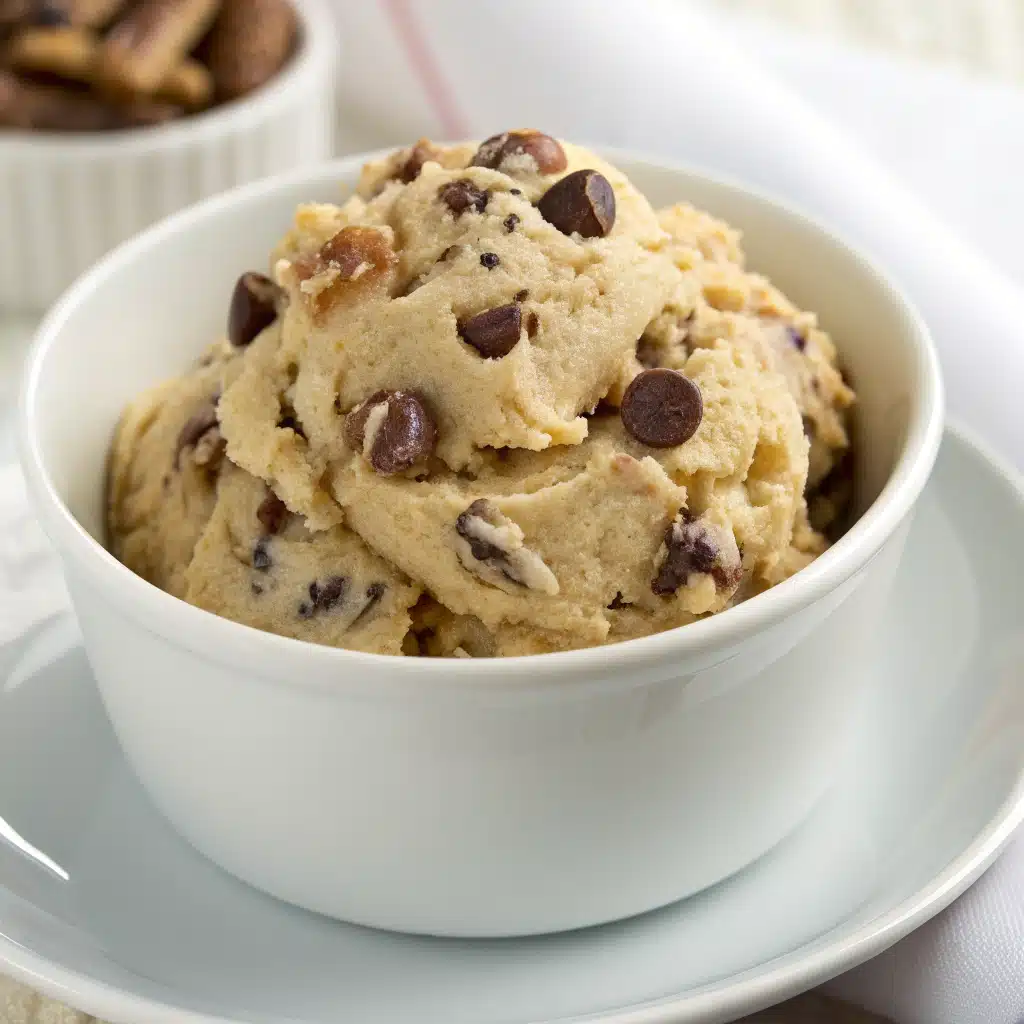
Edible cookie dough has become a phenomenon for a very simple reason – we’ve all been caught sneaking spoonfuls of raw cookie dough while baking. This beloved treat satisfies that irresistible craving without any food safety concerns. Unlike traditional cookie dough meant for baking, edible cookie dough is specifically crafted to be enjoyed raw, eliminating ingredients that aren’t safe to consume uncooked.
“Want more ideas? Check out our easy crumbl sugar cookie recipe for another delicious treat!”
The best part? You can enjoy this nostalgic comfort food by the spoonful without worry.
Safe Indulgence: How Edible Cookie Dough Differs
What makes edible cookie dough different from regular cookie dough is the special preparation of ingredients to ensure they’re safe for consumption without baking. Traditional cookie dough contains raw eggs and untreated flour, both potential carriers of harmful bacteria. Edible cookie dough, however, eliminates eggs entirely and heat-treats the flour, killing any potential pathogens. This safe-to-eat version maintains all the delicious flavor and texture of the original while being completely safe to enjoy straight from the bowl.
All About the Ingredients for Edible Cookie Dough
Essential Components for Perfect Texture
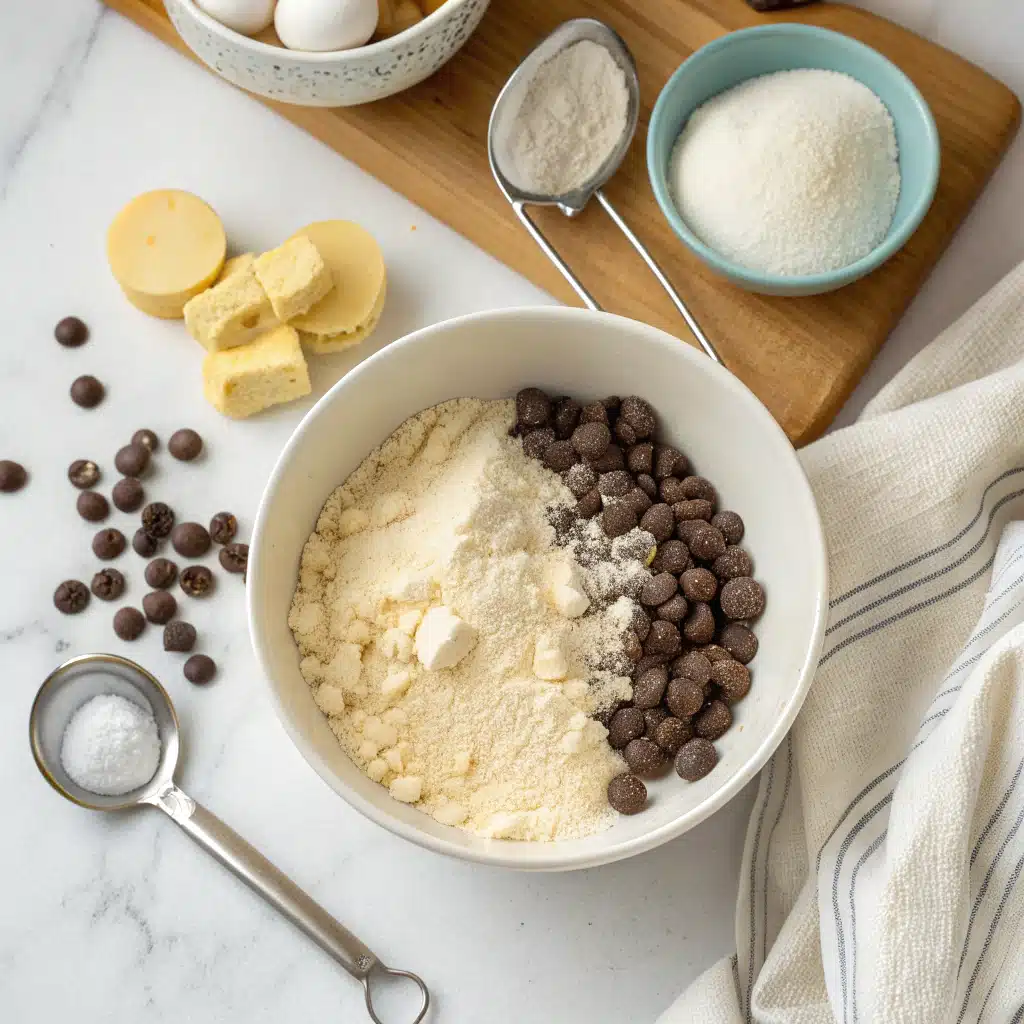
Creating the perfect edible cookie dough starts with selecting ingredients that provide the ideal texture and flavor. The foundation of any good edible cookie dough recipe includes:
| Ingredient | Amount | Purpose |
|---|---|---|
| All-purpose flour (heat-treated) | 2 cups (250g) | Provides structure |
| Brown sugar (packed) | 1 cup (200g) | Creates moisture and depth of flavor |
| Granulated sugar | 1/4 cup (50g) | Adds sweetness and improves texture |
| Unsalted butter (softened) | 1 cup (227g) | Adds richness and creaminess |
| Vanilla extract | 2 1/2 teaspoons | Enhances flavor |
| Salt | 1 teaspoon | Balances sweetness |
| Milk | 2 tablespoons (29ml) | Adjusts consistency |
| Miniature chocolate chips | 1 cup (180g) | Adds classic cookie texture and flavor |

The Role of Heat-Treating Flour
Heat-treating flour is a crucial step in making edible cookie dough. Raw flour can contain harmful bacteria like E. coli, which is typically killed during the baking process. Since edible cookie dough isn’t baked, we need to heat-treat the flour first. This process is simple: spread flour evenly on a baking sheet and bake at 350°F for 6-8 minutes until it reaches 160°F internally. Allow it to cool completely before incorporating it into your dough. This extra step ensures your edible cookie dough is completely safe to eat while maintaining the perfect texture.
Step-by-Step: Creating Perfect Edible Cookie Dough
Heat-Treating Your Flour Safely
- Preheat your oven to 350°F (175°C).
- Line a baking sheet with parchment paper for easy cleanup.
- Spread 2 cups (250g) of all-purpose flour evenly across the baking sheet.
- Bake for 6-8 minutes, stirring halfway through to ensure even heating.
- Check that the internal temperature has reached 160°F using a food thermometer.
- Remove from the oven and allow to cool completely before using.
- For smoother dough, sift the cooled flour to remove any clumps that formed during heating.
“Looking for inspiration? Try our chocolate chip cookie dough brownie bombs for another delicious way to enjoy cookie dough!”
Mixing the Perfect Dough Consistency
- In a large bowl, combine 1 cup (227g) softened unsalted butter with 1 cup (200g) packed brown sugar and 1/4 cup (50g) granulated sugar.
- Using an electric mixer or stand mixer, cream the ingredients together until light and fluffy, about 1-2 minutes.
- Add 2 1/2 teaspoons of vanilla extract and 1 teaspoon of salt, then beat until well incorporated.
- Gradually add the cooled, heat-treated flour to the butter mixture, beating on low speed until just combined.
- Add milk one tablespoon at a time, mixing after each addition until you reach your desired consistency.
- Gently fold in 1 cup (180g) of miniature chocolate chips using a rubber spatula.
Adding Mix-Ins for Flavor Variations
The base edible cookie dough recipe is delicious on its own, but adding mix-ins creates endless flavor possibilities:
- Start with the completed base dough recipe.
- Choose your mix-ins, keeping the total amount to about 1-1.5 cups to maintain proper consistency.
- Fold in ingredients gently with a rubber spatula to avoid overmixing.
- For multiple mix-ins, add them one at a time, starting with dry ingredients followed by more delicate items.
- Let the dough rest for 15-20 minutes after mixing to allow flavors to meld together.
Tips for Edible Cookie Dough Success
Achieving the Perfect Texture
Creating edible cookie dough with the ideal texture requires attention to a few key details. First, make sure your butter is at true room temperature—soft enough to press a finger into easily, but not melted. This creates the perfect creamy base. Additionally, add milk gradually until you reach your desired consistency; some prefer a firmer dough for scooping, while others enjoy a softer consistency for eating with a spoon.
“Discover great ideas like our cookie dough bites recipe for another take on this beloved treat!”
If your dough seems too dry or crumbly, add additional milk one teaspoon at a time. Conversely, if it becomes too sticky or soft, you can add a small amount of heat-treated flour to firm it up. Remember that the dough will firm slightly when refrigerated, so it’s better to err on the side of slightly softer when mixing.
Common Mistakes to Avoid
Even the simplest recipes can go awry. Here are common edible cookie dough pitfalls to avoid:
- Skipping the flour heat treatment: This step is non-negotiable for food safety.
- Using melted butter: This creates an oily, separated dough instead of a fluffy, creamy texture.
- Adding too much milk at once: This can quickly make your dough too runny.
- Overmixing: This develops gluten in the flour, creating a tougher texture.
- Using room-temperature ingredients helps them blend together more smoothly than when they’re cold.
Customizing Sweetness Levels
Not everyone enjoys the same level of sweetness in their edible cookie dough. Fortunately, this recipe is easily adaptable to suit different preferences. For a less sweet version, reduce both sugars by up to 25% without significantly affecting texture. You can also adjust the ratio of brown to white sugar—more brown sugar creates a deeper, caramel-like flavor, while more granulated sugar produces a lighter taste.
Alternative sweeteners can also be used. Natural sweeteners like honey or maple syrup will add their distinctive flavors, but be aware they’ll also add moisture. You may need to reduce the milk or add a bit more flour to compensate. For those watching sugar intake, there are many sugar substitutes designed specifically for baking that measure like sugar and maintain proper texture.
Storage Solutions for Edible Cookie Dough
Refrigerator Storage Tips
Proper storage ensures your edible cookie dough stays fresh and delicious. When storing in the refrigerator:
- Place the dough in an airtight container to prevent it from absorbing other food odors.
- For best results, press plastic wrap directly onto the surface of the dough before sealing the container to prevent it from drying out.
- Properly stored, edible cookie dough will stay fresh in the refrigerator for up to one week.
- Before serving refrigerated dough, let it sit at room temperature for 10-15 minutes to soften slightly for the best texture.
“Here’s your guide to healthy breakfast cookies if you’re looking for more wholesome treats!”
Freezing for Longer Storage
Edible cookie dough freezes beautifully, allowing you to keep a stash on hand for sudden cravings:
- For easy portioning, consider rolling the dough into balls or scooping it into individual servings before freezing.
- Place portioned dough on a parchment-lined baking sheet and freeze until solid, about 1-2 hours.
- Transfer the frozen portions to a freezer-safe container or zip-top bag, with parchment paper between layers if stacking.
- For a single larger portion, wrap the dough tightly in plastic wrap, then place in a freezer-safe container.
- Properly stored, edible cookie dough will maintain quality in the freezer for up to three months.
- To thaw, transfer to the refrigerator overnight, then let stand at room temperature for 15-20 minutes before serving.
Signs Your Dough Has Gone Bad
While edible cookie dough has a good shelf life when properly stored, it won’t last forever. Here are signs that indicate your dough has spoiled and should be discarded:
- An off or sour smell different from the usual sweet, vanilla aroma.
- Any visible mold growth or discoloration.
- A significantly changed texture, such as becoming excessively hard, slimy, or separated.
- A noticeably different taste—if it tastes off in any way, it’s best not to consume it.
Trust your senses when determining if your edible cookie dough has gone bad. When in doubt, it’s safer to discard it and make a fresh batch.
Delicious Variations of Edible Cookie Dough
Chocolate Lovers’ Editions
For chocolate enthusiasts, these variations take edible cookie dough to new heights of decadence:
Triple Chocolate Delight: Start with the base recipe, then add 1/4 cup unsweetened cocoa powder to the flour before heat-treating. Mix in 1/2 cup each of milk chocolate chips, white chocolate chips, and semi-sweet chocolate chips.
Chocolate Peanut Butter Cup: Add 1/3 cup smooth peanut butter when creaming the butter and sugar. Fold in 3/4 cup chopped peanut butter cups and 1/4 cup mini chocolate chips.
Dark Chocolate Cherry: Incorporate 1/4 cup unsweetened cocoa powder into the flour, then fold in 1/2 cup dark chocolate chunks and 1/2 cup dried cherries (chopped if large).
Fruity and Nutty Twists
These variations add natural sweetness and satisfying crunch:
White Chocolate Cranberry: Fold in 1/2 cup dried cranberries and 1/2 cup white chocolate chips for a tangy-sweet combination.
Lemon Blueberry: Add 1 tablespoon lemon zest and 1 tablespoon lemon juice when adding the vanilla extract. Fold in 1/2 cup dried blueberries and 1/2 cup white chocolate chips.
Almond Joy: Mix in 1/2 teaspoon coconut extract with the vanilla. Fold in 1/2 cup toasted coconut flakes, 1/2 cup chopped almonds, and 1/2 cup chocolate chips.
“Learn more about fudgy chewy brookies for another delightful dessert option!”
Holiday and Seasonal Specialties
Celebrate special occasions with these festive variations:
Pumpkin Spice (Fall): Add 1 tablespoon pumpkin pie spice and 1/4 cup pumpkin puree (reduce milk accordingly). Fold in 1/2 cup cinnamon chips.
Peppermint Bark (Winter Holidays): Add 1/2 teaspoon peppermint extract with the vanilla. Fold in 1/2 cup crushed peppermint candies and 1/2 cup white chocolate chips.
Birthday Cake: Add 1/2 teaspoon almond extract along with the vanilla. Fold in 1/2 cup rainbow sprinkles and 1/2 cup white chocolate chips for a festive celebration treat.
Serving Ideas for Edible Cookie Dough
Creative Dessert Presentations
Edible cookie dough can be the star of impressive dessert creations:
Cookie Dough Parfaits: Layer edible cookie dough with whipped cream, chocolate sauce, and crushed cookies in clear glasses for an elegant presentation.
Dessert Board: Create a cookie dough “charcuterie” board with several flavors of edible cookie dough, fresh fruits, cookies for dipping, and various toppings like sprinkles, chopped nuts, and chocolate sauce.
Cookie Dough Stuffed Treats: Use a melon baller to create small scoops of frozen cookie dough to stuff inside cupcakes or between two baked cookies for a surprise center.
“Check out our smores cookies recipe for another crowd-pleasing dessert option!”
Kid-Friendly Serving Options
Children love edible cookie dough, and these serving ideas make it even more appealing to young eaters:
Cookie Dough Pops: Roll chilled cookie dough into balls, insert popsicle sticks, and optionally dip in melted chocolate and sprinkles.
Mini Cookie Dough Sandwiches: Place small scoops of cookie dough between graham crackers or mini chocolate chip cookies for an easy-to-handle treat.
Cookie Dough Ice Cream Toppers: Roll dough into small balls and freeze. Add these frozen cookie dough bites as a topping for ice cream sundaes.
Gourmet Pairings for Adults
Elevate edible cookie dough for sophisticated palates:
Coffee Accompaniments: Offer espresso or coffee alongside a small scoop of cookie dough for a perfect afternoon pick-me-up.
Plated Dessert: Create an elegant restaurant-style dessert by pairing a quenelle of edible cookie dough with complementary elements like chocolate ganache, caramelized bananas, or berry coulis.
Frequently Asked Questions About Edible Cookie Dough
What is edible cookie dough made of?
Edible cookie dough skips eggs and uses heat-treated flour for safety. It’s made with butter, sugars, vanilla, salt, milk, and chocolate chips—safe to eat raw and just as tasty as regular dough.
What’s the difference between cookie dough and edible cookie dough?
The key difference lies in safety. Regular cookie dough includes raw eggs and uncooked flour, which can contain harmful bacteria. Edible cookie dough skips eggs and uses flour that’s been heated to kill germs. This version is meant to be enjoyed raw, so it’s often creamier, softer, and packed with more mix-ins since it doesn’t need to bake properly.
How unhealthy is edible cookie dough?
It’s a sweet indulgence, not a health food. A small serving (about ¼ cup) has roughly 250–300 calories and is high in sugar and fat. Still, enjoying it occasionally is perfectly fine. Lighter versions can be made using less sugar, whole-grain flour, or alternative fats for a slightly healthier twist.
How to make an easy edible cookie dough?
Bake flour at 350°F for 6–8 minutes, then cool. Cream butter with brown and white sugars, add vanilla, salt, and milk. Stir in the treated flour and fold in chocolate chips. Serve right away or chill for later.
How long will edible cookie dough last?
Keep it refrigerated for up to a week or frozen for three months. Thaw in the fridge, then soften at room temperature before eating.
What would happen if you bake edible cookie dough?
It’ll bake, but not like cookies—it spreads more and turns out dense or crumbly since it lacks eggs for structure.
Final Thoughts on Edible Cookie Dough
Why This Treat Has Enduring Appeal
Edible cookie dough has captured our hearts for good reason—it taps into childhood nostalgia while addressing the adult concern for food safety. There’s something inherently comforting about enjoying cookie dough by the spoonful, a guilty pleasure now made guilt-free thanks to safe preparation methods. This treat bridges generations, with both children and adults finding joy in its simple, sweet goodness. The versatility of edible cookie dough also contributes to its staying power—whether eaten plain, mixed into ice cream, or presented as an elegant dessert, it adapts to any occasion.
“Don’t miss our banana chocolate chip cookies for another delicious treat your family will love!”
Encouraging Creativity in the Kitchen
Perhaps the greatest appeal of edible cookie dough is how it invites creativity. The base recipe serves as a blank canvas for culinary expression, allowing bakers of all skill levels to experiment with flavors, textures, and presentations. From holiday-themed variations to sophisticated flavor combinations, the possibilities are endless. This accessibility makes edible cookie dough not just a treat to eat but a fun activity to prepare, whether you’re baking solo, with children, or hosting a cookie dough making party.
By mastering this safe-to-eat indulgence, you’ve added a versatile, crowd-pleasing recipe to your repertoire that can be customized for any taste preference or special occasion. So grab your mixing bowl, heat-treat some flour, and dive into the simple joy of edible cookie dough—no baking required!
PrintEdible Cookie Dough

Safe-to-eat, egg-free cookie dough that satisfies your cravings without any baking required!
- Prep Time: 15 minutes
- Cook Time: 8 minutes
- Total Time: 23 minutes
- Yield: 12 servings 1x
- Category: Dessert
- Cuisine: American
Ingredients
- 2 cups (250g) all purpose flour
- 1 cup (200g) brown sugar packed
- 1/4 cup (50g) granulated sugar
- 1 cup (227g) unsalted butter softened to room temperature
- 2 1/2 teaspoons vanilla extract
- 1 teaspoon salt
- 2 Tablespoons (29ml) milk plus more if needed
- 1 cup (180g) miniature chocolate chips
Instructions
- Heat treat flour by spreading it on a parchment-lined baking sheet and baking at 350°F for 6-8 minutes until it reaches 160°F. Cool completely.
- In a large bowl, cream together butter, brown sugar, and granulated sugar until light and fluffy, about 1 minute.
- Beat in vanilla extract and salt until well combined.
- Gradually add cooled heat-treated flour, beating until just combined.
- Add milk one tablespoon at a time, mixing until dough reaches desired consistency.
- Fold in miniature chocolate chips with a rubber spatula.
- Enjoy immediately or store in an airtight container in the refrigerator.
Notes
For microwave heat-treating: Heat flour in 30-second intervals, stirring between each, until it reaches 160°F (about 1-1.5 minutes total).
Sift flour if it clumps during heating for smoother dough.
Nutrition facts are estimates and may vary based on ingredients used, portion sizes, and preparation methods.
Nutrition
- Serving Size: 12 servings
- Calories: 285
- Sugar: 20g
- Sodium: 215mg
- Fat: 17g
- Saturated Fat: 10g
- Trans Fat: 0g
- Carbohydrates: 32g
- Fiber: 1g
- Protein: 2g
- Cholesterol: 41mg
Keywords: edible cookie dough, safe cookie dough, no-bake dessert, egg-free cookie dough
Let’s connect! Follow me for more Joylicious Recipes: Facebook, Instagram, Pinterest