Discover the Magic of Gochujang Coconut Chicken Noodle Soup
A Fusion Bowl of Comfort
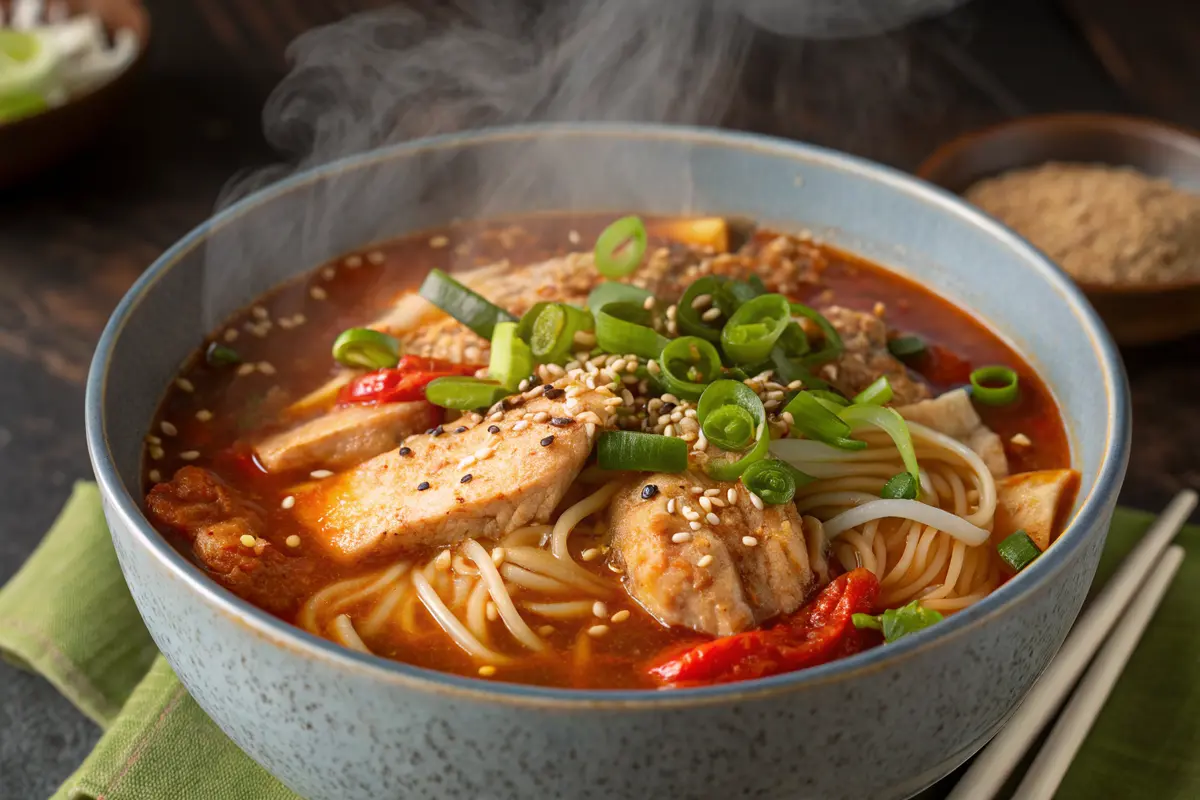
Gochujang Coconut Chicken Noodle Soup brings together the fiery depth of Korean chili paste and the luscious creaminess of coconut milk in one irresistibly slurpable bowl. This vibrant fusion dish balances sweet, spicy, and tangy notes with tender chicken pieces and silky rice noodles that soak up the aromatic broth. “The Chicken Tortilla Soup offers similar layered flavors but with a Mexican twist rather than Korean-inspired spices.”
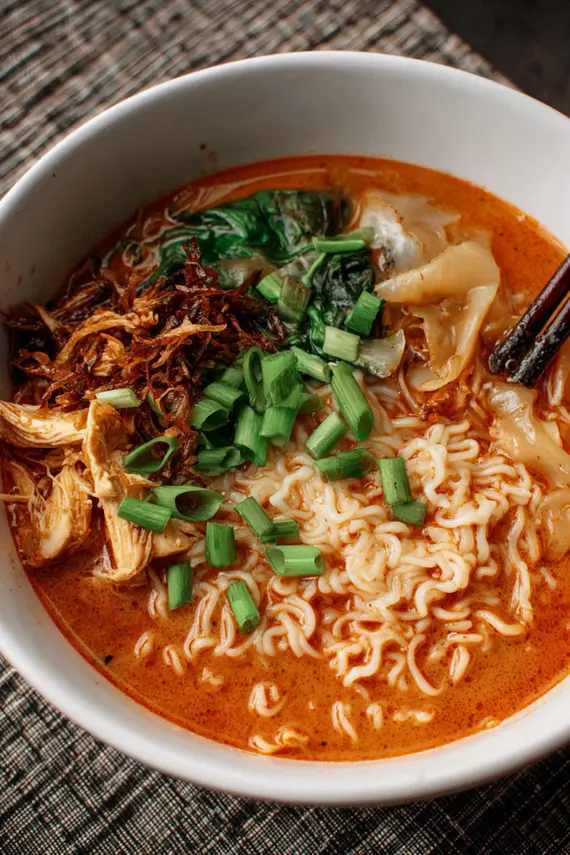
This warming bowl is perfect for cozy weeknight dinners, rainy day comfort food cravings, or whenever you need to clear those sinuses with a gentle heat. The beautiful coral-hued broth is not only visually stunning but delivers a punch of flavor that will transport your taste buds to the vibrant street markets of Seoul—with a slight detour through Thailand.
Essential Components for Your Spicy Coconut Broth Creation
The Perfect Balance of Heat and Creaminess
Creating the perfect Gochujang Coconut Chicken Noodle Soup starts with gathering quality ingredients. The gochujang paste provides a complex heat while coconut milk balances with creamy sweetness. “The White Chicken Chili uses a similar technique of balancing creaminess with spice, though with different flavor profiles.”
| Core Ingredients | Amount | Notes |
|---|---|---|
| Boneless chicken breast | 1 pound | Thinly sliced against the grain |
| Gochujang paste | 2 tablespoons | Adjust to taste for heat preference |
| Coconut milk | 1 can (13.5 oz) | Full-fat for creamiest results |
| Chicken broth | 4 cups | Low-sodium preferred |
| Rice noodles | 200 grams | Medium thickness works best |
| Fresh ginger | 1 tablespoon | Finely grated |
| Garlic cloves | 2 medium | Minced or pressed |
| Green onions | 2 stalks | Sliced, whites and greens separated |
| Lime | 1 whole | Juiced, plus wedges for serving |
Flavor Enhancers and Optional Add-ins
| Enhancement Ingredients | Amount | Purpose |
|---|---|---|
| Fish sauce | 1 teaspoon | Adds umami depth |
| Brown sugar | 1 tablespoon | Balances heat and enhances gochujang |
| Sesame oil | 1 teaspoon | Adds nutty finish |
| Lemongrass | 1 stalk | Bruised and sliced for aromatic flavor |
| Bok choy | 2 small heads | Roughly chopped for added greens |
| Bean sprouts | 1 cup | Adds fresh crunch as garnish |
| Fresh cilantro | ¼ cup | Chopped for garnish |
| Toasted sesame seeds | 1 tablespoon | For garnish and texture |
| Thai bird chilies | 1-2 small | Thinly sliced for extra heat (optional) |
Creating Your Soul-Warming Korean-Inspired Soup
Building Layers of Complex Flavor
Follow these detailed steps to create a perfectly balanced Gochujang Coconut Chicken Noodle Soup with tender chicken and just the right level of spice. Pay attention to the visual cues that indicate when to move to the next step.
- Prepare your workspace: Slice chicken into thin, bite-sized strips (about ¼-inch thick). Prepare all vegetables and have ingredients measured before starting. This ensures smooth cooking once heat is applied.
- Build the aromatic base: Heat 1 tablespoon of neutral oil (like vegetable or avocado) in a large pot or Dutch oven over medium heat. Add minced garlic and grated ginger, stirring constantly for 30-45 seconds until fragrant but not browned. The mixture should smell intensely aromatic.
- Cook the chicken: Add sliced chicken to the pot with a pinch of salt. Spread pieces evenly and allow to cook undisturbed for 1-2 minutes until lightly golden on one side. Stir and continue cooking until the exterior is no longer pink, about 2-3 minutes total. The chicken will finish cooking in the broth.
- Incorporate the gochujang: Add gochujang paste and stir continuously to coat the chicken pieces evenly, cooking for 1 minute. The paste should become fragrant and slightly caramelized. If using lemongrass, add the bruised, sliced stalk now.
- Create the broth base: Pour in the chicken broth and coconut milk, scraping any browned bits from the bottom of the pot. Add fish sauce and brown sugar if using. Bring the mixture to a gentle boil, then reduce to a simmer.
- Add the noodles: Once the broth is simmering, add the rice noodles. Cook according to package directions, usually 3-5 minutes, stirring occasionally to prevent clumping. The noodles should be just tender with a slight bite remaining.
- Incorporate vegetables: If using bok choy or other quick-cooking vegetables, add them during the final 1-2 minutes of cooking. They should turn bright green and soften slightly while maintaining some crispness.
- Finish with fresh elements: Remove the pot from heat. Stir in lime juice, a drizzle of sesame oil, and the white parts of the sliced green onions. Taste and adjust seasonings with additional salt, gochujang, or lime juice as needed.
- Garnish and serve: Ladle the hot soup into large bowls. Top with bean sprouts, green parts of the sliced green onions, fresh cilantro, toasted sesame seeds, and sliced Thai chilies if desired. Serve immediately with lime wedges on the side for additional brightness.
Pro Techniques for Perfect Spicy Coconut Broth
Elevate Your Korean-Inspired Soup
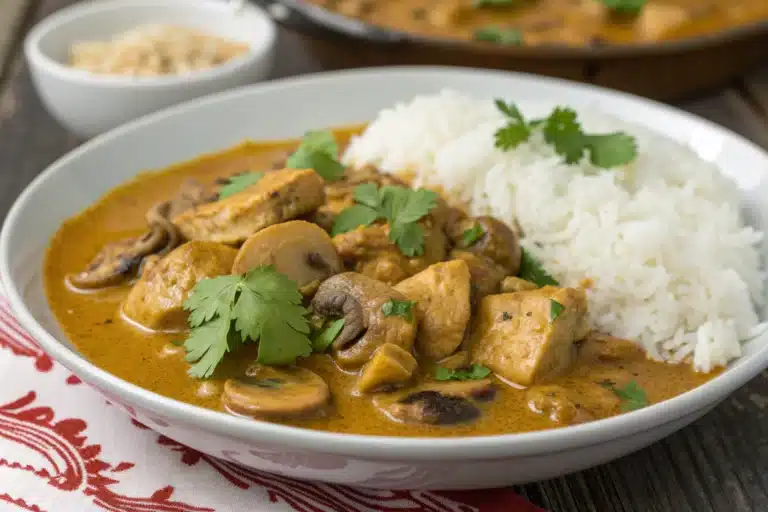
Taking your Gochujang Coconut Chicken Noodle Soup from good to extraordinary is all about mastering a few key techniques. These insider tips will help you create the most flavorful, balanced, and visually appealing version of this fusion comfort food. “The Creamy Mushroom Chicken also relies on proper ingredient preparation timing to achieve the perfect texture balance.”
- Gochujang control: If you’re sensitive to spice, start with just 1 tablespoon of gochujang and add more after tasting the broth. The paste mellows slightly when mixed with coconut milk, but its heat can intensify as the soup sits.
- Chicken preparation: For the most tender results, partially freeze the chicken breast for about 15 minutes before slicing. This makes it easier to achieve those perfectly thin, even strips that cook quickly and remain juicy.
- Rice noodle management: Consider cooking the rice noodles separately in boiling water, then rinsing with cold water before adding to individual serving bowls. This prevents the noodles from overcooking or absorbing too much broth if the soup needs to sit before serving.
- Coconut milk technique: Do not vigorously boil the soup after adding coconut milk, as this can cause separation. Maintain a gentle simmer for the creamiest results. If using light coconut milk, consider adding a tablespoon of cornstarch slurry to achieve similar richness.
- Aromatic infusion: For deeper flavor development, create an optional aromatic oil by gently heating 2 tablespoons of neutral oil with a sliced garlic clove, a slice of ginger, and one star anise pod. Strain and drizzle a few drops over each serving for an impressive flavor boost.
- Temperature contrast: For the most satisfying texture experience, ensure your garnishes are cold and crisp against the hot soup. Keep bean sprouts, herbs, and lime wedges refrigerated until the last moment before serving.
- Visual appeal: Create a “garnish station” with small bowls of different toppings, allowing each person to customize their soup bowl. This not only makes for a more interactive meal but ensures each ingredient maintains its optimal texture.
Keeping Your Spicy Noodle Soup Fresh and Flavorful
Smart Storage Solutions
Proper storage is essential for maintaining the vibrant flavors and textures of your Gochujang Coconut Chicken Noodle Soup. With a few strategic approaches, you can enjoy leftovers that taste nearly as good as when freshly made. “The Balsamic Grilled Chicken requires similar attention to storage details to maintain its quality and flavor profile.”
For refrigerator storage, it’s best to separate components whenever possible. Store the broth with chicken in airtight containers, keeping noodles and garnishes separate. This prevents the noodles from becoming soggy by absorbing too much liquid. The soup base will keep for 3-4 days when properly refrigerated at or below 40°F (4°C).
When reheating, warm the broth and chicken mixture on the stovetop over medium-low heat until it reaches a gentle simmer. If the broth has thickened, add a splash of chicken stock or water to achieve your desired consistency. Prepare fresh rice noodles according to package instructions, as stored cooked noodles tend to break down when reheated.
For longer-term preservation, the broth and chicken mixture freezes beautifully for up to 3 months in freezer-safe containers. Leave about an inch of headspace to allow for expansion. However, never freeze the soup with noodles or vegetable garnishes, as their texture will deteriorate significantly.
If meal prepping, consider creating a soup kit: store the prepared broth with chicken separately from uncooked noodles and fresh garnishes. This assembly method allows for quick weeknight meals with the fresh-made quality of the soup intact.
Creative Twists on Your Korean-Inspired Noodle Bowl
Customize Your Comfort Food
The beauty of this Gochujang Coconut Chicken Noodle Soup lies in its adaptability. Try these exciting variations to keep the dish in your regular rotation without palate fatigue.
Seafood Sensation: Replace chicken with a seafood medley of shrimp, scallops, and firm white fish cut into bite-sized pieces. Add these to the simmering broth just 3-4 minutes before serving, as seafood cooks much faster than chicken. The natural sweetness of seafood pairs beautifully with the creamy coconut and spicy gochujang.
Vegetable-Forward Version: Create a vegetarian delight by omitting the chicken and substituting vegetable broth. Add firm tofu cubes and a colorful array of vegetables like sliced mushrooms, snow peas, bell peppers, and baby corn. The gochujang still provides satisfying umami depth without the meat, and the additional vegetables create a visually stunning bowl.
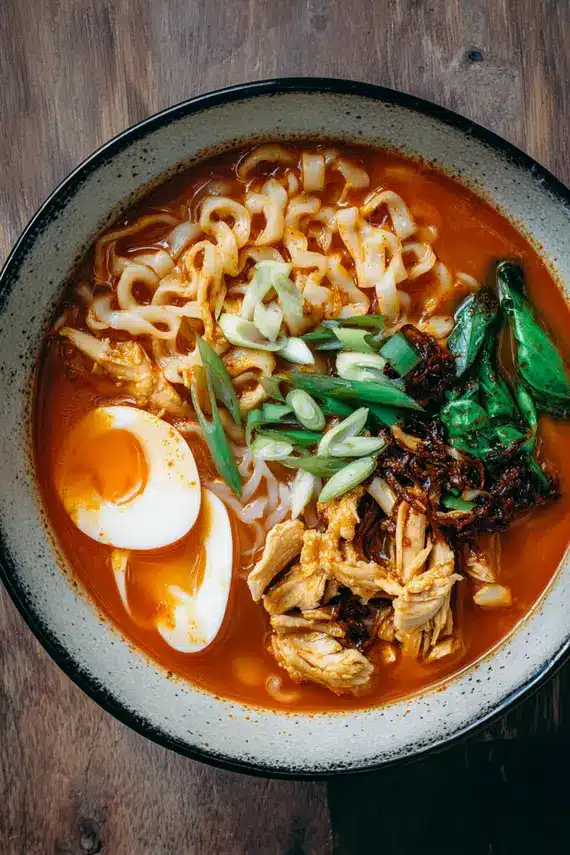
Extra-Protein Power Bowl: For an exceptionally hearty version, add a soft-boiled egg and replace half the noodles with shredded cabbage for a lower-carb, higher-protein option. The runny egg yolk enriches the broth further, creating an even more luxurious mouthfeel with each spoonful.
Weeknight Express: Create a lightning-fast version using rotisserie chicken and pre-made stock. Simply shred the chicken, heat the broth with gochujang and coconut milk, and add quick-cooking rice noodles. This variation comes together in under 15 minutes when you need comfort food without the wait.
Mild Family-Friendly Adaptation: For households with heat-sensitive palates, substitute 1 tablespoon of gochujang with 1 tablespoon of tomato paste mixed with 1 teaspoon of honey and 1/2 teaspoon of paprika. This maintains the vibrant color and umami depth while significantly reducing the spice level, making it accessible for young children or those who prefer gentler heat.
Tangy Lemongrass Version: Emphasize the Southeast Asian influence by adding 2 stalks of bruised lemongrass and 4-5 kaffir lime leaves to the simmering broth (remove before serving). This variation brightens the flavor profile significantly, creating a soup that leans more toward Thai inspiration while still incorporating the Korean gochujang backbone.
Presentation Ideas for Your Vibrant Korean-Coconut Soup
Elevate Your Dining Experience
Presentation transforms this already impressive Gochujang Coconut Chicken Noodle Soup into an Instagram-worthy meal that delights the eyes before satisfying the taste buds. Creating visually appealing dishes doesn’t require professional chef skills—just attention to color contrast, thoughtful portioning, and a few simple techniques.
For everyday family dinners, serve the steaming soup in deep, wide bowls that allow space for the garnishes to remain visible rather than sinking into the broth. Create visual interest by arranging toppings in separate clusters—a small mound of bean sprouts, a scatter of green onions, and a wedge of lime perched on the rim of the bowl. This “composed” approach creates a restaurant-quality presentation with minimal effort.
When entertaining, consider a DIY soup bar approach. Set out a large pot of the hot broth with chicken, a bowl of cooked noodles, and small dishes containing all the possible garnishes. Provide large ladles for the broth and serving tongs for the noodles. This interactive serving style not only creates a memorable dining experience but also allows guests to customize their bowls according to personal preference.
For portion sizing, plan on approximately 1½ cups of broth, 3-4 ounces of chicken, and 2-3 ounces (dry weight) of rice noodles per person as a main course. When serving as a starter, reduce portions by about one-third and use smaller bowls.
Pair this vibrant soup with complementary side dishes for a complete meal. Simple options include a fresh cucumber salad dressed with rice vinegar and sesame oil, steamed edamame pods sprinkled with sea salt, or crispy vegetable spring rolls with a sweet chili dipping sauce. For a heartier meal, offer a side of coconut rice to soak up the extra broth.
Common Questions About Spicy Coconut Noodle Soup
Solving Your Soup Challenges
Can I make this soup ahead for a dinner party?
Absolutely! The flavor actually improves when the broth sits overnight. Prepare the broth with chicken up to 2 days ahead and store it in the refrigerator. Cook the noodles and prepare the garnishes shortly before serving. When ready to serve, gently reheat the broth to a simmer, then assemble the bowls. This make-ahead approach often results in even more developed flavors while saving you time when entertaining.
What can I substitute for gochujang if I can’t find it?
While gochujang’s unique flavor profile is hard to replicate exactly, you can create a reasonable substitute by combining 1 tablespoon tomato paste, 1 tablespoon red pepper flakes or Korean chili powder, 1 teaspoon miso paste, 1/2 teaspoon brown sugar, and 1/2 teaspoon soy sauce. This won’t deliver the same fermented complexity, but it provides a workable alternative with similar color and heat. Many larger supermarkets now carry gochujang in the international foods section, or you can find it at Asian markets or online retailers.
My coconut milk separated and looks curdled—how can I fix this?
This common issue occurs when coconut milk is boiled vigorously or when acid (like lime juice) is added to hot coconut milk. To fix a separated broth, remove it from heat and let it cool slightly. Then, using an immersion blender or regular blender (being very careful with the hot liquid), blend until smooth and reincorporated. To prevent separation in the future, keep the broth at a gentle simmer rather than a rolling boil, and add acidic ingredients like lime juice at the very end, after removing from heat.
Final Thoughts on This Fusion Comfort Bowl
A Versatile Addition to Your Recipe Collection
Gochujang Coconut Chicken Noodle Soup stands as a testament to how culinary traditions can beautifully merge to create something greater than the sum of its parts. This vibrant fusion dish brings together the fermented depth of Korean gochujang with the silky richness of coconut milk, creating a soup that’s simultaneously comforting and adventurous. “The Creamy Cheesy Chicken Enchiladas demonstrate how comfort foods can be elevated with thoughtful ingredient combinations and proper preparation techniques.”
What makes this recipe particularly special is its adaptability. Whether you’re seeking a quick weeknight dinner, a soothing remedy for cold weather, or an impressive but approachable dish for entertaining, this soup delivers. The balance of spicy, sweet, tangy, and savory elements creates a complex flavor profile that keeps every spoonful interesting.
As you become comfortable with the base recipe, don’t hesitate to make it your own. Adjust the heat level, swap proteins, or incorporate seasonal vegetables based on what’s fresh and available. Cooking should be a creative expression, and this versatile recipe provides an excellent canvas for your culinary imagination.
Remember that the key to this soup’s success lies in balancing the bold gochujang with creamy coconut milk while maintaining distinct textures throughout. Keep your noodles slightly firm, your garnishes fresh and crisp, and your broth richly flavored but not overwhelming.
We hope this Gochujang Coconut Chicken Noodle Soup becomes a treasured recipe in your collection—one that brings warmth, comfort, and a hint of adventure to your table for years to come.
PrintGochujang Coconut Chicken Noodle Soup
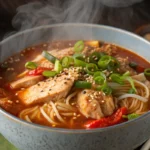
- A vibrant fusion soup combining Korean gochujang with creamy coconut milk.
- Tender chicken and silky rice noodles in a spicy-sweet broth.
- Garnished with fresh herbs and lime for a bright finish.
- Prep Time: 15
- Cook Time: 20
- Total Time: 35 minutes
- Yield: 4 servings 1x
- Category: Dinner
- Method: Stovetop
- Cuisine: Korean-Inspired
Ingredients
- 1 lb boneless chicken breast, thinly sliced
- 2 tbsp gochujang paste
- 1 can (13.5 oz) full-fat coconut milk
- 4 cups low-sodium chicken broth
- 200g rice noodles
- 1 tbsp grated fresh ginger
- 2 cloves garlic, minced
- 2 green onions, sliced (whites and greens separated)
- 1 lime, juiced, plus wedges for serving
- 1 tsp fish sauce (optional)
- 1 tbsp brown sugar (optional)
- 1 tsp sesame oil
- 1 tbsp neutral cooking oil
- 2 small heads bok choy, roughly chopped (optional)
- 1 cup bean sprouts (optional)
- ¼ cup fresh cilantro, chopped (optional)
- 1 tbsp toasted sesame seeds (optional)
Instructions
- Heat 1 tablespoon neutral oil in a large pot over medium heat.
- Add minced garlic and grated ginger, sautéing for 30-45 seconds until fragrant but not browned.
- Add sliced chicken with a pinch of salt. Cook until lightly browned, about 2-3 minutes.
- Add gochujang paste and stir to coat the chicken, cooking for 1 minute until fragrant.
- Pour in chicken broth and coconut milk. Add fish sauce and brown sugar if using. Bring to a gentle boil.
- Reduce heat to simmer and add rice noodles. Cook according to package directions until just tender.
- If using bok choy, add during the final 2 minutes of cooking.
- Remove from heat and stir in lime juice, sesame oil, and the white parts of the green onions.
- Taste and adjust seasonings as needed.
- Serve in bowls garnished with bean sprouts, green onion tops, cilantro, sesame seeds, and lime wedges.
Notes
- For a milder version, start with 1 tablespoon of gochujang and adjust to taste.
- Store broth separately from noodles when refrigerating leftovers.
- For a speedier version, use rotisserie chicken and pre-cooked rice noodles.
- Nutrition facts are estimates and may vary based on ingredients used, portion sizes, and preparation methods.
Nutrition
- Serving Size: 1 bowl
- Calories: 450
- Sugar: 6
- Sodium: 870
- Fat: 22
- Saturated Fat: 14
- Unsaturated Fat: 6
- Carbohydrates: 40
- Fiber: 3
- Protein: 28
- Cholesterol: 65
Keywords: gochujang coconut chicken noodle soup, gochujang chicken soup, coconut chicken noodles, spicy noodle soup, korean chicken noodle soup
Let’s connect! Follow me for more Joylicious Recipes: Facebook, Instagram, Pinterest