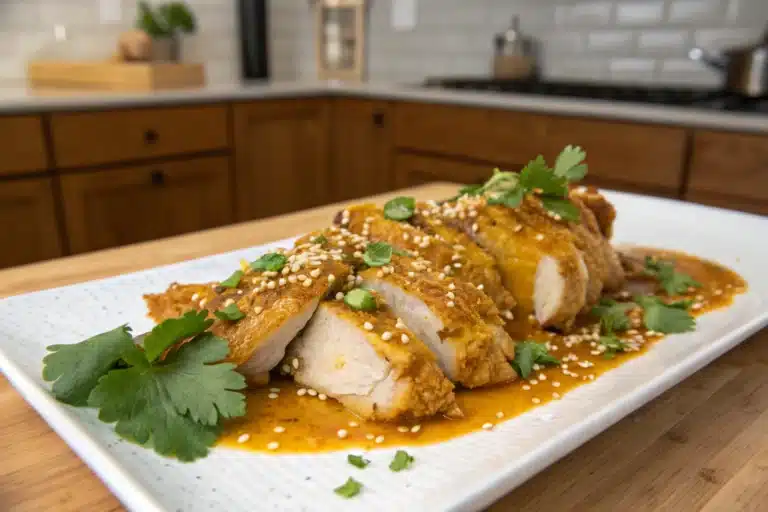
Easy Huli Huli Chicken Recipe – Hawaiian BBQ Flavor at Its Best
Introduction to the Hawaiian Grilling Tradition
The Origin Story of Huli Huli Chicken
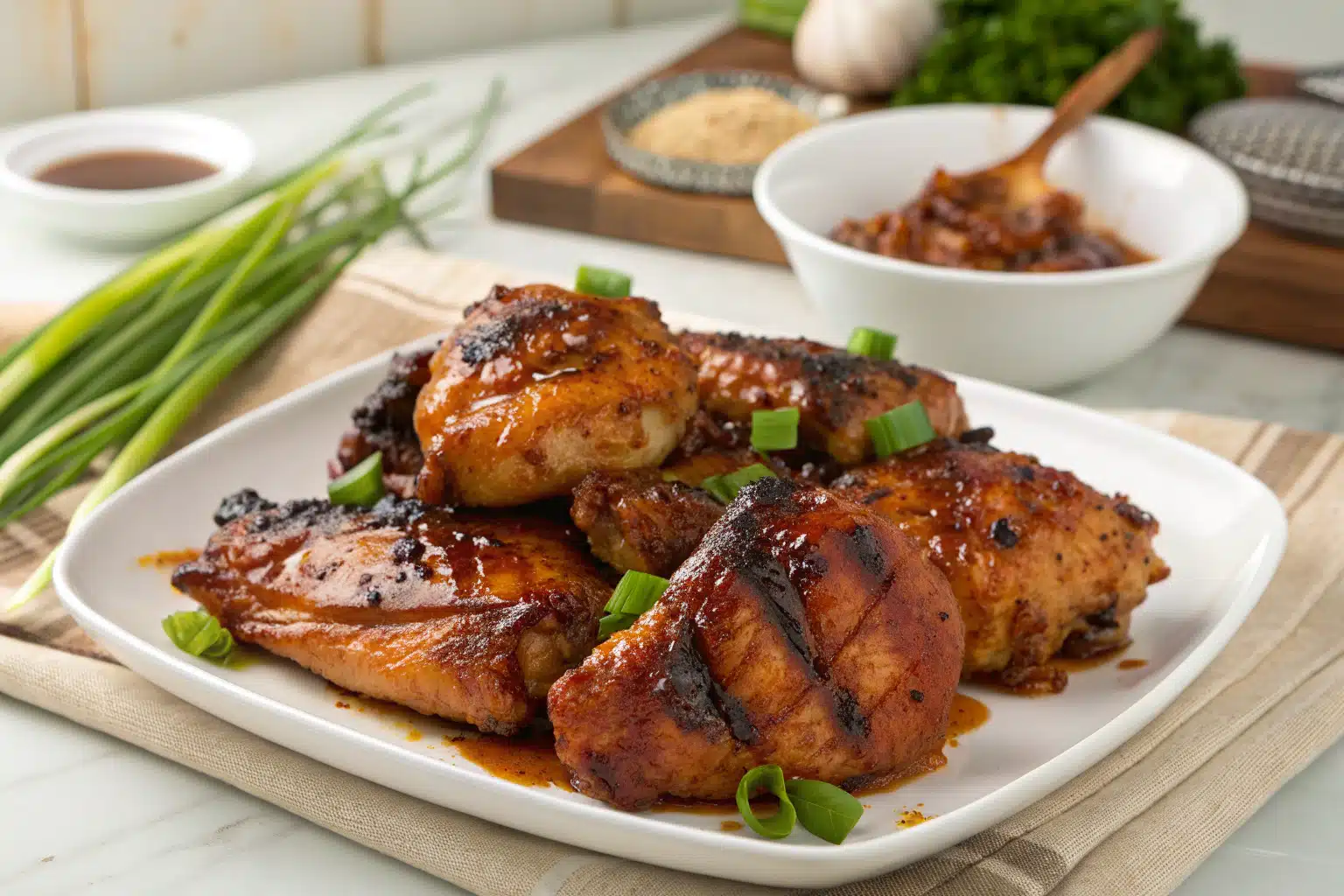
Huli huli chicken has become one of Hawaii’s most beloved culinary exports, embodying the island’s unique fusion of flavors. The term “huli” means “turn” in Hawaiian, referring to the traditional preparation method of turning the chicken while it grills. This iconic dish was created in 1955 by Ernest Morgado, who prepared it for a farmers’ meeting. The chicken was grilled between two mesh grates, allowing workers to flip the entire setup while calling out “huli!” The delicious aroma and caramelized glaze made it an instant hit, eventually becoming a staple at Hawaiian fundraisers and roadside stands.
What Makes Huli Huli Chicken Special
What distinguishes huli huli chicken from other grilled chicken recipes is its perfectly balanced marinade. The sweet-savory combination of pineapple juice, soy sauce, and brown sugar creates a beautiful caramelization when grilled, while ginger, garlic, and green onions add depth and complexity. “Looking for inspiration? Try our grilled teriyaki chicken panda express for another Asian-inspired favorite.” The resulting dish features tender, juicy meat with a slightly sticky, deeply flavorful exterior that captures the essence of Hawaiian cooking. While traditionally prepared on an open grill, our adaptation brings these authentic flavors to your kitchen with options for baking, making it accessible for any home cook.
Essential Huli Huli Chicken Ingredients
The Perfect Marinade Components
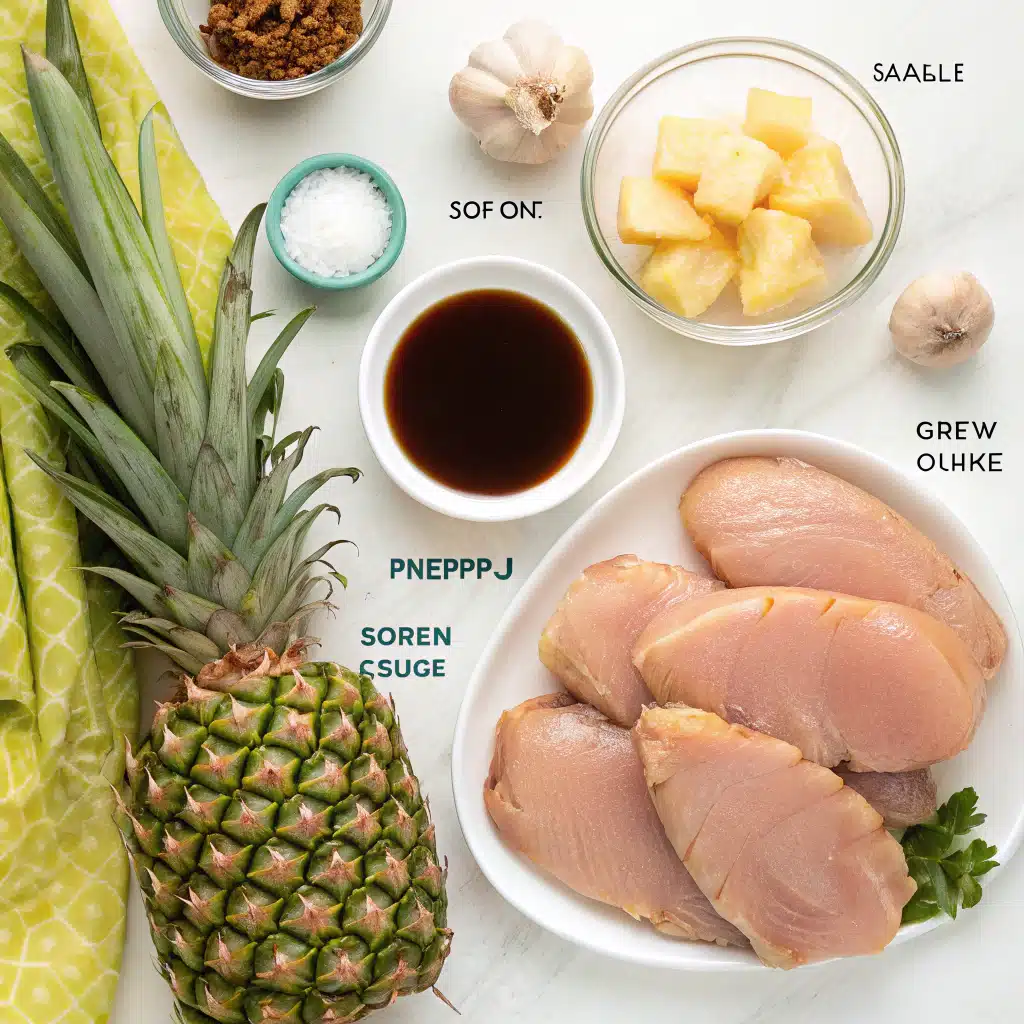
The heart of huli huli chicken lies in its marinade, which delivers the perfect balance of sweet, salty, tangy, and savory flavors. Each ingredient plays a crucial role in developing that signature taste profile. The pineapple juice not only adds sweetness but contains enzymes that help tenderize the meat. Soy sauce brings the umami factor and saltiness, while brown sugar helps create that beautiful caramelization when grilled. Ketchup adds tanginess and color, and a splash of sherry introduces depth and complexity. The aromatic elements—ginger, garlic, green onions, and dry mustard—round out the flavor profile with warmth and dimension.
Choosing the Right Chicken Cuts
| Ingredient | Amount | Function |
|---|---|---|
| Whole chickens (cut into 8 pieces) | 2 (3 pounds each) | Main protein |
| Unsweetened pineapple juice | 1 cup | Tenderizing & sweetness |
| Soy sauce | ½ cup | Umami & salt |
| Brown sugar | ½ cup | Sweetness & caramelization |
| Ketchup | ⅓ cup | Tanginess & color |
| Sherry | ¼ cup | Depth of flavor |
| Fresh ginger | 1 (2-inch) piece, crushed | Aromatic spice |
| Garlic | 3 cloves, crushed | Aromatic flavor |
| Green onions | 4, chopped | Fresh flavor & color |
| Dry mustard | ¼ teaspoon | Subtle heat |
While this recipe calls for cutting whole chickens into 8 pieces each, you can adapt based on your preferences. Bone-in, skin-on chicken pieces work best as they remain juicy during cooking and allow the skin to caramelize beautifully. Chicken thighs and drumsticks are particularly good choices as the dark meat stays moist and flavorful. If you prefer white meat, bone-in chicken breasts will work well too, though you’ll need to monitor them carefully to prevent overcooking.
Step-by-Step Huli Huli Chicken Preparation
Preparing the Marinade
- Begin by rinsing the chicken pieces under cold water and patting them completely dry with paper towels. This ensures the marinade adheres well and helps achieve crispy skin when cooked.
- In a large bowl, combine 1 cup unsweetened pineapple juice, ½ cup soy sauce, and ½ cup brown sugar, stirring until the sugar begins to dissolve.
- Add ⅓ cup ketchup, ¼ cup sherry, the crushed 2-inch piece of ginger, 3 crushed garlic cloves, 4 chopped green onions, and ¼ teaspoon dry mustard.
- Whisk all ingredients thoroughly until the brown sugar has completely dissolved and the marinade is well blended.
Marinating for Maximum Flavor
- Place the chicken pieces into a large resealable plastic bag or a non-reactive container (glass or stainless steel works well).
- Pour the marinade over the chicken, ensuring all pieces are well coated. If using a bag, squeeze out excess air before sealing.
- Gently massage (or “lomi” in Hawaiian) the bag to work the marinade into the chicken pieces.
- Refrigerate for at least 4 hours, though overnight marination (8-12 hours) delivers the best flavor penetration. For even coating, flip the bag or stir the container halfway through the marinating time.
- “Don’t miss our melt-in-your-mouth chicken recipe for another tender, flavorful option.”
The Baking Process
- When ready to cook, position an oven rack approximately 6 inches from the heat source and preheat your oven to 425°F (220°C).
- Line a broiler pan or baking sheet with foil for easier cleanup, then place a rack on top to allow air circulation around the chicken.
- Remove the chicken pieces from the marinade, reserving the liquid for basting. Arrange the pieces skin-side up on the prepared pan.
- Bake for 30-45 minutes total, turning and basting with the reserved marinade every 10 minutes to mimic the traditional “huli” (turning) technique.
- The chicken is done when the skin is deeply caramelized, the juices run clear, and an instant-read thermometer inserted into the thickest part (not touching bone) reads at least 165°F (74°C).
- For extra caramelization, you can finish under the broiler for 1-2 minutes, watching carefully to prevent burning.
Essential Tips for Perfect Huli Huli Chicken
Achieving the Perfect Caramelization
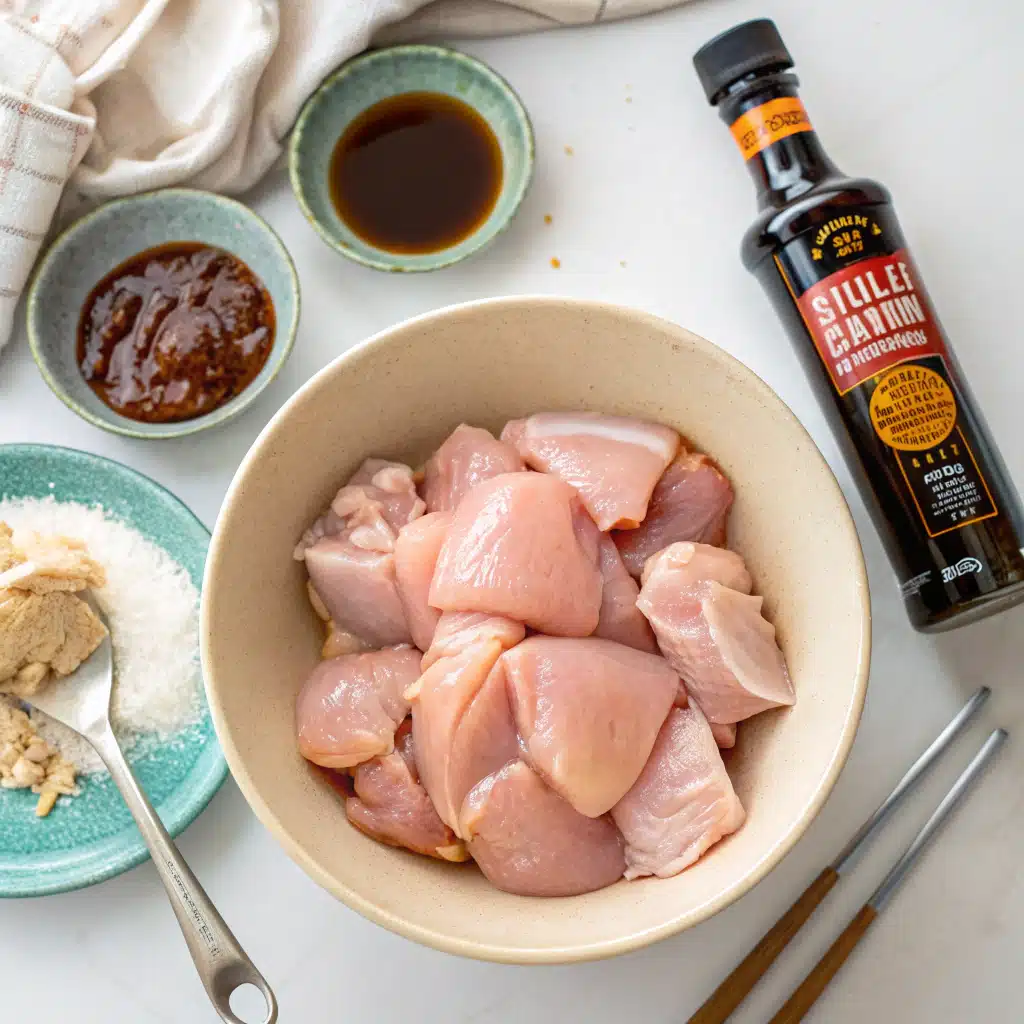
The signature sticky, caramelized exterior of huli huli chicken requires careful attention during cooking. For optimal results, reserve some marinade separately before adding the chicken for later basting—this prevents cross-contamination. Apply multiple layers of glaze during cooking, allowing each layer to caramelize slightly before adding more. If baking, utilize your broiler in the final cooking stage to achieve that authentic char and caramelization. The key is finding the perfect balance: enough heat to caramelize the sugars without burning them. If you notice the exterior browning too quickly, adjust your rack position or lower the temperature slightly.
Temperature and Timing Secrets
Temperature control is crucial for juicy, perfectly cooked huli huli chicken. Different cuts require different cooking times—dark meat (thighs and drumsticks) needs to reach an internal temperature of 175°F (79°C) for optimal tenderness, while breast meat should be cooked to 165°F (74°C) to avoid drying out. When grilling, establish a two-zone fire: sear the chicken over direct heat first, then move to indirect heat to finish cooking gently. For baking, the 425°F (220°C) temperature creates good caramelization while allowing the inside to cook through properly. Remember that carryover cooking continues after removing the chicken from heat, so factor in a 5-degree temperature rise during the resting period.
Common Mistakes to Avoid
Even experienced cooks can make mistakes with huli huli chicken. Avoid oversalting—the soy sauce already contains significant sodium. Never skip the marinating time; rushing this step results in bland chicken lacking the signature flavor penetration. When basting, be careful not to tear the skin, which protects the meat from drying out. Many cooks make the error of cooking at too high a temperature, resulting in a burned exterior and undercooked interior. Finally, allowing the chicken to rest for 5-10 minutes after cooking is essential—it lets the juices redistribute throughout the meat for maximum juiciness.
“Here’s your guide to easy baked chicken that explains some of these concepts in more detail.”
Storing and Reheating Your Huli Huli Chicken
Proper Storage Techniques
To maintain the delicious flavor and texture of your huli huli chicken, proper storage is essential. After cooling completely, refrigerate leftovers within two hours of cooking to prevent bacterial growth. Store the chicken in airtight containers or wrap tightly with aluminum foil or plastic wrap. Properly stored, huli huli chicken will keep in the refrigerator for 3-4 days. For longer preservation, you can freeze the chicken for up to 3 months—wrap individual portions separately in freezer paper, then place in freezer bags with the air squeezed out. Label each package with the date to track freshness. If you’ve saved extra marinade that hasn’t touched raw chicken, store it separately and refrigerate for up to a week to use as a sauce or for other recipes.
Reheating Without Drying Out
Reheating huli huli chicken requires care to prevent it from drying out while ensuring it reaches a safe temperature. The best method is low and slow in a 300°F (150°C) oven: place the chicken in a baking dish with a few tablespoons of chicken broth or water, cover with foil, and heat until it reaches an internal temperature of 165°F (74°C), usually about 15-20 minutes. Alternatively, you can use a microwave on 70% power with a damp paper towel covering the chicken to create steam. For crispy skin, finish uncovered in a hot oven or under the broiler for a minute or two.
“Want more ideas? Check out instant pot shredded chicken for tips on preserving moisture when reheating.”
Creating New Meals from Leftovers
Leftover huli huli chicken opens up numerous creative possibilities for quick, delicious meals. Shred the meat to use in Asian-inspired tacos with a pineapple slaw, or add to fried rice with vegetables for a complete one-dish meal. For a Hawaiian-style pizza, combine chopped huli huli chicken with pineapple chunks and mozzarella. The meat makes an excellent addition to green salads, particularly with a sesame-ginger dressing that complements the chicken’s flavors. For a hearty lunch, create sandwiches or wraps with the chicken, adding fresh vegetables and perhaps a sriracha mayo. Even the bones can be put to good use—simmer them to make a flavorful broth for soups or noodle dishes, bringing that distinctive huli huli flavor to an entirely new creation.
Exciting Huli Huli Chicken Variations
Spice Level Adjustments
While traditional huli huli chicken offers a balanced sweet-savory profile, adjusting the spice level allows you to customize the dish to your preferences. For a mild heat increase, add 1-2 teaspoons of sriracha or sambal oelek to the marinade. Medium heat can be achieved with 1-2 finely chopped jalapeños (seeds removed for less heat) or 1 tablespoon of red pepper flakes. For serious heat lovers, incorporate 1-2 minced habaneros or 1 teaspoon of cayenne pepper. A Korean-inspired variation uses 2 tablespoons of gochujang (Korean chili paste) for complex heat with fermented depth. Remember that spices bloom differently depending on cooking method—grilling tends to mellow heat while concentrating other flavors, so you might need to adjust accordingly compared to baking.
Alternative Cooking Methods
While our recipe focuses on oven baking, huli huli chicken can be prepared through several cooking methods, each imparting unique characteristics. For authentic flavor, nothing beats grilling—prepare a medium-hot fire (350-400°F) and grill chicken pieces for 30-40 minutes, turning and basting frequently. A gas grill works well, but charcoal adds exceptional smokiness. For convenience, you can use a slow cooker—layer chicken pieces with half the marinade on low for 6-7 hours, then finish under a broiler for caramelization. Air fryers produce excellent results in less time: cook at 380°F for about 20-25 minutes, basting halfway through. Even pan-frying works well—sear chicken pieces in a hot skillet, then reduce heat, cover, and cook through, basting occasionally for that signature glaze.
“Discover great ideas like grilled huli huli chicken recipe for outdoor cooking techniques.”
Protein Substitutions
While chicken provides the traditional base for this Hawaiian classic, the versatile huli huli marinade works wonderfully with other proteins. Pork tenderloin becomes exceptionally tender and flavorful after marinating for 4-6 hours—cook to an internal temperature of 145°F for perfect results. Firm fish like salmon, mahi-mahi, or tuna steaks need only 30 minutes of marination and quick cooking (about 4 minutes per side when grilling). For vegetarians, extra-firm tofu, pressed and cut into 1-inch slabs, absorbs the marinade beautifully after 2 hours—bake at 400°F for 30 minutes, flipping halfway through. Tempeh, with its nutty flavor, complements the sweet-savory marinade after 1-2 hours of soaking. Even thick vegetable steaks—cauliflower, eggplant, or portobello mushrooms—can be transformed with 30 minutes of marination before grilling or roasting until tender.
Serving Your Huli Huli Chicken
Traditional Hawaiian Side Dishes
For an authentic Hawaiian plate lunch experience, serve your huli huli chicken with traditional island accompaniments. Two scoops of steamed white rice provide the perfect neutral base to soak up the flavorful chicken juices. Macaroni salad, made with elbow pasta, mayonnaise, grated carrots, and a touch of sugar, is a Hawaiian staple that offers cool creaminess against the sweet-savory chicken. Lomi lomi salmon—a refreshing mix of diced salted salmon, tomatoes, and onions—adds bright flavors that complement the rich chicken. For vegetables, try sautéed bok choy with garlic or steamed long beans. A side of poi (mashed taro root) offers authentic island flavor, while grilled pineapple spears caramelized with a sprinkle of brown sugar provide a sweet counterpoint that echoes the flavors in the chicken marinade.
Modern Pairing Suggestions
For contemporary accompaniments that honor the spirit of huli huli chicken while introducing new flavors, consider these creative pairings. A coconut-lime rice offers tropical notes that enhance the Hawaiian theme. Asian-inspired slaws—like a cabbage blend with sesame dressing or a mango-jicama slaw with cilantro—provide refreshing crunch and acidity. Grilled vegetables such as zucchini, bell peppers, and onions can be brushed with the same marinade for flavor continuity. A simple cucumber-avocado salad with rice vinegar dressing cleanses the palate between bites of the rich chicken. Sweet potato wedges roasted with a honey-soy glaze complement both the flavor profile and the cultural fusion. For a substantial meal, serve alongside quinoa tossed with edamame, corn, and a ginger-sesame dressing that echoes the Asian influences in the dish.
Presentation Tips for Entertaining
When serving huli huli chicken for gatherings, thoughtful presentation elevates the experience. For a dramatic centerpiece, arrange the glazed chicken pieces on a wooden serving board surrounded by fresh pineapple wedges, lime quarters, and scattered with chopped cilantro and sliced green onions. Serve the remaining (heated) marinade as a dipping sauce in small bowls. For individual servings, present each plate with a vibrant color palette—golden chicken, white rice, green vegetables, and bright garnishes. Edible flowers like orchids add authentic Hawaiian flair.
“Check out serving suggestions for chicken waldorf salad for more elegant presentation ideas.”
For casual outdoor entertaining, serve buffet-style with bamboo serving utensils and tropical-themed tableware. Consider banana leaves as environmentally friendly plate liners that add authentic island style. Complete the experience with appropriate beverages like tropical iced tea, coconut water served in the shell, or a punch made with pineapple and citrus juices.
Frequently Asked Questions About Huli Huli Chicken
What does “huli huli” mean in Hawaiian?
“Huli” means “turn” in Hawaiian. The term “huli huli” (turn turn) refers to the traditional cooking method where chicken is placed between two grates and flipped over repeatedly during grilling. Workers would call out “huli!” when it was time to turn the chicken, leading to the dish’s distinctive name.
How do you make authentic huli huli chicken?
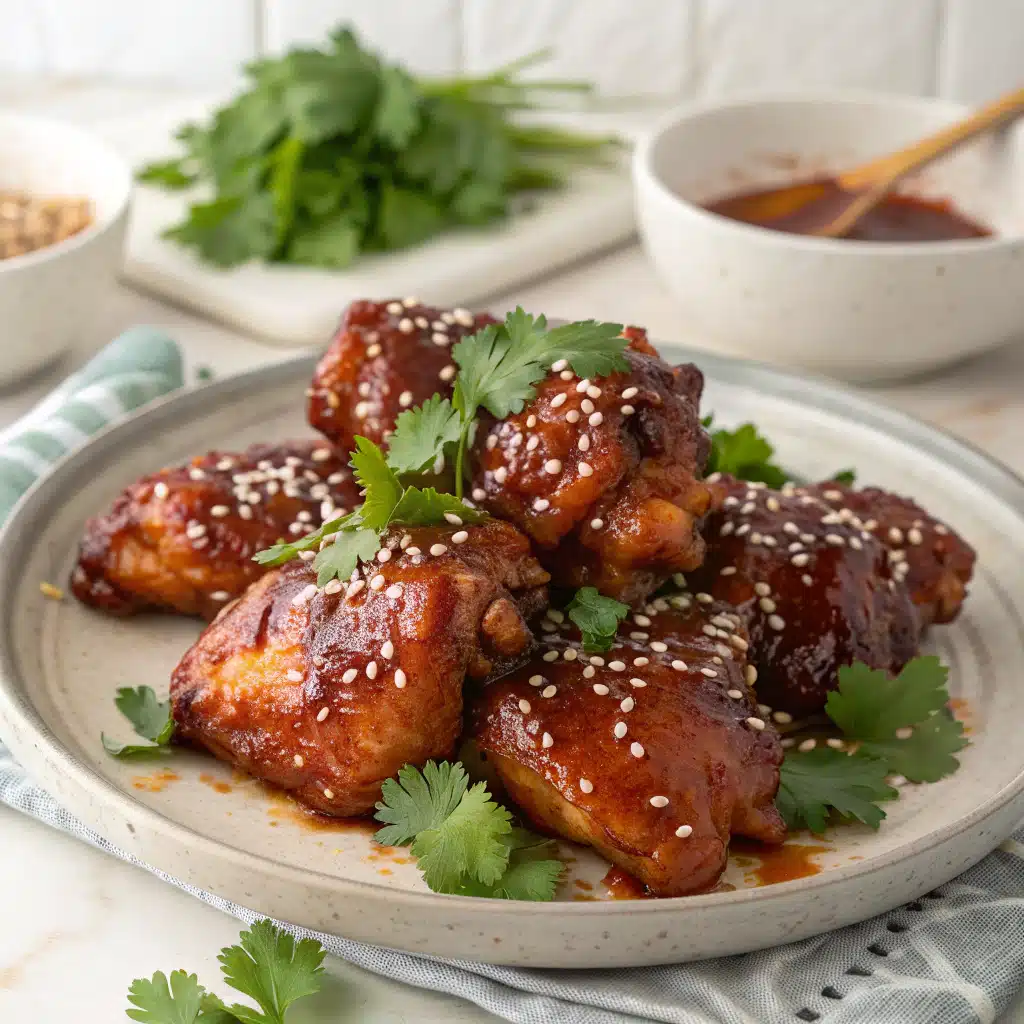
Authentic huli huli chicken requires marinating chicken pieces in a sweet-savory blend of pineapple juice, soy sauce, brown sugar, ketchup, ginger, garlic, and green onions. After marinating for at least 4 hours (preferably overnight), the chicken is grilled or baked, being turned and basted frequently with the reserved marinade to build up layers of caramelized glaze.
What kind of chicken is best for huli huli chicken?
Bone-in, skin-on chicken pieces work best for huli huli chicken. Thighs and drumsticks (dark meat) are particularly good choices as they stay juicy and tender during the cooking process. Whole chickens cut into pieces allow for variety, but you can also use chicken breasts if you prefer white meat, though they require careful cooking to avoid drying out.
Can you grill, bake, or pan-fry huli huli chicken?
Yes, huli huli chicken is versatile and can be prepared using various cooking methods. Grilling provides the most authentic flavor with natural smoke. Baking (as in our recipe) offers convenience and consistent results. Pan-frying works well for smaller pieces. You can even use a slow cooker or air fryer, though you might want to finish under a broiler to achieve the characteristic caramelization.
How long should you marinate huli huli chicken?
For best results, marinate huli huli chicken for a minimum of 4 hours. However, overnight marination (8-12 hours) is ideal as it allows the flavors to fully penetrate the meat and tenderize it properly. Avoid marinating for more than 24 hours, as the acids in the marinade can break down the meat too much and affect texture.
What sides go well with huli huli chicken?
Traditional Hawaiian sides include steamed white rice, macaroni salad, and grilled pineapple. Other complementary sides include coconut rice, Asian slaws, roasted sweet potatoes, stir-fried vegetables, cucumber salads, and grilled corn. Fresh tropical fruits like mango and papaya also pair beautifully with the sweet-savory flavors of the chicken.
Embrace the Aloha Spirit with Huli Huli Chicken
Bringing Hawaiian Flavors Home
Huli huli chicken represents more than just a delicious meal—it’s a taste of Hawaiian culinary tradition that you can recreate in your own kitchen. This adaptable recipe bridges cultural influences from both Asia and America, creating something uniquely Hawaiian that has stood the test of time. By mastering the balance of sweet pineapple juice, salty soy sauce, aromatic ginger, and the caramelization of the brown sugar, you’re participating in a cooking tradition that has delighted generations of islanders and visitors alike. “Learn more about how to cook bone-in chicken breast for perfect results with different cuts.” The beauty of huli huli chicken lies in its accessibility—with common ingredients and straightforward techniques, anyone can bring these tropical flavors to their dinner table, regardless of culinary experience or geographic location.
Making It a Regular Family Favorite
With its crowd-pleasing flavor profile and versatile serving options, huli huli chicken has all the qualities needed to become a regular fixture in your family’s meal rotation. Children typically love the sweet-savory balance, while adults appreciate the complex flavor development. Make it a summertime grilling tradition, or a comforting baked option during colder months.
The recipe scales easily for both intimate family dinners and larger gatherings. Consider setting up a huli huli chicken bar where family members can customize their plates with different sides and garnishes. Involve children in the cooking process by letting them help measure marinade ingredients or apply glazes during cooking. By sharing stories of the dish’s Hawaiian origins while enjoying your meal, you create not just a dining experience but a cultural learning opportunity. The combination of delicious flavors, engaging preparation, and cultural significance makes huli huli chicken much more than just another chicken recipe—it becomes a treasured family tradition to be passed down through generations.
PrintHuli Huli Chicken
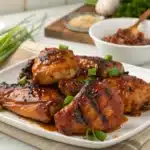
Authentic Hawaiian-style chicken with a sweet-savory glaze, perfect for grilling or baking.
- Prep Time: 20
- Cook Time: 45
- Total Time: 1 hour 5 minutes
- Yield: 8 1x
- Category: Main Dish
- Cuisine: Hawaiian
Ingredients
- 2 (3 pound) chickens, each cut into 8 pieces
- 1 cup unsweetened pineapple juice
- ½ cup soy sauce
- ½ cup brown sugar
- ⅓ cup ketchup
- ¼ cup sherry
- 1 (2 inch) piece fresh ginger, crushed
- 3 cloves garlic, crushed
- 4 green onions, chopped
- ¼ teaspoon dry mustard
Instructions
- Rinse chicken pieces and pat dry. Combine all marinade ingredients in a large resealable bag, stirring until sugar dissolves.
- Add chicken to bag, seal, and massage to coat chicken thoroughly. Refrigerate 4 hours to overnight.
- Preheat oven to 425°F (220°C) with rack positioned 6 inches from heat source.
- Arrange chicken skin-side up on broiler pan and bake for 30-45 minutes, turning and basting with marinade every 10 minutes.
- Chicken is done when juices run clear and internal temperature reaches 165°F (74°C).
Notes
For extra caramelization, finish under broiler for 1-2 minutes. Can also be prepared on a grill for more authentic flavor. Nutrition facts are estimates and may vary based on ingredients used, portion sizes, and preparation methods.
Nutrition
- Serving Size: 8
- Calories: 430Kcal
- Sugar: 12g
- Sodium: 980mg
- Fat: 18g
- Saturated Fat: 5g
- Carbohydrates: 17g
- Protein: 49g
- Cholesterol: 160mg
Keywords: huli huli chicken, Hawaiian chicken, grilled chicken, sweet-savory chicken
Let’s connect! Follow me for more Joylicious Recipes: Facebook, Instagram, Pinterest