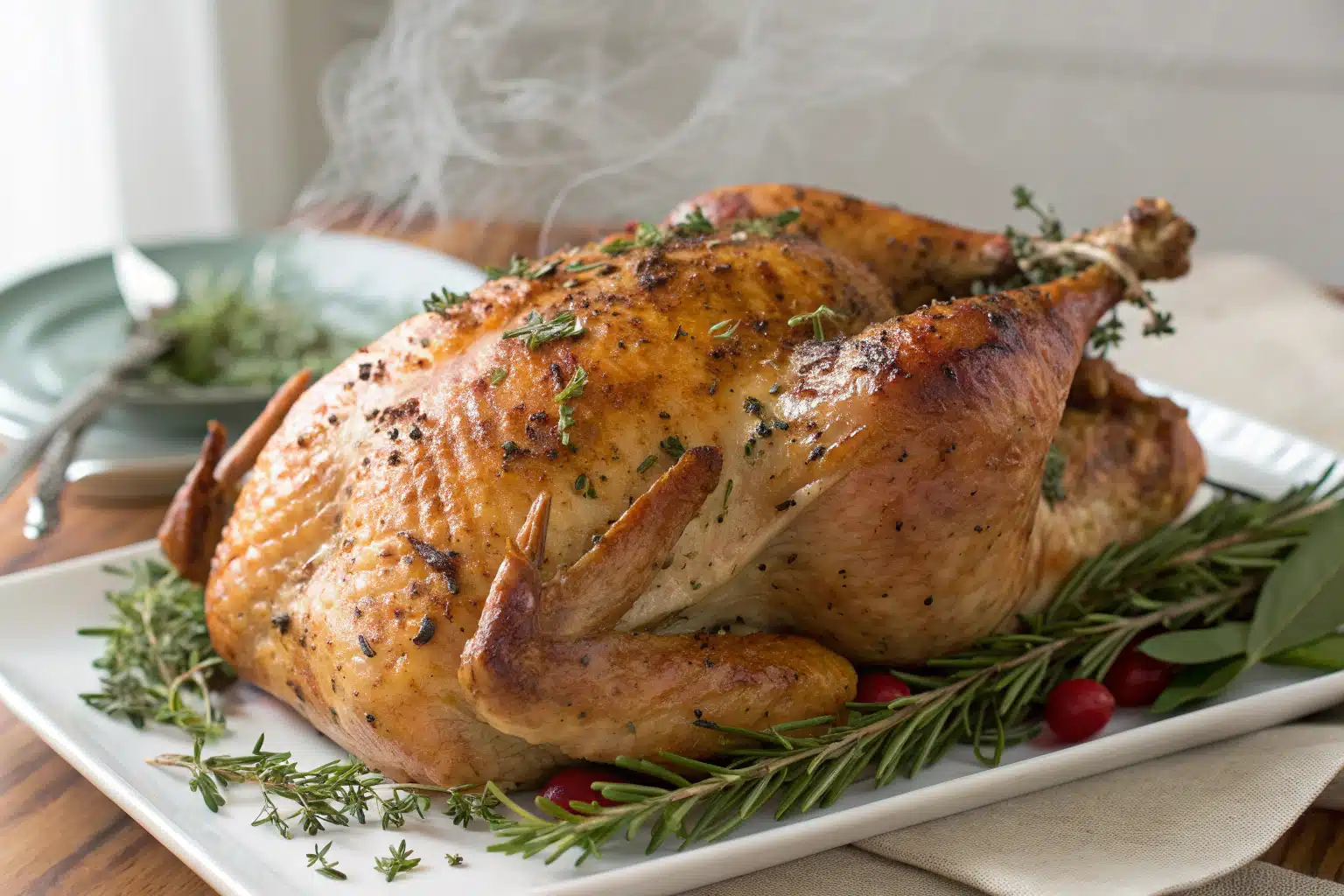
Perfect Herb Roasted Turkey: Juicy, Flavorful, and Easy to Make
Introduction: Why Herb Roasted Turkey Deserves a Place on Your Table
A Holiday Tradition Reimagined
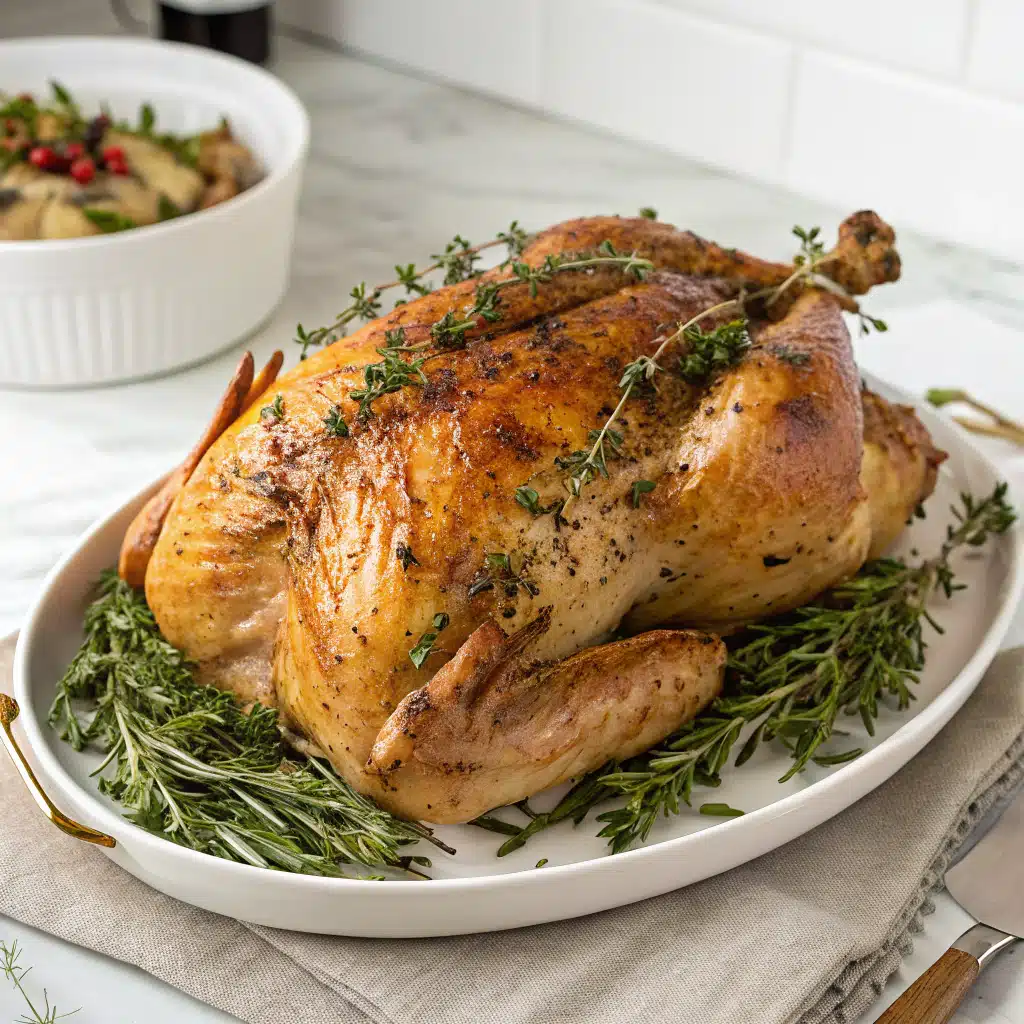
Herb roasted turkey stands as the centerpiece of holiday gatherings across America, bringing families together around tables filled with delicious food and cherished memories. This classic dish combines the rich, savory flavor of turkey with fragrant fresh herbs that infuse the meat with an unforgettable aroma. While many consider turkey a challenging meat to prepare properly, this herb roasted turkey recipe simplifies the process while maximizing flavor.
“Looking for inspiration? Try our juicy mayo roasted turkey for another delicious turkey option!”
The Power of Fresh Herbs
The magic of herb roasted turkey lies in the marriage of aromatic herbs with succulent turkey meat. Fresh rosemary and sage create a fragrant foundation that transforms an ordinary turkey breast into a spectacular main course. Furthermore, these herbs not only enhance flavor but also contribute beneficial antioxidants and essential oils that make your meal both delicious and nutritious. The combination of herbs, garlic, and olive oil creates a Mediterranean-inspired flavor profile that elevates this dish beyond traditional turkey preparations.
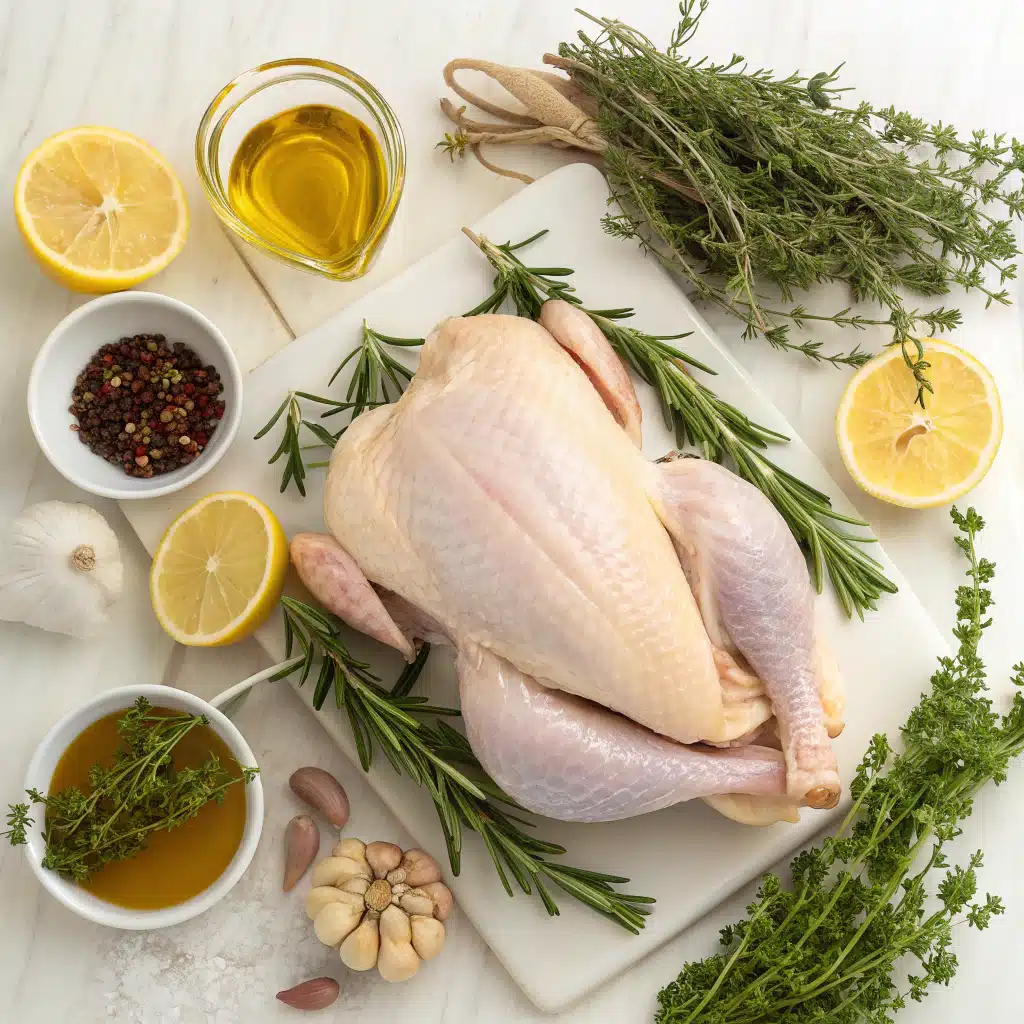
Ingredients: Everything You Need for Perfect Herb Roasted Turkey
Fresh Herbs and Aromatics
| Ingredient | Amount | Notes |
|---|---|---|
| Fresh rosemary | 2 tablespoons, chopped | Provides pine-like aroma |
| Fresh sage | 1/4 cup, chopped | Offers earthy, slightly peppery flavor |
| Garlic cloves | 5, thinly sliced | Adds savory depth |
| Olive oil | 1/4 cup | Helps herbs adhere to turkey |
| Salt | To taste | Enhances all flavors |
| Black pepper | To taste | Adds gentle heat |
The Main Components
| Ingredient | Amount | Notes |
|---|---|---|
| Boneless turkey breast | 2 pounds | Room temperature before cooking |
| Chicken broth | 1/2 cup | Creates moisture for sauce |
| Heavy cream | 1/2 cup | For luxurious cream sauce |
Step-by-Step: Mastering Your Herb Roasted Turkey
Preparing and Searing the Turkey
- Remove the turkey breast from refrigeration 30 minutes before cooking to bring it to room temperature.
- Pat the turkey completely dry with paper towels to ensure proper browning.
- Season both sides generously with salt and freshly ground black pepper.
- Heat 1/4 cup olive oil in a large Dutch oven or heavy skillet over medium-high heat until shimmering.
- Carefully place the seasoned turkey breast in the hot oil.
- Sear for 4-5 minutes per side until a beautiful golden brown crust forms.
- Once browned, temporarily transfer the turkey to a clean plate.
Creating the Herb Flavor Base
- Reduce the heat to medium to prevent burning the herbs and garlic.
- Add the thinly sliced garlic, chopped rosemary, and chopped sage to the same pan.
- Stir continuously for 45-60 seconds until the herbs release their fragrance. “Want more ideas? Check out our Thanksgiving turkey brine for extra juicy results!”
- Be vigilant to ensure the garlic doesn’t brown, as it can become bitter.
- The oil should now be infused with herb flavors that will penetrate the turkey.
Slow-Cooking to Perfection
- Return the seared turkey breast to the pan with the fragrant herb-garlic mixture.
- Lightly season the turkey again with a pinch of salt and pepper.
- Reduce heat to low-medium and partially cover the pan with a lid.
- Cook for 20 minutes undisturbed to begin the slow cooking process.
- After 20 minutes, carefully flip the turkey and scrape any flavorful bits from the bottom of the pot.
- Continue cooking, flipping every 10-15 minutes to ensure even cooking.
- If the pan begins to dry out, add 2-4 tablespoons of water as needed to prevent scorching.
- Cook until an instant-read thermometer inserted into the thickest part reads 160°F (typically 55-65 minutes total).
- The slow cooking method ensures the herbs infuse deeply into the turkey while keeping it moist.
Resting and Sauce Preparation
- Once the turkey reaches 160°F, transfer it to a cutting board.
- Tent loosely with aluminum foil and allow it to rest for 10-15 minutes (the internal temperature will continue rising to a safe 165°F).
- While the turkey rests, increase the heat under the pan to medium.
- Pour in 1/2 cup chicken broth and stir to deglaze, scraping up all the flavorful browned bits.
- Let the broth simmer for 2-3 minutes to reduce slightly.
- Reduce heat to medium-low and add 1/2 cup heavy cream.
- Simmer gently, stirring frequently, until the sauce thickens enough to coat the back of a spoon.
- Taste and adjust seasoning with additional salt and pepper if needed.
Tips: Secrets to Elevate Your Herb Roasted Turkey
Herb Selection and Preparation
Fresh herbs make all the difference in herb roasted turkey, bringing vibrant, aromatic flavors that dried herbs simply can’t match. However, if you must use dried herbs, reduce the quantity to one-third of what the recipe calls for (for example, use 1 teaspoon dried rosemary instead of 1 tablespoon fresh). Additionally, consider adding thyme or oregano to expand the flavor profile. For best results, chop herbs just before using to preserve their essential oils and maximum flavor.
“Discover great ideas like our classic turkey gravy to accompany your herb roasted turkey!”
Temperature and Timing Techniques
Temperature control represents the most critical factor in achieving perfectly cooked herb roasted turkey. Always use an instant-read thermometer inserted into the thickest part of the turkey breast to verify doneness. Remove the turkey from heat when it reaches 160°F, as carryover cooking during the resting period will bring it to the safe temperature of 165°F. Furthermore, resting the turkey is non-negotiable—this allows juices to redistribute throughout the meat, ensuring each slice remains moist and tender. For larger turkey breasts (3+ pounds), increase cooking time accordingly, checking temperature every 15 minutes after the one-hour mark.
Moisture Maintenance Methods
Preventing dry turkey requires vigilance throughout the cooking process. First, never skip the initial searing step, as this locks in moisture from the start. Second, maintain a low, gentle heat during the covered cooking phase. Third, don’t hesitate to add small amounts of water when needed if the pan looks dry. Finally, basting the turkey with the pan juices every time you flip it helps maintain moisture while adding flavor. If you’re working with a larger or bone-in turkey breast, consider brining it for 4-6 hours before cooking to ensure maximum juiciness.
Storage: Making Your Herb Roasted Turkey Last
Refrigeration Guidelines
Properly storing herb roasted turkey extends its shelf life while maintaining quality and safety. After your meal, allow any leftover turkey to cool completely before refrigeration, but don’t leave it at room temperature for more than two hours. Slice the remaining turkey and store it in airtight containers or wrap tightly with plastic wrap, then aluminum foil. Refrigerated herb roasted turkey will remain fresh for 3-4 days when stored at or below 40°F.
“Learn more about Thanksgiving stuffing focaccia to serve alongside your leftover turkey!”
Freezing for Longevity
Freezing extends the life of your herb roasted turkey significantly when done properly. First, slice the turkey into portion-sized pieces for easier thawing later. Next, wrap each portion tightly in plastic wrap, then place in freezer-safe bags or containers, removing as much air as possible. Label each package with the date and contents. Frozen herb roasted turkey maintains quality for up to 2-3 months. For best results, thaw frozen turkey in the refrigerator overnight rather than at room temperature to preserve texture and prevent bacterial growth.
Reviving Leftover Turkey
Reheating herb roasted turkey without drying it out requires careful technique. The best method involves placing sliced turkey in a baking dish, adding a few tablespoons of chicken broth or the leftover cream sauce, covering with foil, and heating in a 300°F oven until the internal temperature reaches 165°F (about 15-20 minutes). Alternatively, you can steam leftover turkey in a steamer basket over simmering water for 5-7 minutes. Avoid microwaving whenever possible, as this tends to create tough, dry meat. For a completely new meal, use leftover herb roasted turkey in sandwiches, salads, or turkey pot pie.
Variations: Creative Twists on Herb Roasted Turkey
Seasonal Flavor Adaptations
Herb roasted turkey adapts beautifully to seasonal variations throughout the year. In summer, incorporate lemon zest with the herbs for brightness, or add fresh basil during the final minutes of cooking. For fall, mix in dried cranberries with the herbs before cooking, or add a tablespoon of maple syrup to the oil mixture. Winter calls for warming additions like orange zest, star anise, or cinnamon in the herb mixture. Spring inspires lighter preparations with additions of fresh dill, chives, or tarragon. Each seasonal adaptation maintains the core technique while providing new flavor experiences.
“Here’s your guide to honey butter roasted carrots as a perfect seasonal side dish!”
International Herb Blends
Experiment with herb combinations inspired by global cuisines to transform your herb roasted turkey. For an Italian twist, use rosemary, sage, and basil with a hint of lemon zest. Mediterranean versions shine with oregano, thyme, and garlic. French-inspired herb roasted turkey features tarragon, thyme, and shallots instead of garlic. For a Middle Eastern approach, incorporate za’atar, sumac, and mint into the herb mixture. Asian flavors work surprisingly well—try cilantro, lemongrass, and ginger for an unexpected but delicious variation. Whatever international direction you choose, adjust the complementary sauce accordingly to create a cohesive flavor profile.
Alternative Cooking Methods
While this recipe uses the stovetop method, herb roasted turkey can be prepared using various cooking techniques. Oven roasting works well at 350°F—simply sear the turkey on the stovetop, add herbs, then transfer to the oven in an oven-safe dish until it reaches 160°F internally (about 45-60 minutes). Slow cooker herb roasted turkey offers convenience—sear as directed, then transfer to a slow cooker with herbs and 1/4 cup broth, cooking on low for 3-4 hours. For an outdoor approach, try grilling herb roasted turkey by searing on high heat, then moving to indirect heat with herbs tucked under the turkey until it reaches proper temperature. Each method maintains the herb-infused flavor while accommodating different cooking situations.
Serving: Presenting Your Herb Roasted Turkey
Plating Techniques
How you present your herb roasted turkey transforms it from merely a dish to a dining experience. For family-style service, slice the turkey into half-inch thick pieces and arrange them slightly overlapping on a large platter. Drizzle with the cream sauce and garnish with fresh herb sprigs and lemon slices for color contrast. For individual plating, place 2-3 slices of turkey on each warmed plate, spoon sauce over one side of the meat (allowing some to pool on the plate), and garnish with a tiny sprig of fresh herbs. For special occasions, create a composed plate with the sliced herb roasted turkey fanned out over a small pool of sauce, accompanied by your chosen sides.
“Check out our Thanksgiving pasta salad for a unique side dish option!”
Complementary Side Dishes
The herb roasted turkey’s savory profile pairs beautifully with both traditional and unexpected side dishes. Classic companions include mashed potatoes, roasted root vegetables, or wild rice pilaf. For texture contrast, consider serving alongside crispy roasted Brussels sprouts, garlic green beans, or a crunchy fennel salad. Starchy sides like buttery dinner rolls, herbed polenta, or creamy risotto provide satisfying accompaniments. For a lighter approach, pair with a bitter greens salad dressed with a simple vinaigrette to cut through the richness of the cream sauce. Whatever sides you choose, consider complementary herbs to create a cohesive flavor profile throughout the meal.
Sauce Variations
While the cream sauce in this recipe delivers rich satisfaction, you can create variations to suit different preferences. For a lighter option, replace the heavy cream with half-and-half or whole milk thickened with a teaspoon of cornstarch. Create a wine-enhanced sauce by adding 1/4 cup of white wine to the pan before the chicken broth, allowing it to reduce before proceeding. For an herb-forward alternative, add an additional tablespoon of freshly chopped herbs to the finished sauce just before serving. Those preferring a dairy-free option can substitute the cream with cashew cream or full-fat coconut milk for a different but equally delicious sauce to accompany the herb roasted turkey.
FAQs: Common Questions About Herb Roasted Turkey
How long should I roast the turkey?
For a 2-pound boneless turkey breast as specified in this recipe, the total cooking time typically ranges from 55-65 minutes after searing. However, cooking time depends on several factors including the thickness of the turkey breast and your particular stovetop. Always use an instant-read thermometer to verify doneness—remove the turkey from heat when it reaches 160°F internally, as it will continue cooking to the safe temperature of 165°F during the resting period.
Should I brine the turkey first?
While this recipe doesn’t require brining, a simple brine can enhance juiciness, especially for larger cuts. For best results, dissolve 1/4 cup each of salt and sugar in 4 cups of water, add aromatics if desired, and submerge the turkey breast for 4-6 hours before cooking. Remember to rinse and pat dry thoroughly before proceeding with the recipe. Brining works particularly well for larger or bone-in turkey pieces.
How do I keep the turkey from drying out?
Prevent dryness by following several key techniques: searing properly to seal in juices, cooking partially covered at low temperature, flipping periodically, adding small amounts of water if needed, and most importantly—not overcooking. Using an instant-read thermometer prevents overcooking, and allowing the turkey to rest after cooking lets juices redistribute throughout the meat. The cream sauce also adds moisture to each serving.
Can I use dried herbs instead of fresh?
Yes, but with adjustments. Dried herbs have more concentrated flavor, so use one-third the amount called for in the recipe (approximately 2 teaspoons dried rosemary and 4 teaspoons dried sage). Rub dried herbs between your palms before adding to release their essential oils. While the result won’t be identical to using fresh herbs, it will still produce a flavorful herb roasted turkey.
Do I need to stuff the turkey?
This boneless turkey breast recipe doesn’t involve stuffing the turkey. Instead, the herbs and garlic create an exterior flavor crust. For a similar effect to stuffing, you could butterfly the turkey breast, add a layer of herb mixture, then roll and tie it before searing and slow cooking. However, this requires adjusting cooking times and techniques beyond the scope of this recipe.
How can I tell when the turkey is done?
The most reliable method is using an instant-read thermometer inserted into the thickest part of the turkey breast. Remove from heat when it registers 160°F, as the temperature will continue rising to 165°F while resting. Visual cues include clear (not pink) juices when pierced and firm (not soft) texture when pressed. Without a thermometer, cook until no pink remains in the center when cut into the thickest part.
Conclusion: Mastering the Art of Herb Roasted Turkey
The Versatility of Turkey Beyond Holidays
Herb roasted turkey deserves recognition as more than just a holiday meal. This versatile, protein-rich dish works beautifully for Sunday family dinners, meal prep for busy weeks, or even elegant dinner parties. The techniques you’ve learned—properly searing, infusing with herbs, slow cooking to perfection, and creating a complementary sauce—apply to other cuts of turkey and even different proteins. Furthermore, mastering this herb roasted turkey recipe builds confidence in the kitchen and expands your culinary repertoire. Consider making this dish throughout the year, adapting the herbs and accompaniments to match the season.
“Don’t miss our sausage stuffed mushrooms for another delicious recipe option!”
Your Gateway to Herbal Cooking
The herb roasted turkey recipe serves as an excellent introduction to cooking with fresh herbs. Once you experience the dramatic flavor difference herbs make, you’ll likely find yourself incorporating them into other dishes. Start an herb garden (even a small windowsill one) to have fresh herbs readily available. Experiment with different herb combinations to discover your personal preferences. Try the same herb combination with chicken, fish, or even roasted vegetables. Most importantly, trust your palate—cooking with herbs is both science and art, and your personal taste matters. This herb roasted turkey recipe offers not just a delicious meal but a foundation for exploring the world of herb-forward cooking.
PrintHerb Roasted Turkey
Juicy boneless turkey breast infused with fresh herbs and garlic, served with a silky cream sauce.
- Prep Time: 15
- Cook Time: 70
- Total Time: 1 hour 25 minutes
- Yield: 4 1x
- Category: Main Course
- Cuisine: American
Ingredients
- 1/4 cup olive oil
- 5 cloves garlic, thinly sliced
- 2 tablespoons chopped fresh rosemary
- 1/4 cup chopped fresh sage
- 2 pounds boneless turkey breast
- Salt and black pepper
- 1/2 cup chicken broth
- 1/2 cup heavy cream
Instructions
- Sear seasoned turkey breast in hot oil for 4-5 minutes per side until golden brown.
- Reduce heat to medium, add garlic and herbs, and stir for 1 minute until fragrant.
- Return turkey to pot, partially cover, and cook on low-medium for about an hour, flipping periodically.
- Remove turkey when internal temperature reaches 160°F, rest under foil.
- Make sauce by adding broth to pan, deglazing, then adding cream and simmering until thickened.
- Slice turkey and serve with warm cream sauce.
Notes
Nutrition facts are estimates and may vary based on ingredients used, portion sizes, and preparation methods.
Nutrition
- Serving Size: 4
- Calories: 385 Kcal
- Sugar: 1g
- Sodium: 245mg
- Fat: 24g
- Saturated Fat: 8g
- Carbohydrates: 4g
- Fiber: 1g
- Protein: 36g
- Cholesterol: 125mg
Keywords: herb roasted turkey, turkey breast, rosemary turkey, sage turkey, garlic turkey, creamy turkey, holiday turkey
Let’s connect! Follow me for more Joylicious Recipes: Facebook, Instagram, Pinterest