
Easy Classic Turkey Gravy: A Rich and Flavorful Holiday Staple
Introduction: The Heart of Every Thanksgiving Meal
Why Turkey Gravy Makes the Meal
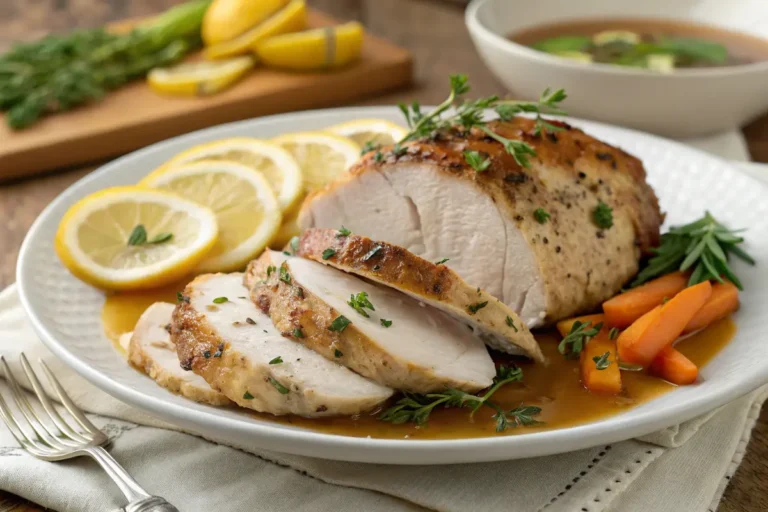
Classic turkey gravy is the crowning glory of any Thanksgiving or holiday feast. This rich, savory sauce ties together all the elements of your meal, transforming ordinary turkey, mashed potatoes, and stuffing into an extraordinary dining experience. Made from the flavorful drippings of your roasted turkey, a well-crafted gravy captures the essence of your holiday cooking efforts.
“Looking for inspiration? Try our smothered chicken and gravy for another delicious option when turkey isn’t on the menu.”
The Secret to Restaurant-Quality Turkey Gravy
The difference between good gravy and great gravy lies in understanding a few fundamental techniques. Professional chefs know that developing deep flavor begins hours before the gravy is served. By starting your broth early and slowly building layers of flavor, you’ll create a turkey gravy that guests will remember long after the holiday is over. The secret isn’t exotic ingredients but rather patience, attention to detail, and knowing how to extract maximum flavor from simple components.
Ingredients: Everything You Need for Classic Turkey Gravy
The Foundation: Broth Ingredients
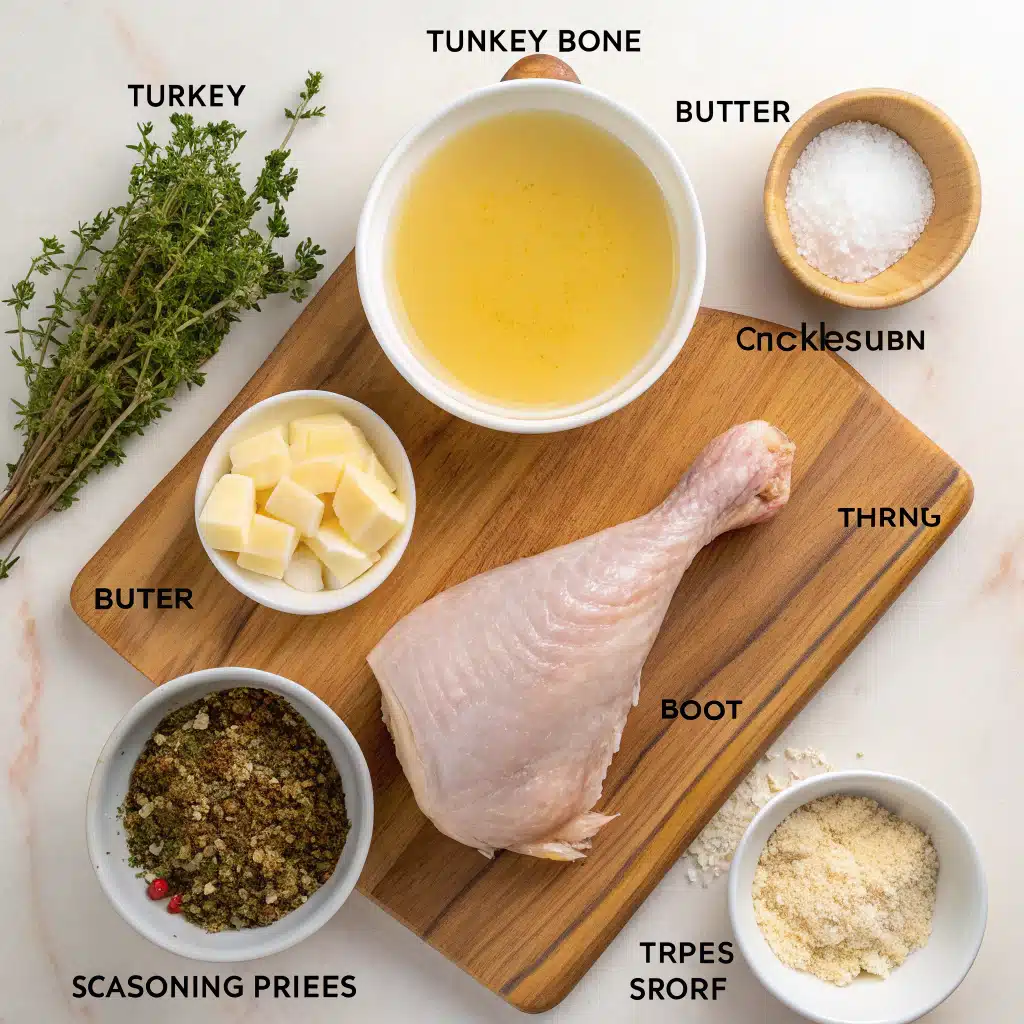
Creating exceptional classic turkey gravy starts with a flavorful broth base. Here’s everything you’ll need to build this essential foundation:
| Broth Ingredients | Amount | Notes |
|---|---|---|
| Unsalted butter | 2 tablespoons | For sautéing |
| Medium onion, leek, or shallots | 1 onion/leek or 2 shallots, sliced | Adds aromatic base |
| Turkey neck and giblets | From your turkey | Discard the liver |
| Low-sodium chicken broth | 8 cups | Store-bought is fine |
| Fresh herb sprigs | 3 sprigs | Thyme, parsley, rosemary and/or sage |
| Bay leaf | 1 | Adds subtle depth |
The Finishing Elements: Gravy Ingredients
Once your broth is prepared, these ingredients will transform it into rich, smooth classic turkey gravy:
| Gravy Ingredients | Amount | Notes |
|---|---|---|
| Turkey drippings | From roasting pan | Liquid gold! |
| All-purpose flour | 1/2 cup | For thickening |
| Worcestershire sauce | A dash | For umami boost |
| Kosher salt and pepper | To taste | For seasoning |
| Flavored butter (optional) | 2 tablespoons, cold | For richness |
Step-by-Step: Making Perfect Classic Turkey Gravy
Preparing the Broth Base
The key to exceptional classic turkey gravy is starting early with a flavorful broth. “Discover great ideas like our easy homemade chicken pot pie recipe which also relies on a delicious gravy base.”
- Begin when your turkey goes into the oven. Melt 2 tablespoons of unsalted butter in a large saucepan over medium-low heat.
- Add the sliced onion (or leek/shallots), turkey neck, and giblets to the pan. Cook, stirring occasionally, until the giblets are nicely browned, about 15 minutes.
- Pour in 8 cups of low-sodium chicken broth, then add your herb sprigs and bay leaf.
- Cover the saucepan and allow the broth to simmer gently while your turkey roasts, approximately 2 hours.
- Once simmered, strain the broth through a fine-mesh sieve and keep warm. You can reserve the neck and giblets if you’d like to add them to your gravy later.
Capturing the Drippings
The roasted turkey drippings contain concentrated flavor essential for classic turkey gravy:
- After your turkey is fully roasted, transfer it to a cutting board to rest.
- Carefully pour all the pan drippings from the roasting pan into a fat separator or degreasing cup.
- Add about 1/2 cup of your prepared broth to the empty roasting pan and use a wooden spoon to scrape up all the browned bits from the bottom. These caramelized bits (called fond) are packed with flavor.
- If the bits are stubborn, place the roasting pan over low heat on the stovetop to help loosen them.
- Add this liquid and the scraped bits to your drippings in the fat separator.
Creating the Perfect Roux
Making a proper roux is crucial for smooth, lump-free classic turkey gravy:
- Let the fat rise to the top of your degreasing cup, then spoon off 1/2 cup of the fat into a large saucepan over medium heat.
- Gradually sprinkle the flour into the hot fat while continuously stirring with a wooden spoon to prevent lumps.
- Continue cooking and stirring the roux until it turns a light golden-brown color, about 4 minutes. This cooking process eliminates the raw flour taste and adds depth of flavor.
Bringing It All Together
Now it’s time to transform your components into smooth, flavorful classic turkey gravy:
- While whisking constantly, gradually pour the hot broth into your roux. The continuous whisking is essential to prevent lumps from forming.
- Bring the mixture to a boil, then reduce the heat to medium-low for a gentle simmer.
- Pour the dark roasting juices from the bottom of your degreasing cup into the gravy, being careful to leave behind any remaining fat at the top.
- If desired, chop the cooked giblets and shred any meat from the neck; add these to your gravy for extra texture and flavor.
- Simmer the gravy, whisking occasionally, until it reaches your desired thickness, about 10 minutes.
- Finish with a dash of Worcestershire sauce and season with salt and pepper to taste.
- For extra richness, stir in 2 tablespoons of cold flavored butter just before serving.
Tips: Secrets to Perfect Classic Turkey Gravy
Achieving Silky Smooth Texture
Creating lump-free classic turkey gravy requires attention to technique. “Don’t miss our biscuits gravy southern recipe for another delicious gravy variation.”
First, always add cold liquid to hot roux or hot liquid to cold roux to prevent lumps. When incorporating liquid into your roux, whisk continuously and add the liquid gradually. If you still end up with lumps, don’t panic – strain your gravy through a fine-mesh sieve before serving, or blend it briefly with an immersion blender for silky smoothness.
Temperature control is also crucial. Simmer your gravy gently rather than boiling it vigorously, which can cause the proteins to coagulate and create a grainy texture. Lastly, remember that gravy will continue to thicken as it cools, so it’s better to err on the slightly thinner side.
Enhancing Flavor Depth
The difference between good and great classic turkey gravy lies in its depth of flavor. Start by properly browning your turkey neck and giblets when making the broth – this caramelization creates complex flavors. Don’t rush the roux-making process; cooking it until it’s golden brown develops nutty, toasted notes.
For enhanced flavor, consider adding umami-rich ingredients like a splash of soy sauce, a teaspoon of miso paste, or a dash of fish sauce along with the Worcestershire sauce. Herbs like thyme, sage, and rosemary complement turkey beautifully, while a pinch of dried mushroom powder can add earthy depth.
Rescuing Common Gravy Problems
Even experienced cooks occasionally encounter classic turkey gravy challenges. If your gravy is too thin, make a quick slurry by mixing equal parts cold water and flour, then whisk it into the simmering gravy a little at a time until it reaches your desired thickness.
Conversely, if your gravy is too thick, gradually whisk in additional warm broth or even a splash of white wine until you achieve the right consistency. For gravy that tastes bland, try adding a splash of acid like lemon juice or a teaspoon of Dijon mustard to brighten the flavors, or enhance umami with a dash of soy sauce or Worcestershire.
For gravy that’s too salty, add a peeled, raw potato chunk and simmer for 10 minutes (remove before serving) to absorb some salt, or dilute with unsalted broth and readjust seasonings.
Storage: Making the Most of Your Classic Turkey Gravy
Make-Ahead Options
Preparing classic turkey gravy in advance can significantly reduce holiday stress. “Check out our easy homemade chicken and dumplings recipe, which also features techniques for creating rich, flavorful broths.”
You can make the broth component up to three days before your holiday meal. Simply follow the broth instructions, cool completely, and refrigerate in an airtight container. On the day of serving, you’ll only need to create the roux and finish the gravy with the fresh turkey drippings.
If you want to make complete gravy ahead of time, you’ll need to substitute butter for the turkey drippings in the roux. While not quite as flavorful as gravy made with fresh drippings, this make-ahead version can be refrigerated for up to three days or frozen for up to three months.
Proper Refrigeration Techniques
To safely store leftover classic turkey gravy, cool it quickly by transferring to shallow containers and placing in the refrigerator uncovered until cooled. Once cool, cover tightly and store for up to 4 days. Never leave gravy at room temperature for more than 2 hours, as it provides an ideal environment for bacterial growth.
When reheating refrigerated gravy, bring it to a full boil for at least 3 minutes to ensure food safety. The gravy will likely thicken considerably when cold; simply whisk in a small amount of broth or water while reheating to restore the proper consistency.
Freezing Guidelines for Longer Storage
Classic turkey gravy freezes remarkably well, making it an excellent way to preserve your holiday flavors. To freeze, cool the gravy completely, then transfer to airtight freezer containers or heavy-duty freezer bags, leaving about half an inch of headspace to allow for expansion.
Label containers with the date and freeze for up to 3 months. For convenience, consider freezing in small portions that can be thawed as needed. Thaw frozen gravy overnight in the refrigerator, then reheat gently in a saucepan over low heat, whisking frequently to restore its smooth texture. You may need to add a splash of broth to reach the desired consistency.
Variations: Creative Twists on Classic Turkey Gravy
Herb-Infused Turkey Gravy
- Elevate your classic turkey gravy with fresh herbs that complement the natural flavors of roasted turkey. “Here’s your guide to hamburger steaks onion gravy for another delicious gravy variation you’ll love.”
- For a vibrant herb-infused version, add 1 tablespoon each of finely chopped fresh sage, thyme, and rosemary during the last 5 minutes of simmering. For a Mediterranean twist, try fresh oregano, thyme, and a touch of lemon zest. Alternatively, create a French-inspired gravy by incorporating tarragon and a splash of white wine.
- Herb-infused butters also make excellent finishing touches. Simply mix softened butter with your favorite chopped herbs, then add a tablespoon to your finished gravy just before serving for an extra layer of fresh flavor and a silky finish.
Alternative Thickening Methods
While the traditional flour roux creates a classic turkey gravy texture, alternative thickening methods can accommodate different dietary needs or create unique textures.
For gluten-free gravy, substitute the all-purpose flour with an equal amount of cornstarch dissolved in cold water (making a slurry) and add it to the simmering broth. Rice flour or a gluten-free flour blend can also work well in place of wheat flour when making the roux.
For a lighter, more modern approach, try reducing the broth by half before adding any thickener, intensifying the flavor naturally. Then thicken lightly with a tablespoon or two of cornstarch slurry. For a richer variation, whisk in 1/4 cup of heavy cream or crème fraîche just before serving.
International Flavor Inspirations
- Classic turkey gravy can be transformed with international flavor profiles that complement traditional Thanksgiving ingredients:
- For an Italian-inspired gravy, add a tablespoon of tomato paste to the roux, along with a pinch of dried oregano and a splash of red wine. Finish with freshly grated Parmesan cheese for a rich umami boost.
- Create a French twist by adding 1/4 cup of cognac or dry sherry to the pan drippings before incorporating the broth. Finish with a touch of Dijon mustard and heavy cream for a sophisticated sauce reminiscent of Steak Diane.
- For Asian-inspired flavors, add a tablespoon of grated ginger and a clove of minced garlic to the roux. Enhance with a splash of soy sauce and finish with sliced green onions for a gravy that pairs beautifully with turkey but offers unexpected notes.
Serving: Perfect Pairings for Classic Turkey Gravy
Traditional Thanksgiving Accompaniments
- Classic turkey gravy is the thread that ties together the entire Thanksgiving plate, enhancing every traditional side dish it touches. “Want more ideas? Check out chicken and stuffing casserole recipe for another delicious way to use savory gravy.”
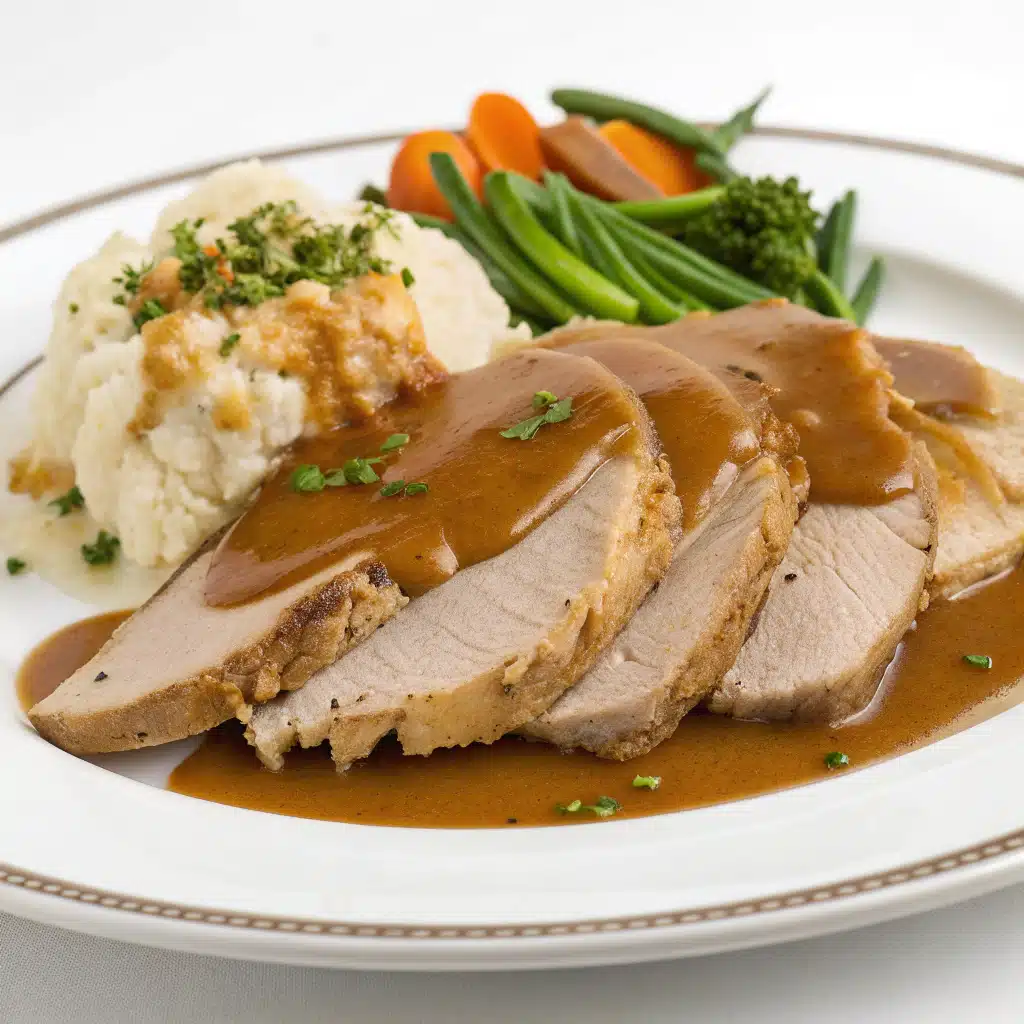
- Pour your gravy generously over slices of roasted turkey to keep the meat moist and add flavor. Create a small well in your mound of mashed potatoes to catch the rich gravy, allowing it to slowly incorporate into the potatoes. Stuffing or dressing becomes even more irresistible with a spoonful of classic turkey gravy, which helps to unite the flavors of your entire plate.
- Traditional accompaniments like green bean casserole, candied sweet potatoes, and cranberry sauce all benefit from the savory contrast that gravy provides. For a complete presentation, serve your gravy in a warmed gravy boat with a ladle, placed centrally on the table for easy access.
Beyond the Holiday Table
- Classic turkey gravy’s versatility extends well beyond the Thanksgiving feast. Use leftover gravy to transform ordinary meals into comfort food classics. Create a quick turkey pot pie by combining leftover turkey, vegetables, and gravy, topped with pastry or biscuits. Or make open-faced hot turkey sandwiches by layering turkey and gravy over toasted bread.
- For a hearty breakfast, pour warmed gravy over biscuits, adding crumbled turkey sausage for a twist on traditional biscuits and gravy. Leftover mashed potatoes can be formed into patties, fried until crisp, and topped with a poached egg and gravy for a restaurant-worthy brunch.
- Even plain rice or egg noodles become special when topped with rich turkey gravy and a few pieces of leftover turkey, creating a simple yet satisfying meal that makes the most of your holiday cooking efforts.
Presentation Ideas
Elevate your classic turkey gravy presentation for maximum impact at the holiday table. Consider serving gravy in an elegant gravy boat placed on a small plate with a sprig of fresh herbs for color. For a rustic presentation, serve in a small cast iron skillet or earthenware dish.
Create a gravy “flight” by offering your classic turkey gravy alongside one or two variations, such as a mushroom gravy and an herb-infused version, allowing guests to sample different flavors. Label each with small place cards for a special touch.
For plated service, drizzle the gravy artistically over and around the turkey rather than flooding the plate, using a squeeze bottle for precise control. Garnish with a light sprinkle of fresh herbs or a twist of cracked black pepper for visual interest.
Frequently Asked Questions About Classic Turkey Gravy
How do I make turkey gravy smooth and lump-free?
The key to smooth classic turkey gravy is proper technique. Always add cold liquid to hot roux or hot liquid to cold roux – never both hot or both cold. When incorporating broth into your roux, whisk continuously and add the liquid gradually. If lumps form, strain the gravy through a fine-mesh sieve or pulse briefly with an immersion blender. Keep your heat moderate – too high can cause the proteins to coagulate quickly, creating lumps.
What can I use if I don’t have enough pan drippings?
If your turkey didn’t produce enough drippings, you have several options. First, supplement with unsalted butter – use equal parts butter to replace the missing drippings. Alternatively, add a tablespoon of Better Than Bouillon turkey or chicken base to intensify the flavor. You can also deglaze your roasting pan with a splash of white wine to extract maximum flavor from the browned bits, then add additional store-bought turkey or chicken broth enhanced with poultry seasoning.
How do I thicken gravy without flour?
For gluten-free classic turkey gravy, cornstarch makes an excellent thickener. Mix 1 tablespoon cornstarch with 1 tablespoon cold water per cup of gravy to form a slurry, then whisk into simmering gravy until thickened. Arrowroot works similarly but gives a glossier finish. Another option is to purée some cooked vegetables (like potatoes or cauliflower) and stir them into the gravy. For a richer approach, reduce heavy cream by half and add to your gravy for both flavor and thickening power.
Can turkey gravy be made ahead of Thanksgiving?
Yes! You can make classic turkey gravy components or complete gravy ahead of time. For the best flavor, make the broth up to three days ahead and refrigerate. On Thanksgiving day, create the roux with fresh drippings and add your premade broth. If you need to make complete gravy ahead, substitute butter for drippings in your roux. This version can be refrigerated for up to three days or frozen for up to three months. Reheat gently, whisking constantly, and add a splash of fresh broth if needed to adjust consistency.
How do I fix gravy that tastes bland?
To rescue bland classic turkey gravy, focus on enhancing umami and adding brightness. Try adding a dash of soy sauce or Worcestershire sauce for depth. A teaspoon of Dijon mustard or a splash of lemon juice can brighten flavors without making the gravy tangy. For richness, whisk in a tablespoon of cold butter at the end. Consider adding more fresh herbs, a pinch of poultry seasoning, or even a small amount of reduced apple cider for sweetness. Remember to taste as you go and adjust gradually.
Should turkey gravy be strained before serving?
Straining is optional for classic turkey gravy, depending on your texture preference. For ultra-smooth, restaurant-style gravy, straining through a fine-mesh sieve removes any potential lumps or bits of herbs and giblets. However, many home cooks prefer the rustic texture that comes from leaving small pieces of giblets and herbs in the finished gravy. If you’ve added chopped giblets intentionally for texture and flavor, you’ll want to skip straining. The choice comes down to personal preference and the expectations of your dinner guests.
Conclusion: Mastering the Art of Classic Turkey Gravy
Why Perfect Gravy Matters
Classic turkey gravy is far more than just a sauce – it’s the element that unifies your entire Thanksgiving meal, carrying the essence of your carefully roasted turkey to every corner of the plate. “Learn more about turkey recipe perfect roast to create the ideal foundation for your homemade gravy.”
Mastering this fundamental culinary technique elevates your cooking reputation and creates a dining experience that guests remember long after the holiday ends. The rich, savory flavor of well-made gravy transforms even the simplest sides into something special, while rescuing any turkey that might be slightly overcooked or dry.
Each year as you refine your gravy-making skills, you’re not just preparing a meal but creating a tradition that can be passed down through generations. The aroma of simmering turkey broth and the ritual of carefully crafting the perfect gravy become cherished parts of your family’s holiday memories.
Building Your Culinary Confidence
The techniques you’ve learned for making classic turkey gravy extend far beyond the holiday table. The fundamental skills – creating a flavorful broth, making a proper roux, adjusting seasonings, and troubleshooting problems – form the foundation for countless other sauces and dishes.
Once you’ve mastered turkey gravy, you’ll find yourself more confident tackling other culinary challenges, from béchamel sauce to velouté, from cream soups to stews. The attention to detail and patience required for perfect gravy translates to many aspects of cooking.
Remember that even professional chefs occasionally encounter gravy challenges. What separates good cooks from great ones isn’t perfection on the first try but the knowledge and confidence to adapt, adjust, and overcome culinary obstacles. With each holiday season, your gravy will improve, becoming a signature dish that friends and family look forward to year after year.
PrintClassic Turkey Gravy
Rich, savory turkey gravy made from pan drippings and a flavorful homemade broth. Perfect for Thanksgiving and holiday meals.
- Prep Time: 15
- Cook Time: 2 hours 30 min
- Total Time: 2 hours 45 minutes
- Yield: 4 1x
- Category: Main Course
- Cuisine: American
Ingredients
For the broth:
- 2 tablespoons unsalted butter
- 1 medium onion or leek, or 2 shallots, sliced
- Neck and giblets from your turkey (discard the liver)
- 8 cups low-sodium chicken broth
- 3 sprigs thyme, parsley, rosemary and/or sage
- 1 bay leaf
For the gravy:
- Turkey drippings from your roasting pan
- 1/2 cup all-purpose flour
- Dash of Worcestershire sauce
- Kosher salt and freshly ground pepper
- 2 tablespoons cold Flavored Butter, recipe follows (optional)
Instructions
- Start the broth when your turkey goes in the oven: Melt butter in a large saucepan over medium-low heat. Add onion, turkey neck, and giblets; cook until browned, about 15 minutes.
- Add chicken broth, herbs, and bay leaf; cover and simmer while turkey roasts, about 2 hours. Strain and keep warm.
- After turkey is done, pour all pan drippings into a degreasing cup. Add 1/2 cup of prepared broth to the roasting pan and scrape up browned bits.
- Let fat rise to the top of the degreasing cup, then spoon off 1/2 cup fat and transfer to a saucepan over medium heat.
- Make a roux: Sprinkle flour into the pan and cook, stirring constantly, until the flour browns slightly, about 4 minutes.
- Gradually add hot broth to the roux, whisking constantly to prevent lumps. Bring to a boil, then reduce heat.
- Pour the dark roasting juices from the degreasing cup into the gravy, discarding remaining fat.
- If desired, add chopped giblets and shredded neck meat. Simmer until thickened, about 10 minutes.
- Add Worcestershire sauce, season with salt and pepper, and stir in flavored butter if desired.
Notes
Nutrition facts are estimates and may vary based on ingredients used, portion sizes, and preparation methods.
Nutrition
- Serving Size: 1
- Calories: 120 kcal
- Sugar: 1g
- Sodium: 340mg
- Fat: 8g
- Saturated Fat: 4g
- Carbohydrates: 8g
- Protein: 3g
- Cholesterol: 15mg
Keywords: Classic Turkey Gravy, Thanksgiving Gravy, Holiday Gravy, Homemade Gravy
Let’s connect! Follow me for more Joylicious Recipes: Facebook, Instagram, Pinterest