Authentic Hibachi Fried Rice Recipe: Restaurant-Quality at Home
What Makes Hibachi Fried Rice Recipe Special
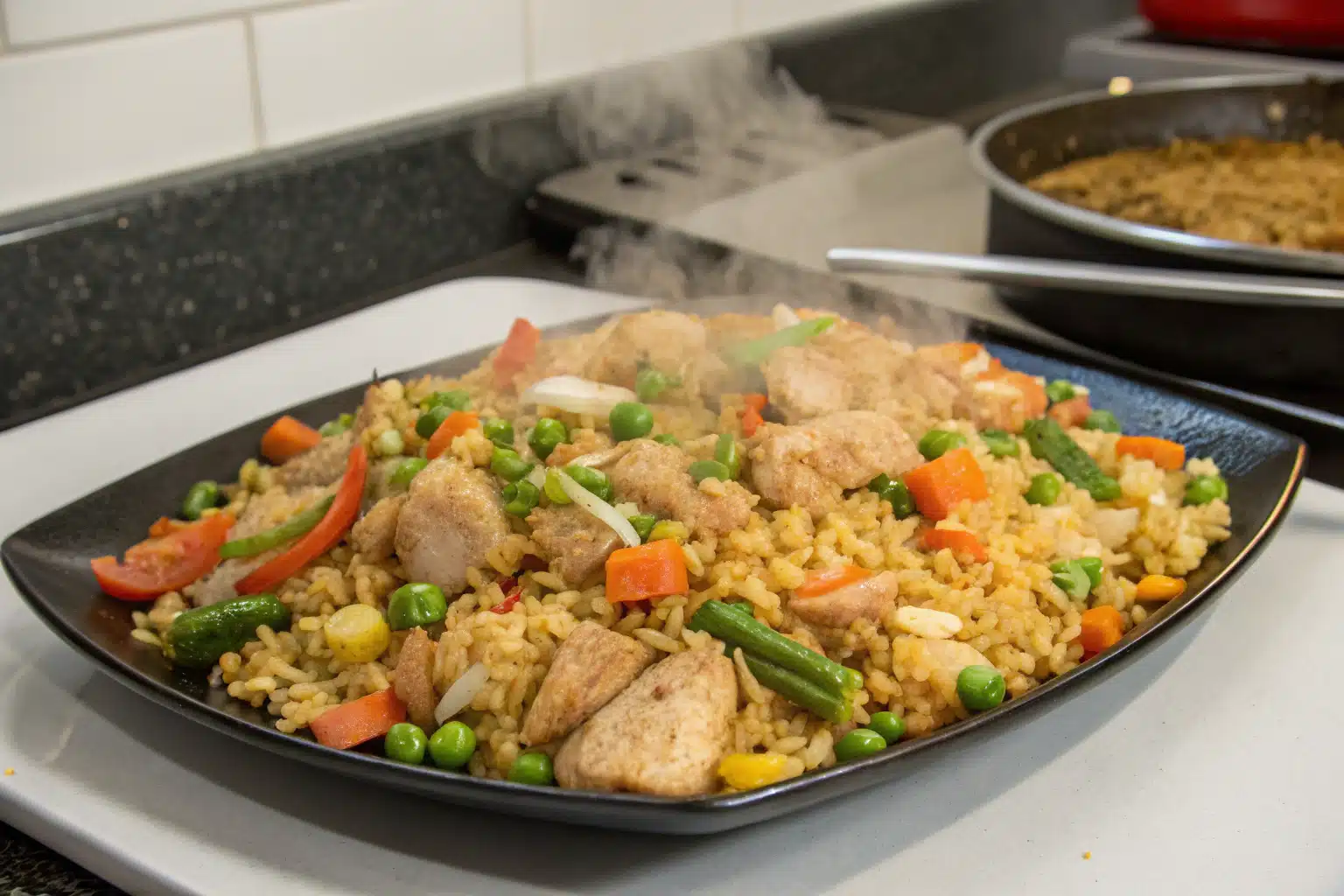
Hibachi fried rice recipe is the heart and soul of Japanese teppanyaki cuisine. This iconic dish combines simple ingredients with precise cooking techniques to create that unmistakable flavor you’ve come to love at hibachi restaurants. The magic of hibachi fried rice lies in its perfect balance of savory soy sauce, butter richness, and the smoky char that comes from high-heat cooking. Unlike ordinary fried rice, authentic hibachi rice features a distinctive buttery flavor and a special cooking method that creates perfectly separated grains with a subtle crunch.
The History Behind Hibachi Cooking
Traditional hibachi cooking dates back centuries in Japan, but the modern hibachi experience we know today evolved in post-World War II Japan. Originally, “hibachi” referred to a heating container with an open-top design used for warmth. However, the American perception of hibachi actually aligns more with “teppanyaki” – cooking on a flat iron griddle. Today, hibachi fried rice has become a beloved staple at Japanese steakhouses across America, where chefs put on theatrical cooking displays while preparing this delicious side dish.
“Learn more about traditional Japanese cooking techniques in our hibachi chicken recipe” that pairs perfectly with this rice.
Ingredients: Everything You Need for Perfect Hibachi Rice
Essential Hibachi Rice Components
| Ingredient | Amount | Notes |
|---|---|---|
| Vegetable oil | 2 tablespoons | High smoke point oil works best |
| Large eggs | 2, well beaten | Room temperature is ideal |
| Salted butter | 2 tablespoons | Use real butter, not margarine |
| Sweet onion | ½ cup, small diced | Vidalia or white onions work well |
| Garlic | 3 cloves, minced | Fresh garlic provides the best flavor |
| Cooked white rice | 2 cups | Long-grain, cooled leftover rice |
| Soy sauce | 2 tablespoons | Regular or low-sodium |
| Green onions | 2, thinly sliced (green parts only) | For garnish and flavor |
Rice Selection and Preparation Tips
The foundation of excellent hibachi fried rice starts with the right rice. Long-grain white rice is the gold standard for authentic hibachi style. The key is using day-old, refrigerated rice that has had time to dry out slightly. This prevents the rice from becoming mushy during the frying process. If you’re in a hurry, you can cook fresh rice, spread it on a baking sheet, and refrigerate it for at least 30 minutes to cool and dry the grains. Remember, the drier the rice, the better your final texture will be—those perfectly separated grains are what distinguish restaurant-quality hibachi rice from homemade versions.
Step-by-Step: Making Hibachi Fried Rice Recipe Like a Professional Chef
Preparing Your Workspace
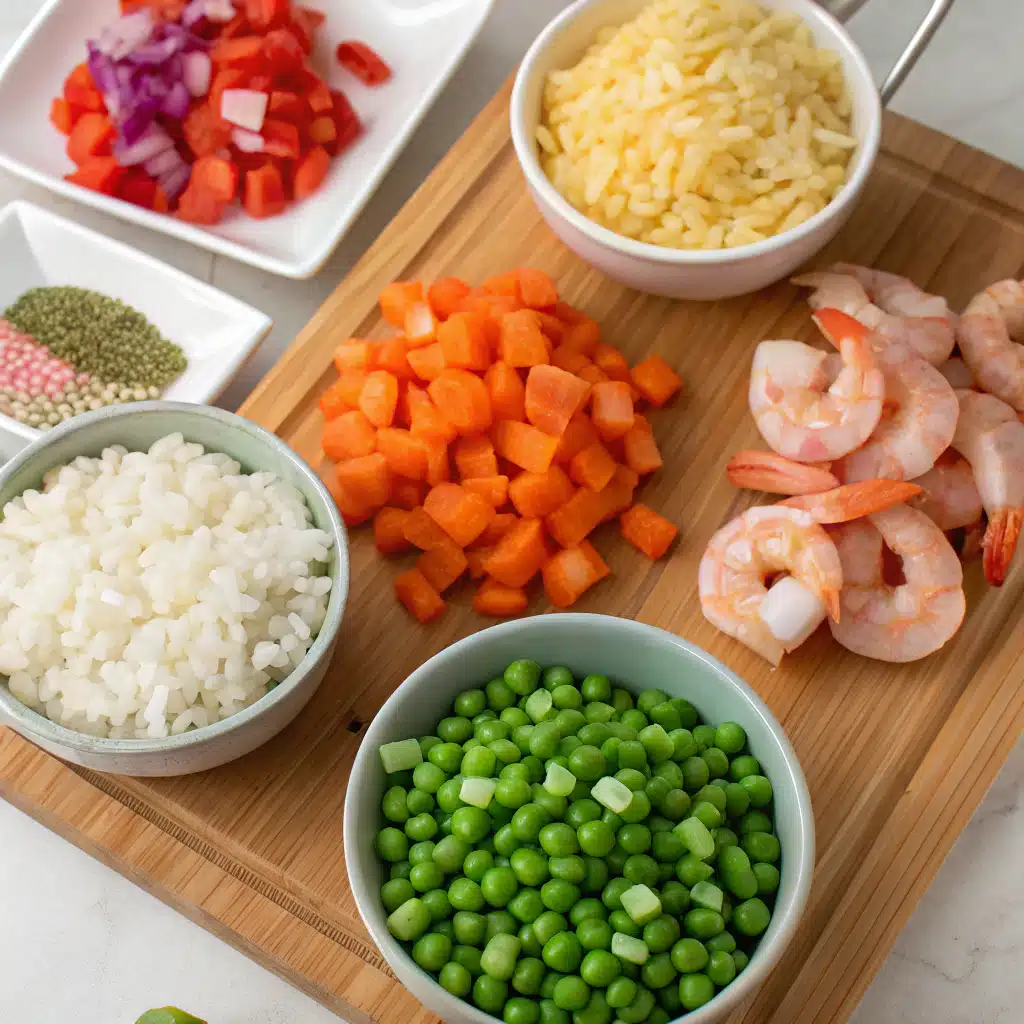
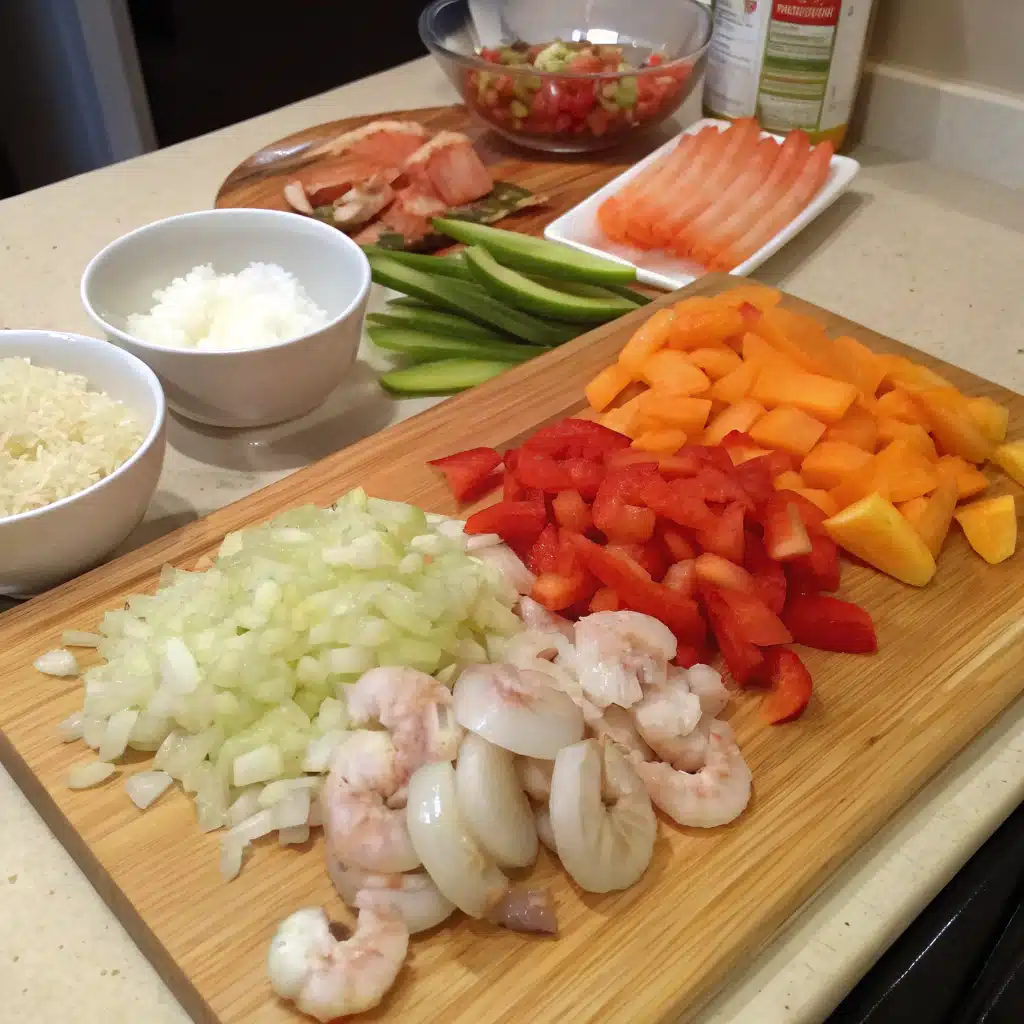
Before diving into the cooking process, set yourself up for success by organizing your workspace like a hibachi chef. Have all ingredients measured, chopped, and arranged within arm’s reach. This mise en place approach is crucial because hibachi fried rice cooks quickly, and you won’t have time to measure or chop once you begin. Additionally, choose the right cooking vessel—ideally a large wok, but a wide, heavy-bottomed skillet works well too. Ensure your cooking surface is extremely hot before adding any ingredients to achieve that authentic hibachi char and prevent sticking.
The Cooking Process
Heat your wok or large skillet over medium-high heat and add 2 tablespoons of vegetable oil until it’s shimmering but not smoking.
Pour in the well-beaten eggs and stir quickly for 30 seconds to 1 minute until they’re just barely set but still slightly wet. Transfer the eggs back to their bowl and set aside.
Add the salted butter to the same pan and once melted, add the diced sweet onions. Cook for 3-5 minutes, stirring occasionally, until the onions become translucent.
Add the minced garlic to the onions and cook for just 30 seconds until fragrant, being careful not to burn it.
Increase the heat to high and add the cooked, cooled rice to the skillet. Break up any clumps and stir vigorously to coat the rice with the butter mixture. Cook for 3-5 minutes until the rice is heated through and starting to get a slight crisp.
Add the partially cooked eggs back to the pan along with the soy sauce. Stir continuously to break the eggs into smaller pieces and distribute the soy sauce evenly. Cook for an additional 2 minutes.
Remove from heat and stir in the sliced green onions, reserving some for garnish if desired.
Achieving the Perfect Hibachi Sear
The distinctive flavor of hibachi fried rice comes from what chefs call “wok hei” or “breath of the wok”—that smoky, charred essence that develops with extremely high heat cooking. To achieve this at home, ensure your pan is properly heated before adding ingredients, and don’t overcrowd the pan. Cook in batches if necessary.
“Looking for inspiration? Try our chicken and rice recipes for more Asian-inspired meals that complement this hibachi rice perfectly.”
Allow the rice to sit undisturbed for 30-second intervals to develop those crispy bits before stirring. This technique creates the textural contrast that makes hibachi fried rice so satisfying—soft, tender rice with occasional crunchy edges.
Tips: Secrets to Authentic Hibachi Fried Rice Recipe Success
Chef-Approved Techniques
Professional hibachi chefs have perfected their craft through years of practice, but you can adopt their key techniques at home. First, use a metal spatula or wok shovel to keep the ingredients moving quickly. The characteristic chopping and folding motion incorporates air while preventing burning. Second, many hibachi restaurants use a combination of oils—typically vegetable oil for its high smoke point and sesame oil for flavor. Add a few drops of toasted sesame oil at the end for an authentic flavor boost. Finally, hibachi chefs often use a squeeze bottle of chicken stock to add moisture and flavor when needed—keep a small amount nearby to rescue rice that becomes too dry.
Common Mistakes to Avoid
Even experienced home cooks make errors when attempting hibachi fried rice. The most frequent mistake is using freshly cooked, warm rice, which turns mushy when stir-fried. Always use cold, day-old rice for the best texture. Another pitfall is overcrowding the pan, which lowers the temperature and causes steaming instead of frying. Cook in batches if needed to maintain high heat. Finally, avoid excessive stirring—allow the rice to develop a slight crust by letting it sit undisturbed occasionally. This creates the signature texture variations that make hibachi rice so delicious.
Ingredient Substitutions and Enhancements
While traditional hibachi fried rice is relatively simple, you can customize it to suit your taste. For a healthier version, substitute brown rice for white (though expect a different texture). Coconut aminos can replace soy sauce for a gluten-free option with a slightly sweeter profile. To add protein, consider adding diced chicken, shrimp, or tofu. For a vegetable boost, peas, carrots, and corn make excellent additions. Feeling adventurous? Add a dash of white pepper, a teaspoon of oyster sauce, or a splash of mirin (Japanese rice wine) for more complex flavors.
Storage: Keeping Your Hibachi Fried Rice Recipe Fresh and Delicious
Proper Cooling and Refrigeration
After enjoying your freshly made hibachi fried rice, proper storage is essential for maintaining food safety and quality. Allow leftover rice to cool completely before refrigerating, but don’t leave it at room temperature for more than two hours. For fastest cooling, spread the rice in a thin layer on a baking sheet. Once cooled, transfer to an airtight container and refrigerate promptly. Properly stored hibachi fried rice will keep for 3-4 days in the refrigerator.
“Discover great ideas like our chicken fried rice variations that use similar techniques but with exciting flavor twists.”
Freezing Guidelines
Hibachi fried rice freezes surprisingly well, making it perfect for meal prep. Portion the cooled rice into individual servings, then place in freezer-safe containers or heavy-duty freezer bags. Remove as much air as possible before sealing to prevent freezer burn. Label with the date and contents—frozen hibachi fried rice maintains best quality for up to three months. For longer storage, consider vacuum sealing, which can extend freezer life to six months while preserving flavor and texture.
Reheating Methods for Optimal Flavor
Reviving leftover hibachi fried rice requires specific techniques to restore its original texture and prevent mushiness. The best method is stovetop reheating—heat a tablespoon of oil in a skillet over medium-high heat, add the cold rice, and stir-fry until heated through (about 3-4 minutes). For microwave reheating, sprinkle a few drops of water over the rice, cover loosely, and heat in 30-second intervals, stirring between each until hot. For frozen rice, thaw overnight in the refrigerator before reheating. A final drizzle of soy sauce and fresh green onions can refresh the flavor of reheated hibachi rice.
Variations: Creative Twists on the Classic Hibachi Fried Rice Recipe
Protein Additions for a Complete Meal
Transform your hibachi fried rice from side dish to main course by incorporating protein. For hibachi chicken fried rice, add thinly sliced chicken breast marinated in soy sauce, garlic, and ginger. Steak lovers can incorporate thinly sliced ribeye or sirloin for an indulgent hibachi steak fried rice. Seafood enthusiasts might prefer adding shrimp, scallops, or even chunks of salmon for a pescatarian version. For vegetarians, cubed firm tofu provides protein without changing the dish’s character.
“Don’t miss our creamy garlic herb chicken recipe that pairs wonderfully with this hibachi rice for a complete meal.”
Vegetable Variations
While traditional hibachi fried rice is relatively simple, incorporating vegetables adds nutrition, color, and flavor. Consider adding finely diced carrots, peas, corn kernels, or bell peppers for a vegetable-forward version. For an authentic Japanese twist, incorporate finely shredded cabbage or bean sprouts during the final minutes of cooking. Mushrooms—particularly shiitake or oyster varieties—add umami depth. For spice lovers, diced jalapeños or a dash of sriracha sauce provides a heat kick that complements the savory profile of hibachi rice.
Regional and Fusion Adaptations
Around the world, chefs have put their spin on hibachi fried rice, creating delicious fusion variations. Thai-inspired hibachi rice might incorporate fish sauce, lime juice, and basil. A Korean twist could include gochujang (fermented chili paste) and kimchi. For a Chinese-influenced version, add five-spice powder and Chinese sausage. Mexican-Japanese fusion could feature cilantro, lime, and a touch of cumin. These adaptations maintain the cooking technique while incorporating flavors from different culinary traditions, proving the versatility of this beloved dish.
Serving: Presentation and Pairing Suggestions
Plating Like a Professional
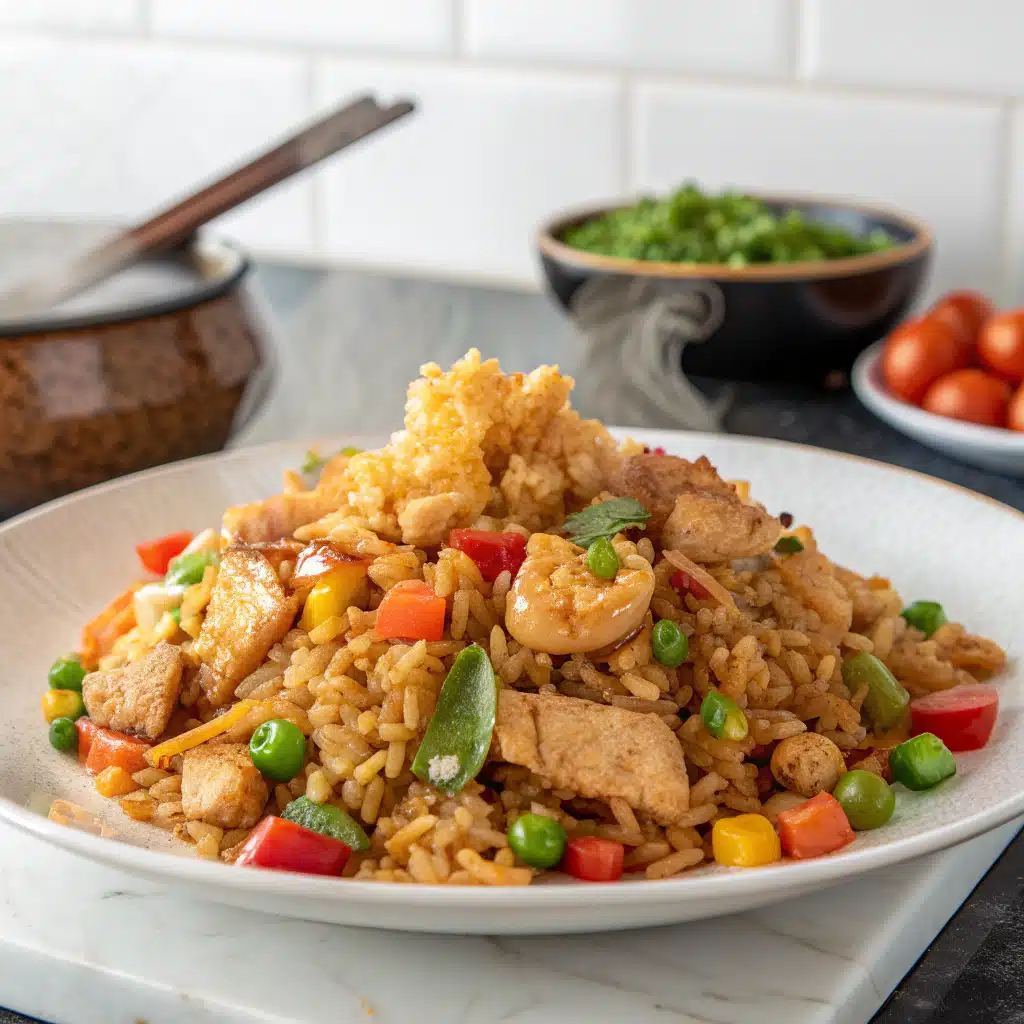
The visual appeal of hibachi fried rice contributes significantly to the dining experience. For restaurant-style presentation, use a small bowl as a mold—pack the rice firmly, then invert onto the plate for a perfect dome shape. Alternatively, use a ring mold for a more structured presentation. Garnish with additional sliced green onions, toasted sesame seeds, or thin strips of nori (seaweed) for an authentic touch. Consider serving in a hot cast-iron dish for dramatic effect, or inside a hollowed pineapple half for a tiki-inspired presentation that’s sure to impress guests.
Complementary Side Dishes
While hibachi fried rice is often served as a side dish itself, it can become the star of the meal with the right accompaniments. Traditional pairings include hibachi vegetables—typically zucchini, onions, and mushrooms quickly sautéed with butter and soy sauce. Miso soup provides a light, umami-rich starter, while a simple cucumber salad with rice vinegar dressing offers refreshing contrast. For protein, consider serving alongside teriyaki chicken, hibachi shrimp, or yakiniku (Japanese grilled meat). Don’t forget the classic hibachi steakhouse dipping sauces—ginger sauce and yum yum sauce—to complete the experience.
Beverage Pairings
The right beverage can elevate your hibachi fried rice experience. Traditional Japanese options include green tea, which cleanses the palate between bites, or Asahi or Sapporo beer, whose crispness complements the savory rice. For wine lovers, a dry Riesling or Gewürztraminer works well with the soy and butter flavors. Sake, particularly junmai or ginjo varieties served slightly chilled, provides an authentic pairing. Non-alcoholic options might include iced oolong tea, sparkling water with yuzu, or a refreshing cucumber-mint infused water to balance the richness of the dish.
“Want more ideas? Check out our garlic butter chicken recipe that uses similar flavor principles to hibachi cooking.”
FAQs: Answering Your Hibachi Fried Rice Recipe Questions
What do hibachi chefs squirt on the rice?
They often use soy sauce mixed with chicken stock, sometimes enhanced with sake or mirin. These liquids keep the rice moist, add umami, and prevent it from drying out on the hot grill.
Do hibachi chefs use butter or oil?
Both are used. Oil with a high smoke point, like canola, prevents sticking, while butter adds the rich flavor that makes hibachi rice distinctive.
What is hibachi style fried rice?
It’s Japanese-inspired rice cooked on a teppanyaki grill. Key ingredients include rice, eggs, soy sauce, butter, and vegetables. The high heat creates savory, slightly crispy grains.
Do you pre-cook rice for hibachi?
Yes. Cooled, day-old rice works best because the grains are firm and separate easily. Freshly cooked rice would turn mushy on the grill.
Is hibachi fried rice healthy?
It can be, depending on preparation. Though butter and oil add calories, the dish provides energy from carbs and nutrients from vegetables or lean proteins. Using less butter, brown rice, and extra veggies makes it lighter.
What is the secret to crispy fried rice?
The key is cold, day-old rice, high heat, and minimal stirring to let the grains crisp. Using enough oil, avoiding crowding the pan, and breaking up clumps before cooking also enhance texture.
Conclusion: Mastering Your Hibachi Skills at Home
From Novice to Hibachi Expert
With practice, you can master hibachi fried rice in your own kitchen. Start with the basic recipe, focusing on technique—particularly the high heat and quick movements essential to authentic hibachi cooking. As you gain confidence, experiment with ingredients and flavors to develop your signature version. Remember that even professional hibachi chefs developed their skills over time, so be patient with yourself. Pay attention to how the rice responds to different cooking temperatures and times, and you’ll soon develop an intuitive understanding of when to stir and when to let the rice sit for optimal texture. “Here’s your guide to instant pot chicken and rice for nights when you want hibachi flavors with less effort.”
Creating Your Own Hibachi Experience
Beyond just the food, part of the hibachi charm is the theatrical experience. Create your own hibachi night at home by cooking in front of your guests, incorporating simple tricks like the onion volcano (stacked onion rings set briefly aflame) or the beating heart (an onion cut to pulse like a heart when squeezed). Invest in quality cooking tools like metal spatulas and squeeze bottles for authentic technique. Set the mood with Japanese-inspired table settings, music, and perhaps even sake service. By embracing both the culinary and entertainment aspects of hibachi, you’ll create memorable dining experiences that rival restaurant visits—all from the comfort of your home.
PrintHibachi Fried Rice Recipe

Authentic Japanese steakhouse-style fried rice with the perfect balance of butter, soy sauce, and garlic, just like your favorite hibachi restaurant!
- Prep Time: 5 minutes
- Cook Time: 15 minutes
- Total Time: 20 minutes
- Yield: 4 1x
- Category: Lunch
- Cuisine: Japanese
Ingredients
- 2 Tablespoons vegetable oil
- 2 large eggs, well beaten
- 2 Tablespoons salted butter
- ½ cup small diced sweet onion
- 3 cloves garlic, minced
- 2 cups cooked and cooled leftover long-grain white rice
- 2 Tablespoons soy sauce
- 2 green onions (green part only), thinly sliced
Instructions
- Heat vegetable oil in a wok or large skillet over medium-high heat.
- Add beaten eggs and cook for 30-60 seconds until barely set. Remove to a bowl.
- Add butter and diced onion to the pan, cooking 3-5 minutes until translucent.
- Add minced garlic and cook for 30 seconds until fragrant.
- Add rice to the skillet, stir to combine with butter mixture, and cook 3-5 minutes until heated through.
- Return eggs to the pan with soy sauce, breaking eggs into smaller pieces while stirring.
- Cook for 2 more minutes, then stir in sliced green onions before serving.
Notes
For authentic hibachi flavor, use day-old rice that has been refrigerated. This prevents mushiness and creates the perfect texture.
Nutrition facts are estimates and may vary based on ingredients used, portion sizes, and preparation methods.
Nutrition
- Serving Size: 4
- Calories: 268
- Sugar: 1g
- Sodium: 610mg
- Fat: 14g
- Saturated Fat: 5g
- Trans Fat: 0g
- Carbohydrates: 29g
- Fiber: 1g
- Protein: 5g
- Cholesterol: 97mg
Keywords: hibachi rice, Japanese fried rice, teppanyaki rice, restaurant-style fried rice
Let’s connect! Follow me for more Joylicious Recipes: Facebook, Instagram, Pinterest