Sunshine in Every Bite: Lemon Cake Coconut Frosting Delight
The Perfect Tropical Fusion Dessert
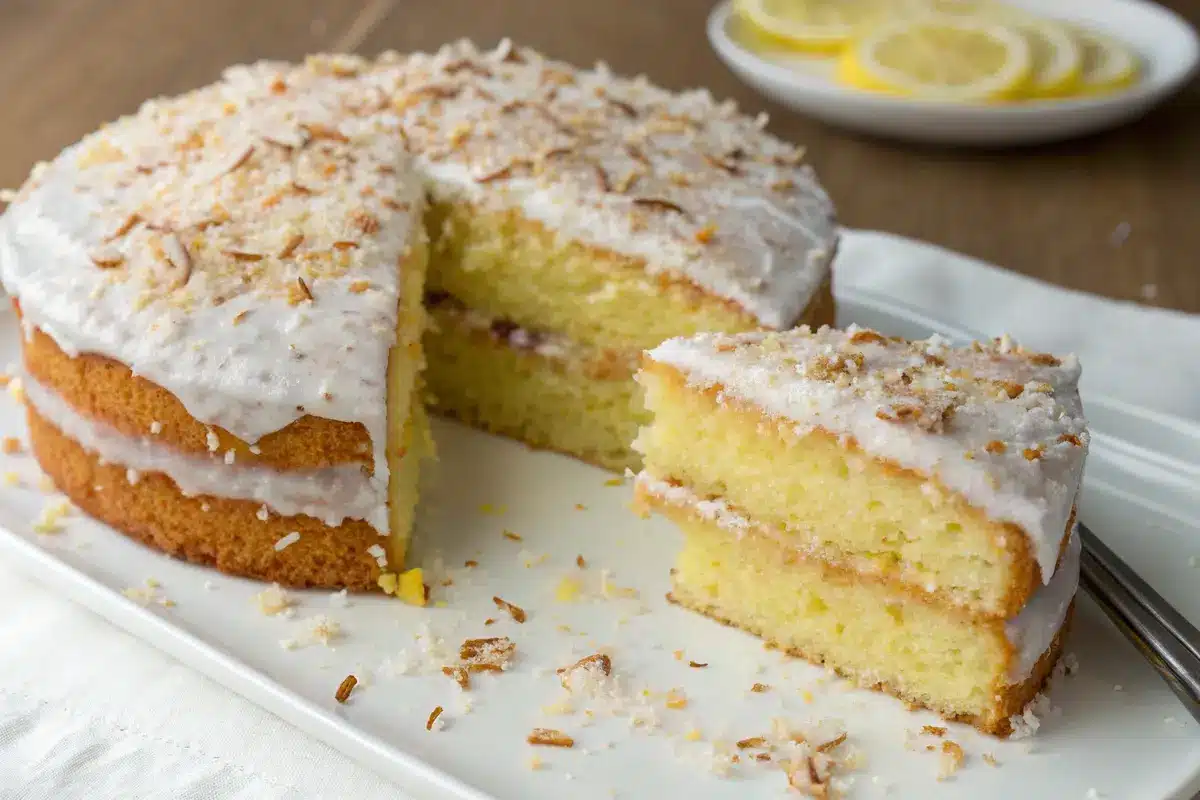
Lemon cake coconut frosting combines two of the most refreshing flavors in the dessert world into one irresistible treat. This vibrant cake delivers a perfect balance of tangy citrus and sweet tropical coconut that creates a truly memorable dessert experience. The light, fluffy cake base bursts with zesty lemon flavor while the creamy coconut frosting adds a luxurious finish that will transport you straight to a beachside paradise. “The lemon poppy seed cake technique offers similar staged-cooking approaches to prevent burning while developing maximum flavor.”
This sunshine-inspired dessert is perfect for spring gatherings, summer celebrations, or whenever you need a bright pick-me-up dessert. Serve it at brunch with friends, as the finale to a family dinner, or as the star of your next birthday celebration. The combination of flavors is sophisticated enough for special occasions yet approachable enough for everyday enjoyment.
Gather Your Tropical Ingredients: What You’ll Need
Essential Components for Perfection
For a truly spectacular lemon cake with coconut frosting, quality ingredients make all the difference. The bright citrus notes of fresh lemons paired with the tropical essence of coconut create a dessert that balances sweet and tangy flavors beautifully. Let’s explore the key components that make this recipe shine.
| For the Lemon Cake | Quantity |
|---|---|
| All-purpose flour | 2 cups |
| Granulated sugar | 1 cup |
| Unsalted butter, softened | 1/2 cup |
| Large eggs | 3 |
| Milk | 1/2 cup |
| Lemon zest | 2 tbsp |
| Fresh lemon juice | 3 tbsp |
| Baking powder | 1 tsp |
| Baking soda | 1/2 tsp |
| Salt | 1/4 tsp |
| Pure vanilla extract | 1 tsp |
| For the Coconut Frosting | Quantity |
|---|---|
| Shredded coconut | 1 cup |
| Coconut cream | 1/2 cup |
| Powdered sugar | 1/4 cup |
| Cream cheese, softened | 8 oz |
| Butter, softened | 1/4 cup |
| Vanilla extract | 1/2 tsp |
| Salt | Pinch |
| Optional Enhancements | Quantity |
|---|---|
| Toasted coconut flakes (for garnish) | 1/4 cup |
| Lemon slices (for decoration) | 2-3 slices |
| Coconut extract | 1/4 tsp |
| Cream of tartar (for extra stability) | 1/4 tsp |
| Yellow food coloring (for enhanced color) | 1-2 drops |
“The lemon blueberry bread has a similar tangy-sweet balance that makes this coconut frosting recipe particularly complementary.”
Creating Your Citrus Paradise: Step-by-Step Directions
Mastering the Perfect Lemon Cake Base
Follow these detailed instructions to create a lemon cake with coconut frosting that’s bursting with flavor and perfectly balanced between tangy and sweet. Each step is designed to help you achieve the ideal texture and maximum flavor infusion.
- Prepare your equipment and workspace: Preheat your oven to 350°F (175°C). Thoroughly grease a 9-inch round cake pan, then line the bottom with parchment paper for easy removal. Lightly dust the sides with flour to prevent sticking.
- Mix the dry ingredients: In a medium bowl, whisk together the all-purpose flour, baking powder, baking soda, and salt until well combined and aerated. This helps distribute the leavening agents evenly throughout the cake batter.
- Cream the butter and sugar: In a large bowl, using an electric mixer on medium-high speed, cream the softened butter and granulated sugar together for 3-4 minutes until light, fluffy, and pale yellow. The mixture should look almost whipped, with the sugar crystals mostly dissolved.
- Add the eggs: Add eggs one at a time, beating for 30 seconds after each addition. Scrape down the sides of the bowl with a spatula between each egg to ensure everything is incorporating evenly. The mixture should look smooth and glossy.
- Incorporate the flavorings: Mix in the lemon zest, fresh lemon juice, and vanilla extract until fully combined. The batter might look slightly curdled at this point due to the acidity of the lemon juice – this is normal and will smooth out when you add the dry ingredients.
- Combine wet and dry ingredients: Add one-third of the dry ingredients to the butter mixture and mix on low speed until just combined. Pour in half the milk, mix, then continue alternating dry ingredients and milk, ending with dry ingredients (three additions of dry, two of milk). Mix until just combined – overbeating will develop gluten and make your cake tough.
- Bake the cake: Pour the smooth batter into your prepared cake pan, gently tapping it on the counter to release any air bubbles. Bake in the preheated oven for 25-30 minutes, or until a toothpick inserted into the center comes out clean or with a few moist crumbs. The cake should be golden on top and will spring back when lightly touched.
- Cool properly: Allow the cake to cool in the pan for 10-15 minutes, then carefully invert onto a wire rack to cool completely. The cake must be completely cool before frosting to prevent the coconut frosting from melting.
- Prepare the coconut frosting: While the cake is cooling, toast 1/4 cup of the shredded coconut in a dry skillet over medium-low heat, stirring frequently until golden brown (3-5 minutes). Set aside to cool. In a large bowl, beat the softened cream cheese and butter until smooth and fluffy (about 2 minutes).
- Complete the frosting: Add the coconut cream, powdered sugar, vanilla extract, and a pinch of salt to the cream cheese mixture. Beat on medium speed until smooth and well combined. Fold in the remaining untoasted shredded coconut, reserving some of the toasted coconut for decoration.
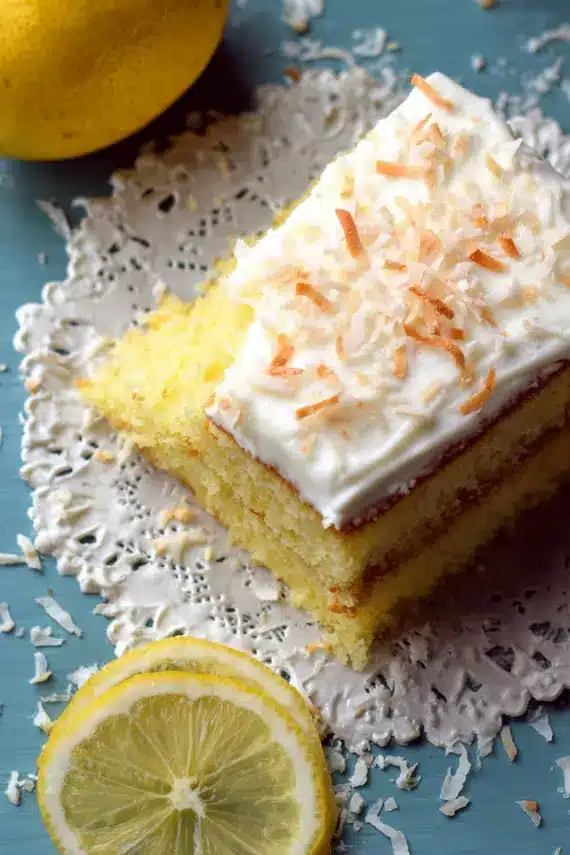
- Frost and decorate: Once the cake is completely cool, spread the coconut frosting generously over the top and sides using an offset spatula. Create decorative swirls if desired. Sprinkle the toasted coconut around the edges or over the entire top for a beautiful presentation and added texture.
- Final touch: For an extra professional look, garnish with thin lemon slices or additional lemon zest curls. Allow the frosted cake to set in the refrigerator for 30 minutes before serving for cleaner slices.
“For a delightful twist on this recipe, try applying this coconut frosting to lemon cupcakes for adorable single-serving desserts that are perfect for parties.”

Expert Baking Insights: Pro Tips for Success
Elevate Your Lemon Cake Coconut Frosting
Take your lemon cake coconut frosting to the next level with these professional tips that ensure perfect texture, flavor, and presentation every time:
- Room temperature ingredients matter – For the fluffiest, most tender cake texture, make sure your butter, eggs, and milk are all at room temperature before mixing. Cold ingredients don’t incorporate properly and can lead to a dense cake.
- Zest before juicing – Always zest your lemons before juicing them. It’s nearly impossible to zest a lemon after it’s been juiced, and the zest contains essential oils that provide intense lemon flavor.
- Don’t overmix the batter – Once you add the flour, mix just until combined. Overmixing activates the gluten in the flour and results in a tough, rubbery cake rather than a tender, moist one.
- Enhance the coconut flavor – For an even more pronounced coconut flavor in the frosting, substitute coconut milk for regular milk in the cake batter and add 1/4 teaspoon of coconut extract to the frosting mixture.
- Perfect your frosting consistency – If your coconut frosting is too runny, chill it for 20 minutes before applying. If it’s too thick, add a few drops of coconut cream until you reach your desired consistency.
- Create a crumb coat – For a professional-looking cake, apply a thin layer of frosting first (called a crumb coat), refrigerate for 15 minutes, then apply the final layer. This prevents crumbs from showing through your finished frosting.
- Adjust sweetness to taste – Taste your frosting before applying it to the cake. If you prefer a sweeter frosting, gradually add more powdered sugar, 1 tablespoon at a time. If you prefer less sweetness, add a tiny squeeze of lemon juice to balance the flavors.
“If you’re looking to expand your frosting repertoire, this chocolate frosting recipe uses similar techniques but creates a completely different flavor profile that’s equally delicious.”
Keeping Your Citrus Creation Fresh: Storage Solutions
Maintaining Optimal Flavor and Texture
Proper storage is crucial for maintaining the freshness and quality of your lemon cake with coconut frosting. Following these guidelines will help preserve the delicate flavors and textures of this tropical dessert.
For short-term storage (1-3 days), your lemon cake with coconut frosting can be kept at room temperature in an airtight container or cake dome. This works well if you plan to serve the cake within a day or two and your home isn’t too warm. Make sure the container is completely sealed to prevent the cake from drying out.
For longer storage (3-5 days), refrigeration is your best option. Place the frosted cake in an airtight container or cover it loosely with plastic wrap, ensuring the wrap doesn’t touch the frosting. The refrigerator helps maintain the integrity of the cream cheese-based coconut frosting, preventing it from becoming too soft or spoiling.
If you need to store unfrosted cake layers, wrap them tightly in plastic wrap, then aluminum foil. Unfrosted cake layers can be refrigerated for up to one week or frozen for up to three months. When ready to use, thaw completely at room temperature before unwrapping to prevent condensation from making the cake soggy.
For freezing a fully frosted cake (up to 1 month), place the cake uncovered in the freezer until the frosting hardens (about 1-2 hours). Then wrap it carefully in plastic wrap followed by aluminum foil. To thaw, remove the foil but keep the plastic wrap on, and let it defrost overnight in the refrigerator.
For the best flavor experience, always bring refrigerated cake to room temperature before serving (about 30-60 minutes on the counter). The flavors and textures of both the lemon cake and coconut frosting are most vibrant when not cold from the refrigerator.
If you notice your cake beginning to dry out after a few days, you can revive it by brushing a simple syrup (equal parts sugar and water, heated until the sugar dissolves) over the cake layers before reapplying frosting.
“The lemon cream cheese dump cake uses similar storage techniques to maintain its moisture and flavors, though the texture differs from this layered lemon cake.”
Flavorful Twists on a Classic: Creative Variations
Reinventing Your Lemon Coconut Creation
Explore these creative variations of the lemon cake coconut frosting recipe to suit different preferences and occasions. Each adaptation maintains the core essence of the original while introducing exciting new flavor dimensions.
Lemon Berry Coconut Cake
Transform your lemon coconut cake into a fruity delight by folding 1 cup of fresh blueberries or raspberries into the cake batter just before baking. The berries will burst during baking, creating pockets of juicy sweetness that beautifully complement the tangy lemon and creamy coconut. For an extra touch, garnish the frosted cake with additional fresh berries and a light dusting of powdered sugar.
Coconut Lime Variation
Swap the lemon zest and juice for lime to create an equally refreshing but distinctly different tropical flavor profile. The sharper, more intense citrus notes of lime pair beautifully with coconut, reminiscent of key lime pie with a tropical twist. Add a tablespoon of finely chopped candied ginger to the batter for an unexpected burst of warmth that enhances both the lime and coconut flavors.
Lemon Lavender Coconut Cake
For a sophisticated floral variation, add 1-2 teaspoons of culinary-grade dried lavender to the sugar and rub it together before creaming with butter. The subtle floral notes of lavender beautifully enhance the lemon and create a delicate, aromatic dessert perfect for spring gatherings or garden parties. A light sprinkle of dried lavender buds on top of the coconut frosting creates a visually stunning presentation.
Coconut Lemon Curd Layer Cake
Create a more complex dessert by splitting the cooled cake horizontally into two layers. Spread homemade or store-bought lemon curd between the layers before frosting the outside with coconut frosting. This creates a beautiful surprise of intense lemon flavor in the center that balances wonderfully with the coconut exterior, making each bite an adventure in contrasting yet complementary flavors.
Toasted Coconut Caramel Version
Enhance the coconut elements by thoroughly toasting all the coconut before adding it to the frosting, which brings out nuttier, deeper flavor notes. Drizzle the frosted cake with 3-4 tablespoons of caramel sauce in a decorative pattern. The buttery caramel adds a rich dimension that transforms this bright, tropical cake into a more decadent, dessert-forward experience suitable for special occasions or holiday tables.
Gluten-Free Lemon Coconut Cake
Make this delightful dessert accessible to those with gluten sensitivities by substituting the all-purpose flour with a high-quality gluten-free flour blend (preferably one that contains xanthan gum). Add an extra egg to the batter to help with binding and structure. The result is a tender, moist cake that’s virtually indistinguishable from the original version but safe for those avoiding gluten.
Presenting Your Zesty Masterpiece: Serving Suggestions
Elevating the Lemon Cake Experience
Transform your lemon cake coconut frosting creation into a memorable dessert experience with these thoughtful serving ideas that complement its bright flavors and creamy texture.
For casual family gatherings, serve generous slices of lemon cake coconut frosting on colorful dessert plates with a dusting of additional toasted coconut. Add a small dollop of lightly sweetened whipped cream on the side to enhance the cake’s moistness and provide a neutral counterpoint to the tangy lemon. This simple yet elegant presentation makes weeknight desserts feel special without requiring elaborate preparation.
When hosting a brunch or afternoon tea, cut the cake into smaller, finger-sized rectangles and arrange them on a tiered serving platter interspersed with fresh berries and mint sprigs. This presentation style allows guests to enjoy a taste without committing to a full slice, perfect for daytime gatherings where lighter portions are appreciated. Serve alongside hot or iced tea with lemon slices for a complementary beverage pairing.
For summer celebrations, transform this dessert into a tropical trifle by cubing the cake and layering it in clear glasses with coconut pudding, fresh mango chunks, and whipped cream. Top with toasted coconut flakes and a mint sprig for an impressive individual dessert that showcases the flavors in a new format. The vibrant yellow and white layers create a sunshine-inspired visual that’s perfect for pool parties or beach-themed gatherings.
During holiday seasons, elevate the presentation by serving the cake on a bed of edible flowers such as pansies or violets. Add a light dusting of powdered sugar “snow” and surround the cake stand with fresh citrus fruits for a centerpiece that doubles as dessert. For winter holidays, incorporating sugared cranberries as a garnish adds a festive touch that balances the sweet-tart profile.
For dinner parties, consider portioning individual servings onto plates before guests arrive. Create an elegant dessert plate by adding a small scoop of lemon sorbet, a drizzle of raspberry coulis (for color contrast), and a delicate lemon zest curl. This restaurant-style plating elevates the humble cake to an impressive finale for your dining experience.
When serving children, consider dividing the batter among cupcake liners instead of a single cake. Once frosted, decorate each mini cake with coconut “snow” and small tropical-themed candy decorations for an interactive dessert that appeals to younger palates while still delivering sophisticated flavor.
Common Questions Answered: Lemon Cake Coconut Frosting FAQ
Troubleshooting and Expert Advice
Can I make this lemon cake with coconut frosting ahead of time?
Absolutely! This cake actually benefits from being made a day in advance, as it allows the flavors to meld and intensify. You can bake the cake layers up to 2 days ahead and store them tightly wrapped at room temperature. The coconut frosting can be made 1 day ahead and stored in the refrigerator (bring to room temperature and re-whip briefly before using). For best results, assemble and frost the cake within 24 hours of serving.
My coconut frosting seems too runny. How can I fix it?
Runny coconut frosting is usually caused by using coconut cream that’s too warm or cream cheese that hasn’t been chilled properly. To thicken your frosting, refrigerate it for 20-30 minutes, then beat again until fluffy. If it’s still too soft, gradually add more powdered sugar, 1 tablespoon at a time, until you reach your desired consistency. Be careful not to add too much, as excessive sugar can make the frosting overly sweet.
Can I use bottled lemon juice instead of fresh for this recipe?
While bottled lemon juice can work in a pinch, fresh lemon juice makes a significant difference in this recipe. Fresh juice provides brighter, more vibrant flavor and contains aromatic compounds that bottled versions lack. Additionally, the recipe calls for lemon zest, which contains essential oils that are crucial to the authentic lemon flavor. If using bottled juice is your only option, add an extra teaspoon of lemon zest to compensate for the lost flavor complexity.
Final Zesty Thoughts: Bringing Sunshine to Your Table
Why This Tropical Fusion Deserves a Regular Spot in Your Recipe Collection
The lemon cake coconut frosting recipe represents the perfect marriage of bright citrus and tropical creaminess, creating a dessert that’s greater than the sum of its parts. The vibrant lemon cake provides a tangy, moist foundation while the luxurious coconut frosting adds a creamy sweetness that transports you to island paradise with each bite. Together, they create a dessert experience that’s refreshing yet indulgent, familiar yet unexpected.
What makes this recipe particularly special is its versatility throughout the seasons. In winter, it brings a welcome burst of sunshine to gray days. In summer, it captures the essence of the season with its bright, refreshing profile. The tropical notes make it fitting for celebrations year-round, while its elegant simplicity allows it to shine at both casual gatherings and formal occasions.
Don’t hesitate to make this recipe your own by experimenting with the variations suggested or creating your unique twist. The fundamental combination of lemon and coconut provides a reliable foundation for creativity, allowing you to adjust flavors to suit your personal preferences or the occasion at hand.
“The lemon shortbread cookies would make an excellent companion to this cake for a themed dessert buffet that celebrates citrus in various forms.”
Remember that baking is both science and art – follow the core techniques for structure and stability, but feel free to play with flavors and presentation. Your lemon cake coconut frosting creation is sure to bring smiles to those lucky enough to enjoy it, offering a little slice of tropical bliss regardless of where or when it’s served.
PrintLemon Cake with Coconut Frosting

- A bright, zesty lemon cake topped with luscious coconut frosting.
- The perfect balance of tangy citrus and sweet tropical coconut.
- A refreshing dessert for any occasion that brings sunshine to your table.
- Prep Time: 30
- Cook Time: 30
- Total Time: 1 hour
- Yield: 12 servings 1x
- Category: Dessert
- Method: Baking
- Cuisine: American
Ingredients
- 2 cups all-purpose flour
- 1 cup granulated sugar
- 1/2 cup unsalted butter, softened
- 3 large eggs, room temperature
- 1/2 cup milk
- 2 tbsp lemon zest
- 3 tbsp fresh lemon juice
- 1 tsp baking powder
- 1/2 tsp baking soda
- 1/4 tsp salt
- 1 tsp pure vanilla extract
- 1 cup shredded coconut
- 1/2 cup coconut cream
- 1/4 cup powdered sugar
- 8 oz cream cheese, softened
- 1/4 cup butter, softened
- 1/2 tsp vanilla extract
- Pinch of salt
- 1/4 cup toasted coconut flakes for garnish
Instructions
- Preheat oven to 350°F (175°C). Grease a 9-inch round cake pan and line with parchment paper.
- In a medium bowl, whisk together flour, baking powder, baking soda, and salt.
- In a large bowl, cream butter and sugar until light and fluffy, about 3-4 minutes.
- Add eggs one at a time, beating well after each addition.
- Mix in lemon zest, lemon juice, and vanilla extract until combined.
- Alternate adding dry ingredients and milk to the butter mixture, beginning and ending with dry ingredients. Mix until just combined.
- Pour batter into prepared pan and bake for 25-30 minutes or until a toothpick inserted comes out clean.
- Cool in pan for 10-15 minutes, then transfer to a wire rack to cool completely.
- For the frosting, toast 1/4 cup of shredded coconut in a dry skillet until golden brown. Set aside.
- Beat cream cheese and butter until smooth and fluffy.
- Add coconut cream, powdered sugar, vanilla extract, and salt. Beat until well combined.
- Fold in the remaining untoasted shredded coconut.
- Spread frosting over completely cooled cake.
- Decorate with toasted coconut flakes.
- Refrigerate for 30 minutes before serving for cleaner slices.
Notes
- For the most flavorful cake, use fresh lemons for both zest and juice.
- Make sure all ingredients are at room temperature before beginning for the best texture.
- The cake can be made one day ahead and stored in an airtight container.
- Nutrition facts are estimates and may vary based on ingredients used, portion sizes, and preparation methods.
Nutrition
- Serving Size: 1 slice
- Calories: 385
- Sugar: 26
- Sodium: 210
- Fat: 22
- Saturated Fat: 14
- Unsaturated Fat: 6
- Carbohydrates: 42
- Fiber: 2
- Protein: 5
- Cholesterol: 85
Keywords: lemon cake coconut frosting, coconut frosting recipe, lemon cake icing, zesty lemon frosting, tropical lemon dessert
Let’s connect! Follow me for more Joylicious Recipes: Facebook, Instagram, Pinterest