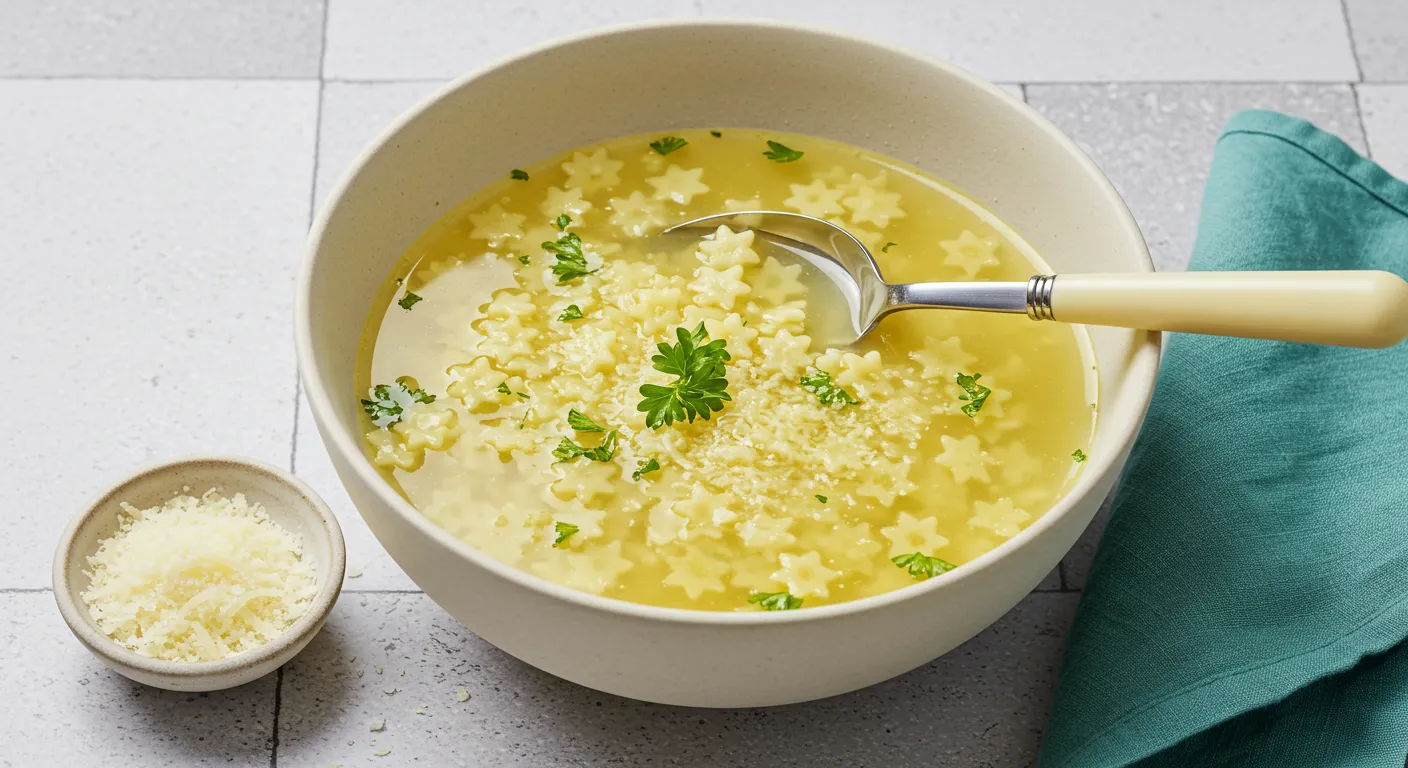
Pastina Soup – Comforting Italian Classic You’ll Love
Pastina Soup is more than just a meal—it’s a nostalgic dish passed down through generations of Italian families. The word pastina means “tiny pasta,” and these delicate little shapes have been used for centuries in Italy as the base for light broths and healing soups. Often one of the first solid foods Italian children eat, pastina quickly became a household staple, cherished for its simplicity, warmth, and comfort.
Italian grandmothers, or nonnas, often prepared pastina with broth, butter, or cheese whenever someone in the family wasn’t feeling well. Unlike heavier pasta dishes, pastina is light, easy to digest, and versatile. That’s why Pastina Soup earned its place at the heart of many Italian kitchens—it was affordable, nourishing, and a symbol of care and love.
Why Pastina Soup is Known as “Italian Penicillin”
In Italian-American households, Pastina Soup has often been referred to as Italian Penicillin. The reason is simple: this soup, with its warm broth and delicate pasta, has long been considered the go-to remedy for colds, flu, or simply when you need comfort in a bowl. Similar to how chicken noodle soup is viewed in the United States, pastina carries with it the same healing reputation.
The combination of flavorful broth, soothing pasta, and sometimes the addition of vegetables and parmesan creates a restorative dish that’s both nutritious and comforting. It’s light enough for sick days yet satisfying enough to enjoy as a quick family dinner. No wonder so many Italian-Americans recall fond childhood memories of being served a steaming bowl of Pastina Soup whenever they needed a little extra warmth and love.
Looking for more cozy dishes that bring comfort? Check out this cozy homemade chicken noodle soup with egg noodles — a perfect complement to Pastina Soup when you’re craving traditional comfort food.
Ingredients for Authentic Pastina Soup
Key Ingredients You’ll Need
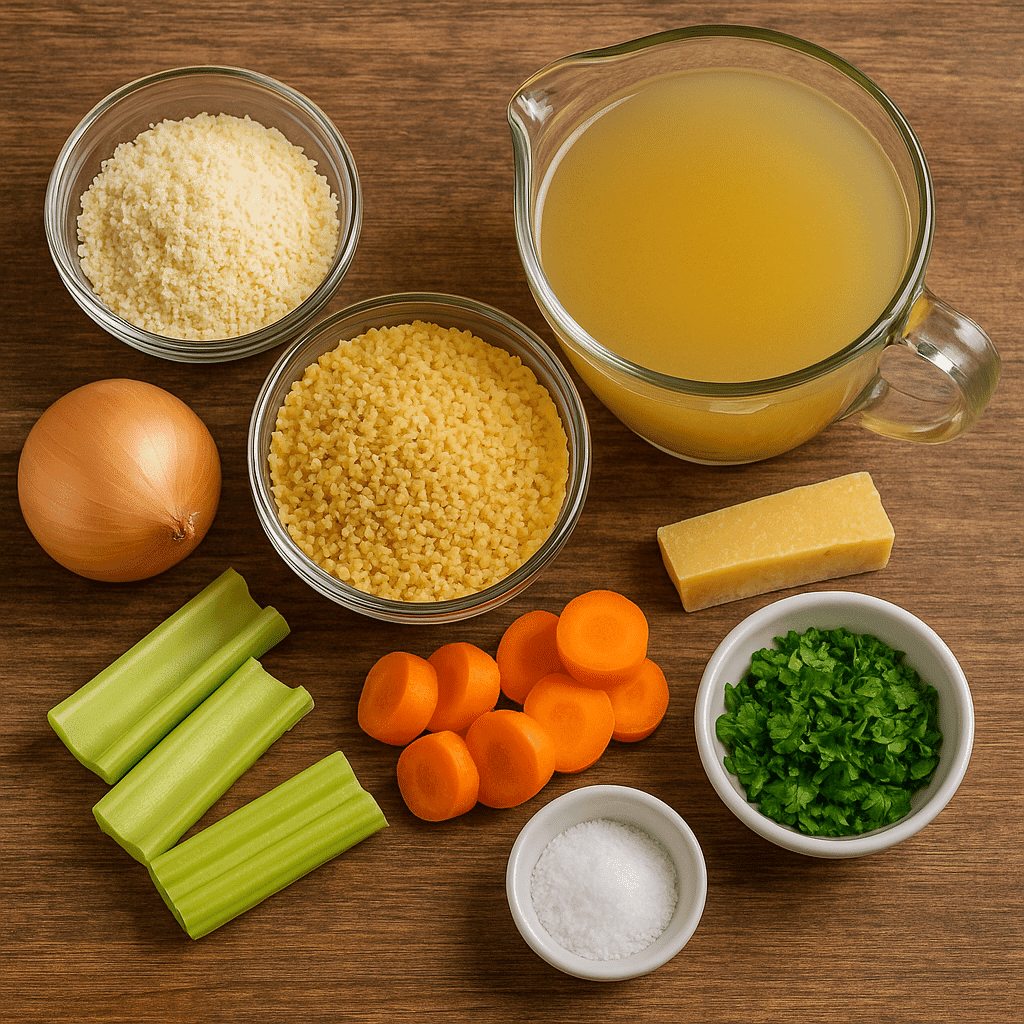
To make the perfect Pastina Soup, you don’t need a long grocery list—just simple, wholesome ingredients that build layers of flavor. Here’s everything you’ll need for a classic version of this Italian comfort food:
| Ingredient | Amount | Purpose in the Recipe |
|---|
| Low-sodium chicken broth | 6 cups | Base of the soup, rich flavor without overpowering salt |
| Yellow onion | 1 medium, sliced into large pieces | Adds sweetness and depth to the broth |
| Carrots | 2, peeled and sliced into large pieces | Natural sweetness, color, and nutrients |
| Celery ribs | 2, sliced into large pieces | Adds earthiness and balance to the broth |
| Parmesan rind | 1 piece, about 2 inches long | Infuses the broth with savory, nutty undertones |
| Kosher salt | To taste | Essential for seasoning and balance |
| Pastina (or tiny pasta like alphabet, orzo, acini di pepe) | 1 ½ cups | The star of the dish, tender and comforting |
| Parsley leaves | ¼ cup finely chopped | Fresh garnish for color and flavor |
| Grated parmesan cheese | For serving | Adds richness and a final touch of umami |
Why Parmesan Rind Makes a Difference
One ingredient that sets authentic Pastina Soup apart is the parmesan rind. Instead of tossing away the hard outer rind of parmesan cheese, Italians have long used it to flavor soups and broths. As it simmers, the rind releases a subtle nutty and salty flavor that deepens the broth without overpowering it.
If you don’t have a parmesan rind saved in your freezer, don’t worry—you can use a chunk of parmesan cheese instead. But if you want to cook this dish like an Italian nonna, start saving your rinds after grating cheese. It’s an economical way to elevate your soups with authentic flavor.
Want more parmesan-rich recipes? Discover this garlic parmesan baked chicken for a flavor-packed dinner that pairs beautifully with Pastina Soup for a complete meal.
Step-by-Step Guide to Making Pastina Soup
Making Pastina Soup at home is simple, but the secret to getting that rich, cozy flavor lies in how you prepare the broth and pasta. Follow these steps for the perfect pot every time.
Preparing the Broth
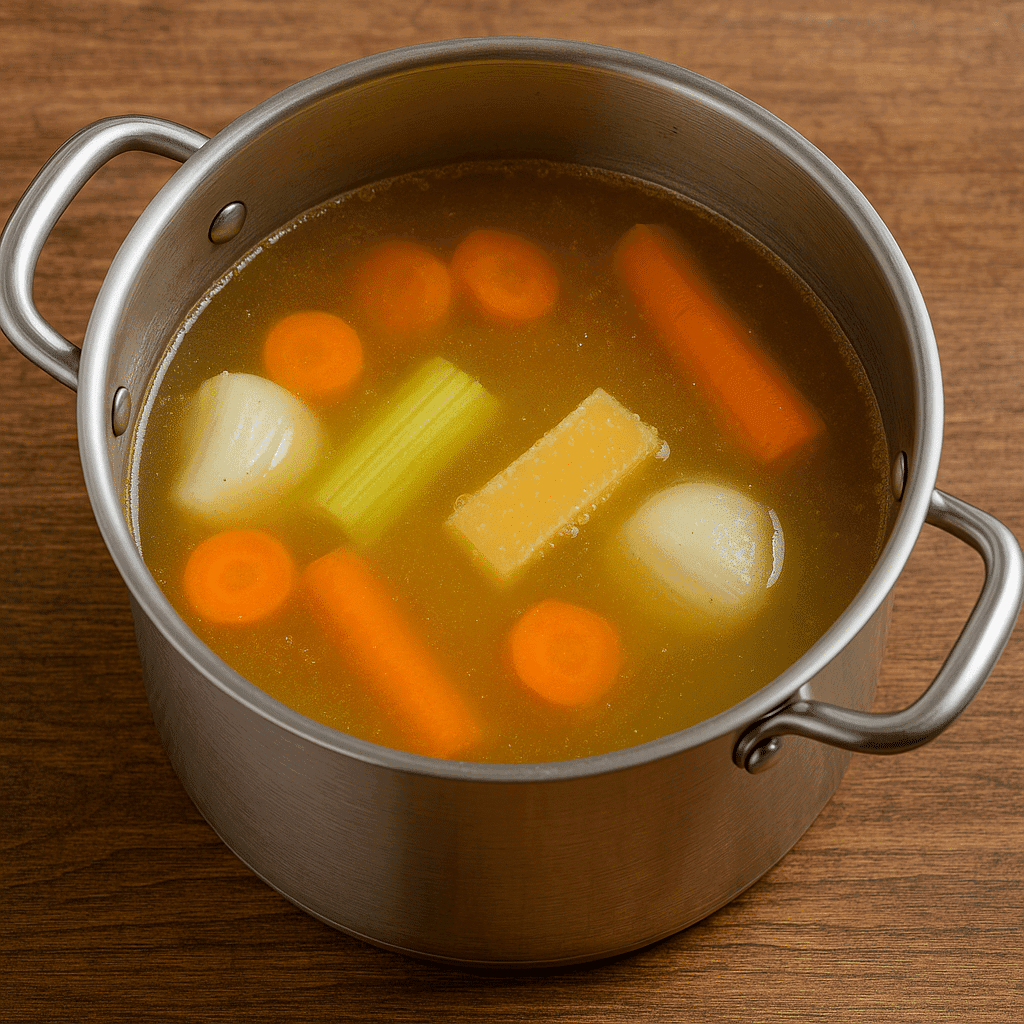
Start with a large soup pot and add the chicken broth, onion, carrots, celery, parmesan rind, and a pinch of kosher salt. Cover the pot with a lid and bring everything to a boil over high heat. Once it starts bubbling, reduce the heat to low and let it simmer gently for about 20 to 30 minutes.
This simmering process extracts the natural sweetness from the vegetables and the nutty depth from the parmesan rind, creating a rich and flavorful broth. By the time the vegetables are tender, your kitchen will already smell like comfort in a pot.
Cooking the Pastina
When the broth is ready, remove the parmesan rind and use a slotted spoon to scoop out the softened vegetables. Place them in a food processor or blender along with a couple ladles of the broth, then puree until silky smooth. Return this puree to the pot to thicken and enrich the soup base.
Next, bring the broth back to a boil and stir in the pastina (or your choice of tiny pasta like orzo, alphabet, or acini di pepe). Because pastina cooks quickly, it only takes about 3 minutes to reach tender perfection. Be sure to stir often so the pasta doesn’t stick to the bottom of the pot.
Finishing Touches and Serving
Once the pastina is tender, remove the soup from the heat. Taste and adjust the seasoning—if the broth seems a little flat, add a pinch more salt until the flavor pops.
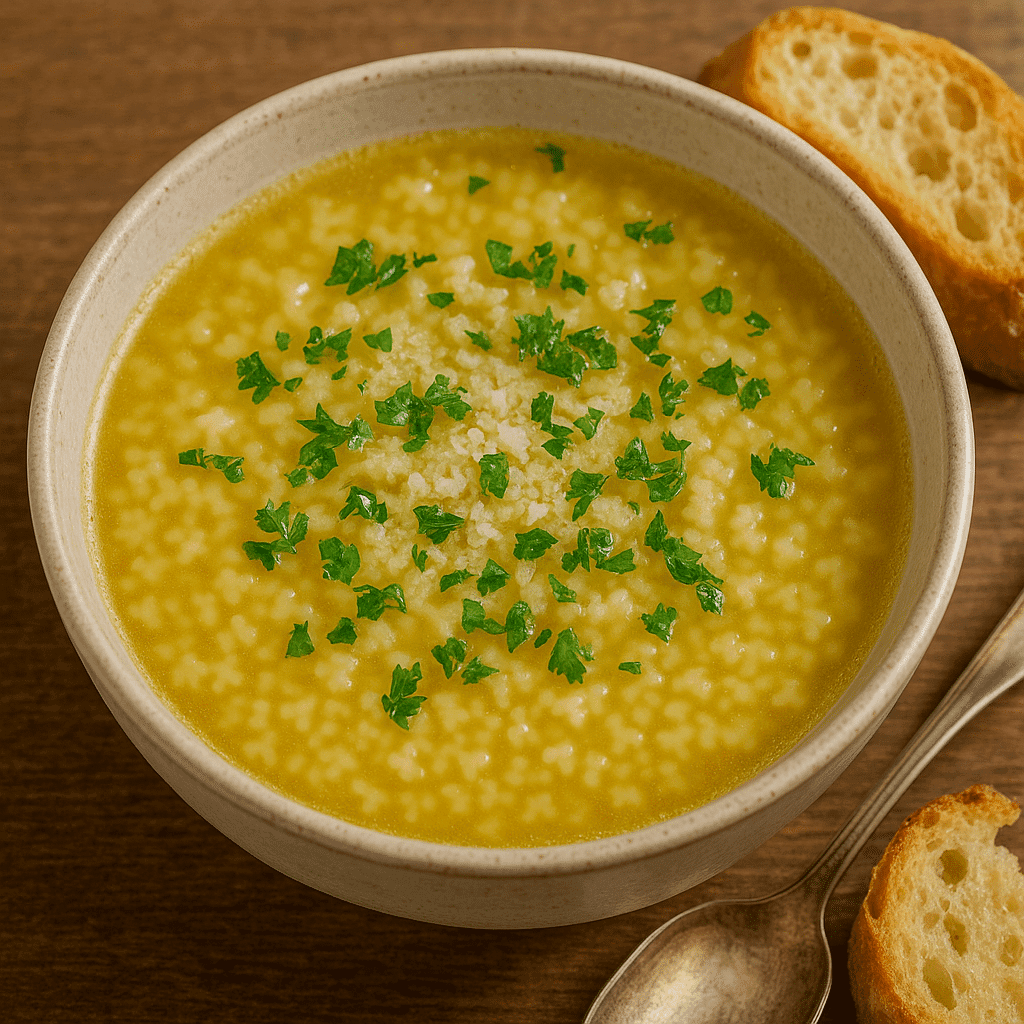
To serve, ladle the soup into bowls and top each portion with a sprinkle of fresh parsley and a generous dusting of grated parmesan cheese. Serve immediately while it’s hot and comforting.
Don’t miss our chicken soup with potatoes for another hearty variation if you love soups with vegetables and rich broth.
Flavor Variations of Pastina Soup
While the traditional version of Pastina Soup is beloved for its simplicity, it’s also one of the most versatile dishes you can make. With just a few adjustments, you can tailor it to your family’s tastes or what you already have in your kitchen.
Adding Vegetables and Herbs
One easy way to enhance your Pastina Soup is by adding more vegetables. While carrots, onions, and celery form the classic base, you can mix in spinach, zucchini, peas, or even diced tomatoes for extra flavor and nutrients. Leafy greens like kale or escarole add a rustic touch, while fresh basil, thyme, or oregano can brighten the broth.
For a heartier version, stir in white beans or chickpeas to boost the protein and fiber. This turns the soup into a filling, one-pot meal that’s perfect for busy weeknights.
Using Different Broths: Chicken, Vegetable, or Bone Broth
The broth is the backbone of Pastina Soup, and choosing the right one makes all the difference. While chicken broth is traditional, you can swap in vegetable broth for a vegetarian option or bone broth for a richer, nutrient-dense version. Bone broth, in particular, adds a deep, savory flavor and extra collagen, which many people love for both taste and health benefits.
If you enjoy a lighter taste, try mixing half chicken broth with half vegetable broth. This gives the soup a balanced flavor that’s mild but still deeply comforting.
Looking for more Italian-inspired variations? Try our ditalini pasta recipe —another classic pasta dish that can easily adapt to broths, sauces, and soups just like pastina.
Tips for Perfect Pastina Soup
Even though Pastina Soup is simple to make, a few smart techniques can take it from good to unforgettable. Here are some practical tips to ensure your soup turns out perfect every time.
How to Avoid Mushy Pastina
Because pastina and other tiny pasta shapes cook very quickly, they can easily become overcooked if left in the hot broth too long. To prevent mushy pasta, always cook pastina just until tender—usually about 3 minutes.
Another trick is to cook the pastina separately in salted boiling water, then drain and add it to the soup right before serving. This way, the pasta won’t soak up too much broth as it sits, and every bowl will taste fresh.
If you’re making a big pot to store for later, it’s best to keep the broth and pasta separate. Add a scoop of cooked pastina to each bowl and ladle the hot broth over the top when serving.
Seasoning Tips for Balanced Flavor
Seasoning plays a big role in how comforting your Pastina Soup tastes. Since chicken broth varies in saltiness, always taste the soup before adding extra salt. Start with a light hand and build gradually until the flavor feels balanced.
For more depth, add a crack of black pepper or a drizzle of good olive oil just before serving. Fresh parsley is a classic garnish, but you can also finish the soup with lemon zest or a squeeze of lemon juice for brightness.
Finally, don’t skip the parmesan cheese on top. It melts slightly into the hot broth, adding a savory, nutty kick that ties everything together.
Want more cozy dinner inspiration? Check out this creamy skillet chicken with mushrooms and cheese for another comforting, flavor-packed dish.
Storing and Reheating Pastina Soup
Pastina Soup tastes best fresh, but with the right storage techniques, you can enjoy leftovers without losing flavor or texture. Here’s how to make sure every bowl stays delicious.
Can You Freeze Pastina Soup?
Allow the soup to cool fully before placing it into airtight containers or freezer-safe bags.Freezing Pastina Soup can be tricky. The broth freezes well, but the pasta doesn’t hold up—it tends to break down and turn mushy once thawed. If you want to freeze this soup, the best approach is to prepare the broth only. Let it cool completely, then transfer it to airtight containers or freezer-safe bags. It will keep well for up to 3 months.
When you’re ready to enjoy it, thaw the broth overnight in the refrigerator, reheat it on the stove, and then cook fresh pastina to add right before serving. This way, the pasta stays tender instead of soggy.
Best Way to Store Leftovers
If you’re storing leftovers for a few days, place the soup in a sealed container and refrigerate it for up to 5 days. However, keep in mind that pastina absorbs broth as it sits. By the next day, the pasta may soak up much of the liquid, leaving you with a thicker stew-like consistency.
To avoid this, you can store the broth and cooked pastina separately. Add a portion of pasta to your bowl and ladle hot broth over it when reheating. This simple trick ensures the pasta stays tender and the broth maintains its comforting texture.
Don’t miss our easy homemade chicken pot pie recipe if you love make-ahead meals that taste just as good the next day.
Nutritional Benefits of Pastina Soup
Pastina Soup may be simple, but it’s packed with wholesome ingredients that make it both comforting and nourishing. Whether you’re under the weather or just want a lighter meal, this Italian classic has plenty to offer.
Is Pastina Soup Healthy?
Yes—Pastina Soup can absolutely be a healthy choice, especially when prepared with low-sodium chicken broth and fresh vegetables. The broth provides hydration and electrolytes, while carrots, celery, and onions add fiber, vitamins, and natural sweetness. The small pasta gives a quick energy boost from carbohydrates, which makes it gentle on the stomach and easy to digest.
To keep it healthier, avoid adding too much salt and use a moderate sprinkle of parmesan cheese instead of heavy amounts. If you’d like an extra boost of nutrition, consider using bone broth for more protein and collagen.
Comfort Food with Nutritious Value
Even though it’s often thought of as comfort food, Pastina Soup strikes a balance between cozy flavors and nourishing benefits. It’s filling without being heavy, making it an ideal meal for children, adults, or anyone recovering from illness.
The beauty of this recipe is that you can adapt it to your needs: add more vegetables for fiber, use whole-grain pastina for extra nutrients, or keep it very simple when you just need something soothing. It’s proof that comfort food doesn’t have to be indulgent to be good for you.
Want a heartier comfort option? Try our creamy chicken linguine recipe for a pasta dish that’s rich, satisfying, and still fits into a balanced meal plan.
Serving Suggestions for Pastina Soup
Pastina Soup may be simple at its core, but it can be served in ways that make it feel special, whether you’re preparing it for kids, adults, or as part of a cozy family dinner.
Perfect Pairings: Bread, Salad, and More
A warm bowl of Pastina Soup pairs beautifully with crusty bread or garlic bread for dipping. The bread soaks up the flavorful broth and makes the meal more filling. If you want something lighter, a fresh green salad with lemon vinaigrette balances the warm, hearty flavors of the soup.
For a complete Italian-inspired dinner, serve Pastina Soup as a starter before a main dish like roasted chicken, baked pasta, or even pizza. It’s versatile enough to fit into weeknight meals or holiday spreads.
Making Pastina Soup for Kids vs Adults
One reason Pastina Soup has remained so beloved over the years is its universal appeal. For kids, keep it simple: just broth, pasta, and a sprinkle of parmesan cheese. Its mild flavor and small pasta shapes make it easy for little ones to enjoy.
For adults, you can dress it up by adding herbs, a drizzle of olive oil, or even a pinch of red pepper flakes for heat. If you’re serving guests, consider topping bowls with shaved parmesan, fresh parsley, or toasted breadcrumbs for a gourmet touch.
Want more dinner ideas that the whole family will love? Check out this cheesy ranch potatoes with smoked sausage — another comforting dish that pairs well with a light soup starter like pastina.
FAQs about Pastina Soup
What flavors pair well with pastina?
Pastina has a mild taste, which makes it perfect for pairing with rich and savory flavors. Parmesan cheese, garlic, black pepper, and fresh herbs like parsley or basil all complement it beautifully. For more depth, pair it with roasted chicken or add a splash of lemon juice for brightness.
Are you supposed to drain pastina?
If you’re cooking pastina for soup, you do not need to drain it. The pasta is meant to soak directly in the broth, adding body and texture. However, if you’re cooking pastina to serve on its own with butter or cheese, you would drain it just like any other pasta.
How long do you boil pastina?
Pastina cooks very quickly—usually in 3 to 4 minutes. Since it’s so tiny, it doesn’t need much time in boiling liquid. Keep an eye on it and taste after 3 minutes to make sure it’s tender but not mushy.
Can I use bone broth for pastina?
Yes, bone broth is an excellent choice. It makes the soup richer in flavor and adds extra protein, collagen, and minerals. If you want your Pastina Soup to be both comforting and nutrient-dense, bone broth is the way to go.
How do you avoid mushy pastina soup?
The best way to avoid mushy pasta is to cook the pastina separately and add it to the broth just before serving. If you’re cooking it directly in the soup, keep a close eye on the time—it only needs a few minutes. Storing the pasta separately from the broth is also a good idea for leftovers.
Is pastina soup healthy?
Yes, Pastina Soup can be a healthy and nourishing option. It’s light, easy to digest, and full of comforting flavors. Using low-sodium broth, fresh vegetables, and moderate amounts of parmesan cheese makes it a balanced meal that both kids and adults can enjoy.
For another cozy Italian classic, don’t miss our creamy chicken spaghetti casserole — a heartier dish with the same comforting flavors.
Final Thoughts on Pastina Soup
Pastina Soup is more than just a recipe — it’s a tradition, a comfort, and a reminder of how simple food can bring so much joy. Whether you’re making it for a sick loved one, serving it to your kids, or enjoying it yourself on a chilly night, this Italian classic never disappoints. With its rich broth, tender pasta, and sprinkle of parmesan, every spoonful feels like a warm hug.
Why You Should Try This Comforting Italian Dish Today
If you’ve never made Pastina Soup before, now is the perfect time. It’s quick, budget-friendly, and endlessly adaptable. You can keep it traditional or add your own twist with extra vegetables, herbs, or bone broth. No matter how you prepare it, one thing’s certain: it will always deliver comfort in a bowl.
Looking for another dish that combines comfort with Italian tradition? Don’t miss our creamy ranch chicken recipe — a hearty dinner that pairs perfectly with a light starter like Pastina Soup.
Pastina Soup
A cozy Italian classic made with tiny pasta in a flavorful broth, perfect for cold days or when you need comfort in a bowl.
- Prep Time: 5 min
- Cook Time: 25 min
- Total Time: 30 minutes
- Yield: 4 1x
Ingredients
6 cups low-sodium chicken broth
1 medium yellow onion, sliced into large pieces
2 carrots, peeled and sliced into large pieces
2 celery ribs, sliced into large pieces
1 parmesan rind (about 2 inches long)
Kosher salt, to taste
1 ½ cups pastina or tiny pasta (alphabet, orzo, or acini di pepe)
¼ cup finely chopped parsley leaves, for garnish
Grated parmesan cheese, for serving
Instructions
In a large pot, combine broth, onion, carrots, celery, parmesan rind, and a pinch of salt. Bring to a boil, then cover and simmer for 20–30 minutes until vegetables are tender.
Remove and discard parmesan rind. Puree vegetables with some broth until smooth, then return puree to the pot.
Bring broth back to a boil, add pastina, and cook for about 3 minutes until tender.
Season to taste, ladle into bowls, and garnish with parsley and parmesan. Serve hot.
Notes
Save parmesan rinds in the freezer—they add depth and flavor to soups.
For make-ahead meals, store broth separately from pasta to prevent sogginess. Add freshly cooked pastina before serving.
Nutrition facts are estimates and may vary based on ingredients used, portion sizes, and preparation methods.
Nutrition
- Serving Size: 4
- Calories: 307.8kcal
- Sugar: 5.4g
- Sodium: 136mg
- Fat: 3.5g
- Saturated Fat: 0.7g
- Unsaturated Fat: 1.5g
- Carbohydrates: 57.2g
- Fiber: 3.7g
- Protein: 15.7g
- Cholesterol: 0.2mg
Keywords: Pastina Soup, Italian comfort food, chicken broth pasta, easy soup recipe, Italian penicillin
Let’s connect! Follow me for more Joylicious Recipes: Facebook, Instagram, Pinterest