Delicious Miso Salmon Recipe – Easy, Flavorful, and Ready in Minutes
Introduction: The Magic of Miso Salmon
What Makes Miso Salmon Special
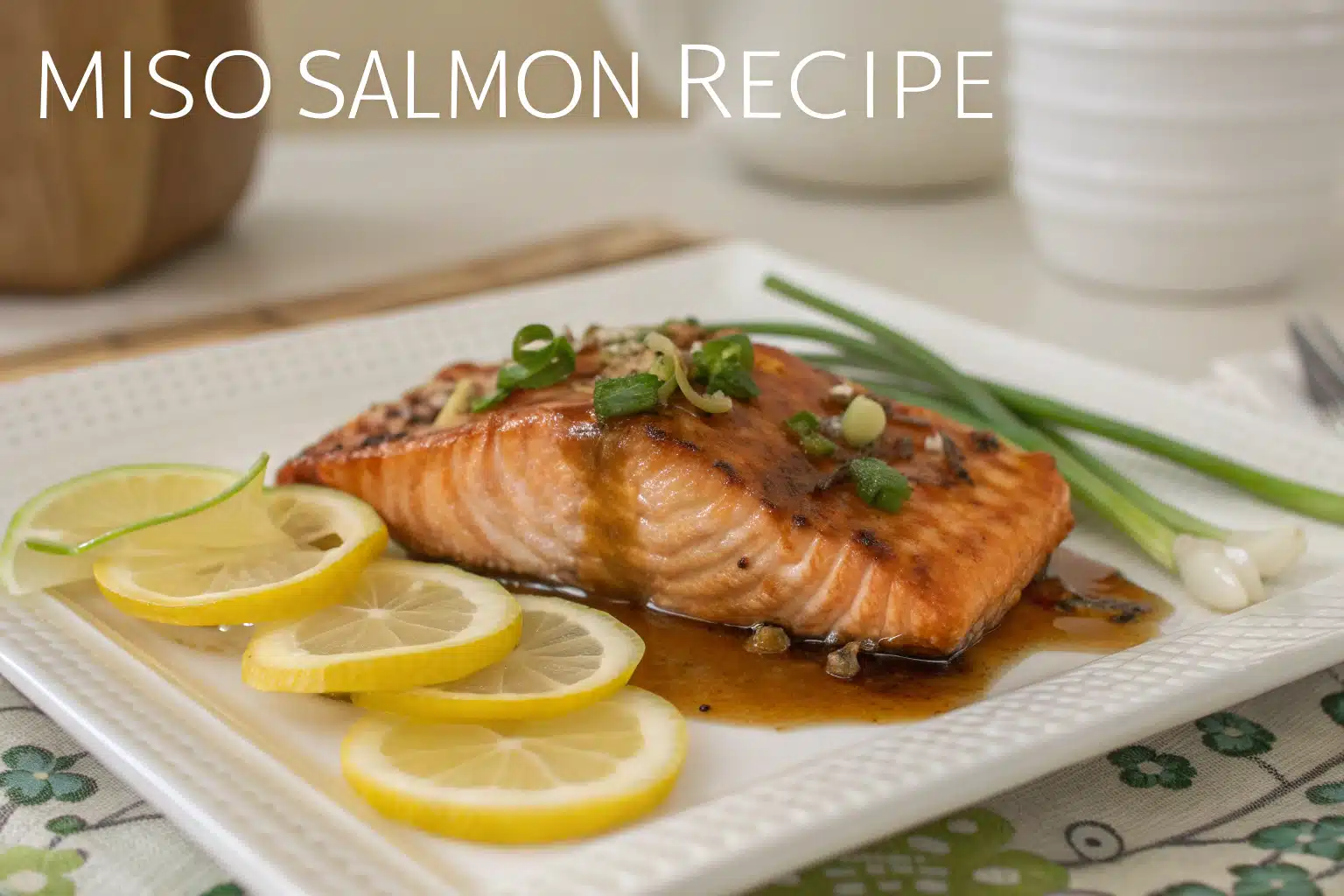
Miso salmon recipe combines the rich umami flavor of traditional Japanese fermented soybean paste with the natural buttery texture of salmon. This dish represents the perfect marriage of Eastern and Western culinary traditions, creating a meal that’s both sophisticated and surprisingly simple to prepare. The caramelized glaze formed during cooking creates an irresistible sweet-savory crust that seals in moisture while adding depth of flavor.
“Learn more about our Asian-inspired seafood recipes like our spicy salmon crispy rice bites for more delicious options.”
Health Benefits and Popularity
The popularity of miso salmon has skyrocketed in recent years, not only for its incredible taste but also for its impressive nutritional profile. Salmon provides heart-healthy omega-3 fatty acids, while miso brings probiotic benefits and essential minerals. This combination creates a powerhouse meal that’s as good for your body as it is pleasing to your palate. The dish has become a staple in upscale restaurants and home kitchens alike, earning its reputation as a go-to recipe for both weeknight dinners and special occasions.
Ingredients: Everything You Need for Perfect Miso Salmon
Understanding Miso Paste and Salmon Selection
The star ingredient in this recipe is miso paste, a traditional Japanese fermented soybean product that adds complex umami flavor. When selecting miso paste, you’ll typically choose between white (shiro), yellow, or red (aka) varieties. For miso salmon, white or yellow miso works best as they offer milder, sweeter profiles that complement the fish without overpowering it.
For the salmon, look for fresh fillets with firm, bright flesh and a clean ocean scent. Wild-caught salmon generally offers superior flavor, though high-quality farmed salmon can work wonderfully too. Skin-on fillets are ideal for this recipe as the skin helps protect the delicate flesh during cooking and adds textural contrast.
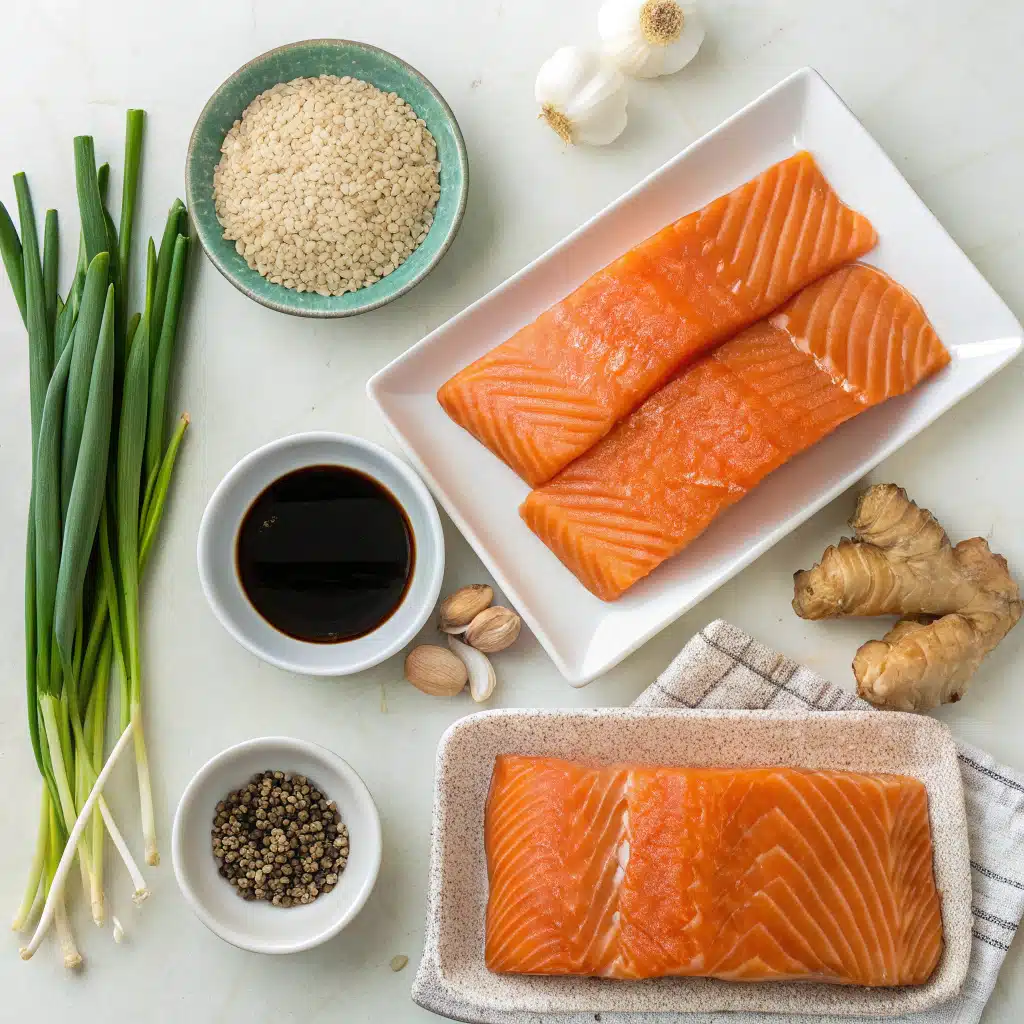
Complete Ingredient List
| Main Ingredients | Amount | Notes |
|---|---|---|
| Salmon fillets | 4 fillets | Preferably skin-on |
| Miso paste | 3 tablespoons | White or yellow miso recommended |
| Brown sugar | 1-2 tablespoons | Adjust to taste |
| Soy sauce | 1 tablespoon | Low-sodium preferred |
| Sesame oil | ½ tablespoon | Adds nutty flavor |
| Mirin | 1½ tablespoons | Japanese sweet rice wine |
| Garnish (Optional) | ||
| Toasted sesame seeds | 1 teaspoon | For garnish |
| Green onions/scallions | As needed | Chopped for garnish |
Step-by-Step: Making the Perfect Miso Salmon
Preparing the Miso Glaze
- In a small mixing bowl, combine 3 tablespoons of miso paste, 1-2 tablespoons of brown sugar (adjusting to your sweetness preference), 1 tablespoon of soy sauce, ½ tablespoon of sesame oil, and 1½ tablespoons of mirin.
- Whisk these ingredients together until you achieve a smooth, homogeneous mixture without any lumps. The consistency should be thick enough to coat the back of a spoon.
- Taste the glaze and adjust seasonings as needed – you’re looking for a balance of sweet, salty, and umami flavors.
- Divide the glaze into two portions: one for marinating and one for the final glazing during cooking. “Discover great ideas like our sriracha honey salmon bowls for another delicious way to prepare salmon.”
Marinating and Cooking Techniques
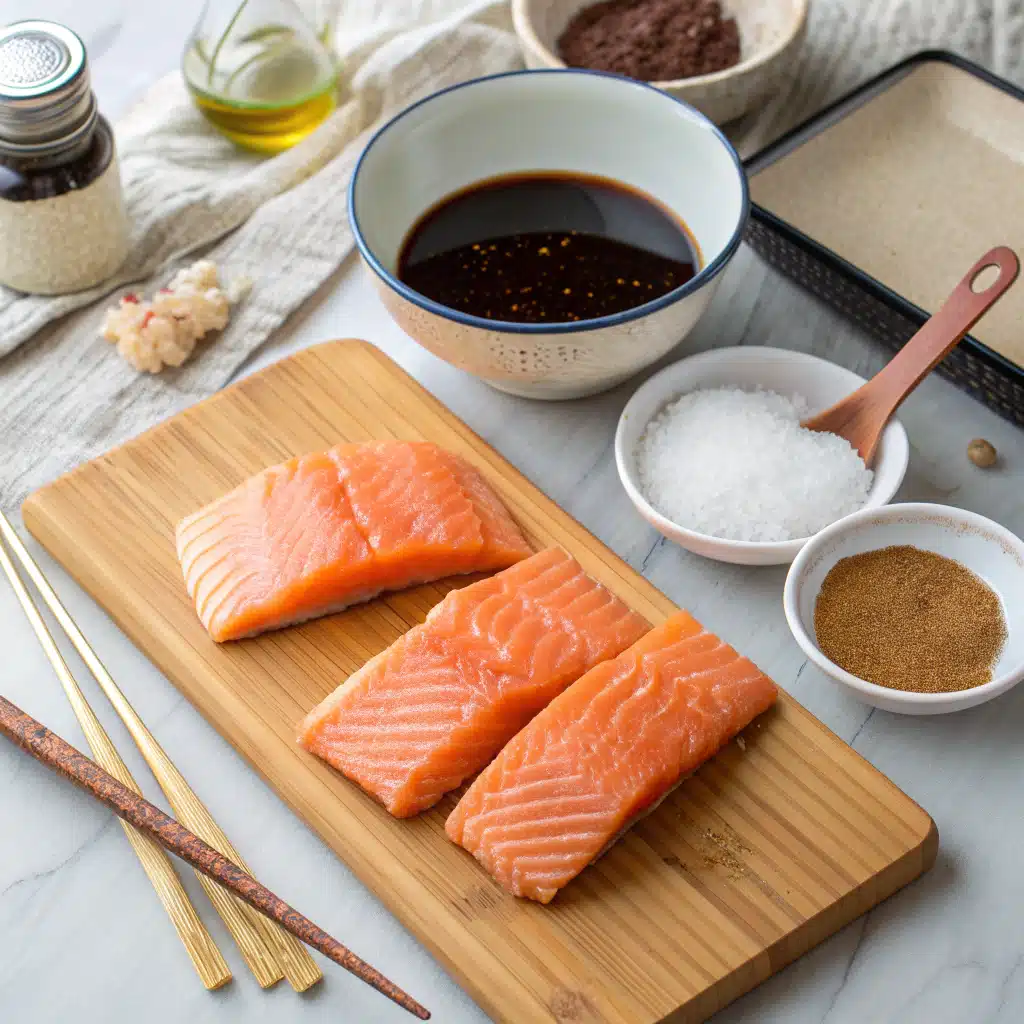
- Place your salmon fillets in a shallow dish and coat them evenly with half of the prepared miso glaze. Ensure each piece is thoroughly covered, paying special attention to the flesh side.
- Cover the dish with plastic wrap and refrigerate for at least 15-30 minutes. For deeper flavor development, you can extend this marinating time up to 2 hours, but avoid marinating longer as the salt in the miso can start to cure the fish.
- While the salmon marinates, preheat your broiler to high (approximately 550°F/288°C) and position an oven rack in the center position.
- Line a baking sheet with aluminum foil for easy cleanup and place the marinated salmon fillets skin-side down on the prepared sheet.
- Broil the salmon for 10-12 minutes, monitoring closely to prevent burning. The high heat helps caramelize the sugars in the glaze, creating a delicious crust.
- In the final 2 minutes of cooking, brush the reserved miso glaze over the salmon to create an extra layer of flavor and a glossy finish.
- The salmon is done when it reaches an internal temperature of 120-130°F at its thickest part, or when it flakes easily with a fork while still maintaining some translucency in the center.
Tips: Mastering Your Miso Salmon Recipe
Choosing the Right Miso
Selecting the appropriate miso paste significantly impacts the final flavor of your dish. White miso (shiro) offers a sweeter, milder profile perfect for those new to miso or for serving to guests with less adventurous palates. Yellow miso provides a balanced middle ground with medium intensity, making it versatile for most recipes. Red miso delivers a stronger, saltier flavor that works well if you prefer bolder tastes. For beginners, white or yellow miso is recommended as they complement salmon’s natural flavor without overwhelming it. Store unused miso paste in an airtight container in the refrigerator, where it will keep for months, allowing you to experiment with different recipes.
Perfecting the Cooking Method
While broiling is the technique specified in this recipe for its ability to quickly caramelize the glaze, you can adapt the cooking method based on your preferences and equipment. Baking at 400°F (204°C) for 12-15 minutes creates a gentler cooking environment that’s more forgiving for beginners. Pan-searing provides exceptional crust development – start skin-side down in a hot pan for 3-4 minutes, then flip and finish cooking for 2-3 minutes. For outdoor enthusiasts, grilling imparts a smoky dimension that beautifully complements the miso flavor; just ensure you oil the grates well to prevent sticking.
“Check out our golden cod with garlic tomato basil sauce for another delicious seafood option.”
Avoiding Common Mistakes
Even experienced cooks can encounter challenges with miso salmon. To prevent the glaze from burning, monitor the broiling process carefully and adjust the rack position if needed. If you notice the glaze darkening too quickly, you can cover the salmon loosely with foil to protect it. Another common issue is overcooking the salmon, which leads to dry, tough results. Remember that salmon continues cooking after removal from heat, so it’s better to slightly undercook than overcook. Finally, don’t skip the marinating time – this crucial step allows the flavors to penetrate the fish. However, avoid marinating longer than 2 hours, as the acids and salt in the marinade can begin to “cook” the fish, affecting its texture.
Storage: Keeping Your Miso Salmon Fresh
Refrigeration Guidelines
Properly storing miso salmon ensures you can enjoy leftovers safely while maintaining quality. After cooking, allow the salmon to cool completely before refrigerating, but don’t leave it at room temperature for more than two hours. Store leftover miso salmon in an airtight container to prevent it from absorbing other odors in your refrigerator and to maintain its moisture. Properly stored, cooked miso salmon will keep for up to 3 days in the refrigerator. To maximize freshness, place the container in the coldest part of your fridge, typically the back of the bottom shelf rather than in the door where temperature fluctuates more.
Freezing and Reheating
While fresh is always best, you can freeze cooked miso salmon for longer storage. Wrap individual portions tightly in plastic wrap and then in aluminum foil or place them in freezer-safe containers. Label with the date, as frozen cooked salmon remains best quality for up to 2-3 months. When you’re ready to enjoy your frozen miso salmon, thaw it overnight in the refrigerator for the best texture results.
“Want more ideas? Check out our creamy salmon pasta recipe for another delicious way to enjoy salmon.”
To reheat without drying out the fish, gently warm it in a 275°F (135°C) oven covered with foil until it reaches an internal temperature of 125-130°F (52-54°C), typically 10-15 minutes depending on thickness. Alternatively, you can use a microwave at 50% power in 30-second intervals until just warmed through. Some culinary enthusiasts actually prefer enjoying leftover miso salmon cold or at room temperature in salads or grain bowls, which eliminates any concern about drying out the fish during reheating.
Variations: Customize Your Miso Salmon Recipe
Adding Complementary Flavors
The basic miso salmon recipe serves as an excellent foundation for creative variations. Enhance the glaze with additional ingredients like 1 tablespoon of fresh grated ginger for a warming zing or 1-2 minced garlic cloves for aromatic depth. For heat enthusiasts, incorporate 1 teaspoon of sriracha or a pinch of red pepper flakes into the glaze. Citrus components like 1 tablespoon of orange or yuzu juice can brighten the flavor profile significantly. Some chefs add 1 tablespoon of sake to the marinade for an authentic Japanese touch, while others include 1 teaspoon of rice vinegar for a subtle tang that balances the sweetness. Experiment with different sweeteners—try maple syrup or honey instead of brown sugar for nuanced flavor differences.
Alternative Cooking Methods
While the broiling method in this recipe creates a beautiful caramelized finish, you can adapt the cooking technique based on your preferences and available equipment. For a smokier flavor, grill the salmon over medium-high heat for approximately 4-5 minutes per side, creating appealing grill marks while keeping the interior tender. If you prefer a gentler approach, bake at 375°F (190°C) for 15-18 minutes until the salmon reaches your desired doneness. Air fryer enthusiasts can cook miso-glazed salmon at 380°F (193°C) for about 8-10 minutes for a crispy exterior while maintaining moisture. For an impressive presentation with minimal effort, try en papillote method—wrap the marinated salmon in parchment paper with thinly sliced vegetables and bake at 400°F (204°C) for 12-15 minutes, creating an aromatic steam packet that guests open at the table.
“Here’s your guide to easy salmon sushi balls for another creative way to enjoy salmon.”
Dietary Adaptations
This versatile miso salmon recipe can be modified to accommodate various dietary requirements without sacrificing flavor. For those watching sugar intake, substitute monk fruit sweetener or stevia for the brown sugar, adjusting quantities to taste. Gluten-sensitive individuals should select gluten-free miso paste (always check labels as some contain barley) and substitute tamari or coconut aminos for traditional soy sauce. If you’re monitoring sodium, reduce the miso paste to 2 tablespoons and use low-sodium soy sauce or coconut aminos. For a dairy-free, paleo-friendly option, this recipe already complies as written. Those following keto guidelines can use a brown sugar substitute and enjoy this protein-rich, relatively low-carb dish as part of their meal plan.
Serving: Presentation and Accompaniments
Perfect Side Dishes
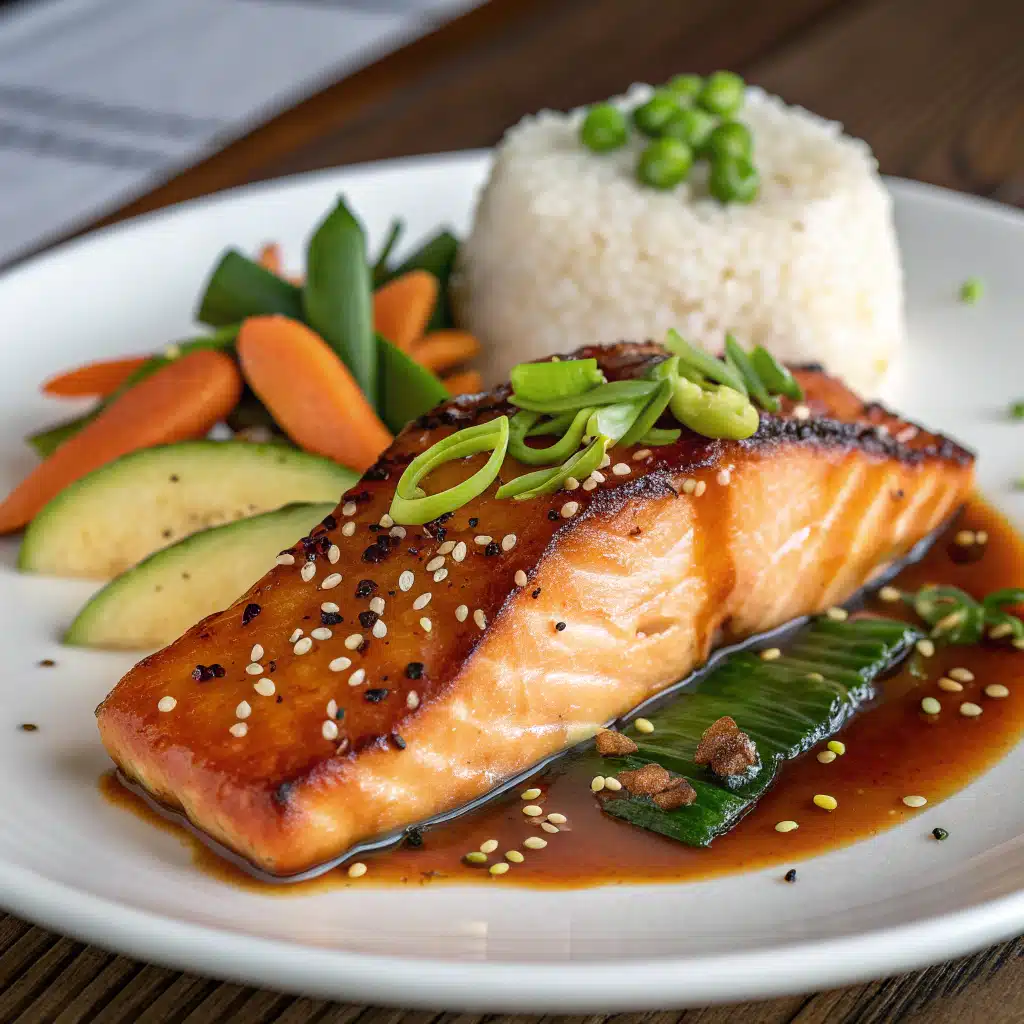
Complement your miso salmon with sides that enhance its flavor profile without overwhelming it. Steamed jasmine or short-grain rice serves as a traditional base that absorbs the delicious sauce. For a healthier option, try brown rice or cauliflower rice. Vegetable pairings that work exceptionally well include simply steamed or roasted bok choy, asparagus, or broccoli—their mild flavors provide textural contrast while allowing the salmon to remain the star. Cucumber salad with rice vinegar dressing offers refreshing crispness against the rich salmon. For a complete Asian-inspired meal, serve with sesame soba noodles or edamame. Consider adding a side of pickled vegetables for acidic balance and color contrast on the plate.
Garnishing and Plating Techniques
Elevate your miso salmon from a delicious homemade meal to restaurant-quality presentation with thoughtful garnishing and plating. Sprinkle toasted sesame seeds (white, black, or a combination) over the glazed salmon for visual appeal and subtle nuttiness. Thinly sliced green onions, applied diagonally just before serving, add freshness and color contrast. For more visual impact, include paper-thin slices of radish or small microgreens arranged alongside the salmon. When plating, position the salmon slightly off-center on warmed plates, with starch at 10 o’clock and vegetables at 2 o’clock following the restaurant rule of thirds. For special occasions, serve on a cedar plank for aromatic presentation or create height by placing the salmon atop a small mound of rice or vegetables.
Wine and Beverage Pairings
The complex umami-rich flavor of miso salmon pairs wonderfully with select beverages that complement rather than compete. Japanese green tea, served hot or cold, offers a cleansing counterpoint to the rich salmon. Sparkling water with a twist of lemon refreshes the palate between bites. For a traditional pairing, consider hot or cold Japanese tea. Ginger-infused sparkling water provides a zingy complement that cuts through the richness of the dish.
FAQs: Common Questions About Miso Salmon
What is miso salmon made of?
Miso salmon consists of salmon fillets glazed with a mixture of miso paste (fermented soybean paste), brown sugar, soy sauce, sesame oil, and mirin. This combination creates a perfect balance of sweet, salty, and umami flavors that caramelize beautifully when cooked. The dish is typically garnished with toasted sesame seeds and green onions for added texture and freshness.
What kind of miso is best for miso salmon?
White (shiro) or yellow miso is generally best for miso salmon. These varieties are milder and sweeter than red miso, complementing the salmon’s natural flavors without overpowering them. White miso creates a more delicate, sweet glaze, while yellow offers a slightly stronger flavor while still remaining balanced. Red miso, being stronger and saltier, can sometimes dominate the fish’s flavor, though some people prefer its intensity.
How do you make the miso glaze for salmon?
To make miso glaze for salmon, whisk together 3 tablespoons miso paste, 1-2 tablespoons brown sugar, 1 tablespoon soy sauce, ½ tablespoon sesame oil, and 1½ tablespoons mirin until smooth. This creates a thick, flavorful paste that can be adjusted to taste by adding more sugar for sweetness or more soy sauce for saltiness. The glaze should have a consistency that will coat the salmon without running off completely.
How long should you marinate salmon in miso?
Salmon should marinate in miso glaze for at least 15-30 minutes and up to 2 hours in the refrigerator. This timeframe allows the flavors to penetrate the fish without beginning to cure it. The salt content in miso can start to break down the proteins if left too long, potentially affecting texture. Even a short 15-minute marination will impart significant flavor, making this recipe viable even for busy weeknight dinners.
Can you bake, grill, or pan-sear miso salmon?
Yes, miso salmon can be prepared using various cooking methods. Broiling (as in this recipe) creates excellent caramelization. Baking at 400°F for 12-15 minutes offers a gentler approach. Grilling imparts smoky notes and attractive grill marks; just ensure the grates are well-oiled to prevent sticking. Pan-searing creates a beautiful crust—start skin-side down in a hot pan for 3-4 minutes, then flip and finish for 2-3 minutes. Each method has advantages, so choose based on your equipment and preference.
Is miso salmon healthy?
Miso salmon is indeed a nutritious choice. Salmon provides high-quality protein and heart-healthy omega-3 fatty acids that support brain and cardiovascular health. Miso contains beneficial probiotics from fermentation along with essential minerals and vitamins. The dish is relatively low in carbohydrates while being rich in protein. The main considerations are the sodium content from miso and soy sauce and the sugar in the glaze, which can be adjusted for dietary needs. Overall, it represents a balanced, nutrient-dense meal option.
Conclusion: Mastering the Art of Miso Salmon
Why This Recipe Works
This miso salmon recipe succeeds because it strikes the perfect balance between simplicity and sophisticated flavor. The careful combination of white or yellow miso, brown sugar, soy sauce, sesame oil, and mirin creates a harmonious glaze that enhances the natural richness of salmon without overwhelming it. The broiling technique allows the sugars to caramelize quickly, developing a beautiful lacquer while keeping the interior moist and tender. This method mimics the traditional Japanese cooking technique that inspired the dish while remaining accessible for home cooks.
“Looking for inspiration? Try our salmon salad recipe for another delicious way to incorporate salmon into your meal rotation.”
Becoming a Miso Salmon Expert
With practice, you’ll develop an intuitive understanding of how each element in this recipe contributes to the final dish. Experiment with the miso-to-sugar ratio to find your perfect balance of savory and sweet. Try different cooking methods to discover which creates your preferred texture – whether that’s the caramelized crust from broiling or the gentle tenderness from baking. Don’t be afraid to adjust marinating times based on how pronounced you want the miso flavor to be. The versatility of this dish means you can adapt it to various occasions, from quick weeknight dinners to elegant entertaining. By mastering this foundational recipe, you’ll add a reliable, impressive, and nutritious dish to your culinary repertoire that will serve you for years to come.
PrintMiso Salmon Recipe

Delicious broiled salmon with a sweet and savory miso glaze that caramelizes beautifully for restaurant-quality results at home.
- Prep Time: 10
- Cook Time: 12
- Total Time: 22 minutes
- Yield: 4 1x
- Category: Main Course
- Cuisine: Japanese
Ingredients
- 4 salmon fillets
- 3 tablespoons miso paste
- 1–2 tablespoons brown sugar
- 1 tablespoon soy sauce
- ½ tablespoon sesame oil
- 1½ tablespoons mirin
- 1 teaspoon toasted sesame seeds (for garnish)
- Chopped green onion/scallion (for garnish)
Instructions
- Whisk together miso paste, brown sugar, soy sauce, sesame oil, and mirin until smooth. Divide glaze into two portions.
- Place salmon in a shallow dish and coat with half the glaze. Marinate for 15-30 minutes (up to 2 hours refrigerated).
- Preheat broiler to high (550°F). Position rack in center of oven.
- Line a baking sheet with foil and place marinated salmon skin-side down.
- Broil for 10-12 minutes until internal temperature reaches 120-130°F.
- During final 2 minutes, brush reserved glaze over salmon for a glossy finish.
- Garnish with sesame seeds and green onions before serving.
Notes
Nutrition facts are estimates and may vary based on ingredients used, portion sizes, and preparation methods.
Nutrition
- Serving Size: 4
- Calories: 367kcal
- Sugar: 6g
- Sodium: 690mg
- Fat: 21g
- Saturated Fat: 4g
- Carbohydrates: 9g
- Fiber: 1g
- Protein: 34g
- Cholesterol: 94mg
Keywords: miso salmon, Japanese salmon, glazed salmon, broiled salmon, miso glaze
Let’s connect! Follow me for more Joylicious Recipes: Facebook, Instagram, Pinterest