
Sous Vide Beef Tenderloin Made Easy: Foolproof, Juicy & Delicious
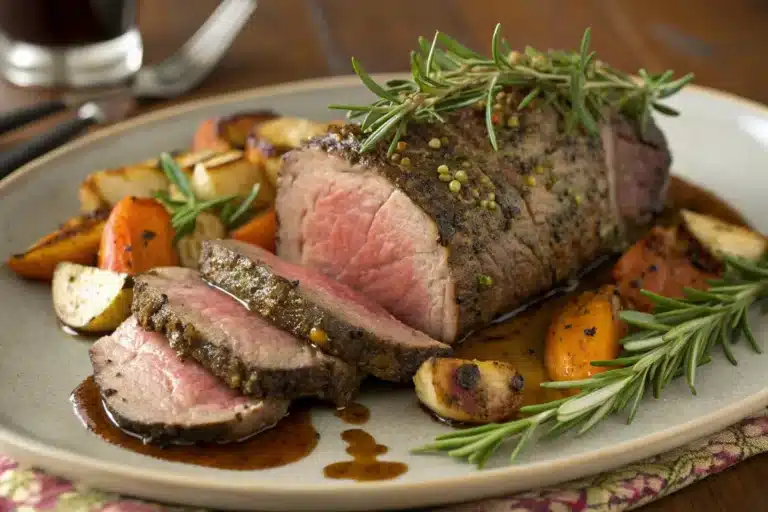
Sous Vide Beef Tenderloin is the gold standard when it comes to achieving perfectly tender, juicy, and flavorful steak at home—every single time. If you’ve ever struggled with uneven cooking or dried-out meat using traditional methods, sous vide is your answer. In this detailed guide, we’ll walk you through everything from choosing the right cut and equipment to setting the perfect temperature and time, seasoning tips, troubleshooting, and finishing techniques. Whether you’re a first-timer or a seasoned home chef, you’ll learn how to master beef tenderloin with sous vide precision.
Looking for inspiration? Try this complete guide on sous vide chicken breast for perfectly juicy results.
Now let’s dive into Part 1 of the guide.
Understanding Sous Vide Cooking for Beef Tenderloin
What is Sous Vide Cooking and Why It Works for Beef Tenderloin
Sous vide, which means “under vacuum” in French, is a method of cooking food sealed in a bag and submerged in a precisely controlled water bath. Unlike grilling or roasting, sous vide offers an unparalleled level of control over temperature, ensuring your beef tenderloin is cooked evenly from edge to center. This precision eliminates the risk of overcooking, which is especially critical for lean, premium cuts like tenderloin.
One of the biggest advantages of using the sous vide method for beef is how it preserves moisture and enhances natural flavor. When cooked in a sealed bag, your tenderloin retains all its juices, making it incredibly succulent and tender with a melt-in-your-mouth texture. This method is particularly popular for high-end cuts because it maximizes the value of every bite.
Benefits of Cooking Beef Tenderloin Using Sous Vide
There are several compelling reasons why sous vide beef tenderloin is considered one of the best methods for preparing this luxurious cut:
| Benefit | Description |
|---|---|
| Precision | You choose the exact doneness—from rare to medium-well—every single time. |
| No Overcooking | Once the internal temperature is reached, it stays there without drying out. |
| Even Cooking | No gray banding or overdone edges—perfect pink center from edge to edge. |
| Juiciness Retained | Vacuum sealing locks in natural juices and aromas. |
| Make-Ahead Friendly | Cook ahead of time and sear right before serving—perfect for entertaining. |
Don’t miss our pan-seared steak in butter sauce recipe for another delicious way to finish premium beef cuts.
The bottom line? Sous vide makes cooking intimidating cuts like beef tenderloin accessible to any home cook. It’s not just about luxury—it’s about precision, reliability, and flavor. Stay with us as we explore the ideal cuts and how to prep them for sous vide perfection in the next section.
Choosing the Right Cut for Sous Vide Beef Tenderloin
What Makes a Center Cut Beef Tenderloin Ideal for Sous Vide
When it comes to preparing sous vide beef tenderloin, the cut of meat you select plays a pivotal role in the final result. While tenderloin is already one of the most tender cuts of beef, the center cut—also known as the Chateaubriand—is the most uniform and balanced portion, making it perfect for sous vide cooking.
Why? Because sous vide thrives on consistency. The center cut’s even thickness ensures a steady internal temperature throughout the entire piece, reducing the risk of over- or under-cooking. Unlike the thinner tail or the thicker butt end of the tenderloin, the center cut delivers uniform doneness from edge to edge.
For best results, choose a 2.5 lb center cut tenderloin and tie it with twine at even intervals. This not only helps maintain shape during the cook but also promotes even heat distribution throughout the meat.
Check out this garlic parmesan beef chop recipe for a flavorful cut alternative finished with a creamy twist.
Prepping and Tying Your Beef Tenderloin for Even Cooking
To set yourself up for sous vide success, your prep process matters just as much as your cook. Here’s a step-by-step overview:
- Trim the tenderloin: Remove silver skin and excess fat with a sharp knife.
- Tie the tenderloin: Use kitchen twine every 1.5 to 2 inches to form a cylinder shape. This promotes even cooking and enhances presentation.
- Season generously: Kosher salt and freshly cracked black pepper work beautifully. You can also use a salt blend or add aromatics like garlic or rosemary.
- Vacuum seal: Place the tied tenderloin in a vacuum-seal bag. Use a vacuum sealer or the water displacement method if you don’t have one.
- Refrigerate (optional): Some chefs prefer to let the seasoned meat rest in the fridge for a few hours to allow the salt to penetrate.
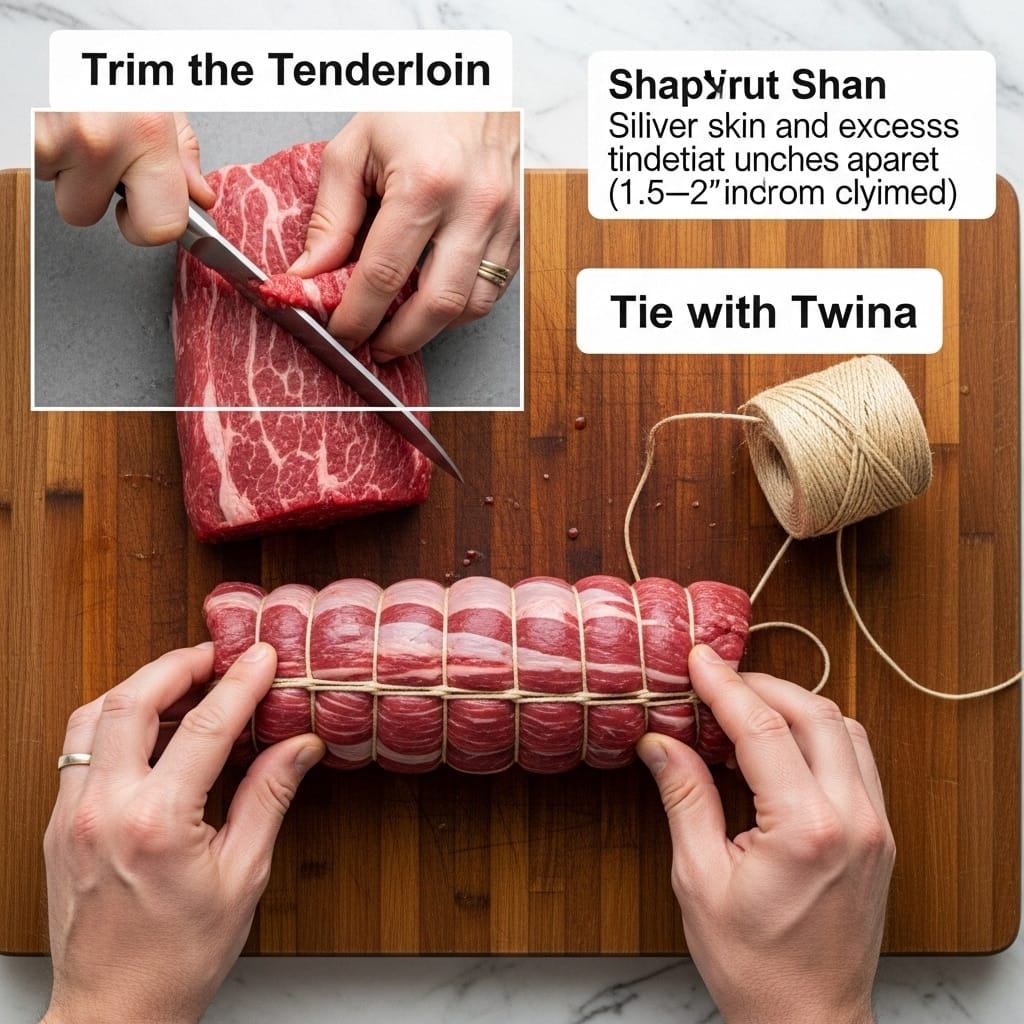
By properly prepping the tenderloin, you set the foundation for flawless execution in the water bath. This simple step ensures the shape, flavor, and texture are spot-on.
Looking for inspiration? Try this steak rice bowl recipe that pairs beautifully with thin slices of sous vide tenderloin.
Essential Tools and Equipment for Sous Vide Success
Must-Have Gadgets: Immersion Circulators, Vacuum Sealers, and More
To get the best results when cooking sous vide beef tenderloin, having the right tools isn’t just helpful—it’s essential. Sous vide cooking revolves around precision, and these tools make it easy to hit your target temp and lock in flavor.
Here are the must-haves for a foolproof setup:
| Tool | Purpose |
|---|---|
| Immersion Circulator | Maintains a consistent water temperature throughout the cook. |
| Vacuum Sealer | Removes air from the bag, ensuring even heat transfer and no floating. |
| Sous Vide Bags or Pouches | Designed to withstand long cooking times and maintain seal integrity. |
| Water Bath Container | Holds water and ensures your food is fully submerged. |
| Cast Iron Skillet | For the perfect post-sous-vide sear with a golden crust. |
Bonus tools: A clip or rack to keep your bag submerged and a digital thermometer for double-checking temps.
No vacuum sealer? No worries. Use the water displacement method: submerge the open bag slowly in water to push the air out, then seal it just before the top of the bag goes under. This method is simple and works great for home cooks.
Recommended Setup for Consistent Temperature Control
A stable setup = consistent results. Whether you’re cooking for a dinner party or meal-prepping, here’s how to dial in the process:
- Choose a heat-safe container: Clear polycarbonate containers with lids help minimize water evaporation during long cooks.
- Avoid fluctuations: Don’t place your sous vide bath near windows, AC vents, or ovens, which can cause temperature shifts.
- Clamp securely: Make sure the immersion circulator is firmly attached to your container and not floating.
- Monitor water level: Stay between the device’s min and max fill lines—especially during long cooks.
You want every inch of your beef tenderloin bathed in stable heat. This is what guarantees edge-to-edge doneness and restaurant-level consistency.
Discover great ideas like our southwest steak avocado bowl—a great use for sliced leftover sous vide beef.
Seasoning and Prepping Your Tenderloin Before Sous Vide
Should You Season Beef Before Sous Vide? (Answered)
When preparing sous vide beef tenderloin, the timing of your seasoning can significantly affect flavor and texture. The short answer? Yes, you should season before sous vide.
Seasoning before the cook allows salt and spices to penetrate the meat during the long, slow water bath, enhancing the internal flavor instead of just the surface. Kosher salt and freshly cracked black pepper are classic choices, but you can also use a dry rub or salt blend for extra depth.
That said, it’s important not to overdo it with strong aromatics like garlic or herbs inside the bag—they can intensify unpredictably over hours of cooking. Instead, keep it simple for the sous vide stage, then boost flavor after searing with a finishing sauce or compound butter.
Many chefs recommend salting and letting the meat rest for a few hours—or even overnight—in the fridge. This dry brine process further tenderizes the meat and infuses flavor deeply.
Best Spices and Marinades for Sous Vide Beef Tenderloin Flavor
While minimal seasoning works wonders, you can customize your beef tenderloin sous vide with more bold flavor profiles. Here are great spice and marinade options to elevate your next cook:
Top Spice Combos:
- Rosemary, thyme, and cracked pepper
- Smoked paprika, garlic powder, and coriander
- Espresso rub with chili flakes for a crusty, caramelized sear
Simple Marinade Idea:
- 2 tbsp olive oil
- 1 tsp Dijon mustard
- 1 tsp soy sauce
- Crushed garlic and a sprig of rosemary
Let the beef marinate inside the vacuum-sealed bag for 1–2 hours before cooking. This introduces a subtle umami boost while allowing the tenderloin’s natural flavor to shine through.
Just make sure the marinade or rub is oil-based or dry—avoid watery marinades, as they can dilute flavor and affect texture inside the sealed bag.
Don’t miss our creamy garlic chicken pasta recipe for a flavorful pairing or leftover beef tenderloin topper.
The Perfect Sous Vide Temperature and Time for Beef Tenderloin
What is the Best Temperature for Beef Tenderloin? (Answered)
When cooking sous vide beef tenderloin, selecting the right temperature is essential for achieving perfect doneness. Fortunately, sous vide gives you the control needed to cook beef exactly the way you like it.
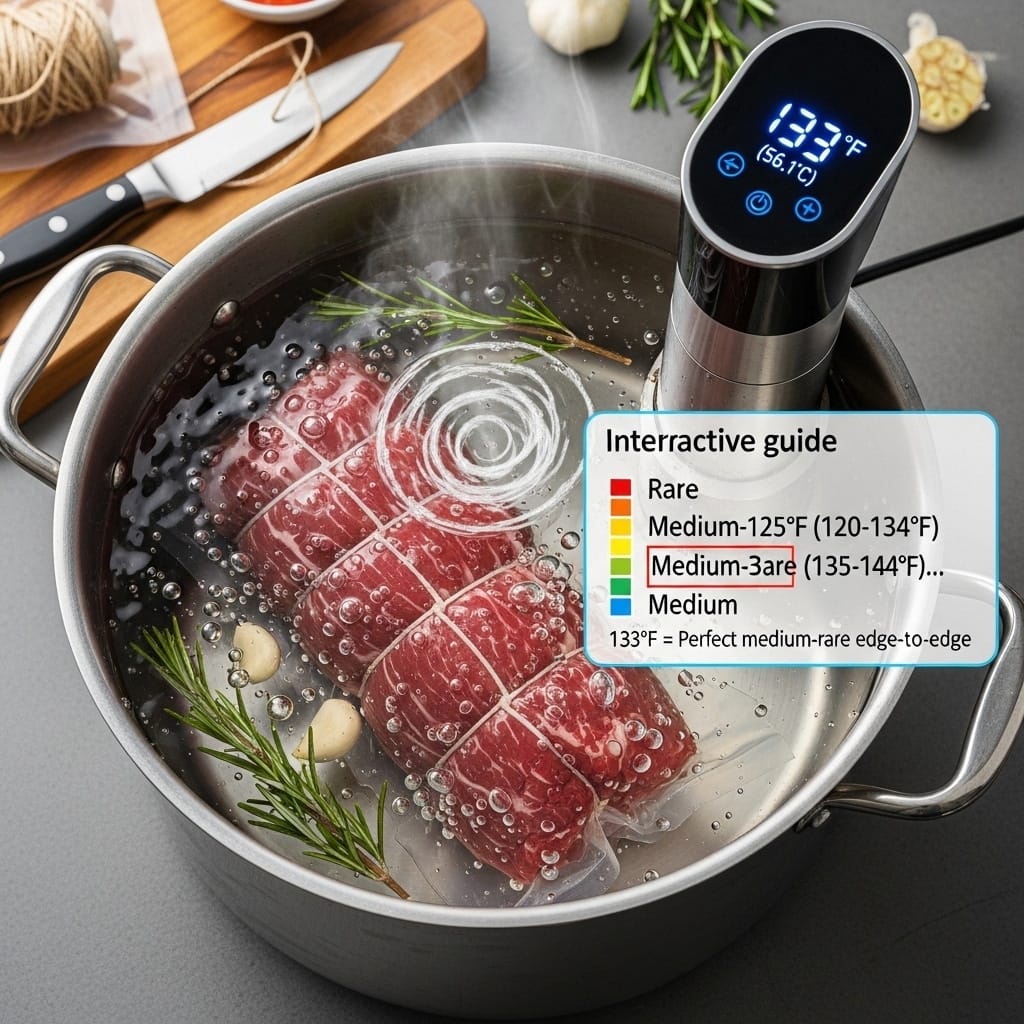
Most chefs agree that 133°F for medium-rare is the ideal temperature. Not only does this level of heat preserve the meat’s natural moisture, but it also ensures a tender, pink center from edge to edge. In contrast, higher temperatures can push moisture out of the beef, making it less succulent.
Here’s a breakdown to help you choose your preferred level of doneness:
| Doneness | Temperature (°F) | Description |
|---|---|---|
| Rare | 120–125°F | Very red center, soft and tender |
| Medium-Rare ✅ | 130–134°F | Pink center, buttery texture, juicy (recommended) |
| Medium | 135–144°F | Less pink, firmer bite |
| Medium-Well | 145–154°F | Mostly brown, slightly dry |
| Well-Done | 155°F+ | Fully cooked, firm, less moisture |
So, is 130°F hot enough for beef? Absolutely. When beef is held at this temperature for a minimum of two hours, it becomes safe to eat and stays incredibly juicy. Moreover, sous vide allows you to maintain that exact internal temperature without risk of overcooking—something traditional methods often fail to do.
How Long Does It Take to Sous Vide Beef Tenderloin? (Answered)
Time is the second half of the sous vide equation. The great thing about sous vide is its flexibility—you won’t miss the perfect window like you might on the grill or stovetop.
For a 2.5 lb center cut beef tenderloin, follow these timing guidelines:
| Temperature | Time Range | Notes |
|---|---|---|
| 130–134°F | 2 to 4 hours | Optimal window for medium-rare perfection |
| Over 4 hrs | Not recommended | Can cause texture breakdown (mushy meat) |
In general, 2 to 2.5 hours is ideal. Go up to 4 hours if needed for convenience, but do not exceed that, as extended cook times can negatively affect the meat’s structure—even with sous vide.
Need to cook a 1kg beef tenderloin? The same time applies. Sous vide cooking is based more on thickness than weight, so a similarly thick 1kg cut will also cook perfectly in 2–4 hours.
Don’t miss our guide to garlic butter beef chops for another cut that benefits from exact internal temps.
Post-Cooking Techniques – Searing and Resting the Tenderloin
Why Searing is Crucial After Sous Vide and How to Do It Right
Even though sous vide beef tenderloin is already cooked to perfection inside, the final step—the sear—is what transforms it from good to truly exceptional. Searing develops a rich brown crust through the Maillard reaction, delivering irresistible flavor and texture contrast.
Here’s how to nail the post-sous vide sear:
- Thoroughly dry the tenderloin using paper towels or a clean kitchen towel. Moisture is the enemy of a good sear.
- Cut and remove the twine used for shaping before searing.
- Use a high-heat skillet, preferably cast iron, and get it smoking hot.
- Add ghee or butter—ghee is preferred because of its high smoke point.
- Sear for 30 seconds to 1 minute per side, including the ends, until a golden-brown crust forms.
- Optional: Spoon hot ghee over the top as it sears for a buttery finish.
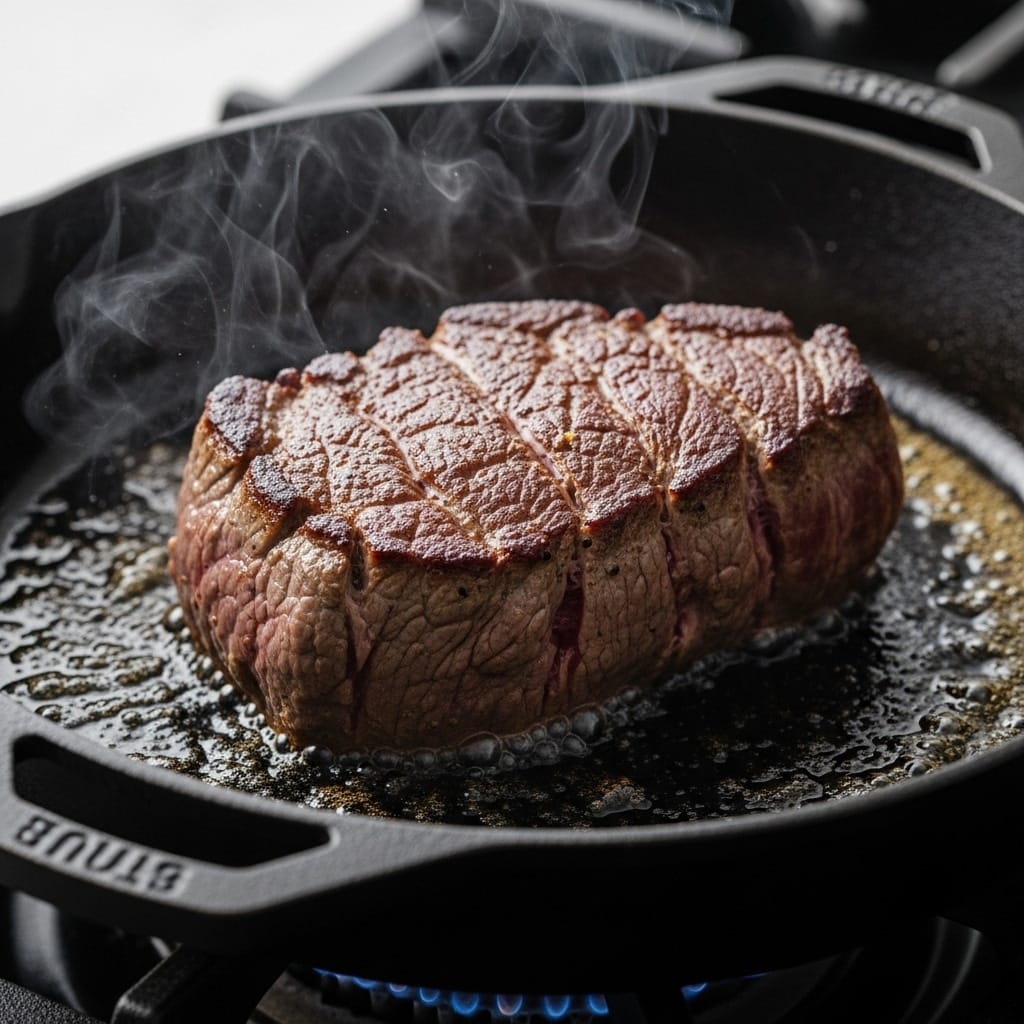
Tip: Don’t overcrowd the pan or move the meat around. Let it develop color, then flip.
This step only takes a couple of minutes, but it dramatically boosts the final flavor and presentation.
Looking for inspiration? Try this pan-seared steak in butter sauce for a buttery finish you can borrow for your sous vide tenderloin.
How Long to Rest Steak After Sous Vide (Answered)
Resting meat is often emphasized in traditional cooking because heat pushes juices toward the center, and resting allows redistribution. But with sous vide, things work differently.
Since sous vide cooks meat gently and evenly, resting isn’t as critical—but it’s still wise to let your beef tenderloin sit for a few minutes after searing. This helps the outer crust firm up and lets surface heat redistribute slightly.
Recommended rest time:
3 to 5 minutes on a cutting board before slicing.
Slice into ¾-inch medallions for optimal tenderness.
This short pause makes slicing easier, prevents juice loss, and enhances the final bite. You’ve done everything right—don’t skip this last step.
Don’t miss our creamy queso steak rice bowl if you’re looking for leftover ideas after the perfect sear.
Troubleshooting Common Sous Vide Beef Issues
Why Is My Steak Tough After Sous Vide? (Answered)
If your sous vide beef tenderloin turns out tough, it’s usually due to a few key mistakes—not the method itself. Here’s what might be going wrong:
- Overcooking past 4 hours: Tenderloin is a delicate cut. Cooking it longer than 4 hours can cause the muscle fibers to break down excessively, giving it a mushy or grainy texture instead of buttery tenderness.
- Wrong temperature: Too high a temperature (above 135°F) may tighten the muscle fibers and push out juices, leaving the meat chewy.
- Insufficient sear: A poor or uneven sear can lead to an unpleasant texture on the surface, creating a contrast that feels like toughness.
- Not drying the meat properly: If moisture is left on the surface before searing, it can prevent the crust from forming and lead to a steamed texture.
To fix it next time, ensure you cook within the ideal time (2–4 hours at 130–134°F), dry the tenderloin thoroughly, and sear it fast over high heat.
Looking for inspiration? Try our steak butter pan sauce method to add extra tenderness and flavor post-sear.
Can You Overcook Beef in Sous Vide? (Answered)
Technically, you can’t overcook beef in the traditional sense with sous vide, since the temperature never rises above your set target. However, cooking too long—especially with tender cuts like beef tenderloin—can negatively impact texture.
Here’s what “overcooking” looks like in sous vide:
- Cooking beyond 4 hours can cause the meat to become soft, mushy, or develop a mealy texture.
- Too thin slices: Extended time can break down fine muscle structure, reducing chew and making it grainy.
- High fat breakdown: Fat and connective tissue will dissolve, but with lean tenderloin, this leads to dryness, not succulence.
Rule of thumb: Sous vide is about time and temperature balance. Stick to 133°F for up to 4 hours and you’ll never overcook tenderloin.
Discover great ideas like our garlic parmesan beef chop recipe for cuts that stand up to longer sous vide times without losing structure.
Serving Suggestions and Flavor Pairings
Best Side Dishes to Serve with Sous Vide Beef Tenderloin
Once your sous vide beef tenderloin is perfectly cooked and seared, it deserves equally impressive sides. Because tenderloin is a lean, elegant cut, pair it with sides that elevate its flavor without overpowering its natural richness.
Here are top side dish ideas that complement beef tenderloin beautifully:
| Side Dish | Why It Works |
|---|---|
| Garlic Mashed Potatoes | Creamy texture balances the tenderloin’s rich seared crust |
| Roasted Asparagus | Bright, crisp contrast to the buttery meat |
| Creamed Spinach | Adds richness and a touch of decadence |
| Herb Butter Rice | Subtle flavor that lets the beef shine |
| Grilled Corn Salad | Fresh and vibrant with sweet and smoky notes |
Looking for a fun twist? Don’t miss our creamy garlic chicken pasta, which pairs well with leftover tenderloin slices for a gourmet pasta bowl.
Compound Butters, Sauces, and Toppings to Enhance Flavor
To take your beef tenderloin to the next level, finish it with a compound butter or sauce. These not only enhance the flavor but also add visual appeal when plating.
Top Compound Butters:
- Blue cheese butter (bold and tangy, offering a sharp contrast to the tenderloin’s rich flavor)
- Garlic herb butter (classic and crowd-pleasing)
- Horseradish cream butter (adds a spicy kick)
Sauce Ideas:
- Red wine reduction with shallots and thyme
- Peppercorn cream sauce
- Béarnaise or hollandaise for a French-inspired dinner
Simply place a pat of butter on each medallion right after slicing. It’ll melt into the meat, infusing every bite with rich, aromatic flavor.
Don’t miss our steak and avocado bowl for a lighter, fresh-topped alternative.
Cooking by Weight and Preference – Advanced Tips
How Long to Sous Vide 1kg of Beef Tenderloin (Answered)
When cooking sous vide beef tenderloin, time is determined more by the thickness of the cut than its weight. A 1kg beef tenderloin is typically around the same thickness as a 2.5 lb cut (about 2.5–3 inches thick), so the cooking time remains consistent.
For a 1kg tenderloin:
- Cook at 130–134°F for 2 to 4 hours
- Stick closer to 2.5–3 hours for the best texture
What if your tenderloin is unusually thick or thin? Adjust slightly:
- Thinner than 2 inches: 1.5 to 2.5 hours
- Thicker than 3 inches: 3 to 4 hours max
But remember, going beyond 4 hours can soften the muscle structure too much, resulting in a mealy or overly soft texture—especially for lean cuts like tenderloin.
Is 130°F Hot Enough for Beef? (Answered)
Yes—130°F is absolutely hot enough for cooking beef safely and effectively using sous vide. Unlike traditional methods that rely on high, short bursts of heat, sous vide’s power lies in maintaining a low temperature over an extended period.
Here’s why 130°F works:
- It safely pasteurizes beef when held for over 2 hours
- Delivers medium-rare perfection with rich flavor and optimal juiciness
- Keeps connective tissue intact, preserving that signature tenderloin texture
According to USDA sous vide safety charts, beef held at 130°F for more than 2 hours is considered safe to eat. That makes it the gold standard for steak lovers who want consistent results without compromise.
Don’t miss our sous vide chicken breast guide if you’re looking to apply similar precision to poultry.
Frequently Asked Questions (FAQs) – Sous Vide Beef Tenderloin
How long does it take to sous vide beef tenderloin?
For a center-cut beef tenderloin, the ideal sous vide cooking time is 2 to 4 hours at 130–134°F. This range gives you the flexibility to hit perfect doneness without the risk of overcooking. For best results, aim for about 2.5 to 3 hours if your tenderloin is 2–3 inches thick.
What is the best temperature for beef tenderloin?
The sweet spot is 133°F for medium-rare. This delivers a rosy-pink center with buttery texture and optimal juiciness. You can adjust within 130–134°F depending on preference, but medium-rare remains the gold standard for tenderloin.
Is it worth it to sous vide filet mignon?
Absolutely. Filet mignon, like beef tenderloin, is a premium, lean cut that benefits immensely from the precise temperature control of sous vide. It ensures even cooking from edge to center and maximizes tenderness, making every bite restaurant-quality.
Can you overcook beef in sous vide?
Technically, you can’t overcook it by temperature since sous vide cooks at your target temp. However, cooking too long—especially beyond 4 hours for tenderloin—can break down muscle fibers and result in a mushy texture. Stick to the recommended time window for best results.
Why is my steak tough after sous vide?
Toughness usually stems from:
Cooking too long (over 4 hours)
Using too high a temperature
Not drying the meat before searing
Skipping the resting period
Review your cook time and temp and ensure proper prep and finishing steps.
Is 130°F hot enough for beef?
Yes. In sous vide cooking, 130°F is both safe and effective. Held for 2+ hours, it pasteurizes the meat while delivering a medium-rare doneness with perfect tenderness.
How long to rest steak after sous vide?
After searing, let the steak rest for 3 to 5 minutes. While resting isn’t as critical as in traditional methods, this brief pause helps the juices settle and makes for easier slicing.
Do you season beef before sous vide?
Yes—seasoning before sous vide allows the salt and spices to infuse the meat as it cooks. Stick with simple seasonings like kosher salt and pepper, and avoid overly watery marinades inside the bag.
How long to sous vide 1kg of beef?
Time is based on thickness, not weight, so a 1kg beef tenderloin typically cooks in 2 to 4 hours at 130–134°F, just like a 2.5 lb one. Ensure it’s tied and evenly shaped for consistent results.
Conclusion: Why Sous Vide Beef Tenderloin Is the Ultimate Cooking Method
Cooking sous vide beef tenderloin isn’t just about impressing guests—it’s about unlocking next-level control, consistency, and flavor right in your own kitchen. Whether you’re hosting a holiday feast or preparing a weeknight meal, sous vide guarantees a steakhouse-quality result with virtually no stress.
By using precision tools, choosing the right cut, and mastering time and temperature, you can achieve perfectly cooked, melt-in-your-mouth beef every time. Add a golden sear, rest it briefly, and slice into juicy medallions bursting with flavor. Finish with a dollop of compound butter or a drizzle of pan sauce, and you’ve got a five-star meal made at home.
This method takes the guesswork out of cooking premium cuts. And once you taste it, you’ll never want to go back to traditional methods again.
Looking for more foolproof techniques? Don’t miss our guide on how to sous vide chicken breasts perfectly every time.
Let’s connect! Follow me for more Joylicious Recipes:
PrintSous Vide Beef Tenderloin Made Easy: Foolproof, Juicy & Delicious
Tender, juicy sous vide beef tenderloin cooked to perfection, then seared in ghee for a rich, flavorful crust—easy, elegant, and restaurant-quality at home.
- Prep Time: 15 minutes
- Cook Time: 1 hour
- Total Time: 1 hour 15 minutes
- Yield: 6 servings 1x
- Category: Dinner
- Cuisine: American
Ingredients
2.5 lb center cut beef tenderloin, tied with twine
kosher salt
freshly cracked black pepper
1 tbsp ghee
Instructions
Season beef with kosher salt and pepper.
Vacuum seal and submerge in 133°F sous vide bath for 2–4 hrs.
Remove, dry thoroughly, cut twine.
Sear in hot cast iron with ghee 30–60 secs per side.
Rest 3–5 mins, slice into ¾ inch medallions, serve.
Notes
You can use a salt blend (like garlic salt or rosemary salt) instead of just kosher salt and pepper to customize flavor.
Ghee is used for its high smoke point and nutty aroma, but unsalted butter is an excellent substitute.
Avoid cooking longer than 4 hours, as this can cause a mushy or overly soft texture, especially with lean cuts like tenderloin.
Always pat the meat dry thoroughly before searing—this ensures a rich, caramelized crust instead of steaming the surface.
Let the steak rest for 3 to 5 minutes after searing to lock in juices and improve texture before slicing.
For an extra indulgent finish, top each medallion with compound butter (like blue cheese or herb garlic).
Nutrition
- Serving Size: 6 servings
- Calories: 540kcal
- Sodium: 93mg
- Fat: 44g
- Saturated Fat: 18g
- Protein: 34g
- Cholesterol: 139mg
Keywords: Cut beef tenderloin, tawny port wine, butter, garlic, rosemary, rosemary sea salt, beef broth, mushrooms, olive oil
Let’s connect! Follow me for more Joylicious Recipes: Facebook, Instagram, Pinterest