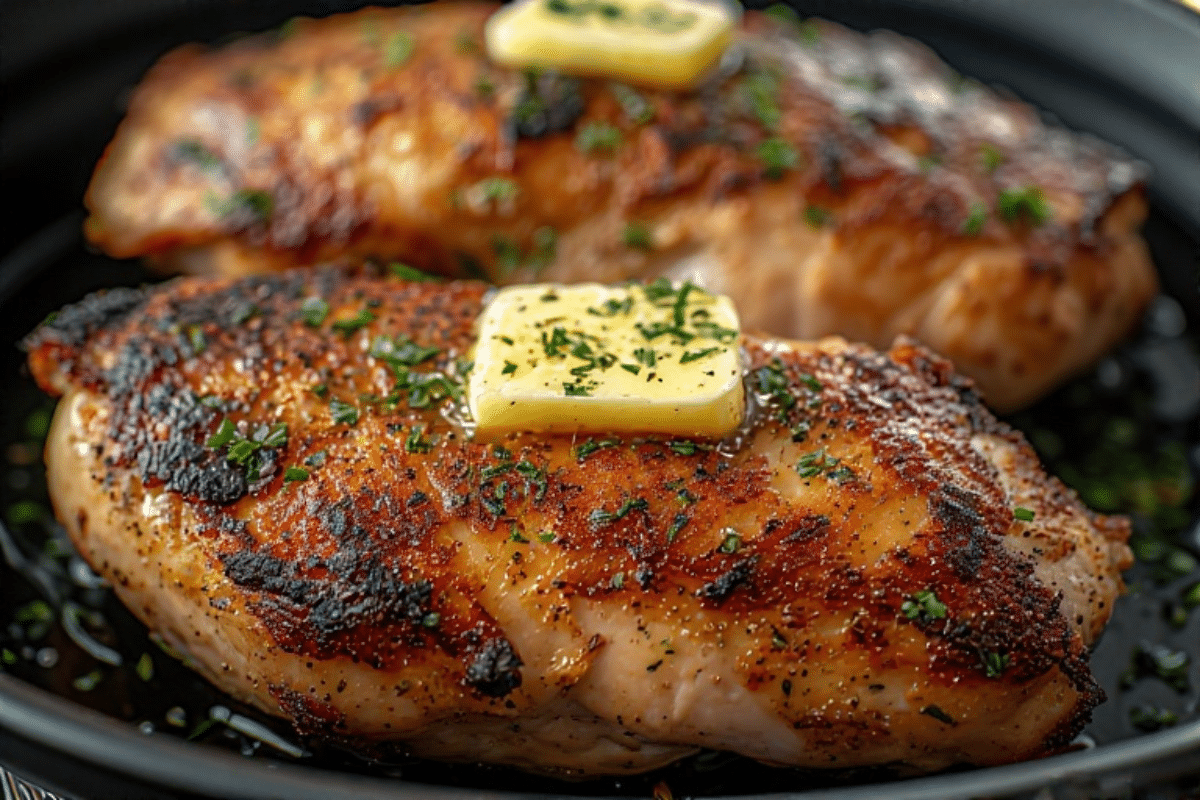
Sous Vide Chicken Breast: Perfect Results Made Easy
Cooking a perfect sous vide chicken breast might sound like a high-tech kitchen experiment, but it’s actually one of the easiest and most reliable ways to make tender, juicy, flavorful chicken every single time. Whether you’re a beginner home cook or a seasoned foodie, this method guarantees consistency and restaurant-quality results with minimal effort.
This guide is your all-in-one resource to mastering sous vide chicken breast—from selecting the right temperature and cook time to sealing, seasoning, and searing to perfection. We’ll also break down why your chicken might turn rubbery, whether you should marinate before cooking, and the truth about pink chicken.
Along the way, you’ll find expert tips, a detailed walkthrough of the process, a compound butter recipe for finishing, and answers to the most common questions (like “Can I sous vide chicken in its original packaging?”). Plus, we’ve included helpful internal links from our site for more inspiration.
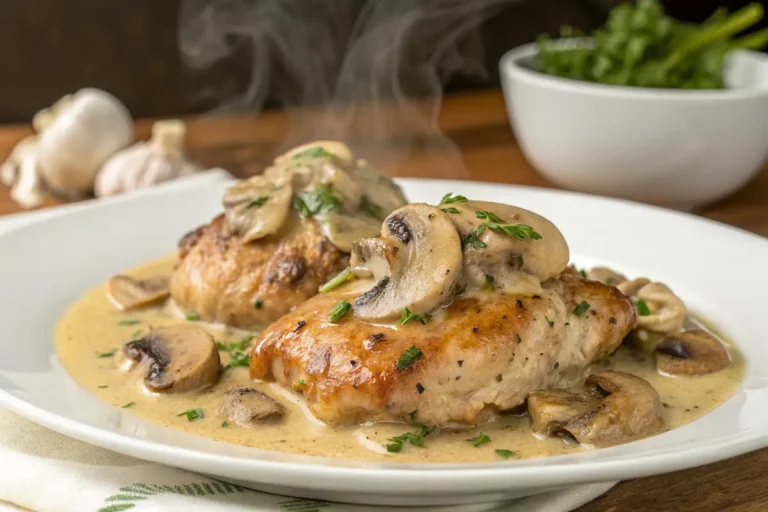
Learn more about creamy skillet chicken with mushrooms while you’re here.
What is Sous Vide Chicken Breast and Why It’s a Game-Changer
Understanding the Sous Vide Technique for Chicken
Sous vide—French for “under vacuum”—is a cooking method that involves vacuum-sealing food and immersing it in a precisely temperature-controlled water bath. For chicken breasts, this is especially powerful because it eliminates guesswork. Traditional methods like baking or grilling often lead to overcooked or dry meat. With sous vide, your chicken reaches the exact internal temperature you want and stays there.
Here’s what happens: the chicken cooks slowly at a low, consistent temperature (usually between 140°F to 150°F), allowing proteins to break down gently. The result? Juicy, tender, flavorful chicken with no dry edges or overcooked centers. This technique has become a favorite among both home cooks and professional chefs alike.
Why Sous Vide Chicken Breast is Juicier Than Traditional Cooking
Unlike roasting or sautéing—where the heat can be uneven or unpredictable—sous vide chicken breast is all about precision. When you bake or grill chicken, the outer layers get hotter faster than the inside, which can dry it out. But with sous vide, you’re cooking edge-to-edge perfection. Every bite is just as juicy as the last.
There’s also no need for marinades to tenderize the meat because the gentle temperature does most of the work. Instead, you can infuse flavors like herbs, lemon, or garlic directly into the sealed pouch, letting them gently meld into the chicken over the cook time.
If you’ve ever cut into a dry, stringy chicken breast and thought, “There’s got to be a better way”—you’re right. Sous vide is that better way.
Don’t miss our garlic butter baked chicken breast recipe for a delicious comparison.
The Best Temperature and Time to Sous Vide Chicken Breast
Ideal Sous Vide Chicken Temperature for Perfect Doneness
One of the biggest perks of cooking sous vide chicken breast is the control you get over doneness. No more slicing into dry, overcooked chicken—or worrying if it’s underdone. But here’s the catch: the temperature you set makes all the difference.
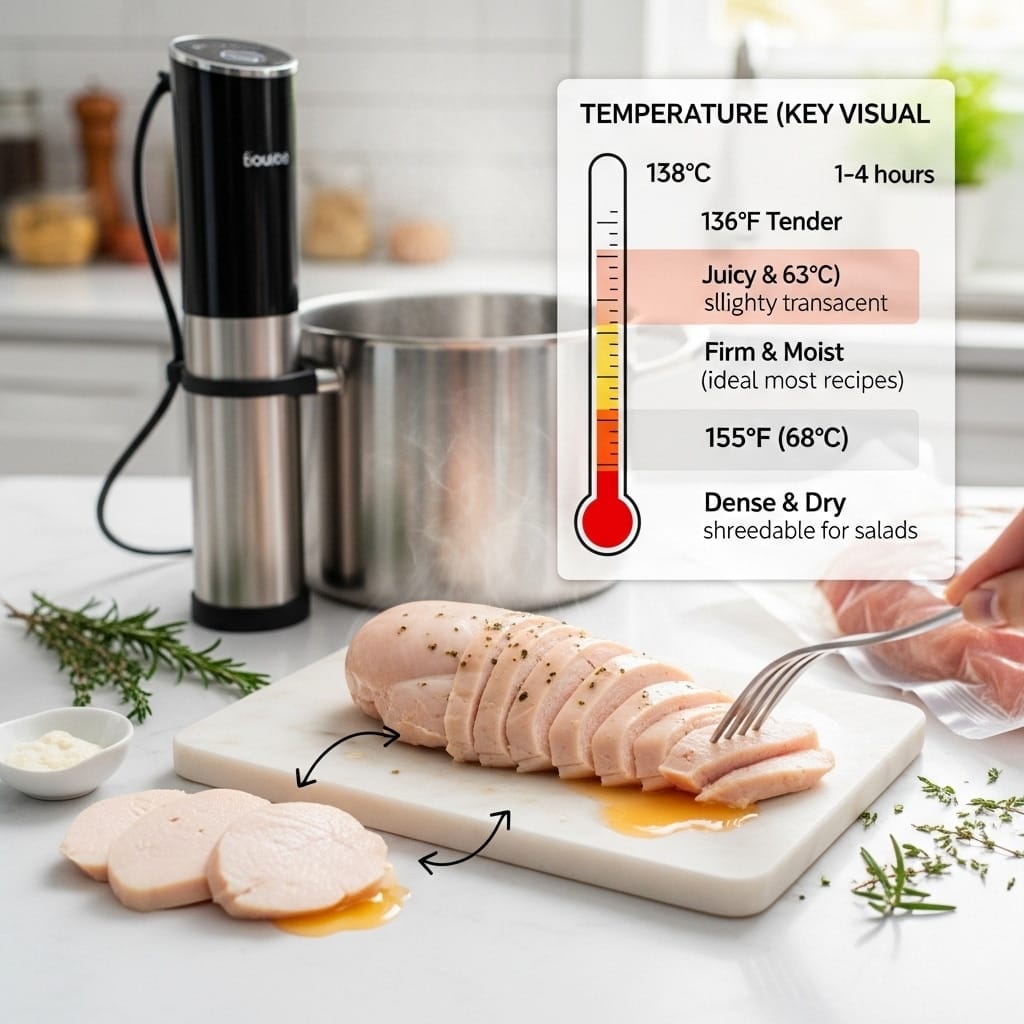
Here’s a quick breakdown of sous vide chicken breast temperatures and what results to expect:
| Temperature | Texture & Doneness | Best For |
|---|---|---|
| 140°F (60°C) | Very tender and slightly soft | For ultra-juicy chicken lovers |
| 145°F (62.8°C) | Perfectly juicy and firm | Most popular option |
| 150°F (65.6°C) | Slightly firmer, still juicy | Those who prefer traditional texture |
| 155°F (68.3°C) | Closer to classic cooked chicken | Meal prep for salads or sandwiches |
| 160°F (71.1°C) | Firm, less moist | Not ideal for sous vide – too dry |
Pro Tip: For best results, set your precision cooker to 145°F. It’s the ideal balance—keeping the chicken juicy and safe to eat, while still delivering that classic cooked texture you expect.
Looking for inspiration? Try our Easy Baked Chicken Recipe for a high-temp comparison.
How Long to Cook Chicken Breast in Sous Vide for Optimal Texture
Once you’ve dialed in the perfect temperature, the next variable is time. With sous vide, timing is flexible—but it’s not infinite.
For sous vide chicken breast at 145°F, the standard cook time is:
- Minimum: 1 hour (safe to eat and juicy)
- Maximum: 4 hours (won’t overcook, but may get too soft)
Here’s a quick cheat sheet:
| Thickness | Time Range |
|---|---|
| 1 inch | 1 to 2 hours |
| 1.5 inches | 1.5 to 3 hours |
| 2 inches | 2 to 4 hours |
Can you leave it in longer? Yes, technically. But going past 4 hours starts breaking down the protein fibers, making the chicken too soft or even mushy. That’s why sticking between 1.5 to 3 hours is your best bet for juicy, tender bites.
Don’t forget: How long to cook chicken breast in sous vide depends more on thickness than weight. Use your judgment and a timer.
Discover great ideas like how to smoke chicken breast perfectly for another slow-cook method comparison.
Preparing Chicken for Sous Vide: Step-by-Step Guide
Seasoning, Marinating, or Brining: What Works Best?
When prepping sous vide chicken breast, one of the most common questions is: “Do I need to season or marinate it before sealing?” The short answer is—yes, but keep it simple.
Seasoning:
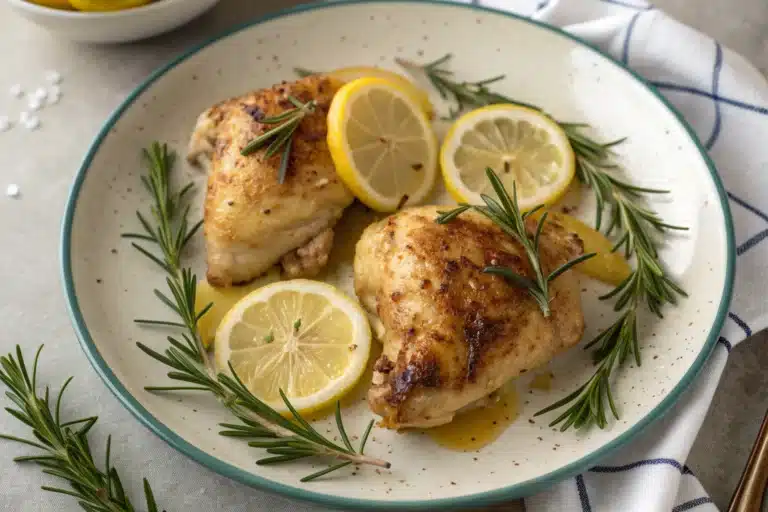
At a minimum, season the chicken breasts with salt and pepper. You can also toss in fresh herbs like thyme or rosemary and a slice of lemon to infuse flavor during the water bath. Because the chicken cooks in a sealed bag, all those flavors stay locked in, enhancing the final result without overpowering it.
Marinating:
Unlike grilling or roasting, sous vide doesn’t benefit much from long marinades. Acidic marinades can even make the texture weird if left too long. If you must marinate, go for oil-based or herb-forward mixtures and limit the time to 30–60 minutes before cooking.
Brining:
Not essential for sous vide, since it retains moisture naturally. But if you want to use a quick brine, make sure to rinse and dry the chicken thoroughly before sealing.
So, should you marinate chicken before sous vide? It’s optional—but not necessary. The real flavor magic happens in the bag, especially when you finish it with a sear and compound butter (see recipe below in Part 5).
Check out our Million Dollar Baked Chicken Breast for another flavor-packed take.
Can You Sous Vide Chicken in Original Packaging?
Here’s a question that comes up often: Can I sous vide chicken in the packaging it came in? The answer depends on what kind of packaging it is.
- If it’s vacuum-sealed from the store (without foam or air): Yes, you can sous vide it directly. Just make sure the plastic is BPA-free and food-safe at high temperatures.
- If it’s in foam trays or loose plastic wrap: Absolutely not. These materials aren’t made to withstand heat and can leach chemicals into your food.
The safest approach is to transfer the chicken to a vacuum-seal bag or a zip-top freezer bag using the water displacement method (pressing out air as you submerge the bag). Add your seasoning, lemon slices, and herbs—then seal and cook.
Don’t miss our Garlic Butter Chicken Bites for inspiration on how to pack flavor fast.
Cooking Process: How to Sous Vide Chicken Breast Like a Pro
Setting the Sous Vide Machine the Right Way
Once your sous vide chicken breast is prepped and sealed, it’s time to set up your water bath. This is the part where sous vide really shines—precision is everything.
Start by filling a large pot or sous vide container with warm water, then attach your immersion circulator. Set the temperature—145°F is ideal for most people, as we covered earlier—and let it preheat. Depending on your device, it should reach the target temperature in about 10–15 minutes.
Here’s what to keep in mind when setting up:
- Use a lid or cover the water surface with foil or plastic wrap to reduce evaporation during long cook times.
- Clip the sealed bag to the side of the pot or use sous vide weights to keep the chicken fully submerged.
- Avoid crowding—leave space for water to circulate evenly around each chicken breast.
The goal here is consistent heat transfer so that your chicken cooks evenly from edge to center. Set a timer and relax—there’s almost no risk of overcooking.
Discover great ideas like our Creamy Garlic Herb Chicken Recipe to serve alongside your sous vide meal.
Vacuum Sealing Tips: Lemon, Herbs & More Flavor Hacks
To really elevate the flavor of your sous vide chicken breast, take advantage of what happens inside the bag. Because the chicken is sealed, any herbs, citrus, or seasoning will infuse deeply as it cooks.
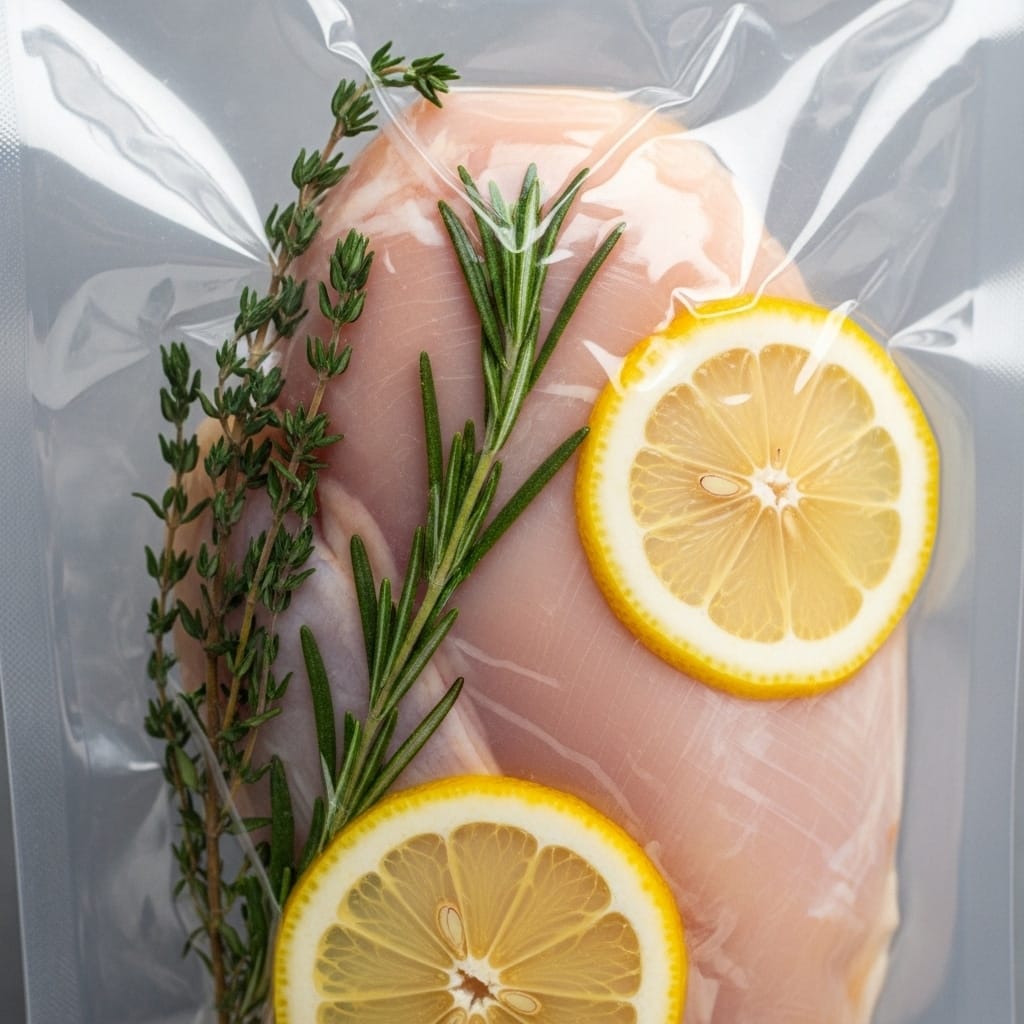
Here’s how to pack it right:
- Add 2–4 sprigs of fresh herbs (thyme, rosemary, or tarragon all work great)
- Include 2 thin slices of lemon—this adds brightness and helps cut through the richness
- Don’t forget salt and pepper, and add a light drizzle of olive oil if you like
For sealing, you can use either:
| Method | Notes |
|---|---|
| Vacuum sealer | Most reliable; removes all air and seals tightly |
| Water displacement | Budget-friendly option using zip-top freezer bags |
Pro Tip: If you’re using zip-top bags, seal most of the bag—about 95%—then gently lower it into the water. As the water pressure forces the air out, seal the remaining opening before fully submerging the bag.
This simple prep locks in moisture and flavor. Combined with the slow, controlled cooking, it makes for the most tender, flavorful chicken you’ll ever eat.
Finishing Techniques: How to Sear Sous Vide Chicken to Perfection
Butter Basting and Cast-Iron Searing Techniques
After your sous vide chicken breast has spent 1 to 4 hours in the water bath, it’s time to add that irresistible golden crust. This finishing step isn’t just for looks—it adds rich flavor and texture that take your chicken to the next level.
Here’s how to finish your sous vide chicken like a pro:
- Remove and pat dry. Moisture is the enemy of a good sear, so use paper towels to blot the chicken thoroughly.
- Preheat a cast iron skillet over high heat until it’s nearly smoking.
- Add 1 tablespoon of olive oil and 2 tablespoons of butter (or compound butter) to the pan.
- Gently lay the chicken breasts in the pan, pressing them down for even contact.
- Sear each side for about 1 minute, continuously basting the chicken with the hot, melted butter as it cooks.
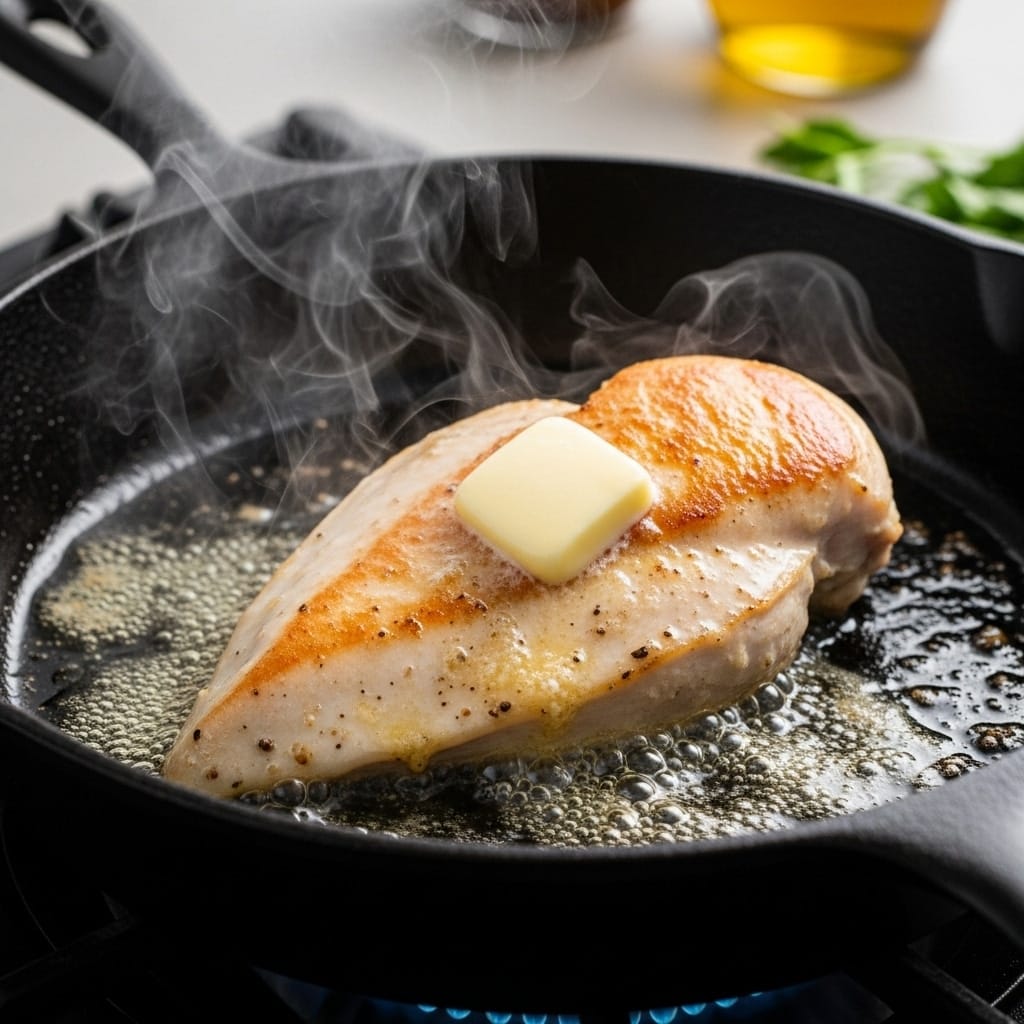
This technique creates a golden, crispy exterior while the inside stays juicy and tender from the sous vide process. For extra flavor, try using a compound butter with garlic, parsley, lemon zest, and herbs.
Should You Rest Sous Vide Chicken Before Serving?
Unlike traditional cooking methods, resting isn’t necessary with sous vide. That’s because the meat is already evenly cooked throughout, and there are no intense temperature gradients that need to settle.
That said, giving it a brief 2–3 minute rest after searing allows the surface to cool slightly and the flavors to settle. It’s optional—but can help with presentation and ease of slicing.
If you’ve followed the sous vide process correctly, every slice should be moist, tender, and ready to serve immediately after searing.
Don’t miss our Garlic Parmesan Baked Chicken for another flavorful finish alternative.
Troubleshooting Common Sous Vide Chicken Mistakes
Why Does My Chicken Come Out Rubbery or Dry?
If your sous vide chicken breast turns out rubbery, mushy, or dry, don’t panic—it’s a fixable issue, and usually comes down to either temperature, cook time, or sealing method.
Let’s take a look at some common issues and what could be causing them:
| Problem | Common Cause | How to Fix It |
|---|---|---|
| Rubbery texture | Temp too high (over 150°F) | Stick to 140–145°F for tender results |
| Mushy texture | Cooked too long (over 4 hours) | Limit cook time to 1–3 hours |
| Dry edges | Poor sealing or air in bag | Use proper vacuum sealing or water displacement |
| Toughness | No seasoning/salt before cooking | Light salting pre-sous vide helps protein breakdown |
Even though sous vide is known for being “foolproof,” precision still matters. For the best texture, stay within the ideal temp/time range and ensure the chicken is evenly sealed without air pockets.
Check out our Creamy Garlic Herb Chicken for another way to boost tenderness and moisture.
Is It Safe to Leave Chicken in Sous Vide All Day?
Technically, yes—but with limits. One major benefit of sous vide is flexibility. You won’t overcook the chicken by a few extra minutes. But leaving it in for 8+ hours? That’s where problems start.
Why? Even at safe temperatures, extended cook times can start to break down muscle fibers, leaving the chicken overly soft and lacking texture. It may even feel “mushy” or look unappetizing.
Here’s a general rule:
- Safe window: 1 to 4 hours
- Stretch it to: 5 hours max (if cooking at 145°F or above)
- Avoid: 6+ hours unless you’re doing a confit or special prep
Also, after cooking, if you’re not eating right away, place the sealed bag in an ice bath to quickly chill it. You can refrigerate it for meal prep, then reheat and sear later without sacrificing quality.
Don’t miss our Easy Baked Chicken Recipe for a faster, oven-based solution if you’re short on time.
Flavor Enhancements: Should You Salt or Marinate Before Sous Vide?
Pros and Cons of Pre-Salting Chicken
Salting is more than just seasoning—it’s a functional part of the sous vide process. But when should you do it?
Here’s the good news: Salting your sous vide chicken breast before cooking is highly recommended. Salt helps the proteins break down slightly during the long, low cook, which enhances tenderness and draws flavor into the meat. It also helps retain moisture while preventing bland, watery results.
However, don’t go overboard. Too much salt can create an overly cured or ham-like texture, especially if you’re leaving the chicken in the bath for several hours.
Best Practice:
- Lightly salt both sides of the chicken before vacuum sealing
- Add herbs and citrus to balance the flavor
- Avoid salty marinades unless you’re skipping extra salt
When to Marinate: Before or After Sous Vide?
Unlike traditional methods where a marinade tenderizes meat, sous vide doesn’t need help with tenderness—the water bath does all the work. That said, marinades can still add flavor… if used correctly.
Before sous vide:
- Use light, herb-based or oil-based marinades
- Avoid acidic ingredients (like lemon juice or vinegar), which can “cook” the meat and alter texture
- Keep marinating time short (under 1 hour)
After sous vide:
- Best for bold flavors like BBQ sauce or teriyaki
- Allows more control over flavor intensity
- Great option if you’re meal-prepping and reheating later
Quick Tip: For the best of both worlds, sous vide with salt, herbs, and lemon slices, then toss your chicken in a marinade or glaze just before searing.
Don’t miss our Garlic Butter Baked Chicken for a post-cooking flavor bomb idea.
Sous Vide Chicken Nutrition and Food Safety Tips
Why Sous Vide Chicken May Look Pink but Be Fully Cooked
If you’ve ever sliced into your sous vide chicken breast and noticed a pink center, your first instinct might be to toss it back in the pan. But hold up—it might be fully cooked and totally safe to eat.
Here’s why:
When you cook chicken sous vide at lower temperatures (like 140–145°F), myoglobin, the protein that gives meat its pink hue, doesn’t fully break down the way it would at higher temperatures. This means the chicken can look slightly pink, even though it’s pasteurized and safe.
What matters most is time and temperature. At 145°F for 1.5 hours, the chicken reaches a core temp that kills harmful bacteria—without drying it out.
So, pink isn’t a problem with sous vide. It’s just science at work.
Want to compare? Check out our How to Smoke Chicken Breast Perfectly to see how different cooking styles affect color and texture.
Is Sous Vide Chicken Healthier Than Pan-Fried?
In most cases, yes. Here’s why sous vide chicken breast is considered a healthier option:
| Cooking Method | Fat Used | Nutrient Loss | Moisture Retention |
|---|---|---|---|
| Sous Vide | Minimal (if any) | Very low | High |
| Pan-Fried | Often uses oils or butter | Moderate due to high heat | Medium to low |
| Grilled | Can char or burn | Higher vitamin loss | Varies |
With sous vide, you’re not using extra fats to cook, which reduces unnecessary calories. Plus, lower temps mean more vitamin retention (like B6 and niacin), and your protein stays intact and juicy.
You also avoid the risk of overcooking—a major problem in dry, pan-fried chicken—making sous vide ideal for clean-eating or meal-prep diets.
Bonus: It’s great for batch cooking. You can prep a week’s worth of chicken, chill it in an ice bath, and refrigerate or freeze for later. When it’s time to eat, just reheat and sear!
FAQs About Sous Vide Chicken Breast
How long to cook chicken breast in sous vide?
The sweet spot is 1 to 4 hours at 140–145°F. Cooking it for 1 hour ensures it’s safe and juicy, while going up to 4 hours keeps it tender without overcooking. Beyond that, the texture can get too soft.
What is the best temperature for sous vide chicken breast?
145°F (62.8°C) is widely recommended for the best balance of safety and tenderness. It keeps the chicken juicy, tender, and flavorful, with a texture similar to classic roasted chicken—but much more consistent.
Why is my sous vide chicken rubbery?
If your chicken feels rubbery, you’ve likely used too high a temperature or cooked it too long. Aim for 145°F and no more than 3–4 hours, and always seal your chicken properly to avoid uneven texture.
Can I leave chicken in sous vide all day?
Technically yes—but it’s not ideal. Chicken left in the water bath for 6+ hours becomes mushy due to protein breakdown. For best results, stick to the 1–4 hour range, or chill it immediately after and reheat later.
Should I salt chicken before sous vide?
Absolutely. Lightly salting your chicken before sealing it helps draw flavor into the meat and breaks down muscle fibers for added tenderness. Just don’t overdo it—too much salt can make the texture too firm.
Do I need to marinate chicken before sous vide?
It’s optional. Sous vide locks in moisture and flavor well without a marinade. But if you choose to marinate, avoid acidic marinades before cooking. Instead, add bold sauces or glazes after sous vide and before searing.
Can I sous vide chicken in its original packaging?
Only if it’s vacuum-sealed, BPA-free, and food-safe for high heat. Foam trays or thin plastic wraps from grocery stores are not safe. It’s best to repackage using a vacuum sealer or a zip-top freezer bag using the water displacement method.
Do real chefs use sous vide?
Yes—many professional chefs use sous vide for consistent results, especially in high-volume kitchens. It offers precise temperature control, hands-off cooking, and perfect texture every time.
Should you let chicken rest after sous vide?
Not necessarily. Since sous vide cooks evenly, there’s no need to rest like with traditional methods. However, letting it sit for 2–3 minutes after searing can help the juices settle and improve slicing.
Why does sous vide chicken look pink?
Pink doesn’t mean raw. At lower sous vide temps like 145°F, the chicken can appear slightly pink due to retained myoglobin, even though it’s fully cooked and safe to eat. It’s totally normal.
Conclusion
Cooking the perfect sous vide chicken breast doesn’t have to be complicated—it just takes the right temperature, a bit of prep, and a solid finish. Whether you’re meal-prepping, cooking for guests, or just want juicy, flavorful chicken without fail, sous vide delivers every time.
From setting the ideal temp (145°F) to sealing with herbs and lemon, then finishing with a buttery sear, this method gives you total control over texture and flavor. No more dry or overcooked chicken—just moist, tender perfection, every single time.
Looking for more chicken inspiration? Try our Creamy One-Pan Chicken and Rice or explore the bold flavors of our Crispy Hot Honey Feta Chicken.
Let’s connect! Follow me for more Joylicious Recipes:
PrintSous Vide Chicken Breast: Perfect Results Made Easy
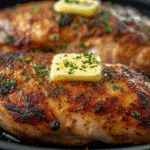
Juicy, tender, and foolproof—this sous vide chicken breast is perfectly cooked every time with a buttery finish. Ideal for meal prep or easy dinners.
- Prep Time: 5 minutes
- Cook Time: 1 hour
- Total Time: 1 hour 5 minutes
- Yield: 4 servings 1x
Ingredients
2 chicken breasts
Salt and pepper
2–4 sprigs fresh herbs
2 thin lemon slices
For Finishing:2 tbsp butter or compound butter
1 tbsp olive oil
Kosher salt & pepper
Compound Butter:
½ cup unsalted butter (room temp)
¼ cup fresh parsley (chopped)
3 cloves garlic (grated)
Zest of 1 lemon
3 tsp fresh chopped herbs
½ tsp kosher salt
¼ tsp black pepper
Instructions
Set sous vide to 145°F.
Season chicken with salt, pepper, herbs, and lemon; seal in bag.
Cook for 1–4 hours.
Remove, pat dry, and re-season.
Sear in a skillet with butter and oil, 1 minute per side. Serve hot.
Notes
For best texture, cook chicken at 145°F for 1½ to 2½ hours.
Pat chicken completely dry before searing for a crispy, golden crust.
Use fresh herbs and lemon slices in the bag to infuse subtle flavor.
Skip acidic marinades before cooking; apply bold sauces after sous vide and before searing.
To meal prep, chill sealed chicken in an ice bath after cooking, then store in the fridge for up to 4 days.
Safe to sous vide from frozen—just add an extra hour to cook time.
Nutrition
- Serving Size: 4 servings
- Calories: 430kcal
- Sugar: 1g
- Sodium: 363mg
- Fat: 25g
- Saturated Fat: 9g
- Carbohydrates: 1g
- Fiber: 1g
- Protein: 49g
- Cholesterol: 175mg
Keywords: Chicken breasts, compound butter, lemon, rosemary, honey, molasses, olive oil, Liquid smoke, skinless chicken breasts
Let’s connect! Follow me for more Joylicious Recipes: Facebook, Instagram, Pinterest