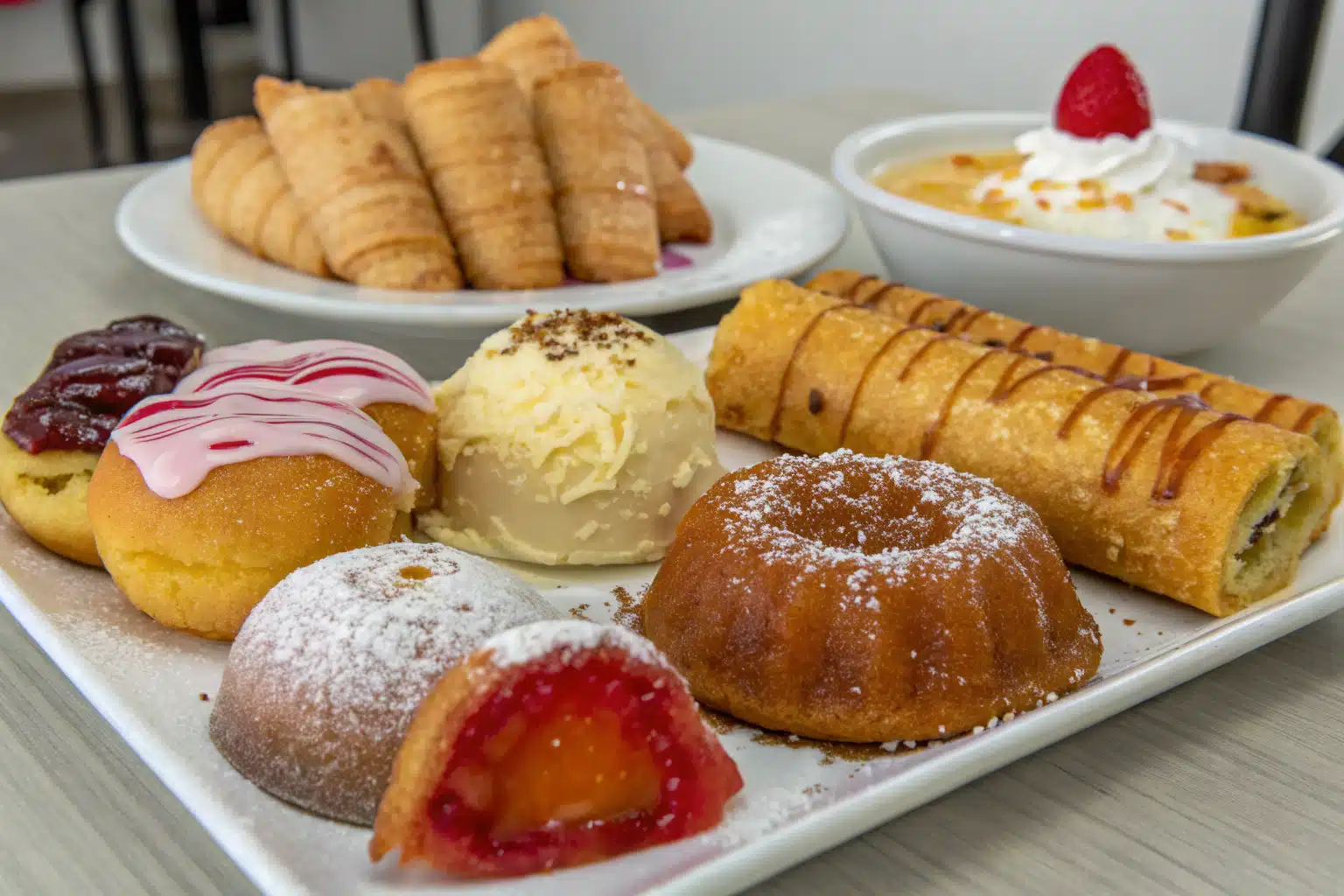
Authentic Venezuelan Dessert Recipes: A Taste of Sweet Tradition
Introduction: The Sweet Heritage of Venezuela
Exploring Venezuela’s Rich Dessert Tradition
Venezuelan desserts represent a beautiful fusion of indigenous, European, and African culinary influences that have melded over centuries. These sweet creations are characterized by the use of tropical fruits, coconut, and traditional techniques that have been passed down through generations. Venezuelan desserts often showcase the country’s abundant natural resources, incorporating ingredients like fresh fruits, condensed milk, and local spices to create unforgettable flavor profiles.
“Check out our creamy one-pan chicken and rice for another Latin American-inspired recipe” that pairs beautifully with these desserts.
The Cultural Significance of Venezuelan Sweets
In Venezuela, desserts are more than just after-dinner treats—they’re an integral part of celebrations, family gatherings, and daily life. From birthdays to holidays, Venezuelan desserts mark special occasions and bring people together. Many recipes have been treasured for generations, with each family adding their own special touch to traditional favorites. The preparation of these desserts often becomes a social activity itself, with multiple family members participating in the creation process, sharing stories and strengthening bonds.
Ingredients for Venezuelan Desserts
Essential Pantry Items
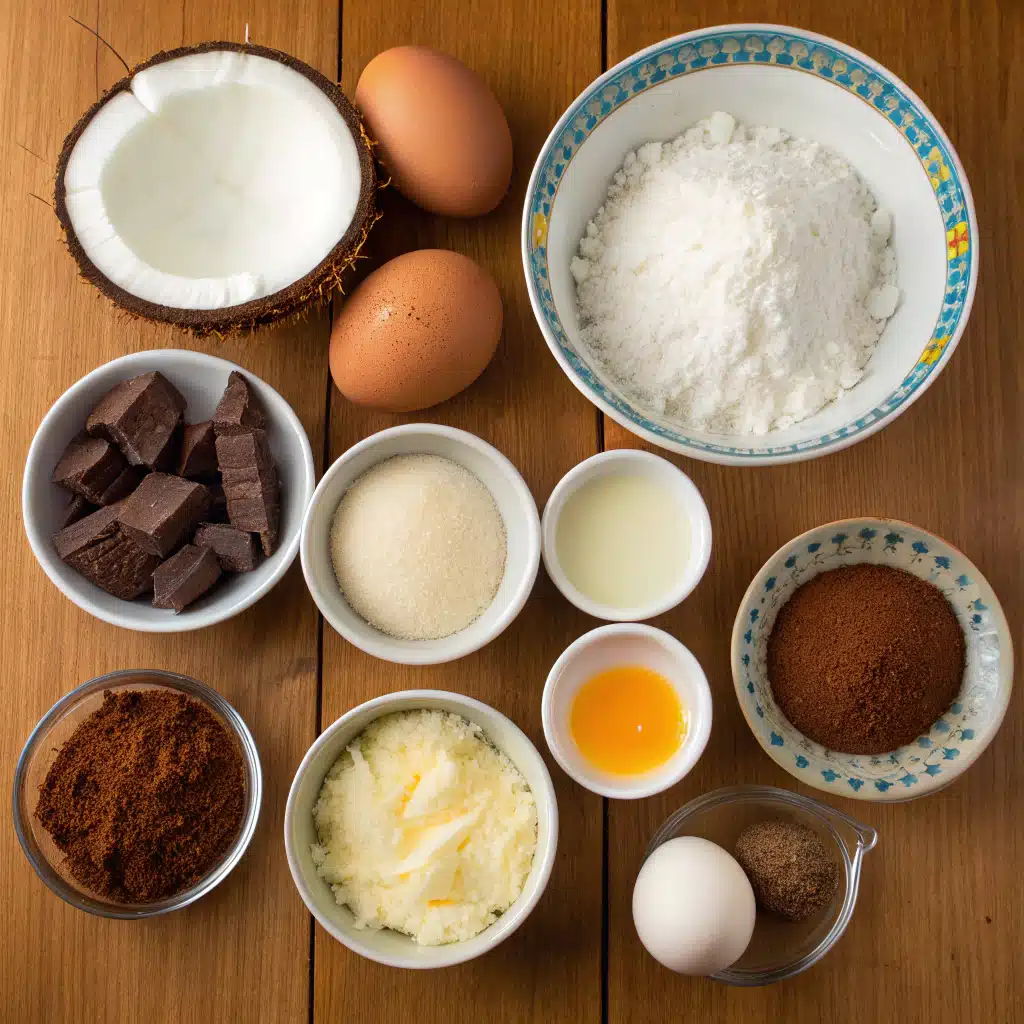
Venezuelan dessert recipes rely on several staple ingredients that form the foundation of many sweet creations. These fundamental components bring authentic flavor and texture to traditional recipes.
| Essential Ingredient | Role in Venezuelan Desserts |
|---|---|
| Condensed milk | Provides sweetness and creamy texture to many desserts |
| Whole milk | Forms the base for custards and cream-based desserts |
| Eggs | Acts as a binding agent and adds richness |
| Sugar | Sweetens desserts and is used to make caramel |
| Vanilla extract | Adds aromatic flavor to most sweet recipes |
| Coconut | Featured in many traditional desserts, often as milk or grated |
| Corn flour | Used in various desserts, especially cachapas and hallacas dulces |
| Guava paste | A popular filling for pastries and cookies |
Fresh Ingredients That Make the Difference
The vibrant flavors of Venezuelan desserts often come from incorporating fresh, seasonal ingredients that elevate the final result.
| Fresh Ingredient | Common Usage |
|---|---|
| Papaya | Used in conservas and fresh fruit desserts |
| Mango | Featured in mousses, ice creams, and compotes |
| Pineapple | Common in traditional quesillo and tortas |
| Passion fruit | Provides tartness to creams and mousses |
| Bananas | Used in cakes, puddings, and fried desserts |
| Fresh cheese | Essential for specialty desserts like quesillo de parchita |
| Oranges | Provides zest and juice for many recipes |
| Lemons | Adds acidity and flavor balance to sweet desserts |
Step-by-Step: Making Venezuelan Quesillo (Caramel Flan)
Preparing the Caramel Base
The foundation of a perfect quesillo begins with its golden caramel layer, which requires careful attention and technique. “Looking for inspiration? Try our easy homemade chicken pot pie recipe while you’re preparing dessert” for a complete homemade meal experience.
- Place ½ cup granulated sugar in a medium saucepan over medium heat.
- Allow the sugar to melt without stirring, occasionally swirling the pan to ensure even melting.
- Once the sugar turns a deep amber color (about 5-7 minutes), carefully remove from heat.
- Immediately pour the caramel into your baking dish or flan mold, tilting quickly to coat the bottom evenly.
- Set aside and allow the caramel to harden and cool completely before proceeding.
Creating the Silky Custard Mixture
The custard portion of quesillo requires a delicate balance of ingredients for that signature smooth texture.
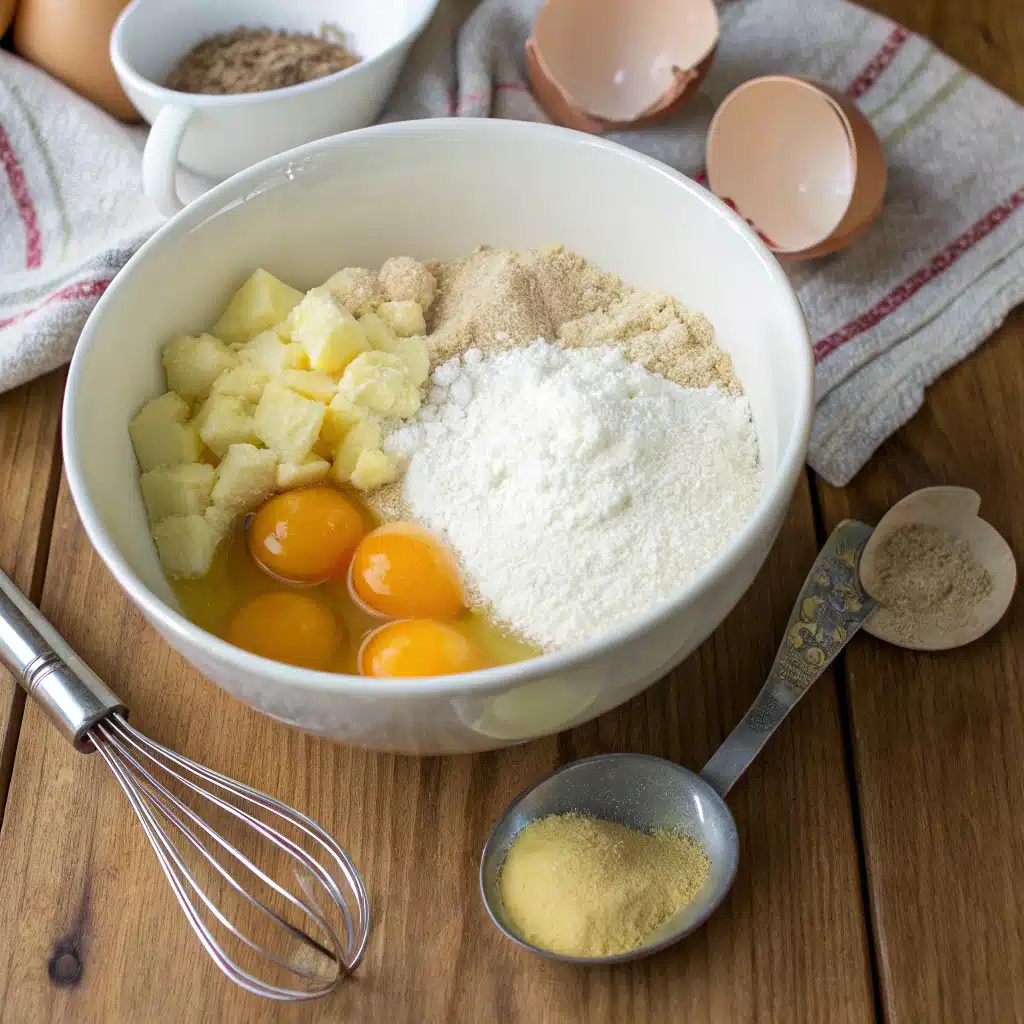
- In a blender, combine 1 can (14 oz) of sweetened condensed milk and 1 can (14 oz) of whole milk (measured using the empty condensed milk can).
- Add 5 large eggs and 1 teaspoon of vanilla extract to the blender.
- Blend on medium speed for about 30 seconds until the mixture is completely smooth and well incorporated.
- Pour the mixture through a fine-mesh strainer to remove any potential egg lumps.
- Gently pour the strained custard over the hardened caramel in your prepared baking dish.
Baking and Cooling Techniques
The baking process is crucial for achieving the perfect texture in your quesillo.
- Preheat your oven to 350°F (175°C).
- Cover the baking dish tightly with aluminum foil to prevent the top from browning too quickly.
- Prepare a water bath by placing the baking dish inside a larger roasting pan.
- Carefully pour hot water into the outer pan until it reaches about halfway up the sides of the flan dish.
- Bake for approximately 60 minutes, or until a toothpick inserted in the center comes out clean.
- Remove from the oven and water bath, then cool to room temperature.
- Refrigerate for at least 4 hours, preferably overnight, to allow the quesillo to set properly.
Tips for Perfect Venezuelan Desserts
Common Mistakes to Avoid
Even experienced bakers can stumble when making Venezuelan desserts for the first time. Here are the most common pitfalls and how to avoid them:
- Burning the caramel: Use medium-low heat and watch carefully. The moment it reaches amber color, remove from heat immediately.
- Curdled custard: Always strain your egg mixture and avoid overheating during cooking.
- Grainy texture in bienmesabe: Blend coconut thoroughly and incorporate gradually to achieve the smooth, creamy texture.
- Dry tres leches: Never overbake the sponge cake base, as it needs to remain porous to absorb the milk mixture properly.
- Collapsed quesillo: Always use a water bath when baking to ensure gentle, even heating.
Secret Techniques from Venezuelan Grandmothers
Traditional Venezuelan dessert-making incorporates techniques passed down through generations that can make a significant difference in your results. “Want more ideas? Check out our chocolate chip cookie dough brownie bombs” for another indulgent dessert option.
- For perfect bienmesabe, toast the shredded coconut before mixing to enhance its nutty flavor.
- When making dulce de leche casero, add a pinch of baking soda to the condensed milk to accelerate caramelization.
- For quesillo, tap the filled mold gently on the counter before baking to remove air bubbles.
- When preparing tres leches, use a fork to poke the cake thoroughly so it absorbs the milk mixture evenly.
- For tequeños dulces, chill the dough before wrapping around chocolate to prevent melting during handling.
Adapting to Ingredients Available in the USA
Many authentic Venezuelan desserts call for ingredients that may be challenging to find in typical American grocery stores. Here’s how to adapt:
- Substitute papelón (raw cane sugar) with dark brown sugar mixed with a touch of molasses.
- If you can’t find fresh guava, use high-quality guava paste available in Latin American markets or online.
- Replace parchita (passion fruit) with a combination of orange juice and lime for a similar tangy profile.
- When fresh coconut isn’t available, use unsweetened shredded coconut and coconut milk instead.
- For recipes requiring queso fresco, substitute with a mixture of ricotta and feta cheese.
Storage: Keeping Your Venezuelan Desserts Fresh
Short-Term Storage Solutions
Proper storage ensures your Venezuelan desserts retain their flavor and texture for immediate enjoyment:
- Quesillo (flan): Keep refrigerated and covered with plastic wrap for up to 3 days. The caramel will continue to develop flavor during this time.
- Tres leches cake: Store in the refrigerator, tightly covered, for up to 4 days. The cake actually improves after the first day as flavors meld.
- Bienmesabe: Keep refrigerated in an airtight container for up to 5 days. Stir before serving if any separation occurs.
- Conservas de frutas: Store in the refrigerator for up to 1 week in a sealed glass container.
- Tequeños dulces: Best when fresh, but can be refrigerated for 2 days and reheated in a low oven to restore crispness.
Freezing Venezuelan Desserts
Some Venezuelan treats freeze surprisingly well, allowing you to prepare them in advance for special occasions. “Here’s your guide to easy fruit pizza recipe that uses similar techniques” for preserving sweet treats.
- Quesillo: Freeze unmolded and wrapped tightly in plastic wrap followed by aluminum foil for up to 1 month. Thaw overnight in the refrigerator.
- Dulce de lechosa: Can be frozen in airtight containers for up to 3 months. Thaw in the refrigerator and stir before serving.
- Golfeados: Freeze unbaked, arranged on a baking sheet and wrapped tightly. When ready to use, thaw overnight in the refrigerator, then proof and bake.
- Besitos de coco: Freeze in single layers separated by parchment paper in airtight containers for up to 2 months.
- Never freeze tres leches cake, as the texture will deteriorate significantly.
Reviving Day-Old Desserts
Even when stored properly, some Venezuelan desserts may lose their optimal texture over time. Here’s how to refresh them:
- Dry tres leches: Prepare a small amount of additional milk mixture (2:1:1 ratio of evaporated milk, condensed milk, and heavy cream) and carefully spoon over any dry spots.
- Stale besitos de coco: Warm in a 250°F oven for 5-7 minutes to restore their fresh-baked taste.
- Hardened conservas: Gently warm in a saucepan with a splash of water to restore syrupy consistency.
- Dulce de lechosa that has dried out: Add a small amount of syrup (equal parts sugar and water) and gently heat.
- Quesillo with separated caramel: Allow to come to room temperature, then carefully swirl the dish to redistribute the caramel.
Variations: Regional Venezuelan Dessert Specialties
Coastal Region Desserts
Venezuela’s extensive coastline influences the desserts from these regions, which often feature abundant coconut and tropical fruits:
- Dulce de lechosa: A specialty from coastal areas where papaya grows abundantly, this dessert features green papaya preserved in a spiced sugar syrup with cinnamon and cloves.
- Majarete: A creamy coconut pudding thickened with cornstarch and often flavored with citrus zest, popular in Margarita Island and other coastal areas.
- Conserva de coco: Shredded coconut cooked with sugar, water, and spices until thick and jammy, a specialty of Falcón state.
- Dulce de piña: Pineapple preserves cooked slowly with sugar and cinnamon until caramelized, popular along the eastern coast.
- Turrón de coco: A firm coconut candy made with grated coconut, sugar, and egg whites, a favorite in coastal Nueva Esparta.
Andean Specialties
The cooler mountain regions of Venezuela produce distinct desserts that often incorporate local ingredients and dairy:
- Chicha andina dulce: A sweet, thick beverage made from rice or corn, milk, and spices like cinnamon and cloves, often topped with grated cheese.
- Dulce de higos: Preserved green figs in syrup with cinnamon and cloves, a specialty of the Táchira region.
- Jalea de moras: Blackberry jam made from wild Andean blackberries, often served with fresh cheese.
- Merengada de café: A cold, sweet coffee drink with milk, sugar, and ice, popular in the coffee-growing regions of Mérida.
- Arepa dulce: Sweet corn cakes filled with fresh cheese and sometimes topped with anise seeds, common in Trujillo and surrounding areas.
Modern Twists on Traditional Recipes
Contemporary Venezuelan chefs and home cooks continue to innovate while honoring traditional desserts. “Don’t miss our cinnamon roll french toast roll ups for another creative sweet treat” that shares similar flavor profiles.
- Tres leches cheesecake: Combining the beloved tres leches cake with a cream cheese layer for added richness.
- Bienmesabe ice cream: The traditional coconut dessert reimagined as a frozen treat, often with toasted almonds mixed in.
- Chocolate quesillo: Adding high-quality cocoa to the traditional flan for chocolate lovers.
- Marquesa de chocolate con guayaba: Layering chocolate cookies with guava cream for a no-bake dessert that combines traditional flavors.
- Golfeados cupcakes: Transforming the spiral cinnamon and cheese buns into cupcake form with cream cheese frosting and papelón glaze.
Serving: Presentation and Pairing Suggestions
Traditional Serving Methods
Venezuelan desserts have time-honored serving traditions that enhance the overall experience:
- Quesillo is traditionally unmolded onto a rimmed plate to contain the caramel sauce, then sliced and served directly from this communal plate.
- Tres leches cake is typically served directly from its baking dish to preserve the moisture, with each portion scooped rather than sliced.
- Bienmesabe is traditionally served in small glass cups or bowls with a sprinkle of cinnamon on top.
- Conservas de frutas are often presented in their syrup with a small spoon, accompanied by fresh white cheese on the side.
- Dulce de lechosa is served chilled in small dessert bowls, often with a cinnamon stick garnish.
Complementary Beverages
The right beverage can elevate a Venezuelan dessert experience:
- Café con leche: Strong coffee with hot milk pairs perfectly with sweet desserts like quesillo or tres leches.
- Papelón con limón: A refreshing drink made with raw cane sugar and lime juice, ideal alongside richer desserts like bienmesabe.
- Malta: This non-alcoholic malt beverage is a popular accompaniment to desserts in Venezuela, especially with tequeños dulces.
- Fresh fruit juices: Guava, passion fruit, or mango juices complement coconut-based desserts beautifully.
- Chicha: The non-alcoholic sweet rice drink makes both a dessert and beverage in one, especially when served cold.
Garnishes and Final Touches
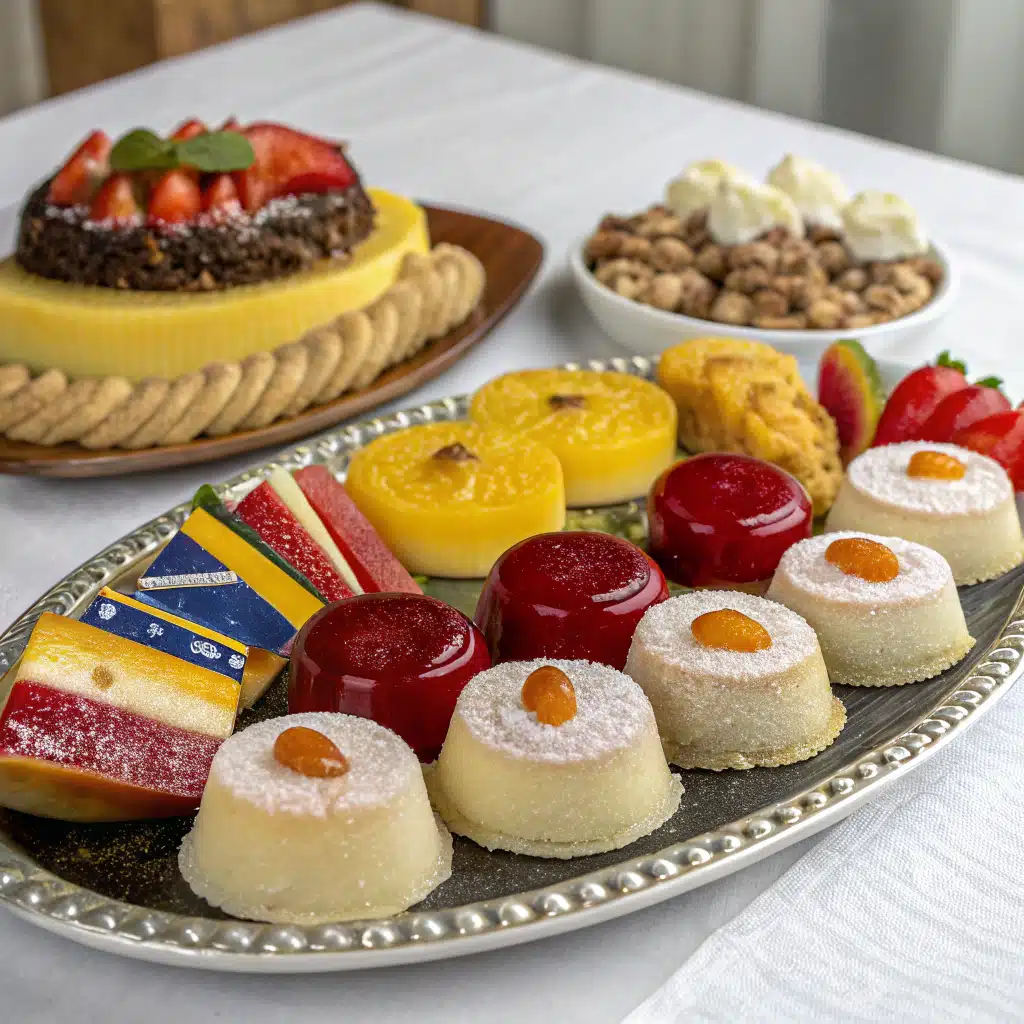
The presentation of Venezuelan desserts often includes special garnishes that add visual appeal and complementary flavors:
- Quesillo is frequently garnished with a mint leaf or a single slice of orange peel twisted on top.
- Tres leches cake may be topped with a light dusting of cinnamon or a fresh fruit garnish like sliced strawberries.
- Bienmesabe traditionally receives a final sprinkle of ground cinnamon and occasionally toasted coconut flakes.
- Tequeños dulces are often served with a dusting of powdered sugar and sometimes a small pot of dulce de leche for dipping.
- Golfeados come with a final drizzle of melted butter and a sprinkle of fresh cheese just before serving.
FAQs About Venezuelan Desserts
What is Bienmesabe Venezuelan dessert?
Bienmesabe is a traditional Venezuelan coconut dessert whose name literally translates to “tastes good to me.” It’s a creamy, sweet treat made primarily from shredded coconut, condensed milk, egg yolks, and vanilla. The ingredients are cooked together until they form a thick, pudding-like consistency. Bienmesabe is typically served chilled in small cups or glasses and often garnished with ground cinnamon. This beloved dessert showcases the importance of coconut in Venezuelan coastal cuisine.
What kind of sweets are eaten during Venezuelan holidays?
Venezuelan holidays feature special desserts that mark festive occasions. During Christmas, hallacas dulces (sweet tamales filled with raisins and nuts) and pan de jamón dulce (sweet bread rolled with dried fruits) are popular. Easter celebrations often include dulce de leche casero and arroz con leche. For New Year’s Eve, many families prepare quesillo as it’s believed that its golden color brings prosperity. Birthdays typically feature torta tres leches, while Carnival season brings special fried pastries like buñuelos and churros.
Are Venezuelan desserts similar to other Latin American desserts?
Venezuelan desserts share similarities with other Latin American sweets but maintain distinctive characteristics. Like many countries in the region, Venezuela embraces desserts such as tres leches cake, flan (quesillo), and rice pudding (arroz con leche). However, Venezuelan versions often incorporate unique ingredients like papelón (raw cane sugar) and tropical fruits native to the region. The country’s distinct colonial history and indigenous influences have created variations that distinguish Venezuelan sweets from their Latin American counterparts, particularly in coconut preparations and fruit preserves.
What ingredients are commonly used in Venezuelan desserts?
Common ingredients in Venezuelan desserts include condensed milk, which appears in numerous recipes from tres leches to quesillo; coconut, featured in bienmesabe, majarete, and conserva de coco; papelón (raw cane sugar), which provides a distinctive molasses-like flavor; tropical fruits like papaya, guava, and passion fruit; cinnamon and cloves for spicing; eggs, particularly egg yolks for custard-based desserts; and fresh cheese, which appears in both sweet and savory preparations. These ingredients reflect Venezuela’s tropical climate, agricultural resources, and cultural heritage.
How do you make Venezuelan tres leches cake?
To make authentic Venezuelan tres leches cake, start by preparing a light vanilla sponge cake, being careful not to overmix the batter. After baking and cooling, poke numerous holes in the cake with a fork. Prepare the tres leches mixture by combining condensed milk, evaporated milk, and heavy cream, then pour it slowly over the cake, allowing it to absorb completely. Refrigerate overnight. Finally, top with a layer of lightly sweetened whipped cream and garnish with cinnamon or fresh fruit before serving. The cake should be moist but not soggy.
Are Venezuelan desserts usually served hot or cold?
Most Venezuelan desserts are traditionally served cold or at room temperature, particularly in the tropical and coastal regions where refrigeration helps preserve and enhance flavors. Custard-based desserts like quesillo and tres leches cake are always served chilled. Bienmesabe and conservas (fruit preserves) are typically refrigerated before serving. Some exceptions include buñuelos (fritters) and tequeños dulces (sweet cheese sticks), which are best enjoyed warm. The preference for cold desserts reflects both the country’s warm climate and the refreshing nature of many traditional sweet preparations.
Conclusion: Embracing Venezuelan Sweet Culture
Incorporating Venezuelan Desserts into Your Repertoire
Adding Venezuelan desserts to your cooking repertoire opens up a world of tropical flavors and techniques that can enhance your culinary skills. Begin with approachable recipes like quesillo (flan) or tres leches cake, which use familiar ingredients but introduce distinct preparation methods. As your confidence grows, experiment with more unique treats like bienmesabe or dulce de lechosa. Remember that Venezuelan cooking embraces improvisation—don’t be afraid to adapt recipes based on available ingredients while respecting traditional techniques.
“Learn more about pistachio cake recipe” that uses similar baking techniques to many Venezuelan desserts.
The Joy of Sharing Venezuelan Sweet Traditions
Venezuelan desserts are meant to be shared, making them perfect for bringing people together around the table. When you prepare these treats, you’re not just creating something sweet—you’re participating in a cultural tradition that spans generations. Share the stories behind these desserts as you serve them, explaining their significance in Venezuelan culture and the occasions when they’re traditionally enjoyed. This cultural context enhances the tasting experience and honors the heritage behind each recipe. Whether for family gatherings, potlucks, or special celebrations, Venezuelan desserts offer a delicious way to introduce others to a rich culinary tradition.
PrintVenezuelan Quesillo (Caramel Flan)
This classic Venezuelan dessert features a silky smooth custard topped with rich caramel sauce. Perfect for special occasions!
- Prep Time: 20
- Cook Time: 60
- Total Time: 1 hour 20 minutes
- Yield: 8 1x
- Category: Desserts
- Cuisine: Venezuelan
Ingredients
- 1 can (14 oz) sweetened condensed milk
- 1 can (14 oz) whole milk (use the empty condensed milk can to measure)
- 5 large eggs
- ½ cup granulated sugar (for caramel)
- 1 teaspoon vanilla extract
Instructions
- Make the caramel: Melt sugar in a saucepan over medium heat until golden-brown. Immediately pour into a baking dish, tilting to coat the bottom evenly.
- Prepare custard: Blend condensed milk, whole milk, eggs, and vanilla until smooth.
- Assemble: Pour custard mixture over hardened caramel. Cover tightly with foil.
- Bake: Place dish in a water bath at 350°F for about 60 minutes until set.
- Cool and unmold: Refrigerate for at least 4 hours. Run a knife around edges and flip onto a serving plate.
Notes
Nutrition facts are estimates and may vary based on ingredients used, portion sizes, and preparation methods.
Nutrition
- Serving Size: 8
- Calories: 325kcal
- Sugar: 38g
- Sodium: 135mg
- Fat: 11g
- Saturated Fat: 6g
- Carbohydrates: 48g
- Protein: 9g
- Cholesterol: 145mg
Keywords: venezuelan desserts, quesillo, caramel flan, venezuelan flan, custard dessert
Let’s connect! Follow me for more Joylicious Recipes: Facebook, Instagram, Pinterest