Roasted Buttercup Squash with Maple Glaze – So Easy So Good
Introduction: Discovering Buttercup Squash
The Humble Buttercup: A Winter Squash Star
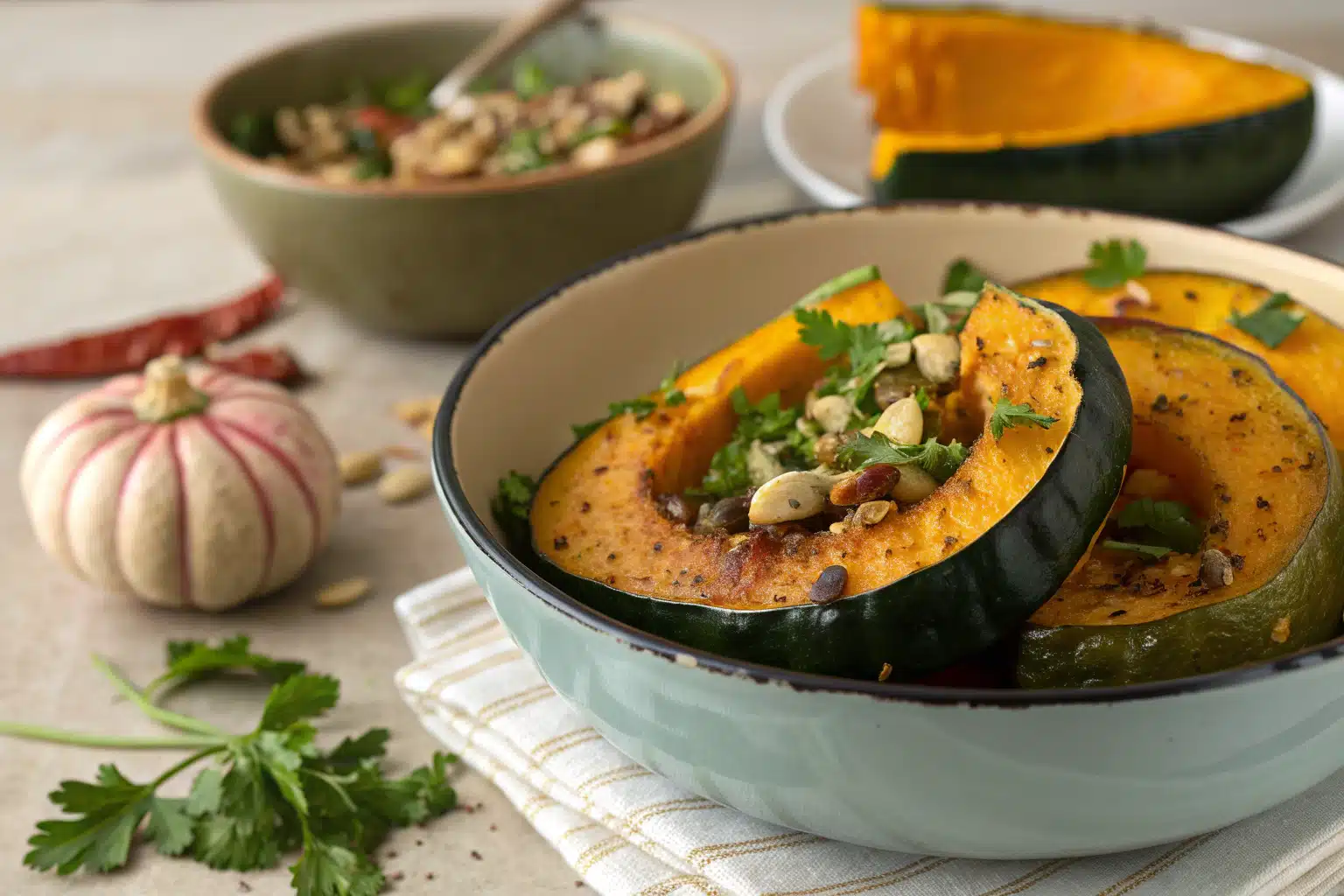
Buttercup squash recipes are the perfect introduction to this often overlooked winter squash variety. With its distinctive dark green exterior and sweet, nutty flavor, buttercup squash offers a delightful alternative to the more common butternut or acorn varieties. When properly prepared, this nutritious vegetable transforms into a caramelized delight that even selective eaters will enjoy.
“Check out our creamy garlic herb chicken recipe for another comforting dish to pair with your roasted buttercup squash.”
Health Benefits and Versatility
Buttercup squash recipes showcase the incredible versatility of this nutrient-packed vegetable. Rich in vitamins A and C, fiber, and antioxidants, buttercup squash offers impressive nutritional benefits while lending itself to countless preparation methods. Whether roasted, steamed, mashed, or puréed into soups, buttercup squash delivers consistent flavor and texture that works well in both sweet and savory dishes. Its natural sweetness intensifies when roasted with maple syrup, making it an excellent side dish or meal component for any occasion.
Ingredients for Perfect Buttercup Squash Recipes
Understanding Buttercup Squash Selection
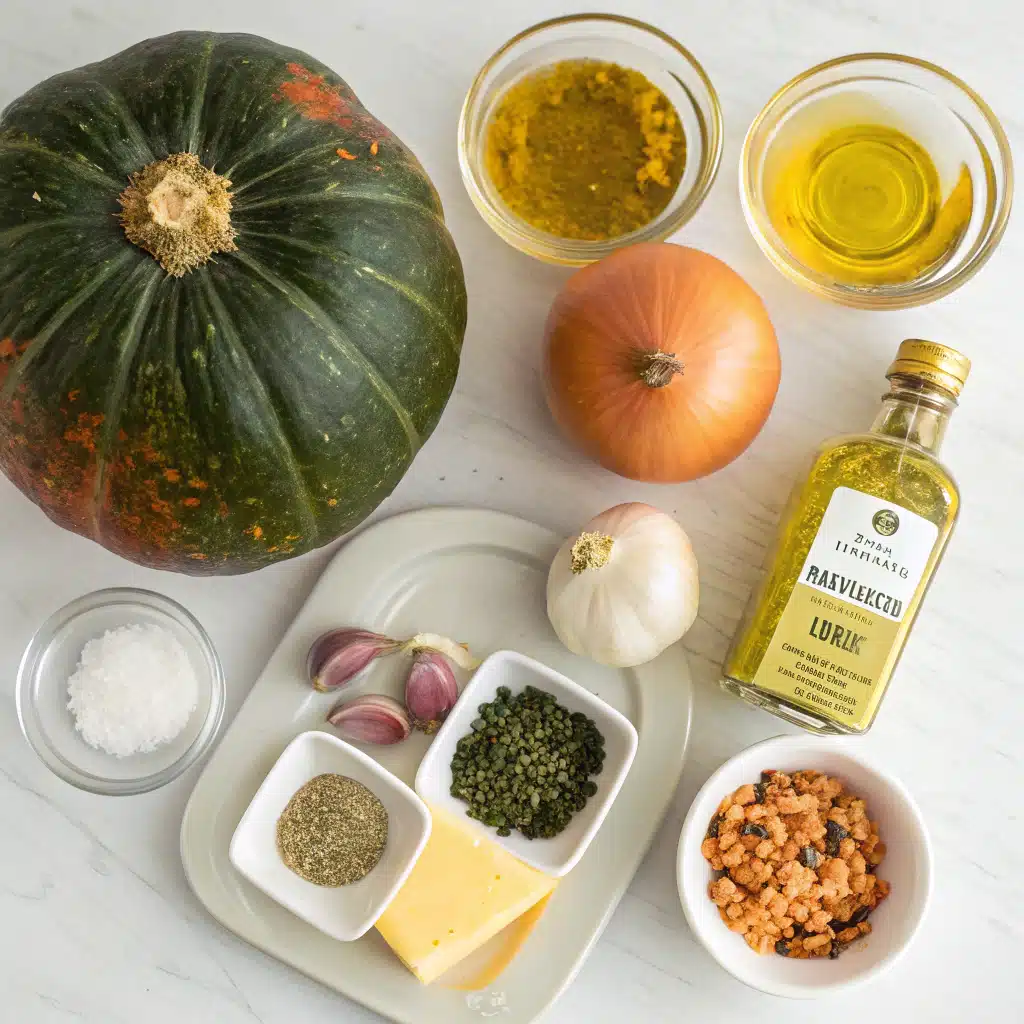
The foundation of excellent buttercup squash recipes begins with selecting the right squash. Look for buttercup squash with unblemished, deep green skin and a firm feel. The squash should feel heavy for its size, indicating proper moisture content and ripeness. Most buttercup squash weigh between 2-4 pounds, with a distinctive circular ridge on the blossom end. For the maple-roasted recipe, we’ll need:
| Ingredient | Amount | Notes |
|---|---|---|
| Buttercup squash | 1 large | Approximately 3-4 pounds |
| Extra virgin olive oil | 2 tablespoons | High-quality for best flavor |
| Maple syrup | 2 tablespoons | Pure maple syrup, not pancake syrup |
| Salt | To taste | Sea salt or kosher salt recommended |
| Black pepper | To taste | Freshly ground provides best flavor |
Complementary Ingredients and Substitutions
While our basic buttercup squash recipe focuses on enhancing the natural flavors with maple syrup, you can customize your buttercup squash recipes with additional ingredients. Consider adding cinnamon, nutmeg, or a pinch of cayenne for warmth and complexity. Rosemary, sage, or thyme offer wonderful herbal notes. If maple syrup isn’t available, honey or brown sugar can substitute, though each will impart a slightly different flavor profile to your roasted buttercup squash.
Step-by-Step Buttercup Squash Recipe
Preparing Your Buttercup Squash
Successful buttercup squash recipes begin with proper preparation. Follow these steps to get your buttercup squash ready for roasting:
- Preheat your oven to 425°F (218°C) to ensure proper caramelization.
- Wash the exterior of your buttercup squash thoroughly under cool running water.
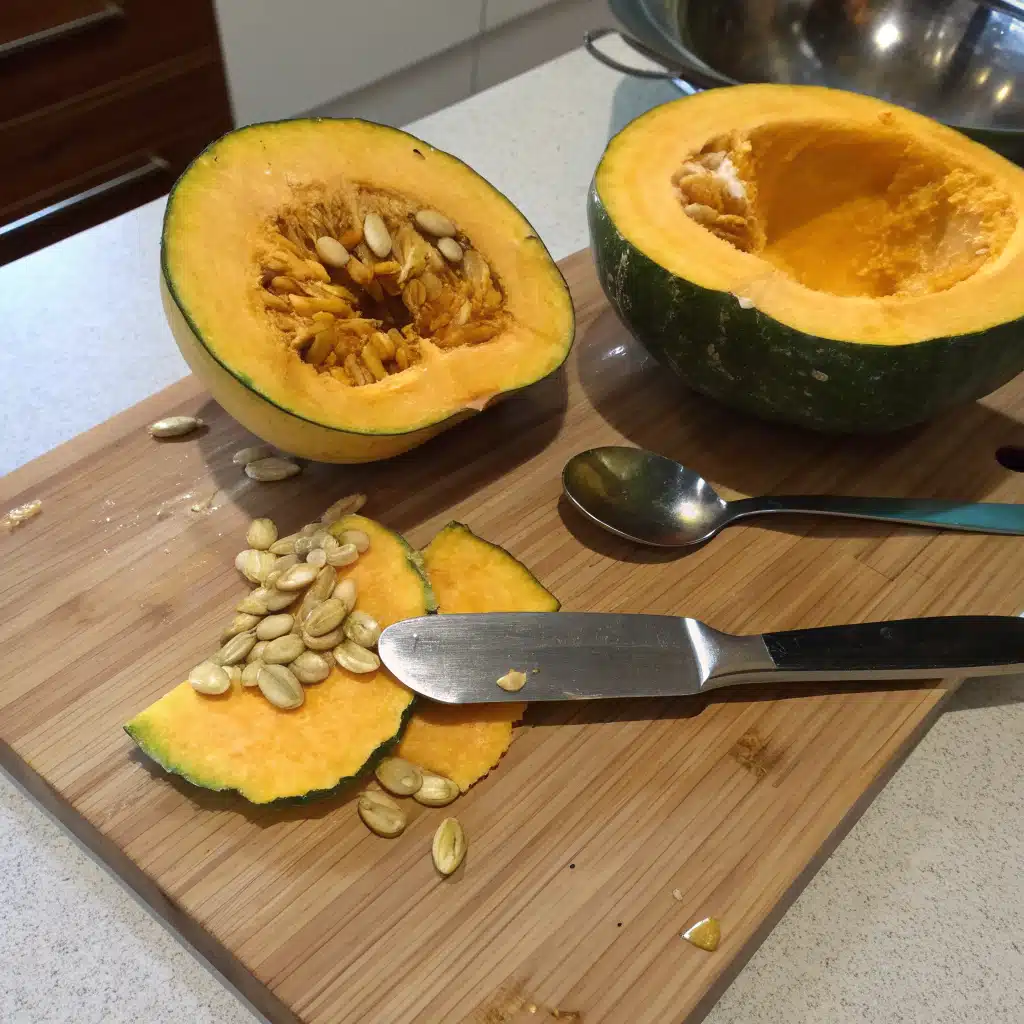
- Using a sharp chef’s knife, carefully slice off small portions from the top and bottom of the squash so it sits flat on your cutting board.
- Stand the squash on one of the flat ends and cut it in half vertically from top to bottom.
- Using a spoon, scoop out the seeds and stringy pulp from each half. (Don’t discard the seeds – they can be roasted separately for a nutritious snack!)
- Place each half cut-side down on your cutting board and slice into 1/3-inch thick half-moon shapes.
“Learn more about butternut squash soup for another delicious winter squash option.”
Seasoning and Roasting Techniques
The magic of buttercup squash recipes comes alive with proper seasoning and roasting techniques:
- Arrange the prepared squash slices in a single layer on a large baking sheet, ensuring they don’t overlap.
- Drizzle half the olive oil (1 tablespoon) and half the maple syrup (1 tablespoon) evenly over the squash slices.
- Season with salt and pepper to taste.
- Place the baking sheet in your preheated oven and roast for 20 minutes.
- Carefully remove the baking sheet from the oven and gently flip each piece using tongs or a spatula.
- Drizzle the remaining olive oil and maple syrup over the turned pieces and season again with salt and pepper.
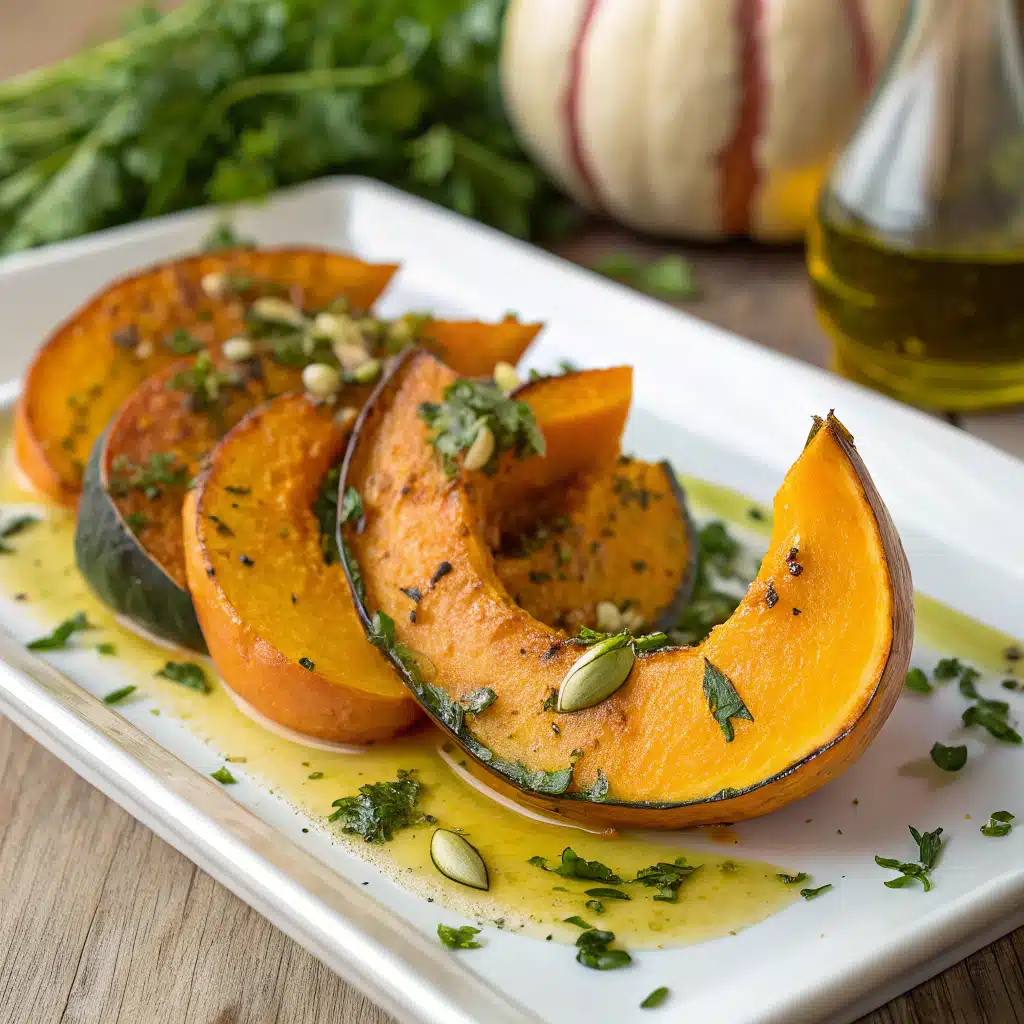
- Return to the oven and roast for an additional 20 minutes or until the edges turn golden brown and crispy while the flesh becomes tender and starts to caramelize.
Achieving Perfect Caramelization
The hallmark of exceptional buttercup squash recipes is achieving that perfect caramelization that balances crispy edges with tender, sweet interiors. The maple syrup plays a crucial role here, as its sugars caramelize beautifully in the high heat of the oven. For best results, ensure your oven is fully preheated before adding the squash, and don’t overcrowd the baking sheet. The squash pieces need adequate space for moisture to evaporate, allowing proper browning and caramelization to occur.
Tips for Buttercup Squash Recipe Success
Cutting and Handling Safety
When preparing buttercup squash recipes, safety should be your priority. The hard exterior of buttercup squash can make cutting challenging. Always use a sharp chef’s knife and a stable cutting board. If needed, microwave the whole squash for 2-3 minutes to slightly soften the exterior before cutting. This makes the initial cuts easier and safer. Additionally, consider wearing cut-resistant gloves if you’re concerned about knife slips.
“Discover great ideas like our creamy baked caesar chicken that pairs wonderfully with this maple-roasted buttercup squash.”
Time-Saving Preparation Methods
Busy cooks can streamline their buttercup squash recipes with these time-saving tips:
- Prepare the buttercup squash up to 2 days ahead of time and store the cut pieces in an airtight container in the refrigerator.
- Measure and combine your seasonings in advance for quick assembly.
- Line your baking sheet with parchment paper for easier cleanup.
- If cutting the squash seems daunting, many grocery stores offer pre-cut winter squash options, though you may need to substitute butternut if buttercup isn’t available pre-cut.
Flavor Enhancement Strategies
Elevate your buttercup squash recipes with these flavor-boosting techniques:
- Toast your seeds (cumin, coriander, or fennel) before adding them to the squash for more pronounced flavor.
- Add a splash of balsamic vinegar during the last 5 minutes of roasting for a tangy contrast.
- Include aromatics like thinly sliced garlic or shallots on the roasting pan for complex flavor development.
- Finish with fresh herbs like parsley, cilantro, or chives just before serving for bright, fresh notes.
- Consider adding textural elements like toasted nuts or seeds as a finishing touch.
Storage of Buttercup Squash Recipes
Short-Term Refrigeration Methods
Properly stored roasted buttercup squash from your buttercup squash recipes can remain delicious for several days. Allow the roasted squash to cool completely before transferring to airtight containers. Refrigerate for up to 4 days. For best texture upon reheating, store the squash in a single layer if possible, or with parchment paper between layers to prevent sticking.
“Want more ideas? Check out our homemade tortilla chips recipe for a crispy complement to your next meal.”
Freezing and Thawing Techniques
Many buttercup squash recipes freeze beautifully, extending their usefulness:
- Cool roasted squash completely before freezing.
- Arrange pieces in a single layer on a parchment-lined baking sheet and freeze until solid, about 2 hours.
- Transfer frozen pieces to freezer-safe bags or containers, removing as much air as possible.
- Label with the date and contents; frozen roasted buttercup squash remains good for up to 3 months.
- Thaw overnight in the refrigerator for best texture, or use frozen in smoothies and soups.
Reheating for Optimal Flavor
Preserve the delicious flavors and textures of your buttercup squash recipes when reheating:
- Oven method: Preheat to 350°F (175°C). Place squash pieces on a baking sheet and cover loosely with foil. Heat for 10-15 minutes until warmed through.
- Microwave method: Arrange squash in a microwave-safe dish, cover with a damp paper towel, and heat in 30-second intervals until desired temperature is reached.
- Stovetop method: For a crispy refresh, heat a tablespoon of olive oil in a skillet over medium heat and warm the squash pieces for 2-3 minutes per side.
- Add a fresh drizzle of maple syrup and a sprinkle of salt just before serving to revive flavors.
Variations on Basic Buttercup Squash Recipes
Sweet Flavor Profiles
Expand your repertoire of buttercup squash recipes with these sweet-leaning variations:
- Cinnamon-Brown Sugar Buttercup: Replace maple syrup with brown sugar and add 1 teaspoon of ground cinnamon and a pinch of nutmeg before roasting.
- Honey-Orange Buttercup: Substitute honey for maple syrup and add 1 tablespoon of orange zest and a splash of orange juice.
- Coconut-Spiced Buttercup: Drizzle with coconut oil instead of olive oil, and season with cinnamon, cardamom, and a touch of coconut sugar.
“Here’s your guide to creamy salmon pasta recipe that works beautifully alongside these sweet buttercup squash variations.”
Savory Buttercup Squash Dishes
Buttercup squash recipes shine equally bright in savory applications:
- Herb-Roasted Buttercup: Skip the maple syrup and instead toss with olive oil, minced garlic, fresh rosemary, thyme, and sage before roasting.
- Spicy Southwest Buttercup: Season with chili powder, cumin, and a pinch of cayenne along with olive oil before roasting.
- Parmesan-Herb Buttercup: During the last 5 minutes of roasting, sprinkle with freshly grated Parmesan cheese and chopped fresh herbs.
Buttercup Squash in Main Dishes
Transform your buttercup squash recipes into hearty main courses:
- Buttercup Squash Curry: Add roasted buttercup squash to a Thai-style coconut curry with other vegetables and your protein of choice.
- Buttercup Squash Risotto: Fold roasted, mashed buttercup squash into a creamy risotto with sage and Parmesan.
- Grain Bowl Foundation: Use roasted buttercup squash as the base for nutritious grain bowls with quinoa, fresh vegetables, and a tangy dressing.
- Buttercup Squash Tacos: Fill soft tortillas with roasted buttercup squash, black beans, avocado, and your favorite toppings.
Serving Your Buttercup Squash Recipes
Pairing with Main Courses
Buttercup squash recipes make excellent side dishes that complement a wide range of main courses:
- Roasted chicken or turkey: The subtle sweetness of maple-roasted buttercup squash balances the savory flavors of poultry.
- Grilled or baked fish: The robust texture and flavor of buttercup squash stand up well to delicate fish dishes.
- Vegetarian mains: Serve alongside hearty vegetarian entrees like lentil loaf or mushroom Wellington.
“Looking for inspiration? Try our garlic parmesan chicken pasta that pairs wonderfully with roasted buttercup squash.”
Garnishing for Visual Appeal
Elevate your buttercup squash recipes with thoughtful garnishes that add both flavor and visual appeal:
- Fresh herbs: A sprinkle of chopped parsley, cilantro, or chives adds color contrast and freshness.
- Toasted nuts: Chopped pecans, walnuts, or pepitas add crunch and complement the squash’s natural nuttiness.
- Pomegranate seeds: These ruby-red jewels provide tart contrast and striking color.
- Crumbled cheese: A light sprinkle of feta, goat cheese, or blue cheese adds tangy complexity.
Creating Memorable Meal Combinations
Design complete meals around your buttercup squash recipes:
- Fall harvest dinner: Serve maple-roasted buttercup squash with roasted chicken, wild rice pilaf, and a simple green salad.
- Vegetarian feast: Pair with mushroom risotto, sautéed greens, and crusty artisan bread.
- Sunday supper: Combine with herb-roasted pork tenderloin and braised cabbage for a comforting weekend meal.
- Holiday menu addition: Include maple-roasted buttercup squash as a colorful, flavorful side dish for Thanksgiving or Christmas dinners.
Frequently Asked Questions About Buttercup Squash Recipes
How do you eat buttercup squash?
Buttercup squash is most commonly eaten cooked, not raw. After removing the seeds and cutting the squash into pieces, you can roast, steam, or microwave it until tender. The cooked flesh can be eaten directly, puréed into soups, or mashed like potatoes. The skin becomes tender when roasted and is edible, though some people prefer to remove it before eating. Our maple-roasted buttercup squash recipe creates pieces you can eat as a side dish or incorporate into salads and grain bowls.
What is the difference between butternut squash and buttercup squash?
Butternut squash has a long, bell-shaped body with smooth, tan skin, while buttercup squash is smaller, rounder, and dark green with a distinctive circular ridge on the bottom. Flavor-wise, buttercup squash is generally sweeter, denser, and more similar to sweet potato than butternut squash. Buttercup has a drier, less watery flesh that holds its shape better when cooked, making it excellent for roasting recipes where distinct pieces are desired.
Is buttercup squash good roasted?
Yes! Buttercup squash is exceptional when roasted. Its dense, somewhat dry flesh caramelizes beautifully, developing deep, sweet flavors and a wonderful texture contrast between the crispy edges and creamy interior. The natural sweetness intensifies with roasting, especially when enhanced with a touch of maple syrup as in our recipe. Roasting at high heat (425°F) produces the best results, allowing for proper caramelization while maintaining the squash’s structural integrity.
How to bake a buttercup squash cut in half?
To bake buttercup squash halves: Preheat your oven to 375°F. Cut the squash in half and remove seeds. Place halves cut-side up on a baking sheet. Brush with olive oil, maple syrup, or butter, and sprinkle with salt and any desired seasonings. Bake for 45-60 minutes until the flesh is fork-tender. You can also place the halves cut-side down for the first 30 minutes to steam the flesh, then flip and continue baking cut-side up to caramelize the surface.
Is buttercup squash healthy to eat?
Absolutely! Buttercup squash is highly nutritious, containing significant amounts of vitamins A and C, potassium, fiber, and antioxidants. It’s naturally low in calories and fat while providing complex carbohydrates for sustained energy. The bright orange flesh indicates high beta-carotene content, which supports eye and immune health. Additionally, buttercup squash contains magnesium, manganese, and several B vitamins, making it an excellent addition to a health-conscious diet.
Can you eat buttercup squash raw?
While technically not harmful, buttercup squash is rarely eaten raw due to its firm texture and starchy composition. The flavor and digestibility significantly improve with cooking. Raw buttercup squash would be quite difficult to chew and less pleasant to eat than its cooked counterpart. For the best culinary experience and easiest digestion, enjoy buttercup squash cooked using methods like roasting, steaming, or sautéing.
Conclusion: Mastering Buttercup Squash Recipes
Seasonal Enjoyment of Buttercup Squash
Buttercup squash recipes offer a wonderful way to celebrate the bounty of fall and winter produce. This versatile squash reaches its peak flavor during the cooler months, typically appearing in markets from early autumn through winter. By incorporating buttercup squash into your seasonal cooking rotation, you’ll enjoy not only its delicious flavor but also its impressive nutritional benefits. The maple-roasted preparation highlighted in this recipe showcases the natural sweetness and satisfying texture that make buttercup squash so beloved among those familiar with it.
“Don’t miss our easy homemade chicken pot pie recipe for another seasonal comfort food favorite.”
Expanding Your Winter Squash Repertoire
As you become comfortable with basic buttercup squash recipes, consider exploring the wider world of winter squash varieties. Each type—from kabocha to acorn, delicata to hubbard—offers unique flavors, textures, and culinary applications. The techniques you’ve learned for selecting, preparing, and roasting buttercup squash transfer well to other varieties, allowing you to create an endless array of nutritious, satisfying dishes throughout the colder seasons. By mastering these fundamental methods, you’ll build confidence in working with even the most intimidating-looking winter squashes.
PrintMaple-Roasted Buttercup Squash

Sweet and savory roasted buttercup squash with maple syrup that caramelizes to perfection while maintaining the squash’s natural flavor.
- Prep Time: 15
- Cook Time: 40
- Total Time: 55 minutes
- Yield: 4 1x
- Category: Side Dish
- Cuisine: American
Ingredients
- 1 large buttercup squash
- 2 tablespoons extra virgin olive oil
- 2 tablespoons maple syrup
- salt and pepper to taste
Instructions
- Preheat oven to 425°F.
- Cut small portions off top and bottom of squash to create flat surfaces. Halve the squash and scoop out seeds. Slice each half into 1/3-inch thick pieces.
- Arrange squash in a single layer on a baking sheet. Drizzle with half the olive oil and maple syrup, then season with salt and pepper.
- Roast for 20 minutes.
- Remove from oven, flip each piece, and drizzle with remaining oil and maple syrup. Season again with salt and pepper.
- Return to oven for 20 more minutes until edges are golden brown and flesh is tender and caramelized.
Notes
Nutrition facts are estimates and may vary based on ingredients used, portion sizes, and preparation methods.
Nutrition
- Serving Size: 4
- Calories: 145 Kcal
- Sugar: 7g
- Sodium: 58mg
- Fat: 7g
- Saturated Fat: 1g
- Carbohydrates: 21g
- Fiber: 3g
- Protein: 2g
Keywords: buttercup squash, roasted squash, maple glazed squash, winter squash recipes, healthy side dish
Let’s connect! Follow me for more Joylicious Recipes: Facebook, Instagram, Pinterest