
How to Make Avocado Mayo: A Simple, Creamy, and Flavorful Recipe
Introduction: Discover the World of Avocado Mayo
Avocado mayo has become increasingly popular among health-conscious food enthusiasts looking for a nutritious alternative to traditional mayonnaise. This creamy, flavorful condiment combines the rich texture of ripe avocados with classic mayo ingredients, creating a versatile spread that’s perfect for sandwiches, dips, and salad dressings. Not only does avocado mayo offer the same creamy consistency as regular mayonnaise, but it also provides additional nutritional benefits from the avocado’s healthy fats and vitamins.
Why Avocado Mayo Is Gaining Popularity
The rising interest in avocado mayo stems from several factors. First, it contains less oil than traditional mayonnaise while delivering a similar texture. Additionally, avocados are packed with monounsaturated fats, which are considered heart-healthy. Many people appreciate that avocado mayo has a fresh, vibrant flavor that traditional mayo simply can’t match. Furthermore, the beautiful pale green color makes it an attractive addition to any meal.
“Looking for inspiration? Try our banana bread with mayo for another delicious way to use mayonnaise in your cooking.”
The Nutritional Benefits of Avocado-Based Condiments
Avocado mayo offers significant nutritional advantages over store-bought mayonnaise. Avocados contain nearly 20 vitamins and minerals, including potassium, vitamin E, vitamin C, and various B vitamins. They’re also rich in fiber, which regular mayo lacks entirely. By incorporating avocados into mayonnaise, you’re creating a condiment that not only tastes great but also contributes to your daily nutrient intake. The healthy fats in avocados can help with nutrient absorption and provide sustained energy, making avocado mayo a smart choice for health-conscious eaters.
Ingredients: What You’ll Need for Perfect Avocado Mayo
Essential Ingredients Breakdown
| Ingredient | Amount | Notes |
|---|---|---|
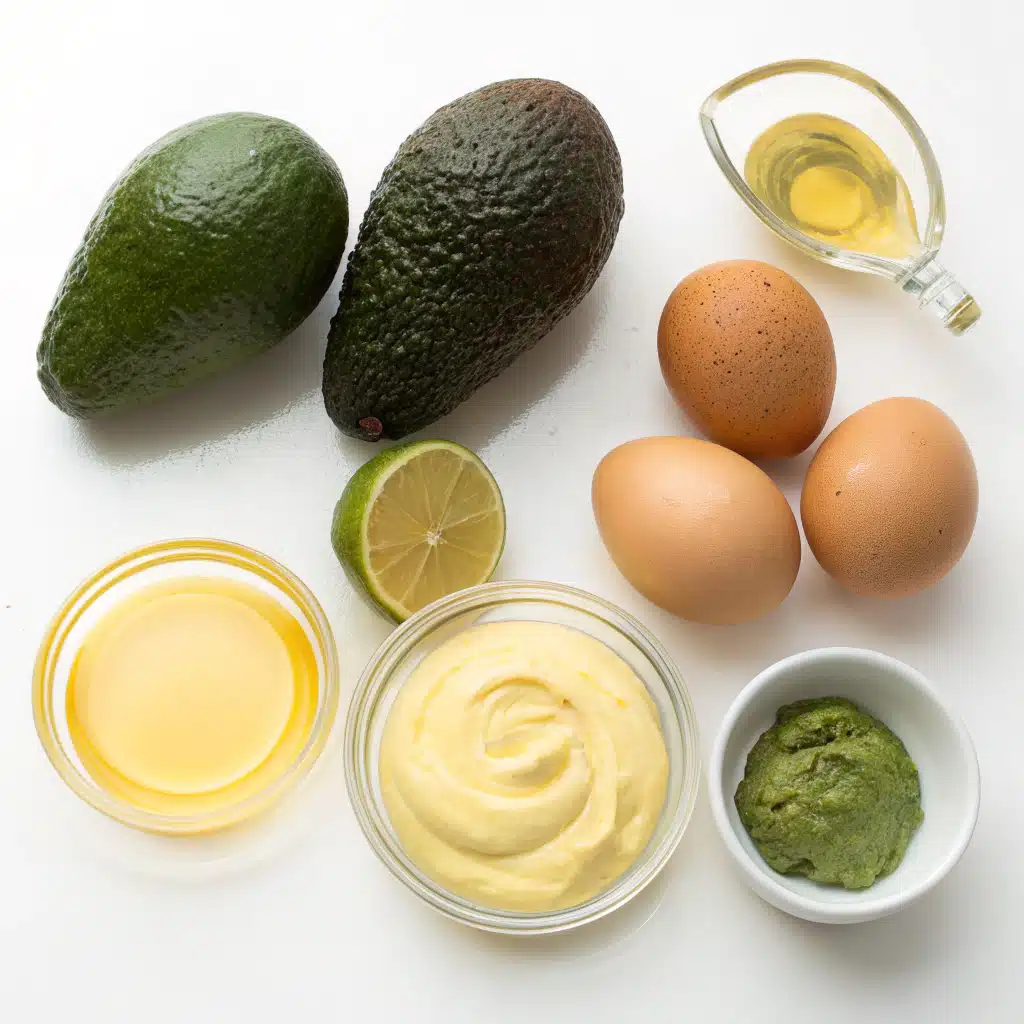
| Avocado flesh | 4.23 ounces (120g) | Approximately 1 small or ½ very large avocado |
| Egg yolk | 1 small | Must be at room temperature |
| Vegetable oil | 2 tablespoons | Rapeseed, sunflower, or other neutral oil |
| Dijon mustard | ⅓ teaspoon | Adds flavor and helps emulsification |
| Lemon juice | 2½-3 teaspoons | Freshly squeezed is best |
| Fine sea salt | ¼ teaspoon | Adjust to taste |
Choosing the Right Avocado for Your Mayo
Selecting the perfect avocado is crucial for making outstanding avocado mayo. Look for avocados that yield slightly to gentle pressure but aren’t mushy. The avocado should feel heavy for its size, indicating good oil content. Hass avocados work particularly well for this recipe due to their creamy texture and rich flavor. If your avocado isn’t quite ripe, place it in a paper bag with a banana or apple to speed up the ripening process. Conversely, if you need to slow down ripening, store your avocado in the refrigerator. Remember that an avocado with bright green flesh will produce a more vibrant-colored mayo than one that has started to brown.
Understanding the Role of Each Ingredient
Each component in avocado mayo plays a specific role in creating the perfect texture and flavor. The egg yolk acts as an emulsifier, helping bind the oil and avocado together. The oil provides smoothness and helps achieve the right consistency. Dijon mustard not only adds flavor but also contains lecithin, which further assists with emulsification. Lemon juice brightens the flavor profile and helps preserve the avocado’s color by preventing oxidation. The acid in lemon juice also balances the richness of the avocado and oil. Finally, salt enhances all the flavors and brings the components together. Understanding these roles will help you adjust the recipe to suit your taste preferences.
Step-by-Step: Making Your Avocado Mayo
Preparing Your Ingredients
Before diving into the mixing process, proper preparation is essential for successful avocado mayo. First, ensure your egg yolk has reached room temperature, as this will help create a more stable emulsion. Separate the yolk carefully to avoid getting any egg white in your mixture. Next, measure out your oil and have it ready in a small container with a pouring spout for easy, controlled addition. Cut and scoop the avocado flesh, ensuring you have exactly the right amount (4.23 ounces or 120g). Squeeze fresh lemon juice and strain out any seeds. Having all ingredients measured and ready will make the process smoother and more efficient.
“Check out our avocado shrimp salad for another delicious way to use ripe avocados in your cooking.”
Creating the Mayo Base
- In a medium bowl, whisk together the egg yolk, 1 teaspoon of lemon juice, and Dijon mustard until completely combined and slightly frothy.
- Begin adding the vegetable oil literally drop by drop while continuously whisking. This extremely slow addition is crucial to prevent the mixture from splitting.
- Maintain a constant whisking motion, ensuring the oil is fully incorporated before adding more.
- Once you’ve added approximately half the oil, the mixture should start to thicken noticeably.
- At this point, add the salt and another teaspoon of lemon juice while continuing to whisk.
- Add the remaining oil, still very slowly, until you’ve achieved a thick, traditional mayonnaise consistency.
- Set this mayo base aside momentarily while you prepare the avocado.
Incorporating the Avocado
The final step is incorporating the avocado into your mayo base. There are two effective methods to achieve this. The first approach is to purée the avocado separately in a food processor until completely smooth, then whisk it into the mayo base until thoroughly combined. Alternatively, you can combine the mayo base and avocado chunks in a tall container and use a hand blender (immersion blender) to create a perfectly smooth mixture. This second method is often faster and creates fewer dishes to wash. After combining, taste your avocado mayo and adjust the seasoning if necessary. You may want to add the remaining lemon juice for brightness or a pinch more salt to enhance the flavors. The finished product should be smooth, creamy, and pale green with a balanced flavor profile.

Tips: Perfecting Your Avocado Mayo
Troubleshooting Common Issues
Even experienced cooks occasionally encounter problems when making avocado mayo. If your mayo splits or separates, don’t panic—there’s an easy fix. Create a new emulsion by whisking a fresh egg yolk in a clean bowl, then slowly incorporate the split mixture into this new base. If your avocado mayo is too thick, add a teaspoon of warm water and whisk until you reach the desired consistency. Conversely, if it’s too thin, you can whisk in a little more oil. For mayo that lacks flavor, try adding extra lemon juice, a pinch more salt, or even a small clove of crushed garlic. If the color isn’t vibrant enough, a pinch of ground turmeric can enhance the yellow-green hue without significantly affecting the flavor.
Expert Techniques for Creamier Results
To achieve the creamiest possible avocado mayo, consider these professional techniques. First, all ingredients should be at the same temperature—preferably room temperature—to help them blend smoothly. Using a food processor or immersion blender can create a more consistent texture than hand whisking, though the traditional method has its charm. For extra smoothness, consider straining the avocado puree through a fine mesh sieve to remove any fibers before incorporating it into the mayo base. Some chefs recommend adding a tiny pinch of xanthan gum (about 1/8 teaspoon) for improved stability and a luxurious mouthfeel. Finally, allowing the finished mayo to rest in the refrigerator for 30 minutes before serving gives the flavors time to meld and the texture to set properly.
Enhancing the Flavor Profile
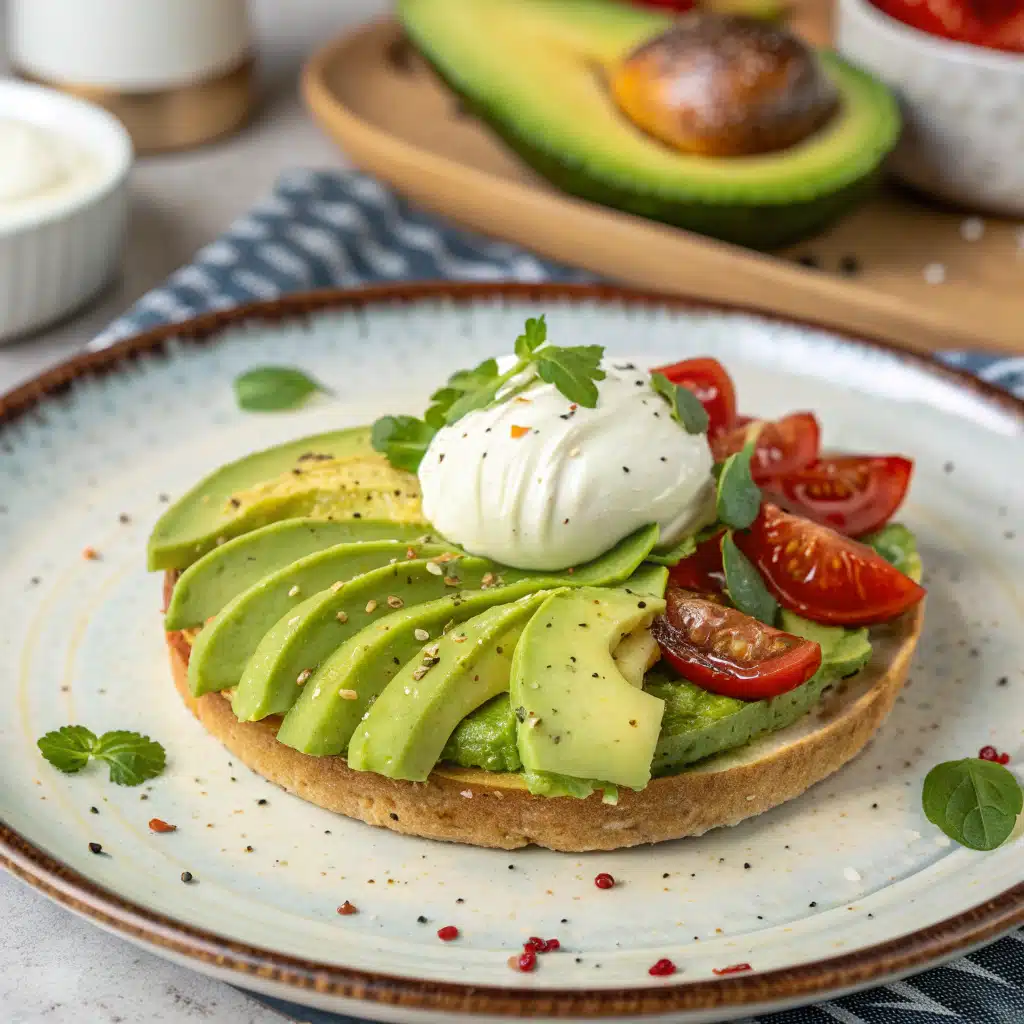
While basic avocado mayo is delicious, you can elevate its flavor profile with thoughtful additions. “Here’s your guide to six avocado toast recipes that would pair perfectly with this homemade avocado mayo.” For a zesty kick, add finely grated lemon or lime zest. Fresh herbs like cilantro, basil, or dill can introduce new dimensions of flavor—just make sure to chop them very finely or blend them completely. A small amount of honey (about 1/4 teaspoon) can balance the acidity and add subtle sweetness. For heat lovers, incorporate a dash of hot sauce, a pinch of cayenne pepper, or finely minced jalapeño. Roasted garlic provides depth without the harshness of raw garlic. Experiment with these additions in small amounts, tasting as you go, until you’ve created your signature avocado mayo flavor.
Storage: Keeping Your Avocado Mayo Fresh
Proper Container Selection
Choosing the right container is crucial for maintaining the freshness and quality of your homemade avocado mayo. Glass containers with airtight lids are ideal because they don’t absorb odors or stain like plastic containers might. Mason jars work particularly well, as do small glass containers with snap-lock lids. If using plastic, opt for BPA-free containers that seal completely. Regardless of the material, select a container that minimizes air exposure—the less empty space above the mayo, the better. Some home cooks transfer their avocado mayo to a squeeze bottle for convenient serving and reduced air contact. Whatever container you choose, make sure it’s thoroughly clean and completely dry before adding your freshly made avocado mayo to prevent contamination.
Refrigeration Guidelines
Proper refrigeration is essential for homemade avocado mayo, which lacks the preservatives found in commercial products. Always store your avocado mayo in the coldest part of your refrigerator, typically the back of the middle shelf, where temperatures remain most consistent. Never leave it at room temperature for more than two hours. For maximum freshness, consider placing plastic wrap directly on the surface of the mayo before sealing the container to create an additional barrier against oxidation. Because of the raw egg yolk and the avocado’s tendency to oxidize, homemade avocado mayo typically stays fresh for 3-4 days when properly refrigerated. Always check for any off smells, discoloration, or texture changes before using stored mayo, and discard it if you notice any concerning signs.
Preventing Discoloration and Oxidation
Avocados are notorious for turning brown when exposed to air, but several strategies can help maintain your avocado mayo’s appealing green color.
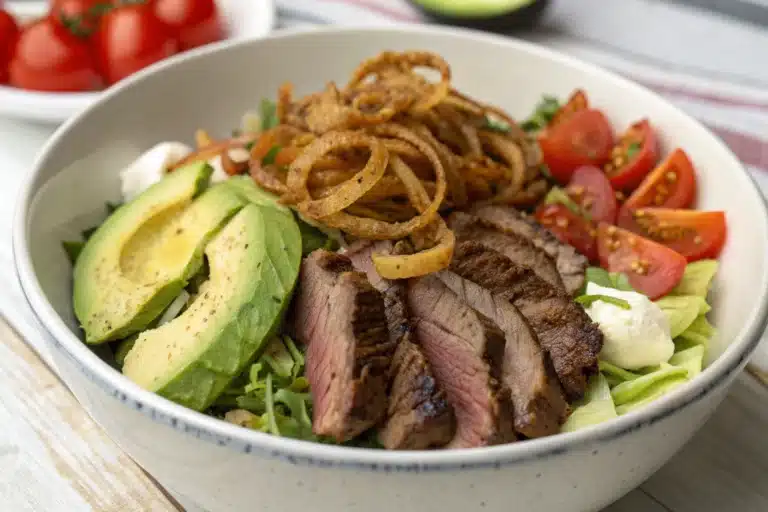
“Discover great ideas like our creamy queso steak rice bowl that would pair wonderfully with a dollop of this fresh avocado mayo.”
The lemon juice in the recipe already helps prevent oxidation, but you can increase the amount slightly if discoloration is a concern. Adding a thin layer of extra virgin olive oil on top of the mayo creates a barrier against air. Some cooks place an avocado pit in the container with the mayo, which may help preserve color. Vitamin C powder (ascorbic acid) can be added in small amounts (1/8 teaspoon) as a natural preservative. Finally, minimizing the mayo’s exposure to air by using appropriately sized containers and creating a seal with plastic wrap will significantly reduce oxidation and help maintain that beautiful pale green color.
Variations: Creative Avocado Mayo Recipes
Spicy Avocado Mayo
For those who enjoy a bit of heat, spicy avocado mayo offers a perfect balance of creamy richness and fiery kick. To create this variation, start with the basic avocado mayo recipe, then add 1-2 teaspoons of finely minced jalapeño or serrano pepper (seeds removed for milder heat). Alternatively, incorporate 1/2 to 1 teaspoon of your favorite hot sauce, such as Sriracha or Tabasco. For a smoky heat profile, add 1/4 teaspoon of chipotle powder or 1 teaspoon of finely chopped chipotle in adobo sauce. A pinch of cayenne pepper provides heat without changing the flavor profile significantly. For extra depth, include 1/4 teaspoon of ground cumin or smoked paprika. Finish with a squeeze of lime juice instead of lemon for a more complementary citrus note. This spicy variation pairs exceptionally well with fish tacos, grilled chicken, or as a zesty dip for sweet potato fries.
Herb-Infused Avocado Mayo
Fresh herbs transform basic avocado mayo into a garden-fresh delight with complex flavor notes. Begin with the standard recipe, then add 1-2 tablespoons of finely chopped fresh herbs. Cilantro and lime create a Southwestern profile perfect for Mexican dishes. Dill and parsley offer a bright, clean flavor that complements fish beautifully. Basil and a touch of minced garlic create an Italian-inspired mayo ideal for caprese sandwiches or as a dip for fried zucchini. For a French twist, incorporate tarragon, chervil, and a pinch of herbes de Provence. Consider adding 1 teaspoon of finely grated lemon or lime zest to enhance the herbal notes. For the best flavor, add herbs just before serving, as their delicate flavors can deteriorate in storage.
“Don’t miss our southwest steak avocado bowl with cilantro cream sauce which would pair perfectly with this herb-infused avocado mayo.”
Garlic and Lime Avocado Mayo
This zesty variation highlights the complementary flavors of garlic and lime with the creamy avocado base. Start by roasting 2-3 cloves of garlic until soft and sweet, then mash them into a paste before incorporating them into your avocado mayo. If you prefer a more pungent garlic flavor, use 1 small raw clove, very finely minced or pressed. Replace the lemon juice in the original recipe with freshly squeezed lime juice, and add 1/2 teaspoon of lime zest for an aromatic citrus boost. A pinch of ground coriander enhances the lime flavor, while 1/4 teaspoon of honey balances the acidity. For a complete flavor profile, add 1 tablespoon of finely chopped cilantro. This variation works wonderfully as a spread for fish tacos, a topping for grilled corn, or as the base for a vibrant coleslaw dressing. The garlic and lime combination also makes an excellent marinade component when mixed with a little olive oil.
Serving: Delicious Ways to Use Avocado Mayo
Sandwich and Wrap Applications
Avocado mayo elevates everyday sandwiches and wraps to gourmet status with its creamy texture and nutritious profile. Spread it generously on whole grain bread for turkey or chicken sandwiches—the creamy texture pairs particularly well with roasted meats. Use it as the binding agent in chicken or egg salad for a healthier twist on these classics. For club sandwiches, replace traditional mayo with avocado mayo for an extra layer of flavor. In BLTs, it adds a creamy component that complements the crispy bacon and juicy tomatoes perfectly. Avocado mayo works wonderfully in wraps, especially those with a Mexican or Southwestern theme. Try it in a grilled vegetable wrap with roasted red peppers and zucchini, or use it to add moisture and flavor to a lean turkey and sprout wrap. For a quick lunch, spread avocado mayo on a tortilla, add rotisserie chicken, lettuce, and tomato, then roll it up for an instant meal.
Dips and Dressings
The versatility of avocado mayo shines when used as a base for dips and dressings. For a quick vegetable dip, mix avocado mayo with a splash of buttermilk, chopped herbs, and a pinch of garlic powder. It makes an excellent base for ranch-style dressing—just add dried herbs, a touch of vinegar, and thin with milk to desired consistency. Combine it with Greek yogurt, cucumber, and dill for a refreshing tzatziki-inspired dip. For a zesty seafood dip, mix avocado mayo with a dash of hot sauce, lemon juice, and chopped cooked shrimp. As a salad dressing, thin avocado mayo with a little olive oil and vinegar, then season with herbs and spices. It creates a luxurious dip for sweet potato fries, especially when spiked with a little chipotle powder.
“Want more ideas? Check out our crispy bagel bites recipe that would be perfect with a side of this flavorful avocado mayo for dipping.”
Pairing with Proteins and Vegetables
Avocado mayo serves as a perfect companion to various proteins and vegetables, enhancing their flavors while adding nutritional value. Use it as a topping for grilled fish—its creamy texture and subtle flavor complement salmon, cod, or tilapia beautifully. Dollop it onto grilled chicken breasts or use it as a dipping sauce for chicken tenders. For steak, mix avocado mayo with horseradish and serve as a side condiment. It makes an excellent sauce for crab cakes or shrimp, especially when brightened with a squeeze of extra lemon juice. When it comes to vegetables, avocado mayo transforms ordinary into extraordinary. Use it as a dip for raw vegetables like carrots, bell peppers, and cucumber. Spread it on grilled corn on the cob for a healthier alternative to butter. Toss roasted vegetables with a thin layer of avocado mayo while still warm to create a glossy, flavorful coating. It even works as a base for cold vegetable salads like coleslaw or potato salad, providing creaminess with additional nutrients.
FAQs: Common Questions About Avocado Mayo
Is avocado mayonnaise healthy?
Yes, avocado mayo is generally healthier than traditional mayonnaise. It contains beneficial monounsaturated fats from avocados, which are heart-healthy, plus vitamins and minerals not found in regular mayo. However, it still contains oil and egg yolk, so it should be consumed in moderation as part of a balanced diet.
What is in avocado mayonnaise?
Avocado mayonnaise typically contains ripe avocado, egg yolk, oil, lemon or lime juice, Dijon mustard, and salt. Some variations may include additional ingredients like herbs, garlic, or spices for enhanced flavor profiles.
What is the healthiest mayo?
Among mayonnaise options, avocado mayo is one of the healthiest choices due to the nutritional benefits of avocados. Other healthy alternatives include olive oil-based mayo and those made with aquafaba (chickpea water) for vegan versions. The healthiest option depends on your specific dietary needs and restrictions.
Can I mix avocado with mayo?
Absolutely! You can mix mashed avocado with regular mayonnaise to create a hybrid spread that’s lighter than full mayo but creamier than pure avocado. This is a simple way to enhance store-bought mayo while reducing calories and adding nutrients.
Is mayonnaise healthier than butter?
This depends on the specific health concerns. Mayo typically has more calories than butter per tablespoon but contains healthier unsaturated fats compared to butter’s saturated fats. Avocado mayo specifically offers more nutritional benefits than both regular mayo and butter.
Is it OK to eat mayonnaise every day?
Consuming small amounts of mayonnaise daily, especially healthier versions like avocado mayo, can be part of a balanced diet. However, since it’s calorie-dense, moderation is key. If eating mayo daily, consider portion size and your overall dietary pattern.
Conclusion: Embracing Homemade Avocado Mayo
The Versatility of Avocado Mayo in Modern Cuisine
Avocado mayo has firmly established itself as more than just a trendy condiment—it’s become a versatile staple in modern kitchens. Its adaptability spans culinary traditions from Mexican-inspired dishes to Mediterranean fare and classic American comfort food. What makes avocado mayo truly remarkable is how seamlessly it transitions between roles: from a simple sandwich spread to a sophisticated dip for appetizers, from a salad dressing base to a flavor enhancer for grilled proteins. Home cooks and professional chefs alike appreciate its ability to add creaminess and nutrition to countless dishes. As health-conscious eating continues to gain importance, avocado mayo offers a solution that doesn’t sacrifice flavor or texture while providing nutritional benefits. The pale green color also adds visual appeal to plates, making it as pleasing to the eye as it is to the palate. With endless customization options through herbs, spices, and additional ingredients, avocado mayo has rightfully earned its place in contemporary cooking.
Why Making Your Own Beats Store-Bought Options
Creating homemade avocado mayo delivers significant advantages over purchasing pre-made versions. First and foremost is freshness—nothing compares to the vibrant flavor of mayo made with a perfectly ripe avocado. By making it yourself, you maintain complete control over the ingredients, avoiding preservatives, artificial flavors, and excessive salt that often appear in commercial products. Homemade avocado mayo typically costs less than premium store-bought versions, especially if you already have most of the ingredients on hand. The customization potential is unlimited—you can adjust acidity, salt levels, and additional flavorings to suit your exact preferences. There’s also tremendous satisfaction in creating something from scratch that tastes better than its commercial counterpart.
“Learn more about creamy coconut curry meatballs that would pair wonderfully with this homemade avocado mayo for a complete meal.”
While store-bought options offer convenience, they simply can’t match the quality, flavor, and personal touch of homemade avocado mayo. Once you’ve mastered this simple recipe, you’ll likely find yourself reaching for the ingredients rather than the grocery store version whenever you crave this creamy, nutritious condiment.
PrintHow to Make Avocado Mayo: A Simple, Creamy, and Flavorful Recipe
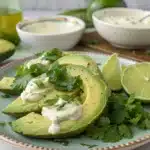
Creamy, flavorful homemade avocado mayo that’s healthier than traditional mayonnaise and perfect for sandwiches, dips, and dressings.
- Prep Time: 15
- Total Time: 15 minutes
- Yield: 1 1x
- Category: Condiments
- Cuisine: American
Ingredients
- 4.23 ounces (120 g) avocado flesh approx. 1 small or ½ v. large avocado
- 1 small egg yolk at room temperature
- 2 tablespoons vegetable oil rapeseed, sunflower etc.
- ⅓ teaspoon Dijon mustard
- 2½–3 teaspoons lemon juice
- ¼ teaspoon fine sea salt
Instructions
- Whisk together egg yolk, 1 teaspoon lemon juice, and Dijon mustard until combined.
- Add oil drop by drop while whisking constantly to prevent splitting.
- When half the oil is incorporated, add salt and another teaspoon of lemon juice.
- Continue whisking in remaining oil very slowly until mixture thickens.
- Puree avocado and whisk into oil mixture until combined, or blend everything together with an immersion blender.
- Adjust seasoning and add more lemon juice if needed.
- Serve immediately or refrigerate for 30 minutes before serving.
Notes
For best results, ensure all ingredients are at room temperature before starting. Nutrition facts are estimates and may vary based on ingredients used, portion sizes, and preparation methods.
Nutrition
- Serving Size: 1
- Calories: 45 Kcal
- Sodium: 75mg
- Fat: 4g
- Saturated Fat: 0.5g
- Carbohydrates: 2g
- Fiber: 1.5g
- Protein: 1g
- Cholesterol: 35mg
Keywords: avocado mayo, healthy mayonnaise, homemade mayo, avocado spread
Let’s connect! Follow me for more Joylicious Recipes: Facebook, Instagram, Pinterest