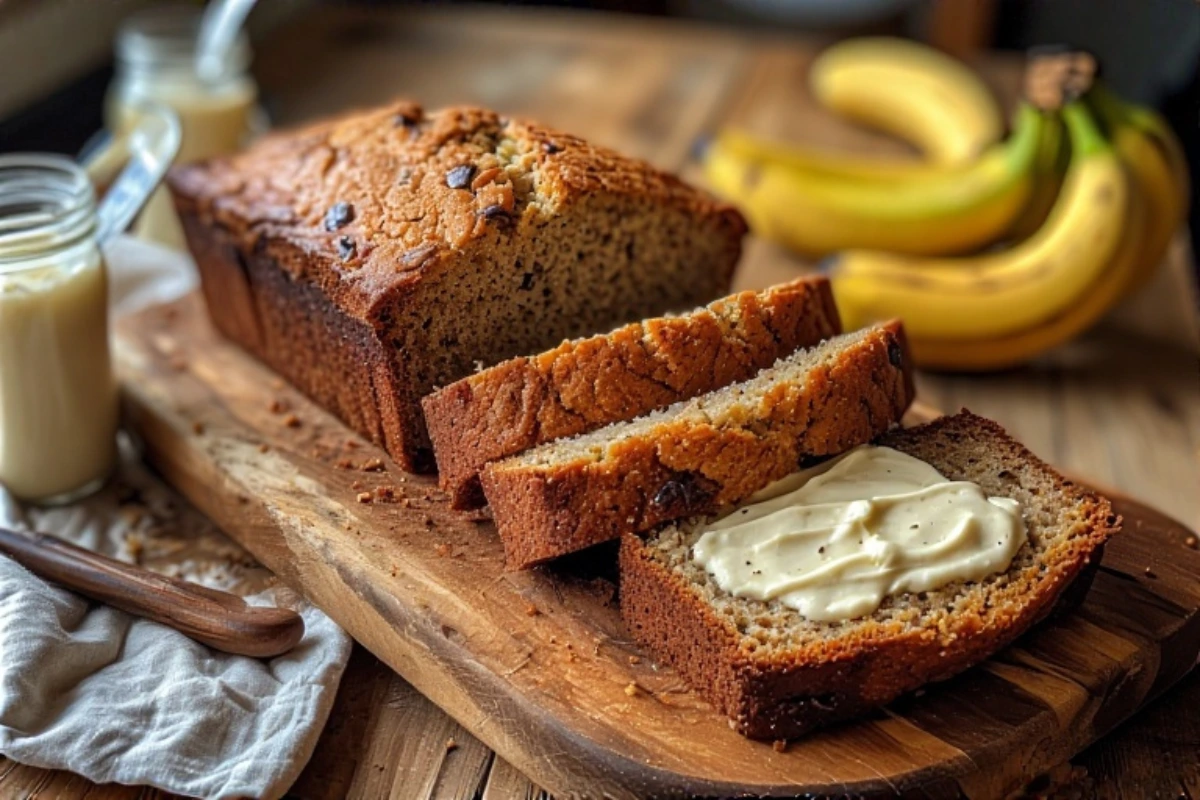
Moist Banana Bread Recipe: The Ultimate Guide to Perfect Texture
Introduction: The Art of Creating Perfectly Moist Banana Bread
Why Banana Bread Remains a Beloved Classic
Moist banana bread has remained a timeless favorite in American kitchens for generations. This comforting treat strikes the perfect balance between a breakfast staple and a sweet indulgence. With its irresistible aroma of caramelized bananas and warm spices, moist banana bread invites everyone to slow down and savor each bite. The popularity of this humble quick bread continues to endure because it transforms simple ingredients into something truly special. Moreover, its adaptability allows for countless variations while maintaining that signature moist, tender crumb we all crave.
The Science Behind Perfect Moisture in Banana Bread
Creating truly moist banana bread isn’t just about following a recipe—it’s about understanding the science behind moisture retention. The key components that contribute to the perfect texture include the ripeness of bananas, fat content, and proper mixing technique. Overripe bananas provide natural sweetness and moisture through their high sugar content. Meanwhile, butter adds richness while contributing to the bread’s tender structure.
“Looking for inspiration? Try our banana bread with mayo for another moisture-boosting ingredient.” Additionally, the balance between dry and wet ingredients creates the ideal environment for moisture to distribute evenly throughout the loaf as it bakes. Understanding these elements is crucial to consistently achieving that perfect, moist texture that makes banana bread so irresistible.
Ingredients: Selecting the Best Components for Moist Banana Bread
The Importance of Overripe Bananas
The most essential ingredient for truly moist banana bread is perfectly overripe bananas. These dark, spotted fruits might look past their prime for eating fresh, but they’re at their peak for baking. Overripe bananas contain more sugar, which contributes significantly to the moisture and depth of flavor in your bread. The ideal banana for baking should have a peel that’s heavily freckled with brown spots or even completely black in some areas. The flesh inside should be soft and easily mashable, with a sweet aroma that’s distinctly more pronounced than yellow bananas. This natural sweetness means you can actually reduce the added sugar in your recipe while still achieving wonderful flavor and moisture.
Balancing Wet and Dry Ingredients
The perfect balance between wet and dry ingredients is crucial for achieving the ideal texture in moist banana bread. Too much flour creates a dry, dense loaf, while too many wet ingredients can make it soggy or prevent proper rising. Our recipe calls for 1½ cups of all-purpose flour, which provides just enough structure without weighing down the bread. The combination of mashed bananas, softened butter, and eggs creates the moisture base. The baking soda interacts with the acidity in the bananas to create a proper rise, while salt enhances all the flavors and balances sweetness. Vanilla extract adds depth of flavor that complements the bananas perfectly. Finally, add-ins like walnuts and raisins provide textural contrast while allowing the moist crumb to remain the star of the show.
| Ingredient | Amount | Function |
|---|---|---|
| Overripe bananas | 3 medium/large | Provides moisture, sweetness, and banana flavor |
| Unsalted butter | ½ cup (8 Tbsp) | Adds richness and contributes to tender texture |
| Granulated sugar | ¾ cup | Sweetens and helps with moisture retention |
| Large eggs | 2, lightly beaten | Binds ingredients and adds structure |
| All-purpose flour | 1½ cups | Provides structure to the bread |
| Baking soda | 1 tsp | Leavening agent that creates rise |
| Salt | ½ tsp | Enhances flavors and balances sweetness |
| Vanilla extract | ½ tsp | Adds depth of flavor |
| Walnuts | 1 cup | Provides crunchy texture contrast |
| Raisins | ½ cup | Adds chewy sweetness and moisture |

Step-by-Step: Creating the Perfect Moist Banana Bread
Preparation and Ingredient Processing
- Preheat your oven to 350°F (175°C). This temperature is ideal for banana bread as it allows for even baking without drying out the edges before the center cooks.
- Thoroughly grease and flour a 9.25 × 5.25 × 2.75-inch loaf pan. This preparation ensures your moist banana bread will release easily after baking.
- Place walnuts in a dry skillet over medium heat. Toast them for 3-5 minutes, stirring constantly to prevent burning. This extra step significantly enhances their flavor.
- Remove walnuts from heat, allow them to cool slightly, then coarsely chop them and set aside.
- In a medium bowl, mash the 3 overripe bananas with a fork until they reach a chunky applesauce consistency. Some texture is desirable for the best moist banana bread.
- In a separate bowl, whisk together the flour, baking soda, and salt until well combined. This helps distribute the leavening agents evenly throughout the batter.
Mixing the Batter for Optimal Moisture
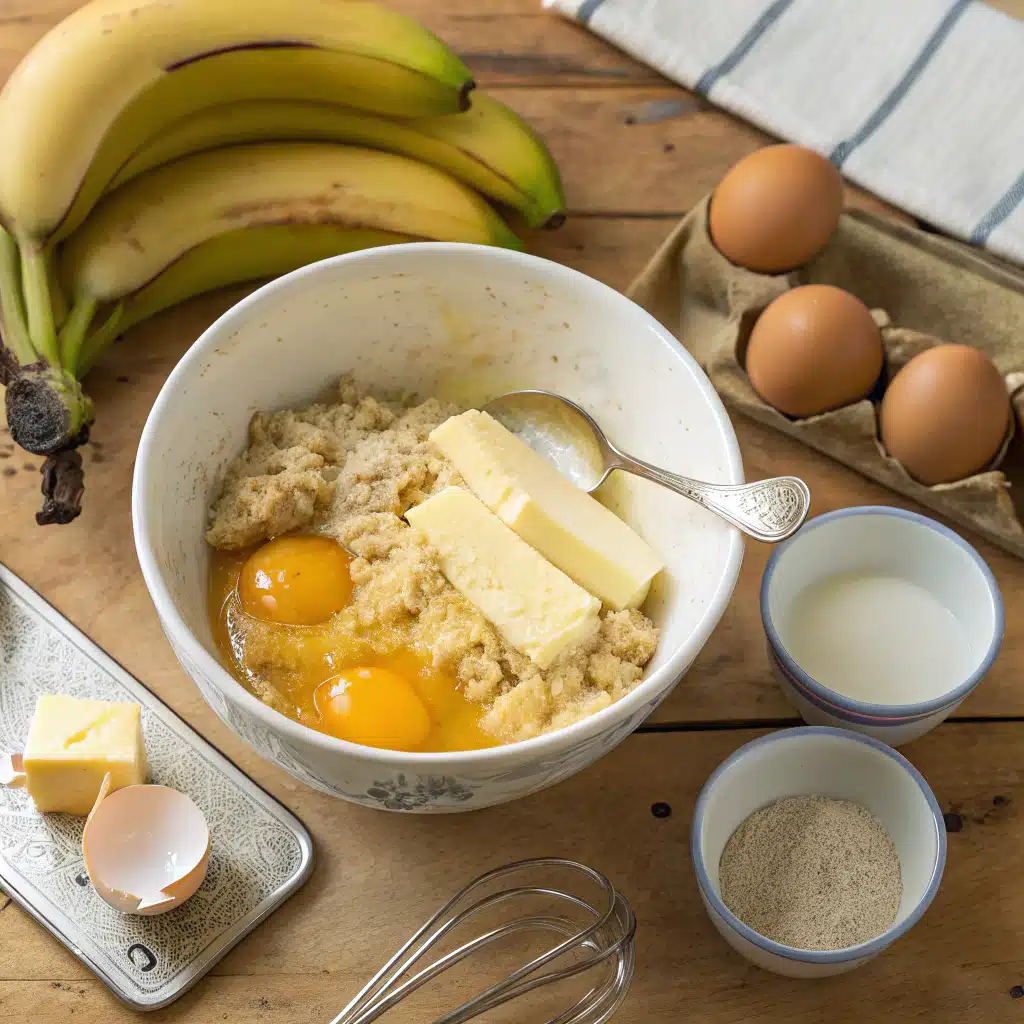
- In a large mixing bowl, cream together the softened butter and sugar until light and fluffy, about 2-3 minutes. This incorporates air into the mixture, helping create a lighter texture in your moist banana bread.
- Add the lightly beaten eggs to the butter-sugar mixture one at a time, mixing well after each addition.
- Stir in the mashed bananas until just combined. Don’t overmix as this can develop gluten and lead to a tougher texture.
- Gradually add the dry ingredient mixture to the wet ingredients, stirring gently just until no dry flour remains visible. “Learn more about making the perfect batter consistency with our tips for other baked goods.”
- Add the vanilla extract, then fold in the chopped walnuts and raisins with a spatula. These add-ins provide texture contrast that makes each bite interesting while maintaining the moist crumb.
Baking Techniques for Perfect Texture
- Pour the batter into your prepared loaf pan, spreading it evenly to the corners.
- Bake in the preheated oven for 55-60 minutes, or until a toothpick inserted into the center comes out clean with just a few moist crumbs attached.
- If the top begins to brown too quickly during baking, loosely cover the loaf with aluminum foil to prevent over-browning while allowing the center to finish cooking.
- Once baked, remove from the oven and let the moist banana bread rest in the pan for 10 minutes. This resting period allows the structure to set while retaining maximum moisture.
- After resting, carefully transfer the loaf to a wire cooling rack to cool completely. Though tempting to cut immediately, allowing it to cool preserves the moist texture.
Tips: Expert Advice for Guaranteed Moist Banana Bread
Banana Selection and Preparation Techniques
The ripeness of your bananas significantly impacts the moisture and flavor of your banana bread. For the moistest result, use bananas that are well beyond the point you’d eat them fresh—the darker and spottier, the better. If you only have yellow bananas, you can speed up the ripening process by placing them in a paper bag with an apple, which releases ethylene gas that accelerates ripening. Alternatively, you can roast yellow bananas in their peels at 300°F for 15-20 minutes until they turn black and soft. When mashing, leave some small chunks for texture variation in your moist banana bread.
“Check out our brown sugar banana pancakes for another delicious way to use ripe bananas.”
Mixing Methods That Preserve Moisture
The technique you use to combine ingredients directly affects your banana bread’s texture. To preserve moisture, use the “muffin method” of mixing wet and dry ingredients separately before combining them. When incorporating the dry ingredients into the wet, use a gentle folding motion rather than vigorous stirring. Overmixing develops gluten, resulting in tough, dry bread. Stop mixing as soon as the dry ingredients are incorporated—a few small lumps are actually desirable. Additionally, allowing your eggs and butter to come to room temperature before mixing creates a more homogeneous batter that bakes more evenly. This attention to mixing technique makes all the difference in achieving perfectly moist banana bread.
Oven Management for Consistent Results
Proper oven management is crucial for moist banana bread. Always preheat your oven for at least 15 minutes before baking to ensure it reaches the correct temperature. An oven thermometer can verify accuracy, as many ovens run hotter or cooler than their settings indicate. Position your loaf pan in the center rack where heat circulation is most even. Avoid opening the oven door during the first 40 minutes of baking, as temperature fluctuations can cause uneven rising and drying. If you notice the top browning too quickly, tent it with foil while allowing the center to finish baking. Finally, always check for doneness with a toothpick—when it comes out with a few moist crumbs (not wet batter), your perfectly moist banana bread is ready.
Storage: Maintaining Moisture After Baking
Short-Term Storage Solutions
To maintain the moisture in your banana bread for 3-4 days, proper storage is essential immediately after cooling. First, ensure your banana bread has cooled completely to room temperature—about 2-3 hours on a wire rack. Once cooled, wrap the loaf tightly in plastic wrap, pressing it against the surface of the bread to create an airtight seal that prevents moisture loss.
For additional protection, wrap a second layer of aluminum foil around the plastic-wrapped loaf. Store at room temperature in a cool, dry place away from direct sunlight, which can create condensation and lead to mold. If you’ve sliced your bread, store the pieces in an airtight container with a piece of parchment paper between layers to prevent sticking while maintaining moisture.
Freezing Methods for Long-Term Freshness
Moist banana bread freezes exceptionally well, allowing you to enjoy fresh-tasting bread for up to three months. For best results, allow your bread to cool completely before freezing to prevent ice crystals from forming. You can freeze the entire loaf or individual slices, depending on how you plan to enjoy it later.
For a whole loaf, wrap it tightly in plastic wrap, then in aluminum foil, and finally place it in a freezer-safe ziplock bag with the air pressed out. “Discover great ideas like our tips for freezing baked goods” For individual slices, wrap each piece separately in plastic wrap, then place them in a freezer container or heavy-duty freezer bag. Label with the date and contents. When ready to enjoy, thaw wrapped bread overnight in the refrigerator or for 3-4 hours at room temperature.
Reviving Banana Bread That’s Dried Out
Even the moistest banana bread can occasionally dry out, but there are several effective ways to revive it. For slices, lightly brush both sides with milk, wrap in a damp paper towel, and microwave for 10-15 seconds. The steam created rehydrates the bread beautifully. Alternatively, spread a slice with butter and toast it in a skillet until golden—this transforms slightly dry banana bread into a decadent treat with crispy edges and a warm center.
For serving at breakfast or brunch, try making banana bread French toast: dip slices in an egg and milk mixture, then cook on a buttered griddle until golden brown. Finally, you can cube dried banana bread and use it as the base for a trifle or bread pudding, where it will absorb custard and become moist and delicious again.
Variations: Customizing Your Moist Banana Bread Recipe
Flavor Additions and Mix-Ins
The classic moist banana bread recipe serves as an excellent foundation for creative flavor variations. Chocolate lovers can fold in ½ to 1 cup of chocolate chips—semi-sweet, milk, or dark all work beautifully with banana’s natural sweetness. For a tropical twist, add ½ cup of shredded coconut and replace vanilla extract with coconut extract. Warm spices like cinnamon (1-2 teaspoons), nutmeg (¼ teaspoon), or a pumpkin spice blend (1-2 teaspoons) complement bananas perfectly and add aromatic depth.
For fruity variations, blueberries, strawberries, or dried cranberries can replace or supplement the raisins in our base recipe. Nut variations are endless—try pecans, almonds, or macadamia nuts instead of walnuts. For an indulgent twist, swirl 2-3 tablespoons of peanut butter, Nutella, or cream cheese into the batter before baking for pockets of flavor throughout your moist banana bread.
Dietary Adaptations That Maintain Moisture
Creating moist banana bread to accommodate dietary restrictions requires thoughtful substitutions that maintain the bread’s signature texture. For gluten-free banana bread, replace all-purpose flour with a 1:1 gluten-free flour blend containing xanthan gum, or use a mixture of almond flour and oat flour plus 1 teaspoon xanthan gum for binding. Vegan adaptations can replace eggs with flax eggs (1 tablespoon ground flaxseed mixed with 3 tablespoons water per egg) or ¼ cup unsweetened applesauce per egg. Substitute butter with coconut oil, vegan butter, or even olive oil for different flavor profiles. For reduced-sugar versions, cut the sugar amount in half and rely on the sweetness of very ripe bananas.
“Want more ideas? Check out our healthy breakfast cookies for more nutritious baking inspiration.”
Honey or maple syrup can replace granulated sugar (use ⅔ cup for every 1 cup of sugar), adding moisture while reducing refined sugar content.
Structural Variations: Beyond the Loaf Pan
While the traditional loaf is classic, moist banana bread batter adapts beautifully to various baking vessels, creating exciting serving options. For faster baking and built-in portion control, pour the batter into a standard 12-cup muffin tin, filling each cup about ⅔ full. Bake banana bread muffins for approximately 20-25 minutes at the same 350°F temperature.
For a breakfast-worthy variation, spread the batter in a 9×9-inch baking pan to create banana bread squares that bake in about 30-35 minutes. Mini loaves make perfect gifts—divide the batter among four mini loaf pans and bake for 30-35 minutes. For a showstopping dessert, bake the batter in two 8-inch round cake pans for 25-30 minutes, then stack with cream cheese frosting between layers for banana bread cake. Finally, a bundt pan creates an elegant presentation—be sure to thoroughly grease and flour all the crevices and bake for 50-55 minutes until a skewer comes out clean.
Serving: Elevating Your Moist Banana Bread Experience
Accompaniments That Enhance Moisture and Flavor
The perfect moist banana bread stands beautifully on its own, but thoughtfully chosen accompaniments can elevate the experience to new heights. A smear of salted butter on a warm slice creates a luscious contrast as it melts into the bread. For a more decadent approach, try cream cheese or mascarpone spread—their tanginess beautifully balances banana bread’s sweetness.
Nut butters like almond or cashew butter add protein and complementary flavor. For a dessert-like presentation, drizzle slices with warm caramel sauce or chocolate ganache. Fruit spreads like apricot preserves or raspberry jam create bright flavor contrasts. When serving for breakfast or brunch, offer Greek yogurt with honey alongside for a protein-rich complement. For an extra-special dessert, top warm banana bread with a scoop of vanilla ice cream or fresh whipped cream and a sprinkle of cinnamon or toasted nuts.
Presentation Ideas for Different Occasions
How you present your moist banana bread can transform it from a casual snack to an impressive centerpiece. For breakfast or brunch gatherings, arrange slices on a wooden cutting board with fresh fruit, yogurt, and honey for a build-your-own banana bread bar. When hosting afternoon tea, cut thin, elegant slices and serve on a tiered stand alongside other pastries. For gifting, wrap mini loaves in parchment paper, tie with twine, and include a handwritten recipe card.
“Don’t miss our creative serving ideas for baked goods that can inspire your presentation.” At dinner parties, transform banana bread into a sophisticated dessert by cutting thick slices, lightly grilling or pan-frying them, and serving with a scoop of ice cream and a dusting of powdered sugar. For children’s parties, use cookie cutters to create fun shapes from thin slices, then decorate with cream cheese frosting and colorful sprinkles for an interactive treat.
Pairing Suggestions for Complete Enjoyment
The right beverage pairing can complement and enhance the flavors of moist banana bread. For morning enjoyment, a cup of strong coffee balances the bread’s sweetness—light to medium roasts with fruit notes particularly complement banana flavor. Black tea with milk creates a cozy, traditional pairing, while chai tea’s spices mirror and enhance any cinnamon or nutmeg in your banana bread.
For afternoon snacking, consider a glass of cold milk (dairy or plant-based) which refreshes the palate between bites. Hot chocolate makes an indulgent pairing for a special treat. When serving banana bread as dessert, sweet dessert wines like Moscato d’Asti complement its fruity notes beautifully. For brunch gatherings, a sparkling water with lemon provides a refreshing contrast to the bread’s richness, cleansing the palate without competing with its flavors.
FAQs: Answering Your Moist Banana Bread Questions
What makes banana bread moist and not dry?
Several factors contribute to moist banana bread: using very ripe bananas with high sugar content, including enough fat (butter or oil), proper measurement of flour (too much creates dryness), and avoiding overbaking. The natural moisture in bananas combined with the right ratio of wet to dry ingredients creates that perfect moist texture. Additionally, ingredients like brown sugar, honey, or yogurt can add moisture, while proper mixing technique (not overmixing) prevents developing gluten that would create a tougher texture.
What is the secret to super moist banana bread?
The ultimate secret to super moist banana bread is using extremely ripe bananas—those with black peels and soft flesh. These contain more sugar and moisture than yellow or lightly spotted bananas. Another key secret is measuring flour correctly by spooning it into measuring cups rather than scooping directly from the container, which compacts flour and adds too much. Finally, slightly underbaking the bread (pulling it from the oven when a toothpick has a few moist crumbs rather than coming out completely clean) ensures it retains maximum moisture.
Should you use ripe or overripe bananas for moist banana bread?
Overripe bananas are decidedly better for moist banana bread. As bananas ripen, their starch converts to sugar, making them sweeter, softer, and more flavorful. The ideal bananas for banana bread have peels that are heavily spotted or completely black, with flesh that’s very soft and aromatic. These overripe bananas provide natural sweetness, stronger banana flavor, and significantly more moisture than yellow or just-ripe bananas.
Can I use oil instead of butter in banana bread?
Yes, you can substitute oil for butter in banana bread, and many bakers prefer it for even moister results. Use ⅓ cup of oil to replace ½ cup (1 stick) of butter. Neutral oils like vegetable or canola work well without altering the flavor, while coconut oil adds a complementary tropical note. Oil creates a slightly denser, moister texture that stays soft even when refrigerated, while butter provides a richer flavor and lighter crumb texture.
Why does my banana bread turn out dense or dry?
Banana bread can become dense or dry for several reasons: using too much flour (measure by spooning into cups, not scooping), undermixing (which creates uneven texture), overmixing (which develops gluten), using bananas that aren’t ripe enough, overbaking, or using old leavening agents that don’t activate properly. Another common mistake is opening the oven door too early during baking, causing the loaf to fall and become dense in the center.
How do you keep banana bread moist after baking?
To maintain moisture after baking, cool banana bread completely before storage, then wrap it tightly in plastic wrap and aluminum foil to create an airtight seal. Store at room temperature for up to 3-4 days. For longer storage, freeze properly wrapped banana bread, which preserves moisture excellently. If your bread has begun to dry out, you can revive it by lightly toasting slices with butter, making French toast with it, or microwaving slices for a few seconds with a damp paper towel.
Conclusion: Mastering the Art of Moist Banana Bread
Why This Recipe Stands Above the Rest
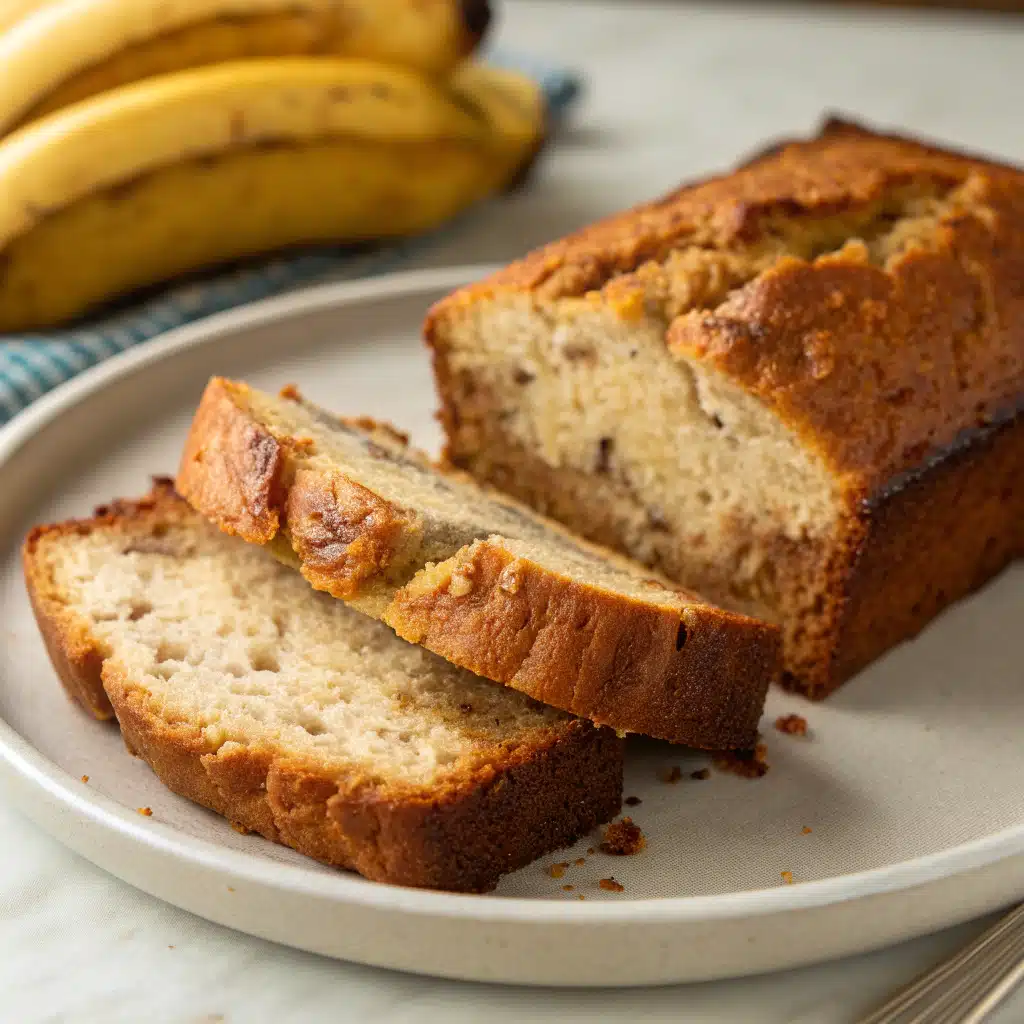
This moist banana bread recipe distinguishes itself through its perfect balance of simplicity and exceptional results. Unlike many recipes that compromise texture for ease, or flavor for moisture, our approach achieves the ideal harmony of all elements. The careful ratio of ingredients ensures consistent moisture without becoming gummy or underbaked in the center. We’ve eliminated unnecessary steps while retaining the crucial techniques that guarantee success, making this recipe accessible even to novice bakers. The flavor profile achieves depth through properly ripened bananas rather than relying on excess sugar or artificial flavorings.
“Here’s your guide to more delicious baked treats that use similar techniques.” Most importantly, this recipe produces a truly exceptional moist banana bread that maintains its quality for days—if it lasts that long before being devoured! Each slice delivers the perfect crumb structure: tender, moist, and able to hold together without crumbling.
Enjoying the Journey of Banana Bread Mastery
The joy of creating perfect moist banana bread extends far beyond the delicious end result. It connects us to generations of home bakers who have transformed simple ingredients into something special. As you master this recipe, you’ll develop an intuitive understanding of how ingredients interact and how slight variations affect the outcome. This knowledge transfers to other baking endeavors, building your confidence and skill. There’s also something profoundly satisfying about transforming overripe bananas—often destined for the trash—into a beloved treat that brings people together. The process itself becomes a mindful, sensory experience: the sweet aroma filling your kitchen, the therapeutic action of mashing bananas, and the anticipation as your loaf rises in the oven. Each time you bake moist banana bread, you continue a timeless tradition while adding your own chapter to the story.
PrintMoist Banana Bread
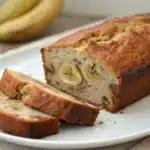
The ultimate moist banana bread recipe with perfectly ripened bananas, crunchy walnuts, and sweet raisins for a tender, flavorful loaf every time.
- Prep Time: 15
- Cook Time: 60
- Total Time: 1 hour 15 minutes
- Yield: 1 1x
- Category: Bread
- Cuisine: American
Ingredients
- 3 very ripe bananas (medium/large)
- ½ cup unsalted butter (8 Tbsp) at room temperature
- ¾ cup granulated sugar
- 2 large eggs, lightly beaten
- 1½ cups all-purpose flour
- 1 tsp baking soda
- ½ tsp salt
- ½ tsp vanilla extract
- 1 cup walnuts
- ½ cup raisins
Instructions
- Preheat oven to 350°F. Grease and flour a 9.25×5.25×2.75 inch loaf pan.
- Lightly toast walnuts in a skillet over medium heat, stirring constantly. Cool and coarsely chop.
- In a mixing bowl, cream together softened butter and sugar until fluffy.
- Mash bananas with a fork until chunky and add to the batter along with beaten eggs, mixing until combined.
- In a separate bowl, whisk together flour, baking soda, and salt, then gradually add to the wet ingredients.
- Stir in vanilla extract and fold in chopped walnuts and raisins.
- Pour batter into prepared pan and bake for 55-60 minutes or until a toothpick inserted into the center comes out clean.
- Let bread rest in the pan for 10 minutes before transferring to a wire rack to cool completely.
Notes
For extra moisture, ensure your bananas are very ripe with dark peels. If the top browns too quickly while baking, loosely cover with foil. Nutrition facts are estimates and may vary based on ingredients used, portion sizes, and preparation methods.
Nutrition
- Serving Size: 1
- Calories: 320 kcal
- Sugar: 24g
- Sodium: 230mg
- Fat: 16g
- Saturated Fat: 6g
- Carbohydrates: 42g
- Fiber: 2g
- Protein: 5g
- Cholesterol: 62mg
Keywords: moist banana bread, banana bread recipe, homemade banana bread, walnut banana bread, moist quick bread
Let’s connect! Follow me for more Joylicious Recipes: Facebook, Instagram, Pinterest