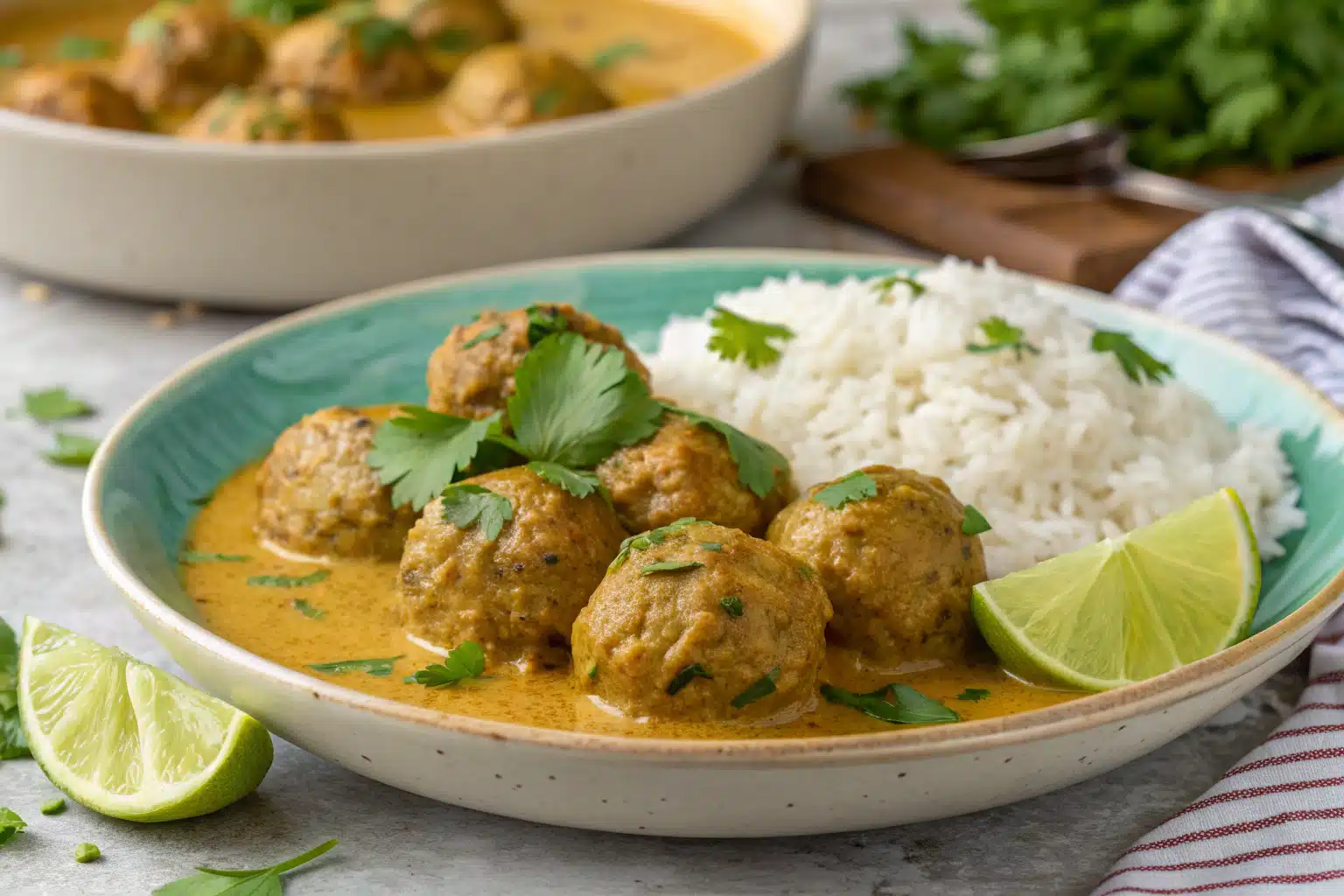
Coconut Curry Meatballs: Easy Homemade Comfort Food with Rich Flavors
Introduction to Coconut Curry Meatballs
What Makes Coconut Curry Meatballs So Special?
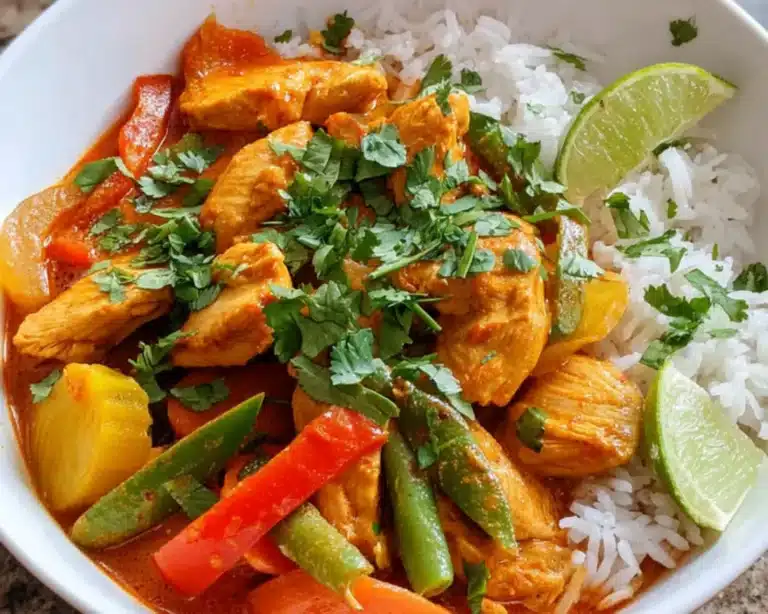
Coconut curry meatballs represent the perfect fusion of comfort food and exotic flavors. This delectable dish combines tender beef meatballs with a creamy, aromatic coconut curry sauce that’s both satisfying and impressive. The combination of fresh herbs, aromatic spices, and rich coconut milk creates layers of flavor that make this dish truly memorable. Whether you’re looking for a weeknight dinner upgrade or planning a special meal, coconut curry meatballs deliver exceptional taste with relatively little effort.
“Looking for inspiration? Try our creamy coconut curry meatballs for a flavor-packed dinner option.”
Health Benefits of Coconut Curry Meatballs
Beyond their incredible taste, coconut curry meatballs offer numerous nutritional advantages. Using lean ground beef provides high-quality protein while keeping fat content reasonable. Coconut milk contributes healthy fats that support brain function and can help maintain energy levels. Additionally, the aromatic ingredients like ginger, garlic, and fresh herbs provide anti-inflammatory compounds and antioxidants. The combination of protein, healthy fats, and micronutrients makes coconut curry meatballs not just delicious but also a relatively balanced meal option when served with vegetables or whole grains.
Ingredients for Perfect Coconut Curry Meatballs
Essential Meatball Ingredients
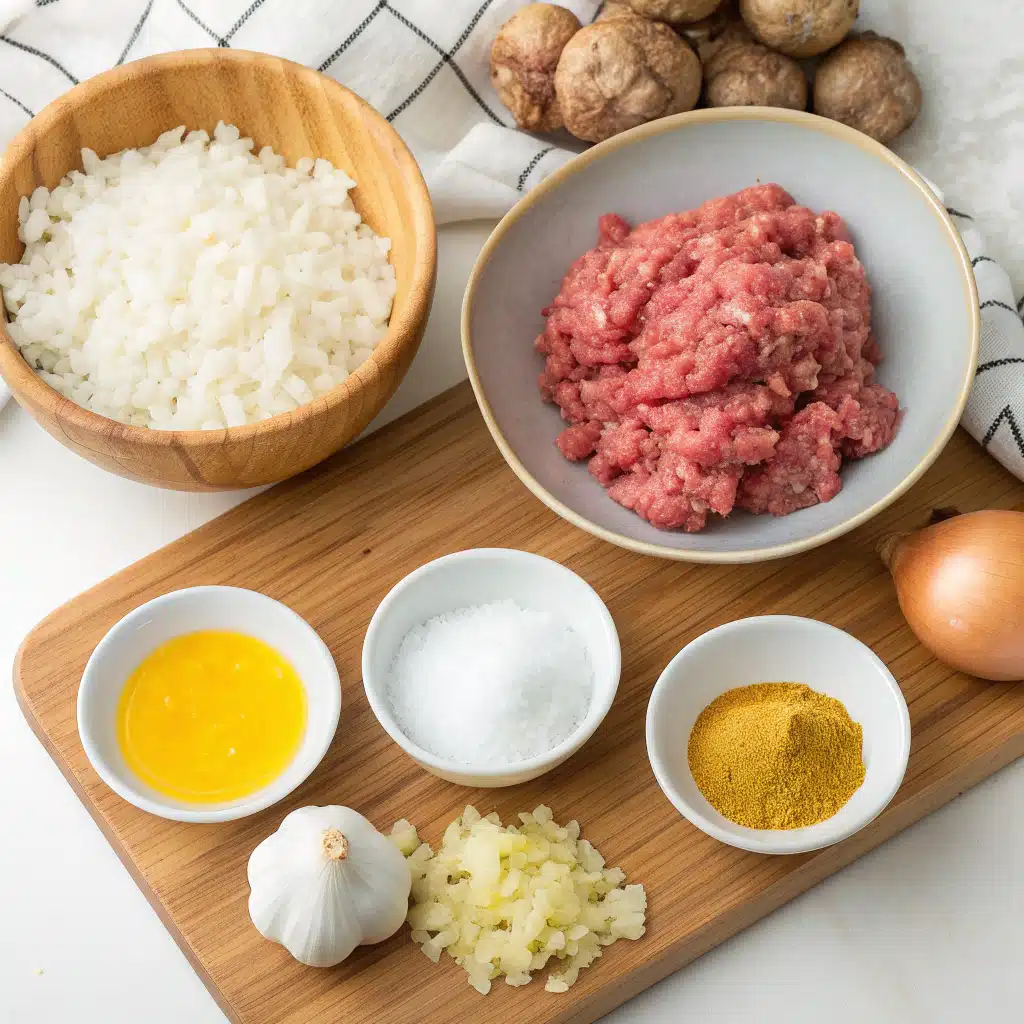
| Meatball Ingredients | Amount | Notes |
|---|---|---|
| 93% lean ground beef | 1 pound | Provides structure without excess fat |
| Fresh ginger | 1 teaspoon | Finely minced for the meatballs |
| Garlic | 2 cloves | Minced, divided between meatballs and sauce |
| Kosher salt | ½ teaspoon | Enhances flavor without overpowering |
| Olive oil | 1 tablespoon | For browning the meatballs |
Coconut Curry Sauce Components
| Sauce Ingredients | Amount | Notes |
|---|---|---|
| Green bell pepper | 1 | Thinly sliced |
| Onion | 1 | Thinly sliced |
| Fresh ginger | 1 tablespoon | Adds aromatic warmth |
| Garlic | 2 cloves | Remaining minced garlic |
| Red curry paste | 2 tablespoons | Provides authentic curry flavor |
| Coconut milk | 1 can (13.5 ounces) | Use full-fat for richest flavor |
| Fish sauce | 2 teaspoons | Adds umami depth |
| Lime juice | 1 lime | Brightens the flavors |
| Fresh basil | ¼ cup | Chopped |
| Fresh cilantro | ¼ cup | Chopped |
| Toasted coconut | 2 tablespoons | For garnish |
Step-by-Step Guide to Making Coconut Curry Meatballs
Preparing the Meatballs
- In a large mixing bowl, combine the pound of ground beef with 1 teaspoon of finely minced fresh ginger and half of the total minced garlic (about 2 cloves).
- Add ½ teaspoon of kosher salt to the meat mixture and gently combine, being careful not to overmix as this can make the meatballs tough.
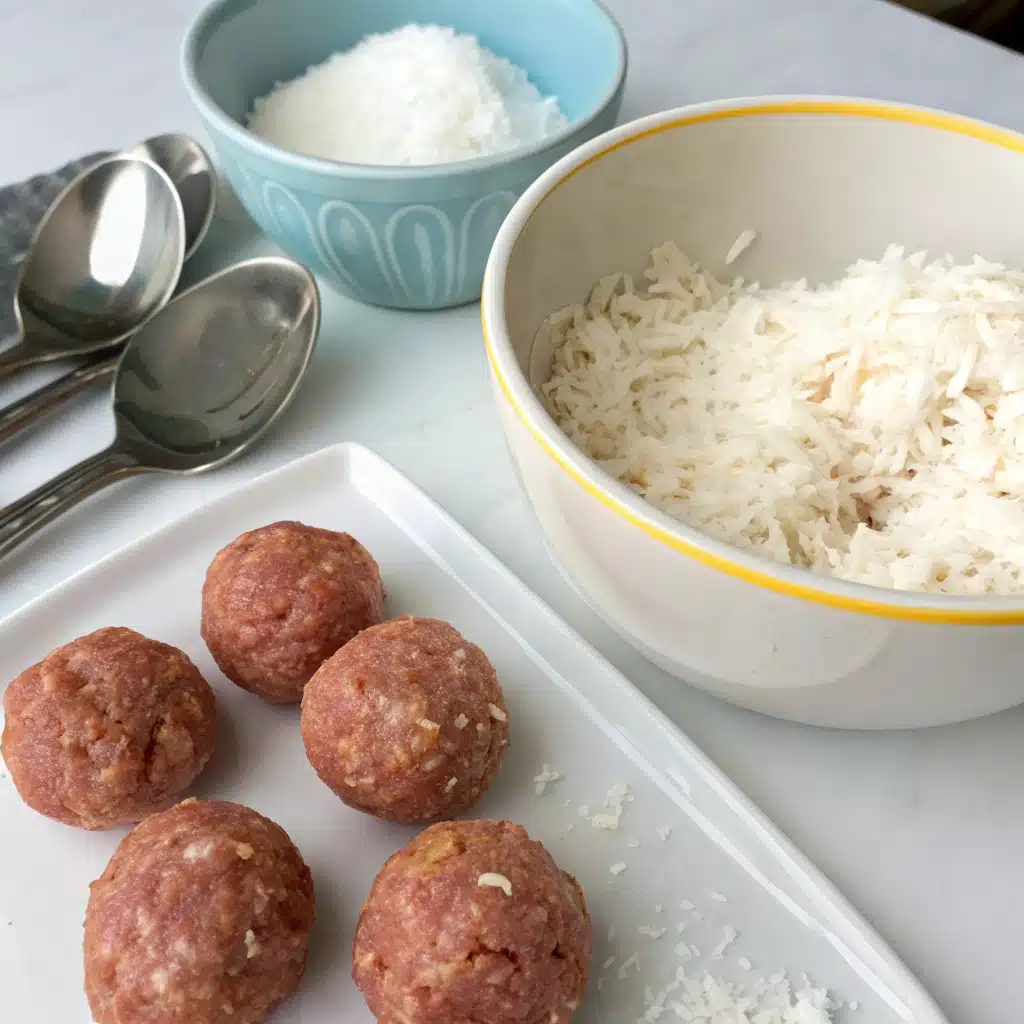
- Using clean hands or a small cookie scoop, portion the meat mixture into approximately 1-inch balls. You should get about 20-24 meatballs depending on their size.
- Roll each portion between your palms to form smooth, round meatballs and set aside on a plate.
Cooking the Meatballs and Building Flavors
- Heat 1 tablespoon of olive oil in a large skillet over medium-high heat until shimmering but not smoking.
- Carefully add the formed meatballs to the hot skillet, leaving a bit of space between each one to ensure proper browning.
- Cook the meatballs until well-browned, approximately 2-3 minutes per side. A good indication they’re ready to flip is when they easily release from the pan.
- Once browned on all sides, push the meatballs toward the edges of the skillet to create space in the center. The meatballs don’t need to be fully cooked through at this point as they’ll finish cooking in the sauce.
- Add the thinly sliced green bell pepper and onion to the center of the pan. Cook for 3-4 minutes, stirring occasionally, until the vegetables begin to soften.
Creating the Coconut Curry Sauce
- Once the vegetables have softened, add the red curry paste, remaining minced garlic, and tablespoon of fresh ginger to the center of the pan with the vegetables. Stir to coat the vegetables and cook for about 30 seconds until fragrant.
- Pour in the can of coconut milk, 2 teaspoons of fish sauce, and the juice of one lime. Stir gently to combine all ingredients and incorporate the meatballs into the sauce.
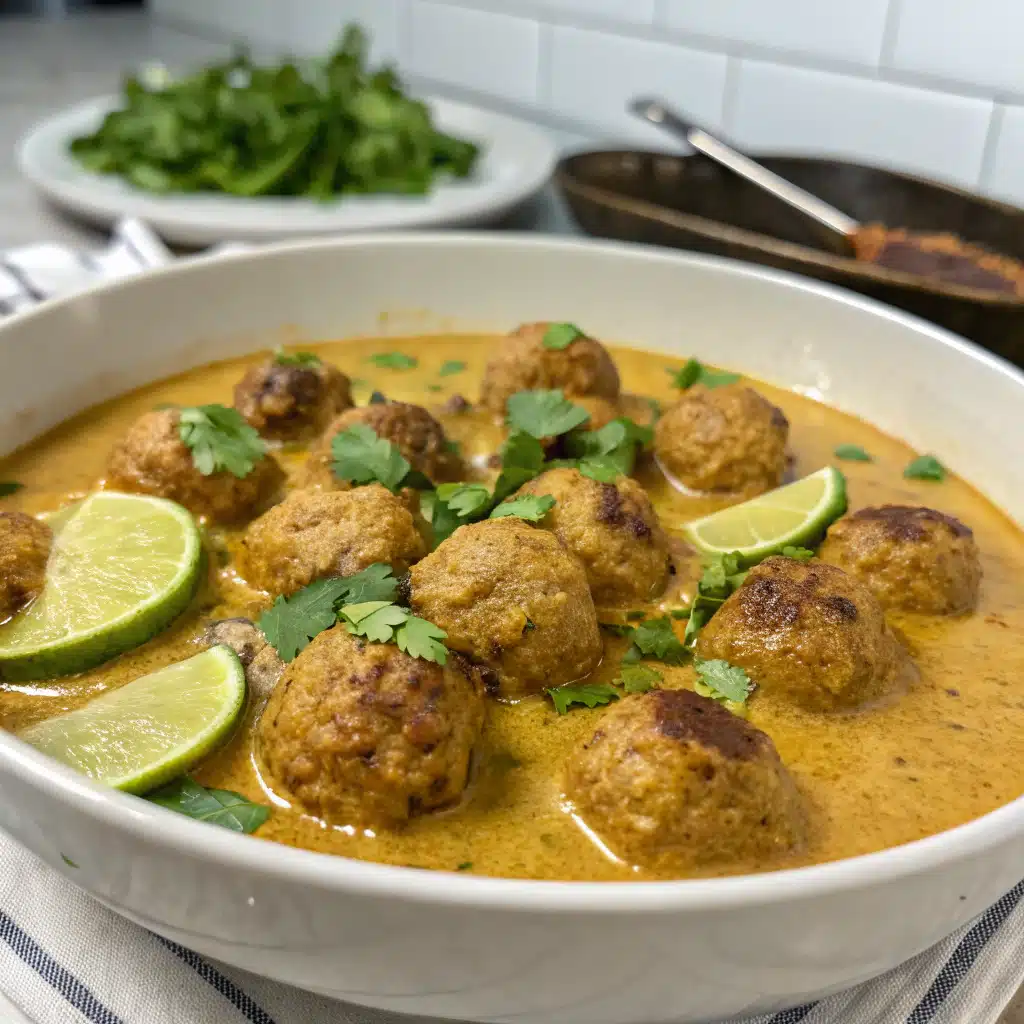
- Reduce the heat to medium and allow the mixture to simmer, stirring occasionally, for about 10 minutes or until the sauce reduces by approximately one-third and thickens. The meatballs should be fully cooked through at this point (internal temperature of 160°F).
- In the final minute of cooking, stir in the chopped fresh basil and cilantro, reserving a small amount for garnish if desired.
- Remove from heat and sprinkle with the toasted coconut before serving. “Here’s your guide to spicy salmon crispy rice bites for another flavorful meal option.”
Tips for Perfect Coconut Curry Meatballs
Meatball Texture Secrets
Achieving the perfect meatball texture requires a delicate balance. First, avoid overmixing the meat mixture, which can lead to tough, dense meatballs. Instead, mix just until the ingredients are combined. Additionally, using 93% lean ground beef provides enough fat for flavor and juiciness while preventing greasy meatballs. For even more tender results, consider adding a tablespoon of breadcrumbs or a beaten egg to the mixture. When forming the meatballs, use a light touch and roll them gently between your palms for a uniform shape that will cook evenly. Finally, don’t overcrowd the pan when browning, as this will cause the meatballs to steam rather than develop that desirable caramelized crust.
Curry Sauce Customization
The coconut curry sauce can be easily adapted to suit your taste preferences. For a spicier version, increase the amount of red curry paste or add a finely chopped red chili. If you prefer a milder flavor, reduce the curry paste to 1 tablespoon. For a sweeter curry, add 1-2 teaspoons of brown sugar or a tablespoon of honey. To make the sauce creamier, use only the thick part of the coconut milk or add a tablespoon of coconut cream. For a tangier sauce, increase the lime juice or add a splash of rice vinegar. You can also experiment with adding additional vegetables like mushrooms, snow peas, or carrots for more texture and nutrition.
“Don’t miss our creamy peach salad recipe for a refreshing side dish to complement these coconut curry meatballs.”
Time-Saving Preparation Methods
Streamline your coconut curry meatballs preparation with these efficient techniques. First, consider making the meatballs in advance and refrigerating them for up to 24 hours before cooking. You can even freeze raw meatballs on a parchment-lined tray, then transfer to freezer bags for up to 3 months—just add a few minutes to the cooking time when using frozen meatballs. For quick weeknight meals, prep all your vegetables and aromatics ahead of time and store in containers in the refrigerator. Another time-saver is using pre-minced garlic and ginger, though fresh versions provide the most vibrant flavor. Finally, while the meatballs are browning, measure and gather your sauce ingredients so everything is ready when needed, keeping the cooking process flowing smoothly.
Storage and Reheating Coconut Curry Meatballs
Refrigeration Guidelines
Coconut curry meatballs keep exceptionally well in the refrigerator, often tasting even better the next day as the flavors continue to meld. After cooking, allow the dish to cool completely at room temperature (no more than 2 hours for food safety). Transfer the meatballs and sauce to an airtight container and refrigerate for up to 3-4 days. The coconut milk-based sauce might separate slightly during storage, but this is normal and will recombine when reheated. For optimal food safety, ensure your refrigerator is set below 40°F (4°C). If you’re making the meatballs specifically for leftovers, consider slightly undercooking them initially so they don’t become overcooked when reheated.
Freezing Methods for Long-Term Storage
Coconut curry meatballs freeze beautifully for future meals. To freeze, cool the cooked meatballs and sauce completely, then transfer to freezer-safe containers or heavy-duty freezer bags. Remove as much air as possible to prevent freezer burn. Label with the date and contents, and freeze for up to 3 months. For best quality, thaw overnight in the refrigerator before reheating. Alternatively, you can freeze just the cooked meatballs without the sauce in a single layer on a baking sheet until solid, then transfer to freezer bags. This method allows you to portion out exactly what you need. When ready to use, prepare fresh coconut curry sauce and add the frozen meatballs directly to the simmering sauce until heated through.
“Discover great ideas like our easy salmon sushi balls for another make-ahead meal option.”
Best Practices for Reheating
Properly reheating coconut curry meatballs preserves their flavor and texture. The best method is gentle stovetop reheating: place the meatballs and sauce in a skillet or saucepan over medium-low heat, adding a splash of water or coconut milk if the sauce has thickened too much during storage. Cover and heat for about 10 minutes, stirring occasionally until the meatballs reach an internal temperature of 165°F (74°C). Microwave reheating works in a pinch: transfer a portion to a microwave-safe dish, cover loosely, and heat at 70% power for 2-3 minutes, stirring halfway through. Avoid high heat when reheating as it can cause the coconut milk to separate or the meatballs to toughen. Just before serving reheated coconut curry meatballs, refresh the flavors with a squeeze of fresh lime juice and a sprinkle of chopped fresh herbs.
Variations on Coconut Curry Meatballs
Alternative Meat Options
While beef creates delicious coconut curry meatballs, numerous alternatives can deliver equally impressive results. Ground turkey or chicken makes a lighter version with approximately 25% fewer calories than beef. For richer flavor, try ground lamb, which pairs beautifully with curry spices and adds a slight gaminess that complements the coconut sauce.
Ground pork creates exceptionally juicy meatballs with a subtle sweetness. For a seafood twist, form fish cakes using firm white fish like cod mixed with breadcrumbs and herbs. Vegetarian options include plant-based meat substitutes or homemade versions using mushrooms, lentils, and walnuts for texture. Each protein brings different flavor notes to the dish while working harmoniously with the creamy coconut curry sauce.
Regional Curry Variations
Explore the world of curry by adapting your coconut curry meatballs to different regional styles. For a Thai-inspired version, use Thai green curry paste instead of red, add a tablespoon of lemongrass paste, and garnish with Thai basil. Create an Indian variation by replacing the red curry paste with garam masala, turmeric, and cumin, then finish with a dollop of yogurt. For a Jamaican twist, incorporate allspice, thyme, and Scotch bonnet peppers into both the meatballs and sauce.
A Malaysian-inspired version might include star anise, cinnamon, and tamarind paste. Japanese curry meatballs feature a thicker, sweeter sauce with carrots and potatoes. Each regional adaptation introduces unique spice profiles while maintaining the comforting coconut base that makes this dish so versatile and beloved worldwide.
“Check out our ditalini pasta recipe for another globally-inspired dish to add to your cooking repertoire.”
Vegetable Add-Ins for Nutritional Boosts
Enhance both the nutritional profile and visual appeal of your coconut curry meatballs by incorporating various vegetables. Beyond the basic onions and bell peppers, consider adding baby spinach in the last 2 minutes of cooking for an iron boost. Cubed sweet potatoes or butternut squash can be added with the coconut milk, extending cooking time by about 10 minutes until tender.
Cherry tomatoes halved and added just before serving bring bright acidity and vitamin C. For textural contrast, stir in snap peas or green beans during the final 5 minutes. Cauliflower florets absorb the curry flavors beautifully when simmered in the sauce. Mushrooms add umami depth when sautéed with the onions. Each vegetable addition not only increases the nutritional value but also stretches the dish to feed more people economically while creating a more complete one-pot meal.
Serving Coconut Curry Meatballs
Perfect Pairing with Rice and Noodles
Coconut curry meatballs shine when served over the right base. Jasmine rice makes an ideal companion with its subtle floral aroma that enhances without competing with the curry flavors. For a healthier alternative, brown jasmine rice provides extra fiber and nutrients. Basmati rice’s long, fluffy grains are perfect for soaking up the rich sauce. Beyond rice, consider wide rice noodles, which offer a silky texture that complements the meatballs beautifully.
For a low-carb option, cauliflower rice absorbs the curry sauce while adding additional vegetables to your meal. Zucchini noodles (zoodles) provide a fresh, light base that balances the richness of the coconut curry. When serving, place a generous portion of your chosen base in a wide, shallow bowl, top with the meatballs and plenty of sauce, then finish with fresh herbs and toasted coconut for maximum visual impact.
Bread and Side Dish Recommendations
Complete your coconut curry meatballs meal with complementary sides that enhance the dining experience. Warm naan bread or roti makes an excellent accompaniment for scooping up the flavorful sauce. A simple cucumber raita (yogurt-cucumber salad) provides cooling contrast to the curry’s warmth. For added vegetables, serve a side of sautéed greens like bok choy or kale seasoned simply with garlic and a squeeze of lime.
A bright citrus salad with segments of orange and grapefruit cuts through the richness of the coconut milk. Quick-pickled vegetables offer tangy crunch – try carrots and daikon radish with rice vinegar and a touch of sugar. For a heartier meal, serve alongside roasted sweet potatoes dusted with curry powder to echo the main dish’s flavors. These thoughtfully chosen sides transform coconut curry meatballs from a simple dish into a complete, balanced meal.
“Want more ideas? Check out our southwest steak avocado bowl with cilantro cream sauce for another great pairing concept.”
Garnishes That Elevate the Dish
The final flourishes on coconut curry meatballs can transform them from delicious to extraordinary. Start with a generous sprinkle of the specified toasted coconut, which adds textural contrast and reinforces the coconut flavor. Fresh herbs are essential—the recipe calls for basil and cilantro, but Thai basil or mint make excellent alternatives or additions.
For visual appeal and brightness, add thin slices of red chili or a few lime wedges around the plate. A dollop of Greek yogurt or coconut yogurt creates a cooling element that balances spicier versions of the dish. Crispy fried shallots provide satisfying crunch and can be purchased at Asian markets or made at home. A scatter of chopped roasted cashews or peanuts adds protein and textural interest. Consider edible flowers like pansies or nasturtiums for special occasions. These thoughtful garnishes not only enhance flavor but also create a professional presentation that makes coconut curry meatballs worthy of both weeknight dinners and special gatherings.
Frequently Asked Questions about Coconut Curry Meatballs
How do you make coconut curry sauce for meatballs?
To make coconut curry sauce for meatballs, start by sautéing sliced onions and green bell peppers until softened. Add minced garlic and fresh ginger, cooking until fragrant. Stir in red curry paste and cook for 30 seconds to activate the spices. Pour in one can of coconut milk, fish sauce, and fresh lime juice. Allow the sauce to simmer on medium heat for about 10 minutes, stirring occasionally, until it reduces by one-third and thickens. In the final minute, stir in fresh chopped basil and cilantro. The key to a flavorful sauce is balancing the creamy coconut milk with aromatics, spices, acidity from lime, and umami from fish sauce.
Can you use any type of meat for coconut curry meatballs?
Yes, coconut curry meatballs can be made with various types of ground meat. While this recipe uses 93% lean ground beef, you can substitute ground turkey, chicken, pork, or lamb with excellent results. Each meat brings different flavor profiles: turkey and chicken create lighter meatballs, pork adds juiciness, and lamb offers a rich, slightly gamey flavor that pairs beautifully with curry spices. For seafood versions, consider forming small fish cakes using firm white fish mixed with breadcrumbs. Vegetarian alternatives include plant-based meat substitutes or homemade mixtures of mushrooms, lentils, and walnuts. Adjust cooking times accordingly, as leaner meats like turkey or chicken cook more quickly than beef.
How spicy are coconut curry meatballs?
The spice level of coconut curry meatballs depends primarily on the amount and type of curry paste used. The recipe’s two tablespoons of red curry paste creates a medium spice level that most people find pleasantly warming rather than overwhelmingly hot. The coconut milk significantly tempers the heat while adding richness. For a milder version, reduce the curry paste to one tablespoon or choose a milder paste variety. To increase spiciness, add more curry paste or incorporate fresh chilies, cayenne pepper, or a dash of hot sauce. Remember that spice levels in curry pastes vary by brand, so adjust according to your preference and familiarity with the specific product you’re using.
What kind of curry paste or powder works best?
Red curry paste works exceptionally well in coconut curry meatballs, offering balanced heat with notes of lemongrass, galangal, and chili. However, you can experiment with other varieties: green curry paste provides a fresher, herbal flavor profile with more intense heat, while yellow curry paste offers milder, earthier notes with turmeric prominence. Massaman or panang curry pastes add peanut undertones and warm spices. If using curry powder instead of paste, start with one tablespoon, as powders can be more concentrated. Thai curry pastes generally contain shrimp paste, so check labels if cooking for those with shellfish allergies. For best results, choose curry pastes from Asian grocery stores rather than standard supermarket options, as they typically have more authentic and complex flavor profiles.
Can you make coconut curry meatballs in a slow cooker or Instant Pot?
Yes, coconut curry meatballs adapt well to both slow cookers and Instant Pots. For slow cookers, brown the meatballs in a skillet first, then transfer to the slow cooker. Sauté the vegetables and aromatics separately before adding to the slow cooker along with the coconut milk and other sauce ingredients. Cook on low for 4-5 hours or high for 2-3 hours. Add the fresh herbs in the final 30 minutes. For Instant Pot preparation, use the sauté function to brown the meatballs and cook the vegetables and aromatics. Add the remaining sauce ingredients, seal, and cook on High pressure for 5 minutes with a quick release. Stir in fresh herbs after pressure cooking. Both methods allow the flavors to meld beautifully, though the sauce may need to be reduced using the sauté function after pressure cooking.
What side dishes go well with coconut curry meatballs?
Coconut curry meatballs pair wonderfully with various side dishes. Rice options like jasmine, basmati, or brown rice provide perfect bases for soaking up the flavorful sauce. For lighter alternatives, try cauliflower rice or zucchini noodles. Bread accompaniments such as naan, roti, or even a crusty baguette work well for sauce-dipping. For vegetable sides, consider steamed or sautéed greens like bok choy or spinach, a cucumber salad with rice vinegar, or roasted vegetables seasoned with complementary spices. A cooling yogurt-based raita or a fresh citrus salad provides pleasant contrast to the warm curry flavors. For a complete meal, serve coconut curry meatballs alongside a simple vegetable soup, samosas, or crispy papadums for textural variety and a restaurant-quality experience at home.
Conclusion
Why Coconut Curry Meatballs Deserve a Place in Your Recipe Collection
Coconut curry meatballs have earned their spot in your culinary repertoire for numerous compelling reasons. First, they strike that perfect balance between familiar comfort food and exciting international flavors, making them accessible yet interesting. The versatility of this dish is remarkable—it works equally well for weeknight family dinners and impressive entertaining. The recipe’s adaptability allows you to customize based on dietary needs, ingredient availability, and personal preferences without sacrificing quality.
Additionally, coconut curry meatballs offer excellent meal prep potential, tasting even better the next day and freezing beautifully for future meals. The combination of protein, vegetables, and aromatic spices creates a nutritionally balanced dish that satisfies without feeling heavy. Perhaps most importantly, these meatballs consistently deliver that “wow” factor that makes cooking rewarding—complex flavors that belie the relatively straightforward preparation process.
“Learn more about creamy chicken spaghetti casserole for another comforting dish to add to your collection.”
Master Tips for First-Time Coconut Curry Meatball Makers
For those preparing coconut curry meatballs for the first time, several key techniques will ensure success. First, handle the meat mixture gently when forming meatballs to maintain tenderness—overworking creates tough results. When browning meatballs, patience is crucial; wait until they naturally release from the pan before attempting to turn them.
Don’t rush the sauce reduction process, as this concentrates flavors and creates the ideal consistency. Balance is essential in the sauce—taste as you go and adjust with more lime juice for acidity, a pinch of sugar for sweetness, or additional fish sauce for depth. Fresh herbs make a significant difference, so don’t substitute dried if possible. When serving, ensure everyone gets plenty of sauce, as it carries much of the dish’s flavor.
Finally, don’t hesitate to adapt the recipe to your preferences; cooking should be personal and enjoyable. With these guidelines, even first-time makers can create coconut curry meatballs that taste like they came from an experienced chef’s kitchen.
PrintCoconut Curry Meatballs

Tender beef meatballs simmered in a rich coconut curry sauce with fresh herbs and aromatic spices. A perfect balance of comfort and exotic flavors!
- Prep Time: 15
- Cook Time: 20
- Total Time: 35 minutes
- Yield: 4 1x
- Category: Main Dish
- Cuisine: Thai-Inspired
Ingredients
- 1 pound 93% lean ground beef
- 1 Tablespoon + 1 teaspoon fresh ginger divided
- 4 cloves garlic minced, divided
- ½ teaspoon kosher salt
- 1 Tablespoon olive oil
- 1 green bell pepper thinly sliced
- 1 onion thinly sliced
- 2 Tablespoons red curry paste
- 1 lime juiced
- 2 teaspoons fish sauce
- 1 can (13.5 ounces) coconut milk
- ¼ cup fresh basil chopped
- ¼ cup fresh cilantro chopped
- 2 Tablespoons toasted coconut
Instructions
- Combine beef with 1 teaspoon ginger, half the garlic, and salt in a bowl. Form into 1-inch meatballs.
- Heat oil in a large skillet over medium-high heat. Add meatballs and brown for 2-3 minutes per side.
- Push meatballs to edges and add pepper and onion to the center. Cook for 3-4 minutes until softened.
- Add curry paste, remaining garlic and ginger, and stir to coat vegetables.
- Pour in coconut milk, fish sauce, and lime juice. Reduce heat to medium and simmer for 10 minutes until sauce thickens.
- Stir in basil and cilantro. Top with toasted coconut before serving.
Notes
Serve over jasmine rice, cauliflower rice, or noodles for a complete meal. For a spicier version, add more curry paste or fresh chili. Nutrition facts are estimates and may vary based on ingredients used, portion sizes, and preparation methods.
Nutrition
- Serving Size: 4
- Calories: 385 Kcal
- Sugar: 3g
- Sodium: 625mg
- Fat: 27g
- Saturated Fat: 15g
- Carbohydrates: 9g
- Fiber: 2g
- Protein: 28g
- Cholesterol: 70mg
Keywords: coconut curry meatballs, curry meatballs, coconut milk meatballs, Asian-inspired meatballs, comfort food
Let’s connect! Follow me for more Joylicious Recipes: Facebook, Instagram, Pinterest