Ultimate Beef and Vegetable Roast: A Hearty, Flavorful Dinner Classic
Introduction: The Perfect Beef and Vegetable Roast
The Timeless Appeal of a Traditional Beef and Vegetable Roast
There’s something undeniably comforting about a beef and vegetable roast simmering away in the kitchen, filling your home with mouthwatering aromas. This classic dish combines tender, juicy beef with colorful vegetables in a rich, flavorful broth that warms both body and soul. Whether you’re cooking for a special Sunday dinner or preparing a hearty weeknight meal, a beef and vegetable roast delivers exceptional flavor with minimal hands-on effort. The beauty of this timeless recipe lies in its simplicity – quality ingredients allowed to mingle and develop complex flavors through slow cooking.
“Learn more about creating perfect comfort food classics like our juicy mayo roasted turkey for your next family gathering.”
The Science Behind a Perfect Beef and Vegetable Roast
The magic of a beef and vegetable roast happens during the slow cooking process. As the meat braises, collagen breaks down into gelatin, creating that melt-in-your-mouth tenderness everyone craves. Meanwhile, the vegetables release their natural sugars through caramelization, adding depth and complexity to the broth. This culinary transformation turns relatively simple ingredients into something truly extraordinary.
The low and slow cooking method ensures that tougher, more affordable cuts of beef become incredibly tender while absorbing the flavors of herbs, garlic, and vegetables. Additionally, the Dutch oven creates the perfect environment for this transformation – trapping moisture and allowing heat to circulate evenly around your beef and vegetable roast.
Ingredients: Building Your Perfect Beef and Vegetable Roast
Selecting the Best Beef for Your Roast
The foundation of any exceptional beef and vegetable roast is, naturally, the beef itself. Chuck roast stands out as an ideal choice because of its perfect balance of meat and fat marbling. This cut comes from the shoulder area of the cow and contains connective tissue that breaks down during slow cooking, resulting in fork-tender meat.
When shopping, look for a chuck roast with good marbling throughout – these thin streaks of fat will melt during cooking, basting the meat from within and creating incredible flavor. Other suitable cuts include brisket, round roast, or even short ribs, though cooking times may vary slightly. Always choose meat that has a bright red color with white (not yellow) fat for the freshest flavor in your beef and vegetable roast.
Fresh Vegetables and Aromatic Enhancers
| Ingredient | Amount | Notes |
|---|---|---|
| Olive oil | 2 tablespoons, divided | Extra virgin preferred for more flavor |
| Onions | 2 medium, chopped | Yellow or sweet onions work best |
| Garlic | 8 cloves, roughly chopped | Fresh garlic provides superior flavor |
| Beef chuck roast | 3 pounds | Look for good marbling throughout |
| Garlic-parsley seasoning | 2 tablespoons | Store-bought or homemade blend works |
| Ground black pepper | 1 teaspoon | Freshly ground provides more flavor |
| Carrots | 3 medium, cut into large chunks | Multi-colored carrots add visual appeal |
| Celery | 2-3 stalks, chopped | Adds subtle but important flavor base |
| Parsnips | 1-2, cut into large chunks | Adds sweet, earthy notes |
| Mushrooms | 1 pound, halved or sliced | Button, cremini, or mixed varieties |
| Beef broth | 2 cups | Low-sodium allows better seasoning control |
| Bay leaves (optional) | 2 | Adds subtle depth of flavor |
| Fresh thyme/rosemary (optional) | 2-3 sprigs | Infuses aromatic notes |
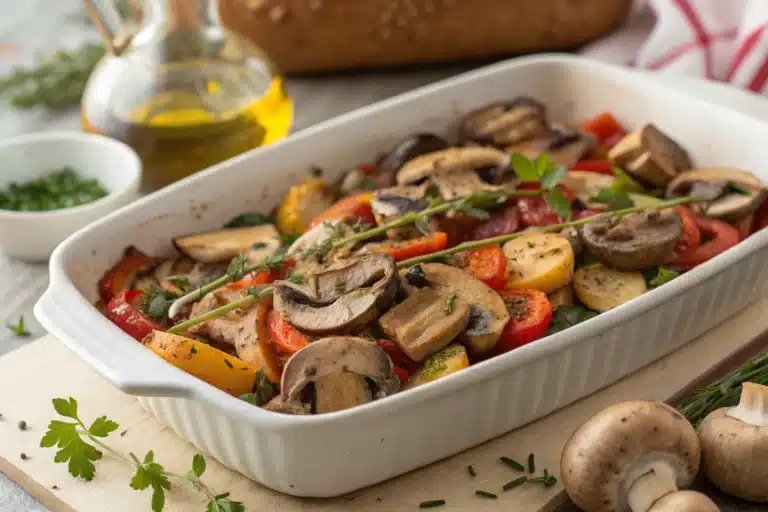
The vegetables in a beef and vegetable roast aren’t just accompaniments – they’re integral to creating a well-balanced dish with complex flavors. Root vegetables like carrots and parsnips provide natural sweetness, while mushrooms contribute an earthy umami quality that complements the beef perfectly. Fresh herbs like thyme and rosemary infuse the entire dish with aromatic notes that elevate the final result. For the best results, cut vegetables into similar-sized chunks to ensure even cooking throughout your beef and vegetable roast.
Step-by-Step: Creating Your Perfect Beef and Vegetable Roast
Preparation and Searing Techniques
- Preheat your oven to 300°F (149°C) to create the perfect slow-cooking environment.
- Prepare your vegetables by washing thoroughly and cutting into roughly 2-inch pieces – keeping sizes consistent ensures even cooking.
- Pat the beef chuck roast completely dry with paper towels. This crucial step removes surface moisture and promotes better browning.
- Season the beef generously on all sides with garlic-parsley seasoning and black pepper, pressing gently to adhere.
- Heat 1 tablespoon olive oil in a Dutch oven over high heat until shimmering.
- Add chopped onions to the hot oil, cooking until they develop a deep golden color, about 5-6 minutes.
- Add chopped garlic to the onions and cook for just 1 minute until fragrant, being careful not to burn.
- Transfer the onion-garlic mixture to a bowl and set aside – these aromatics will flavor your beef and vegetable roast throughout cooking.
- Return the Dutch oven to high heat and add the remaining tablespoon of olive oil.
- Carefully place the seasoned beef into the hot Dutch oven and sear on all sides until deeply browned, about 3-4 minutes per side.
The searing process creates a flavorful crust through the Maillard reaction – a chemical interaction between amino acids and reducing sugars that creates hundreds of flavor compounds.
“Discover great ideas like our chicken vegetable soup recipe for another comforting one-pot meal option.”
Braising and Slow-Cooking Process
- Once your beef is beautifully browned, return the onion-garlic mixture to the Dutch oven, arranging it around the meat.
- Add the prepared carrots, celery, parsnips, and mushrooms, distributing them evenly around the beef.
- Pour the beef broth carefully around (not over) the meat to preserve the seasoned crust.
- If using, add bay leaves and sprigs of thyme or rosemary to the liquid.
- Cover the Dutch oven with a tight-fitting lid – this creates a sealed environment that traps moisture and flavors.
- Transfer the Dutch oven to the preheated oven and let it cook undisturbed for 3 hours.
- Check for doneness by inserting a fork into the beef – it should slide in effortlessly and the meat should pull apart with minimal resistance.
- Once tender, remove the Dutch oven from the oven and let it rest for 10-15 minutes before serving.
- Remove bay leaves and herb stems if used.
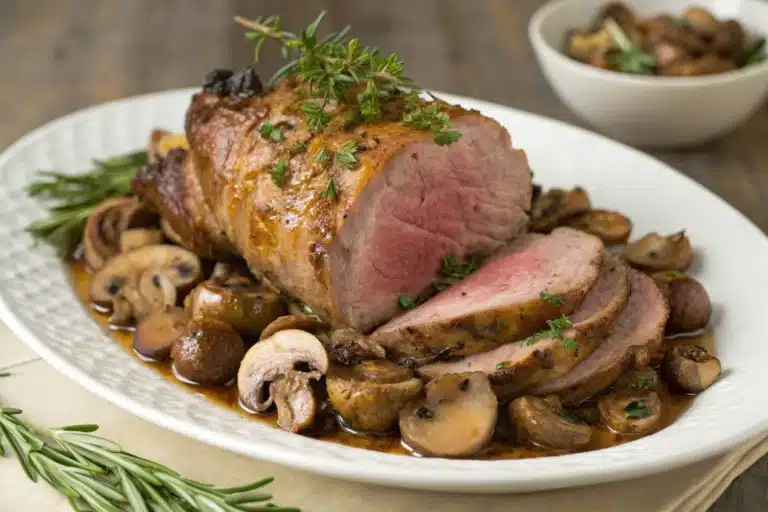
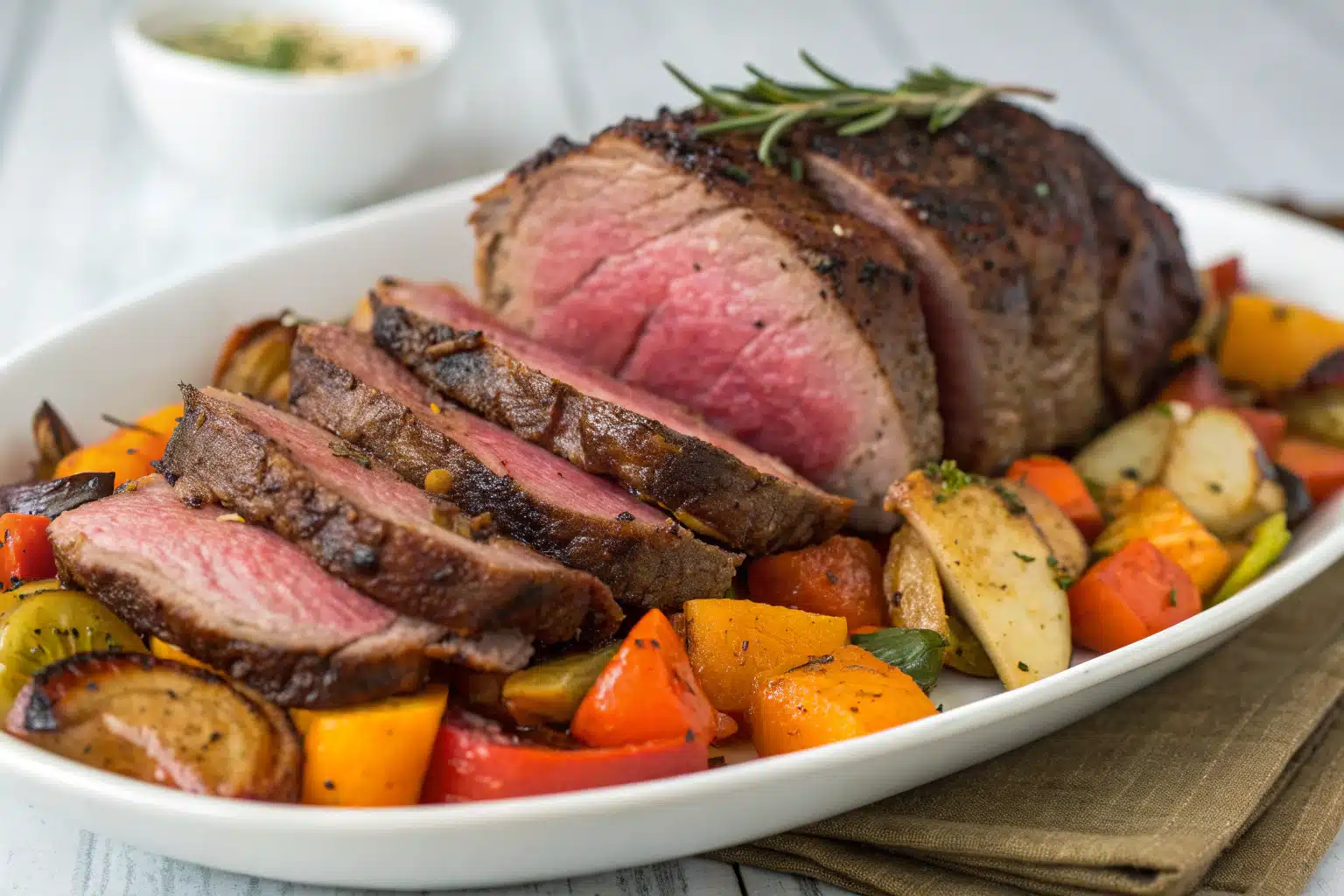
- Serve the beef and vegetable roast by either slicing or shredding the meat, accompanied by the tender vegetables and flavorful broth.
The slow braising process is where the magic happens in your beef and vegetable roast. During the extended cooking time, tough connective tissues break down, vegetables soften and infuse the broth with flavor, and everything melds together into a harmonious, satisfying dish. The tightly covered Dutch oven creates a self-basting environment where steam circulates, keeping everything moist and tender.
Creating a Flavorful Sauce
The natural juices and broth create a delicious sauce for your beef and vegetable roast, but you can enhance it further with these simple techniques:
- For a thicker gravy-like consistency, remove the beef and vegetables to a serving platter and cover to keep warm.
- Place the Dutch oven with remaining liquids on the stovetop over medium heat.
- In a small bowl, create a slurry by mixing 2 tablespoons cornstarch with 2 tablespoons cold water until smooth.
- Slowly pour the slurry into the simmering liquid while whisking constantly.
- Continue cooking and stirring until the sauce thickens to your desired consistency, usually 3-5 minutes.
- Taste and adjust seasoning with salt and pepper if needed.
- Pour some sauce over the beef when serving and offer the remainder on the side.
This enhanced sauce adds another layer of richness to your beef and vegetable roast, perfect for spooning over each serving or soaking up with crusty bread. The natural gelatin released from the beef during cooking gives the sauce a silky mouthfeel that commercial gravies simply can’t match.
Tips: Perfecting Your Beef and Vegetable Roast
Selecting and Preparing the Meat
The secret to a truly exceptional beef and vegetable roast begins with selecting the right cut of meat. Chuck roast is ideal because it contains enough fat to keep the meat moist during long cooking, yet it’s affordable enough for regular family meals. When preparing the meat, don’t rush the searing process – proper browning creates depth of flavor that permeates the entire dish. If time allows, season your beef the night before cooking and refrigerate uncovered. This dry-brining technique allows the salt to penetrate deeper into the meat, enhancing both flavor and tenderness in your beef and vegetable roast.
For maximum flavor development, let your beef come to room temperature for about 30 minutes before searing. This promotes more even cooking and better browning. Additionally, don’t crowd the pot when searing – if your Dutch oven is too small to comfortably fit the roast with space around it, consider cutting the beef into two pieces and searing them separately.
“Check out our ultimate hearty vegetable beef soup for another delicious way to enjoy beef and vegetables together.”
Temperature and Timing Considerations
Low and slow is the mantra for a perfect beef and vegetable roast. The 300°F temperature recommendation allows the meat to cook gently, preventing it from drying out while giving connective tissues ample time to break down. While the recipe suggests three hours, cooking time can vary based on your specific cut of meat, its thickness, and even your individual oven. Trust the fork test more than the clock – the beef should yield easily when pierced with a fork.
If your schedule requires flexibility, you can cook this dish at an even lower temperature (275°F) for a longer period (4-5 hours). Alternatively, you can prepare everything in a slow cooker on low for 8-10 hours or high for 5-6 hours. For busy weeknights, consider preparing the beef and vegetable roast a day ahead – the flavors actually improve overnight as they meld in the refrigerator. Simply reheat gently on the stovetop or in a 300°F oven until warmed through.
Preventing Common Mistakes
Avoiding a few common pitfalls will ensure your beef and vegetable roast turns out perfectly every time:
- Don’t skip the searing step – it’s essential for developing deep flavor and creating a beautiful color.
- Resist the urge to constantly check on the roast during cooking. Each time you remove the lid, heat and moisture escape, potentially lengthening cooking time.
- If your beef isn’t tender after the suggested cooking time, it doesn’t need less time – it actually needs more. Tough results usually mean the collagen hasn’t had enough time to break down.
- Don’t boil the beef – keep the liquid at a gentle simmer throughout cooking to prevent the meat from becoming tough.
- Allow adequate resting time after cooking. This permits juices to redistribute throughout the meat instead of rushing out when cut.
By avoiding these common mistakes, you’ll create a beef and vegetable roast that’s perfectly tender, moist, and full of flavor every time you make it.
Storage: Enjoying Your Beef and Vegetable Roast Later
Refrigeration Methods and Timeframes
Your beef and vegetable roast will often taste even better the next day as flavors continue to develop. To properly store leftovers, allow the dish to cool to room temperature (but no longer than 2 hours to ensure food safety). Transfer the beef and vegetables to airtight containers, adding enough of the cooking liquid to keep everything moist but not swimming. Properly stored, your beef and vegetable roast will maintain peak quality in the refrigerator for 3-4 days.
For the best flavor when reheating, remove portions from the refrigerator about 20 minutes before warming to take the chill off. Reheat gently in a covered saucepan over medium-low heat or in a microwave on medium power, stirring occasionally until heated through. Adding a splash of fresh beef broth can revitalize the sauce if it’s become too thick during storage. The gentle reheating process prevents the meat from becoming tough and dry, preserving the wonderful texture of your beef and vegetable roast.
Freezing and Thawing Techniques
Beef and vegetable roast freezes exceptionally well, making it perfect for meal prep or planned leftovers. For the best quality, freeze portions within 2-3 days of cooking. Use freezer-safe containers or heavy-duty freezer bags, removing as much air as possible before sealing. Be sure to label with the date and contents – your beef and vegetable roast will maintain excellent quality for up to 3 months in the freezer.
“Want more ideas? Check out our Mississippi pot roast for another delicious slow-cooked beef option.”
When ready to enjoy your frozen beef and vegetable roast, thaw safely in the refrigerator overnight – never at room temperature. Depending on the size of your portion, thawing may take 12-24 hours. Once thawed, reheat as directed above. If you’re in a hurry, you can reheat directly from frozen in a covered pot with a splash of added liquid, using low heat and stirring occasionally until thoroughly heated. The sauce may separate slightly after freezing, but gentle reheating while stirring will help recombine the elements for a smooth, delicious result.
Creative Ways to Use Leftovers
Transform yesterday’s beef and vegetable roast into exciting new meals with these creative ideas:
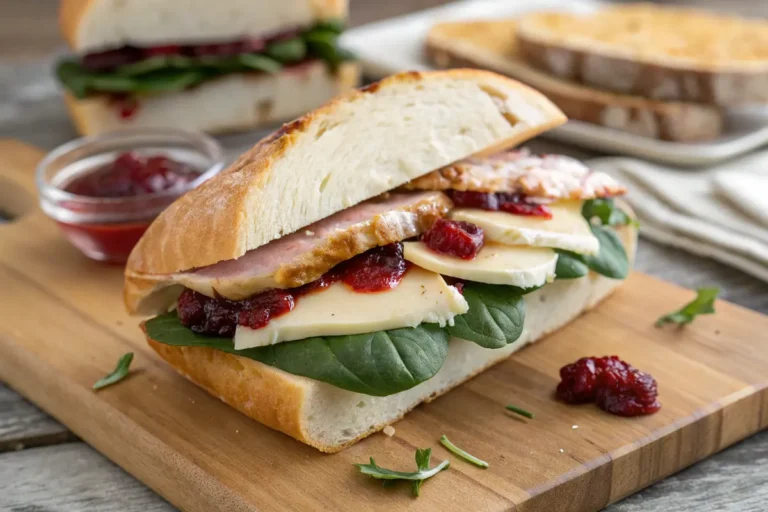
- Shred the beef and use it as a filling for warm sandwiches on crusty bread, topped with melted provolone or Swiss cheese.
- Create a rustic beef pot pie by placing leftover beef and vegetables in a baking dish, topping with refrigerated pie crust, and baking until golden.
- Chop everything finely and mix with cooked pasta, adding a splash of cream and grated Parmesan for a hearty pasta dish.
- Blend some of the vegetables and broth to create a rich sauce, then serve the beef over mashed potatoes or polenta.
- Use as a filling for savory hand pies or empanadas with refrigerated pie crust or puff pastry.
- Combine with scrambled eggs and cheese for a protein-packed breakfast hash.
These reinvention ideas prevent leftover fatigue while making the most of your delicious beef and vegetable roast. Each transformation creates a new dining experience with minimal additional effort.
Variations: Customizing Your Beef and Vegetable Roast
Regional and International Flavor Profiles
One of the beauties of beef and vegetable roast is its adaptability to different flavor profiles from around the world. Try these variations to explore global cuisines:
- Italian-Style: Add 1 cup tomato sauce, 1 teaspoon Italian seasoning, and a splash of red wine to the broth. Serve with a sprinkle of fresh basil and grated Parmesan cheese.
- French-Inspired: Include 2 tablespoons tomato paste, 1 cup red wine (instead of some of the broth), and a bouquet garni of thyme, parsley, and bay leaf. Finish with a sprinkle of fresh parsley.
- Asian-Fusion: Use beef stock infused with ginger, star anise, and a splash of soy sauce. Add bok choy or Chinese cabbage in the last 30 minutes of cooking.
- Mediterranean: Incorporate olives, sundried tomatoes, and a splash of lemon juice. Season with oregano and finish with fresh dill.
- Mexican-Spiced: Season the beef with cumin, coriander, and mild chili powder. Add a can of diced green chilies and serve with lime wedges and cilantro.
Each variation brings a unique twist while maintaining the comforting essence of a traditional beef and vegetable roast. These international flavors allow you to travel the world through your dinner table.
Seasonal Vegetable Substitutions
Adapt your beef and vegetable roast throughout the year by incorporating seasonal produce for peak flavor and freshness:
Spring: Substitute baby new potatoes, asparagus tips (added in the last 30 minutes), spring onions, and fresh peas.
Summer: Try yellow squash, zucchini, bell peppers, and fresh corn kernels (all added in the last 30-45 minutes to prevent overcooking).
Fall: Incorporate butternut squash, Brussels sprouts, turnips, and leeks for a heartier autumn version.
Winter: Use sweet potatoes, rutabaga, fennel, and hearty greens like kale (added in the last 15 minutes).
Seasonal adaptations not only provide better flavor but often save money by utilizing produce at its peak availability.
“Here’s your guide to honey butter roasted carrots that would make an excellent side dish to complement your beef roast.”
Dietary Adaptations and Substitutions
Make your beef and vegetable roast suitable for various dietary needs with these simple adaptations:
Low-Carb: Replace higher-carb vegetables like carrots and parsnips with cauliflower florets, radishes, turnips, and additional mushrooms.
Gluten-Free: The recipe is naturally gluten-free, but double-check your broth ingredients to ensure no gluten-containing additives.
Lower Sodium: Use unsalted beef broth and herbs to add flavor without added salt. A splash of balsamic vinegar adds depth without sodium.
Extra Protein: Add cannellini beans or chickpeas during the last hour of cooking for additional protein and fiber.
Spice Variations: Adjust the seasoning blend to suit your preferences – try herbs de Provence, Cajun seasoning, or an herb and garlic blend.
These adaptations ensure that your beef and vegetable roast can be enjoyed by everyone at your table, regardless of dietary preferences or restrictions, without sacrificing flavor or the comforting essence of the dish.
Serving: Presenting Your Beef and Vegetable Roast
Accompaniments and Side Dishes
While beef and vegetable roast is a complete meal in itself, thoughtfully selected sides can enhance the dining experience. Consider these complementary additions:
- Fresh, crusty bread or dinner rolls for soaking up the flavorful broth
- Creamy mashed potatoes or buttery polenta as a bed for the beef and sauce
- A simple green salad with a light vinaigrette to balance the richness
- Roasted garlic bread for an additional layer of flavor
- Quick-pickled red onions or cucumber for a bright contrast
- Horseradish cream sauce on the side for those who enjoy a spicy kick
The best sides for beef and vegetable roast are those that complement rather than compete with its deep, rich flavors. Simple, well-prepared accompaniments allow the main dish to shine while adding textural contrast and fresh elements to create a balanced meal.
Plating Techniques for Maximum Appeal
Transform your homey beef and vegetable roast into a restaurant-worthy presentation with these simple plating techniques:
- For family-style service, transfer the beef to a wooden cutting board for slicing, then arrange on a large platter surrounded by the colorful vegetables, with sauce served in a gravy boat alongside.
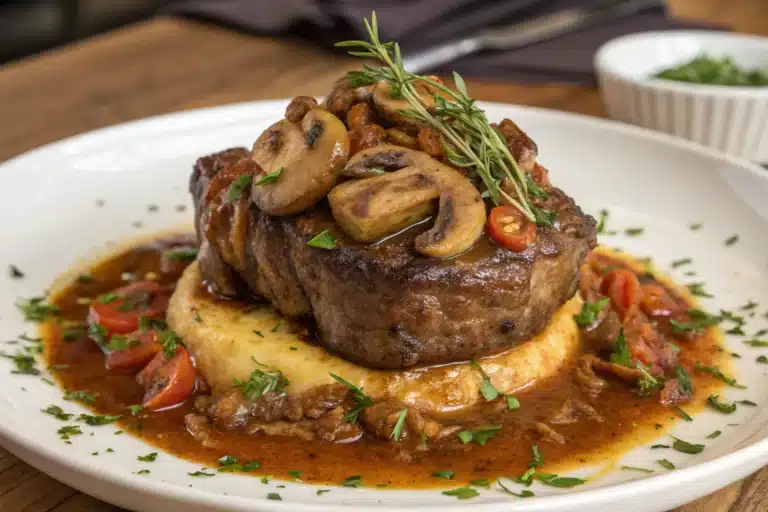
- For individual plating, place a mound of mashed potatoes or polenta off-center on each plate, arrange slices of beef alongside, then cluster vegetables artfully. Spoon sauce over and around the beef, and finish with a small garnish of fresh herbs.
- Create height by leaning slices of beef against the vegetables or mashed potatoes.
- Use a large, shallow bowl for each serving – this contains the sauce while providing an elegant presentation.
- Wipe the rim of each plate clean before serving for a professional finish.
Remember that we eat first with our eyes – taking a few extra moments to plate thoughtfully makes your beef and vegetable roast feel like a special occasion meal, even on an ordinary weeknight.
“Don’t miss our garlic parmesan green beans recipe that makes a perfect side dish for this hearty roast.”
Wine Pairings and Non-Alcoholic Alternatives
The rich, complex flavors of beef and vegetable roast pair beautifully with various beverages:
For non-alcoholic options, consider:
- Sparkling water with a splash of pomegranate juice and fresh herbs
- Unsweetened iced tea with a hint of orange and cinnamon
- Apple cider (hot or cold) with a cinnamon stick garnish
- Cranberry juice spritzer with fresh rosemary
- Rich, full-bodied coffee
- Hibiscus tea, served hot or cold
The ideal beverage pairing complements the richness of the beef and vegetable roast while providing enough acidity to cleanse the palate between bites. Consider the season, the specific flavor profile of your roast variation, and your guests’ preferences when selecting the perfect accompaniment.
FAQs: Common Questions About Beef and Vegetable Roast
What cut of beef is most tender for a beef and vegetable roast?
Chuck roast is typically the most tender option for a beef and vegetable roast because it has excellent marbling and connective tissue that breaks down during slow cooking. Other excellent choices include brisket, bottom round, or short ribs. The key is low, slow cooking that allows tough cuts to become fork-tender. Remember that leaner cuts may become dry, while those with good fat content and connective tissue will become most tender.
Can I slow-cook this beef and vegetable roast recipe?
Absolutely! This beef and vegetable roast adapts perfectly to a slow cooker. Sear the meat and sauté the onions and garlic as directed, then transfer everything to your slow cooker. Cook on low for 8-10 hours or high for 5-6 hours until the meat is fall-apart tender. The slow cooker method is especially convenient for busy days when you can’t monitor the oven.
Can I use frozen vegetables in my beef and vegetable roast?
While fresh vegetables provide the best flavor and texture, you can use frozen vegetables in a pinch. Add them during the last 30-45 minutes of cooking time to prevent them from becoming overly soft. Frozen pearl onions, peas, and green beans work particularly well. For best results, thaw and drain frozen vegetables before adding them to avoid excess water in your dish.
Does beef and vegetable roast freeze well?
Yes, beef and vegetable roast freezes exceptionally well. Cool completely, then store in airtight containers for up to 3 months. Thaw overnight in the refrigerator before reheating gently on the stovetop or in a 300°F oven until warmed through. The flavor often improves after freezing as the ingredients have more time to meld together.
How do I prevent the beef from drying out in my roast?
To prevent dry beef, select a well-marbled cut, don’t trim away fat before cooking, maintain a low cooking temperature, ensure your Dutch oven has a tight-fitting lid to trap moisture, and avoid overcooking. If your beef seems dry, it may actually need more cooking time, not less – tough beef usually means the collagen hasn’t fully broken down yet. Finally, always let the meat rest before slicing to allow juices to redistribute.
Can I add potatoes to my beef and vegetable roast?
Yes, potatoes make an excellent addition to beef and vegetable roast. Use waxy varieties like Yukon Gold or red potatoes, which hold their shape better during long cooking. Cut them into 2-inch chunks and add them with the other vegetables. If you prefer starchier potatoes like Russets, add them about 1-1.5 hours before the end of cooking time to prevent them from disintegrating into the broth.
Conclusion: Mastering the Perfect Beef and Vegetable Roast
The Joy of Creating Homemade Comfort Food
There’s something deeply satisfying about preparing a beef and vegetable roast from scratch. Beyond the incredible flavors and aromas, this classic dish connects us to culinary traditions that span generations and cultures worldwide. When you master this recipe, you’re not just learning to cook a meal – you’re embracing an approach to food that values patience, quality ingredients, and the transformative power of slow cooking. The process of preparing a beef and vegetable roast offers a welcome counterpoint to our often rushed lives, reminding us that some things simply can’t be hurried.
“Looking for inspiration? Try our beef enchilada casserole for another hearty beef-based meal your family will love.”
The rewarding moment when you lift the lid to reveal perfectly tender beef surrounded by vegetables infused with rich, savory flavors makes any time invested worthwhile. This isn’t just cooking – it’s creating memories and traditions that may well be passed down in your family for years to come. Each time you prepare this dish, you’ll likely discover small refinements that make it even better, gradually developing your own signature version of beef and vegetable roast.
Building Confidence in Your Cooking Skills
One of the beautiful aspects of beef and vegetable roast is how it builds cooking confidence. The recipe forgives minor variations and adjustments, making it perfect for both beginners and experienced cooks. As you become familiar with the process, you’ll develop an intuitive sense of when to adjust seasonings, how different vegetables behave during long cooking, and how to tell when the meat has reached that perfect state of tenderness.
This confidence extends beyond this specific recipe – mastering a beef and vegetable roast teaches fundamental cooking techniques applicable to countless other dishes. You’ll learn about browning meat properly, layering flavors, balancing ingredients, and the magic of slow braising. These skills form the foundation of many culinary traditions and will serve you well in your broader cooking journey. Moreover, the adaptability of this dish encourages creative experimentation, allowing you to put your personal stamp on a classic.
By mastering beef and vegetable roast, you’re equipping yourself with culinary knowledge that transcends trends and fads – these are timeless techniques that connect you to the heart of what makes cooking both an art and a pleasure. Each time you prepare this dish, you’re not just making dinner; you’re continuing a rich culinary tradition while creating your own.
PrintBeef and Vegetable Roast
A hearty, flavorful beef and vegetable roast that’s perfect for Sunday dinner or special occasions. Tender beef combines with colorful vegetables in a rich, savory broth.
- Prep Time: 25
- Cook Time: 3 hours
- Total Time: 3 hours 25 minutes
- Yield: 6 1x
- Category: Main Dish
- Cuisine: American
Ingredients
- 2 tablespoons olive oil, divided
- 2 medium onions, chopped
- 8 garlic cloves, roughly chopped
- 3 pounds beef chuck roast
- 2 tablespoons garlic-parsley seasoning
- 1 teaspoon ground black pepper
- 3 medium carrots, cut into large chunks
- 2–3 celery stalks, chopped
- 1–2 parsnips, cut into large chunks
- 1 pound mushrooms, halved or sliced
- 2 cups beef broth (or chicken broth)
- Optional: 2 bay leaves
- Optional: 2–3 sprigs fresh thyme or rosemary
Instructions
- Preheat oven to 300°F. Cut vegetables into 2-inch pieces.
- Heat 1 tablespoon olive oil in Dutch oven over high heat. Add onions and cook until golden. Add garlic, cook 1 minute until fragrant. Transfer to a bowl.
- Pat beef dry and season all sides with garlic-parsley seasoning and black pepper.
- Add remaining oil to Dutch oven. Sear beef on all sides until well-browned.
- Return onion mixture to pot around the beef. Add carrots, celery, parsnips, and mushrooms.
- Pour broth around (not over) the meat. Add bay leaves and herbs if using.
- Cover with tight-fitting lid and transfer to oven. Cook for 3 hours until beef is fork-tender.
- Remove bay leaves and herb stems. Serve beef with vegetables and spoon broth over top.
Notes
For a thicker sauce, create a cornstarch slurry with 2 tablespoons cornstarch and 2 tablespoons cold water, then stir into the hot broth until thickened. Nutrition facts are estimates and may vary based on ingredients used, portion sizes, and preparation methods.
Nutrition
- Serving Size: 6
- Calories: 420 kcal
- Sugar: 4g
- Sodium: 520mg
- Fat: 22g
- Saturated Fat: 8g
- Carbohydrates: 12g
- Fiber: 3g
- Protein: 42g
- Cholesterol: 120mg
Keywords: beef roast, vegetable roast, dutch oven recipe, sunday dinner, comfort food, pot roast
Let’s connect! Follow me for more Joylicious Recipes: Facebook, Instagram, Pinterest