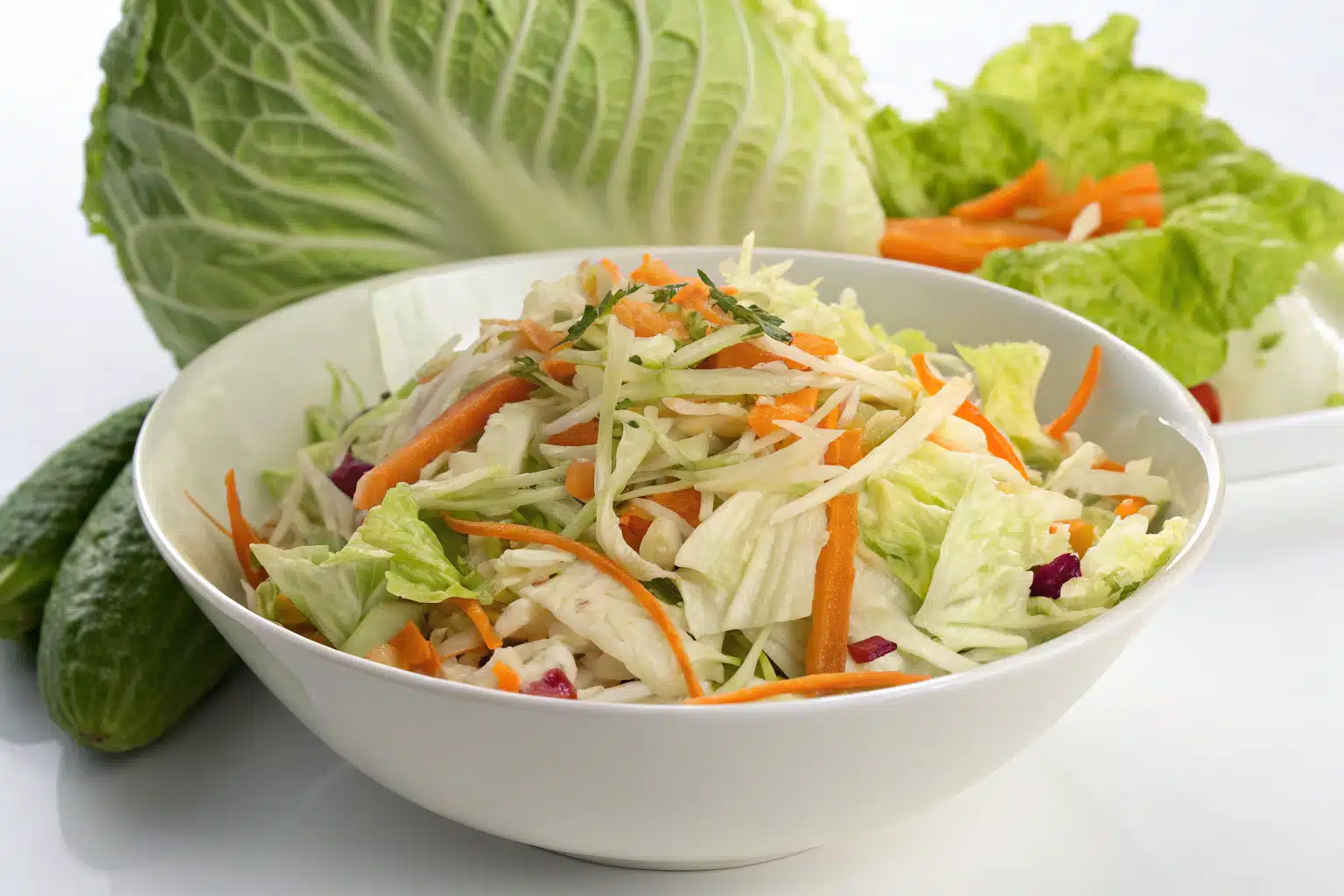
The Ultimate Easy Cabbage Salad Recipe: Fresh, Crunchy & Delicious
Why Cabbage Salad Deserves a Place at Your Table
Cabbage salad is one of the most underrated side dishes that deserves far more attention than it typically receives. This simple, affordable, and incredibly versatile dish combines the perfect crunch with a tangy dressing that transforms ordinary cabbage into something extraordinary. While many people think of cabbage as just an ingredient for coleslaw, a properly made cabbage salad stands in a category all its own. The best part? It’s remarkably easy to prepare, keeps well in the refrigerator, and pairs beautifully with almost any main course. “Learn more about how cabbage can be incorporated into other delicious dishes like our Chinese Ground Beef Cabbage Stir Fry,” which offers another excellent way to enjoy this versatile vegetable.
Health Benefits of Cabbage Salad
Beyond its delightful taste and texture, cabbage salad offers impressive nutritional benefits. Cabbage is packed with vitamin C, vitamin K, and fiber while being naturally low in calories. This cruciferous vegetable contains powerful antioxidants that help fight inflammation and has been linked to improved digestion and heart health. The red cabbage in this recipe adds not only visual appeal but also additional antioxidants called anthocyanins, which give it that beautiful purple hue. When combined with carrots, which provide beta-carotene and additional fiber, this cabbage salad becomes a nutritional powerhouse that tastes too good to be “health food.”
Ingredients: Everything You Need for Perfect Cabbage Salad
Fresh Produce Selection for Cabbage Salad
| Ingredient | Amount | Notes |
|---|---|---|
| Green cabbage | 5 cups | Shredded finely |
| Red cabbage | 2 cups | Can substitute with more green cabbage |
| Carrots | 1 cup | Shredded (or more cabbage if preferred) |
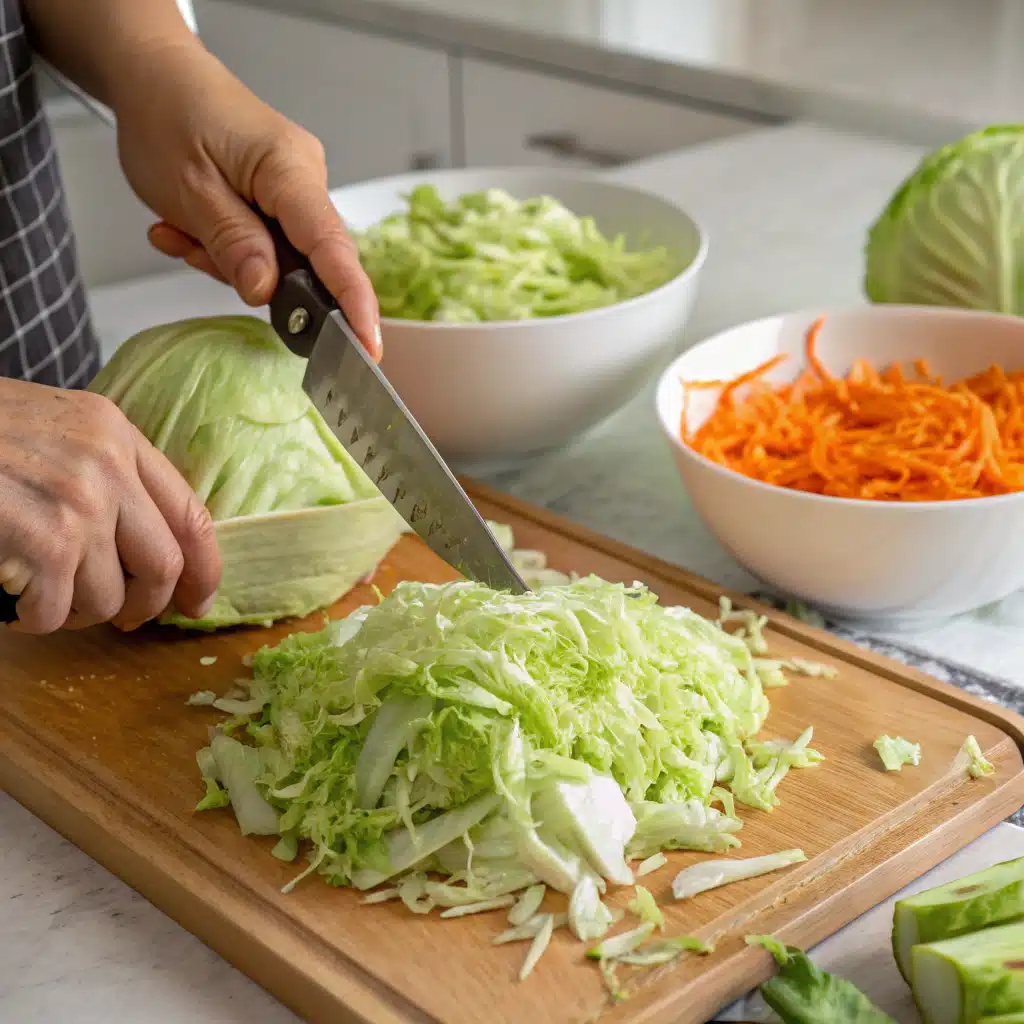
Selecting the right cabbage is crucial for this salad. Look for heads that feel heavy for their size with crisp, tightly packed leaves. The outer leaves should appear fresh without wilting or discoloration. For the green cabbage, choose one with pale to medium green leaves, while red cabbage should have a deep purple color. If you’re shredding by hand, a sharp chef’s knife is your best friend, though a food processor with a shredding attachment makes quick work of this task. The fine shred is important as it allows the dressing to penetrate the cabbage properly, softening it just enough while maintaining that signature crunch.
Simple Dressing Ingredients That Transform Cabbage
| Ingredient | Amount | Notes |
|---|---|---|
| Cider vinegar | 1/4 cup | Provides tang and acidity |
| Vegetable oil | 2 tbsp | Can use canola or light olive oil |
| White sugar | 1 1/2 – 2 tbsp | Adjust to taste |
| Dijon mustard | 1 tsp | Adds depth and emulsification |
| Salt | 1/2 tsp | Enhances all flavors |
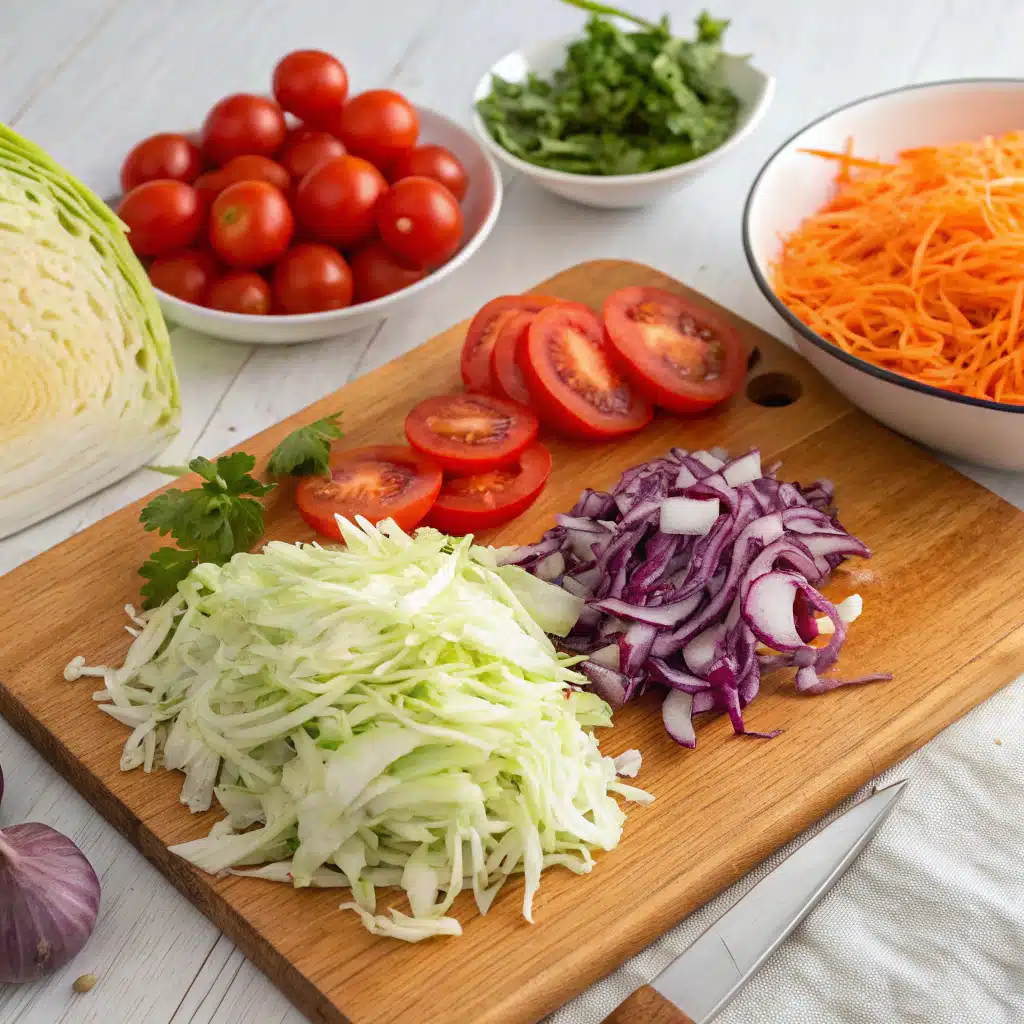
The magic of cabbage salad lies in its simple yet perfectly balanced dressing. Cider vinegar brings a fruity tang that brightens the cabbage, while the small amount of oil adds just enough richness without weighing down the salad. The sugar is crucial as it balances the acidity of the vinegar and helps to slightly break down the cabbage fibers. Dijon mustard not only adds flavor but also helps emulsify the dressing, ensuring it coats each shred of cabbage evenly. Feel free to adjust the sugar level based on your preference – start with 1 1/2 tablespoons and add more if needed.
Step-by-Step: Making the Perfect Cabbage Salad
Preparing Your Cabbage for Salad Success
- Thoroughly wash all vegetables before beginning. Remove any damaged outer leaves from the cabbages.
- Cut both cabbages in half, remove the core, and slice into thin shreds. Aim for pieces about 1/8-inch thick for the best texture.
- Peel and shred the carrot, keeping the shreds similar in size to the cabbage for even texture.
- Place all shredded vegetables in a large bowl – the largest mixing bowl you have is ideal as you’ll need room to toss everything together.
- Make sure your bowl has plenty of extra space, as the initial volume will reduce significantly as the salad rests.
“Looking for inspiration? Try our Cucumber Tomato Salad Recipe for another fresh and simple side dish.”
Creating and Combining the Perfect Dressing
- In a small jar with a tight-fitting lid, combine the cider vinegar, oil, sugar (starting with 1 1/2 tablespoons), Dijon mustard, and salt.
- Secure the lid and shake vigorously until all ingredients are well combined and the sugar has dissolved completely.
- Taste the dressing and adjust the sweetness if necessary by adding more sugar if you prefer a less tangy flavor.
- Pour the dressing evenly over the cabbage mixture in the large bowl.
- Using tongs or two large spoons, toss thoroughly to ensure every piece of cabbage and carrot is coated with dressing. This may take a minute or two of careful tossing.
- Once everything is well mixed, set the bowl aside at room temperature for about 20 minutes.
The Magic Waiting Period: Transforming Raw Cabbage
The 20-minute resting period is where the real transformation happens. During this time, several important processes occur:
- The salt and vinegar begin to break down the tough cabbage fibers, making it more tender while still maintaining crunch.
- The cabbage releases moisture, which combines with the dressing to create more volume of flavorful liquid.
- The initially large mound of cabbage will reduce dramatically – by almost half – as it softens slightly.
- The flavors meld together, with the dressing penetrating the vegetables for consistent flavor throughout.
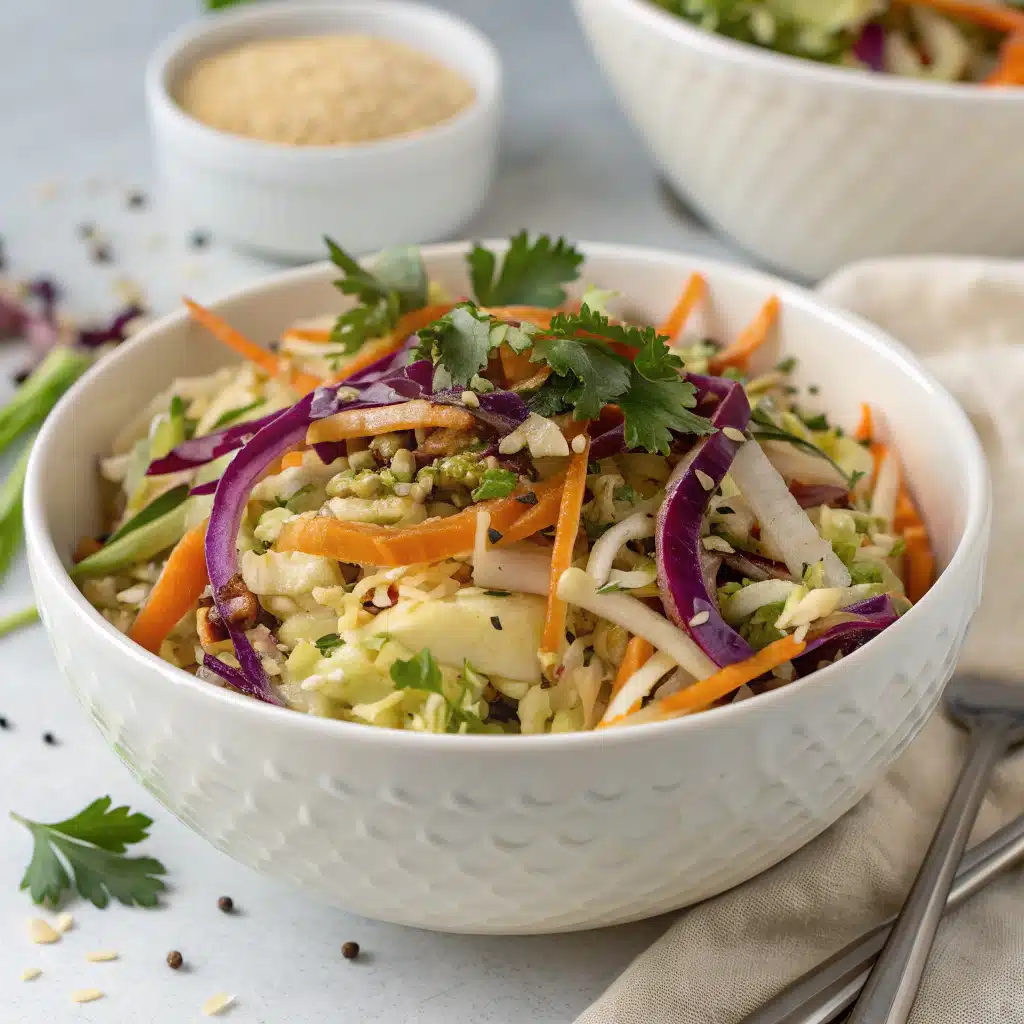
This waiting period is not optional – it’s an essential part of creating a properly textured cabbage salad. After 20 minutes, you’ll notice a significant change in volume and texture, and your cabbage salad will be perfectly seasoned, juicy, and ready to serve.
Tips: Mastering Your Cabbage Salad
Expert Techniques for Perfect Texture
Getting the texture right is perhaps the most crucial aspect of a successful cabbage salad. The shredding technique makes all the difference – aim for thin, consistent pieces that will soften properly in the dressing without becoming mushy. Using a mandoline slicer can help achieve uniform cuts if you’re concerned about consistency. If you prefer a more rustic approach, hand-cutting with a sharp knife works perfectly well. Just take your time to ensure the pieces aren’t too thick or they won’t soften properly during the resting period.
Another pro tip is to massage the cabbage slightly after adding the dressing. Using clean hands, gently scrunch the dressed cabbage for about 30 seconds. This helps to start breaking down the fibers and ensures the dressing coats every piece thoroughly.
“Discover great ideas like our Coleslaw Recipe for other salad techniques that work well with cabbage.”
Flavor Adjustments and Personalization
While this cabbage salad is delicious exactly as written, it’s also wonderfully adaptable to your personal preferences. If you enjoy more sweetness, don’t hesitate to increase the sugar to 2 tablespoons or slightly more. For a more tangy salad, reduce the sugar to just 1 tablespoon. The vinegar can also be adjusted – adding an extra tablespoon will create a brighter, more acidic salad that pairs beautifully with rich, fatty foods.
For an interesting flavor variation, try substituting half of the cider vinegar with freshly squeezed lemon juice, which adds a different kind of acidity and brightness. You might also experiment with different mustards – a whole grain mustard adds texture and a more rustic appearance, while a spicy brown mustard can add a touch of heat to the background flavors.
Common Cabbage Salad Mistakes to Avoid
Even a simple dish like cabbage salad has its pitfalls. Here are the most common mistakes to avoid:
- Cutting the cabbage too thick – pieces that are too large won’t properly absorb the dressing and will remain unpleasantly tough.
- Skipping the resting period – this is absolutely essential for proper texture development.
- Using old, wilted cabbage – the quality of your ingredients will directly impact the final result.
- Over-dressing the salad – the given proportions create the perfect balance; adding too much dressing will make the salad soggy rather than juicy.
- Serving immediately after mixing – patience is key; the waiting period transforms this from ordinary to extraordinary.
- Using regular white vinegar instead of cider vinegar – the harshness of white vinegar doesn’t work as well with the cabbage’s flavor profile.
Storage: Keeping Your Cabbage Salad Fresh
Optimal Storage Conditions
One of the many advantages of cabbage salad is its excellent keeping quality. Unlike more delicate green salads that wilt quickly, properly stored cabbage salad can maintain its delicious texture and flavor for several days. After the initial resting period, transfer any leftover salad to an airtight container and refrigerate promptly. The cold temperature will slow down the softening process, helping the cabbage maintain its pleasant crunch.
For best results, consume refrigerated cabbage salad within 3-4 days. You’ll notice that the flavors continue to develop during storage, often making day 2 cabbage salad even better than day 1!
“Check out our Creamy Cucumber Onion Salad for another side dish that stores beautifully in the refrigerator.”
How Cabbage Salad Changes Over Time
It’s worth noting that cabbage salad undergoes changes during storage. These changes aren’t negative – just different from the freshly made version:
- The cabbage continues to soften slightly, though it maintains a pleasant texture for several days.
- The dressing becomes more integrated with the cabbage, creating a juicier overall consistency.
- The flavors meld and deepen, often improving after a day in the refrigerator.
- The bright colors may fade slightly, particularly with the red cabbage bleeding some color into the rest of the salad.
If you’re making cabbage salad specifically to store for later use, consider slightly underdressing it initially, as the cabbage will continue to release moisture during storage. You can always add a small splash of cider vinegar to refresh the tanginess before serving leftover cabbage salad.
Reviving Leftover Cabbage Salad
Even after several days, cabbage salad can be brought back to its full glory with a few simple tricks:
- Remove the salad from the refrigerator about 15-20 minutes before serving to take the chill off – cabbage salad actually tastes better when not ice-cold.
- Give it a thorough toss to redistribute the dressing that may have settled at the bottom of the container.
- If the salad seems a bit flat in flavor, a tiny splash of fresh vinegar or a small pinch of salt can revive the tanginess.
- For added crunch after storage, consider tossing in some freshly shredded cabbage or even some toasted nuts or seeds just before serving.
Variations: Creative Twists on Classic Cabbage Salad
Adding Texture and Crunch
While the basic cabbage salad is perfect in its simplicity, adding additional elements can create wonderful textural contrasts. Consider these crunchy additions:
- Toasted sunflower seeds or pumpkin seeds (about 1/4 cup)
- Slivered almonds or crushed peanuts (about 1/3 cup)
- Crispy chow mein noodles or wonton strips (about 1/2 cup)
- Thinly sliced bell peppers for a different type of crunch
- Chopped apples (tart varieties work best) for a juicy crunch
These additions are best added just before serving to maintain their texture. If you’re planning on storing the salad, keep these crunchy elements separate and add them to individual portions at serving time.
“Want more ideas? Check out our Broccoli Salad which uses similar crunchy additions to great effect.”
Flavor Variations from Around the World
The basic cabbage salad serves as an excellent canvas for various international flavor profiles:
- Asian-Inspired: Add 1 tablespoon of sesame oil, 1 teaspoon of grated ginger, and 1 tablespoon of soy sauce to the dressing. Top with sliced green onions and sesame seeds.
- Mexican Twist: Include 1/2 teaspoon of ground cumin and a minced jalapeño in the dressing. Add chopped cilantro and crumbled cotija cheese before serving.
- Mediterranean Style: Use olive oil instead of vegetable oil, add 1 teaspoon of dried oregano to the dressing, and mix in chopped olives, feta cheese, and diced cucumber.
- Eastern European Flair: Add 1 teaspoon of caraway seeds to the dressing, and mix in diced apple and chopped fresh dill.
- Tropical Version: Include 1 tablespoon of lime juice in the dressing and mix in diced mango and chopped fresh mint.
Transforming Cabbage Salad into a Complete Meal
With some thoughtful additions, cabbage salad can easily become a satisfying main dish:
- Protein-Packed: Add 2 cups of diced cooked chicken, turkey, or tofu for a hearty main dish.
- Noodle Bowl: Mix in 2 cups of cooked and cooled soba noodles or rice noodles with some edamame for a filling bowl.
- Grain Salad: Combine with 1.5 cups of cooked quinoa or farro for a nutrient-dense meal.
- Taco Salad: Top with seasoned ground beef or black beans, avocado, and a dollop of sour cream.
- Seafood Option: Mix in 1 cup of cooked small shrimp or flaked canned salmon for an omega-3 boost.
When transforming cabbage salad into a main dish, consider adjusting the dressing quantity. You may want to prepare 1.5x the dressing amount to ensure there’s enough to coat the additional ingredients properly.
Serving: Perfect Pairings and Presentation
Ideal Main Dishes to Serve with Cabbage Salad
Cabbage salad’s bright, tangy flavor and crisp texture make it an ideal companion for a wide range of main dishes:
- Grilled Meats: The acidity of the cabbage salad cuts through the richness of steak, burgers, or grilled chicken.
- Fried Foods: The freshness provides a perfect contrast to fried chicken, fish, or fritters.
- Rich Casseroles: The lightness balances heavier dishes like mac and cheese or shepherd’s pie.
- Sandwiches: Serve alongside or even inside sandwiches for added crunch and flavor.
- BBQ: The tangy profile complements smoky, sweet barbecued meats beautifully.
“Here’s your guide to Garlic Parmesan Grilled Chicken which pairs perfectly with this cabbage salad.”
The versatility of cabbage salad makes it appropriate for casual weeknight dinners, picnics, potlucks, and even holiday feasts. Its ability to be made ahead is particularly valuable for entertaining.
Beautiful Presentation Ideas
While cabbage salad is delicious regardless of how it’s presented, a few simple touches can elevate its appearance:
- Serving Vessel: A shallow, wide bowl or platter allows the vibrant colors to show better than a deep bowl.
- Garnishing: Sprinkle with additional fresh herbs like parsley, dill, or chives just before serving.
- Color Contrast: Serve on a contrasting colored plate or platter – white cabbage pops against dark dishes, while purple cabbage looks stunning against white.
- Layering: For a buffet presentation, consider layering the salad rather than tossing – alternating the colorful ingredients creates visual interest.
- Individual Portions: For a dinner party, pre-portion into small individual serving dishes for an elegant presentation.
FAQs: Your Cabbage Salad Questions Answered
What goes into a cabbage salad?
A classic cabbage salad is made with finely shredded green and red cabbage, crisp carrots, and a tangy dressing of cider vinegar, oil, sugar, Dijon mustard, and salt. It’s lighter than coleslaw, highlighting the fresh crunch and natural sweetness of the vegetables rather than a heavy creamy sauce.
What are some common cabbage salad mistakes?
Common pitfalls include slicing the cabbage too thick, using limp veggies, skipping the resting time, or drowning the salad in dressing. Allowing it to rest for about 20 minutes after mixing helps the cabbage soften slightly and soak up the dressing’s bright flavors.
What’s the difference between coleslaw and cabbage salad?
Both feature shredded cabbage, but coleslaw usually uses a creamy mayonnaise base, while cabbage salad relies on a vinegar dressing. The result is a lighter, tangier dish with more pronounced vegetable flavor and less heaviness.
How healthy is cabbage salad?
It’s very healthy — low in calories, high in fiber, and rich in vitamins C and K. The light oil-and-vinegar dressing keeps it heart-friendly, and you can cut back on the sugar for an even more nutritious version without losing taste.
What is a simple salad dressing for cabbage salad?
Mix cider vinegar, a little oil, Dijon mustard, sugar, and salt. This creates a bright, zesty balance that enhances the cabbage without overpowering it.
How to make creamy cabbage salad?
For a creamier twist, stir in 2–3 tablespoons of mayonnaise or Greek yogurt to the basic dressing. It gives a silky texture while keeping the salad light and refreshing.
Conclusion: Embracing the Simplicity of Cabbage Salad
Why This Cabbage Salad Recipe Works Every Time
The beauty of this cabbage salad lies in its perfect balance of simplicity and technique. By focusing on just a few high-quality ingredients and paying attention to key details like proper shredding and the essential resting period, you create something that’s far more than the sum of its parts. The careful balance of tanginess, sweetness, and salt in the dressing perfectly complements the natural flavor of the cabbage, while the waiting period transforms what could be tough, raw vegetables into a juicy, crunchy delight.
Unlike more complicated recipes that rely on numerous ingredients for impact, this cabbage salad demonstrates that sometimes less truly is more. It’s an excellent example of how understanding food science – in this case, how salt and acid work to break down vegetable fibers – can elevate even the most basic ingredients into something special.
“Don’t miss our Strawberry Spinach Salad for another simple yet extraordinary salad that follows similar principles.”
Making Cabbage Salad Part of Your Regular Rotation
I encourage you to add this cabbage salad to your regular meal planning rotation. Its affordability makes it budget-friendly, while its versatility ensures it will complement almost any main dish. The fact that it keeps well means you can prepare it once and enjoy it for several meals throughout the week.
As you become comfortable with the basic recipe, don’t hesitate to experiment with the variations suggested or create your own unique twists. The fundamental technique will serve you well regardless of what flavors you ultimately incorporate. Cabbage salad deserves a place in every home cook’s repertoire – not as a fancy special occasion dish, but as a reliable, nutritious, and delicious side that enhances everyday meals.
With just a few minutes of preparation and a short waiting period, you can transform humble cabbage into a side dish that your family and friends will request again and again. That’s the true mark of a perfect recipe – simple enough for everyday, special enough to be memorable, and reliable enough to become a signature dish in your home cooking collection.
PrintCabbage Salad
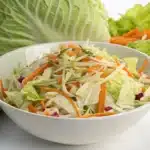
A simple yet perfect cabbage salad with a tangy vinegar dressing that transforms ordinary cabbage into something extraordinary.
- Prep Time: 15 minutes
- Cook Time: 0 minutes
- Total Time: 15 minutes
- Yield: 6 servings 1x
- Category: Salad
- Cuisine: American
Ingredients
- 5 cups shredded green cabbage
- 2 cups shredded red cabbage (or more green)
- 1 cup shredded carrot (or more cabbage)
- 1/4 cup cider vinegar
- 2 tbsp oil (vegetable or canola, or light olive oil)
- 1 1/2 – 2 tbsp white sugar (adjust to taste)
- 1 tsp dijon mustard
- 1/2 tsp salt
Instructions
- Combine dressing ingredients in a jar and shake until well mixed.
- Place all shredded vegetables in a large bowl.
- Pour dressing over vegetables and toss thoroughly.
- Let sit for 20 minutes at room temperature.
- Serve after the cabbage has reduced in volume and become juicy.
Notes
Nutrition facts are estimates and may vary based on ingredients used, portion sizes, and preparation methods.
Nutrition
- Serving Size: 6 servings
- Calories: 85
- Sugar: 6g
- Sodium: 210mg
- Fat: 4g
- Saturated Fat: 0.5g
- Trans Fat: 0g
- Carbohydrates: 11g
- Fiber: 3g
- Protein: 1g
- Cholesterol: 0mg
Keywords: cabbage salad, tangy cabbage salad, vinegar cabbage salad, simple cabbage salad, fresh cabbage salad
Let’s connect! Follow me for more Joylicious Recipes: Facebook, Instagram, Pinterest