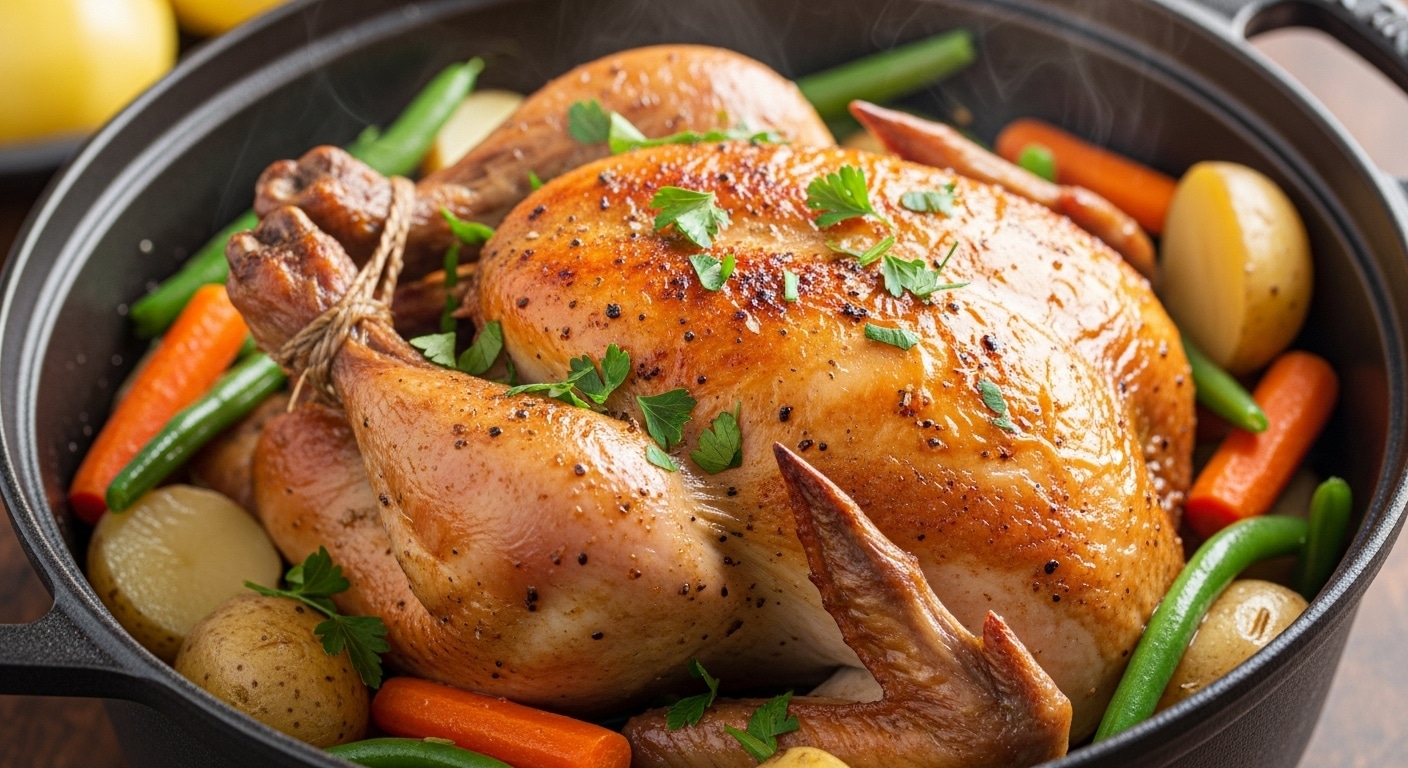
Brahma Chicken: Care, Cooking & Secrets of This Gentle Giant
Brahma chicken is more than just a backyard bird. Known for its massive size, calm personality, and flavorful meat, this majestic breed has gained popularity among farmers, foodies, and homesteaders alike. Whether you’re curious about raising Brahmas, wondering what their eggs taste like, or looking for a hearty stew recipe, this guide has everything you need.
You’ll discover what makes Brahma chickens so special, how to care for them, and why they’re prized in the kitchen. We’ll walk you through cooking tips, nutrition facts, cost breakdowns, and even common issues to consider. And yes, we’ve included a cozy stew recipe that turns this gentle giant into a mouthwatering meal.
Don’t miss our comfort food recipes like this melt-in-your-mouth chicken while you explore.
What Makes the Brahma Chicken So Special?
The History and Origins of the Brahma Chicken
The Brahma chicken traces its roots to the 1800s, when breeders in the United States crossed large birds from China with local stock. The result was a hardy, tall, and broad-breasted bird built for both meat and eggs. The name “Brahma” likely came from the Brahmaputra River in India, giving this chicken an exotic twist that matched its impressive stature.
In the 1850s, Brahmas gained popularity for their impressive size and soon became a top choice at poultry shows and among farmers. They even made appearances in royal courts, with Queen Victoria reportedly receiving Brahmas as gifts. This bird’s reputation as a gentle giant goes back generations.
Unique Physical Features and Size That Set It Apart
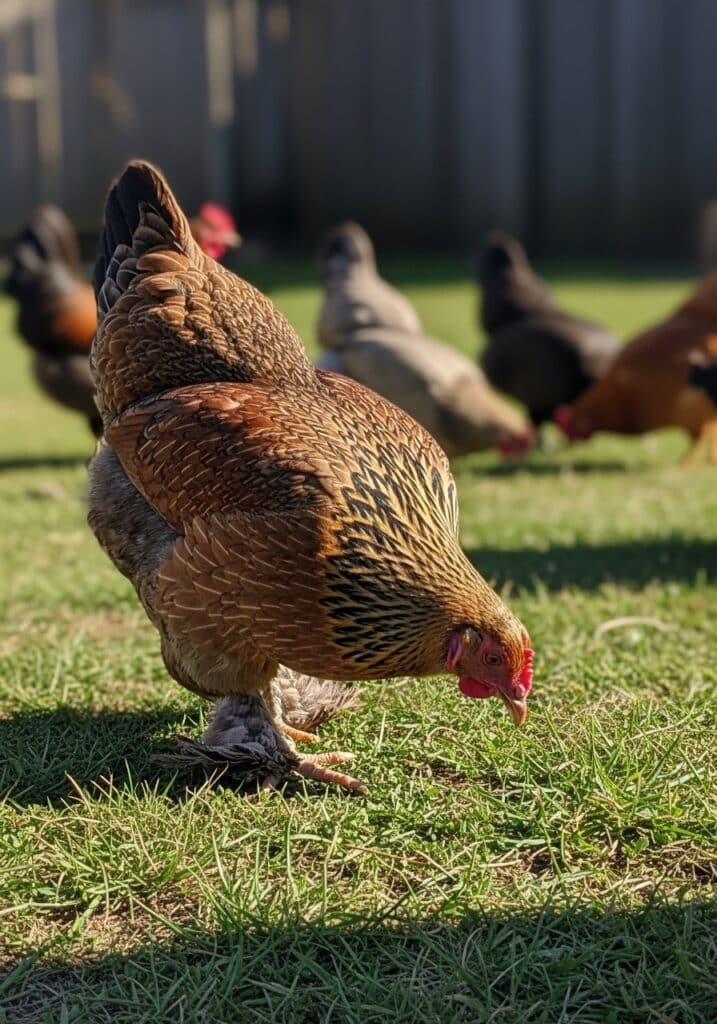
The Brahma ranks among the largest chicken breeds globally. Roosters can grow to around 12 pounds, while hens typically weigh about 10 pounds. These chickens also stand tall, with full feathered legs and a signature “pea comb” that helps them thrive in colder weather.
Here’s a comparison chart:
| Feature | Brahma Chicken | Standard Chicken Breed |
|---|---|---|
| Weight (Rooster) | 10–12 lbs | 6–8 lbs |
| Feathered Legs | Yes | No |
| Egg Color | Brown (light/medium) | Varies |
| Temperament | Calm and friendly | Varies |
With soft feathers that make them look even larger, Brahmas appear almost regal. Their colors include light, dark, and buff variations, all equally beautiful.
Brahma Chicken Temperament: Gentle Giants in the Coop
Despite their size, Brahma chickens are peaceful, even-tempered birds. They rarely peck at others and get along well in mixed flocks. This makes them ideal for families or anyone new to raising chickens.
They’re also fairly quiet, making them a great fit for suburban backyards. Brahmas enjoy attention and often follow their owners around the yard. Their calm nature makes handling easier, especially during feeding or cleaning.
Want more flavorful poultry recipes? Check out this creamy skillet chicken with mushrooms and cheese.
Brahma Chicken as a Backyard Favorite
Why Brahmas Are Ideal for Homesteads and Backyard Farms
If you’re looking for a chicken breed that’s easy to raise, quiet, and family-friendly, the Brahma chicken checks all the boxes. These gentle giants are known for their calm personalities and low-maintenance needs. Unlike flighty or aggressive breeds, Brahmas are laid-back and don’t mind being picked up or handled.
Their large size makes them less likely to fly over fences, and they tend to stick close to their coop. This makes fencing and housing much simpler compared to smaller, more energetic breeds.
Plus, Brahmas add a unique beauty to your flock. Their full feathering, upright posture, and calm behavior make them a hit with kids and adults alike.
Many small farms and backyard keepers choose Brahmas not only for their meat and egg potential but also for their temperament and visual appeal.
Cold Weather Resilience and Coop Compatibility
One of the top reasons why people love Brahma chickens is their hardiness. These birds handle cold weather much better than many other breeds. Thanks to their dense plumage and small combs, they resist frostbite and stay warm through harsh winters.
Here are some cold-weather tips for keeping Brahmas happy:
- Make sure their coop stays dry and draft-free.
- Provide extra straw or bedding in the winter months.
- Install a raised roosting bar to help keep their feet warm and off the cold ground.
Because of their size, you’ll want to ensure your coop has enough space. A good rule of thumb is 4 square feet per bird inside and 10–12 square feet in the run. Brahmas do not require elaborate housing but do appreciate room to roam.
Don’t miss our garlic butter baked chicken recipe for inspiration when it comes time to enjoy home-raised poultry.
Feeding and Space Requirements for Healthy Growth
Brahma chickens grow slower than other breeds, but their size is worth the wait. To keep them healthy and productive, you’ll need to provide a balanced diet rich in:
- Protein: especially during the growing and laying phases.
- Calcium: to support strong eggshells.
- Fresh water: always available, even in cold weather.
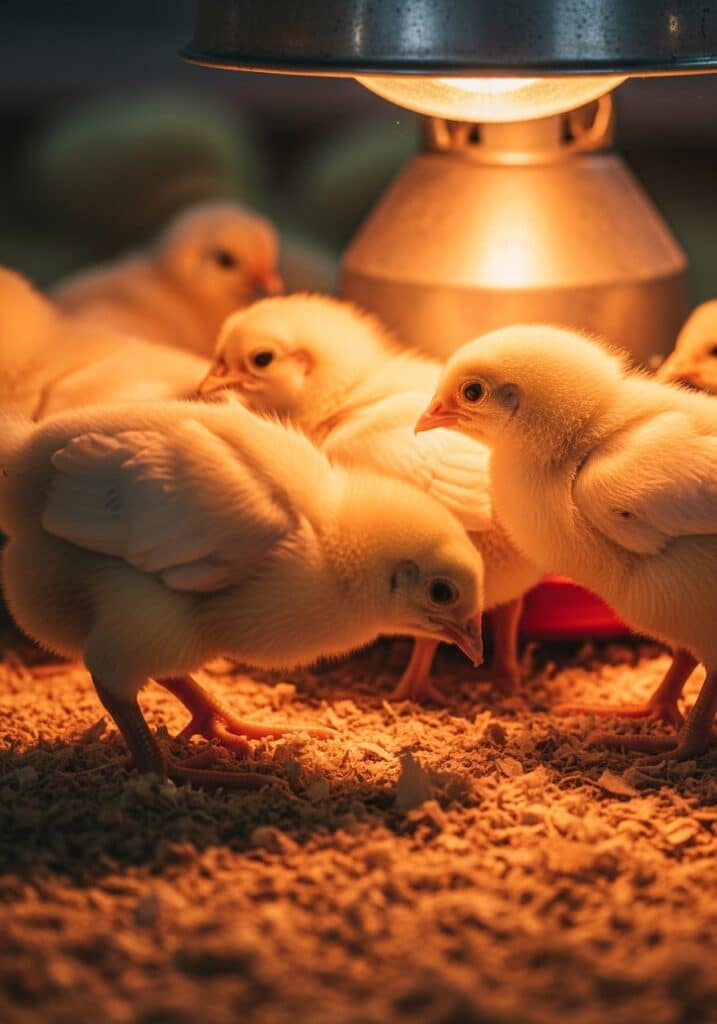
For young chicks, start with a high-protein starter feed (18–20%), then transition to grower and layer feeds as they mature. Because Brahmas take about 6 to 7 months to fully grow and lay, you’ll want to be patient and consistent with nutrition.
Since they’re heavy birds, avoid small or overcrowded feeders and waterers that could tip or spill. Opt for wide, sturdy dishes placed at chest height.
And yes—while Brahmas aren’t the most active foragers, they’ll still enjoy pecking around a clean yard for bugs, seeds, and scraps.
Looking for seasonal recipe inspiration? Try this flavorful garlic parmesan chicken dish.
Brahma Chicken Egg Production
At What Age Do Brahma Chickens Start Laying Eggs?
Brahma chickens are late bloomers when it comes to laying. Most hens begin laying eggs around 6 to 7 months old, though some may take a little longer—especially in colder climates or low-light months.
While you won’t get early egg layers with Brahmas, the wait is often worth it. Their eggs are consistent, and these birds continue laying well into their second or third year, making them a reliable long-term investment.
Here’s a timeline breakdown:
| Age of Brahma Hen | Expected Behavior |
|---|---|
| 0–8 weeks | Chick development stage |
| 8–18 weeks | Growth and feathering phase |
| 18–28 weeks | Preparing to lay |
| 28+ weeks | First eggs likely to appear |
If your Brahma hens hit 30 weeks without laying, check for stressors like poor nutrition, cold temperatures, or lack of daylight. You can also use artificial lighting (12–14 hours daily) to support egg production in winter.
How Often and What Color Eggs Do Brahmas Lay?
A healthy Brahma hen lays around 3 to 4 eggs per week, totaling 120 to 150 eggs per year. While that’s fewer than high-production breeds like Leghorns or Rhode Island Reds, Brahma eggs are still a solid choice for home use.
Brahmas lay medium to large brown eggs, typically a light to medium brown shade with a smooth shell. Some may even have a subtle pink tint, especially in early laying stages.
| Feature | Brahma Chicken | Leghorn (for comparison) |
|---|---|---|
| Egg Color | Light brown | White |
| Egg Size | Medium to large | Medium |
| Frequency | 3–4 eggs/week | 5–6 eggs/week |
| Broody Tendency | Occasional | Rare |
Eggshell quality is usually very good. Just make sure hens get enough calcium (like crushed oyster shells) to avoid thin shells or deformities.
Comparing Egg Output With Other Chicken Breeds
While Brahmas may not be the top egg layers, they shine when balanced with other breeds. If you want a mix of beauty, temperament, and steady egg production, Brahmas are ideal.
Here’s a brief comparison of backyard favorites:
| Breed | Egg Count (Yearly Avg.) | Personality | Cold Hardy |
|---|---|---|---|
| Brahma | 120–150 | Calm, quiet | Yes |
| ISA Brown | 300–320 | Friendly, active | Moderate |
| Orpington | 180–200 | Docile, broody | Yes |
| Leghorn | 280–300 | Nervous, alert | Low |
Pro tip: Pair Brahmas with Orpingtons or Australorps to balance egg quantity with flock harmony.
Want another hearty option to go with your fresh Brahma eggs? Check out this skillet chicken and rice.
Cooking with Brahma Chicken Meat
What Does Brahma Chicken Taste Like Compared to Broiler?
If you’re used to store-bought broiler chickens, Brahma chicken will surprise you—in a good way. Brahma meat has more flavor, a firmer texture, and less water than commercial chicken. It’s richer, almost like a cross between turkey and heritage chicken.
Because Brahmas grow slowly, their muscles develop naturally. That means the meat is dense and juicy, with a slightly gamey edge that home cooks and chefs love.
Broilers are raised fast for tenderness, but they often lack taste. Brahma chickens, especially older hens or roosters, need low-and-slow cooking to become tender, but the payoff is a deeper, heartier dish.
| Feature | Brahma Chicken | Broiler Chicken |
|---|---|---|
| Flavor | Rich, hearty | Mild, less intense |
| Texture | Firm, dense | Soft, tender |
| Cooking Time | Longer | Short |
| Ideal for | Stews, slow roasts | Grilling, quick meals |
Why Brahma Chicken Is Considered a Premium Ingredient
Brahma chicken isn’t just for looks—it’s a dual-purpose breed, valued for both eggs and meat. But because it takes longer to grow and needs more feed, Brahma chicken is rarely found in grocery stores. That makes it a premium option, often raised by small farmers or backyard homesteaders.
This rarity adds to its value. If you butcher your own Brahma or buy from a local farm, you’re getting something special: meat that’s never been frozen, pumped with preservatives, or mass-produced.
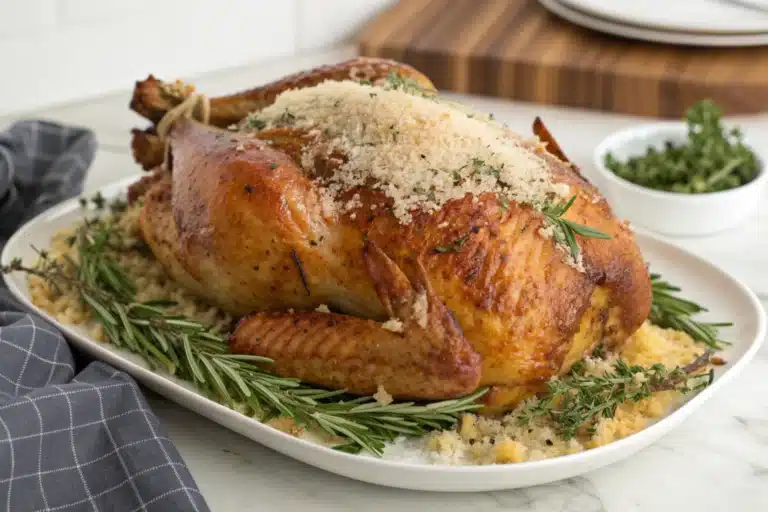
Plus, Brahma chicken meat holds up well to bold flavors like garlic, lemon, herbs, and paprika. It’s ideal for braises, stews, roasts, and pressure cooking.
Top Cooking Methods for Tender, Flavorful Results
Because Brahma chicken is lean and strong, cooking it right is key. Here are a few methods that bring out the best:
1. Braising in Liquid (Best for Old Birds)
Sear the meat first, then simmer it in broth, wine, or sauce for 1.5 to 2 hours.
This works especially well for older hens (called stewing hens).
2. Slow Cooker or Instant Pot
Add all your ingredients to the pot and let it cook low and slow for 6–8 hours.
The meat becomes fall-off-the-bone tender and perfect for stew or tacos.
3. Oven Roasting (for Young Birds)
Younger Brahmas can be roasted whole or in parts. Use a meat thermometer and cover with foil partway to prevent drying out.
Here’s a quick cooking tip:
Let the meat rest after cooking. Brahma chicken holds heat well, so resting 10–15 minutes makes it juicier.
Looking for an easy, flavor-packed recipe? Don’t miss this oven-baked garlic chicken, perfect for busy weeknights.
Brahma Chicken Stew Recipe (Step-by-Step)
Ingredients You’ll Need for an Authentic Brahma Chicken Stew
This stew is hearty, comforting, and packed with rich, savory flavor—perfect for showcasing the unique taste of Brahma chicken. Here’s what you’ll need:
Main Ingredients:
- 1 Brahma chicken (weighing 4 to 6 pounds), chopped into serving-size pieces
- 2 tablespoons olive oil or pasture butter
- 1 large onion, diced
- 4 garlic cloves, minced
- 3 carrots, peeled and chopped
- 3 celery stalks, chopped
- 2–3 potatoes, cubed (Yukon Gold or red potatoes)
- 4 cups chicken broth (homemade or low-sodium)
- 1 tablespoon tomato paste (optional)
- 1 teaspoon smoked paprika
- 1 teaspoon dried thyme
- 1 bay leaf
- Salt and freshly ground black pepper, to taste
- 1 cup frozen peas (add at the end)
- 1 tablespoon lemon juice (optional)
- Fresh parsley, chopped, for garnish
Looking for seasonal side dishes? Try our buttercup squash recipes here.
Step-by-Step Instructions for a Perfect Stew Every Time
Step 1: Prep the Chicken
Pat your Brahma chicken dry with paper towels. This helps it brown better. Generously season each piece with salt and freshly ground black pepper on all sides.
Step 2: Brown the Meat
In a large Dutch oven or heavy-bottomed pot, heat olive oil or butter over medium-high heat. Brown the chicken pieces in batches, skin-side down first, about 4–5 minutes per side. Transfer to a plate once golden.
Step 3: Sauté the Vegetables
Add the onion, carrots, and celery to the same pot. Stir to coat with drippings and cook for 5–7 minutes until soft.
Step 4: Add Garlic and Spices
Add the garlic, paprika, thyme, and optional tomato paste. Mix thoroughly and cook for 1–2 minutes until the aroma is released.
Step 5: Deglaze and Build the Stew
Add the chicken broth to the pot to deglaze, scraping up any browned bits from the bottom. Scrape up all the tasty browned bits from the bottom of the pot. Add the browned chicken, potatoes, and bay leaf. Bring to a gentle boil.
Step 6: Simmer Low and Slow
Reduce the heat, cover the pot, and let it simmer for 60 to 90 minutes, or until the meat is fork-tender. If using an older Brahma hen, cook for 2 to 2.5 hours.
Step 7: Final Touches
In the last 5 minutes, stir in the frozen peas and simmer uncovered. Adjust the seasoning and add lemon juice if desired.
Step 8: Serve and Garnish
Top with chopped parsley and serve warm with crusty bread, rice, or mashed potatoes.
Slow Cooker Option and Flavor Variations
If you prefer hands-off cooking, this recipe works beautifully in a slow cooker.
Slow Cooker Instructions:
- Brown the chicken and veggies first for best flavor.
- Transfer everything to a slow cooker.
- Cook on low for 6–8 hours or high for 4–5 hours.
- Add peas in the last 15 minutes.
Optional Flavor Boosts:
- Add ½ cup white wine during deglazing
- Use sweet potatoes instead of white potatoes
- Toss in a sprig of rosemary or bay leaf for extra depth
Storage Tips:
- Refrigerate leftovers up to 4 days
- Freeze in airtight containers up to 3 months
Want more warm and creamy ideas? Explore our full recipe archive.
Nutritional and Culinary Benefits of Brahma Chicken
Is Brahma Chicken Good to Eat? Health Insights
Yes, Brahma chicken is not only delicious—it’s good for you too. This breed provides lean meat that’s high in protein and low in fat when compared to most commercial chicken. Because Brahmas grow slowly and naturally, they develop more muscle and less water weight than fast-growing broilers.
Here’s what makes Brahma chicken a healthy choice:
- High Protein: Great for building and repairing muscles.
- Lower Fat: Especially if cooked without skin.
- Rich in Iron and B Vitamins: Supports energy and heart health.
- No Hormones or Additives (when raised at home): Cleaner eating.
Produce value-added items like homemade bone broth, soup stock kits, or jars of Brahma chicken stew.
| Nutrient (per 100g) | Brahma Chicken (est.) | Commercial Broiler |
|---|---|---|
| Protein | 24g | 21g |
| Fat | 5g | 9g |
| Calories | ~165 | ~215 |
| Iron | Higher | Moderate |
Lean Meat, Flavor Depth, and Nutrient Content
What sets Brahma chicken apart is the balance between flavor and nutrition. It has a deeper, more robust flavor than store-bought chicken but is still mild enough for family-friendly meals. The texture is firm but not tough—perfect for braises, soups, and hearty dishes.
Because the meat is less processed and not water-logged, it also shrinks less during cooking. That means you get more yield from each cut.
If you’re concerned about cholesterol, stick to white meat (like the breast) and remove the skin before cooking. For a full-flavored meal, go with the thighs or drumsticks—they’re juicier and more forgiving during longer cook times.
Want a dish packed with flavor and comfort? Check out this creamy garlic herb chicken recipe.
Best Seasonings and Pairings for Brahma Chicken Dishes
Because Brahma meat has depth, it pairs beautifully with both bold spices and fresh herbs. Whether you’re stewing or roasting, these flavor combos work well:
Top Seasonings:
- Garlic and rosemary
- Lemon and thyme
- Smoked paprika and cumin
- Onion, parsley, and black pepper
- Bay leaf and tomato paste (for stews)
Side Pairing Ideas:
- Roasted root vegetables
- Creamy mashed potatoes
- Garlic rice or herbed quinoa
- Crusty sourdough bread
- Sauteed greens like kale or spinach
Want to go bolder? Add a splash of white wine, apple cider vinegar, or lemon juice near the end of cooking to brighten the dish.
Check out this chicken stew variation for even more soul-warming inspiration.
The Economics of Brahma Chickens
Why Are Brahma Chickens So Expensive?
If you’ve ever tried to buy a Brahma chicken, you probably noticed they’re more expensive than most other breeds. That’s no accident. There are a few solid reasons why Brahma chickens come with a higher price tag:
- Slow Growth Rate: Brahmas take about 6–7 months (sometimes longer) to reach full size. That means more time, feed, and care for the same bird.
- Larger Size: These are giant birds. Their weight means they eat more than smaller breeds, which raises the cost of raising them.
- Breeding Costs: Purebred Brahmas are not always easy to find. Breeders spend time managing bloodlines, which increases value.
- Dual-Purpose Use: Since Brahmas are raised for both eggs and meat, they offer more overall use—but require a bigger upfront investment.
Also, because they’re so gentle and attractive, Brahmas are often bought by hobby farmers or backyard keepers—not big farms. That makes them less common and a bit more premium.
| Expense Factor | Brahma Chicken | Standard Layer Chicken |
|---|---|---|
| Price per chick | $4–$10 | $2–$4 |
| Time to maturity | 6–7 months | 4–5 months |
| Feed consumption | Higher | Moderate |
| Market availability | Limited | High |
Cost Breakdown: Chicks, Feed, Maintenance
Here’s a look at what it might cost to raise a small Brahma flock of 5 birds:
| Item | Cost Estimate (USD) |
|---|---|
| 5 Brahma chicks | $25–$50 |
| Starter feed (first 2 mo) | $25 |
| Grower feed (3–5 mo) | $40 |
| Layer feed (ongoing) | $20/month |
| Bedding, coop supplies | $50–$100 |
| Misc. (grit, treats) | $10/month |
Total Start-Up Cost (First 6 Months): Around $150–$250 for 5 Brahmas
That’s slightly more than standard breeds, but you get hardy, long-living birds with both meat and egg benefits.
Breeding Brahma Chickens for Profit and Sustainability
If you’re raising Brahmas on a larger scale, you may be able to earn some money—especially if you hatch chicks or sell fertilized eggs.
Here’s how people make money with Brahmas:
- Sell fertilized eggs or chicks: Especially rare colors like Buff or Dark Brahmas.
- Offer meat locally: For stews, special dishes, or farm-to-table markets.
- Create value-added products: Homemade bone broth, stock kits, or even Brahma chicken stew jars.
Tip: Highlight your birds’ natural diet and slow growth. Many buyers are willing to pay more for clean, ethically raised poultry.
Don’t miss this crowd-favorite recipe featuring tender baked chicken.
Common Challenges and Disadvantages
What Are the Disadvantages of Raising Brahma Chickens?
While Brahma chickens are friendly and beautiful, they’re not the perfect fit for every backyard. Like any breed, they come with a few downsides you’ll want to consider before starting your flock.
Here’s a closer look at some of the most frequent challenges:
- Slow Growth
Brahmas take longer to mature than many breeds. If you’re looking for quick eggs or meat, you may find the wait frustrating. Expect to wait 6–7 months (or more) before you see eggs. - Heavy Feed Consumption
Big birds eat big meals. Brahmas require more feed—especially during the growth phase. That can make your monthly feed bill higher than with smaller breeds. - Size-Related Space Needs
Due to their large size, Brahmas require more space than most other chicken breeds. They’ll do best with at least 10–12 square feet of outdoor space per bird. Cramped coops can lead to stress, pecking, and poor egg production. - Poor Flyers
They’re heavy, so they don’t fly well. That’s good for fencing but not great if they need to escape predators. Secure your run and coop to keep them safe. - Late Egg Layers
While they eventually become solid egg producers, Brahmas don’t lay as early or as often as breeds bred for eggs. Expect 3–4 eggs per week, starting around 28–30 weeks old.
| Disadvantage | What It Means for You |
|---|---|
| Late maturity | Wait longer for eggs or meat |
| Large size | Requires more space and feed |
| Lower egg output | Not ideal for egg-only setups |
| Not heat-hardy | May struggle in very hot areas |
| Not agile | Need good predator protection |
How to Overcome Size-Related Care Issues
Even with their large size, Brahmas are relatively easy to handle. You just need to plan a little differently than you would for smaller breeds.
Tips for Success:
- Use strong feeders and waterers that won’t tip under their weight
- Raise your roosts a bit higher than usual to support their tall build
- Provide ventilation without direct drafts—they can overheat if air doesn’t flow
- Keep runs dry: Feathered legs can trap mud, leading to infections
Brahmas also do better in cooler climates than hot, humid regions. In hotter states, give them shaded areas, fresh water, and airflow to avoid heat stress.
Create value-added products: Homemade bone broth, stock kits, or even Brahma chicken stew jars
Want more cozy, down-home recipes? Explore this creamy herb chicken dinner.
Brahma Chicken FAQs Answered
What Is Special About Brahma Chickens?
Unique Size and Appearance
Brahma chickens are among the largest chicken breeds in the world, often called the “King of Chickens.” They can reach up to 12 pounds, have soft, full plumage, and feathered legs that make them stand out in any flock.
Gentle Temperament
These birds are calm, quiet, and friendly—ideal for beginners and families with kids. Their laid-back nature also makes them a favorite in mixed flocks.
Are Brahma Chickens Good to Eat?
Rich Flavor and Firm Texture
Brahma chicken meat is known for being firmer and more flavorful than common broilers. It’s great in stews, slow-cooked meals, and roasts.
Healthy Protein Source
They’re high in protein and lower in fat than store-bought birds, especially if pasture-raised. The meat is lean and clean, making it a nutritious choice for home cooking.
Why Are Brahma Chickens So Expensive?
Longer Growth Time
Brahmas take 6–7 months or more to mature. That means more feed, care, and time before they produce eggs or meat.
Higher Feed Needs
Their large size means they eat more than smaller breeds. That adds up, especially when raising a full flock.
Low Commercial Supply
Most Brahmas are raised by backyard keepers or small farms, not commercial producers. That limited supply drives up the cost for chicks and fertilized eggs.
What Are the Disadvantages of Brahma Chickens?
Slow to Mature
If you’re hoping for early eggs or quick meat, Brahmas aren’t the fastest. They take longer to grow and begin laying eggs later than many breeds.
Require More Space and Feed
Their size demands bigger coops and runs. You’ll also spend more on feed to support their growth and health.
Not Heat-Tolerant
Brahmas do well in cold weather but can struggle in hot, humid climates. They need shaded areas and plenty of fresh water in warmer months.
Conclusion: Is the Brahma Chicken Right for You?
If you’re looking for a friendly, good-looking chicken that provides both meat and eggs, the Brahma chicken is hard to beat. These calm, cold-hardy birds add beauty and balance to any flock. While they require more feed and space, their gentle nature and rich-tasting meat make up for the extra effort.
Whether you’re starting a backyard flock or cooking up a stew that warms the soul, Brahma chickens deliver on taste, temperament, and versatility. From their history to their stew pot, these birds bring value to your table and your homestead.
Check out this creamy chicken and rice meal next to pair with your next poultry dinner.
Brahma Chicken: Care, Cooking & Secrets of This Gentle Giant
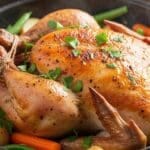
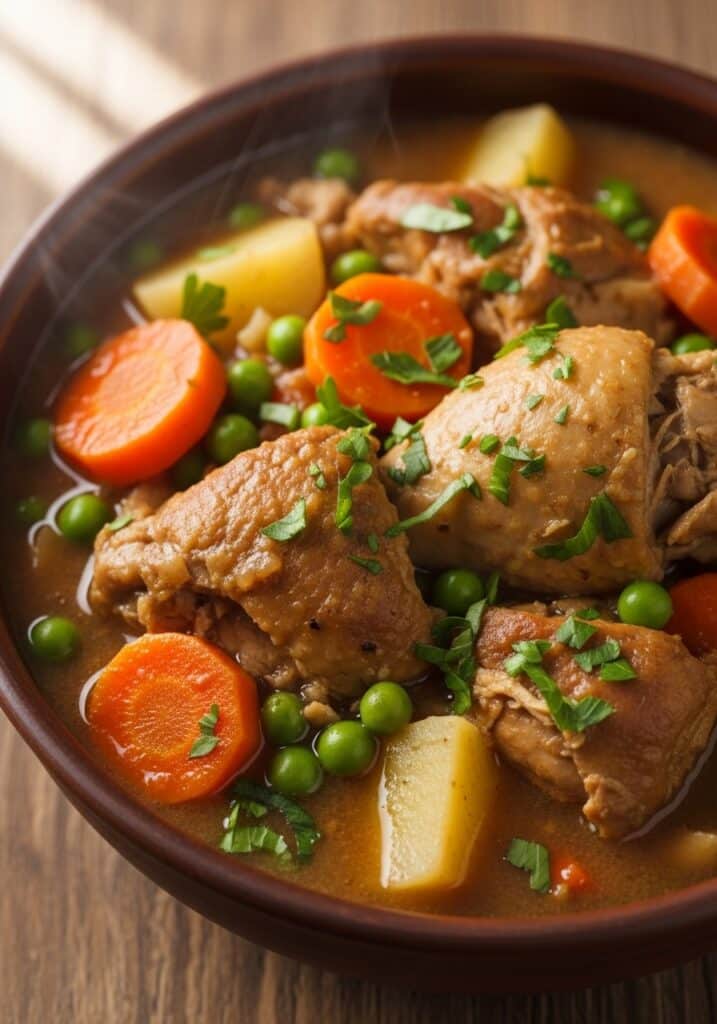
This rustic and hearty Brahma Chicken Stew is packed with rich, slow-cooked flavor. Using the firm, flavorful meat of a Brahma chicken, this dish blends carrots, potatoes, and aromatic herbs into a soul-warming meal perfect for family dinners or cozy nights.
- Prep Time: 20
- Cook Time: 90
- Total Time: 1 hour 50 minutes
- Yield: 6 servings 1x
- Category: Main Course
- Method: Braising (Stovetop)
- Cuisine: American
Ingredients
1 Brahma chicken (4 to 6 pounds), cut into serving pieces
2 tablespoons olive oil or pasture butter
1 large onion, diced
4 garlic cloves, minced
3 carrots, peeled and chopped
3 celery stalks, chopped
2–3 potatoes, cubed (Yukon Gold or red potatoes)
4 cups chicken broth (homemade or low-sodium)
1 tablespoon tomato paste (optional)
1 teaspoon smoked paprika
1 teaspoon dried thyme
1 bay leaf
Salt and freshly ground black pepper, to taste
1 cup frozen peas (stirred in at the end)
1 tablespoon lemon juice (optional)
Fresh parsley, chopped, for garnish
Instructions
Prepare the Chicken
Pat the Brahma chicken pieces dry. Season well with salt and black pepper.Brown the Chicken
Heat oil or butter in a large Dutch oven over medium-high heat. Brown the chicken, skin-side down, in batches (4–5 minutes per side). Set aside.Sauté the Vegetables
In the same pot, add onion, carrots, and celery. Sauté for 5–7 minutes until soft.Add Flavor Base
Stir in garlic, smoked paprika, thyme, and tomato paste (if using). Cook for 1–2 minutes until fragrant.Build the Stew
Pour in the chicken broth and scrape up browned bits. Add chicken, potatoes, and bay leaf. Bring to a gentle boil.Simmer Slowly
Reduce heat, cover, and simmer for 60–90 minutes (or up to 2.5 hours for older hens) until chicken is tender.Finish and Serve
In the final 5 minutes, add frozen peas and optional lemon juice. Taste and adjust seasoning. Garnish with parsley.
Notes
Slow Cooker Instructions
Brown chicken and sauté vegetables first
Transfer everything to a slow cooker
Cook on LOW for 6–8 hours
Add peas in the last 15 minutes
Storage Instructions
Refrigerate: Up to 4 days in airtight container
Freeze: Up to 3 months
Reheat gently on stovetop or in microwave with splash of broth
Nutrition facts are estimates and may vary based on ingredients used, portion sizes, and preparation methods
Nutrition
- Serving Size: 1 portion
- Calories: 420 kcal
- Sugar: 5g
- Sodium: 600 mg
- Fat: 20 g
- Saturated Fat: 6 g
- Carbohydrates: 25g
- Fiber: 4g
- Protein: 38g
- Cholesterol: 120mg
Keywords: red potatoes, chicken broth, tomato paste, smoked paprika, chicken breast, curry, honey, mushroom soup, gluten free all, gluten free bisquick, ribs, long grain rice, carrots, olive oil, peanut butter, red curry paste, ginger, dairy free, veggie sausage, eggs, butter beans, pulled chicken, liquid smok
Let’s connect! Follow me for more Joylicious Recipes: Facebook, Instagram, Pinterest