
The Best Butternut Squash Soup Recipe: Creamy, Flavorful, and Easy to Make
Why Butternut Squash Soup Is a Fall Favorite
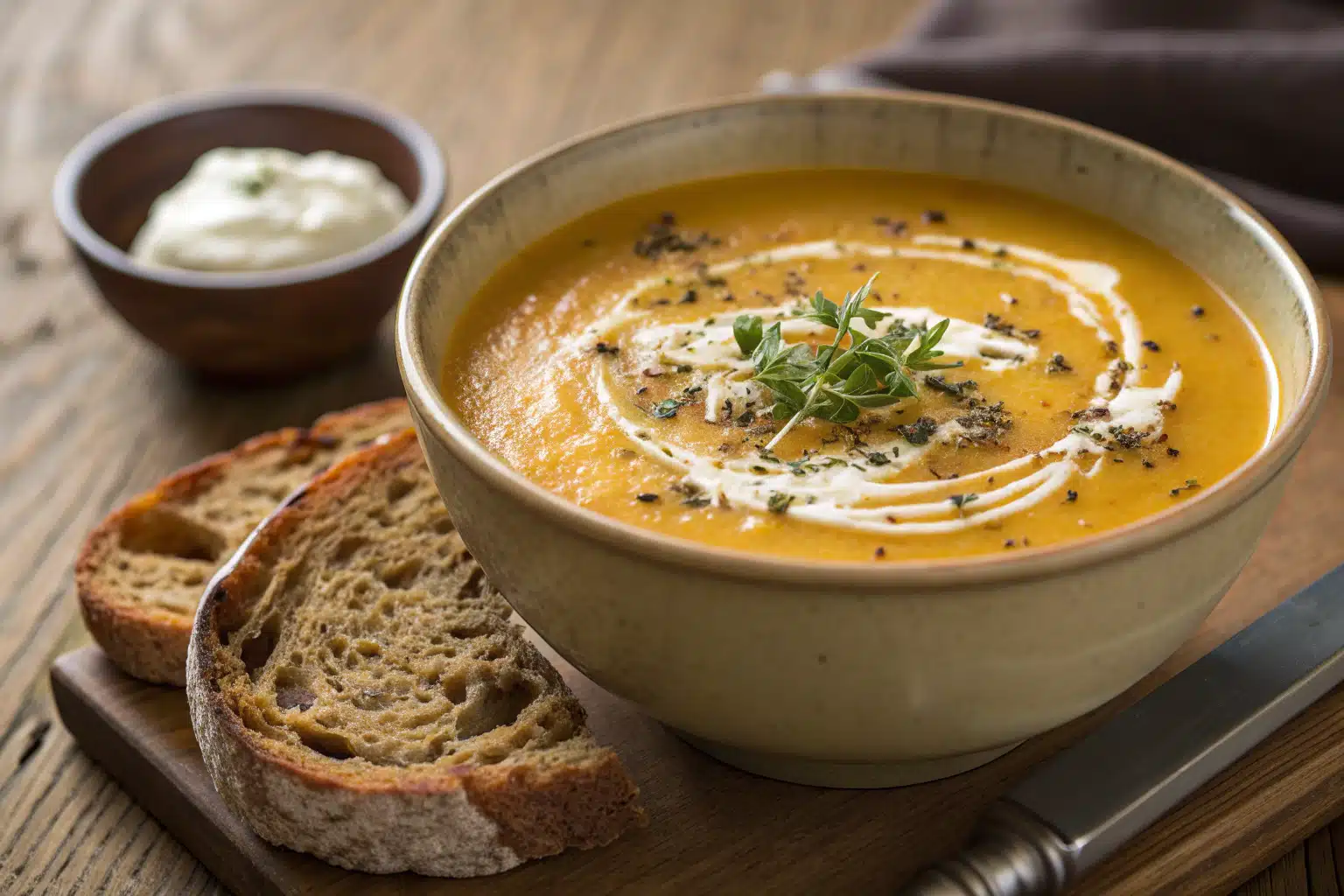
Butternut squash soup has earned its place as a beloved autumn classic for good reason. This velvety, rich, and comforting dish captures the essence of fall with its warm, earthy flavors and vibrant orange hue. As temperatures drop and leaves change color, there’s nothing quite like cradling a bowl of homemade butternut squash soup to warm both body and soul. Furthermore, this nutritious soup is packed with vitamins, fiber, and antioxidants, making it not just delicious but also incredibly good for you.
“Looking for inspiration? Try our butternut squash recipes” for more delicious ideas to utilize this versatile fall vegetable.
The Magic of Simple Ingredients
What makes butternut squash soup truly special is its simplicity. With just a handful of fresh ingredients, you can create a restaurant-quality soup that tastes like it took hours to prepare. The natural sweetness of butternut squash pairs beautifully with aromatic herbs and spices, creating a symphony of flavors that dance on your palate. Additionally, this soup is incredibly versatile – you can dress it up with various toppings or keep it elegantly simple. The best part? Most of the cooking time is hands-off, allowing you to multitask while your kitchen fills with the most incredible aroma.
Butternut Squash Soup Ingredients
Essential Components for Perfect Butternut Squash Soup
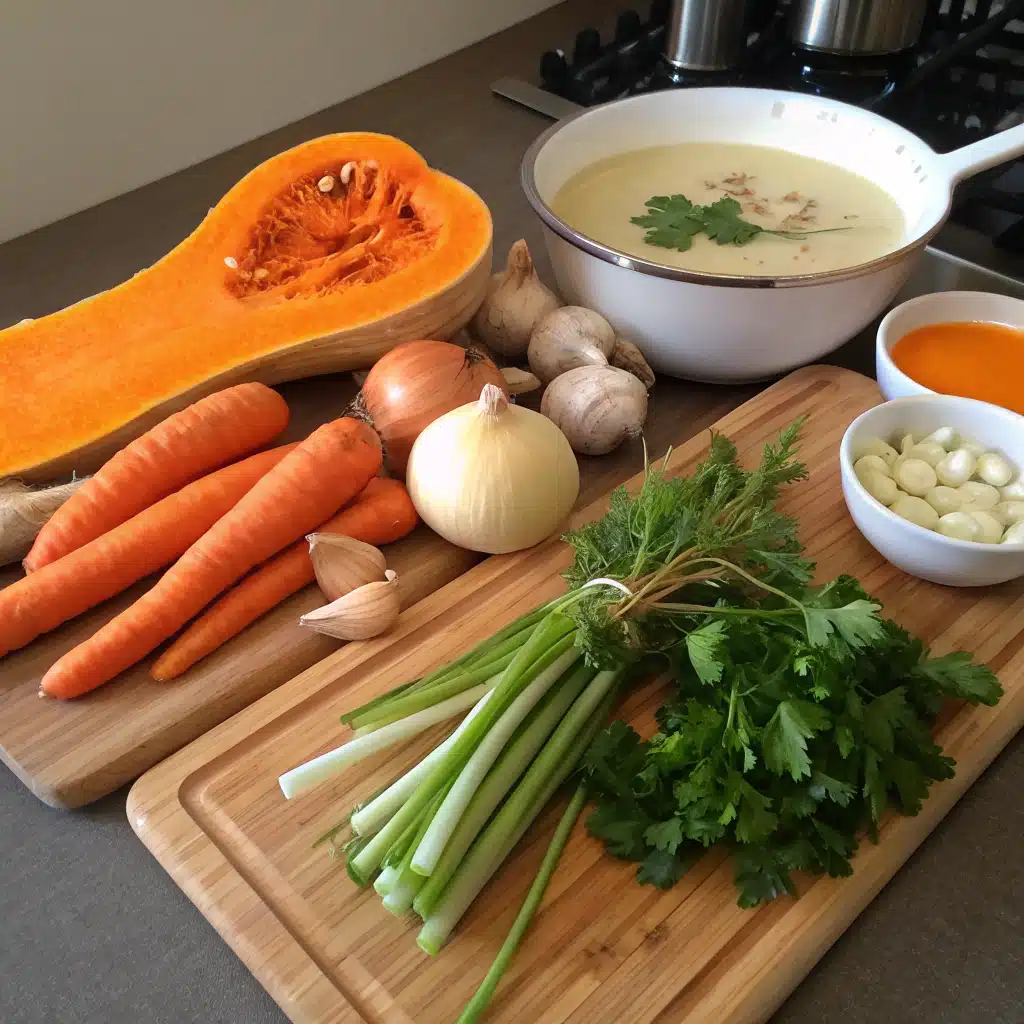
Creating the best butternut squash soup starts with selecting quality ingredients. At the heart of this recipe is, of course, the butternut squash itself – look for one that feels heavy for its size with smooth, unblemished skin. Additionally, aromatic vegetables like onions and garlic create the flavorful foundation, while fresh herbs elevate the taste profile. Moreover, vegetable broth provides the liquid base, allowing for a rich yet light consistency that can be adjusted to your preference. Finally, high-quality olive oil brings everything together, adding a subtle richness that enhances the natural flavors of the squash.
Fresh Herbs and Spices That Enhance Flavor
The herbs and spices in butternut squash soup are not merely additions – they’re transformative elements that take this dish from good to exceptional. Fresh sage provides an earthy, slightly peppery flavor that perfectly complements the sweetness of the squash. Meanwhile, rosemary adds a distinctive piney aroma and taste that deepens the overall flavor profile. Fresh ginger brings a warming, slightly spicy note that cuts through the richness. Additionally, you can experiment with other complementary spices like cinnamon, nutmeg, or curry powder to create your own unique version.
| Ingredient | Quantity | Notes |
|---|---|---|
| Extra-virgin olive oil | 2 tablespoons | High-quality oil will enhance flavor |
| Yellow onion (chopped) | 1 large | Provides aromatic base |
| Sea salt | ½ teaspoon | Enhances all flavors |
| Butternut squash (peeled, seeded, cubed) | 1 (3-pound) | Main ingredient |
| Garlic cloves (chopped) | 3 | Adds depth of flavor |
| Fresh sage (chopped) | 1 tablespoon | Earthy, herbaceous note |
| Fresh rosemary (minced) | ½ tablespoon | Aromatic, piney flavor |
| Fresh ginger (grated) | 1 teaspoon | Adds warmth and subtle spice |
| Vegetable broth | 3 to 4 cups | Adjustable for desired consistency |
| Black pepper | To taste | Freshly ground is best |
| Parsley (chopped) | For garnish | Adds fresh color and flavor |
| Toasted pepitas | For garnish | Provides delightful crunch |
| Crusty bread | For serving | Perfect for dipping |
Step-by-Step Butternut Squash Soup Preparation
Preparing Your Vegetables for Maximum Flavor
Before diving into the cooking process, proper preparation of your vegetables is crucial for developing maximum flavor in your butternut squash soup. Start by thoroughly washing all produce. Next, peel the butternut squash using a sharp vegetable peeler, cut it in half lengthwise, and scoop out the seeds with a spoon. Then, cut the squash into uniform 1-inch cubes to ensure even cooking. For the onion, remove the skin and chop it into small pieces. Mince the garlic cloves finely, as this will allow their flavor to disperse evenly throughout the soup. Finally, chop the fresh herbs just before adding them to preserve their aromatic oils and flavors.
“Don’t miss our chicken soup with potatoes for another comforting soup option” that’s perfect for chilly days.
Cooking Process for Velvety Smooth Results
The cooking process for butternut squash soup is straightforward but requires attention to detail for the best results. Start by warming olive oil in a large pot on medium heat. Stir in the chopped onion and a pinch of salt, cooking for 5–8 minutes until the onions turn soft and translucent. This slow cooking process caramelizes the onions slightly, adding a subtle sweetness. Next, add the cubed butternut squash and cook for 8 to 10 minutes, stirring occasionally, until it begins to soften around the edges. Then, add the garlic, sage, rosemary, and ginger, stirring constantly for 30 seconds to 1 minute until fragrant – this brief cooking releases their essential oils without burning. Subsequently, pour in 3 cups of vegetable broth, bring to a boil, then reduce to a simmer and cover. Cook for 20 to 30 minutes until the squash is completely tender when pierced with a fork.
Blending Techniques for Perfect Consistency
- Allow the soup to cool slightly before blending to prevent accidents with hot liquid.
- Transfer the soup to a blender, working in batches if necessary to avoid overfilling.
- Secure the lid and place a kitchen towel over the top for extra protection from hot splashes.
- Start blending on low speed before gradually increasing to high for the smoothest texture.
- If the soup is too thick, add additional vegetable broth, up to 1 cup, while blending.
- For an ultra-silky consistency, blend for at least 1-2 minutes per batch.
- Return the blended soup to the pot to reheat gently before serving.
- Taste and adjust seasoning with additional salt and freshly ground black pepper as needed.

Tips for Perfect Butternut Squash Soup
Common Mistakes to Avoid
Creating perfect butternut squash soup requires avoiding several common pitfalls that can compromise its flavor and texture. First, resist the urge to rush the cooking process – allowing the onions to properly soften and the squash to fully cook develops crucial depth of flavor. Additionally, many cooks mistakenly oversalt early in the process; it’s better to start with less and adjust after blending when you can truly taste the finished product. Furthermore, avoid using pre-cut butternut squash if possible, as it often dries out and loses flavor. Another frequent error is overcrowding the pot, which causes the vegetables to steam rather than sauté – work in batches if necessary. Finally, don’t skip the step of allowing the soup to cool slightly before blending, as hot soup can create pressure in the blender, potentially causing dangerous spills or burns.
Seasonal Variations and Adjustments
Butternut squash soup can be adapted throughout the year to match seasonal ingredients and flavor preferences. In fall, embrace warming spices like cinnamon, nutmeg, or cloves for a cozy version that celebrates harvest flavors. During winter, add hearty elements like wild rice or white beans for a more substantial meal. Spring calls for lighter variations – try incorporating fresh spring herbs like chives or tarragon and a squeeze of lemon for brightness. Summer versions can feature garden-fresh herbs and even a swirl of basil pesto. Moreover, you can adjust the consistency based on the season – thicker, creamier soups work well in colder months, while thinner versions feel more refreshing in warmer weather.
“Here’s your guide to cozy homemade chicken noodle soup” for another delicious soup option.
Balancing Flavors Like a Professional Chef
The mark of a truly exceptional butternut squash soup is perfect balance – sweet, savory, acidic, and spicy elements working in harmony. If your soup tastes too sweet, counterbalance with acid by adding a small splash of apple cider vinegar or fresh lemon juice. Conversely, if it seems flat or one-dimensional, a pinch of salt often works wonders to elevate all the flavors. Furthermore, consider the role of fat in creating balance – a drizzle of good olive oil or a dollop of yogurt just before serving can add richness and mouthfeel. For depth, don’t underestimate umami elements like a small amount of miso paste or nutritional yeast. Additionally, texture contrasts create interest – smooth soup paired with crunchy toppings provides a more engaging eating experience. Finally, remember that heat isn’t just about spiciness – the warmth from fresh ginger or a hint of cayenne adds complexity without overwhelming.
Storing and Freezing Butternut Squash Soup
Best Practices for Refrigeration
Properly storing butternut squash soup ensures you can enjoy its delicious flavor for days after cooking. After the soup has cooled completely, transfer it to airtight containers, leaving about half an inch of space at the top to allow for slight expansion. In the refrigerator, butternut squash soup will maintain its quality for 3-4 days when stored at or below 40°F (4°C). Before reheating, stir the soup well as some separation may occur during storage. Additionally, reheat only the portion you plan to consume rather than repeatedly warming the entire batch, which can degrade the flavor and texture. If you notice any off smells or see mold forming, discard the soup immediately rather than risking foodborne illness.
Freezing Methods for Long-Term Storage
Butternut squash soup freezes exceptionally well, making it perfect for meal prep and enjoying later in the season. For best results, cool the soup completely before packaging it for the freezer. Then, portion the soup into freezer-safe containers or heavy-duty freezer bags, removing as much air as possible to prevent freezer burn. For added convenience, freeze in individual portions for easy single-serving meals. Alternatively, use silicone muffin trays or ice cube trays to freeze smaller portions that can be added to other dishes. Label each container with the date and contents, as the soup will maintain optimal quality for up to 3 months in the freezer. For larger batches, consider vacuum sealing, which can extend freezer life to 6 months or more.
“Check out our easy homemade chicken pot pie recipe” for another make-ahead comfort food option.
Reheating Without Losing Flavor and Texture
Reheating butternut squash soup properly ensures you’ll enjoy the same delicious flavor and velvety texture as when freshly made. For refrigerated soup, reheat gently on the stovetop over medium-low heat, stirring occasionally to prevent scorching and ensure even warming. Alternatively, microwave in a covered container at 70% power, stirring every minute until reaching the desired temperature.
For frozen soup, thaw overnight in the refrigerator for the best texture results, then reheat using the methods above. If reheating directly from frozen, use a saucepan over low heat with a splash of additional broth or water to prevent scorching as it thaws. During reheating, you may need to adjust the consistency by adding a little vegetable broth if the soup has thickened. Additionally, refresh the flavors by adding a small amount of fresh herbs just before serving. Finally, consider adding a new garnish – a drizzle of cream, fresh herbs, or toasted seeds – to revitalize the presentation.
Delicious Butternut Squash Soup Variations
International Flavor Inspirations
Butternut squash soup serves as an excellent canvas for exploring global flavor profiles. For a Thai-inspired version, add coconut milk, red curry paste, and a squeeze of lime for a soup that’s creamy with a perfect balance of sweet, spicy, and tangy. Alternatively, create a Moroccan variation by incorporating warming spices like cumin, coriander, and cinnamon, along with a handful of chickpeas for texture and protein.
For an Indian twist, curry powder, turmeric, and a swirl of yogurt create a vibrant and aromatic soup. Mexican-inspired butternut squash soup benefits from the addition of chipotle peppers in adobo sauce, providing smoky heat that contrasts beautifully with the squash’s sweetness. French-inspired versions often include a touch of cognac or brandy and fresh thyme. Japanese variations might include miso paste and a dash of soy sauce for umami depth. Each international adaptation maintains the soul of butternut squash soup while offering a delightful culinary journey.
Vegan, Vegetarian, and Dietary Adaptations
Butternut squash soup naturally lends itself to various dietary preferences with simple adaptations. The base recipe is already vegetarian when made with vegetable broth, and it’s also naturally vegan if you avoid dairy-based garnishes. For those seeking higher protein content, consider adding white beans or red lentils during cooking, which will blend seamlessly into the finished soup while boosting nutritional value. Keto adaptations can include using less squash and incorporating cauliflower for bulk, along with added healthy fats like coconut cream or avocado oil. For paleo diets, ensure your broth is compliant and consider adding bone broth for added nutrition. Those following gluten-free diets will be pleased to know that traditional butternut squash soup is naturally gluten-free – just be cautious with store-bought broths, which sometimes contain gluten. Finally, for low-sodium diets, use unsalted broth and enhance flavor with herbs and spices rather than salt.
“Want more ideas? Check out our creamy chicken linguine recipe” for another comforting meal option.
Creative Add-Ins and Substitutions
Experimenting with add-ins and substitutions can transform basic butternut squash soup into countless unique variations. For added texture, consider stirring in cooked quinoa, wild rice, or farro just before serving. Protein additions might include crispy pancetta, shredded chicken, or roasted chickpeas sprinkled on top. Cheese lovers can explore adding grated Gruyère, crumbled blue cheese, or a Parmesan crisp as a garnish.
For fruit-forward variations, try adding a diced apple during cooking or a garnish of pomegranate seeds for bright, juicy bursts of flavor. Nut butters like almond or cashew can be swirled in for richness and protein. Additionally, consider vegetable substitutions – sweet potatoes or carrots can partially replace butternut squash while maintaining the beautiful orange color and sweet profile. For the adventurous, a drizzle of maple balsamic reduction or chili oil can add sophisticated finishing touches. Remember that add-ins often work best as garnishes, preserving the soup’s silky texture while adding interest to each spoonful.
Serving Your Butternut Squash Soup
Elegant Garnishing Ideas
The presentation of butternut squash soup can elevate it from a simple weeknight meal to an impressive dinner party starter. For visual appeal, consider creating a pattern on the soup’s surface – drizzle cream, yogurt, or herb oil in a spiral, then draw a toothpick through it to create a beautiful design. Additionally, contrast is key – the vibrant orange soup provides a perfect background for garnishes in complementary colors. Fresh herbs like sage leaves (briefly fried until crisp), delicate chervil sprigs, or microgreens add both color and flavor. Crunchy elements not only taste wonderful but also add textural interest – try sprinkling toasted pepitas, pine nuts, or homemade croutons on top. For special occasions, a few drops of truffle oil or a small spoonful of crème fraîche create luxurious finishing touches. Finally, edible flowers like nasturtiums or pansies make for stunning presentation when entertaining guests.
Perfect Pairings and Side Dishes
Butternut squash soup pairs beautifully with complementary flavors and textures to create a complete meal experience. Crusty artisan bread or warm, flaky biscuits are classic accompaniments, perfect for dipping into the velvety soup. For a more substantial meal, consider serving the soup alongside a robust salad featuring bitter greens like arugula with a vinaigrette dressing to cut through the soup’s richness. Savory tarts or quiches with caramelized onions and gruyère cheese complement the sweet notes in the soup. If serving as a first course, follow with a main dish that isn’t too heavy – perhaps a herb-roasted chicken or pan-seared fish. For a festive touch during holiday gatherings, cranberry-studded crostini make delightful accompaniments that add both flavor contrast and seasonal flair.
“Discover great ideas like our creamy ranch chicken” to serve after your soup course.
Meal Planning and Menu Integration
Butternut squash soup fits seamlessly into various meal planning scenarios and menu designs. For weeknight efficiency, prepare a large batch on Sunday, then pair with different accompaniments throughout the week – a simple green salad one night, a grilled cheese sandwich the next, perhaps stuffed mushrooms another evening. When hosting, consider butternut squash soup as your elegant first course before a main featuring complementary flavors – perhaps a sage-butter pasta or a roasted pork loin with apple compote.
For holiday menus, this soup makes a sophisticated starter that won’t fill guests before the main attraction. Additionally, butternut squash soup works beautifully in progressive dinner parties – serve it in shot glasses as an amuse-bouche or in small cups as a transitional course. For lunch planning, portion the soup into thermos containers alongside half-sandwiches or cheese and crackers for balanced, portable meals. Furthermore, consider seasonal menu planning – in autumn, pair with dishes featuring other harvest vegetables; in winter, complement with heartier sides like roasted root vegetables.

Frequently Asked Questions About Butternut Squash Soup
What is in butternut squash soup?
It’s made with peeled butternut squash, onions, garlic, herbs like sage or rosemary, and vegetable broth. Olive oil, salt, and pepper add flavor, while carrots, apples, or potatoes may appear in some versions. Cream or coconut milk gives it extra smoothness once blended.
What does butternut squash soup taste like?
It tastes naturally sweet and nutty with earthy warmth. Similar to pumpkin but lighter, it’s velvety and balanced, with herbs and spices adding gentle depth and a cozy aroma.
How to enhance the flavor of butternut squash soup?
Roast the squash first for caramelized sweetness. Sauté onions and garlic well, toast spices before adding liquid, and season gradually. Finish with lemon juice or vinegar for brightness and top with herbs, seeds, or cream for contrast.
Should I add lemon to butternut squash soup?
Yes, but sparingly. A small squeeze before serving brightens flavors and offsets sweetness. Too much can overpower; lemon zest offers milder citrus notes without sharp acidity.
How can I thicken up my butternut squash soup?
Simmer uncovered to reduce liquid or blend in extra squash or cooked potato. A small cornstarch slurry or a bit of uncooked rice also thickens when blended. For creaminess, stir in coconut or dairy cream off the heat.
Do you add heavy cream to butternut squash soup?
Optional. A little cream makes it silkier and richer, but the pureed squash alone is naturally smooth. Coconut milk or cashew cream are great dairy-free alternatives added after blending.
Conclusion: Mastering Butternut Squash Soup
From Beginner to Expert: Your Soup Journey
Mastering butternut squash soup is a rewarding culinary journey that evolves with practice and experimentation. As a beginner, follow the basic recipe closely, focusing on proper vegetable preparation and cooking times. Once comfortable with the fundamentals, start exploring small variations – perhaps adjusting the herb balance or trying different garnishes. Intermediate cooks might experiment with cooking methods, such as roasting the squash first for deeper flavor or incorporating different aromatics.
Advanced soup makers can develop signature versions by playing with international flavor profiles, creating complex garnishes, or perfecting the ideal texture through specialized blending techniques. Throughout this progression, pay attention to how each adjustment affects the final result, developing your palate and intuition. Remember that even expert chefs continue to refine their recipes, finding joy in the subtle improvements that come with each new batch. With each pot of butternut squash soup you prepare, you’ll gain confidence and develop a deeper appreciation for this versatile dish.
“Learn more about buttercup squash recipes” to expand your winter squash cooking repertoire.
Seasonal Enjoyment Year-Round
While butternut squash soup is traditionally associated with autumn, its versatility allows for enjoyment throughout the year with seasonal adaptations. In fall and winter, embrace the soup’s warming qualities with heartier versions featuring warming spices and substantial garnishes. As spring arrives, lighten the soup with fresh herbs like mint or dill and perhaps a dollop of tangy yogurt instead of cream.
Summer variations can incorporate garden-fresh herbs and be served at room temperature or even chilled for a refreshing option on warmer days. Additionally, preserving techniques allow you to enjoy this soup year-round – freeze portions during peak squash season or try pressure canning for shelf-stable storage. Modern grocery availability means butternut squash can be found throughout the year, though it’s most flavorful and economical during its natural harvest season in the fall. By adjusting preparation methods, garnishes, and accompaniments, butternut squash soup transcends its seasonal reputation to become a versatile staple in your cooking repertoire for any time of year.
PrintButternut Squash Soup

Creamy, velvety butternut squash soup made with fresh herbs and warming spices – the perfect comfort food for fall and winter days.
- Prep Time: 15 minutes
- Cook Time: 40 minutes
- Total Time: 55 minutes
- Yield: 4–6 servings 1x
- Category: Soups
- Cuisine: American
Ingredients
- 2 tablespoons extra-virgin olive oil
- 1 large yellow onion, chopped
- ½ teaspoon sea salt
- 1 (3-pound) butternut squash, peeled, seeded, and cubed
- 3 garlic cloves, chopped
- 1 tablespoon chopped fresh sage
- ½ tablespoon minced fresh rosemary
- 1 teaspoon grated fresh ginger
- 3 to 4 cups vegetable broth
- Freshly ground black pepper
- Chopped parsley for serving
- Toasted pepitas for serving
- Crusty bread for serving
Instructions
- Warm the olive oil in a large pot set over medium heat. Add onion and salt, then sauté until soft and translucent, about 5-8 minutes.
- Add cubed butternut squash and cook for 8-10 minutes, stirring occasionally, until it begins to soften.
- Stir in garlic, sage, rosemary, and ginger. Cook for 30 seconds to 1 minute until fragrant.
- Add 3 cups of vegetable broth, bring to a boil, then reduce heat, cover, and simmer for 20-30 minutes until squash is completely tender.
- Allow soup to cool slightly, then carefully transfer to a blender and puree until smooth.
- If soup is too thick, add remaining broth while blending to reach desired consistency.
- Return to pot, season with black pepper to taste, and reheat if necessary.
- Serve garnished with fresh parsley, toasted pepitas, and crusty bread on the side.
Notes
For a dairy-free version, avoid cream garnishes. For added richness, a swirl of coconut milk or cashew cream works beautifully.
Nutrition facts are estimates and may vary based on ingredients used, portion sizes, and preparation methods.
Nutrition
- Serving Size: 4-6 servings
- Calories: 180
- Sugar: 5g
- Sodium: 620mg
- Fat: 7g
- Saturated Fat: 1g
- Trans Fat: 0g
- Carbohydrates: 30g
- Fiber: 5g
- Protein: 3g
- Cholesterol: 0mg
Keywords: butternut squash soup, creamy soup, fall soup, squash recipe, healthy soup
Let’s connect! Follow me for more Joylicious Recipes: Facebook, Instagram, Pinterest