
Irresistible Cheddar Rosemary Sourdough: A Flavor Explosion in Every Bite
The Perfect Marriage of Sharp Cheese and Aromatic Herbs
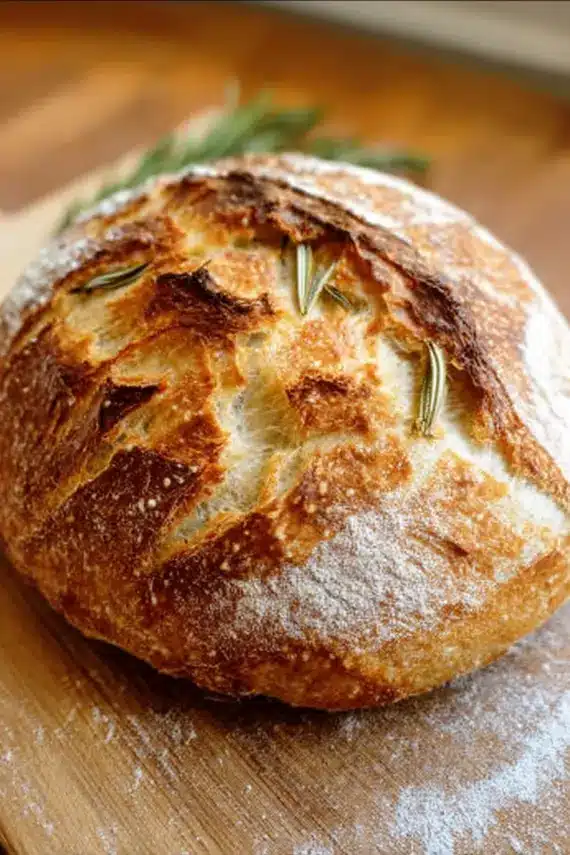
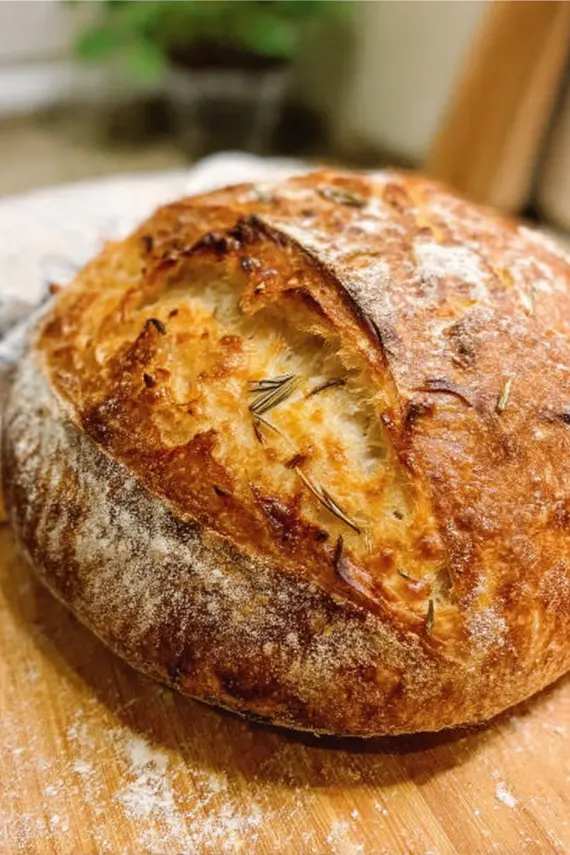
Cheddar Rosemary Sourdough transforms the ordinary bread-baking experience into something truly extraordinary. The tangy complexity of a mature sourdough starter pairs brilliantly with pockets of melted sharp cheddar and fragrant rosemary, creating a bread with beautiful texture and unforgettable flavor. The golden, crusty exterior gives way to a chewy, open crumb studded with savory cheese and aromatic herbs that will fill your kitchen with an intoxicating scent as it bakes. “The Homemade Naan Fluffy Flatbread offers similar aromatic qualities but with a completely different texture and cooking method.”
This artisanal bread is perfect for elevating your breakfast toast, creating memorable sandwiches, or simply enjoying alongside soups and stews. It’s impressive enough for special gatherings yet practical enough for everyday enjoyment, making it a versatile addition to your bread-baking repertoire. The combination of sharp cheddar and aromatic rosemary creates a bread that stands confidently on its own but also complements countless meal options.
Essential Elements for Cheese and Herb Sourdough Success
Quality Ingredients Make All the Difference
Creating exceptional Cheddar Rosemary Sourdough begins with selecting the right ingredients. Each component plays a crucial role in developing the bread’s distinctive flavor profile and texture.
| Core Ingredients | Quantity | Notes |
|---|---|---|
| Bread flour | 3 cups (375g) | Higher protein content for better gluten development |
| Active sourdough starter | 1 cup (240g) | Fed 4-8 hours before use, should be bubbly and active |
| Water | 1 cup (240ml) | Room temperature or slightly warm (75-80°F) |
| Salt | 1 ½ tsp (9g) | Fine sea salt recommended for even distribution |
| Sharp cheddar cheese | 1 cup (120g), grated | Aged cheddar provides more robust flavor |
| Fresh rosemary | 2 tbsp, finely chopped | Strip leaves from stems before measuring |
| Olive oil | 2 tbsp | Extra virgin for better flavor |
Enhancing Your Sourdough Experience
For those looking to take their herb infused sourdough to the next level, consider these optional enhancements:
| Optional Add-ins | Quantity | Purpose |
|---|---|---|
| Cracked black pepper | 1 tsp | Adds subtle spice that complements the cheese |
| Garlic powder | ½ tsp | Enhances savory flavor profile |
| Dried thyme | 1 tsp | Pairs beautifully with rosemary |
| Parmesan cheese | ¼ cup, finely grated | Adds depth to the cheese flavor |
| Chopped walnuts | ¼ cup | Provides textural contrast and nutty flavor |
| Coarse sea salt | 1 tsp | For sprinkling on top before baking |
| Rice flour | 2 tbsp | For dusting the proofing basket to prevent sticking |
“The Herb-Roasted Beef Tenderloin uses a similar technique of infusing herbs for maximum flavor impact.”
Master the Craft: Creating Your Perfect Artisan Loaf Step-by-Step
Foundational Techniques for Sourdough Success
Follow these detailed instructions to create a flavorful and beautiful Cheddar Rosemary Sourdough loaf. Each step builds on the previous one to develop the complex flavors and perfect texture that make this bread special.
- Create the initial dough mixture: In a large bowl, combine 3 cups of bread flour, 1 cup of active sourdough starter, 1 cup of room temperature water, and 1 ½ teaspoons of salt. Mix with a wooden spoon or dough whisk until a shaggy, rough dough forms with no dry flour patches remaining. The dough will look somewhat ragged and uneven at this stage, which is perfect.
- Develop the gluten structure: Turn the dough out onto a lightly floured work surface. Knead for approximately 8 minutes, pushing the dough away with the heel of your hand, then folding it back toward you. The dough is ready when it becomes smooth, elastic, and slightly tacky but not overly sticky. It should pass the windowpane test—a small piece should stretch thin enough to see light through without tearing.
- Incorporate the flavor elements: Gently flatten the dough into a rough rectangle. Sprinkle ¾ of the grated cheddar cheese and chopped rosemary evenly across the surface. Fold the dough like a letter in thirds, then fold in the sides to create a rough square. Knead lightly for 1-2 minutes to distribute the cheese and herbs throughout the dough without overworking it. Let the dough rest for 15 minutes, covered with a damp cloth, to allow the gluten to relax.
- Begin the fermentation process: Place the dough in a lightly oiled bowl, turning once to coat all surfaces. Cover with plastic wrap or a damp kitchen towel. Allow the dough to rise at room temperature (68-72°F) for approximately 4 hours, or until it has noticeably doubled in size. The dough should look puffy and feel aerated when gently poked.
- Shape and prepare for final rise: Gently turn the dough out onto a lightly floured surface, being careful not to deflate it completely. Fold the edges toward the center to create tension on the surface, then flip over and use your hands to rotate and shape it into a round boule or oval batard. Place the shaped loaf on a sheet of parchment paper, seam side down. Drizzle with 2 tablespoons of olive oil, spreading it evenly across the surface with your fingertips. Sprinkle the remaining cheese on top. Let it rest for 30 minutes while the oven preheats.
- Create the perfect baking environment: Place a Dutch oven or heavy baking sheet in the oven and preheat to 450°F for at least 30 minutes. This creates a hot surface that will help develop a beautiful crust. When ready to bake, carefully score the top of the loaf with a sharp knife or bread lame to control expansion during baking.
- Bake to golden perfection: Carefully transfer the dough on its parchment paper to the preheated Dutch oven or baking sheet. If using a Dutch oven, cover with the lid for the first 20 minutes to create steam. Bake for 30-35 minutes total, removing the lid after 20 minutes if applicable, until the crust develops a deep golden-brown color and the internal temperature reaches 205-210°F. The bread should sound hollow when tapped on the bottom. Cool completely on a wire rack for at least 1 hour before slicing to allow the crumb structure to set.
“For a hearty meal pairing, consider serving this bread alongside Parmesan Meatball Soup for a comforting and satisfying combination.”
Baker’s Secrets: Elevating Your Cheddar Rosemary Creation
Professional Techniques for Home Bakers
These expert tips will help you perfect your cheddar bread recipe and achieve bakery-quality results right in your home kitchen:
- Starter readiness is critical: For the best flavor development and rise, use your sourdough starter at its peak activity—usually 4-8 hours after feeding when it has doubled in volume and shows plenty of bubbles on the surface.
- Temperature control matters: Dough fermentation is greatly affected by ambient temperature. In cooler kitchens (below 68°F), extend rise times by 30-60 minutes. In warmer conditions (above 75°F), check for doubling earlier than the recommended 4 hours.
- Cheese selection affects texture: While pre-shredded cheese is convenient, freshly grated cheese melts more evenly and creates better pockets of flavor. For drier crumb, use aged cheddar; for gooier pockets, select a younger, higher-moisture cheddar.
- Hydration adjustments: Different brands of flour absorb water differently. Start with slightly less water than called for (about ¾ cup) and gradually add more until you achieve a tacky but workable dough that’s not overly sticky.
- Scoring technique: A confident, decisive slash about ¼-inch deep creates the best expansion. For decorative effects, try multiple parallel slashes or a cross pattern on top. Slightly wetting your knife or lame prevents dragging.
- Steam creation alternatives: If you don’t have a Dutch oven, place a metal baking pan on the oven floor during preheating, then add 1 cup of ice cubes when you put in your bread. The resulting steam helps develop a crackling crust.
- Herb potency control: Fresh rosemary can be quite potent. For a milder herb flavor that doesn’t overwhelm the cheese, bruise rather than finely chop the rosemary leaves to release their oils gradually during baking.
“For a complete meal experience, try serving this bread with Fettuccine Alfredo where the crusty sourdough makes an excellent vehicle for soaking up extra sauce.”
Preserve the Perfect Loaf: Storage Solutions for Fresh-Baked Goodness
Maintaining Maximum Flavor and Texture
Proper storage is essential for preserving the quality of your artisan cheese bread. Follow these guidelines to maintain the perfect texture and flavor of your Cheddar Rosemary Sourdough:
The first 24 hours after baking are critical for your loaf. Store it at room temperature with the cut side down on a wooden cutting board, covering only the exposed end with a clean kitchen towel. This approach maintains the perfect balance—keeping the crust crisp while preventing the interior from drying out too quickly.
For storage beyond the first day, wrap the bread in a clean cotton cloth or place it in a paper bag. Avoid plastic bags as they trap moisture, causing the crust to soften and potentially encouraging mold growth. If using a bread box, select one with adequate ventilation to prevent humidity buildup.
To extend shelf life beyond 2-3 days, slice the remaining bread and freeze it. Place parchment paper between slices for easy separation, then store in a freezer-safe container or bag. Frozen slices can be toasted directly from frozen—a method that revitalizes the texture beautifully, creating a crisp exterior while maintaining a tender interior.
For the ultimate revival of day-old bread, try this professional bakery trick: lightly spritz the loaf with water and place in a 350°F oven for 5-7 minutes. This rehydrates the crumb and re-crisps the crust, making it almost indistinguishable from freshly baked.
If your bread has become slightly stale but isn’t moldy, transform it into delicious cheese and herb croutons, breadcrumbs for gratins, or the base for a savory bread pudding. The rosemary and cheddar flavors add wonderful complexity to these repurposed dishes.
“The Best Steak Bites recipe pairs exceptionally well with fresh Cheddar Rosemary Sourdough for a complete meal with complementary flavors.”
Creative Twists on the Classic: Reinventing Your Sourdough Experience
Customized Flavor Profiles for Every Palate
The beauty of this artisan cheese bread lies in its adaptability. Try these inventive variations to customize your Cheddar Rosemary Sourdough experience:
Mediterranean Olive and Feta Version
Transform your loaf with a Mediterranean twist by replacing the cheddar with 3/4 cup of crumbled feta cheese and adding 1/2 cup of chopped Kalamata olives. Keep the rosemary, but add 1 tablespoon of dried oregano and a teaspoon of lemon zest. This variation creates a bread with bright, tangy notes perfect for serving alongside Greek-inspired meals or simple olive oil dipping.
Smoky Gouda and Caramelized Onion Adaptation
For a deeply savory profile, substitute smoked Gouda for the cheddar and incorporate 1/2 cup of caramelized onions (cooled before adding to the dough). Replace rosemary with 1 tablespoon of fresh thyme. The combination of smoky cheese and sweet onions creates an irresistible depth of flavor that pairs beautifully with roasted meats or hearty soups.
Jalapeño Cheddar Variation
Spice lovers will appreciate this adaptation that maintains the cheddar but replaces rosemary with 2-3 finely diced jalapeños (seeds removed for moderate heat or included for extra spice). Add 1 teaspoon of ground cumin and 1/2 teaspoon of garlic powder to enhance the southwestern flavor profile. This creates a perfect accompaniment to chili or Mexican-inspired meals.
Whole Grain Rustic Version
For a more nutritious twist, substitute 1 cup of the bread flour with whole wheat flour or ancient grain flour blend (such as spelt or einkorn). Add 2 tablespoons of flax seeds or sunflower seeds to the dough, and top with oats before baking. The cheddar and rosemary remain, creating a heartier, nuttier loaf with excellent nutritional benefits.
Sweet and Savory Apple Cheddar Adaptation
Create an unexpected flavor combination by adding 1/2 cup of finely diced dried apples and substituting aged white cheddar for the standard cheddar. Replace half the rosemary with 1 teaspoon of cinnamon. The result is a bread that bridges sweet and savory profiles, perfect for breakfast or serving alongside fall soups and stews.
Garlic Herb Intensified Version
Double down on aromatics by adding 4-6 cloves of roasted garlic (mashed into a paste) to the dough. Keep the rosemary, but add 1 tablespoon each of fresh chopped thyme and sage. Use a mixture of Parmesan and cheddar cheeses for a more complex flavor profile. This intensely aromatic version makes exceptional garlic bread when lightly toasted and brushed with butter.
Techniques for Successful Variations
When adapting your rosemary sourdough starter recipe, remember that additional ingredients may affect hydration and fermentation. For wetter add-ins like caramelized onions or roasted garlic, reduce the water in your recipe by 1-2 tablespoons. For drier additions like dried fruits or extra herbs, you might need to increase hydration slightly.
This Ultimate Bold Mediterranean Salad Dressing makes an excellent dipping option for any of these bread variations, especially the Mediterranean olive version.
Enjoying Your Freshly Baked Creation: Presentation and Pairing Ideas
Elevate Your Dining Experience
The rich flavors of Cheddar Rosemary Sourdough deserve to be showcased through thoughtful serving and pairing. These suggestions will help you make the most of your artisanal creation:
For casual family dinners, serve thick slices of slightly warm bread alongside hearty soups like tomato bisque, beef stew, or potato leek soup. The savory cheese and herb notes complement these comfort foods perfectly, making even simple weeknight meals feel special. Place the bread in a cloth-lined basket to keep it warm throughout the meal.
When entertaining guests, create an impressive charcuterie board featuring your sliced sourdough as the centerpiece. Pair with mild cured meats, fig jam, honey, and complementary cheeses like creamy goat cheese or smoky gouda that won’t compete with the cheddar in the bread. Add fresh fruits like apples or pears for brightness and balance.
Transform this special bread into elevated sandwiches by lightly toasting slices and filling them with roasted vegetables, hummus, and microgreens. The cheese and rosemary flavors in the bread add complexity that elevates even simple fillings. For a more substantial option, use it for grilled sandwiches with turkey and additional aged cheddar.
For breakfast or brunch, lightly toast slices and top with soft-scrambled eggs and fresh herbs or smashed avocado with lemon and red pepper flakes. The savory profile of this bread pairs beautifully with morning classics while adding sophisticated flavor notes that elevate the entire dish.
Create simple yet elegant crostini for appetizers by slicing the bread thinly, brushing with olive oil, and toasting until crisp. Top with tomato bruschetta, white bean spread, or caramelized onion jam. The cheese and rosemary infused into the bread provides a flavorful base that requires minimal additional seasoning.
For a rustic dinner presentation, serve a whole loaf at the table with herb-infused olive oil for dipping. Slice just before serving to preserve the crusty exterior and tender interior. This family-style approach encourages sharing and conversation, perfect for gatherings or special family meals.
Timing Your Bake for Optimal Serving
For the best eating experience, time your bake strategically. This bread reaches its flavor peak about 2-3 hours after cooling, when the crust is still crisp but the interior has fully set. For morning serving, consider baking the evening before and reheating briefly to refresh the crust.
Common Questions About Mastering Herb and Cheese Sourdough
Troubleshooting Your Sourdough Journey
My cheese seems to be burning on the outside of the loaf before the bread is fully baked. How can I prevent this?
This is a common challenge with cheese-topped breads. Try reserving about half of your cheese for the inside of the dough and sprinkle the remaining cheese on top during the last 15 minutes of baking instead of before the loaf goes into the oven. Alternatively, cover your loaf loosely with aluminum foil once the top reaches your desired color, then remove it for the final few minutes of baking to crisp up again.
Can I use dried rosemary instead of fresh in this recipe?
Yes, dried rosemary can be substituted in a pinch, but the flavor profile will change slightly. Use 2 teaspoons of dried rosemary in place of the 2 tablespoons fresh, as dried herbs are more concentrated. For the best results, crush the dried rosemary between your fingers or briefly in a mortar and pestle before adding to release the essential oils. Consider hydrating the dried rosemary in a tablespoon of hot water for 5 minutes before incorporating it into your dough for improved texture and flavor distribution.
My dough feels too wet and sticky after adding the cheese. What did I do wrong?
This is normal and happens because cheese releases moisture as it incorporates into the dough. Instead of adding more flour immediately, try using the “stretch and fold” technique during the bulk fermentation. Every 30 minutes for the first 2 hours, gently stretch and fold the dough from each side. This develops gluten and helps the dough absorb the additional moisture. If it remains unworkably sticky after these folds, dust your work surface with just enough flour to make shaping possible, being careful not to incorporate too much additional flour, which can make your bread dense.
How can I tell when my sourdough starter is ready to use in this recipe?
An active, mature rosemary sourdough starter should approximately double in size 4-8 hours after feeding at room temperature. The surface should appear bubbly with a slightly domed top, and a small amount dropped in water should float. The aroma should be pleasantly sour but not overly acidic or alcoholic. If your starter doesn’t meet these criteria, feed it once or twice more at 12-hour intervals before baking. For enhanced flavor development, consider using a starter that has been consistently fed for at least a week.
My bread didn’t rise as much as expected during baking. What might have happened?
Several factors could affect oven spring. First, check that your starter was fully active before mixing the dough. Second, ensure proper gluten development during kneading—the dough should pass the windowpane test. Third, verify that your oven was fully preheated to the correct temperature (an oven thermometer helps). Finally, consider your scoring technique—a clean, deep score gives the bread room to expand. If all these elements were correct, try extending your final proof by 15-30 minutes next time, as underproofed dough often has limited oven spring.
Your New Favorite Bread: Why This Recipe Deserves a Permanent Spot in Your Repertoire
Celebrating the Joy of Artisan Baking at Home
Cheddar Rosemary Sourdough represents the perfect intersection of traditional bread-making techniques and contemporary flavor profiles. The marriage of tangy sourdough with sharp cheddar and aromatic rosemary creates a bread that’s both rustic and sophisticated—impressive enough for special occasions yet practical enough for everyday enjoyment. Each loaf you bake becomes an opportunity to perfect your craft, with subtle variations making each batch a unique expression of your baking style.
The process of creating this artisan cheese bread connects you to generations of bakers who have worked with their hands to transform simple ingredients into something nourishing and delicious. The rhythms of mixing, kneading, and shaping create mindful moments in our busy lives, while the incomparable aroma of baking bread fills your home with comfort and anticipation.
“The One-Pan Cheesy Meat Potatoes Skillet recipe would be wonderfully complemented by a side of this fresh-baked sourdough for an easy yet impressive dinner.”
As you continue your sourdough journey, remember that each loaf teaches you something new about the art and science of bread making. Embrace the subtle variations that come with changes in temperature, humidity, and ingredient quality—these are not flaws but part of the authentic character that makes homemade bread so special. We encourage you to make this Cheddar Rosemary Sourdough your own, adapting it to your taste preferences and creating new family traditions around freshly baked bread.
PrintCheddar Rosemary Sourdough

- Tangy sourdough bread loaded with sharp cheddar and aromatic rosemary.
- A crusty exterior gives way to a chewy, flavorful interior with pockets of melted cheese.
- Perfect for sandwiches, alongside soups, or simply enjoyed with butter.
- Prep Time: 25
- Cook Time: 35
- Total Time: 1 hour
- Yield: 1 large loaf (about 12 servings) 1x
- Category: Breakfast & Brunch
- Method: Baking
- Cuisine: Artisan
Ingredients
- 3 cups (375g) bread flour
- 1 cup (240g) active sourdough starter
- 1 cup (240ml) room temperature water
- 1 ½ tsp (9g) fine sea salt
- 1 cup (120g) sharp cheddar cheese, grated
- 2 tbsp fresh rosemary, finely chopped
- 2 tbsp extra virgin olive oil
- 1 tsp cracked black pepper (optional)
- ½ tsp garlic powder (optional)
- Coarse sea salt for topping (optional)
Instructions
- In a large bowl, combine bread flour, active sourdough starter, water, and salt until a shaggy dough forms.
- Knead the dough on a lightly floured surface for about 8 minutes until smooth and elastic.
- Gently flatten the dough and sprinkle ¾ of the grated cheddar and chopped rosemary evenly across the surface.
- Fold the dough like a letter in thirds, then fold in the sides. Knead lightly for 1-2 minutes to distribute ingredients.
- Let the dough rest for 15 minutes, covered with a damp cloth.
- Place the dough in a lightly oiled bowl, turning once to coat. Cover and let rise at room temperature for 4 hours, or until doubled in size.
- Gently turn the dough out onto a lightly floured surface and shape into a round boule or oval batard.
- Place the shaped loaf on parchment paper, drizzle with olive oil, and sprinkle remaining cheese on top.
- Let rest for 30 minutes while preheating the oven with a Dutch oven or heavy baking sheet to 450°F.
- Score the top of the loaf with a sharp knife or bread lame.
- Carefully transfer the dough on parchment to the preheated Dutch oven or baking sheet.
- Bake covered (if using Dutch oven) for 20 minutes, then uncover and bake for 10-15 more minutes until deep golden brown.
- The bread is done when it reaches an internal temperature of 205-210°F and sounds hollow when tapped on the bottom.
- Cool completely on a wire rack for at least 1 hour before slicing.
Notes
- For best results, make sure your sourdough starter is active and bubbly before beginning.
- Freshly grated cheese melts more evenly than pre-shredded varieties.
- You can substitute dried rosemary (use 2 teaspoons) if fresh is unavailable.
- Store at room temperature in a cloth bag or bread box for up to 3 days, or freeze sliced bread for longer storage.
- Nutrition facts are estimates and may vary based on ingredients used, portion sizes, and preparation methods.
Nutrition
- Serving Size: 1 slice
- Calories: 215
- Sugar: 1
- Sodium: 390
- Fat: 7
- Saturated Fat: 3
- Unsaturated Fat: 4
- Carbohydrates: 30
- Fiber: 1
- Protein: 8
- Cholesterol: 15
Keywords: Cheddar Rosemary Sourdough, cheddar bread recipe, rosemary sourdough starter, herb infused sourdough, artisan cheese bread
Let’s connect! Follow me for more Joylicious Recipes: Facebook, Instagram, Pinterest