Classic Chicken Normandy: A French Apple Cider Delight with Tender Thighs
Introduction: The French Countryside on Your Plate
The Origins of Chicken Normandy
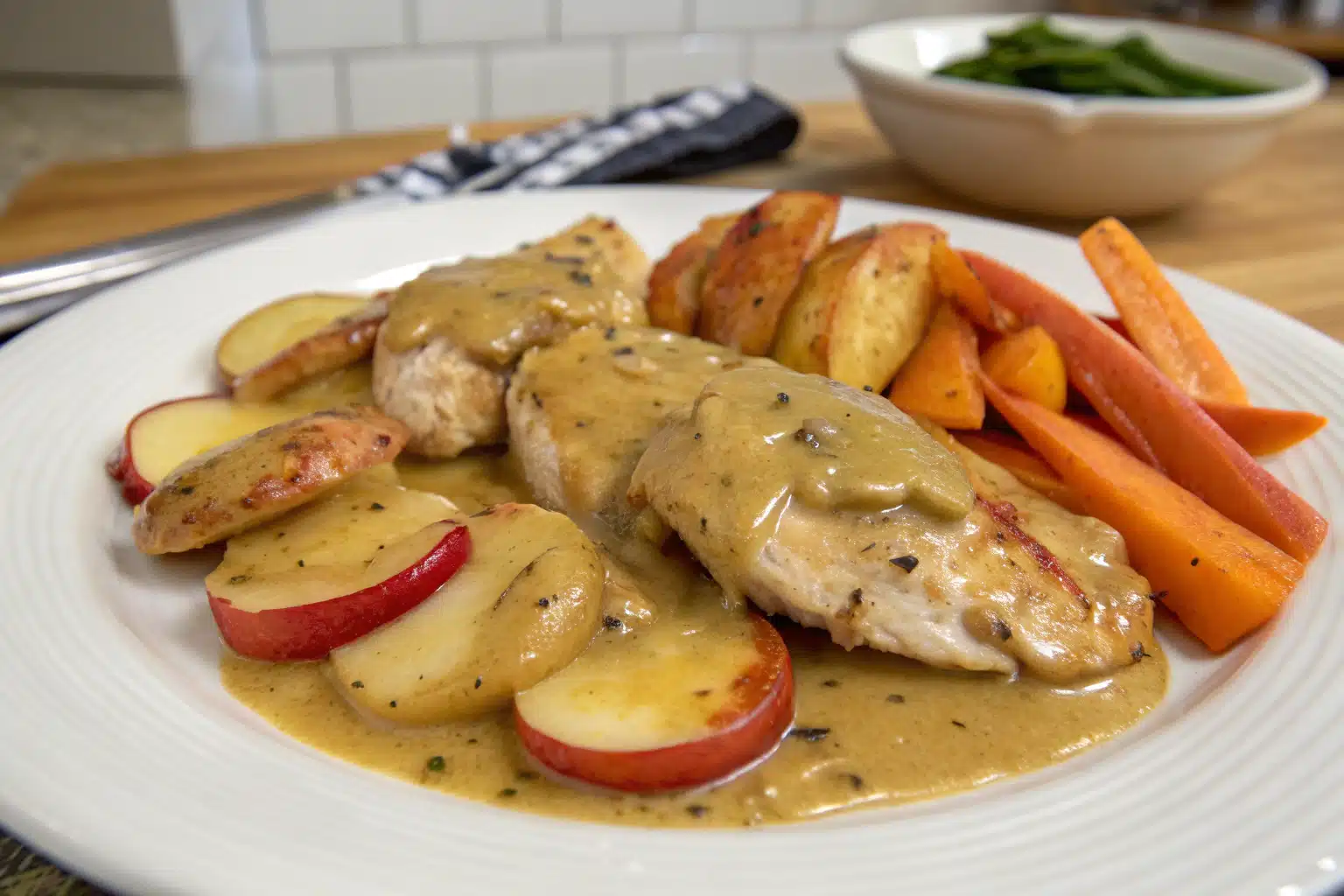
Chicken Normandy, or “Poulet à la Normande” as it’s known in France, is a traditional French dish that showcases the culinary treasures of Normandy, a coastal region in northern France. This comforting, rustic recipe brilliantly combines tender chicken with the region’s famed apples and cream, creating a dish that’s both elegant and hearty. The recipe originated in Normandy, where apple orchards blanket the countryside and dairy farming thrives. Traditionally, chicken Normandy incorporates apple cider and Calvados (apple brandy), but our version uses apple cider alone for an equally delicious, family-friendly meal.
“Looking for inspiration? Try our grilled chicken street tacos for another flavorful poultry dish.”
Why This Recipe Works
What makes chicken Normandy truly special is the perfect marriage of flavors and textures. The natural sweetness from the apples and pear balances beautifully with the savory chicken and aromatic herbs. The sauce, enriched with cream and chicken broth, creates a velvety coating that clings to each bite of chicken. This one-pan wonder transforms everyday ingredients into a restaurant-quality meal that feels both luxurious and comforting. The combination of searing and baking ensures the chicken thighs remain incredibly juicy while developing deep flavor.
Ingredients: Everything You Need for Chicken Normandy
The Star Components
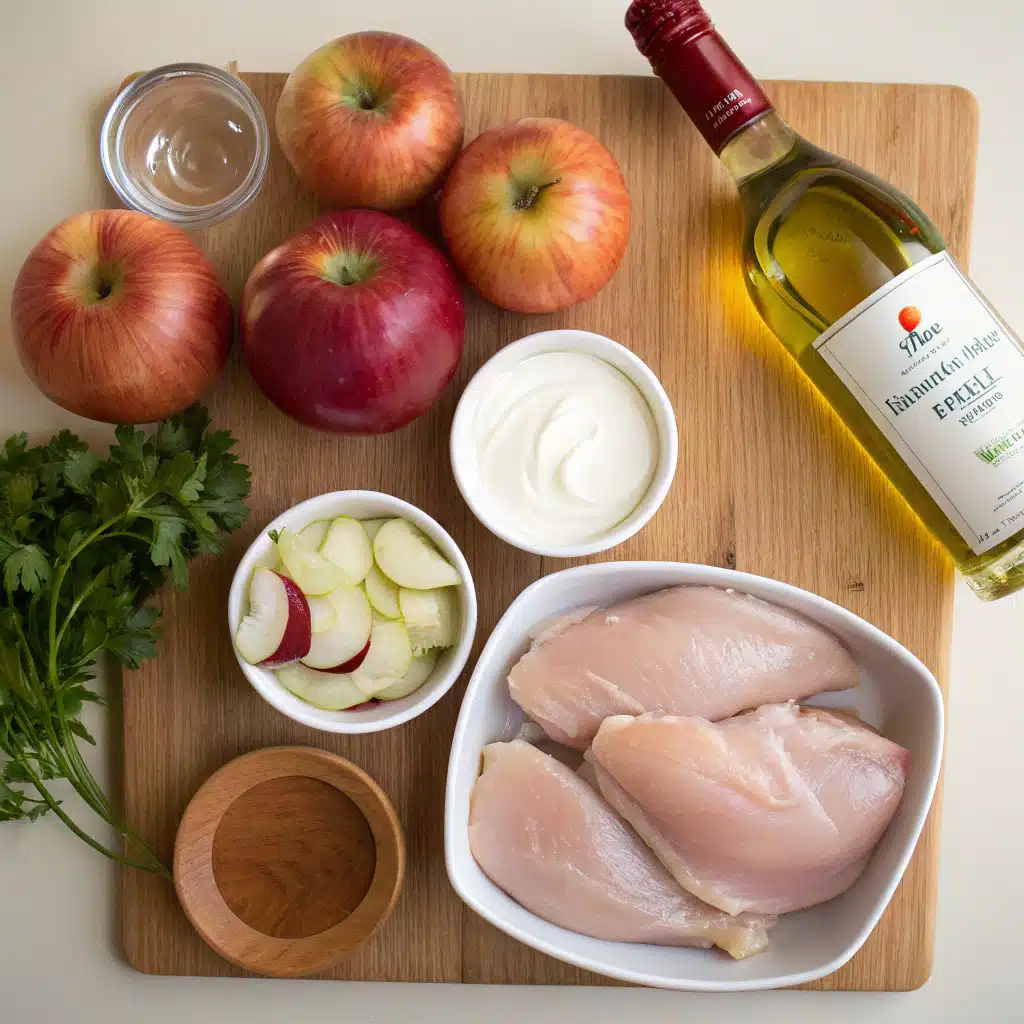
The beauty of chicken Normandy lies in its straightforward yet carefully selected ingredients. Here’s what you’ll need:
| Main Ingredients | Aromatics & Seasonings | Liquids & Finishing Touches |
|---|---|---|
| 4 boneless, skinless chicken thighs | 1 large onion, sliced | 1½ cups chicken broth |
| 2 apples, sliced | 2 shallots, sliced | ½ cup apple cider |
| 1 pear, sliced | 2 cloves garlic, minced | ½ cup heavy cream |
| Salt and black pepper | 1 tablespoon thyme | 2 tablespoons flour |
| 2 tablespoons olive oil | ½ teaspoon nutmeg | Fresh parsley for garnish |
| 2 tablespoons unsalted butter |
Choosing the Best Ingredients
For the best chicken Normandy, select firm, slightly tart apples that hold their shape when cooked. Granny Smith, Honeycrisp, or Braeburn varieties work exceptionally well. The pear adds a subtle sweetness and texture contrast to complement the apples. When selecting chicken thighs, look for plump pieces of uniform size to ensure even cooking. Fresh thyme brings an earthy, aromatic quality that dried simply can’t match, though dried will work in a pinch. Use a good quality, unsweetened apple cider rather than apple juice for the most authentic flavor.
Step-by-Step: Creating Your Chicken Normandy
Preparing and Searing the Chicken
- Pat the chicken thighs dry with paper towels and season generously on both sides with salt and black pepper. This crucial step ensures a beautiful sear and well-seasoned meat.
- Heat the olive oil in a large, oven-safe skillet over medium-high heat until shimmering but not smoking.
- Place the chicken thighs in the skillet, presentation side down, and sear for 4-5 minutes without moving them to develop a golden-brown crust.
- Flip the chicken and sear for an additional 3-4 minutes. The chicken won’t be fully cooked yet—that will happen in the oven.
- Transfer the chicken to a plate and cover loosely with foil to keep warm.
Building the Normandy Flavors
- Reduce the heat to medium and add the butter to the same skillet. Once melted, add the sliced onions and shallots, scraping up any flavorful browned bits from the bottom of the pan.
- Cook the onions and shallots for 5-6 minutes until softened and beginning to caramelize, stirring occasionally.
- Add the minced garlic and cook for 30 seconds until fragrant, being careful not to burn it.
- Stir in the sliced apples and pear, cooking for another 3-4 minutes until they begin to soften but still hold their shape.
- Sprinkle the thyme and nutmeg over the fruit mixture, stirring to incorporate the aromatics evenly.
Finishing and Baking
- Pour in the chicken broth and apple cider, then bring the mixture to a simmer. “Discover great ideas like our chicken and stuffing casserole recipe for another comforting meal option.”
- Return the chicken thighs to the skillet, nestling them into the apple mixture, and spoon some of the liquid over them.
- Transfer the skillet to a preheated 375°F (190°C) oven and bake uncovered for 20-25 minutes, until the chicken reaches an internal temperature of 165°F (74°C).
- Carefully remove the skillet from the oven (remember, the handle will be hot!) and transfer the chicken thighs to a clean plate.
- Place the skillet back on the stovetop over medium heat. In a small bowl, whisk the flour with 2 tablespoons of the sauce to create a slurry, then stir this mixture back into the skillet.
- Add the heavy cream and simmer for 3-4 minutes until the sauce thickens enough to coat the back of a spoon.
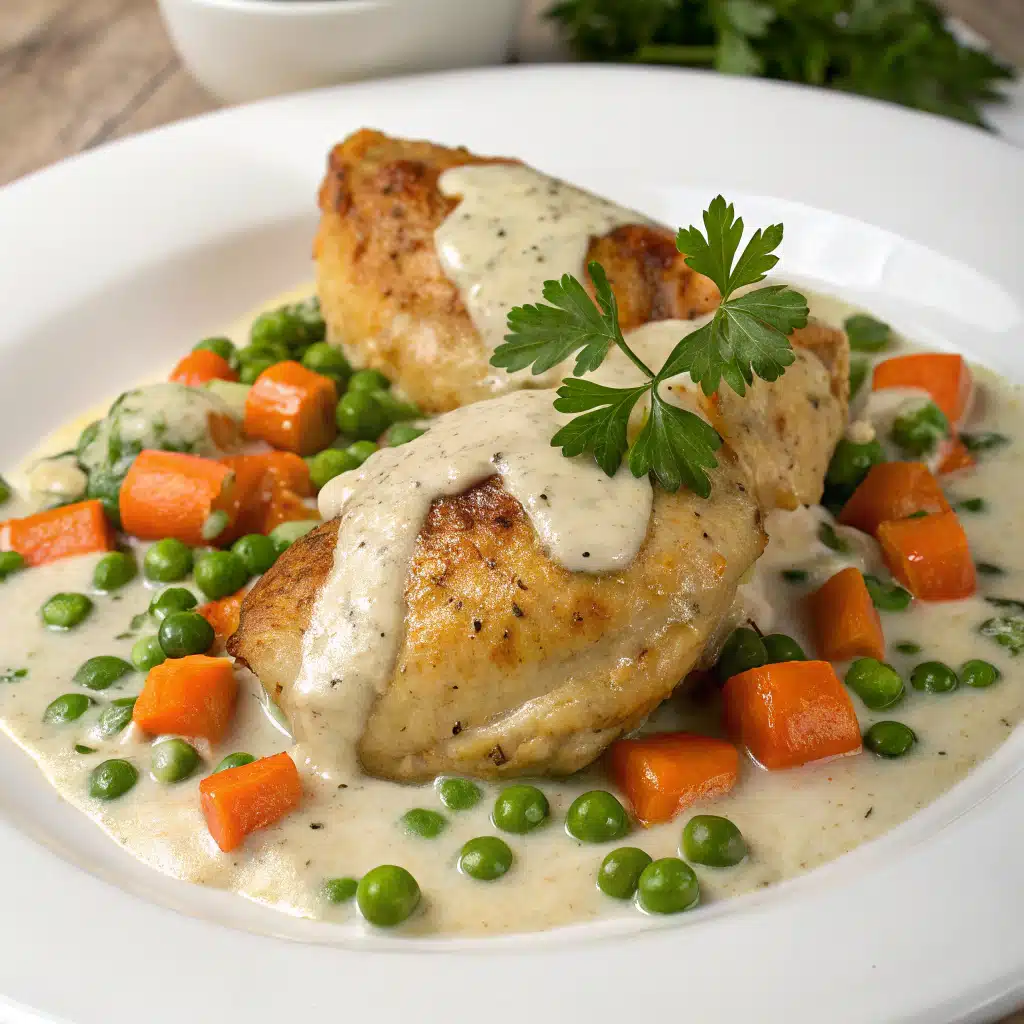
- Return the chicken to the skillet, spooning the sauce over each piece. Garnish with fresh chopped parsley before serving.
Tips: Perfecting Your Chicken Normandy
Common Mistakes to Avoid
When making chicken Normandy, a few simple missteps can affect the final result. First, don’t skip patting the chicken dry—moist chicken won’t develop a proper sear. Second, avoid overcrowding your pan, which causes the chicken to steam rather than sear. If your skillet isn’t large enough, sear the chicken in batches. Don’t rush the onion and shallot cooking process; their caramelization adds crucial depth of flavor. Finally, be vigilant when thickening the sauce—boiling it after adding the cream can cause curdling, so maintain a gentle simmer.
Expert Techniques
For restaurant-quality chicken Normandy, try these professional techniques. First, let your chicken come to room temperature for 15-20 minutes before cooking for more even searing. When adding the flour, make sure to create a proper slurry to prevent lumps in your sauce. If you want extra richness, you can mount the finished sauce with a tablespoon of cold butter at the end, swirling it in just before serving. For deeper apple flavor, try reducing the apple cider by half before adding the chicken broth.
“Here’s your guide to creamy chicken spaghetti casserole for another fantastic chicken dinner.”
Make-Ahead Options
Chicken Normandy actually benefits from a rest, as the flavors continue to develop. You can prepare the entire dish up to the baking step, cool it completely, and refrigerate for up to 24 hours. When ready to serve, bring the dish to room temperature for 30 minutes, then bake as directed, possibly adding 5-10 extra minutes to account for the chilled ingredients. Alternatively, you can fully prepare the dish, cool, and refrigerate, then gently reheat in a 325°F (163°C) oven until warmed through, adding a splash of chicken broth if the sauce needs thinning.
Storage: Keeping Your Chicken Normandy Fresh
Refrigeration Guidelines
Properly stored, chicken Normandy will maintain its quality and safety for several days. To refrigerate leftovers, allow the dish to cool completely, then transfer to airtight containers. The chicken and sauce can be stored together and will keep in the refrigerator for up to 3 days. The sauce may thicken considerably when chilled; this is normal and will loosen when reheated. For best results, store the chicken Normandy in shallow containers to allow for quick cooling, reducing the risk of bacterial growth during the cooling process.
“Don’t miss our creamy garlic herb chicken recipe for another delicious chicken dinner idea.”
Freezing Instructions
While cream-based dishes aren’t always ideal candidates for freezing, chicken Normandy can be frozen if necessary. For best results, prepare the dish through the baking step but omit the cream. Cool completely, then transfer to freezer-safe containers, leaving some headspace for expansion. Freeze for up to 2 months. When ready to enjoy, thaw overnight in the refrigerator, then reheat gently on the stovetop or in a 325°F (163°C) oven until the chicken reaches 165°F (74°C). Add the cream after reheating, simmering gently until the sauce reaches the desired consistency.
Reheating for Best Results
To maintain the delicious flavors and textures of chicken Normandy when reheating, gentle heat is key. For stovetop reheating, place the chicken and sauce in a skillet over medium-low heat, adding a tablespoon or two of chicken broth if the sauce is too thick. Cover and heat for about 10 minutes, stirring occasionally, until the chicken reaches 165°F (74°C). For oven reheating, place the chicken Normandy in a covered baking dish and warm at 325°F (163°C) for 15-20 minutes. Microwave reheating works in a pinch—cover loosely and heat at 70% power in short intervals, stirring between each.
Variations: Creative Twists on Chicken Normandy
Seasonal Adaptations
Chicken Normandy adapts beautifully to seasonal ingredients. In summer, try adding a handful of fresh cherries along with the apples for a sweet-tart contrast. Fall calls for incorporating some roasted butternut squash cubes or substituting a firm pear variety for one of the apples. Winter versions can include a sprinkle of warming spices like cinnamon or clove along with the nutmeg. Spring brings the opportunity to finish the dish with tender fresh herbs like tarragon or chervil in addition to parsley. These seasonal touches keep this classic recipe fresh and exciting year-round.
Dietary Modifications
Chicken Normandy can be adapted for various dietary needs without sacrificing flavor. For a dairy-free version, replace the butter with additional olive oil or ghee, and substitute full-fat coconut milk for the heavy cream. Those watching carbohydrates can reduce the apple and pear quantities and add mushrooms for bulk. A gluten-free version is simple—just swap the all-purpose flour with cornstarch or a gluten-free flour blend for thickening. For a lighter version, use bone-in chicken breasts instead of thighs and light cream instead of heavy cream, though the sauce won’t be quite as rich.
“Check out our turkey stuffed potatoes for another delicious, adaptable dinner idea.”
International Influences
While traditional chicken Normandy celebrates French flavors, you can incorporate international influences for exciting variations. For an Italian twist, add 2 teaspoons of Italian seasoning and finish with fresh basil and grated parmesan. A Swedish-inspired version might include a teaspoon of cardamom and some lingonberry preserves. For Middle Eastern flair, incorporate warm spices like cinnamon, cardamom, and a pinch of saffron, garnishing with pistachios and pomegranate seeds. A rustic Spanish variation could include smoked paprika and chopped olives, garnished with toasted almonds. These variations maintain the soul of chicken Normandy while introducing new flavor profiles.
Serving: Presenting Your Chicken Normandy
Plating Suggestions
Chicken Normandy deserves a presentation that showcases its rustic elegance. For a beautiful table presentation, serve directly from the skillet for a casual, family-style meal, placing the pan on a wooden board with a kitchen towel wrapped around the handle for safety and aesthetics. For individual plating, place a chicken thigh in the center of each warmed plate, arrange the apple and pear slices artfully around it, then spoon the sauce generously over the chicken, allowing it to pool slightly around the edges. Garnish with a fresh sprig of thyme and a scatter of finely chopped parsley for color and freshness.
Perfect Accompaniments
The rich, creamy sauce of chicken Normandy pairs perfectly with side dishes that can absorb and complement its flavors. Creamy mashed potatoes make an ideal bed for the chicken and sauce, soaking up every delicious drop. Buttered egg noodles or crusty artisan bread are excellent alternatives for sauce-mopping. For vegetables, consider simple roasted carrots, sautéed green beans with almonds, or a crisp green salad with a light vinaigrette to cut through the richness of the main dish.
“Want more ideas? Check out garlic butter chicken bites for another delicious chicken recipe.”
Wine Pairings
The apple and cream components of chicken Normandy make it versatile for pairing with both white and light red wines. A crisp, dry apple cider from Normandy would be the most authentic beverage choice, honoring the dish’s roots. For wine lovers, an unoaked or lightly oaked Chardonnay complements the creamy sauce without overwhelming it. A dry Riesling offers nice acidity to cut through the richness. If you prefer red wine, opt for something light-bodied like Pinot Noir or Beaujolais. For non-alcoholic options, sparkling apple cider or a honey-sweetened iced tea with lemon makes refreshing accompaniments.
FAQs: Your Chicken Normandy Questions Answered
What is chicken Normandy and where does it originate?
Chicken Normandy is a traditional French dish from the Normandy region in northern France. It features chicken cooked with apples, cream, and traditionally, apple cider or Calvados (apple brandy). The dish celebrates Normandy’s abundant apple orchards and dairy farms, creating a perfect representation of the region’s agricultural treasures.
What apples work best for chicken Normandy?
Firm, slightly tart apples that hold their shape when cooked work best for chicken Normandy. Granny Smith, Honeycrisp, Braeburn, and Jonagold are excellent choices. Avoid softer varieties like McIntosh or Red Delicious that might break down too much during cooking and turn mushy.
Can chicken Normandy be made without alcohol?
Absolutely! While traditional recipes often include Calvados (apple brandy), our version uses only apple cider with delicious results. The dish develops plenty of flavor from the caramelized onions, aromatic herbs, and fruit without any alcohol.
What cut of chicken is best for this dish?
Boneless, skinless chicken thighs are ideal for chicken Normandy as they remain juicy and tender throughout the cooking process. Their rich flavor also pairs beautifully with the fruity, creamy sauce. You could substitute bone-in chicken thighs (increasing the cooking time) or chicken breasts (reducing cooking time) if preferred.
Can chicken Normandy be made ahead of time?
Yes, chicken Normandy is perfect for making ahead! The flavors actually improve when the dish has time to rest. You can prepare it completely up to 3 days ahead and reheat gently, or prepare through the baking step without adding cream, then finish with cream when reheating for serving.
What sides pair well with chicken Normandy?
Chicken Normandy pairs beautifully with sides that complement its rich sauce. Mashed potatoes, buttered egg noodles, or crusty bread are perfect for soaking up the delicious sauce. Simple green vegetables like roasted asparagus, sautéed green beans, or a crisp green salad balance the richness of the dish.
Conclusion: Mastering the Art of Chicken Normandy
The Key Takeaways
Chicken Normandy exemplifies how simple ingredients can transform into something extraordinary with the right techniques. The key elements that make this dish successful are properly searing the chicken for flavor development, allowing the onions and shallots to develop sweet depth, selecting the right apples that hold their shape, and creating a silky sauce with just the right consistency. Remember that patience is rewarded when building layers of flavor, and don’t rush the process of reducing and thickening the sauce. By mastering these fundamentals, you’ll create a chicken Normandy that would make a French chef proud.
“Learn more about creamy ranch chicken for another delicious poultry dish.”
Making It Your Signature Dish
The beauty of chicken Normandy is how it can become your own signature dish with small personal touches. Perhaps you’ll develop a preference for a particular apple variety or discover that adding a touch of dijon mustard to the sauce creates a pleasant tang. Maybe you’ll find that finishing the dish with fresh tarragon instead of parsley better suits your palate.
Whatever adaptations you make, keep the essence of the dish—the harmony between chicken, apples, and cream—as your foundation. Share your chicken Normandy with friends and family, gathering their feedback and refining your approach until you’ve truly made this French classic your own. With practice, this elegant yet comforting dish will become a trusted recipe in your culinary repertoire, one you can prepare with confidence for both weeknight dinners and special occasions.
PrintChicken Normandy

Classic French chicken dish with apples, pear, and creamy sauce.
- Prep Time: 15
- Cook Time: 40
- Total Time: 55 minutes
- Yield: 4 1x
- Category: Main Course
- Cuisine: French
Ingredients
- 4 boneless, skinless chicken thighs
- Salt and black pepper
- 2 tablespoons olive oil
- 2 tablespoons unsalted butter
- 1 large onion, sliced
- 2 shallots, sliced
- 2 cloves garlic, minced
- 2 apples, sliced
- 1 pear, sliced
- 1½ cups chicken broth
- ½ cup apple cider
- 1 tablespoon thyme
- ½ teaspoon nutmeg
- 2 tablespoons flour
- ½ cup heavy cream
- Parsley
Instructions
- Season chicken with salt and pepper, then sear in olive oil until golden on both sides. Remove and set aside.
- In the same pan, melt butter and cook onions and shallots until soft.
- Add garlic, apples, and pear, cooking until slightly softened.
- Pour in broth and cider, add seasonings, then return chicken to the pan.
- Bake at 375°F for 20-25 minutes until chicken reaches 165°F.
- Remove chicken, whisk flour with sauce to create a slurry, then add cream and simmer until thickened.
- Return chicken to the sauce and garnish with fresh parsley before serving.
Notes
Nutrition facts are estimates and may vary based on ingredients used, portion sizes, and preparation methods.
Nutrition
- Serving Size: 4
- Calories: 465 Kcal
- Sugar: 12g
- Sodium: 580mg
- Fat: 28g
- Saturated Fat: 12g
- Carbohydrates: 25g
- Fiber: 4g
- Protein: 32g
- Cholesterol: 145mg
Keywords: chicken normandy, French chicken, apple cider chicken, creamy chicken dish
Let’s connect! Follow me for more Joylicious Recipes: Facebook, Instagram, Pinterest