How To Make Calabacitas Recipe: Classic Southwest Squash Medley
What is Calabacitas?
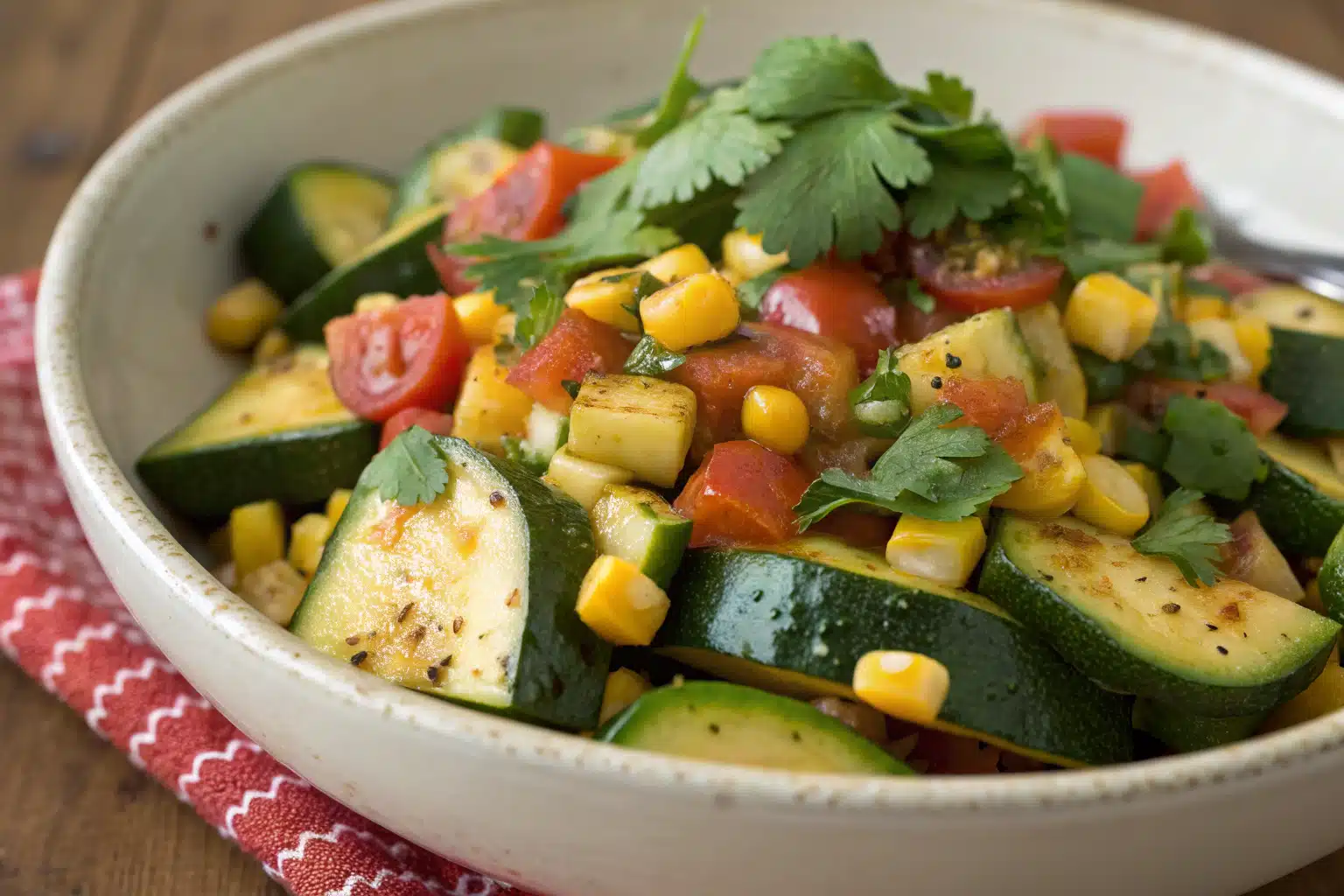
Calabacitas, which translates to “little squashes” in Spanish, is a traditional Mexican and Southwest American dish that celebrates the bounty of summer vegetables. This colorful medley typically features zucchini, yellow squash, corn, and peppers, all sautéed together with aromatic spices for a flavorful side dish or vegetarian main course. The calabacitas recipe has deep roots in Mexican and Native American cuisine but has become a staple throughout the American Southwest, particularly in New Mexico, Arizona, and Texas. The combination of fresh vegetables with the subtle heat of peppers creates a dish that’s both comforting and vibrant, perfect for showcasing seasonal produce.
The Cultural Significance of Calabacitas
This beloved calabacitas recipe represents the beautiful fusion of indigenous ingredients and Spanish culinary traditions. Native Americans cultivated the “three sisters” – corn, beans, and squash – long before European contact, and these ingredients remain central to Southwest cooking today.
“Learn more about other delicious squash preparations in our buttercup squash recipes.”
Calabacitas emerged as Spanish settlers introduced new ingredients like dairy and certain spices to these native vegetables. Today, calabacitas continues to evolve while maintaining its core identity as a celebration of fresh, local produce. Many families pass down their own special versions, making subtle adjustments to create their perfect calabacitas recipe. Whether served as a side dish alongside grilled meats or as a hearty vegetarian main, calabacitas represents the vibrant, adaptable nature of Southwest cuisine.
Ingredients: Everything You Need for Perfect Calabacitas Recipe
Essential Fresh Vegetables
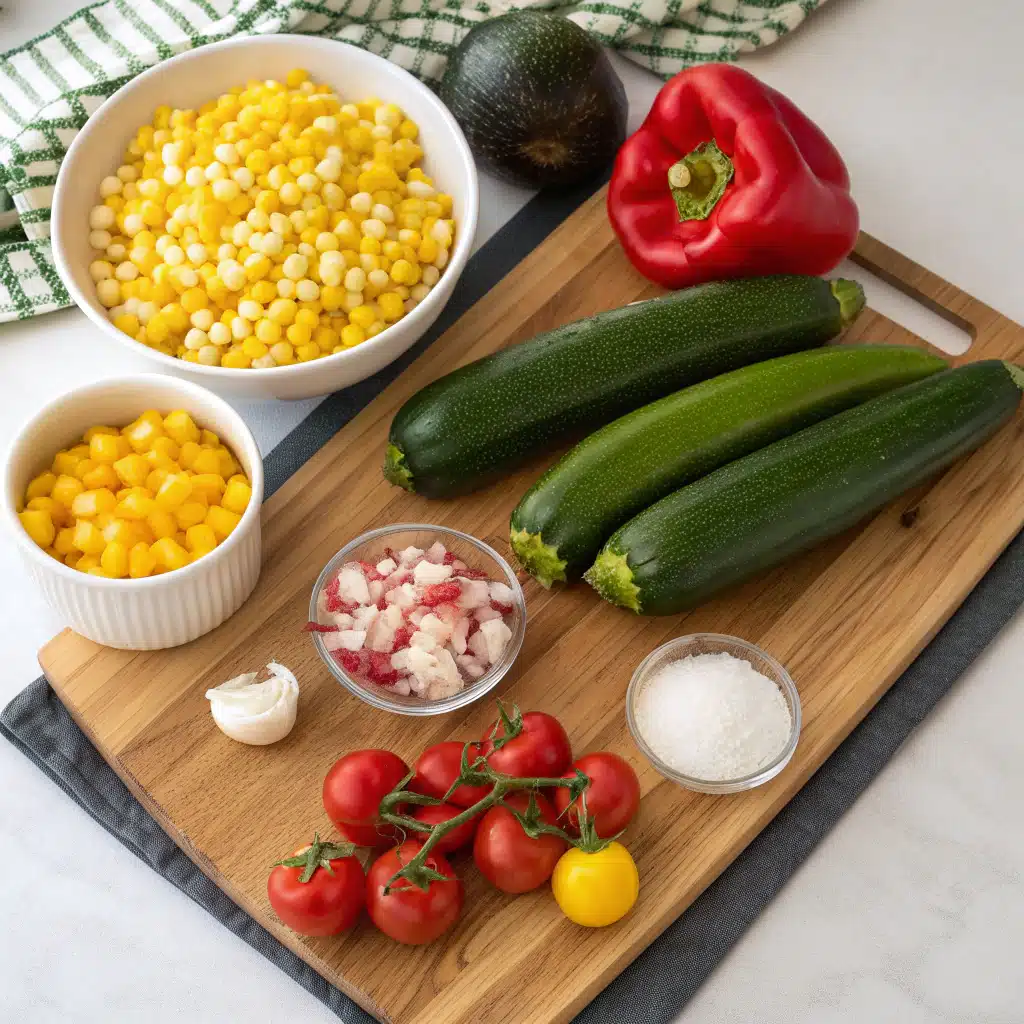
The heart of any calabacitas recipe lies in its fresh vegetables. The combination of tender squashes with sweet corn creates the foundation for this colorful dish. Each component contributes its unique texture and flavor to create a harmonious blend that celebrates seasonal produce.
| Quantity | Ingredient | Notes |
|---|---|---|
| 1 large | Zucchini | Sliced into ¼-inch thick quartered pieces or half moons |
| 1 large | Yellow squash | Sliced into ¼-inch thick quartered pieces or half moons |
| 1 ½ cups | Yellow corn | Fresh or frozen (or 15.25-ounce can, drained) |
| 2 | Roma tomatoes | Diced |
| 1 small | Onion | Diced (yellow or white) |
| 1 | Poblano pepper | Diced |
| 1 | Jalapeño pepper | Diced (seeds removed if you don’t want it spicy) |
| 3 cloves | Garlic | Minced |
Seasonings and Flavorings
The right seasonings transform simple vegetables into the flavorful calabacitas recipe we love. These aromatic spices and rich additions elevate the dish while letting the fresh vegetables remain the stars.
| Quantity | Ingredient | Notes |
|---|---|---|
| 1 tablespoon | Olive oil | For sautéing |
| 2 teaspoons | Kosher salt | Adjust to taste |
| ¼ teaspoon | Freshly ground black pepper | Adds subtle heat |
| ¼ teaspoon | Dried oregano | For herbal notes |
| ¼ teaspoon | Ground cumin | Provides earthy flavor |
| ¼ cup | Water | Helps steam and tenderize vegetables |
| ½ cup | Shredded cheddar cheese | Creates creamy texture |
| ¼ cup | Milk | Adds richness |
| To taste | Crumbled cotija cheese | For garnishing |
| To taste | Chopped cilantro | For garnishing |
Step-by-Step: How to Make Perfect Calabacitas Recipe
Preparing the Aromatics
The foundation of a flavorful calabacitas recipe starts with properly preparing and cooking the aromatic ingredients. These initial steps create a flavor base that will infuse throughout the entire dish.
“Want more ideas? Check out our creamy skillet chicken with mushrooms and cheese for another one-skillet wonder.”
- Heat the olive oil in a large skillet or sauté pan over medium-high heat until shimmering but not smoking.
- Add the diced onion, poblano pepper, and jalapeño pepper to the hot oil. The vegetables should sizzle when they hit the pan.
- Cook for 5 minutes, stirring occasionally, until the vegetables begin to soften and the onions become translucent. This process releases the aromatic compounds in these vegetables.
- Add the corn and diced tomatoes to the skillet, stirring to combine with the pepper mixture.
- Continue cooking for another 5 minutes, stirring occasionally. The corn will become more vibrant, and the tomatoes will start to break down slightly, releasing their juices.
Adding the Squash and Seasonings
Now it’s time to incorporate the star ingredients of our calabacitas recipe – the zucchini and yellow squash – along with the seasonings that give this dish its characteristic flavor profile.
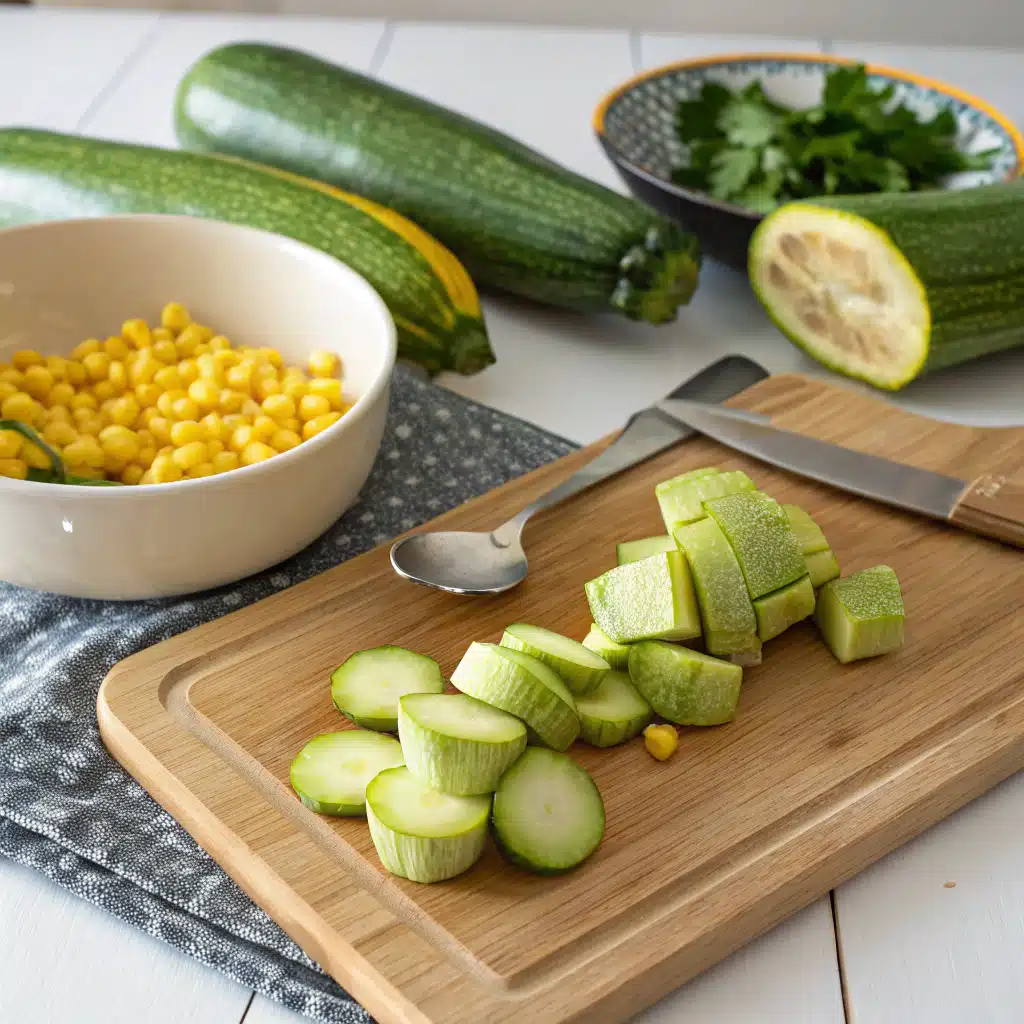
- Add the quartered zucchini and yellow squash pieces to the skillet, spreading them evenly throughout the vegetable mixture.
- Immediately add the minced garlic, salt, black pepper, dried oregano, and ground cumin.
- Stir thoroughly to distribute the seasonings evenly among all the vegetables.
- Cook for approximately 5 minutes, stirring every minute or so to ensure even cooking. The squash should begin to soften but still maintain some firmness.
- Pour in the ¼ cup of water, which will create steam and help the vegetables cook through without browning too much.
- Reduce the heat to low, cover the skillet with a lid, and allow the calabacitas to simmer gently for 5 minutes. This gentle steaming will tenderize the squash perfectly.
Finishing Touches for Creamy Calabacitas
The final steps transform our calabacitas recipe from good to exceptional, adding richness and complexity to the dish while bringing all the flavors together harmoniously.
- Remove the lid from the skillet and check that the squash has reached your desired tenderness. It should be soft but not mushy.
- Sprinkle the ½ cup of shredded cheddar cheese evenly across the top of the hot vegetables.
- Pour the ¼ cup of milk over the cheese and vegetables.
- Stir gently but thoroughly until the cheese has completely melted and created a light, creamy sauce that coats all the vegetables.
- Remove the skillet from the heat immediately once the cheese has melted to prevent overcooking.
- Transfer the calabacitas to a serving dish or serve directly from the skillet.
- Garnish generously with crumbled cotija cheese and freshly chopped cilantro just before serving for an authentic finishing touch.
Tips: Mastering Your Calabacitas Recipe
Choosing the Best Vegetables
The quality of vegetables you select will significantly impact the final taste of your calabacitas recipe. Since this dish showcases fresh produce, taking time to choose the best ingredients will elevate your results.
“Discover great ideas like our creamy garlic herb chicken recipe for a perfect main course to serve with your calabacitas.”
When selecting zucchini and yellow squash, look for specimens that are small to medium in size with smooth, unblemished skin. Smaller squashes tend to have fewer seeds and more tender flesh. The squash should feel firm but not hard when gently squeezed. For corn, fresh is ideal in summer months – look for bright green husks and silk that isn’t completely dried out. If using frozen corn, premium brands often provide better flavor and texture. Choose ripe but firm Roma tomatoes for the best balance of flavor and structure in your calabacitas recipe.
Perfecting the Texture
Achieving the ideal texture in calabacitas can be tricky, as the vegetables release moisture during cooking. Too much moisture leads to soggy calabacitas, while insufficient cooking leaves the vegetables too firm. For perfect calabacitas, cut your squash uniformly – ¼-inch thick pieces ensure even cooking. If you’re using frozen corn, thaw and drain it thoroughly before adding to the pan to prevent excess water. When adding the water to steam the vegetables, use exactly ¼ cup – just enough to create steam without making the dish watery.
The cooking times provided in the calabacitas recipe are guidelines; you may need to adjust based on your preferences and the specific vegetables you’re using. For firmer vegetables, reduce the covered steaming time by 1-2 minutes. If you prefer softer calabacitas, extend the steaming time slightly, checking frequently to avoid mushiness. Remember that the vegetables will continue cooking slightly after you remove the pan from heat.
Flavor Enhancements
While traditional calabacitas recipes maintain a relatively simple flavor profile, you can make subtle adjustments to enhance the dish without overpowering the fresh vegetable flavors. Using fresh herbs instead of dried can brighten the dish – substitute ½ tablespoon fresh oregano for the dried version. A squeeze of fresh lime juice just before serving adds a pleasant tanginess that complements the sweet corn and creamy cheese in the calabacitas recipe.
For deeper flavor development, consider roasting your poblano pepper before dicing and adding it to the recipe. The smoky notes will add complexity to your calabacitas. You can also experiment with cheese options – while the recipe calls for cheddar, Monterey Jack or a Mexican cheese blend works beautifully too. For a more authentic Southwest flavor, try using queso fresco instead of cotija for garnishing. These subtle adjustments allow you to personalize your calabacitas recipe while maintaining its traditional essence.
Storage: Keeping Your Calabacitas Fresh
Refrigeration Guidelines
Properly storing your calabacitas ensures you can enjoy this delicious dish for several days. The key to maintaining quality during refrigeration lies in cooling and storing the dish correctly.
“Here’s your guide to garlic butter baked chicken breast which pairs wonderfully with leftover calabacitas.”
After cooking, allow your calabacitas recipe to cool completely at room temperature, but don’t leave it out for more than two hours for food safety. Transfer the cooled calabacitas to an airtight container, ensuring there’s minimal air space above the food to prevent oxidation. Glass containers with tight-fitting lids work particularly well for vegetable dishes like calabacitas, as they won’t absorb flavors or stain from the tomatoes. Properly stored calabacitas will maintain optimal flavor and texture for 3-4 days in the refrigerator.
When reheating refrigerated calabacitas, add a tablespoon of water to restore moisture lost during storage. Microwave gently in 30-second intervals, stirring between each interval, or reheat in a skillet over medium-low heat until just warmed through. Avoid high-temperature reheating, which can make the squash mushy and the cheese separate.
Freezing Options
While calabacitas is best enjoyed fresh, you can freeze it for longer storage, though the texture of the squash will change somewhat upon thawing. If you plan to freeze your calabacitas recipe, consider slightly undercooking the vegetables, as they’ll soften further when reheated.
To freeze calabacitas effectively, cool the dish completely, then portion it into freezer-safe containers or heavy-duty freezer bags. Ensure minimal air remains in the package before sealing to prevent freezer burn. Label each container with the date and contents. Frozen calabacitas will maintain good quality for up to 2 months. For best results, thaw frozen calabacitas overnight in the refrigerator rather than using quick-thaw methods.
When reheating frozen and thawed calabacitas, you may notice more liquid in the dish. To address this, reheat in a skillet over medium heat, allowing some of the excess moisture to evaporate. You can also add a small amount of fresh shredded cheese during reheating to refresh the creamy texture of your calabacitas recipe.
Make-Ahead Tips
Planning ahead can make preparing calabacitas even easier, especially for busy weeknights or entertaining. Many components of the calabacitas recipe can be prepared in advance to streamline the cooking process.
Wash and chop all the vegetables up to two days ahead of time, storing them separately in airtight containers in the refrigerator. The onions, peppers, and garlic can be stored together, while the squash should be kept separate to prevent it from absorbing strong flavors. Pre-measure and combine your dry seasonings in a small container or zip-top bag. With these preparations done in advance, you can quickly assemble and cook your calabacitas when ready to serve.
For entertaining, consider making the entire calabacitas recipe up to the point of adding the cheese and milk. Refrigerate this partially completed dish, then finish it just before serving by reheating and adding the final dairy components. This approach ensures fresh-tasting calabacitas with minimal last-minute effort.
Variations: Creative Twists on Traditional Calabacitas Recipe
Protein-Packed Calabacitas
While traditional calabacitas is vegetable-focused, adding protein transforms it from a side dish into a satisfying main course. These protein-enriched variations maintain the essence of the original calabacitas recipe while offering more substantial meal options.
“Check out our creamy one-pan chicken and rice for another complete meal idea.”
For a classic Southwest approach, brown 1 pound of ground beef or turkey with the onions and peppers at the beginning of the recipe. Season the meat with an additional ½ teaspoon of cumin and ¼ teaspoon of chili powder. Continue with the calabacitas recipe as written, adjusting salt to taste. This hearty variation is perfect for family dinners.
A vegetarian protein option incorporates 1 can (15 oz) of black beans or pinto beans, drained and rinsed. Add the beans when you incorporate the corn and tomatoes, allowing them to warm through with the other ingredients. The beans complement the vegetables in your calabacitas recipe while adding fiber and protein. For a vegan calabacitas, simply omit the cheese and milk, or substitute plant-based alternatives.
Shredded rotisserie chicken makes another excellent protein addition to calabacitas. Add 2 cups of shredded chicken when you incorporate the squash and seasonings. The chicken will absorb the flavors of the spices and vegetables, creating a complete one-pan meal that’s perfect for using leftover chicken.
Regional Calabacitas Recipe Variations
Different regions throughout the Southwest and Mexico have developed their own unique takes on the basic calabacitas recipe. These variations reflect local ingredients and cultural preferences while maintaining the dish’s core identity.
New Mexico-style calabacitas often incorporates roasted green chile for distinctive smoky heat. Roast, peel, and dice 2 medium green chiles (Hatch chiles when in season are ideal) and add them along with the corn and tomatoes. This version of calabacitas has a more pronounced heat and depth of flavor characteristic of New Mexican cuisine.
In Arizona, calabacitas sometimes includes nopales (cactus paddles), reflecting the desert environment. To create this variation, clean and dice 1 cup of nopales, removing all spines, and add them to the skillet with the squash. The nopales add a unique texture and slightly tart flavor to the calabacitas recipe that pairs beautifully with the sweet corn.
Texas-style calabacitas often features a more prominent tomato presence, sometimes using a small amount of tomato sauce or even canned diced tomatoes with green chiles (like Ro-Tel). Add ¼ cup of tomato sauce along with the water when steaming the vegetables for this variation. The result is a slightly saucier calabacitas with bold Tex-Mex flavor.
Seasonal Adaptations
One of the beautiful aspects of calabacitas is its adaptability to seasonal ingredients, allowing you to enjoy variations of this dish year-round by making thoughtful substitutions based on what’s available.
For a spring variation of calabacitas, incorporate tender young vegetables like asparagus tips or fresh peas. Replace half the zucchini with 1 cup of trimmed asparagus pieces or fresh peas, adding them during the last 3 minutes of cooking to maintain their vibrant color and tender texture. This springtime calabacitas recipe celebrates the season’s first fresh produce.
During fall, create a heartier variation by including diced butternut squash or pumpkin alongside the traditional zucchini. Replace half the zucchini with 1 cup of diced butternut squash, adding it earlier in the cooking process (with the onions and peppers) to ensure it cooks through properly. The sweet, nutty flavor of winter squash adds depth to your autumn calabacitas recipe.
For winter, when fresh vegetables may be less available, consider using more root vegetables. Add 1 cup of diced turnips or parsnips along with the onions for a winter calabacitas that makes the most of cold-weather crops. Using frozen corn and canned tomatoes allows you to enjoy calabacitas year-round, even when fresh produce is limited.
Serving: Perfect Pairings for Your Calabacitas Recipe
Main Dish Combinations
Calabacitas works beautifully as both a side dish and a main course, depending on how you serve it. When presenting calabacitas as part of a larger meal, consider these complementary main dishes that enhance its flavors.
“Don’t miss our crispy parmesan crusted chicken recipe for a perfect protein to serve alongside your calabacitas.”
Grilled meats pair exceptionally well with calabacitas. The smoky char of grilled chicken, steak, or pork contrasts nicely with the tender, creamy vegetables in your calabacitas recipe. For an authentic Southwest meal, serve calabacitas alongside carne asada or grilled chicken thighs seasoned with chile powder and lime. The brightness of the calabacitas balances the rich, savory flavors of the grilled meats.
For a vegetarian meal, calabacitas partners wonderfully with cheese enchiladas or chile rellenos. The calabacitas provides a fresh, vegetable-forward component that complements the rich, cheesy main dish. Serve a generous portion of calabacitas alongside one or two enchiladas for a balanced plate that’s not too heavy.
When serving calabacitas as a main dish, consider adding a simple protein as described in the variations section, and pair it with warm corn tortillas or crusty bread to create a complete meal. A side of Spanish rice also complements the flavors in your calabacitas recipe while making the meal more substantial.
Traditional Accompaniments
In traditional Southwest cuisine, certain side dishes and condiments are frequently served alongside calabacitas, enhancing the overall dining experience. These accompaniments have stood the test of time because they complement the flavors of the calabacitas recipe so well.
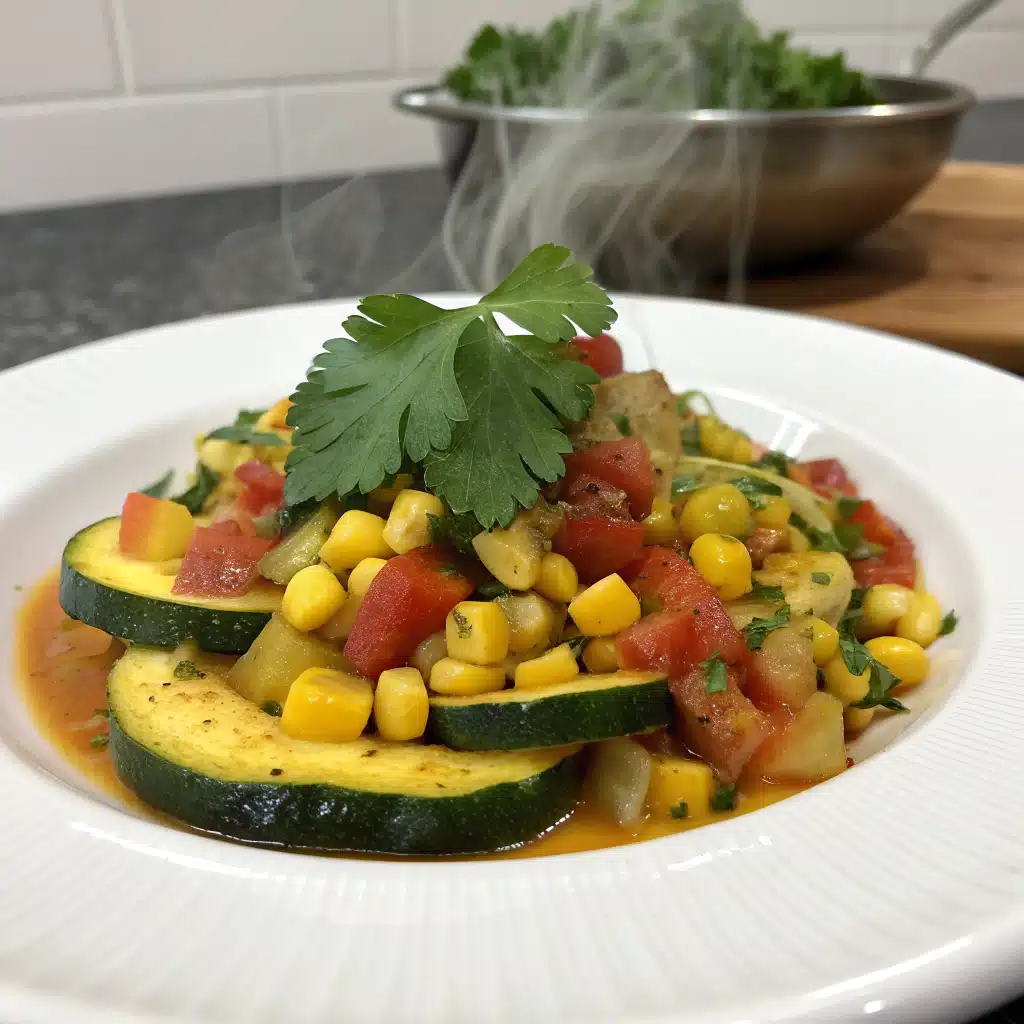
Fresh salsas – whether red, green, or pico de gallo – add bright, zesty notes that enhance the natural flavors of the vegetables in calabacitas. Serve small bowls of various salsas on the side, allowing diners to add their preferred level of heat and acidity. A simple avocado salsa made with diced avocado, lime juice, and salt is particularly refreshing alongside the warm calabacitas.
Warm tortillas are almost mandatory with calabacitas in traditional settings. Corn tortillas complement the flavors most authentically, but flour tortillas work well too. Warm them over an open flame or in a dry skillet until they’re soft and slightly charred in spots. The tortillas can be used to scoop up the calabacitas or to create impromptu tacos with the vegetable medley.
Beans are another classic accompaniment to calabacitas. Simple pinto beans seasoned with onion and epazote, or black beans with a touch of oregano, provide protein and complement the calabacitas recipe beautifully. The beans can be served alongside the calabacitas or underneath it as a base, creating a layered dish of complementary flavors and textures.
Presentation Ideas
How you present your calabacitas can elevate the dining experience, making this humble vegetable dish feel special and appealing. These presentation suggestions work for both casual family dinners and more formal entertaining.
For a colorful presentation that highlights the vibrant ingredients in your calabacitas recipe, serve it in a shallow, wide bowl or on a platter with a slight rim to contain the juices. Garnish generously with fresh elements – not just the cotija and cilantro called for in the recipe, but perhaps additional components like thinly sliced radishes for color and crunch, or edible flowers like squash blossoms when in season.
Create a calabacitas bowl by serving it over a base of Spanish rice or quinoa, topped with additional elements like sliced avocado, a dollop of sour cream, and a sprinkle of toasted pepitas (pumpkin seeds). This presentation transforms the calabacitas into a complete meal with varied textures and flavors.
For entertaining, consider individual servings of calabacitas in small cast iron skillets or colorful ceramic ramekins. This not only creates an impressive presentation but keeps the calabacitas warm throughout the meal. Place each serving on a larger plate with accompanying sides like a small stack of warm tortillas and a ramekin of beans for a complete, beautifully presented meal.
FAQs: Common Questions About Calabacitas Recipe
What is calabacitas?
Calabacitas is a Mexican and Southwestern dish made with sautéed squash, corn, peppers, and other vegetables. The word means “little squashes” in Spanish, reflecting its focus on summer squash. It can be served as a side or a light main, showcasing both indigenous and Spanish influences.
What ingredients go into calabacitas?
Typical ingredients include zucchini, yellow squash, corn, tomatoes, onions, and peppers such as poblano or jalapeño. Garlic, cumin, and oregano add depth, while cheese (cheddar or cotija) and cilantro are common finishing touches. Regional styles may add more vegetables or proteins.
How do you make calabacitas step by step?
Sauté onions and peppers in olive oil, then add corn and tomatoes. Mix in zucchini, yellow squash, garlic, and seasonings, cooking until softened. Cover with a splash of water and steam briefly. Stir in cheese and milk for creaminess, then garnish with cotija and cilantro.
Can calabacitas be vegetarian or vegan?
Yes. The dish is naturally vegetarian, though many versions include dairy. For a vegan option, replace cheese and milk with plant-based alternatives—or simply omit them. The vegetables alone deliver plenty of flavor.
How long do you cook zucchini in calabacitas?
Zucchini cooks in about 10 minutes: 5 minutes sautéed, then 5 minutes steaming. For firmer pieces, shorten the steaming to 3–4 minutes; for softer squash, extend by 1–2 minutes.
What kind of squash can you use for calabacitas?
Zucchini and yellow squash are traditional, but pattypan or crookneck squash also work well. In fall, diced butternut or acorn squash can be added earlier in cooking for a seasonal variation.
Conclusion: Celebrating the Calabacitas Recipe Tradition
The Versatility of Calabacitas
The enduring popularity of calabacitas stems from its incredible versatility. This adaptable dish transforms effortlessly from casual family dinners to special occasions, making it a valuable addition to any cook’s repertoire.
“Looking for inspiration? Try our brown sugar garlic chicken recipe as another flexible dish for your menu planning.”
The calabacitas recipe we’ve explored provides a solid foundation that invites personalization. You can adjust the heat level by increasing or decreasing the jalapeño, make it more substantial by adding protein, or simplify it by using whatever vegetables you have on hand. This adaptability makes calabacitas particularly valuable for using seasonal produce or accommodating dietary preferences. Vegetarians appreciate its satisfying nature, while those following gluten-free diets can enjoy it without modification.
Beyond its versatility as a dish, calabacitas also serves multiple roles in meal planning. Serve it as a colorful side dish alongside grilled meats, as a hearty vegetarian main course, or even as a filling for tacos, burritos, or quesadillas. Leftover calabacitas can transform into a frittata filling or a topping for loaded nachos. This chameleon-like quality makes mastering the calabacitas recipe a wise investment of your cooking time.
Calabacitas in Modern Cooking
While rooted in tradition, calabacitas has found its place in contemporary cooking, appealing to modern tastes and dietary trends. Today’s emphasis on plant-forward eating, seasonal ingredients, and global flavors has brought renewed attention to this classic dish.
Health-conscious cooks appreciate calabacitas for packing numerous vegetables into one appealing dish. The calabacitas recipe provides an excellent way to incorporate more produce into your diet without sacrificing flavor or satisfaction. Modern variations might include nutrient-dense additions like spinach or kale, or ancient grains like quinoa for added protein and texture.
Home cooks focused on sustainability find value in calabacitas as a solution for using abundant summer squash and reducing food waste. The flexible nature of the calabacitas recipe allows for incorporating slightly past-prime vegetables that might otherwise be discarded. This alignment with zero-waste cooking principles gives calabacitas relevance in environmentally conscious kitchens.
As interest in regional American cuisines continues to grow, dishes like calabacitas gain appreciation for their authentic representation of Southwest cooking traditions. By preparing and sharing this calabacitas recipe, you’re participating in the preservation and evolution of an important culinary heritage, connecting the past with present-day cooking practices in a delicious, accessible way.
PrintCalabacitas Recipe
Traditional Southwest vegetable medley featuring tender squash, corn, and peppers with melted cheese.
- Prep Time: 15 minutes
- Cook Time: 20 minutes
- Total Time: 35 minutes
- Yield: 6 1x
- Category: Lunch
- Cuisine: Mexican
Ingredients
- 1 tablespoon olive oil
- 1 small onion, diced (yellow or white)
- 1 poblano pepper, diced
- 1 jalapeño pepper, diced (seeds removed if you don’t want it spicy)
- 1 ½ cups yellow corn, fresh or frozen (or 15.25-ounce can, drained)
- 2 Roma tomatoes, diced
- 1 large zucchini, sliced into ¼-inch thick quartered pieces or half moons
- 1 large yellow squash sliced into ¼-inch thick quartered pieces or half moons
- 3 cloves garlic, minced
- 2 teaspoons kosher salt
- ¼ teaspoon freshly ground black pepper
- ¼ teaspoon dried oregano
- ¼ teaspoon ground cumin
- ¼ cup water
- ½ cup shredded cheddar cheese
- ¼ cup milk
- Crumbled cotija cheese, for garnishing
- Chopped cilantro, for garnishing
Instructions
- Heat olive oil in a large skillet over medium-high heat.
- Add onion, poblano, and jalapeño. Cook for 5 minutes until softened.
- Add corn and tomatoes, cooking for 5 more minutes.
- Incorporate zucchini, yellow squash, garlic, salt, pepper, oregano, and cumin. Cook for 5 minutes.
- Add water, reduce heat to low, cover, and simmer for 5 minutes until vegetables are tender.
- Stir in cheddar cheese and milk until fully melted.
- Remove from heat and garnish with cotija cheese and cilantro before serving.
Notes
Nutrition facts are estimates and may vary based on ingredients used, portion sizes, and preparation methods.
Nutrition
- Serving Size: 6
- Calories: 175
- Sugar: 6g
- Sodium: 840mg
- Fat: 9g
- Saturated Fat: 4g
- Trans Fat: 0g
- Carbohydrates: 19g
- Fiber: 3g
- Protein: 7g
- Cholesterol: 18mg
Keywords: calabacitas, zucchini recipe, squash medley, Southwest vegetables, Mexican side dish
Let’s connect! Follow me for more Joylicious Recipes: Facebook, Instagram, Pinterest