Classic Seafood Salad: Easy, Refreshing, and Perfect for Summer
The Appeal of Homemade Seafood Salad
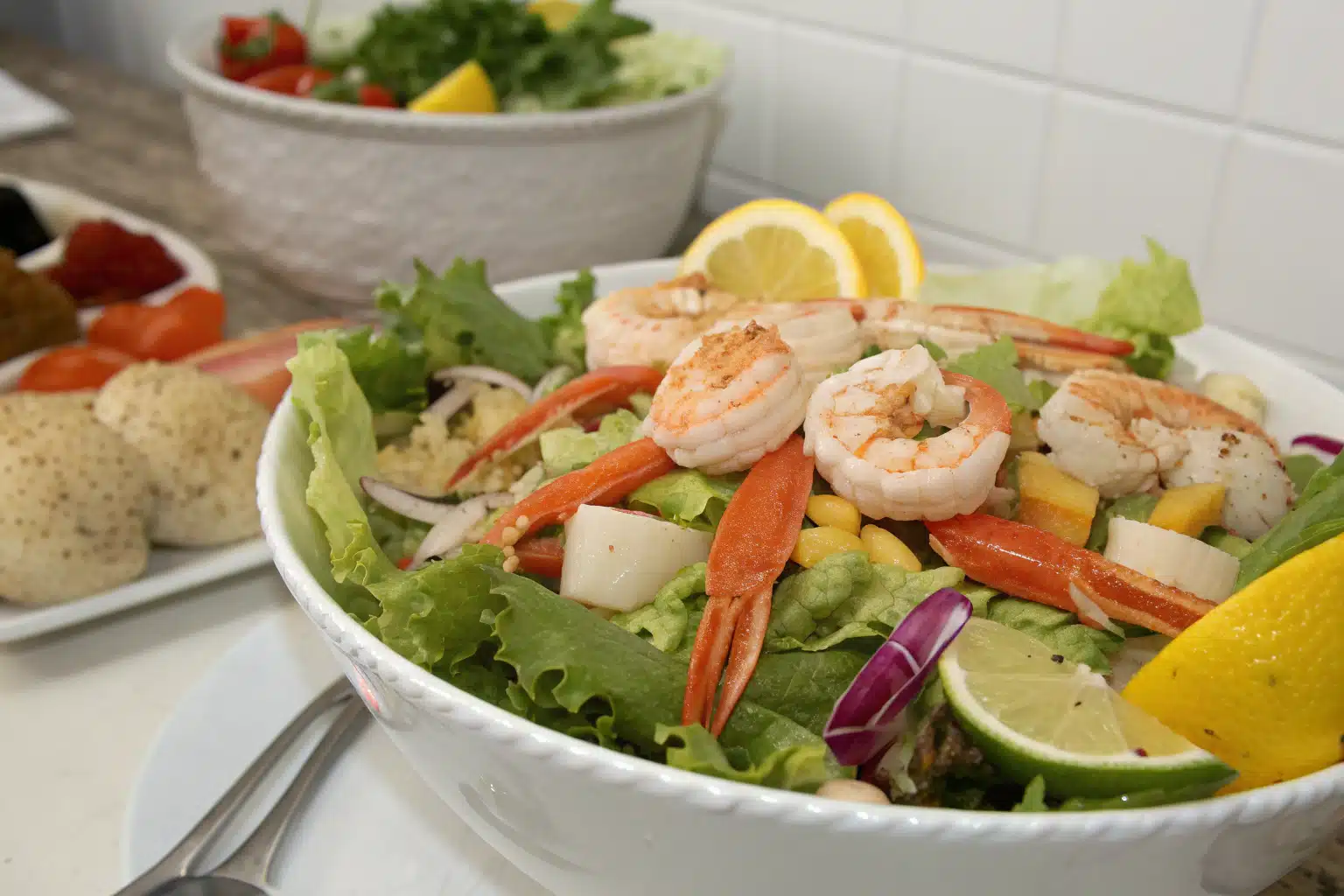
Seafood salad recipe enthusiasts know there’s something undeniably refreshing about a perfectly balanced blend of delicate seafood combined with crisp vegetables and creamy dressing. This classic seafood salad recipe has stood the test of time as a staple at summer gatherings, holiday celebrations, and casual family meals.
The beauty of this dish lies in its simplicity—requiring minimal preparation yet delivering maximum flavor. Whether you’re preparing it for a light lunch, as an appetizer, or for a special occasion, this versatile seafood salad recipe will quickly become a favorite in your culinary repertoire.
“Check out our avocado shrimp salad for another seafood delight that pairs perfectly with this recipe.”
Why This Seafood Salad Works
What makes this particular seafood salad recipe special is its perfect balance of flavors and textures. The tender imitation crab provides a sweet, delicate seafood taste, while the crisp celery adds a satisfying crunch. The creamy mayonnaise base brings everything together, enhanced by the subtle bite of red onion and the aromatic freshness of dill.
The Old Bay seasoning—a classic seafood companion—adds that distinctive, complex flavor that elevates this dish from ordinary to extraordinary. The best part? This seafood salad recipe comes together in just minutes, making it ideal for busy cooks who don’t want to compromise on taste or quality.
Ingredients
Essential Components for Perfect Seafood Salad
For this classic seafood salad recipe, you’ll need quality ingredients that work harmoniously together. The star ingredient is imitation crab meat, which offers a mild, sweet flavor that works wonderfully in seafood salads. While real crab meat can certainly be used, imitation crab (also called surimi) provides an affordable alternative that’s consistently available year-round.
| Quantity | Ingredient |
|---|---|
| 16 ounces | Imitation crab |
| ½ cup | Mayonnaise (Duke’s preferred) |
| 1 stalk | Celery, diced |
| 2 tablespoons | Finely chopped red onion |
| 1 tablespoon | Chopped fresh dill |
| ½ teaspoon | Old Bay seasoning |
| To taste | Kosher salt and ground black pepper |
Ingredient Notes and Substitutions
The quality of your mayonnaise matters significantly in this seafood salad recipe. Duke’s mayonnaise is recommended for its creamy texture and tangy flavor, but any high-quality mayonnaise will work well. For a lighter version, you can substitute half the mayonnaise with Greek yogurt.
Fresh dill brings a bright, herbaceous quality that pairs beautifully with seafood, but if unavailable, you could substitute with fresh parsley or chives. The Old Bay seasoning provides that classic seafood flavor profile—if you don’t have it, you can create a simple alternative with a pinch of celery salt, paprika, and cayenne pepper.
Step-by-Step Instructions
Preparing the Seafood
Creating this seafood salad recipe begins with properly preparing your imitation crab. “Learn more about different seafood preparations that can inspire additional ways to enjoy this versatile protein.”
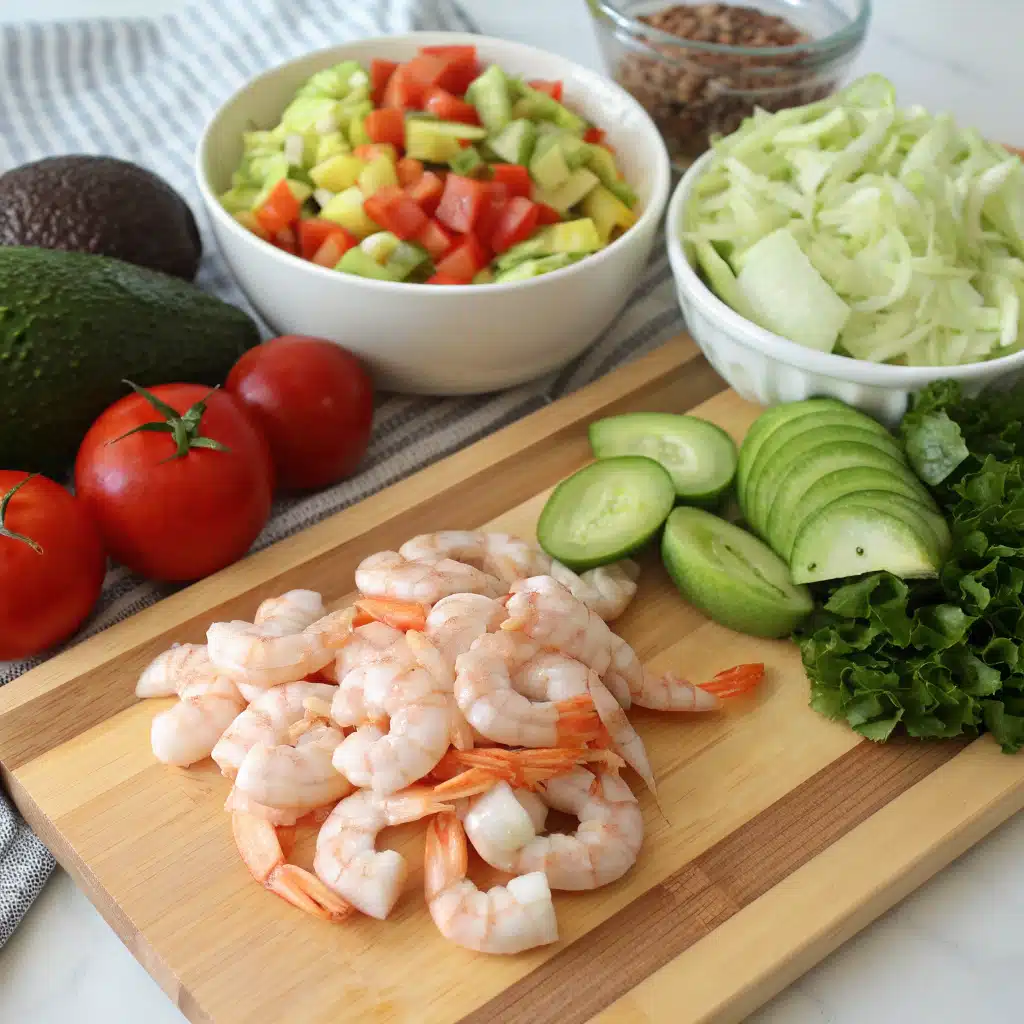
- Break the imitation crab into bite-size chunks or chop it with a knife. Aim for pieces that are large enough to provide texture but small enough to incorporate well with the other ingredients.
- Place the prepared imitation crab in a large mixing bowl. The bowl should be spacious enough to allow for comfortable mixing without spilling.
- If using real crab meat instead, ensure it’s been picked through for any shell fragments before adding to your seafood salad recipe.
Mixing the Salad
The key to a successful seafood salad recipe is gentle handling to maintain the texture of the ingredients.
- Add the diced celery and finely chopped red onion to the bowl with the imitation crab.
- Sprinkle in the chopped fresh dill, distributing it evenly throughout.
- Add the Old Bay seasoning for that authentic seafood flavor profile.
- Pour in the mayonnaise, starting with slightly less than the recipe calls for—you can always add more to achieve your preferred creaminess.
- Using a rubber spatula or large spoon, gently fold all ingredients together until well combined. The goal is to coat everything evenly with the dressing without breaking up the crab pieces too much.
- Season with kosher salt and freshly ground black pepper to taste. Remember that Old Bay already contains some salt, so add additional salt gradually.
Chilling for Optimal Flavor
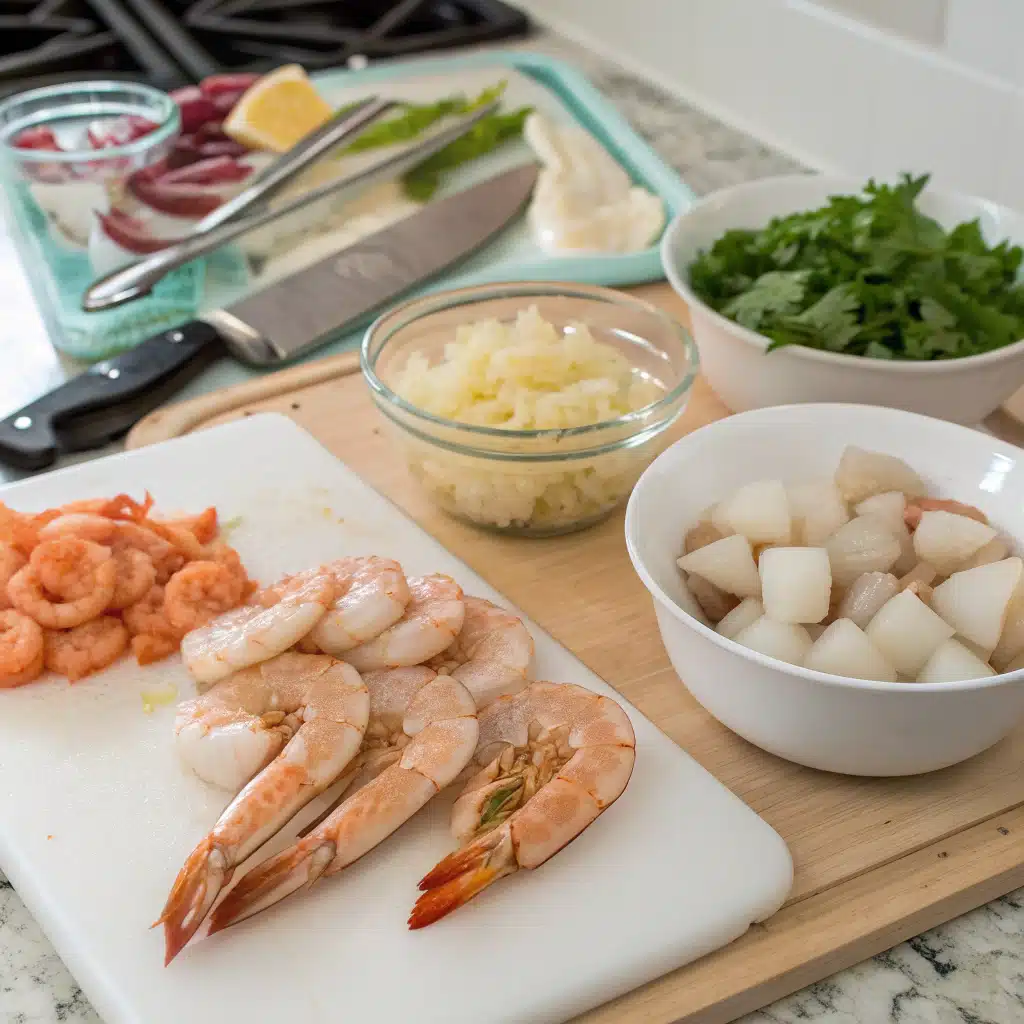
The final step in perfecting your seafood salad recipe is allowing time for the flavors to meld.
- Cover the bowl with plastic wrap or transfer the salad to an airtight container.
- Refrigerate the seafood salad for at least 1 hour before serving. For best results, chill for 2-3 hours or even overnight.
- Before serving, taste again and adjust seasonings if necessary. You may find that after chilling, you want to add a bit more mayonnaise if the salad seems dry, or perhaps a squeeze of fresh lemon juice for brightness.
Tips for Success
Choosing the Best Seafood
The foundation of any exceptional seafood salad recipe is, of course, the seafood itself. While this recipe uses imitation crab for its convenience and affordability, you have several options to customize or elevate your seafood salad.
“Discover great ideas like our crab salad recipe for additional inspiration on working with different types of seafood.”
When selecting imitation crab, look for packages labeled “leg style” or “chunk style” rather than shredded versions. These provide better texture in your seafood salad recipe. If you prefer using real seafood, consider:
- Lump crab meat: For a luxurious upgrade
- Cooked shrimp: Peeled, deveined, and chopped into bite-sized pieces
- Lobster meat: Expensive but worth it for special occasions
- A combination: Mix different types of seafood for complex flavors and textures
Remember to fully cook and cool any fresh seafood before incorporating it into your salad.
Achieving the Perfect Texture
Texture is crucial in a seafood salad recipe. Too dry, and it lacks creaminess; too wet, and it becomes soupy. Here’s how to get it just right:
- Pat seafood dry: Excess moisture can make your salad watery. Use paper towels to remove excess moisture from your seafood before mixing.
- Add mayonnaise gradually: Start with less than you think you need, then add more until you reach your desired consistency.
- Consider texture contrasts: The soft seafood is complemented by the crunch of celery. You might also consider adding finely diced bell pepper or water chestnuts for additional textural interest.
- Chill properly: Refrigeration helps the salad set to the right consistency. A too-warm seafood salad will always seem runnier than one that’s properly chilled.
Enhancing the Flavor Profile
The beauty of this basic seafood salad recipe is that it provides a wonderful canvas for additional flavors. Consider these enhancements:
- Acid brightness: A squeeze of fresh lemon juice or a splash of white wine vinegar can brighten all the flavors.
- Herbs and spices: Beyond dill, consider adding fresh chives, parsley, or tarragon.
- Heat element: A dash of hot sauce or finely minced jalapeño adds a pleasant kick.
- Sweetness: A small amount of finely diced sweet pickle or pickle relish can add complexity.
Remember that flavors intensify as the salad sits, so if adding stronger ingredients like garlic or additional spices, use a light hand initially.
Storage Information
Proper Refrigeration
Proper storage is essential for maintaining both safety and quality of your seafood salad recipe. “Here’s your guide to food storage fundamentals that apply to many similar dishes.”
- Always store seafood salad in an airtight container to prevent it from absorbing other flavors from your refrigerator and to maintain its moisture level.
- Keep the seafood salad at a consistent temperature below 40°F (4°C).
- Place the container toward the back of the refrigerator rather than in the door, where temperatures fluctuate more frequently.
- If serving at a party or picnic, keep the seafood salad chilled by placing the serving bowl in a larger bowl filled with ice, and refresh the ice as needed.
Shelf Life Guidelines
Even with proper storage, seafood salad has a limited shelf life due to its perishable ingredients:
- Freshly made seafood salad can be stored in the refrigerator for up to 3 days.
- If the salad contains real seafood rather than imitation crab, reduce the storage time to 1-2 days maximum.
- Never leave seafood salad at room temperature for more than 2 hours, or 1 hour if the ambient temperature is above 90°F (32°C).
- If the salad develops an off odor, appearance, or flavor, discard it immediately regardless of how long it has been stored.
Freezing Considerations
Generally, mayonnaise-based salads like this seafood salad recipe do not freeze well. The mayonnaise tends to separate upon thawing, resulting in an unappetizing texture. Additionally, the celery and other crisp vegetables will lose their desirable crunch after freezing.
If you must prepare components ahead of time, consider these alternatives:
- Freeze the imitation crab or other seafood separately without dressing or vegetables.
- Thaw frozen components in the refrigerator overnight.
- Prepare the dressing and chop the vegetables fresh before combining with the thawed seafood.
Variations on the Classic Recipe
Regional Seafood Salad Styles
The beauty of a seafood salad recipe is how it adapts to regional preferences across the United States. “Looking for inspiration? Try our seafood recipes collection for diverse approaches to preparing various types of seafood.”
- New England Style: Add diced apple and a touch of celery seed for a distinctly northeastern flavor profile.
- Southern Style: Incorporate a tablespoon of sweet pickle relish and a dash of Cajun seasoning for a Gulf Coast twist.
- California Style: Mix in diced avocado, a small amount of cilantro instead of dill, and a squeeze of lime juice for a West Coast interpretation.
- Hawaiian Fusion: Add a few tablespoons of diced pineapple and a sprinkle of toasted coconut for tropical flair.
Each variation maintains the essential character of the seafood salad recipe while reflecting regional ingredients and preferences.
Dietary Adaptations
Today’s dietary needs demand flexibility in classic recipes. Here’s how to adapt this seafood salad recipe for various requirements:
- Low-Carb/Keto: This recipe is naturally low in carbohydrates, especially when served on lettuce leaves instead of bread.
- Dairy-Free: Standard mayonnaise is dairy-free, but always check labels on store-bought versions.
- Paleo: Use paleo-approved mayonnaise (made with avocado oil) and real seafood instead of imitation crab (which contains starch).
- Lower Calorie: Replace half or more of the mayonnaise with Greek yogurt for a tangier, lighter version.
Creative Serving Ideas
While traditional seafood salad is often served as a sandwich filling, there are numerous creative ways to enjoy this versatile recipe:
- Seafood Salad Stuffed Avocados: Halve ripe avocados and fill with seafood salad for an elegant appetizer.
- Cucumber Rounds: Top sliced cucumbers with small mounds of seafood salad for a refreshing, low-carb appetizer.
- Seafood Salad Lettuce Wraps: Use butter lettuce or romaine leaves as a fresh, crunchy vessel.
- Seafood Salad Pasta: Fold this salad into chilled pasta for a more substantial main course.
- Seafood Salad Dip: Add a bit more mayonnaise and serve with sturdy crackers or crudités.
Serving Suggestions
Perfect Pairings
This seafood salad recipe is versatile enough to pair with numerous accompaniments. “Want more ideas? Check out our meal planning guides for creating balanced menus featuring seafood dishes.”
For a light lunch or dinner:
- Serve with a cup of chilled gazpacho or cucumber soup
- Pair with a simple green salad dressed with lemon vinaigrette
- Accompany with fresh slices of summer tomatoes drizzled with olive oil and sea salt
- Offer alongside grilled corn on the cob during summer months
For more substantial meals:
- Serve with roasted fingerling potatoes seasoned with herbs
- Accompany with a grain salad like quinoa or farro
- Pair with fresh baked bread or oyster crackers
- Offer as part of a larger seafood-themed buffet
Presentation Ideas
Elevate your seafood salad recipe with thoughtful presentation:
- For casual service: Serve in a glass bowl set inside another bowl filled with ice to keep chilled
- For individual portions: Use martini glasses or small glass bowls for an elegant appetizer presentation
- For sandwiches: Layer on artisanal bread with butter lettuce and thinly sliced cucumber
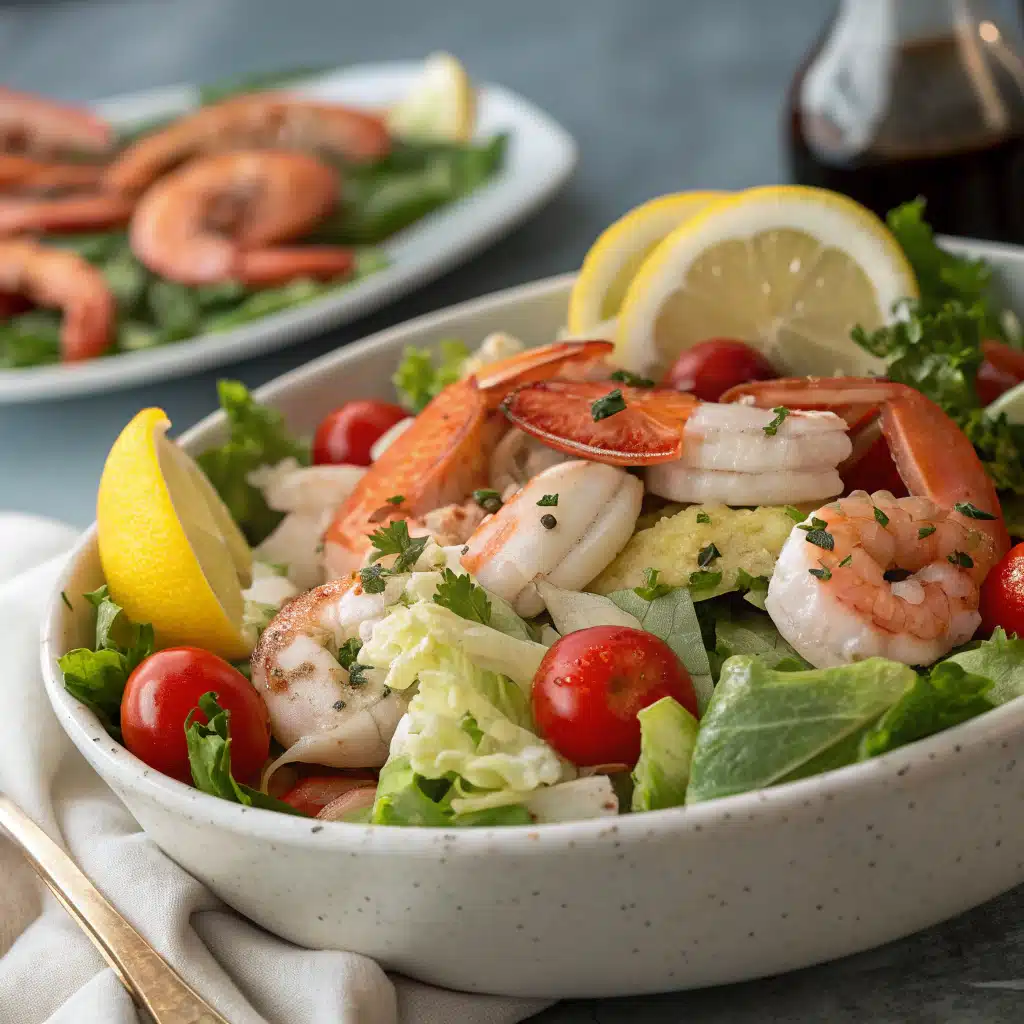
- For a party platter: Create a composed salad by placing a bed of mixed greens on a platter, topping with the seafood salad, and garnishing with lemon wedges, capers, and fresh herbs
Garnishing for Visual Appeal
The finishing touches can transform this simple seafood salad recipe into a visually stunning dish:
- Fresh herbs: Sprigs of dill, parsley, or chives not only add color but reinforce the flavors
- Citrus: Thin lemon or lime wheels, or small wedges for both decoration and flavor enhancement
- Paprika: A light dusting adds color contrast and a hint of smoky flavor
- Microgreens: Add height and delicate texture as a modern garnish
- Edible flowers: For special occasions, small edible blossoms create an elegant presentation
Remember that garnishes should be edible and complement the flavors of your seafood salad rather than simply serving as decoration.
FAQs About Seafood Salad
What seafood works best in a seafood salad recipe?
While this recipe uses imitation crab, numerous seafood options work beautifully in a seafood salad. Cooked shrimp, real lump crab meat, lobster, and even poached scallops all make excellent choices. For best results, choose seafood with a firm texture that won’t break down when mixed. If using multiple types, ensure all seafood is cut to similar sizes for consistent texture and even distribution. Always fully cook and chill seafood before incorporating it into your salad.
How do I prevent seafood salad from becoming watery?
To prevent a watery seafood salad, thoroughly drain and pat dry all seafood before mixing. If using thawed frozen seafood, allow it to drain in a colander for at least 15 minutes, then pat with paper towels. For vegetables like celery or bell peppers, which contain natural moisture, prepare them shortly before mixing to minimize water release. Finally, refrigerate the salad in a container lined with paper towels to absorb excess moisture, and stir well before serving.
Can I use frozen seafood for seafood salad?
Yes, frozen seafood can be used, but proper thawing is crucial. Thaw frozen seafood overnight in the refrigerator rather than at room temperature or with warm water, which can affect texture and food safety. Once thawed, drain thoroughly and pat dry before using. Quality may vary with frozen products, so when possible, purchase “flash-frozen” seafood, which tends to maintain better texture and flavor than slowly frozen options.
What dressing pairs well with seafood salad?
A mayonnaise-based dressing is traditional for seafood salad, but variations abound. For a lighter option, use half mayonnaise and half Greek yogurt or sour cream. For tang, add a splash of lemon juice or white wine vinegar. To create a more complex flavor profile, mix in a small amount of Dijon mustard. For a Mediterranean twist, incorporate a bit of olive oil with the mayonnaise and add fresh herbs like basil or oregano.
Is seafood salad served warm or cold?
Seafood salad is traditionally served cold. It should be thoroughly chilled (below 40°F) for food safety, especially in warm weather. Additionally, the flavors meld and develop when the salad is allowed to chill for at least an hour before serving. If taking to a picnic or outdoor gathering, keep it in a cooler with ice packs until ready to serve, and don’t leave it out at room temperature for more than two hours (one hour in hot weather).
How long can seafood salad be stored in the fridge?
Seafood salad made with imitation crab can be stored in an airtight container in the refrigerator for up to 3 days. If made with real seafood like shrimp or crab, consume within 1-2 days for best quality and safety. Always store seafood salad in the coldest part of your refrigerator, not in the door where temperatures fluctuate. If the salad develops an off odor or appearance, discard it regardless of storage time.
Conclusion
Why This Seafood Salad Recipe Stands Out
This seafood salad recipe strikes the perfect balance between simplicity and sophistication. With just a handful of ingredients that are readily available at most grocery stores, you can create a dish that’s both elegant enough for special occasions and simple enough for everyday enjoyment. The combination of tender imitation crab, crisp vegetables, and creamy dressing creates a harmonious blend of textures and flavors that’s universally appealing.
“Don’t miss our kani salad for another delicious way to enjoy imitation crab in a refreshing preparation.”
What truly makes this seafood salad recipe special is its versatility. It can be served in countless ways—as a sandwich filling, atop crisp lettuce, stuffed into an avocado, or alongside crackers as an appetizer. It adapts beautifully to different dietary needs and preferences with simple modifications. And with the suggested variations, you can customize it to suit regional tastes or personal preferences without losing the essential character that makes a seafood salad so beloved.
Final Tips for Seafood Salad Success
As you prepare to make this seafood salad recipe, keep these final pointers in mind:
First, quality ingredients make all the difference. Even though this is a simple recipe, using the best mayonnaise you can find and the freshest herbs and vegetables will elevate the final result significantly.
Second, patience pays off when it comes to chilling. While you could technically serve this salad immediately after mixing, allowing it to rest in the refrigerator gives the flavors time to meld and develop complexity.
Finally, don’t be afraid to make this recipe your own. Once you’ve mastered the basic version, experiment with different herbs, add-ins, or seafood combinations to create your signature seafood salad that friends and family will request time and again.
With its perfect balance of convenience, flavor, and elegance, this seafood salad recipe deserves a permanent place in your culinary repertoire—a reliable classic that never goes out of style.
PrintSeafood Salad Recipe

A classic creamy seafood salad featuring imitation crab, fresh dill, and a flavorful mayonnaise dressing. Perfect for sandwiches, lettuce wraps, or as a standalone dish.
- Prep Time: 10
- Total Time: 10 minutes
- Yield: 4 1x
- Category: Salad
- Cuisine: American
Ingredients
- 16 ounces imitation crab
- ½ cup mayonnaise (we prefer Duke’s)
- 1 stalk celery, diced
- 2 tablespoons finely chopped red onion
- 1 tablespoon chopped fresh dill
- ½ teaspoon Old Bay seasoning
- Kosher salt and ground black pepper, to taste
Instructions
- Break the imitation crab into bite-size chunks or chop with a knife, then place in a large mixing bowl.
- Add the diced celery, chopped red onion, fresh dill, and Old Bay seasoning to the bowl.
- Add the mayonnaise and gently fold all ingredients together until evenly combined.
- Season with kosher salt and freshly ground black pepper to taste.
- Cover and refrigerate for at least 1 hour before serving to allow flavors to meld.
- Serve chilled on bread as a sandwich, in lettuce cups, or as a dip with crackers.
Notes
Nutrition facts are estimates and may vary based on ingredients used, portion sizes, and preparation methods.
Nutrition
- Serving Size: 4
- Calories: 280Kcal
- Sugar: 3g
- Sodium: 890mg
- Fat: 20g
- Saturated Fat: 3g
- Carbohydrates: 15g
- Fiber: 1g
- Protein: 12g
- Cholesterol: 45mg
Keywords: seafood salad, imitation crab salad, cold seafood salad, creamy seafood salad
Let’s connect! Follow me for more Joylicious Recipes: Facebook, Instagram, Pinterest