Easy Homemade Brown Sugar Recipe: Perfect Results Every Time
Introduction: Why Make Your Own Brown Sugar?
The Benefits of Homemade Brown Sugar
DIY brown sugar is one of the simplest and most satisfying kitchen projects you can undertake. Unlike store-bought versions that often contain preservatives or become hard as rocks when stored improperly, homemade brown sugar delivers a fresh, aromatic product with a depth of flavor that can’t be matched. Additionally, making your own brown sugar at home is incredibly cost-effective, especially if you frequently bake or use brown sugar in your cooking.
Understanding Brown Sugar Basics
Brown sugar is essentially white granulated sugar combined with molasses, which gives it that distinctive color, moisture, and caramel-like flavor. The difference between light and dark brown sugar simply comes down to the amount of molasses added. Commercial manufacturers typically strip molasses from sugar cane during processing to create white sugar, then add it back in controlled amounts to produce brown sugar. When you make DIY brown sugar at home, you’re recreating this process but with fresher ingredients and complete control over the final product.
Ingredients: What You’ll Need for DIY Brown Sugar
Core Components Explained
Making homemade brown sugar requires just two simple ingredients that you likely already have in your pantry. The quality of these ingredients directly impacts your final product, so choose wisely:
| Ingredient | Quantity | Notes |
|---|---|---|
| Granulated Sugar | 1 cup (200g) | Use regular white sugar; finer sugars will create a different texture |
| Unsulphured Molasses | 1-2 Tablespoons | 1 Tbsp for light brown sugar, 2 Tbsp for dark brown sugar |
Selecting the Right Molasses
The type of molasses you choose matters significantly. Unsulphured molasses has a cleaner, purer flavor that works best for DIY brown sugar. Blackstrap molasses, while nutritious, has a stronger, more bitter flavor that isn’t ideal for most brown sugar applications.
“Looking for inspiration? Try our Brown Sugar Banana Pancakes for a delicious way to use your homemade brown sugar.”
Step-by-Step: How to Make DIY Brown Sugar
Preparation Process
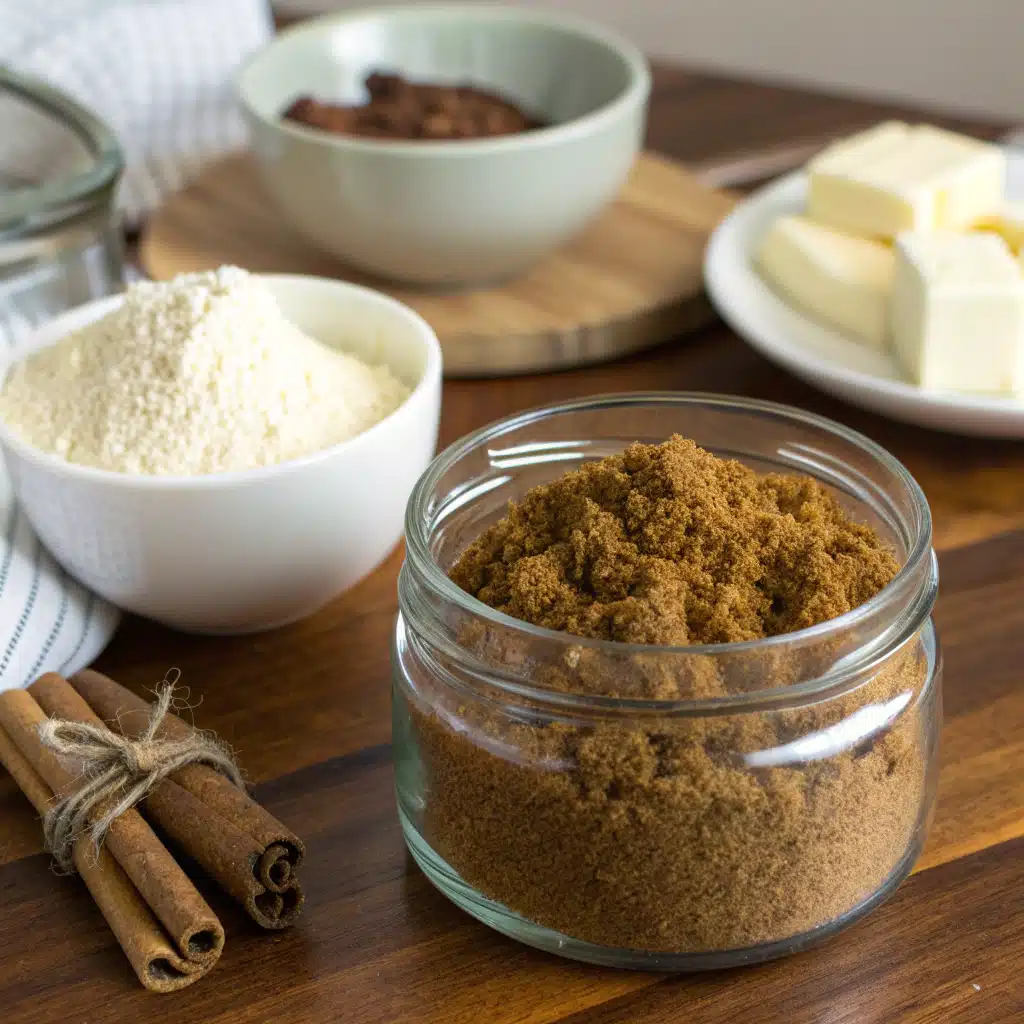
Making your own brown sugar couldn’t be simpler. The entire process takes less than five minutes, and you’ll have fresh, homemade brown sugar ready to use in any recipe.
- Measure out 1 cup (200g) of granulated sugar and place it in a medium mixing bowl.
- Add 1 tablespoon of unsulphured molasses for light brown sugar or 2 tablespoons for dark brown sugar.
- Use a spatula to begin combining the ingredients, pressing the mixture against the sides of the bowl to incorporate the molasses evenly.
- Continue mixing until no white sugar granules remain visible and the color is uniform throughout.
- Break apart any remaining clumps by pressing them against the side of the bowl with your spatula.
- Transfer your freshly made brown sugar to an airtight container for storage.
Troubleshooting Common Issues
If your DIY brown sugar seems too wet or clumpy, add a small amount of additional granulated sugar and mix again. Conversely, if it’s too dry or not dark enough for your liking, incorporate a bit more molasses. The beauty of making brown sugar at home is that you can adjust it to your exact preferences.
“Don’t miss our Brown Sugar Garlic Chicken Recipe which perfectly showcases the rich flavor of homemade brown sugar.”
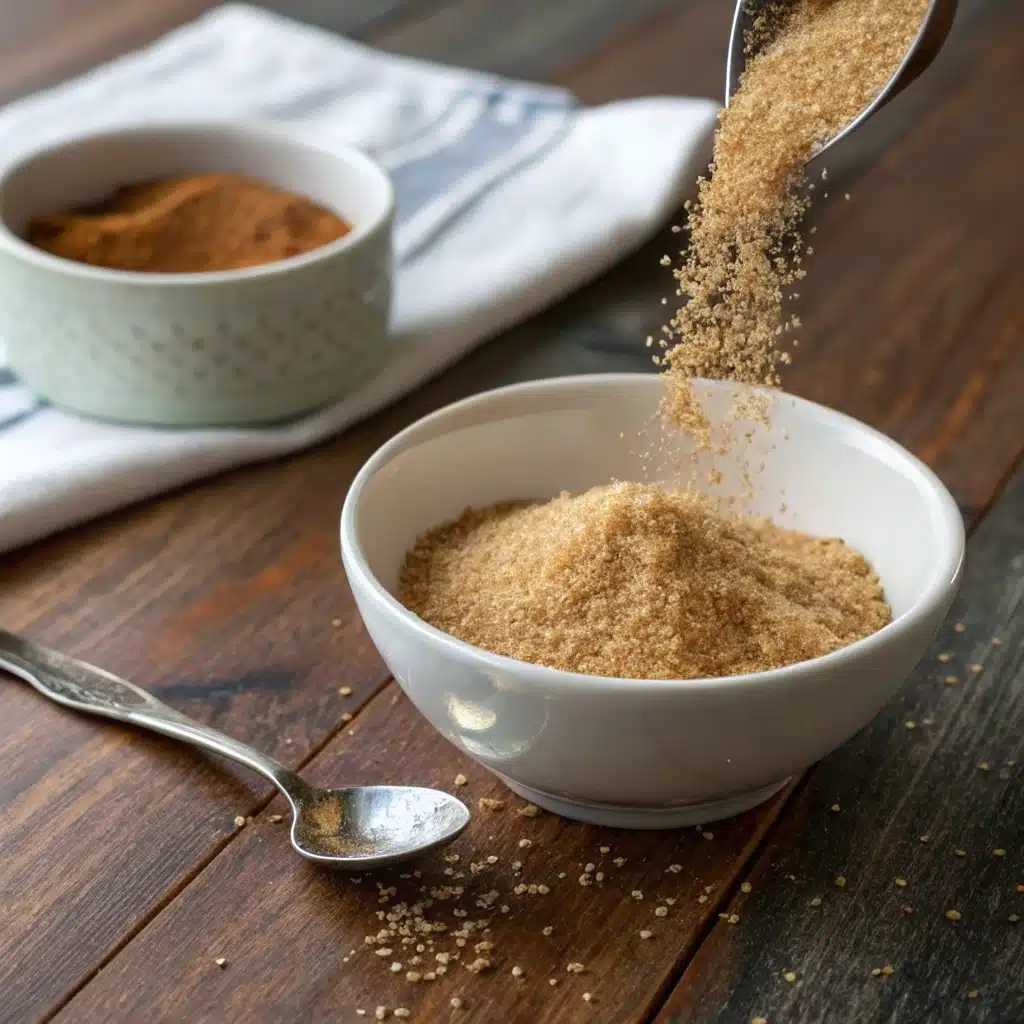
Tips: Mastering Your DIY Brown Sugar
Getting the Perfect Texture
For the ideal brown sugar consistency, take your time during the mixing process. Using a fork or even your fingertips can help break down any stubborn lumps of molasses. Some bakers prefer using a food processor or stand mixer with the paddle attachment for larger batches, which creates a perfectly uniform texture in seconds. However, the hand-mixing method works perfectly fine for smaller quantities and gives you more control over the final product.
Achieving Different Varieties
The versatility of DIY brown sugar allows you to create custom varieties beyond standard light and dark options. For a deeper, more complex flavor profile, try using different types of molasses or even maple syrup for a unique twist. You can also add a touch of vanilla extract or cinnamon to create flavored brown sugars that work beautifully in specific recipes. Experiment with the ratios to find your perfect blend.
Measuring Tips for Best Results
When measuring molasses, spray your measuring spoon with a bit of cooking oil first – this prevents the sticky molasses from clinging to the spoon and makes cleanup much easier. For accurate sugar measurements, use the spoon-and-level method rather than scooping directly with your measuring cup, which can compact the sugar and give you more than the recipe calls for.
Storage: Keeping Your DIY Brown Sugar Fresh
Proper Container Selection
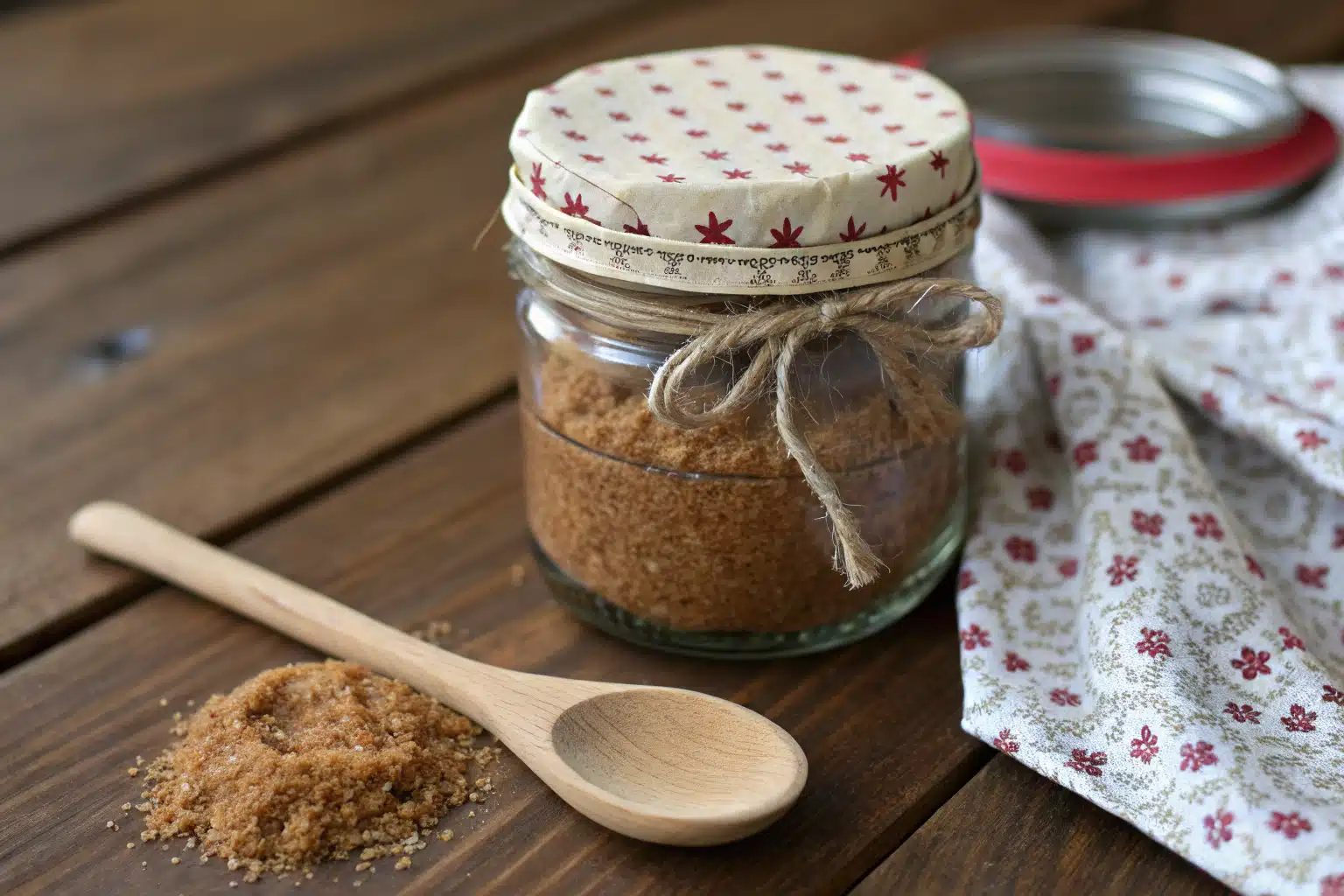
The enemy of brown sugar is air, which causes it to dry out and harden. Store your DIY brown sugar in an airtight container with a tight-fitting lid. Mason jars, plastic food storage containers with secure seals, or specialized brown sugar keepers all work well.
“Here’s your guide to storing brown sugar properly to maintain its moisture and flavor.”
Ideal Storage Conditions
Keep your homemade brown sugar in a cool, dark place like a pantry or cabinet. Avoid storing it near the stove or other heat sources, as heat can cause the molasses to separate from the sugar crystals. While refrigeration isn’t necessary, some bakers prefer it for longer-term storage. If you choose to refrigerate, ensure your container is truly airtight to prevent the sugar from absorbing odors.
Reviving Hardened Brown Sugar
Even with proper storage, homemade brown sugar may eventually harden. To revive it, place a slice of fresh bread or a few marshmallows in the container overnight – they’ll release moisture that the sugar will absorb. Alternatively, microwave the hardened sugar with a damp paper towel over it for 15-20 seconds, then break apart the softened sugar with a fork. For immediate use, simply grate hardened brown sugar with a box grater.
Variations: Creative DIY Brown Sugar Recipes
Flavored Brown Sugars
Expand your DIY brown sugar repertoire by infusing different flavors. Create vanilla brown sugar by adding the seeds from one vanilla bean or a teaspoon of vanilla extract to your basic recipe. For cinnamon brown sugar, incorporate one teaspoon of ground cinnamon. Orange or lemon zest adds a bright, citrusy note that works wonderfully in fruit-based desserts.
“Want more ideas? Check out our Cinnamon Swirl Pancakes with Cream Cheese Glaze that uses flavored brown sugar.”
Alternative Sweetener Options
For those looking to experiment with different base sugars, try making brown sugar with coconut sugar for a lower glycemic option with a naturally caramel-like flavor. Turbinado or raw sugar creates a more rustic brown sugar with interesting texture and flavor notes. Keep in mind that alternative sugars may require adjusting the amount of molasses to achieve your desired color and flavor intensity.
Global Brown Sugar Variations
Different cultures have their own versions of brown sugar worth exploring. Piloncillo (Mexican brown sugar), jaggery (Indian unrefined cane sugar), or muscovado (unrefined sugar with high molasses content) all offer unique flavors that can inspire your homemade creations. While these are distinct products, understanding their profiles can help you customize your DIY brown sugar to achieve similar flavor notes.
Serving: Using Your DIY Brown Sugar
Perfect Pairings
Homemade brown sugar shines in countless recipes. Its moist texture and rich flavor make it ideal for cookies, giving them a chewy center and caramelized edges. It’s also perfect for glazes and marinades, where its complex flavor can develop during cooking. Try sprinkling it over oatmeal or yogurt, or use it as a finishing touch on broiled grapefruit for a special breakfast treat.
Baking Applications
In baking, DIY brown sugar performs beautifully in everything from classic chocolate chip cookies to complex spice cakes. It contributes not just sweetness but also moisture and depth of flavor. For recipes where brown sugar is a star ingredient, like pecan pie or brown sugar shortbread, the fresher flavor of homemade brown sugar makes a noticeable difference in the final result.
“Discover great ideas like our Texas Roadhouse Honey Cinnamon Butter which pairs perfectly with fresh bread and your homemade brown sugar.”
Savory Dishes and Marinades
Don’t limit your homemade brown sugar to sweet applications. It’s an excellent ingredient in savory dishes too, particularly in barbecue sauces, glazes for ham or salmon, and Asian-inspired marinades. The molasses component adds complexity that balances beautifully with savory flavors and helps create caramelization when cooking.

FAQs: Common Questions About DIY Brown Sugar
How to make brown sugar in home?
Making brown sugar at home is simple: combine 1 cup of granulated sugar with 1 tablespoon of unsulphured molasses for light brown sugar or 2 tablespoons for dark brown sugar. Mix thoroughly until completely incorporated and no white sugar granules remain visible.
How to make brown sugar without molasses?
If you don’t have molasses, you can substitute maple syrup, honey, or even a bit of agave nectar. The flavor will be slightly different, but the moisture and color will be similar. Use approximately the same amount as you would molasses.
What is a good substitute for brown sugar?
If you need a substitute for brown sugar in a recipe, you can use coconut sugar as is, or mix white sugar with a small amount of maple syrup. In a pinch, white sugar with a touch of honey can also work, though the flavor profile will be different.
Can I make brown sugar from regular sugar?
Yes, that’s exactly what DIY brown sugar is! Regular granulated sugar mixed with molasses creates perfect brown sugar. The ratio determines whether you end up with light or dark brown sugar.
Can I use honey instead of molasses?
Absolutely. While honey doesn’t have the same deep flavor as molasses, it works well as a substitute. The resulting brown sugar will have a milder, floral sweetness rather than the robust flavor that molasses provides.
How is brown sugar naturally made?
Naturally, brown sugar is simply sugar that retains some of the molasses from the original sugar cane. Commercial processing often involves fully refining sugar to remove all molasses, then adding specific amounts back in for consistent products. Your homemade version recreates this process in a simple way.
Conclusion: Why DIY Brown Sugar Is Worth It
The Value of Homemade Ingredients
Making DIY brown sugar represents more than just a simple kitchen hack – it’s part of a broader approach to taking control of your ingredients. When you make brown sugar at home, you know exactly what’s in it, can adjust it to your taste preferences, and avoid unnecessary additives or preservatives. Plus, it’s incredibly economical, especially if you bake frequently.
“Learn more about homemade ingredients that can elevate your cooking.”
Final Thoughts and Encouragement
Once you experience the fresh aroma and superior flavor of homemade brown sugar, you’ll likely never want to return to the store-bought version. The process is so quick and simple that it can easily become part of your regular kitchen routine. Consider making slightly larger batches to have on hand for impromptu baking sessions. With just two ingredients and five minutes of your time, you can create an essential pantry staple that will improve virtually every recipe that calls for brown sugar.
PrintDIY Brown Sugar
Simple homemade brown sugar using just granulated sugar and molasses – fresher and more flavorful than store-bought versions.
- Prep Time: 5
- Total Time: 5 minutes
- Yield: 1 1x
- Category: Baking Ingredients
- Cuisine: American
Ingredients
- 1 cup (200 g) granulated sugar
- 1 Tablespoon unsulphured molasses (increase to 2 Tablespoons of molasses if you would like to make dark brown sugar)
Instructions
- Place granulated sugar in a mixing bowl.
- Add molasses to the sugar.
- Mix thoroughly with a spatula, pressing against the bowl sides to incorporate completely.
- Continue mixing until no lumps remain and brown sugar has a uniform color.
- Store in an airtight container.
Notes
Nutrition facts are estimates and may vary based on ingredients used, portion sizes, and preparation methods.
Nutrition
- Serving Size: 1
- Calories: 53 Kcal
- Sugar: 13g
- Carbohydrates: 13g
Keywords: diy brown sugar, homemade brown sugar, brown sugar recipe, molasses, baking ingredients
Let’s connect! Follow me for more Joylicious Recipes: Facebook, Instagram, Pinterest