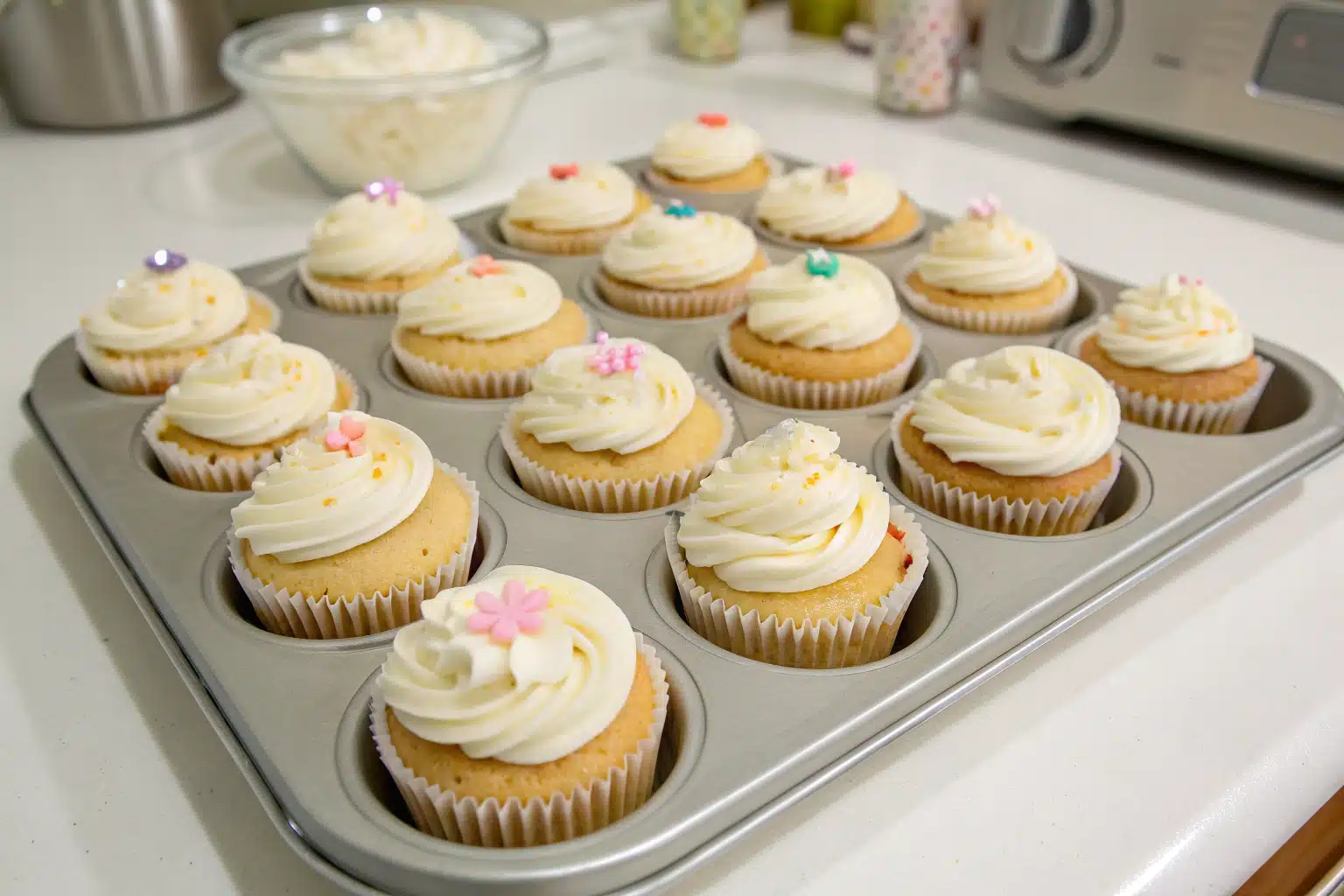
Classic Cupcakes Basic Recipe: Easy Homemade Vanilla Cupcakes
Why Homemade Cupcakes Are Better
Cupcakes basic recipe essentials start with understanding what makes homemade versions superior to store-bought options. When you create cupcakes from scratch, you control every ingredient that goes into these delightful treats. No artificial preservatives, no mysterious additives—just pure, simple ingredients that create that perfect balance of moist cake and creamy frosting. Homemade cupcakes also allow you to adjust sweetness levels and experiment with flavors to suit your personal preferences.
“Looking for inspiration? Try our buttercup squash recipes for another delicious baking project after mastering these cupcakes!”
The Science Behind Perfect Cupcakes
Understanding the science behind a cupcakes basic recipe helps ensure consistent results every time. The magic happens when butter and sugar cream together, creating tiny air pockets that expand during baking. This process, called creaming, is essential for achieving that light, fluffy texture we all crave in perfect cupcakes. Meanwhile, proteins in eggs provide structure while vanilla extract adds depth of flavor. The right balance of wet and dry ingredients creates the ideal consistency—not too dense, not too crumbly. Temperature also plays a crucial role; room temperature ingredients blend more effectively than cold ones, creating a smoother batter that bakes evenly.
Ingredients: What You’ll Need for Cupcakes Basic Recipe
Essential Ingredients Explained
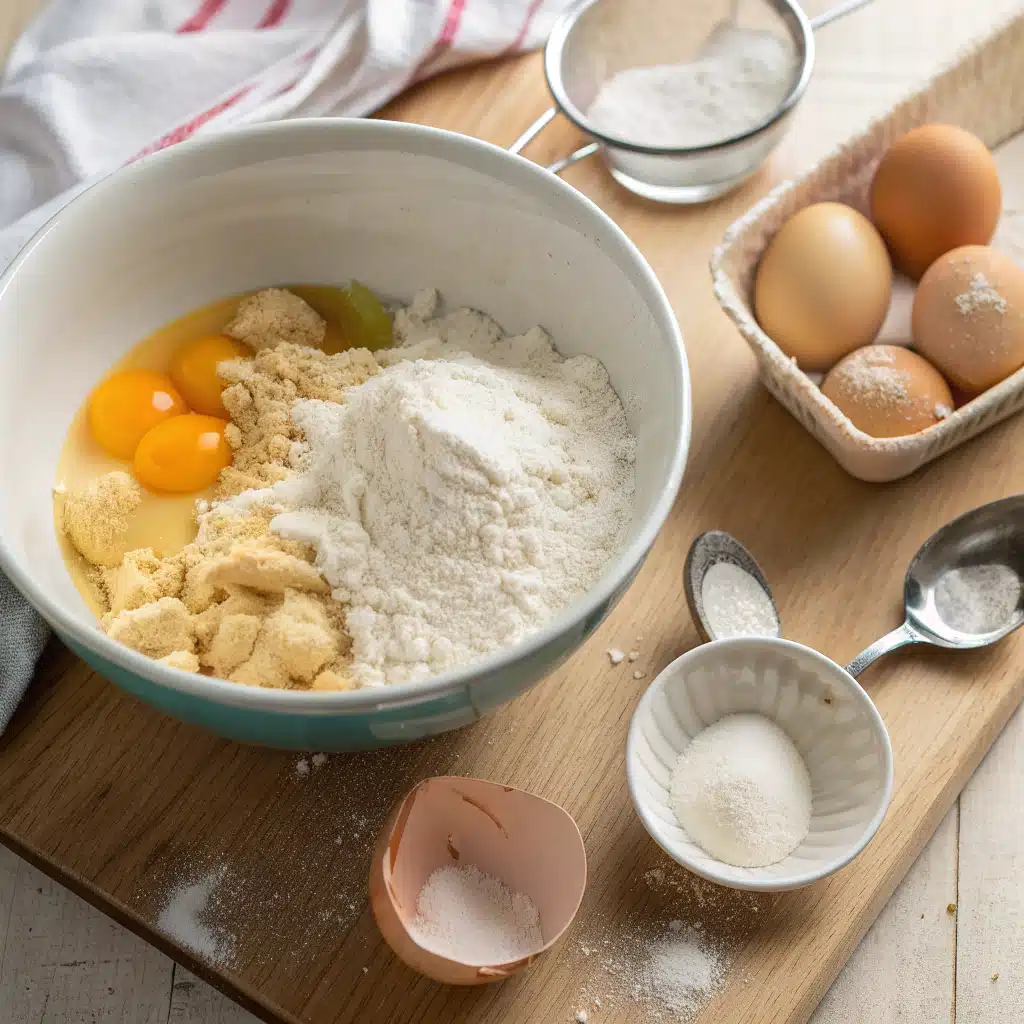
The beauty of a classic cupcakes basic recipe lies in its simplicity. Every ingredient plays a vital role in achieving the right flavor and texture. Let’s break down what you’ll need:
| Cupcake Ingredients | Amount | Purpose |
|---|---|---|
| Butter or margarine | 110g/4oz | Provides moisture and richness |
| Caster sugar | 110g/4oz | Sweetens and helps create air pockets |
| Eggs | 2, lightly beaten | Adds structure and moisture |
| Vanilla extract | 1 tsp | Enhances flavor |
| Self-raising flour | 110g/4oz | Creates structure and helps rise |
| Milk | 1-2 tbsp | Adjusts consistency |
| Buttercream Ingredients | Amount | Purpose |
|---|---|---|
| Butter (softened) | 140g/5oz | Creates creamy base |
| Icing sugar | 280g/10oz | Sweetens and thickens |
| Milk | 1-2 tbsp | Adjusts consistency |
| Food coloring | Few drops | Adds visual appeal |
Ingredient Substitutions and Alternatives
A versatile basic cupcake recipe can be adjusted to suit dietary preferences or the ingredients you have on hand. If you’re out of self-raising flour, use all-purpose flour with 1½ teaspoons of baking powder per cup. For dairy-free cupcakes, substitute butter with coconut oil or dairy-free margarine and use almond or oat milk. Need an egg alternative? Try ¼ cup of unsweetened applesauce or mashed banana per egg. For a gluten-free version, replace standard flour with a quality gluten-free flour blend. Vanilla extract can be substituted with almond extract, maple syrup, or even a touch of lemon zest for a different flavor profile.

Step-by-Step: Making Your Cupcakes Basic Recipe
Preparing Your Ingredients and Equipment
Before diving into your cupcakes basic recipe, proper preparation ensures smooth sailing. Start by gathering all ingredients and allowing butter and eggs to reach room temperature—this typically takes about 30 minutes. Room temperature ingredients incorporate more easily, creating a smoother batter and ultimately fluffier cupcakes. Meanwhile, preheat your oven to 180°C/350°F/Gas 4 to ensure it reaches the proper temperature when you’re ready to bake. Line a 12-hole muffin tin with paper cupcake cases—these not only make for easier cleanup but also help cupcakes maintain their shape during baking. Measure all ingredients precisely, as baking is a science where proportions matter significantly.
Mixing the Perfect Cupcake Batter
Creating the ideal cupcakes basic recipe batter requires attention to technique. Follow these numbered steps for foolproof results:
In a large mixing bowl, cream together the softened butter and caster sugar until the mixture becomes pale and fluffy—about 3-5 minutes using an electric mixer or 5-7 minutes by hand. This incorporates air, which helps the cupcakes rise.
Gradually add the beaten eggs, a little at a time, mixing well after each addition. If the batter starts to separate, stir in a tablespoon of flour to bring it back together.
Stir in the vanilla extract until fully incorporated.
Use a large metal spoon or rubber spatula to gently fold in the self-raising flour—avoid using a whisk. Use a cutting and folding motion rather than stirring to maintain the air bubbles in the batter.
Add milk gradually, a tablespoon at a time, until the batter reaches “dropping consistency”—when it falls easily from a spoon but isn’t runny.
Using an ice cream scoop or spoon, distribute the batter evenly among the cupcake cases, filling each one about halfway. This gives the cupcakes room to rise without overflowing.
Baking and Cooling Properly
The final stages of your cupcakes basic recipe require careful timing and patience. Place the filled muffin tin in the preheated oven and bake for 10-15 minutes. You’ll know they’re done when the tops are golden-brown and springy to the touch. Another reliable test is inserting a toothpick or skewer into the center of a cupcake—it should come out clean with no wet batter attached.
“Want more ideas? Check out our creamy skillet chicken with mushrooms and cheese for a savory treat after enjoying these sweet cupcakes!”
Once baked, allow the cupcakes to rest in the tin for about 5 minutes. This initial cooling period helps them set properly before you move them. Once baked, place the cupcakes carefully on a wire rack and allow them to cool fully. Cooling on a rack prevents condensation from making the bottoms soggy. Be patient—frosting warm cupcakes will result in melted buttercream sliding off the tops, so ensure they’re completely cool before decorating, which typically takes 30-45 minutes.
Tips: Mastering the Cupcakes Basic Recipe
Common Mistakes to Avoid
Even with a straightforward cupcakes basic recipe, certain pitfalls can affect your results. One frequent error is overmixing the batter, which develops too much gluten and results in tough, dense cupcakes. Mix just until ingredients are combined—no more. Another mistake is opening the oven door too early during baking, causing cupcakes to sink in the center. Resist peeking until at least 8 minutes have elapsed. Many bakers also incorrectly measure flour by scooping directly with a measuring cup, which compacts it and leads to dry cupcakes. Instead, spoon flour into measuring cups and level with a knife. Finally, don’t forget that temperature matters—cold eggs or butter won’t incorporate properly, leading to uneven texture and poor rise.
Pro Techniques for Perfect Texture
Elevating your cupcakes basic recipe to bakery-quality requires attention to detail. For ultra-light cupcakes, sift the flour before measuring to incorporate air and remove lumps. The creaming process is crucial—beat butter and sugar until genuinely light and fluffy, which might take longer than you think (3-5 minutes with an electric mixer). When adding eggs, incorporate them one at a time, beating well after each addition to maintain the emulsion. For even baking, rotate your muffin tin halfway through the baking time, especially if your oven has hot spots. To test doneness accurately, press gently on a cupcake’s center—it should spring back immediately when fully baked.
“Here’s your guide to garlic parmesan baked chicken for a delicious dinner option to serve before enjoying these cupcakes for dessert!”
Decorating Ideas Beyond Basic Frosting
While the classic buttercream complements this cupcakes basic recipe beautifully, numerous creative options exist. For a professional finish, invest in piping bags and various tips—a simple star nozzle creates elegant swirls with minimal effort. Beyond colored frosting, consider flavor additions like lemon zest, cocoa powder, or espresso powder to complement the vanilla base. Toppings add both visual appeal and textural contrast—try sprinkles, edible glitter, fresh berries, or toasted coconut. For special occasions, themed decorations like chocolate shapes, edible flowers, or fondant figures make cupcakes memorable. Even simple techniques like dipping frosted cupcakes in graham cracker crumbs or drizzling with caramel create impressive results with minimal effort.
Storage: Keeping Your Cupcakes Fresh
Short-Term Storage Solutions
Properly storing your cupcakes basic recipe creations maintains their freshness and flavor. For unfrosted cupcakes, once completely cooled, place them in an airtight container at room temperature with a piece of paper towel at the bottom to absorb excess moisture. They’ll stay fresh for 1-2 days this way. If you’ve already applied buttercream, store cupcakes in a container tall enough to avoid smashing the frosting. In warm weather, refrigeration becomes necessary for frosted cupcakes—place them in the refrigerator for up to 3 days, but bring to room temperature for about 30 minutes before serving for the best flavor and texture.
“Don’t miss our melt-in-your-mouth chicken recipe that pairs perfectly with these cupcakes for a complete meal plan!”
Freezing Cupcakes Successfully
Extending the life of your cupcakes basic recipe through freezing works remarkably well when done correctly. For unfrosted cupcakes, wrap each one individually in plastic wrap, then place in a freezer-safe container or zip-top bag. They’ll maintain quality for up to 3 months. When ready to use, unwrap and thaw at room temperature for about 2 hours before frosting. Surprisingly, you can even freeze frosted cupcakes—place them on a baking sheet until the frosting hardens, then wrap individually and freeze. Defrost in the refrigerator overnight, then let them sit at room temperature before serving. To maintain maximum freshness, label containers with the freezing date and use the oldest ones first. This method is perfect for preparing ahead for parties or preserving leftover treats.
Reviving Day-Old Cupcakes
Even the best cupcakes basic recipe creations can become slightly dry after a day or two, but several tricks can restore their moisture. For unfrosted cupcakes that have dried out, brush the tops with simple syrup (equal parts sugar and water, boiled until the sugar dissolves, then cooled). This adds moisture and a touch of sweetness. Another method is to place cupcakes in a container with a slice of bread, which transfers moisture to the cupcakes overnight. For slightly stale cupcakes, a few seconds in the microwave (5-10 seconds) can revitalize them—just be careful not to overdo it. Adding frosting to day-old cupcakes also helps mask any dryness, as the moisture from the buttercream gradually permeates the cake.
Variations: Customizing Your Cupcakes Basic Recipe
Flavor Adaptations and Add-ins
Transform your standard cupcakes basic recipe into extraordinary treats with simple flavor variations. For chocolate cupcakes, replace 2 tablespoons of flour with cocoa powder. Lemon cupcakes shine with 1 tablespoon of lemon zest and a splash of lemon juice added to the batter. For cinnamon-spiced cupcakes, add 1 teaspoon of ground cinnamon and a pinch of nutmeg. Coffee lovers can dissolve 1 teaspoon of instant espresso powder in the milk before adding it to the batter. Add-ins offer texture and flavor surprises—fold in ¼ cup of sprinkles for funfetti cupcakes, mini chocolate chips for a sweet surprise, or finely chopped nuts for crunch. Fresh or dried fruit pieces like blueberries or chopped dried cranberries work beautifully as well, adding bursts of flavor throughout the cupcake.
Seasonal and Holiday Cupcakes
Your cupcakes basic recipe easily adapts to celebrate any season or holiday. For spring, incorporate fresh berries and floral flavors like lavender or rose. Summer calls for tropical notes—add shredded coconut to the batter and top with pineapple-infused buttercream. Fall cupcakes shine with warm spices like cinnamon, nutmeg, and cloves, perhaps topped with apple butter swirled into the frosting. Winter holidays invite peppermint extract in the batter with crushed candy cane sprinkles. Beyond seasons, customize for specific celebrations—red, white, and blue sprinkles for Independence Day, green-tinted batter for St. Patrick’s Day, or orange-colored frosting with pumpkin spice for Halloween. These themed adaptations make your cupcakes basic recipe relevant year-round.
“Learn more about creamy garlic herb chicken to serve as a main course before enjoying these seasonal cupcakes!”
Dietary Modifications
Making your cupcakes basic recipe accessible to those with dietary restrictions ensures everyone can enjoy them. For gluten-free cupcakes, substitute a quality gluten-free flour blend (preferably one with xanthan gum) in equal amounts for the self-raising flour, adding 1½ teaspoons of baking powder per cup. Vegan adaptations replace butter with plant-based margarine or coconut oil, eggs with applesauce (¼ cup per egg) or flax eggs (1 tablespoon ground flaxseed mixed with 3 tablespoons water per egg), and dairy milk with almond, soy, or oat alternatives. Reduced-sugar versions can use 25-30% less sugar than called for, often without noticeable difference. For those watching calories, consider a lighter frosting option like whipped Greek yogurt sweetened with honey instead of traditional buttercream. These modifications maintain the essence of the original cupcakes basic recipe while accommodating various dietary needs.
Serving: Presenting Your Cupcakes Basic Recipe
Creative Presentation Ideas
Elevate your cupcakes basic recipe from simple treats to showstoppers with thoughtful presentation. For elegant displays, arrange cupcakes on tiered cake stands, creating visual interest through height variation. Color coordination makes a strong impression—group cupcakes by frosting color or create ombré effects from light to dark. For children’s parties, arrange cupcakes in shapes like numbers for birthdays or simple designs like flowers or animals. Individual presentation matters too—consider serving in decorative cupcake wrappers that complement your theme, or place single cupcakes in small glass jars or clear gift boxes tied with ribbon for take-home treats. Even simple presentation on a beautiful platter scattered with edible flowers, fresh berries, or complementary sprinkles creates a memorable impression without elaborate effort.
Pairing Suggestions
The right pairings enhance the enjoyment of your cupcakes basic recipe creations. For beverages, vanilla cupcakes pair beautifully with coffee—the bitterness contrasts wonderfully with the sweet frosting. Tea works splendidly too, particularly Earl Grey or chai with their aromatic qualities. For adults, consider champagne or prosecco with vanilla cupcakes, as the bubbles cleanse the palate between bites. Milk remains a classic pairing, especially for children, while hot chocolate creates a double-dessert experience in colder months. Beyond beverages, consider serving cupcakes alongside complementary flavors—fresh berries, small scoops of ice cream, or chocolate-dipped fruits create a more elaborate dessert experience. Even a simple dessert sauce for dipping, like caramel or raspberry coulis, elevates the humble cupcake to an interactive dessert experience.
Cupcakes for Special Occasions
Your cupcakes basic recipe provides the perfect foundation for celebrating life’s meaningful moments. For weddings, arrange vanilla cupcakes on multi-tiered stands surrounding a small cutting cake, decorated with colors matching the wedding theme. Birthday celebrations might feature cupcakes with personalized toppers or arranged to spell out names or ages. Baby showers shine with pastel-frosted cupcakes decorated with tiny baby-themed fondant shapes. For anniversary celebrations, consider gold or silver sprinkles or edible metallic paint for milestone years.
“Discover great ideas like garlic butter baked chicken breast to complete your special occasion menu alongside these celebration cupcakes!”
Business functions benefit from cupcakes featuring company logos as toppers, while holiday gatherings invite themed decorations—Christmas trees, Easter eggs, or Halloween pumpkins crafted from fondant or candy. The versatility of this cupcakes basic recipe makes it appropriate for both casual gatherings and formal events.

FAQs: Answering Your Cupcakes Basic Recipe Questions
What are the ingredients for a cupcake?
A basic cupcake needs butter, sugar, eggs, vanilla, self-raising flour, and milk. For frosting, use butter, icing sugar, and milk, with optional coloring.
How to make a perfect cupcake?
Cream butter and sugar until fluffy, add eggs slowly, fold in flour gently, and avoid overmixing. Fill liners halfway, bake in a preheated oven, and cool completely before frosting. Use room-temperature ingredients and precise measurements for best results.
What are common cupcake mistakes?
Overmixing makes cupcakes dense, opening the oven early causes sinking, and mismeasuring flour leads to dryness. Frosting while warm melts the topping. Other mistakes include using cold ingredients, overfilling liners, or poor storage.
Can I make cupcakes with plain flour?
Yes. Replace self-raising flour with plain flour plus 1½ teaspoons baking powder per cup (110g). Mix well before adding to the batter to ensure even rising.
What makes a cupcake light and fluffy?
Properly creamed butter and sugar, room-temperature ingredients, and gentle folding create airy texture. Avoid overmixing, use fresh baking powder, and bake at the correct oven temperature.
What does a cupcake contain?
Typically, cupcakes have butter, sugar, eggs, flour, leavening, and vanilla, plus milk for consistency. They’re usually topped with buttercream made from butter, icing sugar, and milk. Variations include extra flavors, fillings, or decorations.
“Check out our creamy one-pan chicken and rice for a satisfying dinner before enjoying these sweet treats!”
Conclusion: Mastering Your Cupcakes Basic Recipe
Why This Recipe Works Every Time
This cupcakes basic recipe has stood the test of time for good reason—it’s built on fundamental baking principles that ensure success. The equal-weight ratio of key ingredients (butter, sugar, flour) creates perfect balance, while the method emphasizes crucial techniques like proper creaming and gentle folding. Its simplicity makes it accessible to beginners, yet the results satisfy even experienced bakers. The recipe also provides flexibility—it works as a standalone treat or as a foundation for countless variations. Unlike complex desserts that require special equipment or techniques, these cupcakes need only basic kitchen tools and straightforward methods. When followed carefully, this recipe consistently delivers tender, moist cupcakes with the perfect crumb texture and a balanced sweetness that appeals to all ages.
Taking Your Cupcake Skills Further
Once you’ve mastered this cupcakes basic recipe, countless opportunities await to expand your baking repertoire. Consider exploring filled cupcakes—after baking, core the centers and add jam, chocolate ganache, or pastry cream for delightful surprises. Advanced frosting techniques like Russian piping tips create elaborate flower designs with simple motions. Try your hand at fondant decorations, starting with basic shapes and advancing to more complex designs as your skills grow.
“Discover great ideas like crispy parmesan crusted chicken for dinner inspiration while you continue your baking journey!”
Experiment with flavor combinations like chai spice cupcakes with honey buttercream or dark chocolate cupcakes with salted caramel frosting. Consider taking a decorating class to learn professional techniques, or challenge yourself with themed cupcake designs for holidays and special events. With this solid foundation, your cupcake creativity has no limits—each batch becomes an opportunity to refine your skills and express your unique baking style.
PrintClassic Cupcakes Basic Recipe: Easy Homemade Vanilla Cupcakes
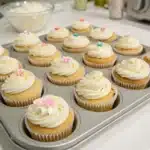
Classic vanilla cupcakes with buttercream frosting – a simple, foolproof recipe perfect for beginners and experienced bakers alike.
- Prep Time: 15 minutes
- Cook Time: 15 minutes
- Total Time: 30 minutes
- Yield: 12 cupcakes 1x
- Category: Dessert
- Cuisine: British
Ingredients
- 110g/4oz butter or margarine, softened at room temperature
- 110g/4oz caster sugar
- 2 free-range eggs, lightly beaten
- 1 tsp vanilla extract
- 110g/4oz self-raising flour
- 1–2 tbsp milk
- 140g/5oz butter, softened
- 280g/10oz icing sugar
- 1–2 tbsp milk
- a few drops food colouring
Instructions
- Preheat oven to 180C/350F/Gas 4 and line a 12-hole muffin tin with paper cases.
- Cream butter and sugar until pale and fluffy. Beat in eggs gradually, then stir in vanilla.
- Gently fold in flour using a metal spoon, adding milk until batter reaches dropping consistency.
- Spoon mixture into cases, filling halfway. Bake 10-15 minutes until golden and a skewer comes out clean.
- Cool in tin for 5 minutes, then transfer to a wire rack to cool completely.
- For buttercream, beat butter until soft. Add half the icing sugar and beat until smooth.
- Add remaining icing sugar with 1 tbsp milk, adding more if needed, until creamy. Add food coloring.
- Pipe or spread frosting onto cooled cupcakes in decorative swirls.
Notes
Nutrition facts are estimates and may vary based on ingredients used, portion sizes, and preparation methods.
Nutrition
- Serving Size: 12 cupcakes
- Calories: 290
- Sugar: 28g
- Sodium: 105mg
- Fat: 16g
- Saturated Fat: 10g
- Trans Fat: 0g
- Carbohydrates: 35g
- Fiber: 0g
- Protein: 2g
- Cholesterol: 72mg
Keywords: vanilla cupcakes, basic cupcake recipe, homemade cupcakes, buttercream frosting, cupcakes basic recipe
Let’s connect! Follow me for more Joylicious Recipes: Facebook, Instagram, Pinterest