Ultimate Gochujang Chicken Sheet Pan: Sweet, Spicy, and Ready in 30 Minutes
Introduction: Discover the Perfect Weeknight Dinner Solution
Why Gochujang Chicken Sheet Pan Meals Are a Game-Changer
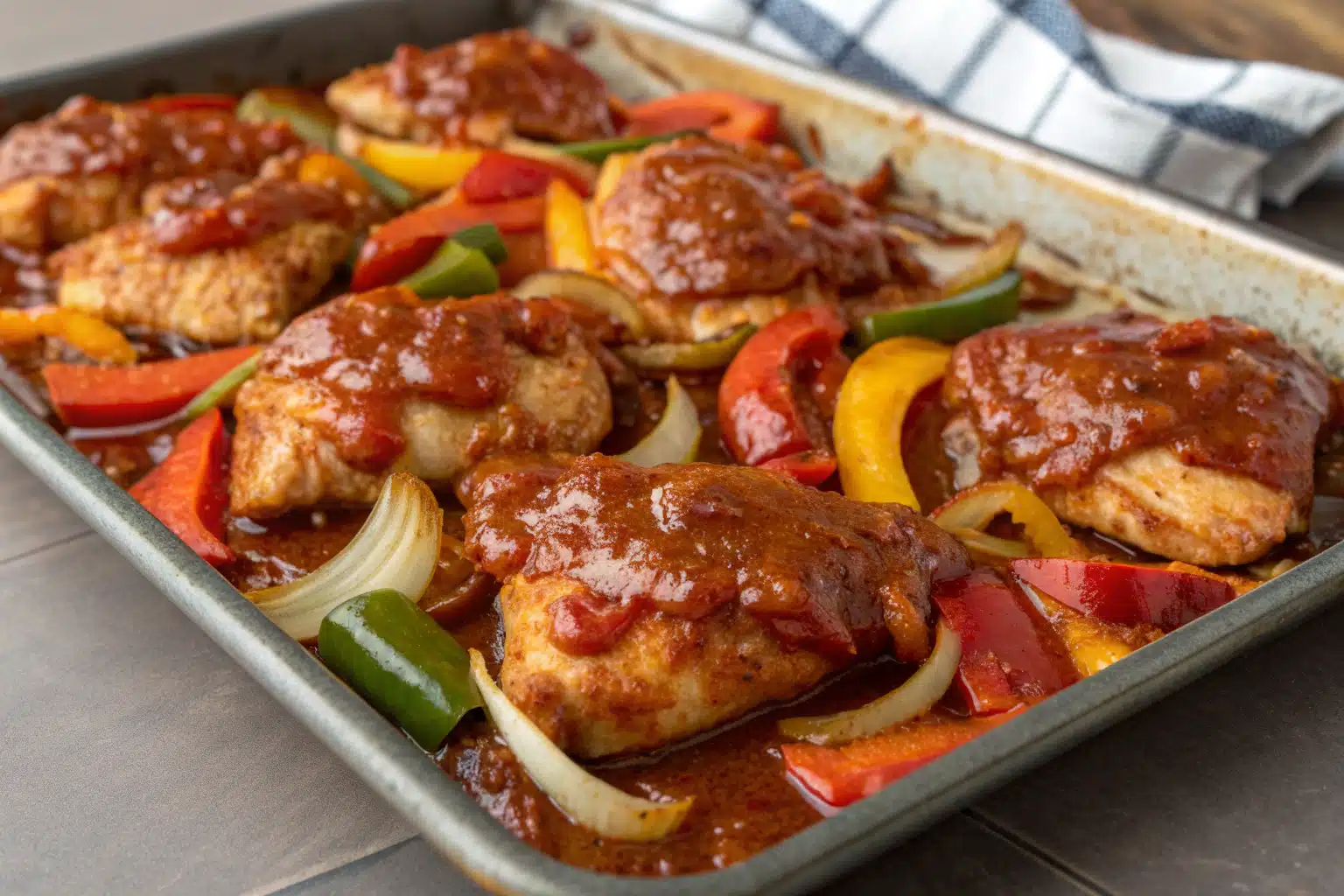
Gochujang chicken sheet pan dinners have revolutionized weeknight cooking with their perfect balance of sweet, spicy, and savory flavors. This Korean-inspired one-pan wonder combines crispy chicken with colorful vegetables and a glossy gochujang glaze that caramelizes beautifully in the oven. “Looking for inspiration? Try our chicken vegetable soup recipe for another easy meal solution.” Unlike complicated multi-step recipes, this gochujang chicken sheet pan meal delivers restaurant-quality results with minimal effort and cleanup.
The Magic of Gochujang in Sheet Pan Cooking
Gochujang, the star ingredient in our sheet pan recipe, is a fermented Korean chili paste that adds depth, umami, and a distinct sweet-spicy flavor that elevates ordinary chicken. When baked on a sheet pan, gochujang creates a gorgeous caramelized exterior on the chicken while keeping the interior perfectly juicy. The heat from the gochujang beautifully complements the natural sweetness of the roasted vegetables, creating a harmonious meal that’s both satisfying and nutritionally balanced.
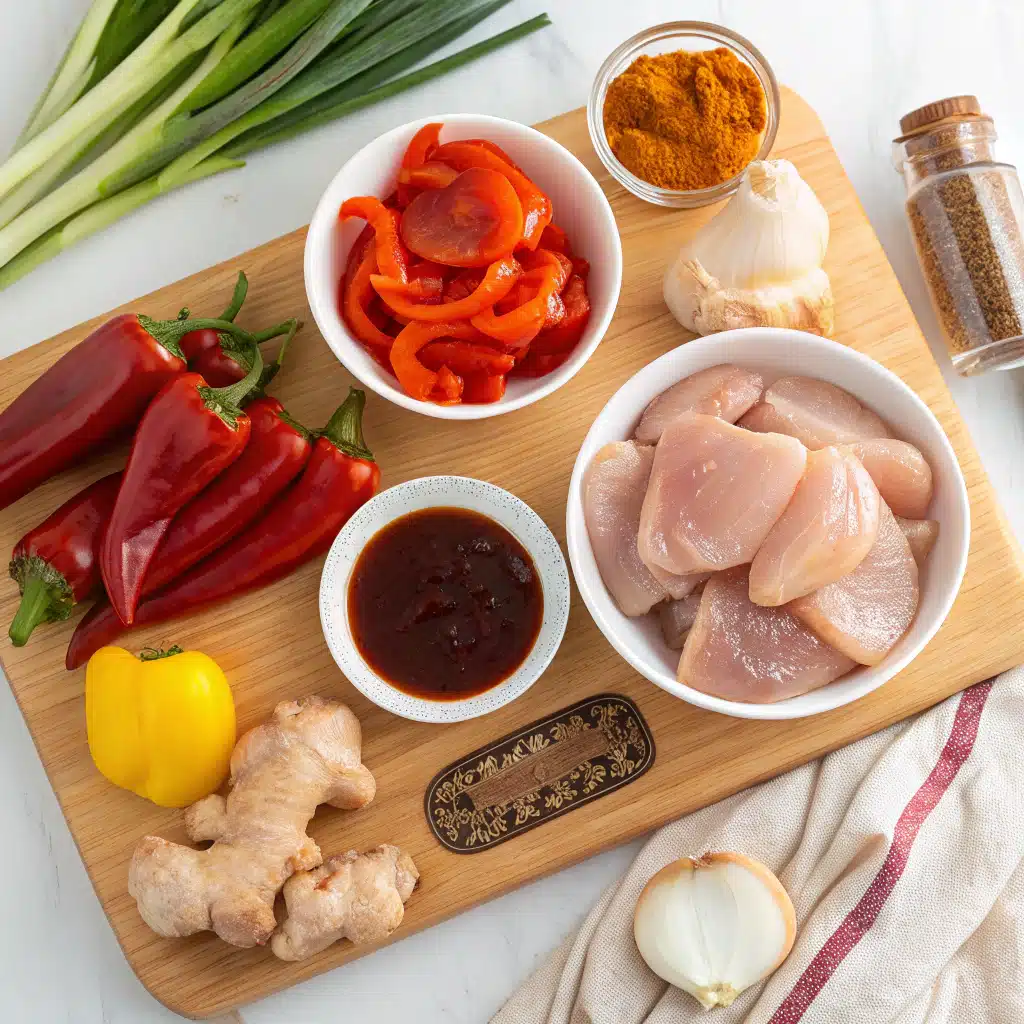
Ingredients: Everything You Need for Perfect Gochujang Chicken Sheet Pan
For the Crispy Chicken Base
The foundation of our gochujang chicken sheet pan recipe starts with perfectly crispy chicken pieces. The simple yet effective coating method ensures restaurant-quality results right in your home oven.
| Ingredient | Amount | Notes |
|---|---|---|
| Boneless chicken breasts | 2 lb | Cut into 2-inch pieces |
| Egg | 1 large | Beaten |
| Cornflakes | 3 1/2 cups | Finely crushed |
| Parmesan cheese | 1/4 cup | Grated |
| Black pepper | 1 teaspoon | Freshly ground preferred |
| Salt | 1 teaspoon | |
| Olive oil | For drizzling |
For the Vibrant Vegetables and Flavorful Sauce
The colorful vegetable medley not only adds nutritional value but also creates a beautiful contrast to the gochujang chicken. The sauce brings everything together with its perfect balance of sweet, savory, and spicy notes.
| Vegetables | Amount | Sauce Ingredients | Amount |
|---|---|---|---|
| Broccoli florets | 3 cups | Soy sauce or tamari | 1/2 cup |
| Red bell pepper | 1, sliced | Honey | 2 tablespoons |
| Carrot matchsticks | 1 cup | Gochujang | 1-2 tablespoons |
| Sliced mushrooms | 1 cup | Rice vinegar | 2 tablespoons |
| Olive oil | For drizzling | Fresh ginger | 1 tablespoon, grated |
| Salt and pepper | To taste | Garlic | 3 cloves, grated |
| Sesame oil | 2 tablespoons | ||
| Water | 1/4 cup |
For the Crunchy Topping and Serving Elements
The finishing touches elevate this gochujang chicken sheet pan meal from great to extraordinary, adding contrasting textures and bright flavors.
| Topping Ingredients | Amount | Serving Elements | Amount |
|---|---|---|---|
| Toasted cashews | 1/3 cup, chopped | Steamed rice | As needed |
| Toasted sesame seeds | 3 tablespoons | Lime wedges | For serving |
| Green onions | 1/2 cup, chopped | ||
| Garlic | 1 clove, finely minced | ||
| Crushed red pepper | Pinch | ||
| Salt | Small pinch |
Step-by-Step: Making the Ultimate Gochujang Chicken Sheet Pan
Preparation and Chicken Coating (10 minutes)
- Preheat your oven to 450°F and line a large baking sheet with parchment paper or aluminum foil for easy cleanup.
- In a shallow bowl, beat the egg until smooth.
- In a separate bowl, combine the crushed cornflakes, grated Parmesan, salt, and black pepper, mixing well to create the coating mixture.
- Dip each piece of chicken into the beaten egg, allowing excess to drip off.
- Press the chicken pieces firmly into the cornflake mixture, ensuring they’re evenly coated on all sides.
- Arrange the coated chicken on one half of the prepared sheet pan, leaving space between pieces for even cooking.
- Lightly drizzle the chicken with olive oil to help achieve a golden-brown finish.
Vegetable Prep and Initial Bake (15-20 minutes)
- In a large bowl, toss the broccoli florets, sliced red bell pepper, carrot matchsticks, and mushrooms with a drizzle of olive oil, salt, and pepper.
- Spread the seasoned vegetables on the other half of the sheet pan, arranging them in a single layer for even roasting. “Discover great ideas like our garlic parmesan green beans for another delicious veggie side option.”
- Place the sheet pan in the preheated oven and bake for 15-20 minutes, or until the chicken is nearly cooked through and the vegetables are beginning to caramelize around the edges.
Creating the Gochujang Glaze (5 minutes)
- While the chicken and vegetables are baking, combine soy sauce, honey, gochujang, rice vinegar, grated ginger, grated garlic, sesame oil, and water in a small saucepan.
- Bring the mixture to a gentle simmer over medium heat, stirring occasionally.
- Allow the sauce to simmer for about 5 minutes, until it has thickened slightly and developed a glossy appearance.
- Taste and adjust the gochujang amount if you prefer more or less spiciness.
Finishing and Serving (5-10 minutes)
- When the initial baking time is complete, carefully remove the sheet pan from the oven.
- Transfer the roasted vegetables to a serving dish and cover to keep warm.
- Pour the prepared gochujang glaze over the chicken pieces, using a spatula or brush to ensure even coating.
- Return the chicken to the oven and bake for an additional 5 minutes, until the glaze has caramelized and the chicken is completely cooked through (165°F internal temperature).
- While the chicken finishes baking, combine the cashews, sesame seeds, green onions, minced garlic, crushed red pepper, and salt in a small bowl to create the crunchy topping.
- Serve the glazed gochujang chicken and roasted vegetables over steamed rice, garnished with the crunchy topping and lime wedges on the side.
Tips for Gochujang Chicken Sheet Pan Success
Getting the Right Spice Level
The beauty of this gochujang chicken sheet pan recipe lies in its adaptability to your preferred spice level. For mild heat that’s family-friendly, start with just 1 tablespoon of gochujang and increase gradually in future preparations as you become accustomed to the flavor. For spice enthusiasts, use the full 2 tablespoons or even add a teaspoon of Korean chili flakes (gochugaru) to the sauce. Remember that the honey in the recipe helps balance the heat, so you can also adjust that ingredient to find your perfect sweet-spicy ratio.
Achieving Perfect Crispy Chicken
For truly exceptional gochujang chicken sheet pan results, these crispy chicken techniques make all the difference:
- Ensure your chicken pieces are uniform in size for even cooking.
- Pat the chicken completely dry before dipping in egg to help the coating adhere better.
- Crush the cornflakes finely but not into dust – you want some texture for maximum crispiness.
- Don’t overcrowd the sheet pan – leave space between chicken pieces for hot air circulation.
- Use a higher-sided sheet pan to prevent any sauce from spilling during the final glazing step.
Vegetable Selection and Prep Tips
While our gochujang chicken sheet pan recipe includes a specific vegetable combination, the beauty of sheet pan cooking is its flexibility. “Don’t miss our honey butter roasted carrots for another delicious vegetable preparation method.” Consider these tips for vegetable success:
- Cut all vegetables into similar-sized pieces to ensure even cooking.
- For softer vegetables like zucchini or tomatoes, add them halfway through the cooking time.
- Root vegetables like potatoes or sweet potatoes should be cut smaller or pre-roasted briefly before adding to the sheet pan.
- Toss vegetables with a bit of the gochujang sauce before roasting for an extra flavor boost.
- For a brighter finish, sprinkle freshly chopped herbs over the vegetables just before serving.
Storage: Making Your Gochujang Chicken Sheet Pan Meal Last
Refrigeration Methods for Leftover Gochujang Chicken
Proper storage ensures your delicious gochujang chicken sheet pan meal remains safe and flavorful for additional meals. After cooking, allow leftover chicken and vegetables to cool completely before refrigerating. Store them in separate airtight containers to prevent the vegetables from becoming soggy from the sauced chicken. Properly stored, your gochujang chicken will remain fresh in the refrigerator for up to 3-4 days.
“Here’s your guide to creamy chicken spaghetti casserole for another make-ahead meal option.”
Freezing and Reheating Guidelines
This gochujang chicken sheet pan recipe also freezes beautifully for future meals:
- For best results, freeze the chicken and vegetables separately in airtight containers or freezer bags.
- Remove as much air as possible to prevent freezer burn.
- Label containers with the date and contents.
- Frozen gochujang chicken will maintain best quality for up to 2-3 months.
- When ready to enjoy, thaw overnight in the refrigerator.
- Reheat chicken in a 350°F oven for 10-15 minutes until warmed through.
- For crispier results, use an air fryer at 375°F for 5-7 minutes.
- Microwave reheating works but will result in softer texture (2-3 minutes on medium power, stirring halfway).
Creative Ways to Repurpose Leftovers
Transform leftover gochujang chicken sheet pan components into entirely new meals:
- Chop the chicken and vegetables finely and use as filling for lettuce wraps.
- Toss with cooked noodles and additional sauce for a quick stir-fry.
- Add to scrambled eggs with cheese for a flavorful breakfast.
- Create a rice bowl with fresh toppings like avocado and a fried egg.
- Stuff into tortillas with cheese for Korean-inspired quesadillas.
Variations: Customizing Your Gochujang Chicken Sheet Pan
Protein Alternatives for Gochujang Sheet Pan Meals
While chicken breasts work wonderfully in this gochujang sheet pan recipe, don’t be afraid to experiment with different proteins for variety:
Chicken thighs: Substitute an equal weight of boneless, skinless chicken thighs for even juicier results. Thighs can withstand longer cooking times without drying out and develop exceptional flavor with the gochujang glaze.
Tofu: For a vegetarian version, press extra-firm tofu to remove excess moisture, cut into cubes, and coat using the same method. Tofu may require slightly less cooking time (about 15 minutes total).
Pork tenderloin: Cut into 2-inch medallions and prepare according to the chicken instructions. The sweet-spicy gochujang glaze pairs beautifully with pork.
Salmon or firm white fish: For a seafood variation, use 1½-2 pounds of fish cut into portions. Reduce initial baking time to 10 minutes before glazing to prevent overcooking.
Seasonal Vegetable Variations
Adapt your gochujang chicken sheet pan meal throughout the year by incorporating seasonal vegetables:
Spring: Asparagus, snap peas, baby carrots, radishes
Summer: Zucchini, yellow squash, cherry tomatoes, corn kernels
Fall: Brussels sprouts, butternut squash, cauliflower, parsnips
Winter: Sweet potatoes, turnips, red onions, cabbage wedges
Remember to adjust cooking times based on the density of your chosen vegetables – harder vegetables may need to start roasting before you add the chicken.
Alternative Flavor Profiles
While the traditional gochujang glaze is incredible, you can create exciting variations by adjusting the sauce components:
Honey Garlic Gochujang: Double the honey and garlic, add a splash of mirin for a sweeter profile with garlicky undertones.
Citrus Gochujang: Add the zest and juice of one orange or two limes to the sauce for a bright, citrusy version.
Peanut Gochujang: Stir in 2 tablespoons of creamy peanut butter to the sauce for a rich, nutty variation reminiscent of Thai flavors.
Five-Spice Gochujang: Add 1 teaspoon Chinese five-spice powder to the sauce for a complex, aromatic dimension that complements the gochujang beautifully.
Serving: Perfect Pairings for Your Gochujang Chicken Sheet Pan
Grain and Starch Accompaniments
While steamed white rice is a traditional and perfect canvas for soaking up the delicious gochujang sauce, consider these alternative bases to keep your meals interesting:
- Brown rice: Adds nutty flavor and extra fiber.
- Quinoa: Creates a protein-packed foundation with pleasant texture.
- Cauliflower rice: Offers a lower-carb option that absorbs flavors beautifully.
- Soba noodles: The earthy buckwheat flavor complements the sweet-spicy gochujang glaze.
- Korean glass noodles (japchae): These slightly chewy sweet potato starch noodles are traditional and delightful.
- Crispy rice cakes: For texture contrast, serve alongside or beneath the chicken.
“Want more ideas? Check out cilantro lime rice for a bright, flavorful base option.”
Fresh Elements to Balance the Meal
Adding fresh, uncooked elements provides textural contrast and brightens the rich flavors of the gochujang chicken sheet pan:
- Quick-pickled vegetables: Thinly sliced cucumbers or radishes in rice vinegar and a touch of sugar
- Kimchi: Traditional fermented cabbage adds probiotic benefits and complementary flavor
- Fresh herbs: Cilantro, mint, or Thai basil leaves
- Shredded lettuce or cabbage: Creates a cool, crisp base or side
- Avocado slices: Adds creamy richness that balances the spice
Sauce Variations for Serving
Enhance your gochujang chicken sheet pan meal with additional sauce options served on the side:
Sesame-Scallion Sauce: Combine 1/4 cup sliced scallions, 2 tablespoons sesame oil, 1 tablespoon rice vinegar, and a pinch of salt.
Cooling Cucumber Yogurt: Mix 1/2 cup plain Greek yogurt with grated cucumber, minced garlic, and a splash of lime juice.
Extra Gochujang Drizzle: Reserve a portion of the sauce before glazing the chicken and serve it on the side for those who enjoy extra spice.
Quick Ginger Sauce: Blend 2 tablespoons grated ginger with 3 tablespoons rice vinegar, 1 tablespoon honey, and a splash of soy sauce.
“Check out our creamy queso blanco for another delicious sauce option for future meals.”
Frequently Asked Questions About Gochujang Chicken Sheet Pan
What vegetables work best in a gochujang chicken sheet pan?
The best vegetables for a gochujang chicken sheet pan recipe are those that can withstand high-temperature roasting while complementing the sweet-spicy flavor profile. Broccoli, bell peppers, carrots, mushrooms, onions, and cauliflower are excellent choices as they develop caramelized edges while maintaining texture. Sweet potatoes, Brussels sprouts, and snap peas also work wonderfully. For best results, cut vegetables into similar-sized pieces to ensure even cooking, and consider the density of each vegetable – denser vegetables like sweet potatoes may need a head start before adding quicker-cooking items.
How spicy is gochujang chicken sheet pan compared to other Asian sauces?
Gochujang offers a moderate heat level with complex sweetness that sets it apart from other Asian chili sauces. It’s generally milder than sriracha but more complex than sweet chili sauce, with a heat that builds gradually rather than hitting immediately. The sweetness from fermentation balances the chili heat, making gochujang chicken sheet pan dishes approachable even for those with moderate spice tolerance. In our recipe, using 1 tablespoon creates a mild-medium heat level, while 2 tablespoons delivers a more pronounced spiciness. You can easily adjust the heat by varying the amount of gochujang or by adding more honey to temper the spice.
Can I marinate gochujang chicken overnight for more flavor?
Yes, you can marinate chicken in a gochujang mixture overnight for enhanced flavor penetration. For this sheet pan recipe, create a simple marinade using 2 tablespoons gochujang, 3 tablespoons soy sauce, 1 tablespoon honey, and 1 teaspoon sesame oil. Coat the chicken pieces and refrigerate for 2-24 hours before proceeding with the cornflake coating. However, the cornflake coating should only be applied just before baking, not during marination, to maintain its crispiness. This approach gives you the best of both worlds – deeply flavored chicken with a fresh, crispy exterior.
How do I prevent gochujang sauce from burning on a sheet pan?
To prevent gochujang sauce from burning on your sheet pan, implement these effective strategies: First, apply the gochujang glaze during the final 5 minutes of cooking rather than at the beginning. The sugar content in both gochujang and honey can burn if exposed to high heat for too long. Second, line your sheet pan with parchment paper or foil for easier cleanup if caramelization occurs. Third, consider reducing your oven temperature to 425°F instead of 450°F if you notice burning. Finally, position the sheet pan in the middle rack of your oven, away from the intense heat of the top or bottom elements.
Can I make a gochujang chicken sheet pan recipe with thighs instead of breasts?
Absolutely! Chicken thighs are an excellent substitute in this gochujang sheet pan recipe and may even yield juicier results. Use the same weight (2 pounds) of boneless, skinless chicken thighs, which will provide more fat content and therefore more moisture. Cut thighs into similar-sized pieces as directed for breasts. The cooking time remains relatively similar, though thighs are more forgiving if slightly overcooked. Always ensure chicken reaches an internal temperature of 165°F regardless of which cut you use. Many cooks prefer thighs for their richer flavor that particularly complements the sweet-spicy profile of gochujang.
What sides pair well with gochujang chicken sheet pan meals?
Beyond the traditional rice accompaniment, numerous sides complement gochujang chicken sheet pan meals beautifully. Quick cucumber kimchi provides cooling crunch, while steamed or stir-fried bok choy offers a mild counterpoint to the spicy chicken. Korean-style spinach (sigeumchi namul) with sesame and garlic makes an authentic pairing, and chilled soba noodle salad creates textural contrast. For a fusion approach, consider corn on the cob with gochujang butter, Asian-inspired coleslaw with rice vinegar dressing, or a simple green salad with sesame-ginger dressing. Pickled vegetables of any kind also provide a welcome acidic element that balances the rich, sweet-spicy profile of the chicken.
Conclusion: Mastering the Art of Gochujang Chicken Sheet Pan Cooking
Why This Recipe Will Become a Staple in Your Kitchen
This gochujang chicken sheet pan recipe embodies everything that makes modern home cooking exciting: bold international flavors, efficient preparation, nutritional balance, and incredible versatility. By combining the sweet-spicy complexity of Korean gochujang with the Western sheet pan cooking method, you’ve created a cultural fusion that satisfies both adventurous and traditional palates. “Learn more about how to cook cubed chicken perfectly to elevate all your chicken recipes.” The minimal cleanup and weeknight-friendly timing make this a recipe you’ll return to repeatedly, while the endless variations ensure it never becomes boring.
Building Your Confidence with Korean Flavors
As you become comfortable with gochujang through this accessible sheet pan recipe, you’re opening the door to exploring more Korean cuisine at home. Gochujang is a fundamental ingredient in Korean cooking, appearing in classics from bibimbap to tteokbokki. By mastering how it behaves when heated, how it balances with other flavors, and how to adjust its intensity, you’re gaining valuable culinary skills that transfer to many other recipes. Your success with this sheet pan meal might inspire you to try making homemade kimchi, Korean fried chicken, or other international dishes that once seemed beyond your reach.
The gochujang chicken sheet pan recipe represents more than just dinner—it’s a gateway to culinary exploration that brings global flavors to your family table with ease and confidence.
PrintGochujang Chicken Sheet Pan
A delicious Korean-inspired sheet pan dinner featuring crispy chicken coated in a sweet-spicy gochujang glaze, served with colorful roasted vegetables.
- Prep Time: 15
- Cook Time: 25
- Total Time: 40 minutes
- Yield: 4 1x
- Category: Main Dish
- Cuisine: Korean-Fusion
Ingredients
- 2 lb boneless chicken breasts, cut into 2-inch pieces
- 1 large egg, beaten
- 3 1/2 cups finely crushed cornflakes
- 1/4 cup grated Parmesan
- 1 teaspoon black pepper
- 1 teaspoon salt
- Olive oil for drizzling
- 3 cups broccoli florets
- 1 red bell pepper, sliced
- 1 cup carrot matchsticks
- 1 cup sliced mushrooms
- Olive oil
Salt and pepper
- 1/2 cup soy sauce or tamari
- 2 tablespoons honey
- 1–2 tablespoons gochujang
- 2 tablespoons rice vinegar
- 1 tablespoon grated fresh ginger
- 3 garlic cloves, grated
- 2 tablespoons toasted sesame oil
- 1/4 cup water
- 1/3 cup toasted cashews, chopped
- 3 tablespoons toasted sesame seeds
- 1/2 cup chopped green onions
- 1 clove garlic, finely minced
- Pinch crushed red pepper
- Small pinch of salt
- Lime wedges
- Steamed rice
Instructions
- Preheat oven to 450°F and line a large baking sheet with parchment paper.
- Dip chicken pieces in beaten egg, then coat in a mixture of crushed cornflakes, Parmesan, salt, and pepper.
- Place coated chicken on one side of the sheet pan and drizzle with olive oil.
- Toss vegetables with olive oil, salt, and pepper, and arrange on the other side of the pan.
- Bake for 15-20 minutes until chicken is nearly cooked through.
- Meanwhile, combine soy sauce, honey, gochujang, rice vinegar, ginger, garlic, sesame oil, and water in a saucepan and simmer for 5 minutes until slightly thickened.
- Remove sheet pan from oven, transfer vegetables to a serving dish, and coat chicken with the gochujang glaze.
- Return chicken to oven for 5 more minutes until glaze is caramelized and chicken reaches 165°F.
- Mix cashews, sesame seeds, green onions, garlic, red pepper, and salt for the topping.
- Serve chicken and vegetables over rice, garnished with the crunchy topping and lime wedges.
Notes
Nutrition facts are estimates and may vary based on ingredients used, portion sizes, and preparation methods.
Nutrition
- Serving Size: 4
- Calories: 485 Kcal
- Sugar: 9g
- Sodium: 1250mg
- Fat: 18g
- Saturated Fat: 4g
- Carbohydrates: 35g
- Fiber: 3g
- Protein: 42g
- Cholesterol: 145mg
Keywords: gochujang chicken, sheet pan dinner, Korean chicken recipe, spicy chicken, easy dinner recipe
Let’s connect! Follow me for more Joylicious Recipes: Facebook, Instagram, Pinterest