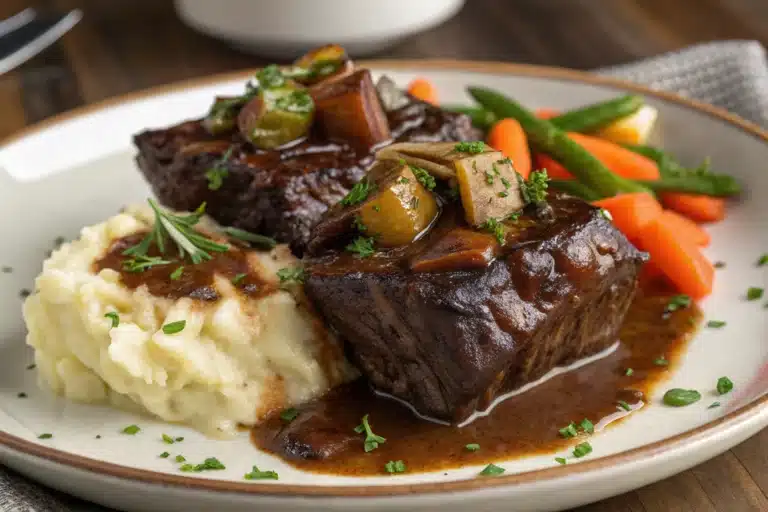

Greek Beef Stifado: A Rich and Authentic Mediterranean Comfort Dish
Introduction: Discover the Rich Heritage of Greek Beef Stifado
A Treasured Greek Classic
Greek beef stifado is a traditional Mediterranean masterpiece that combines tender beef, pearl onions, and aromatic spices in a rich tomato sauce. This soul-warming dish has been treasured in Greek households for generations, offering the perfect balance of hearty comfort and sophisticated flavor. With its distinctive combination of sweet, savory, and slightly tangy notes, stifado stands as one of the most beloved slow-cooked Greek beef stew recipes.
“Check out our chicken vegetable soup recipe for another comforting meal option.”
The Perfect Flavor Harmony
What makes Greek beef stifado truly exceptional is its perfect balance of flavors. The sweetness of slowly caramelized pearl onions contrasts beautifully with the savory depth of tender beef, while the subtle tang from tomatoes and apple cider vinegar brightens each bite. The distinctive addition of allspice berries and bay leaves creates an aromatic profile that’s unmistakably Greek. As the stifado slowly simmers, these ingredients create a symphony of flavors that will transport you straight to a seaside taverna.
Ingredients: Everything You Need for Authentic Greek Beef Stifado
The Star Components
| Main Ingredients | Aromatics & Seasonings | Vegetables |
|---|---|---|
| 2 pounds stewing beef, cut into large cubes | 3-4 garlic cloves, smashed | 12 whole small onions, peeled |
| 3/4 cup olive oil | 3 bay leaves | 1 large onion, diced |
| 3/4 cup beef broth mixed with 1 tablespoon apple cider vinegar | 10 whole allspice berries | 2 cups sliced mushrooms |
| 2 1/2 cups grated tomatoes | 1 1/2 teaspoons sea salt, divided | 8 small to medium zucchini, halved lengthwise |
| 1 teaspoon ground black pepper, divided |
Understanding the Key Ingredients
The success of your Greek beef stifado depends significantly on ingredient quality. For the beef, choose cuts with good marbling that become tender with slow cooking – chuck roast, brisket, or beef stew meat work exceptionally well. The pearl onions are non-negotiable in authentic stifado, contributing a sweet caramelized flavor that balances the savory elements. The combination of grated fresh tomatoes rather than canned provides a fresher, more vibrant base for the sauce, while the allspice berries add that distinctive Greek flavor profile that makes stifado unique among beef stews.

Step-by-Step: Making Perfect Greek Beef Stifado
Preparing and Browning the Meat
- Heat a large heavy pot over medium-high heat and add enough olive oil to lightly coat the bottom.
- Season the beef cubes with 1/2 teaspoon salt and 1/2 teaspoon pepper, ensuring they’re evenly coated.
- Working in batches to avoid overcrowding, brown the beef on all sides until you achieve a rich caramelization, about 3-4 minutes per batch.
- Remove the browned beef and set aside on a plate. The caramelization creates the foundation of flavor for your stifado.
Building Layers of Flavor
- In the same pot, add a touch more olive oil if needed, then add the whole small onions and cook until they develop a light golden color, about 5 minutes. Remove and set aside with the beef.
- Reduce heat to medium and add the diced onion and smashed garlic cloves. Cook for 5-6 minutes, stirring occasionally until softened and fragrant.
- Add the sliced mushrooms and cook for another 3-4 minutes until they begin to release their moisture and flavor.
- Pour in the beef broth and apple cider vinegar mixture, using a wooden spoon to scrape the flavorful browned bits from the bottom of the pot. “Learn more about garlic parmesan green beans as a perfect side dish for this stew.”
The Slow Simmer for Perfect Texture
- Return the browned beef and whole onions to the pot, stirring gently to combine with the aromatics.
- Add the grated tomatoes, bay leaves, allspice berries, remaining 1/2 teaspoon salt, and 1/2 teaspoon pepper.
- Bring the mixture to a gentle simmer, then cover, reduce heat to medium-low, and cook for 45-55 minutes, stirring occasionally until the beef is becoming tender but not yet completely done.
- Carefully arrange the halved zucchini on top of the stew, cover again, and continue cooking for about 10 minutes until the zucchini is just fork-tender.
- Uncover the pot and simmer for a final 10-12 minutes to reduce and thicken the sauce slightly. Taste and adjust seasoning if needed.
Tips for the Best Greek Beef Stifado
Perfect Beef Selection and Preparation
Choosing the right cut of beef is crucial for an exceptional stifado. Chuck roast, brisket, or beef stew meat work beautifully because they have enough marbling to become tender during slow cooking. For best results, cut the beef into uniformly large cubes (about 1.5-2 inches) so they cook evenly and remain juicy. Patting the meat dry before browning and working in batches ensures you’ll get that essential caramelization that contributes to stifado’s rich flavor profile.
Mastering the Cooking Process
Patience is key when making authentic Greek beef stifado. The slow simmering allows the beef to become fork-tender while the flavors develop and meld. Keep the simmer gentle – never let it reach a rolling boil, which can toughen the meat. The covered cooking period is essential for retaining moisture, while the final uncovered simmer concentrates the sauce. If you find your sauce is too thin after the final simmer, you can remove the solids and reduce the liquid further, then recombine.
Enhancing the Flavor Profile
While the traditional recipe is perfect as is, there are several ways to elevate your stifado even further. Consider adding a cinnamon stick or a couple of cloves during the simmer for additional warmth and complexity. For deeper flavor, you can substitute half the grated tomatoes with good-quality tomato paste. Some Greek home cooks also add a small splash of balsamic vinegar at the end of cooking for additional depth and subtle sweetness that complements the caramelized onions beautifully.
Storage: Keeping Your Greek Beef Stifado Fresh
Refrigeration Techniques
Greek beef stifado actually improves with time as the flavors continue to develop and meld, making it an excellent make-ahead dish. After cooking, allow the stifado to cool completely before transferring it to airtight containers. Properly stored in the refrigerator, it will keep well for up to 4 days. When reheating, do so gently on the stovetop over medium-low heat, adding a small amount of beef broth if needed to maintain the sauce consistency.
“Discover great ideas like spicy chicken ramen creamy garlic broth for more flavorful meal options.”
Freezing for Later Enjoyment
Stifado freezes exceptionally well, making it perfect for meal prep. Portion the cooled stew into freezer-safe containers, leaving some headspace for expansion. For best quality, consume frozen stifado within 3 months. To thaw, transfer from the freezer to the refrigerator 24 hours before you plan to serve it. Reheat slowly on the stovetop, stirring occasionally to ensure even warming. The texture of the beef will remain tender, though you may notice the zucchini becomes slightly softer after freezing and reheating.
Proper Reheating for Optimal Flavor
When reheating Greek beef stifado, the key is patience and gentle heat. Microwaving can work in a pinch, but the stovetop method yields much better results. Heat the stew in a covered pot over medium-low heat, stirring occasionally until it reaches serving temperature. If you find the sauce has thickened too much during storage, simply add a small amount of beef broth to reach your desired consistency. Always taste and adjust seasoning before serving reheated stifado, as flavors can intensify during storage.
Variations: Creative Twists on Traditional Greek Beef Stifado
Regional Greek Adaptations
Throughout Greece, you’ll find regional variations of stifado that reflect local ingredients and preferences. In Crete, they often add a handful of raisins for subtle sweetness and might include local herbs like wild thyme. Island versions might incorporate seafood instead of beef, while northern Greek variations sometimes include additional root vegetables like carrots and potatoes. Some regions also add a touch of cinnamon or cloves to the spice profile, creating a warmer, more aromatic version of the classic stifado recipe.
Vegetable Additions and Substitutions
While traditional Greek beef stifado features pearl onions and sometimes zucchini, there’s room for creativity with vegetables. Try adding bell peppers for color and sweetness, or incorporate eggplant cubes for a more substantial texture. Root vegetables like carrots, parsnips, or turnips add heartiness and natural sweetness when added during the main cooking period. For a more rustic version, include quartered potatoes about 30 minutes before the stew is done.
“Looking for inspiration? Try our balsamic brussels sprouts as another Mediterranean-inspired side dish.”
Contemporary Interpretations
Modern takes on Greek beef stifado often adapt the cooking method while preserving the classic flavors. For busy weeknights, consider making stifado in a slow cooker (6-8 hours on low) or pressure cooker (about 35 minutes at high pressure). Some contemporary recipes incorporate umami-rich additions like sun-dried tomatoes or a splash of good-quality balsamic vinegar at the finish. For a lighter version, you can reduce the olive oil and use lean beef, though the texture won’t be quite as silky. Vegetarian versions substitute mushrooms or seitan for the beef with surprisingly delicious results.
Serving: Perfect Pairings for Greek Beef Stifado
Traditional Greek Accompaniments
In Greece, stifado is typically served with simple sides that complement rather than compete with its rich flavors. Crusty bread is essential for soaking up the delicious sauce – try a rustic country loaf or warm pita bread. Rice pilaf makes an excellent base, especially when prepared with a touch of butter and herbs. Another traditional option is hilopites, small square egg noodles that pair beautifully with the savory sauce. A simple Greek salad with crisp vegetables, feta, and olive oil provides the perfect fresh counterpoint.
Creating a Complete Greek Feast
For a memorable Greek dining experience, surround your stifado with complementary mezze and sides. Start with dolmades (stuffed grape leaves) and tzatziki as appetizers. Alongside the stifado, serve horta (simple boiled greens dressed with olive oil and lemon) and perhaps some lemon potatoes. Finish with a light dessert like Greek yogurt drizzled with honey and walnuts or traditional baklava. This balanced approach to the meal allows the stifado to shine while creating a complete and authentic Greek dining experience.
Wine and Beverage Pairings
The rich, complex flavors of Greek beef stifado pair beautifully with medium to full-bodied red wines. Traditional Greek options include Agiorgitiko or Xinomavro, both offering good structure and acidity to complement the dish. If these aren’t available, look for Syrah/Shiraz or a medium-bodied Cabernet Sauvignon. For non-alcoholic options, a sparkling water with lemon provides a refreshing contrast to the rich stew, or try a traditional Greek mountain tea (tsai tou vounou) served alongside your meal. “Here’s your guide to honey butter roasted carrots as another delicious side dish option.”

FAQs: Common Questions About Greek Beef Stifado
What beef cut works best for Greek beef stifado?
Chuck roast or beef stew meat works best for Greek beef stifado because they have enough marbling to become tender during slow cooking. Brisket and short ribs are also excellent options. The key is choosing cuts with collagen that breaks down during long, slow cooking, resulting in that melt-in-your-mouth texture that makes stifado so satisfying.
Can I add wine to stifado?
Yes, many authentic Greek beef stifado recipes include red wine. Replace half the beef broth with a dry red wine like a Greek Agiorgitiko or any medium-bodied red wine. Add it after sautéing the vegetables and let it reduce slightly before adding the other liquids. This adds wonderful depth and complexity to the finished dish.
Can I make Greek beef stifado ahead of time?
Absolutely! Greek beef stifado actually improves with time as the flavors continue to develop. Make it 1-2 days before serving for the best flavor experience. Store in the refrigerator and reheat gently on the stovetop, adding a little beef broth if needed to adjust the consistency.
What vegetables can I add to Greek beef stifado?
While pearl onions are traditional, you can enhance your stifado with carrots, bell peppers, potatoes, or eggplant. Add root vegetables like potatoes or carrots during the main cooking period, and quicker-cooking vegetables like bell peppers in the last 15-20 minutes of cooking to maintain their texture and color.
Does Greek beef stifado thicken as it cooks?
Yes, Greek beef stifado naturally thickens during cooking as the liquid reduces and the starches from the vegetables release. The final uncovered simmer is specifically designed to reduce and concentrate the sauce. If you’d like it thicker, you can extend this final reducing step or remove the solids and reduce the sauce further.
Can I freeze Greek beef stifado?
Greek beef stifado freezes exceptionally well for up to 3 months in airtight containers. Allow it to cool completely before freezing, and leave some headspace in containers for expansion. Thaw overnight in the refrigerator and reheat gently on the stovetop for best results.
Conclusion: The Timeless Appeal of Greek Beef Stifado
A Dish That Brings People Together
Greek beef stifado is more than just a delicious meal – it’s a cultural experience that brings people together. Throughout Greece, this beloved stew has been the centerpiece of family gatherings and celebrations for generations. Its rich, complex flavors and comforting nature make it perfect for sharing with loved ones, whether for Sunday dinner or special occasions. The beauty of stifado lies not just in its incredible taste, but in its ability to create memories around the table.
“Want more ideas? Check out beef enchilada casserole for another hearty meal option.”
Preserving Culinary Traditions
By preparing authentic Greek beef stifado, you’re participating in a culinary tradition that spans generations. The careful layering of flavors, the slow simmering process, and the traditional spice blend all connect modern cooks with ancient Greek culinary wisdom. As you master this recipe, consider the countless Greek yiayias (grandmothers) who have perfected this dish through the centuries, passing down their knowledge through families. Greek beef stifado stands as a testament to the enduring power of traditional cooking methods and the timeless appeal of Mediterranean cuisine.
PrintGreek Beef Stifado

Authentic Greek beef stifado combines tender beef, sweet pearl onions, and aromatic spices in a rich tomato sauce for the ultimate Mediterranean comfort food.
- Prep Time: 20
- Cook Time: 1 hour 25 minutes
- Total Time: 1 hour 45 minutes
- Yield: 6 1x
- Category: Main Course
- Cuisine: Greek
Ingredients
- 2 1/2 cups grated tomatoes
- 2 pounds stewing beef, cut into large cubes
- 12 whole small onions, peeled
- 2 cups sliced mushrooms
- 1 large onion, diced
- 3–4 garlic cloves, smashed
- 3/4 cup olive oil
- 3/4 cup beef broth mixed with 1 tablespoon apple cider vinegar
- 8 small to medium zucchini, halved lengthwise
- 3 bay leaves
- 10 whole allspice berries
- 1 1/2 teaspoons sea salt, divided
- 1 teaspoon ground black pepper, divided
Instructions
- Brown seasoned beef cubes in olive oil over medium-high heat. Remove and set aside.
- In the same pot, brown the whole small onions until golden. Remove and reserve.
- Sauté diced onion and garlic until soft, then add mushrooms and cook for 3-4 minutes.
- Deglaze with broth-vinegar mixture, scraping up browned bits.
- Return beef and whole onions to pot. Add tomatoes, bay leaves, allspice, salt, and pepper.
- Simmer covered for 45-55 minutes until beef is nearly tender.
- Place zucchini halves on top, cover, and cook 10 more minutes.
- Uncover and simmer 10-12 minutes more to reduce sauce.
- Serve with crusty bread, rice, or potatoes and a drizzle of olive oil.
Notes
Nutrition facts are estimates and may vary based on ingredients used, portion sizes, and preparation methods.
Nutrition
- Serving Size: 6
- Calories: 520 kcal
- Sugar: 6g
- Sodium: 680mg
- Fat: 32g
- Saturated Fat: 8g
- Carbohydrates: 18g
- Fiber: 4g
- Protein: 38g
- Cholesterol: 95mg
Keywords: Greek beef stifado, Greek stew, Mediterranean beef dish, allspice beef stew, pearl onion recipe, comfort food, slow-cooked beef
Let’s connect! Follow me for more Joylicious Recipes: Facebook, Instagram, Pinterest