
Tangy Rhubarb And Bean Stew: A Hearty And Unique Comfort Dish
Introduction: The Unique Appeal of Rhubarb and Bean Stew
A Surprising Culinary Combination
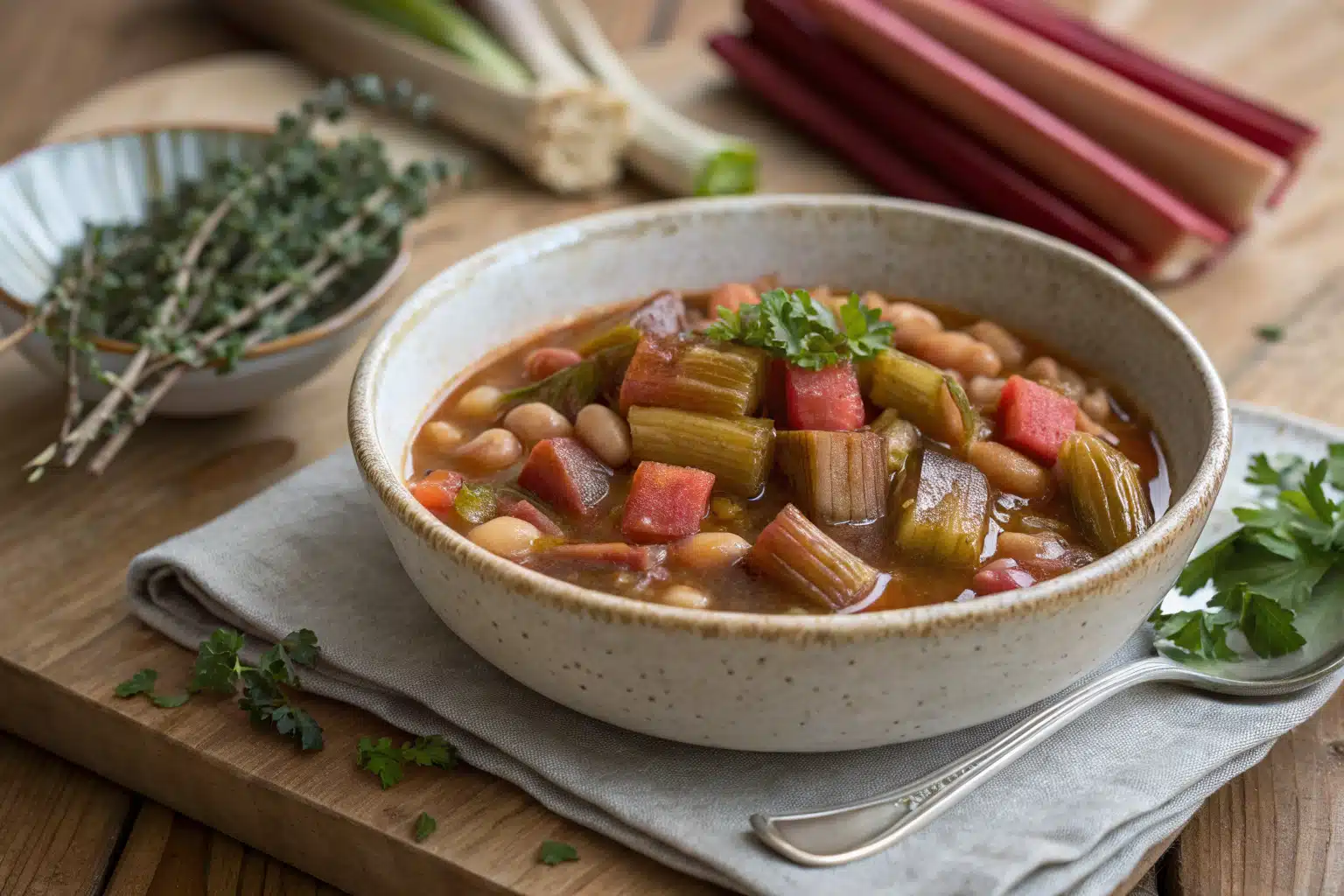
Rhubarb and bean stew represents a remarkable fusion of sweet, tangy, and savory flavors that might initially raise eyebrows but ultimately delights the palate. This unexpected pairing brings together the vibrant tartness of fresh rhubarb with the hearty, creamy texture of beans. While rhubarb is commonly associated with sweet desserts in American cuisine, this stew showcases its versatility in savory applications. The natural acidity of rhubarb cuts through the richness of beans, creating a perfectly balanced dish that’s both comforting and refreshing.
“Learn more about unusual vegetable pairings in our three bean salad recipe” which offers another creative approach to bean-based dishes.
The Cultural Roots of Rhubarb Stews
This distinctive rhubarb and bean stew draws inspiration from Middle Eastern and Mediterranean cooking traditions, where tart fruits and vegetables are frequently incorporated into savory dishes. The combination might seem unconventional to those accustomed to seeing rhubarb only in pies and crumbles, but it follows a long tradition of balancing flavors through contrasting elements. The saffron-infused broth pays homage to Persian cuisine, while the herb-forward profile reflects Mediterranean influences. The result is a globally-inspired dish that feels both exotic and comforting.
Fresh Ingredients for Rhubarb and Bean Stew
The Starring Components
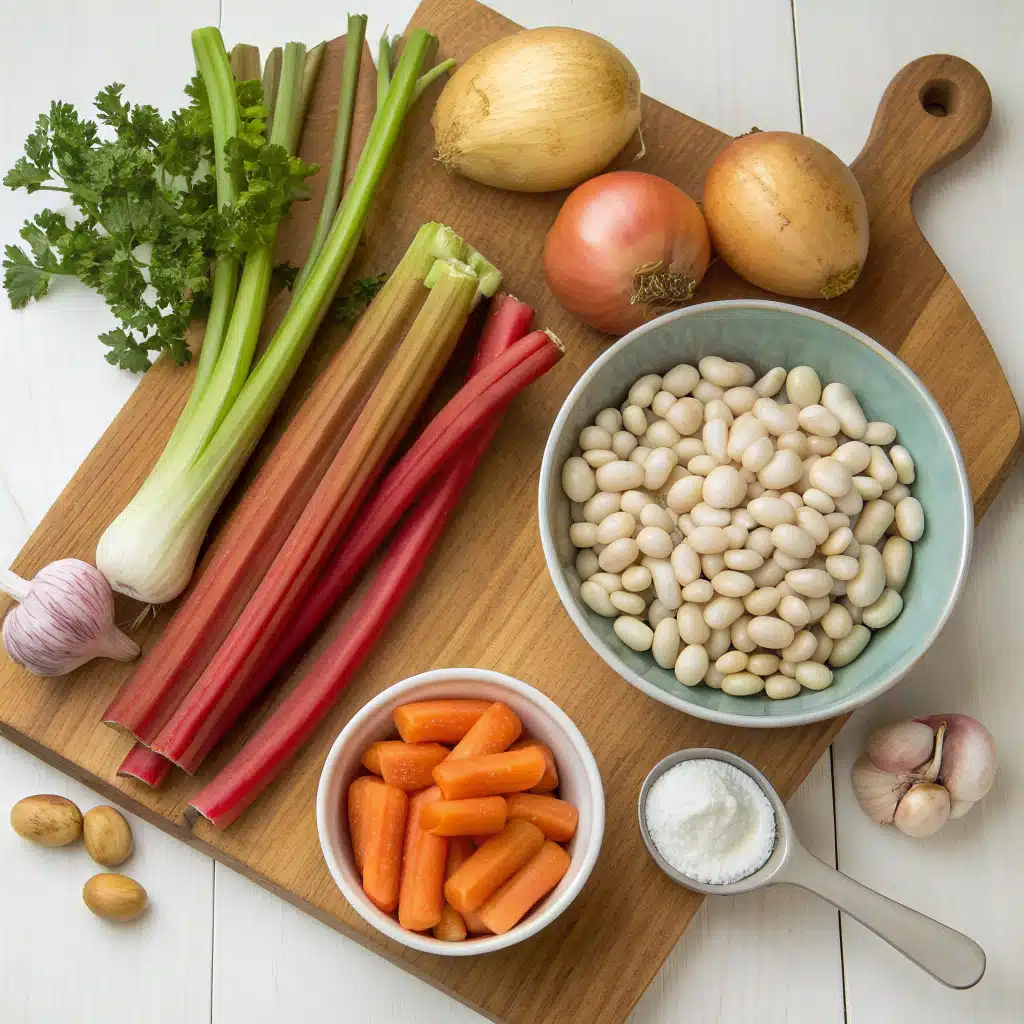
The success of rhubarb and bean stew depends heavily on the quality and freshness of its key ingredients. At the heart of this stew are the contrasting elements of ruby-red rhubarb stalks and creamy butter beans. The rhubarb brings a distinctive tartness that transforms an otherwise ordinary bean stew into something special. Selecting firm, brightly colored rhubarb stalks ensures the best texture and flavor. For the beans, butter beans (also called lima beans) or cannellini beans work wonderfully, providing a creamy base that absorbs the aromatic flavors of herbs and spices.
Herbs, Spices, and Aromatics
What truly elevates this rhubarb and bean stew is its aromatic profile. Fresh herbs play a crucial role – generous amounts of parsley and mint create a vibrant foundation. Meanwhile, saffron threads add their distinctive floral notes and gorgeous golden color to the broth. The yellow onion provides essential savory depth, while turmeric contributes both color and earthy warmth. A careful balance of lemon juice, sugar, and olive oil brings everything together, creating a harmonious blend of flavors that’s simultaneously bright, rich, and complex.
| Ingredient | Quantity | Notes |
|---|---|---|
| Granulated sugar | 1 tbsp + pinch | Balances rhubarb’s tartness |
| Saffron threads | ¾ tsp | Provides floral notes and color |
| Extra-virgin olive oil | ½ cup + 1 tbsp | For cooking herbs and rhubarb |
| Parsley | 3 large bunches | Finely chopped (about 3 cups) |
| Mint | 2 large bunches | Finely chopped (about 2 cups) |
| Yellow onion | 1 large | Finely chopped |
| Ground turmeric | ½ tsp | Adds earthy flavor and color |
| Butter/cannellini beans | 3 cans (15-oz each) | Rinsed and drained |
| Lemon juice | 3 tbsp | Plus more to taste |
| Red rhubarb stalks | 2-3 large | Cut diagonally (about 8 oz) |
| Rice | As needed | For serving |
Step-by-Step Process: Making Perfect Rhubarb and Bean Stew
Preparing the Aromatic Base
Every exceptional rhubarb and bean stew begins with a proper aromatic foundation. The process starts with preparing the saffron infusion, which adds a distinctive floral essence to the dish. This technique maximizes saffron’s flavor and ensures it distributes evenly throughout the stew.
- Bring a few tablespoons of water to boil in a small pot and let it stand for 2 minutes to cool slightly.
- While water cools, grind a pinch of sugar with the saffron threads using a mortar and pestle until you have a fine powder (about ¼ teaspoon total).
- Add 2 tablespoons of the hot water to the saffron mixture, stir gently, then cover and set aside to steep.
- In a large pan, heat ¼ cup olive oil over medium heat, then add the chopped parsley.
- Cook the parsley, stirring frequently, until it becomes fragrant and slightly darker, about 8 minutes.
- Add the mint to the parsley and continue cooking for another 5 minutes, being careful not to burn the herbs.
- Remove the herb mixture from heat and set aside.
Building the Stew Base
The next phase creates the rich, flavorful foundation of your rhubarb and bean stew. “Discover great ideas like our chicken vegetable soup recipe” for another hearty one-pot meal.
- In a large, deep sauté pan or Dutch oven, heat ¼ cup olive oil over medium-high heat.
- Add the finely chopped onion and cook until golden brown, about 10 minutes, stirring frequently.
- Sprinkle with a little salt and reduce heat to medium.
- Add the turmeric, stir, and cook until fragrant, about 30 seconds.
- Add the rinsed and drained beans, season with salt and pepper, and gently stir without breaking the beans.
- Cook for about 5 minutes to allow the flavors to mingle, and adjust salt if needed.
- Add the reserved herb mixture, 2 cups of water, and half of the saffron water.
- Bring to a rapid simmer, then partially cover and reduce heat to low.
- Simmer for 30 minutes, stirring occasionally, until flavors merge and oil rises to the surface.
Finishing with Rhubarb
The final stage introduces the star ingredient – rhubarb – which transforms this bean stew into something truly special.
- Add the remaining saffron water, lemon juice, and 1 tablespoon sugar to the simmering stew.
- Stir gently and continue simmering, partially covered, for 15 minutes, tasting and adjusting seasonings.
- While the stew simmers, wipe clean the pan used for the herbs and add 1 tablespoon olive oil.
- Heat the pan over medium and add the rhubarb pieces.
- Cook the rhubarb for about 2 minutes per side until the color deepens, being careful not to fully cook it.
- Gently place the rhubarb pieces into the stew without stirring.
- Increase heat to medium-low and cook, partially covered, for about 10 minutes until the rhubarb becomes tender.
- Taste and adjust with additional lemon juice for acidity or sugar for sweetness as needed.
- Serve the finished rhubarb and bean stew over freshly cooked rice.
Essential Tips for Rhubarb and Bean Stew Success
Selecting and Preparing Rhubarb
The quality of rhubarb significantly impacts your rhubarb and bean stew. When selecting rhubarb, look for firm, crisp stalks with vibrant red color. Avoid stalks that appear wilted, bruised, or overly green, as these tend to be more fibrous and excessively tart. Remember to trim away and discard any leaves, which contain toxic compounds. For this stew, cutting the rhubarb diagonally into 1-inch pieces not only looks attractive but also helps the rhubarb hold its shape during cooking. The diagonal cuts create larger surface areas that allow the rhubarb to release flavor without disintegrating.
Herb Handling Techniques
Proper herb management can dramatically improve your rhubarb and bean stew. When working with large quantities of fresh herbs like in this recipe, consider these approaches: First, use a sharp knife to avoid bruising the herbs, which can cause bitterness. Second, when cooking the parsley and mint, maintain a watchful eye – particularly with mint, which burns quickly and can ruin the entire herb mixture. Third, consider preparing herbs a day ahead and storing them in the refrigerator to save time.
“Check out our garlic parmesan green beans” for more herb-forward vegetable dishes.
Balancing Flavors
The magic of rhubarb and bean stew lies in achieving the perfect balance between tangy, sweet, and savory elements. Since rhubarb varies in tartness based on variety and growing conditions, you’ll need to adjust flavors toward the end of cooking. Start with the amounts of sugar and lemon juice specified in the recipe, then taste and adjust gradually. If the stew tastes too tart, add a teaspoon of sugar at a time. Conversely, if it seems too sweet, incorporate more lemon juice. Remember that flavors will develop further as the stew rests, so aim for a profile that’s slightly more pronounced than your ideal result.
Storage and Make-Ahead Options for Rhubarb and Bean Stew
Refrigerating and Reheating
Rhubarb and bean stew actually improves with time as the flavors continue to develop and meld together. For optimal results when storing this stew, first allow it to cool completely at room temperature (no more than two hours for food safety). Then transfer to airtight containers and refrigerate for up to 4 days. When reheating, do so gently over medium-low heat, adding a splash of water if needed to loosen the consistency. Avoid vigorous boiling which can cause the beans to break down and the rhubarb to lose its structure. Interestingly, many people find the stew tastes even better the next day after the flavors have had time to intensify and harmonize overnight.
Freezing and Thawing Techniques
This rhubarb and bean stew freezes remarkably well, making it perfect for meal prep and future quick dinners. “Want more ideas? Check out our vegetable soup recipe” for another freezer-friendly option. To freeze properly, cool the stew completely, then portion it into freezer-safe containers or heavy-duty freezer bags, leaving about an inch of headspace for expansion. The stew can be frozen for up to 3 months without significant quality loss. For best results, thaw overnight in the refrigerator before reheating. If you need to thaw quickly, place the frozen container in a bowl of cold water, changing the water every 30 minutes until thawed enough to transfer to a pot for gentle reheating.
Make-Ahead Strategies
You can prepare components of this rhubarb and bean stew ahead of time to streamline the cooking process. The herb base can be prepared up to 24 hours in advance and stored in an airtight container in the refrigerator. Similarly, the bean portion of the stew (before adding the rhubarb) can be completed a day ahead and refrigerated. When ready to serve, simply reheat the bean mixture, then proceed with cooking and adding the fresh rhubarb as directed in the recipe. This approach preserves the rhubarb’s texture while still allowing you to break up the cooking process into manageable steps.
Delicious Variations of Rhubarb and Bean Stew
Protein-Enhanced Versions
Transforming rhubarb and bean stew into a heartier meal is simple with thoughtful protein additions. For meat-eaters, chunks of browned lamb shoulder or beef make exceptional companions to the tangy rhubarb and creamy beans. The meat should be seared separately before being added to the simmering stew for the final 45 minutes of cooking. Chicken thighs work beautifully too – just brown them and add them with the beans, allowing them to simmer until tender. For seafood lovers, firm white fish or large shrimp can be gently placed atop the stew during the final 5-10 minutes of cooking. Plant-based options include adding cubes of firm tofu or tempeh that have been marinated and browned before being incorporated into the stew.
Seasonal Adaptations
While traditional rhubarb and bean stew features red rhubarb stalks, you can adapt this recipe throughout the year using seasonal produce. In late summer when rhubarb might be scarce, substitute tart plums or green apples, which provide similar brightness. During autumn, try adding diced butternut squash alongside the beans for additional sweetness and texture. Winter versions benefit from the addition of preserved lemon or a handful of dried cranberries to maintain that essential tart element.
“Here’s your guide to seasonal roasted sweet potatoes” which could accompany this stew beautifully.
International Flavor Profiles
The basic rhubarb and bean stew framework adapts wonderfully to various international flavor profiles. For a Moroccan twist, add 1 teaspoon each of ground cumin, coriander, and cinnamon, plus a handful of green olives and dried apricots. A Persian variation might include 2 tablespoons of pomegranate molasses and a generous handful of chopped dill. For an Indian-inspired version, increase the turmeric to 1 teaspoon, add 1 teaspoon garam masala, and incorporate a can of coconut milk for the last 15 minutes of cooking. Each variation maintains the essential sweet-tart balance while exploring different cultural flavor traditions.
Serving Suggestions for Rhubarb and Bean Stew
Complementary Side Dishes
The vibrant flavors of rhubarb and bean stew pair wonderfully with carefully selected side dishes that enhance rather than overwhelm the stew’s unique profile. A simple cucumber and yogurt salad offers cooling contrast to the stew’s complexity. The tanginess of yogurt complements the stew’s flavors while providing textural contrast. Warm, crusty bread serves as the perfect vehicle for soaking up the flavorful broth – consider a rustic sourdough or pillowy naan. For something more substantial, serve the stew alongside a grain pilaf with toasted almonds or pine nuts, which adds delightful crunch against the soft textures of the stew. During warmer months, a light fennel and orange salad provides refreshing balance.
Garnishing for Visual Appeal and Flavor
The right garnishes elevate rhubarb and bean stew from simply delicious to visually stunning while adding complementary flavor notes. “Looking for inspiration? Try our cranberry orange relish” for ideas on balancing tart flavors with complementary elements. For this stew, consider a drizzle of high-quality extra virgin olive oil across the surface just before serving, which adds richness and visual appeal. A sprinkle of freshly chopped mint or a few mint leaves provide color contrast and aromatic freshness. Thin slices of preserved lemon add a sophisticated flavor accent, while a light dusting of sumac contributes both visual interest and citrusy notes. For texture, consider a scattering of toasted pine nuts or pistachios across the top.
Serving Occasions and Menu Pairings
Rhubarb and bean stew transitions seamlessly across various dining occasions. For casual family dinners, serve it as a one-pot meal alongside a simple green salad. At weekend gatherings, position it as the centerpiece of a Middle Eastern-inspired spread with hummus, tabbouleh, and flatbreads. For more formal occasions, present individual portions in shallow bowls over a small mound of saffron rice, garnished precisely with fresh herbs and edible flowers. The stew works particularly well for meal prep and batch cooking, as its flavors improve over time. When planning full menus, precede the stew with a light appetizer like stuffed grape leaves or marinated olives, and follow with a simple dessert such as fresh fruit or baklava.
Frequently Asked Questions about Rhubarb and Bean Stew
Does rhubarb make the stew sour?
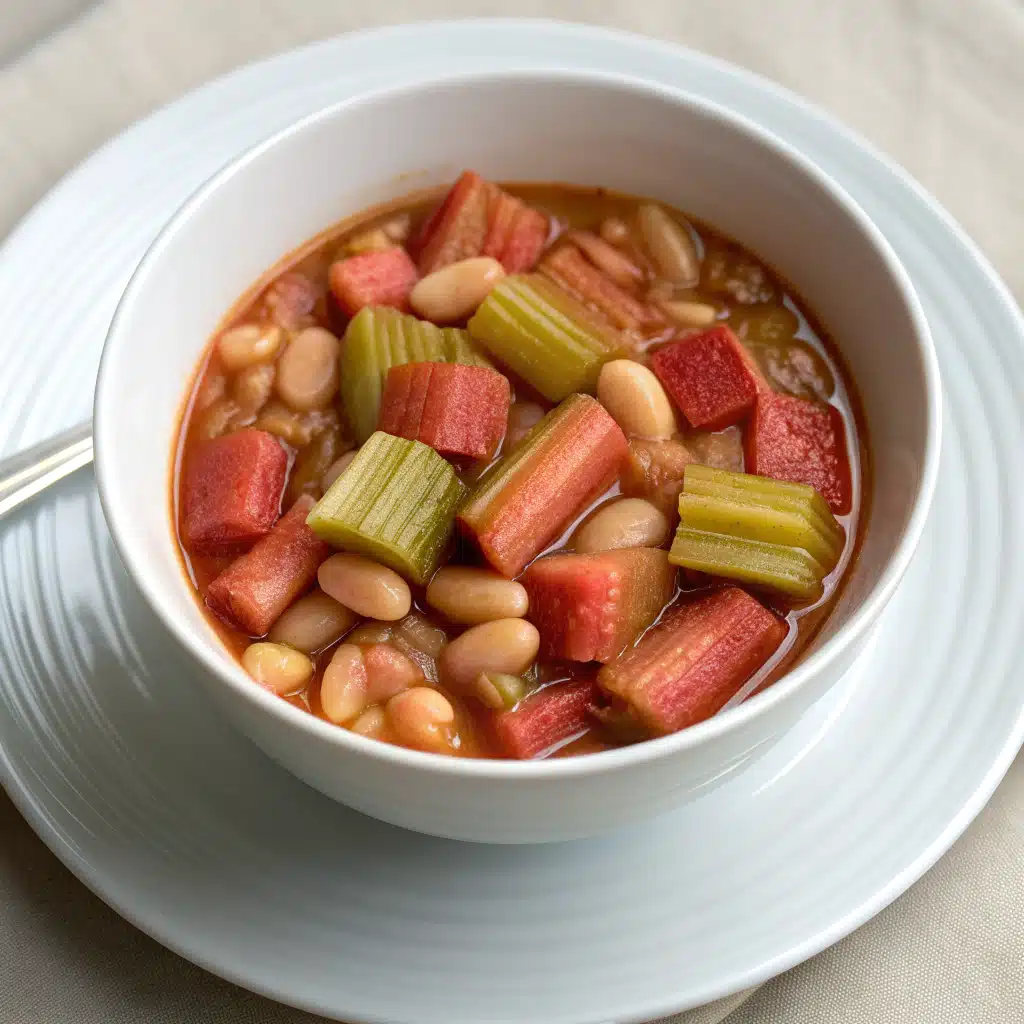
Rhubarb does contribute tartness to the stew, but it’s carefully balanced with sugar and other ingredients. The cooking process also mellows rhubarb’s natural acidity. The result is a pleasantly tangy flavor that complements the creaminess of the beans rather than an overwhelming sourness. You can always adjust the sweet-tart balance by adding more sugar if needed during the final cooking stage.
Can I use canned beans instead of dried?
Absolutely! This recipe actually calls for canned beans because they’re convenient and work perfectly in this stew. The recipe specifies three 15-ounce cans of butter beans or cannellini beans. Just be sure to rinse and drain them well before adding to remove excess sodium and starch. If you prefer to use dried beans, you’ll need to cook them separately until tender before incorporating them into the recipe.
What protein pairs well with this stew?
This rhubarb and bean stew pairs beautifully with several proteins. Lamb is particularly complementary, with its slight gaminess balancing the tangy rhubarb. Chicken thighs (bone-in or boneless) work wonderfully too. For seafood options, firm white fish or large shrimp can be added during the final cooking minutes. Plant-based eaters might consider adding browned cubes of tofu or tempeh for additional protein.
Can I make this stew vegetarian?
The rhubarb and bean stew is already vegetarian as written! All ingredients in the recipe are plant-based, making it suitable for vegetarians. To make it vegan, simply ensure that any added sugar is vegan (some sugars are processed using bone char). The recipe’s base of beans, vegetables, and herbs provides a satisfying meal without any meat products.
Does this stew freeze well?
Yes, this rhubarb and bean stew freezes exceptionally well. For best results, cool it completely before transferring to freezer-safe containers, leaving some headspace for expansion. It will maintain quality for up to 3 months in the freezer. Thaw overnight in the refrigerator before gently reheating on the stovetop, adding a little water if needed to adjust consistency.
How thick should the stew be?
The ideal consistency for rhubarb and bean stew is somewhat brothy but not soupy. There should be enough liquid to spoon over rice, but it shouldn’t be thin like a soup. During cooking, you can adjust the thickness by either adding more water if it’s too thick or simmering uncovered to reduce if it’s too thin. Remember that the stew will thicken slightly as it cools.
Conclusion: Mastering Rhubarb and Bean Stew
Embracing Culinary Creativity
Rhubarb and bean stew represents the beautiful intersection of culinary traditions and creative thinking. By embracing the seemingly unusual pairing of tangy rhubarb with creamy beans, you’re participating in a long tradition of cooks who have discovered that contrasting flavors often create the most memorable dishes. This stew demonstrates how ingredients typically confined to certain culinary contexts – rhubarb in desserts, beans in savory applications – can transcend those boundaries to create something uniquely delicious.
“Don’t miss our black bean salad” for another creative approach to bean-based cooking.
Perfecting Through Practice
Like any signature dish, your rhubarb and bean stew will improve with each preparation as you fine-tune it to your personal preferences. Pay attention to the balance of sweet and tart, adjusting sugar and lemon juice incrementally. Notice how the cooking time affects both the beans’ creaminess and the rhubarb’s texture – finding your ideal point between tender and firm. Experiment with the herb proportions, perhaps increasing the mint for more brightness or the parsley for earthiness. Consider this recipe a foundation for your own culinary expression, adapting it seasonally with what’s available and reflecting your developing palate. The true mastery comes not just from following instructions but from making this distinctive stew uniquely yours.
PrintRhubarb and Bean Stew

A unique and flavorful stew combining tangy rhubarb with creamy beans in a saffron and herb-infused broth.
- Prep Time: 30
- Cook Time: 1 hour 15 minutes
- Total Time: 1 hour 45 minutes
- Yield: 6 1x
- Category: Main Dish
- Cuisine: Middle Eastern
Ingredients
- 1 tablespoon plus a pinch of granulated sugar, plus more to taste
- A pinch of saffron threads (about ¾ teaspoon)
- ½ cup plus 1 tablespoon extra-virgin olive oil, plus more as needed
- 3 large bunches parsley (about 12 ounces), tough stems trimmed, leaves and tender stems finely chopped (about 3 cups)
- 2 large bunches mint (about 5 ounces), stems trimmed, leaves finely chopped (about 2 cups)
- 1 large yellow onion, finely chopped
- Kosher salt and black pepper
- ½ teaspoon ground turmeric
- 3 (15-ounce) cans butter beans or cannellini beans, rinsed and drained
- 3 tablespoons lemon juice, plus more to taste
- 2 to 3 large red rhubarb stalks (about 8 ounces), cut diagonally into 1-inch pieces
- Cooked rice, for serving
Instructions
- Prepare saffron infusion by bringing a few tablespoons of water to a boil, letting it cool slightly, then grinding saffron with a pinch of sugar and adding 2 tablespoons hot water.
- Heat ¼ cup olive oil in a large pan over medium heat. Cook parsley until fragrant (about 8 minutes), then add mint and cook 5 more minutes. Set aside.
- In a large sauté pan or Dutch oven, heat ¼ cup olive oil over medium-high. Cook onion until golden (about 10 minutes), then add turmeric and cook 30 seconds.
- Add beans, season with salt and pepper, and cook 5 minutes to blend flavors.
- Add the herb mixture, 2 cups water, and half the saffron water. Bring to a simmer, partially cover, and cook on low for 30 minutes.
- Add remaining saffron water, lemon juice, and 1 tablespoon sugar. Simmer 15 minutes more.
- Meanwhile, heat 1 tablespoon oil in the reserved pan and briefly cook rhubarb until color deepens (about 2 minutes per side).
- Gently add rhubarb to stew without stirring. Cook partially covered on medium-low for 10 minutes until rhubarb is tender.
- Taste and adjust with more lemon juice or sugar as needed. Serve over rice.
Notes
Feel free to adjust the sweet-tart balance with additional sugar or lemon juice according to your taste and the tartness of your rhubarb. Nutrition facts are estimates and may vary based on ingredients used, portion sizes, and preparation methods.
Nutrition
- Serving Size: 6
- Calories: 385 Kcal
- Sugar: 5g
- Sodium: 620mg
- Fat: 18g
- Saturated Fat: 2.5g
- Carbohydrates: 45g
- Fiber: 12g
- Protein: 14g
Keywords: rhubarb stew, bean stew, saffron, herb stew, Middle Eastern stew, tangy stew
Let’s connect! Follow me for more Joylicious Recipes: Facebook, Instagram, Pinterest