Greek Lamb Meatballs Made Easy: A Comforting, Flavor-Packed Recipe
Introduction to Greek Lamb Meatballs
The Rich Heritage Behind Greek Lamb Meatballs
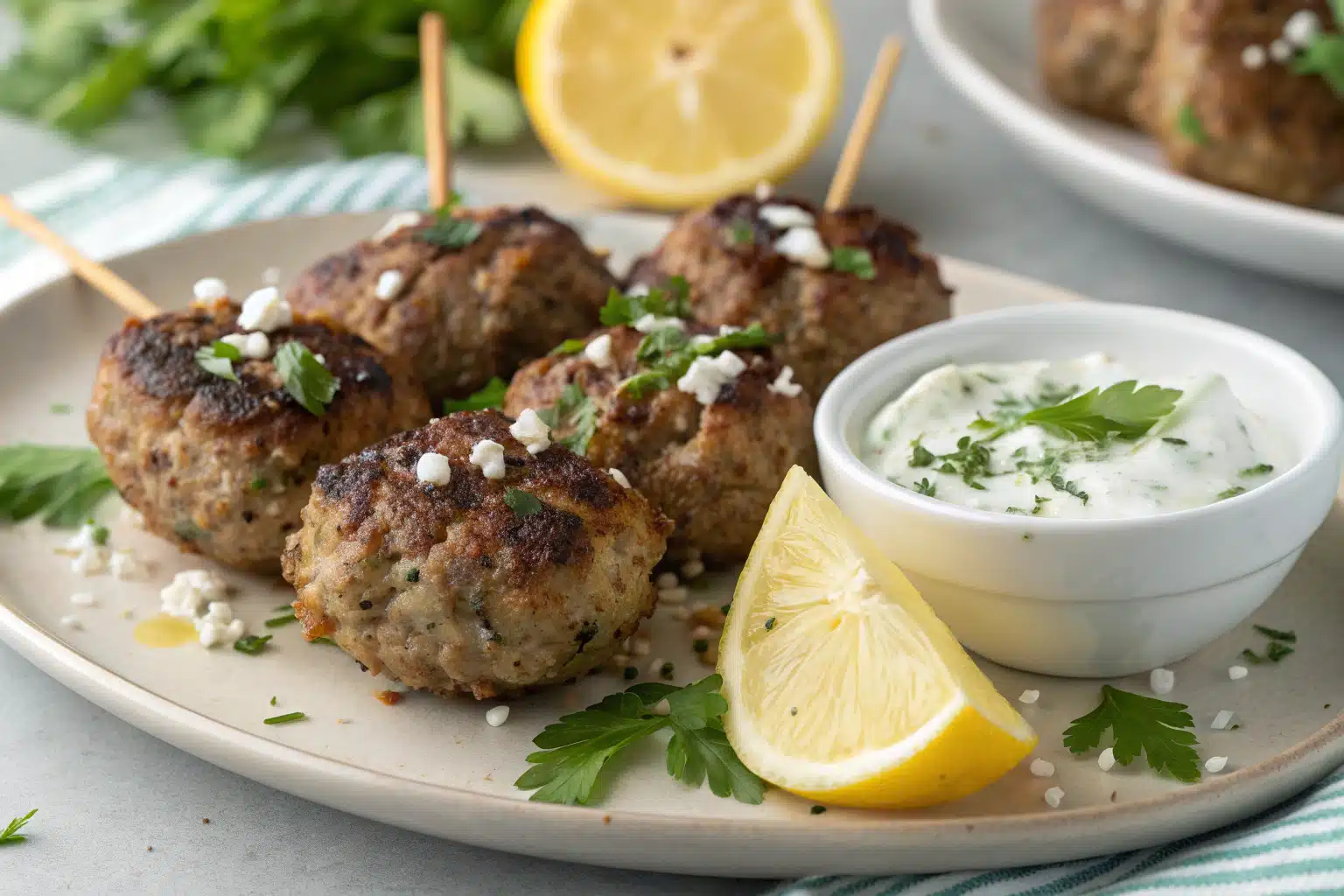
Greek lamb meatballs represent the heart of Mediterranean cuisine, combining centuries of culinary tradition with simple yet flavorful ingredients. These tender, aromatic meatballs (known as keftedes in Greece) have graced family tables across generations, bringing together the distinctive flavors of lamb, fresh herbs, and warming spices. Unlike their Italian counterparts, Greek lamb meatballs often feature yogurt in the mixture, creating an incredibly tender texture that melts in your mouth with each bite.
“Looking for inspiration? Try our Sausage Stuffed Mushrooms” for another Mediterranean-inspired appetizer option.
What Makes These Greek Lamb Meatballs Special
What sets these Greek lamb meatballs apart is the perfect balance between ground lamb and beef, creating a depth of flavor that’s impossible to achieve with just one meat. The lamb delivers a rich, slightly gamey quality while the beef provides familiar comfort. Combined with the warming cinnamon and honey in the tomato-mushroom sauce, these meatballs transport you straight to a seaside taverna in Greece. The addition of feta cheese and pine nuts as toppings adds textural contrast and elevates these Greek lamb meatballs from a simple dinner to an impressive feast worthy of special occasions.
Ingredients for Perfect Greek Lamb Meatballs
Essential Meatball Components
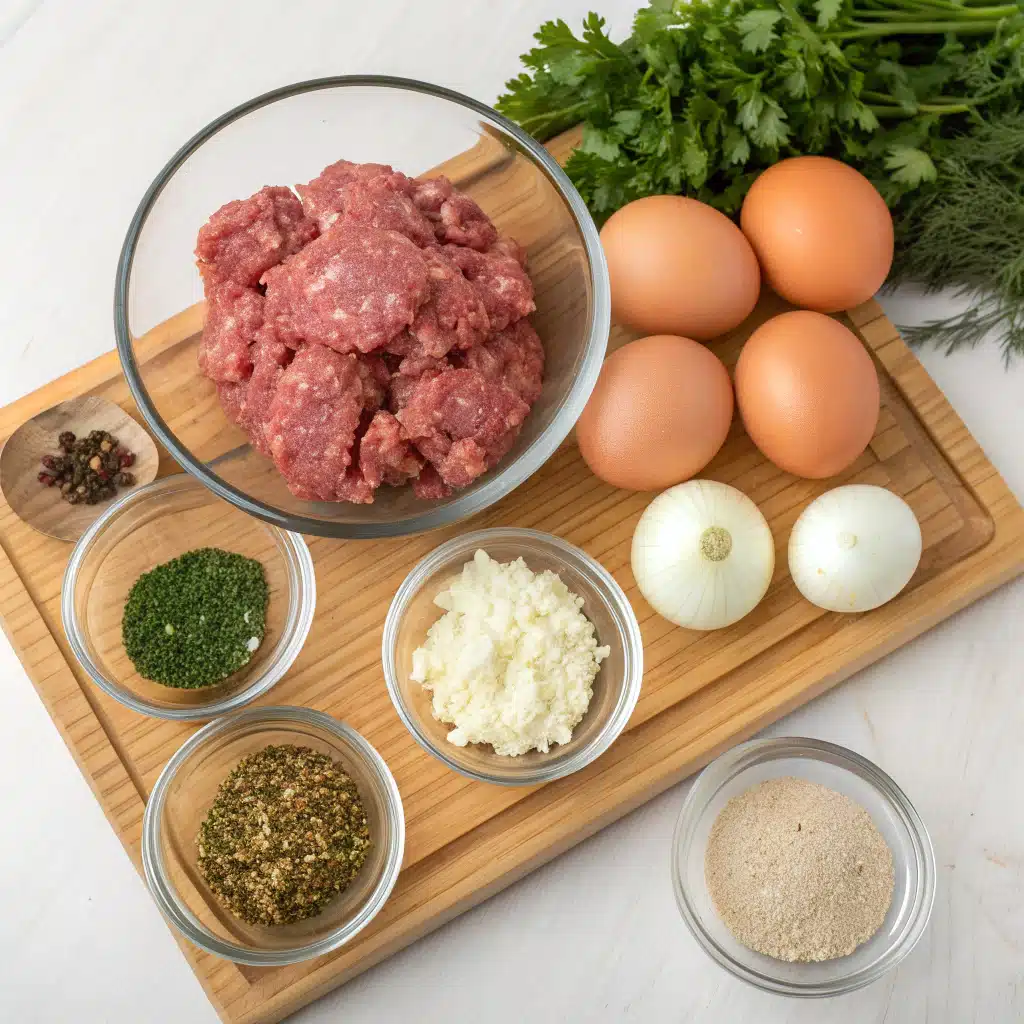
| For the Meatballs | Amount |
|---|---|
| Ground lamb | 14 oz |
| Lean ground beef | 7 oz |
| Red onion, finely chopped | 1 small |
| Garlic, crushed | 3 cloves |
| Plain yogurt | ⅓ cup |
| Soft breadcrumbs | ¾ cup |
| Dried oregano | 1 tablespoon |
| Salt and black pepper | To taste |
Sauce and Toppings
| For the Sauce | Amount |
|---|---|
| Olive oil | 4 tablespoons |
| Crushed tomatoes | 1 can (14 oz) |
| Tomato puree | 2 ½ cups |
| Beef broth | 1 cup |
| Mushrooms, sliced (white, cremini, or mixed) | 8 oz |
| Ground cinnamon | 2 ½ teaspoons |
| Crushed red pepper flakes | 1 ½ teaspoons |
| Honey | 4 tablespoons |
| Fresh oregano, chopped | 2 tablespoons |
| Salt and black pepper | To taste |
| For the Topping and Serving | Amount/Options |
|---|---|
| Feta cheese, broken into pieces | 7 oz |
| Pine nuts, toasted | ¼ cup |
| Fresh parsley, chopped | For garnish |
| To serve | Bread, couscous, or orzo |
Step-by-Step Greek Lamb Meatballs Recipe
Preparing the Meatball Mixture
- In a large mixing bowl, combine the ground lamb, lean ground beef, finely chopped red onion, and crushed garlic.
- Add the plain yogurt, which acts as a tenderizing agent for the Greek lamb meatballs, creating that signature melt-in-your-mouth texture.
- Incorporate the soft breadcrumbs and dried oregano, along with salt and freshly ground black pepper to taste.
- Using clean hands, gently mix everything together until just combined. Avoid overmixing, as this keeps the meatballs tender. “Don’t miss our Creamy Coconut Curry Meatballs for another delicious meatball variation.”
- Shape the mixture into approximately 18 evenly-sized meatballs, each about 1½ inches in diameter.
- Place the formed meatballs on a plate and refrigerate for 30 minutes to help them maintain their shape during cooking.
Creating the Aromatic Tomato-Mushroom Sauce
- Preheat your oven to 340°F (170°C) while the meatballs are chilling.
- Heat the olive oil in a large cast-iron skillet or oven-safe pan over medium-high heat.
- Working in batches to avoid overcrowding, gently brown the Greek lamb meatballs on all sides, turning carefully with tongs or a spoon. This should take about 2-3 minutes per batch.
- Transfer the browned meatballs to a clean plate and set aside.
- In the same skillet, discard any excess oil but retain the flavorful browned bits at the bottom.
- Add the sliced mushrooms to the pan and sauté for 5-7 minutes until they’re softened and lightly browned.
- Pour in the crushed tomatoes and tomato puree, bringing everything to a simmer while scraping up the browned bits from the bottom of the pan.
- Transfer the sauce to a baking dish if your skillet isn’t oven-safe.
- Stir in the beef broth, ground cinnamon, crushed red pepper flakes, honey, and fresh oregano. Season with salt and pepper to taste.
- Carefully nestle the browned Greek lamb meatballs into the sauce.
Slow-Baking for Maximum Flavor
- Cover the baking dish tightly with aluminum foil.
- Bake the Greek lamb meatballs at 340°F for 1 hour and 30 minutes. This slow baking process allows the flavors to meld together perfectly while ensuring the meatballs become incredibly tender.
- After the initial baking time, increase the oven temperature to 425°F (220°C).
- Remove the foil and scatter the feta cheese pieces over the top of the dish.
- Return the uncovered dish to the oven and bake for an additional 15 minutes, until the feta turns golden at the edges.
- Remove from the oven and finish by sprinkling with toasted pine nuts and fresh chopped parsley.
- Allow to rest for 5-10 minutes before serving your Greek lamb meatballs with your choice of bread, couscous, or orzo.
Tips for Perfect Greek Lamb Meatballs
Meat Selection and Handling
For truly exceptional Greek lamb meatballs, the quality of your meat makes all the difference. Opt for freshly ground lamb with a good fat content (around 20%) to ensure juicy, flavorful results. If possible, ask your butcher for lamb shoulder, which offers the perfect balance of fat and lean meat. When mixing your meatball ingredients, use a light touch – overmixing compacts the proteins, resulting in dense, tough meatballs rather than tender ones. The yogurt in the mixture isn’t just for flavor; it contains enzymes that help break down proteins, creating that signature tenderness Greek lamb meatballs are known for.
“Check out our BBQ Meatballs Recipe Guide for more meatball preparation techniques.”
Perfecting Your Sauce
The tomato-mushroom sauce for these Greek lamb meatballs is where much of the Mediterranean magic happens. The ground cinnamon might seem unusual if you’re not familiar with Greek cuisine, but it’s absolutely essential for authentic flavor. For best results, use freshly ground cinnamon rather than pre-ground, as it provides a more vibrant, aromatic quality.
When browning your mushrooms, resist the urge to stir them constantly – allowing them to develop a golden crust creates deeper flavor compounds. For an extra layer of richness, deglaze the pan with a splash of beef broth after sautéing the mushrooms to capture all the flavorful browned bits before adding the tomatoes.
Working with Pine Nuts and Feta
The crowning glory of these Greek lamb meatballs comes from the feta cheese and pine nut topping. When working with pine nuts, remember they have a high oil content and can burn extremely quickly. To toast them perfectly, use a dry skillet over medium-low heat and shake the pan frequently, removing them as soon as they turn golden and become fragrant – this usually takes just 2-3 minutes.
For the feta, traditional Greek feta made from sheep’s milk offers the most authentic flavor and creamy texture, but cow’s milk varieties work well too. Breaking the feta into larger chunks rather than crumbling it finely allows for beautiful melting areas while maintaining some structural integrity during the final bake.
Storage and Make-Ahead Options for Greek Lamb Meatballs
Refrigerating and Reheating
One of the many virtues of these Greek lamb meatballs is how beautifully they store and reheat, actually developing deeper flavors over time. Once cooled, transfer any leftover Greek lamb meatballs and sauce to an airtight container and refrigerate for up to 4 days. When reheating, add a splash of beef broth or water to thin the sauce if it’s become too thick, then warm gently in a covered saucepan over low heat or in a 325°F oven until heated through.
Avoid microwave reheating if possible, as it can make the meatballs tough. For the best next-day experience, reheat slowly and add a fresh sprinkle of crumbled feta and chopped parsley just before serving to revive the dish’s visual appeal and flavor.
“Learn more about food preservation with our Coconut Cream Pie Recipe which includes storage tips.”
Freezing Recommendations
These Greek lamb meatballs freeze exceptionally well, making them perfect for meal prep or preparing ahead for special occasions. You can freeze them either before or after cooking, depending on your needs. To freeze uncooked meatballs, place them on a parchment-lined baking sheet after shaping, freeze until solid, then transfer to a freezer bag where they’ll keep for up to 3 months. Cook directly from frozen, adding about 10 minutes to the browning time.
For freezing cooked Greek lamb meatballs and sauce, cool completely then transfer to freezer-safe containers, leaving some headspace for expansion. Freeze for up to 3 months. Thaw overnight in the refrigerator before reheating as directed above. The sauce may separate slightly when thawed, but gentle reheating while stirring occasionally will recombine it beautifully.
Make-Ahead Strategy for Entertaining
When entertaining, these Greek lamb meatballs can be your secret weapon for stress-free hosting. Prepare the meatball mixture and shape them up to 24 hours in advance, keeping them covered in the refrigerator. The sauce can also be prepared a day ahead and stored separately. On the day of serving, simply brown the meatballs, combine with the sauce, and complete the baking process.
Alternatively, you can fully prepare the dish through the slow-baking step up to two days ahead, refrigerate, then simply complete the final high-temperature bake with the feta topping just before serving. This approach actually enhances the flavors as they have more time to meld together, and it frees you to enjoy your guests rather than being tied to the kitchen.
Variations on Classic Greek Lamb Meatballs
Alternative Meat Combinations
While the classic combination of lamb and beef creates the perfect foundation for Greek lamb meatballs, various adaptations can accommodate different preferences and dietary considerations. For a leaner option, substitute ground turkey for the beef while keeping the lamb for essential flavor – this creates a lighter meatball that still maintains the distinctive Greek character.
For those who find lamb’s flavor too strong, you can reverse the ratio to use more beef than lamb, gradually introducing your palate to the unique taste. In a pinch, you can make these meatballs with 100% beef, though you’ll want to select a higher-fat ground beef (at least 15% fat) to prevent dryness. Add a teaspoon of ground cumin to all-beef meatballs to introduce some of the complexity that lamb would normally provide.
“Want more ideas? Check out our Chicken Meatballs with Creamy Garlic Sauce for a poultry variation.”
Creative Cheese Substitutions
While feta cheese is the traditional choice for Greek lamb meatballs, several alternatives work beautifully if you need to make substitutions. Goat cheese provides a similar tangy quality with a creamier texture when melted. Ricotta salata offers a milder flavor profile while still delivering the necessary salty accent. For a more accessible option, halloumi cheese can be diced and will maintain its shape wonderfully during baking, providing delicious chewy pockets throughout the dish.
If you prefer to incorporate cheese directly into the meatballs rather than as a topping, mix 1/3 cup of crumbled feta or grated pecorino romano into the meat mixture for an extra dimension of flavor. This approach works particularly well if you’re planning to serve the Greek lamb meatballs as part of a mezze spread rather than as a saucy main dish.
Serving Style Adaptations
These versatile Greek lamb meatballs can be transformed into different dining experiences through creative serving approaches. For an elegant appetizer, make smaller meatballs (about 1-inch diameter) and serve them with toothpicks alongside a small bowl of the sauce for dipping. For a casual family-style meal, serve the meatballs and sauce over creamy polenta or mashed potatoes instead of the traditional orzo or couscous.
Create a spectacular Mediterranean bowl by serving the Greek lamb meatballs over a bed of hummus with a side of tabbouleh and warm pita bread. For a lower-carb option, serve over cauliflower rice seasoned with lemon and fresh herbs. You can even transform this dish into fantastic sandwiches by stuffing warmed pita pockets with sliced meatballs, sauce, extra feta, and crisp lettuce.
Serving Suggestions for Greek Lamb Meatballs
Traditional Mediterranean Accompaniments
The rich, aromatic flavors of Greek lamb meatballs call for complementary sides that enhance the Mediterranean experience. Traditionally, these meatballs are served over a bed of fluffy couscous or pearl couscous (Israeli couscous), which absorbs the delicious sauce perfectly. Orzo pasta tossed with a little olive oil and fresh herbs makes another authentic base.
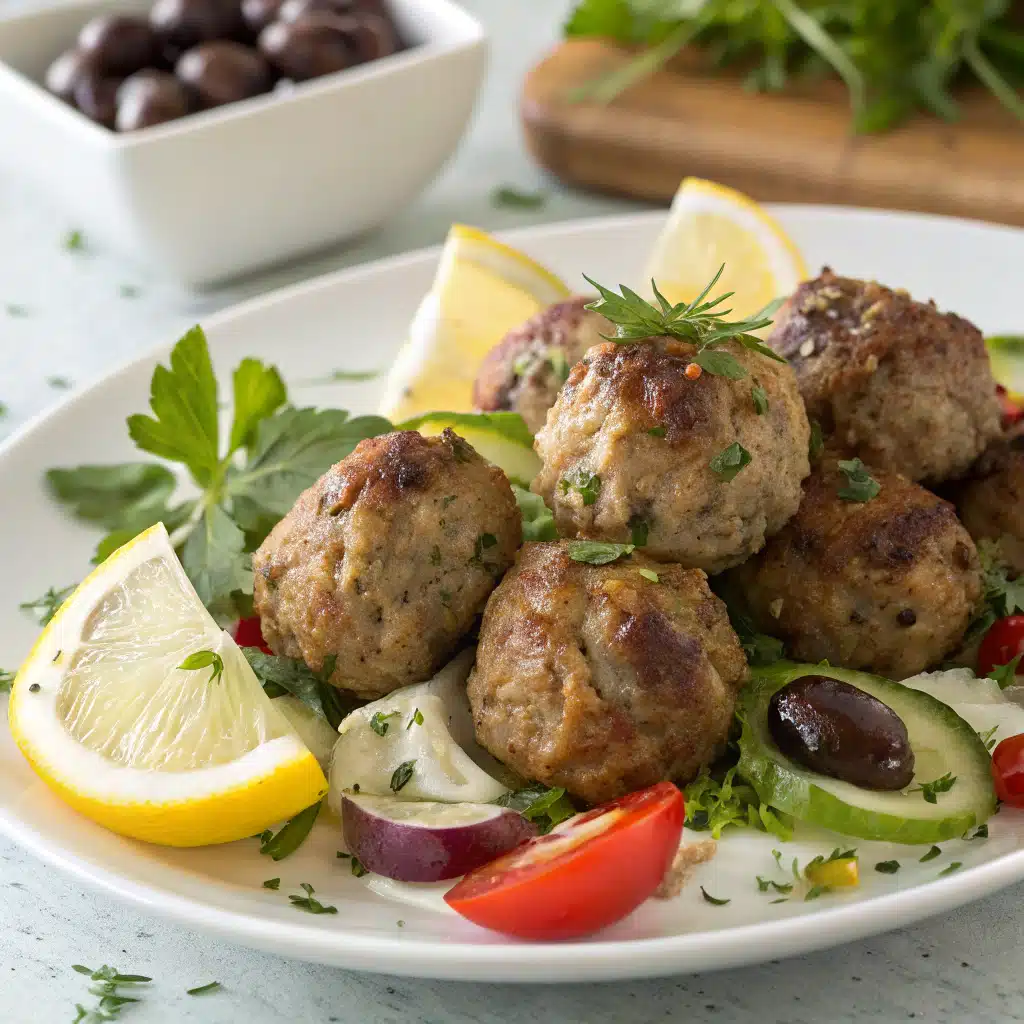
A simple Greek salad with ripe tomatoes, cucumbers, red onions, kalamata olives, and additional feta cheese provides a crisp, refreshing contrast to the rich meatballs. Warm, pillowy pita bread is essential for sopping up every last bit of the cinnamon-infused sauce. For a complete feast, include a side of tzatziki (yogurt cucumber dip) and a small plate of dolmades (stuffed grape leaves), allowing guests to experience a variety of Greek flavors in one meal.
“Here’s your guide to Mediterranean Salad that pairs beautifully with these meatballs.”
Modern Twists on Presentation
For a contemporary approach to serving Greek lamb meatballs, consider some innovative presentations that maintain the dish’s integrity while updating its appeal. Create an Instagram-worthy grazing board by placing the baking dish of meatballs at the center, surrounded by small bowls of complementary items like marinated olives, roasted red peppers, artichoke hearts, and various breads.
For individual servings with visual impact, use shallow, wide bowls that showcase the meatballs and sauce, garnished with a artistic drizzle of high-quality extra virgin olive oil and a sprig of fresh oregano. A deconstructed approach works beautifully for casual entertaining – place the meatballs and sauce in one serving vessel, with separate bowls of couscous, crumbled feta, pine nuts, and chopped herbs, allowing guests to build their own perfect plate according to their preferences.
Wine and Beverage Pairings
The complex flavors of Greek lamb meatballs – the richness of the meat, the warmth of cinnamon, the tanginess of tomato and feta – create wonderful opportunities for thoughtful beverage pairings. For a traditional Greek experience, serve with a medium-bodied Greek red wine like Agiorgitiko or Xinomavro, which complement the lamb without overwhelming the dish’s nuanced flavors. A crisp, mineral-forward white wine such as Assyrtiko from Santorini provides a refreshing counterpoint to the richness.
For non-alcoholic options, sparkling water infused with cucumber and mint offers a refreshing palate cleanser, while traditional Greek mountain tea (made from the sideritis plant) served either hot or iced brings herbal notes that enhance the Mediterranean mood. A tart pomegranate juice spritzer also works beautifully, with its ruby color and bright flavor creating a festive atmosphere perfect for sharing these communal Greek lamb meatballs.
FAQs About Greek Lamb Meatballs
Can I use only beef for these Greek lamb meatballs?
Yes, you can make these meatballs with 100% beef if you prefer. For best results, choose ground beef with at least 15-20% fat content to maintain juiciness and flavor. To compensate for lamb’s distinctive taste, consider adding 1 teaspoon of ground cumin to the beef mixture. The meatballs will still be delicious, though they’ll have a slightly different flavor profile than traditional Greek lamb meatballs.
Can I make these meatballs ahead of time?
Absolutely! You can prepare these Greek lamb meatballs in several ways ahead of time. The raw meatball mixture can be refrigerated for up to 24 hours before shaping and cooking. Shaped raw meatballs can be refrigerated for up to a day or frozen for up to 3 months. The complete dish can be made up to 2 days ahead and refrigerated, then reheated at 325°F until hot throughout. The flavors actually improve with time as they meld together.
Do pine nuts burn easily when toasting?
Yes, pine nuts burn very quickly due to their high oil content. When toasting pine nuts for your Greek lamb meatballs, use a dry skillet over medium-low heat, shaking the pan frequently. They should take only 2-3 minutes to become fragrant and golden. Watch them constantly, as they can go from perfectly toasted to burnt in seconds. Alternatively, toast them in a 325°F oven for about 5 minutes, stirring once halfway through.
Can I replace the feta cheese with something else?
Yes, you can substitute other cheeses for feta in these Greek lamb meatballs. Good alternatives include: goat cheese for a similar tanginess with creamier texture; ricotta salata for a milder flavor; halloumi for a chewy texture that holds its shape when heated; or even a sprinkle of pecorino romano for a different but complementary salty accent. Each will change the character of the dish slightly while still maintaining its Mediterranean essence.
Does the tomato-mushroom sauce freeze well?
The sauce freezes very well for up to 3 months in airtight containers. When thawing and reheating, you may notice some separation, which is normal. Simply reheat gently while stirring occasionally to recombine the ingredients. If the sauce seems too thick after freezing, thin it with a small amount of beef broth or water to reach your desired consistency.
Can I bake the meatballs instead of browning them first?
While browning the meatballs first adds significant flavor through caramelization, you can skip this step to save time. To bake without browning, arrange the raw Greek lamb meatballs directly in the sauce, cover, and increase the initial baking time to 1 hour and 45 minutes at 340°F to ensure they’re fully cooked through. You’ll lose some depth of flavor, but the result will still be delicious, and the meatballs will be exceptionally tender.
Conclusion: Mastering Greek Lamb Meatballs
The Cultural Significance of Greek Lamb Meatballs
Greek lamb meatballs represent more than just a delicious meal – they embody the essence of Mediterranean hospitality and family traditions. In Greece, food is central to social connection, and dishes like these meatballs are typically served in abundant portions meant for sharing. The combination of lamb and warming spices reflects Greece’s historical position at the crossroads of European and Middle Eastern culinary influences, creating a dish that’s distinctively Greek while showcasing broader Mediterranean flavor principles. When you prepare these Greek lamb meatballs, you’re participating in a culinary tradition that has brought people together around tables for generations, celebrating the simple pleasure of good food shared with loved ones.
“Discover great ideas like our Couscous Salad Mediterranean Recipe to complement your Greek meal.”
Perfecting Your Greek Lamb Meatballs Technique
As with any treasured recipe, mastering these Greek lamb meatballs becomes easier with practice and attention to detail. The key technical aspects to focus on include: handling the meat mixture gently to maintain tenderness; achieving the perfect brown crust on the meatballs before they enter the sauce; balancing the warming cinnamon with the acidity of the tomatoes; and allowing sufficient slow-cooking time for the flavors to fully develop.
Each time you prepare this dish, you’ll likely find small adjustments that suit your personal taste – perhaps a touch more honey for sweetness, extra red pepper flakes for heat, or a different ratio of lamb to beef. This evolution is the hallmark of a recipe becoming truly your own. Remember that authentic Greek cooking embraces variation and intuition rather than rigid rules, so trust your palate as you make this classic dish part of your culinary repertoire.
PrintGreek Lamb Meatballs

Tender lamb and beef meatballs in a rich cinnamon-infused tomato-mushroom sauce topped with feta and pine nuts.
- Prep Time: 45
- Cook Time: 2 hours
- Total Time: 2 hours 45 minutes
- Yield: 6 1x
- Category: Main Dish
- Cuisine: Greek
Ingredients
For the Meatballs
- 14 oz ground lamb
- 7 oz lean ground beef
- 1 small red onion, finely chopped
- 3 cloves garlic, crushed
- ⅓ cup plain yogurt
- ¾ cup soft breadcrumbs
- 1 tablespoon dried oregano
- Salt and black pepper, to taste
For the Sauce
- 4 tablespoons olive oil
- 1 can (14 oz) crushed tomatoes
- 2 ½ cups tomato puree
- 1 cup beef broth
- 8 oz mushrooms, sliced (white, cremini, or mixed)
- 2 ½ teaspoons ground cinnamon
- 1 ½ teaspoons crushed red pepper flakes
- 4 tablespoons honey
- 2 tablespoons fresh oregano, chopped
- Salt and black pepper, to taste
For the Topping
- 7 oz feta cheese, broken into pieces
- ¼ cup pine nuts, toasted
- Fresh parsley, chopped
- To Serve
- Bread
- Couscous
- Orzo
Instructions
- Mix lamb, beef, onion, garlic, yogurt, breadcrumbs, oregano, salt, and pepper gently in a large bowl.
- Shape into 18 meatballs and refrigerate for 30 minutes.
- Preheat oven to 340°F. Heat olive oil in a skillet and brown meatballs in batches.
- In the same skillet, sauté mushrooms until softened, then add crushed tomatoes and tomato puree.
- Transfer sauce to a baking dish and mix in beef broth, cinnamon, red pepper flakes, honey, oregano, salt, and pepper.
- Nestle meatballs into the sauce, cover with foil, and bake for 1 hour 30 minutes.
- Increase oven to 425°F, remove foil, top with feta, and bake uncovered for 15 minutes.
- Finish with toasted pine nuts and fresh parsley before serving.
Notes
Nutrition facts are estimates and may vary based on ingredients used, portion sizes, and preparation methods.
Nutrition
- Serving Size: 6
- Calories: 485 Kcal
- Sugar: 14g
- Sodium: 780mg
- Fat: 32g
- Saturated Fat: 12g
- Carbohydrates: 24g
- Fiber: 3g
- Protein: 28g
- Cholesterol: 95mg
Keywords: Greek meatballs, lamb meatballs, Mediterranean food, feta topped meatballs, cinnamon tomato sauce
Let’s connect! Follow me for more Joylicious Recipes: Facebook, Instagram, Pinterest