
Homemade Rice Pilaf: Simple Steps To Light, Fluffy Rice
What Makes Rice Pilaf Special
Homemade rice pilaf is a versatile side dish that elevates any meal with its fluffy texture and rich flavor. Unlike plain rice, pilaf involves toasting the grains in fat before adding liquid, creating a nutty depth and ensuring each grain cooks separately. This classic technique transforms ordinary rice into something extraordinary, worthy of both weeknight dinners and special occasions.
“Learn more about versatile side dishes like our creamy one-pan chicken and rice that pair perfectly with homemade rice pilaf.”
The Origins and Evolution of Rice Pilaf
Rice pilaf has ancient roots, originating in the Middle East and spreading throughout Mediterranean and Asian cuisines. The word “pilaf” comes from the Persian “polow,” and similar dishes appear as pilau in India, paella in Spain, and risotto in Italy. Traditional homemade rice pilaf often includes aromatic vegetables, herbs, and sometimes nuts or dried fruits. Today’s recipe maintains these time-honored elements while being accessible to home cooks of all skill levels.
Ingredients: Everything You Need for Perfect Homemade Rice Pilaf
Essential Base Ingredients
| Ingredient | Amount | Notes |
|---|---|---|
| Olive oil | 2 tablespoons, divided | Extra virgin preferred for better flavor |
| Yellow or white onion | 1/2 large, diced | Provides aromatic foundation |
| Garlic cloves | 3 large, minced | Adds depth and complexity |
| Orzo pasta | 1/2 cup | Creates textural contrast |
| Long grain white rice | 1 cup, rinsed | Basmati or jasmine also work well |
| Stock (vegetable or chicken) | 3 cups | Better flavor than water |
Seasonings and Garnishes for Enhanced Flavor
| Ingredient | Amount | Notes |
|---|---|---|
| Coriander | 1/4 teaspoon | Adds subtle citrusy notes |
| Garlic powder | 1/4 teaspoon | Enhances fresh garlic flavor |
| Onion powder | 1/4 teaspoon | Adds savory depth |
| Paprika | 1/4 teaspoon | Provides gentle warmth and color |
| Salt | 1/4 teaspoon | Enhances all flavors |
| Fresh parsley | 1/2 cup, chopped | Brightens finished dish |
Step-by-Step: How to Make Perfect Homemade Rice Pilaf
Preparing Your Ingredients
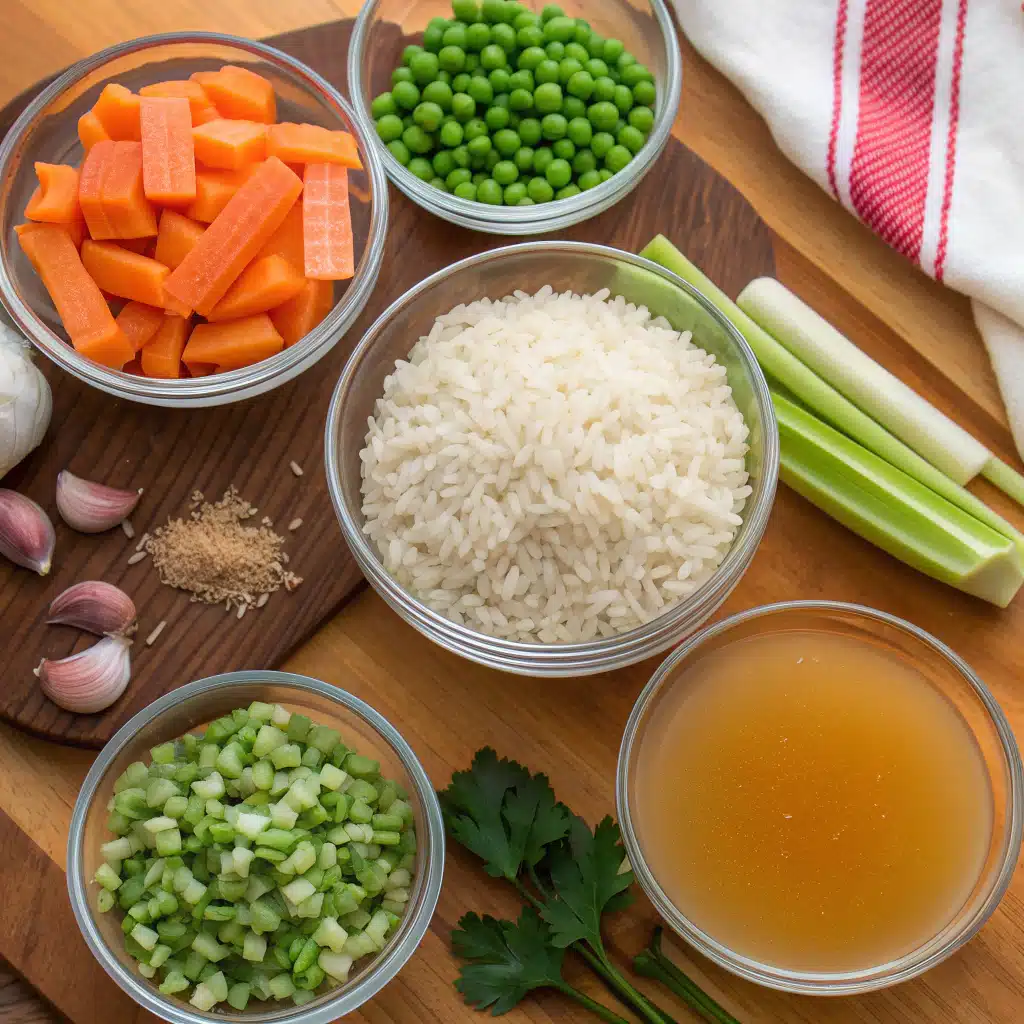
- Rinse the rice under cold water until the water runs clear to remove excess starch.
- Dice the onion into small, even pieces for consistent cooking.
- Mince the garlic cloves finely.
- Measure all spices and set aside in a small bowl.
- If using refrigerated stock, bring it to room temperature or warm it slightly before cooking. Cold stock will slow down the cooking process.
The Toasting Process: Key to Perfect Pilaf
- Heat 1 tablespoon of olive oil in a cast iron skillet, deep skillet, or pot over medium heat.
- Add the diced onion and minced garlic, sautéing for 60-90 seconds until fragrant but not browned.
- Add the orzo pasta and stir well to coat with oil. Toast for 3 minutes, stirring frequently to prevent burning. The orzo should develop a light golden color.
- Add the remaining tablespoon of olive oil, then add the rinsed rice. Stir thoroughly to ensure all rice grains are coated with oil.
- Toast the rice for 4-5 minutes, stirring occasionally, until the grains become somewhat translucent. This critical step develops the nutty flavor that makes homemade rice pilaf special.
“Discover great ideas like our chicken and stove top stuffing bake that would complement this homemade rice pilaf perfectly.”
Adding Seasonings and Stock
- Sprinkle the spice mixture (coriander, garlic powder, onion powder, paprika, and salt) over the toasted rice and orzo. Stir continuously for about 30 seconds to lightly toast the spices.
- Carefully pour in the warm stock. The mixture may bubble vigorously at first.
- Increase heat to high and bring the mixture to a full boil.
- Once boiling, reduce heat to medium-low (a gentle simmer), cover with a tight-fitting lid, and let cook undisturbed for 15 minutes. Resist the temptation to peek!
- After 15 minutes, remove from heat without lifting the lid and allow to rest for an additional 3 minutes. This resting period helps the moisture distribute evenly.
- Finally, remove the lid, add chopped fresh parsley, and fluff the homemade rice pilaf with a fork before serving.
Tips for Perfecting Your Homemade Rice Pilaf
Common Mistakes to Avoid
Achieving perfect homemade rice pilaf requires attention to detail. Avoid these common pitfalls:
- Skipping the toasting step: This crucial process develops the signature nutty flavor of authentic pilaf.
- Lifting the lid during cooking: This releases steam and disrupts the cooking process, potentially resulting in undercooked rice.
- Using cold stock: This extends cooking time and may lead to uneven results. Always use room temperature or warmed stock.
- Stirring during simmering: Unlike risotto, pilaf should be left undisturbed once the liquid is added and the pot is covered.
- Skipping the resting period: The 3-minute rest allows for even moisture distribution, preventing some portions from being too wet or too dry.
Achieving the Perfect Texture
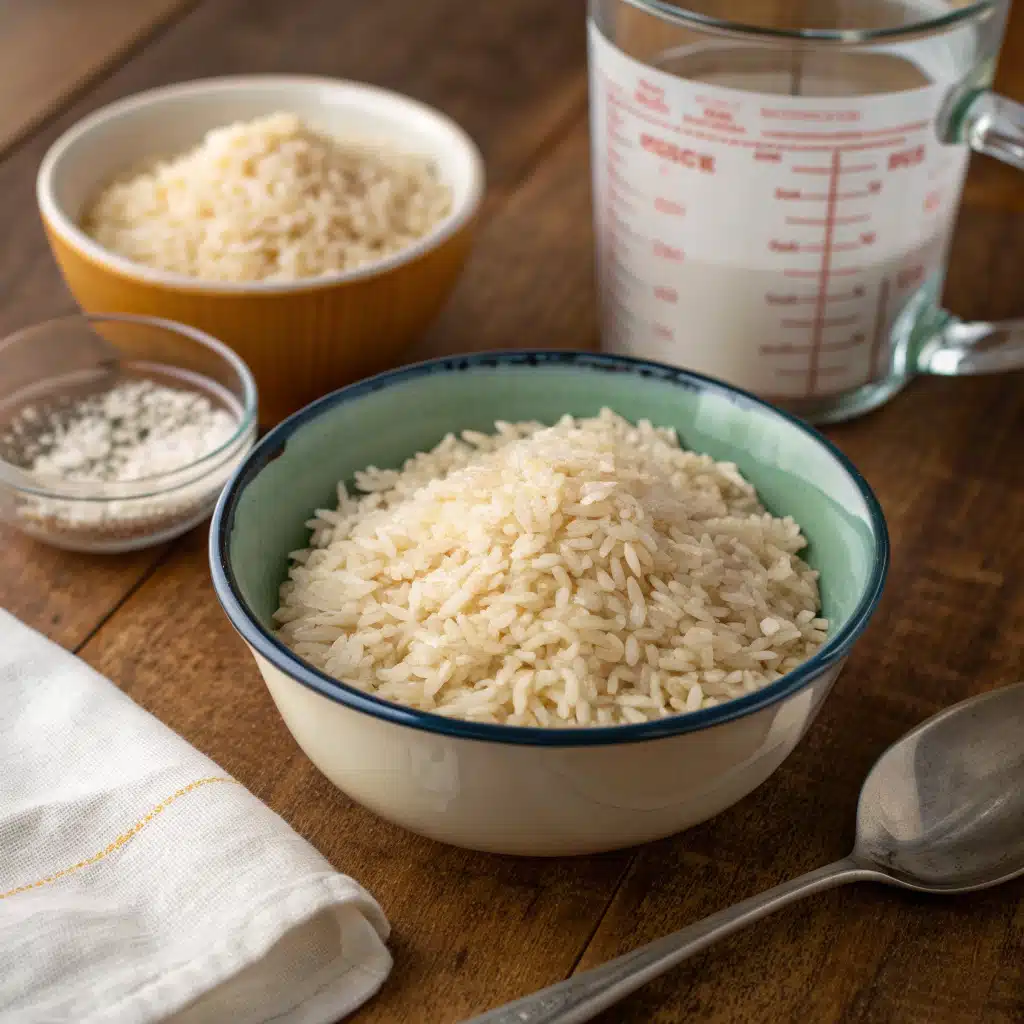
The hallmark of excellent homemade rice pilaf is its texture—each grain should be separate, fluffy, and fully cooked without being mushy. To achieve this:
- Wash the rice well before cooking to get rid of extra starch.
- Maintain the proper liquid-to-rice ratio (generally 3:1 for pilaf).
- Use the correct heat level—a gentle simmer, not a rolling boil.
- Allow the full resting time before fluffing with a fork, not a spoon, which can crush the grains.
“Don’t miss our creamy garlic chicken pasta that pairs wonderfully with this homemade rice pilaf for a complete meal.”
Enhancing Flavors with Aromatics
While this homemade rice pilaf recipe is delicious as written, you can elevate it further by:
- Adding a bay leaf or two during cooking (remove before serving).
- Including a cinnamon stick for warm, aromatic notes.
- Using a combination of oils, such as butter and olive oil, for richer flavor.
- Blooming saffron threads in warm stock before adding to the rice for color and exotic flavor.
- Using homemade stock instead of store-bought for deeper flavor complexity.
Storage: Keeping Your Homemade Rice Pilaf Fresh
Refrigerating Leftover Rice Pilaf
Properly stored, homemade rice pilaf maintains its quality for several days:
- Cool the pilaf completely before refrigerating to prevent condensation and sogginess.
- Store in an airtight container for up to 4 days.
- When reheating, sprinkle a few drops of water over the pilaf to restore moisture, then cover and heat.
“Looking for inspiration? Try our garlic parmesan chicken rice recipe that uses similar techniques to this homemade rice pilaf.”
Freezing for Long-Term Storage
Homemade rice pilaf freezes beautifully, making it perfect for meal prep:
- Cool the pilaf completely.
- Portion into freezer-safe containers or bags, removing as much air as possible.
- Label with the date and freeze for up to 3 months.
- Thaw overnight in the refrigerator before reheating, or reheat directly from frozen with a little additional liquid.
Reviving Leftover Rice Pilaf
Leftover homemade rice pilaf can sometimes dry out. Here’s how to restore its original texture:
- For stovetop reheating: Add 1-2 tablespoons of water or stock per cup of pilaf, cover, and heat over low flame, stirring occasionally.
- For microwave: Place pilaf in a microwave-safe bowl, sprinkle with water, cover with a damp paper towel, and heat in 30-second intervals, fluffing between each.
- Add a small pat of butter when reheating to refresh flavor and add moisture.
Variations: Creative Twists on Classic Homemade Rice Pilaf
Mediterranean Rice Pilaf
Transform your homemade rice pilaf with Mediterranean flavors:
- Add 1/4 cup toasted pine nuts during the final fluffing.
- Mix in 1/3 cup crumbled feta cheese.
- Include 1/4 cup chopped sun-dried tomatoes with the onions.
- Replace parsley with fresh dill and mint.
- Finish with a squeeze of lemon juice and zest.
Middle Eastern-Inspired Pilaf
Create an aromatic Middle Eastern version of homemade rice pilaf:
- Add 1/4 teaspoon each of ground cumin and allspice to the spice blend.
- Include 1/3 cup golden raisins or dried apricots when adding the stock.
- Stir in 1/4 cup toasted sliced almonds before serving.
- Use a mix of parsley and fresh cilantro as garnish.
- Add a pinch of saffron to the warm stock for color and flavor.
“Here’s your guide to making garlic butter chicken bites that would be perfect alongside this homemade rice pilaf.”
Vegetable-Packed Rice Pilaf
Boost nutrition in your homemade rice pilaf with added vegetables:
- Sauté 1/2 cup diced carrots and 1/2 cup diced bell peppers with the onions.
- Stir in 1 cup frozen peas during the last 5 minutes of cooking.
- Add 2 cups fresh spinach when fluffing the rice (the residual heat will wilt it perfectly).
- Include 1/2 cup corn kernels for sweetness and color.
- Garnish with microgreens or sprouts for added freshness and nutrients.
Serving: Perfect Pairings for Your Homemade Rice Pilaf
Main Dishes That Complement Rice Pilaf
Homemade rice pilaf pairs beautifully with:
- Grilled or roasted chicken, especially with Mediterranean herbs.
- Broiled fish with lemon and herbs.
- Lamb chops or kebabs with yogurt sauce.
- Vegetable curry or stew.
- Stuffed bell peppers or tomatoes.
“Want more ideas? Check out our grilled teriyaki chicken that makes a perfect main dish to serve with this homemade rice pilaf.”
Creating a Complete Meal
Build a balanced meal around your homemade rice pilaf:
- Protein: Serve 4-6 oz of protein per person alongside the pilaf.
- Vegetables: Add a green salad or roasted vegetables for color and nutrition.
- Sauce: Consider a complementary sauce like tzatziki, tahini, or herb oil to drizzle over both the protein and pilaf.
- Bread: While optional, warm flatbread can round out the meal for heartier appetites.
Presentation Tips
Elevate your homemade rice pilaf with thoughtful presentation:
- Use a ring mold to create a perfect circle of pilaf on each plate.
- Garnish with additional fresh herbs, microgreens, or edible flowers.
- Serve family-style in a decorative bowl with a wooden serving spoon.
- Create height by serving the pilaf as a base with protein artfully arranged on top.
- Add visual interest with a sprinkle of pomegranate seeds, toasted nuts, or crispy fried onions.
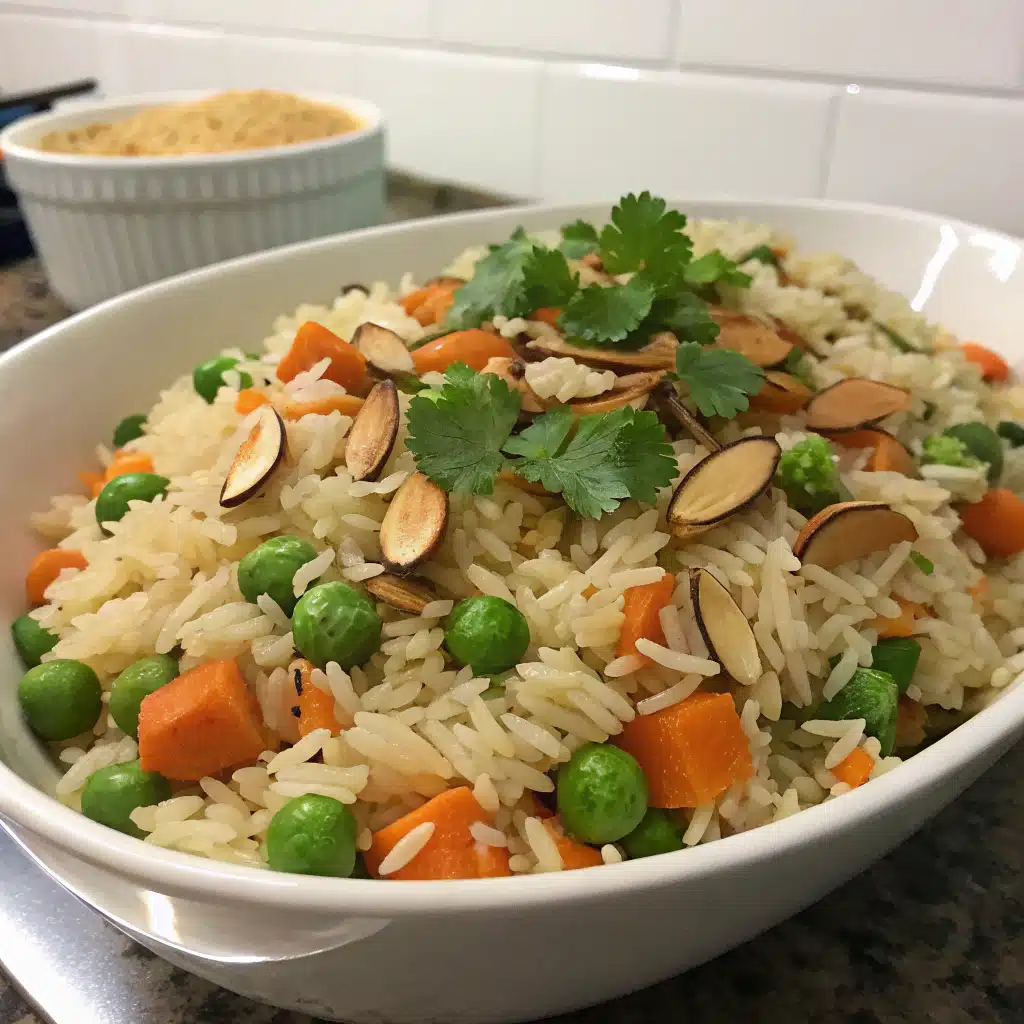
FAQs: Common Questions About Homemade Rice Pilaf
What are rice pilaf ingredients?
Rice pilaf typically uses long-grain rice, orzo pasta, aromatics like onions and garlic, broth, and seasonings. Toasting the orzo and rice in fat before adding liquid is what sets pilaf apart. Extras such as herbs, spices, vegetables, nuts, or dried fruit vary by region.
What makes a pilaf different from rice?
The difference lies in technique. Unlike plain rice boiled in water, pilaf begins with rice toasted in butter or oil, often with aromatics and pasta such as orzo. This step adds a nutty flavor and helps the grains stay separate.
What are common mistakes making rice pilaf?
Frequent errors include skipping the toasting step, using the wrong liquid ratio, lifting the lid mid-cook, stirring during simmering, or failing to let the dish rest. Starting with cold broth can also cause uneven texture.
What spices are commonly used in pilaf?
Flavorings vary, but common choices are cumin, coriander, cardamom, cinnamon, turmeric, bay leaf, paprika, garlic, and onion powder. Middle Eastern pilafs may include allspice, while Indian versions often use garam masala or curry blends.
What’s healthier, rice pilaf or brown rice?
Brown rice has more fiber, vitamins, and minerals than pilaf made with white rice. To boost nutrition, make pilaf with brown rice, add vegetables, choose healthy oils, and use low-sodium broth.
How is pilaf made?
Pilaf is prepared by sautéing onions and garlic in butter or oil, then toasting orzo and rice until aromatic. Warm broth and seasonings are added, and the mixture simmers covered until absorbed. Resting before fluffing ensures light, separate grains.
Conclusion: Mastering the Art of Homemade Rice Pilaf
Why This Recipe Works
This homemade rice pilaf recipe succeeds through its careful balance of technique and flavor. The key steps—toasting the orzo and rice, using aromatic vegetables, incorporating quality stock, and allowing proper rest time—ensure consistent, delicious results. The combination of spices provides depth without overwhelming, making this pilaf versatile enough to accompany virtually any main dish while still being distinctive enough to stand on its own.
“Check out our easy homemade chicken pot pie recipe for another comforting dish that pairs beautifully with this homemade rice pilaf.”
Your Pilaf Journey
Mastering homemade rice pilaf opens the door to countless culinary possibilities. Once you’ve perfected the basic technique, experiment with different grains, spices, and add-ins to create versions that reflect your personal taste and cultural inspirations. Whether you’re serving a simple family dinner or hosting a special occasion, a well-prepared rice pilaf demonstrates culinary skill and attention to detail while remaining approachable and comforting.
As you continue to make this recipe, you’ll likely develop your own signature variations. Perhaps you’ll discover that a particular spice blend or add-in becomes your favorite, or you might find that certain main dishes pair exceptionally well with your homemade rice pilaf. What’s more, this journey of culinary exploration and personalization is one of the true joys of home cooking.
PrintHomemade Rice Pilaf

A foolproof recipe for fluffy, flavorful homemade rice pilaf with toasted orzo and aromatic seasonings.
- Prep Time: 10 minutes
- Cook Time: 25 minutes
- Total Time: 35 minutes
- Yield: 6 servings 1x
- Category: Lunch
- Cuisine: Mediterranean
Ingredients
- 2 tablespoons olive oil, divided
- 1/2 large onion, diced white or yellow
- 3 large garlic cloves, minced
- 1/2 cup orzo
- 1 cup long grain white rice rinsed
- 3 cups stock vegetable or chicken
- 1/4 teaspoon coriander
- 1/4 teaspoon garlic powder
- 1/4 teaspoon onion powder
- 1/4 teaspoon paprika
- 1/4 teaspoon salt
- 1/2 cup fresh parsley, chopped
Instructions
- Heat 1 tablespoon olive oil in a skillet over medium heat. Add onion and garlic, sautéing for 60-90 seconds until fragrant.
- Add orzo, stir to coat, and toast for 3 minutes, stirring frequently.
- Add remaining olive oil and rice, stirring to coat all grains. Toast for 4-5 minutes until rice becomes translucent.
- Stir in all spices and salt, combining well with the rice mixture.
- Slowly add stock (ensure it’s room temperature or warm). Heat until it reaches a boil, then lower the temperature to maintain a gentle simmer.
- Cover and cook undisturbed for 15 minutes.
- Remove from heat and let rest, covered, for 3 additional minutes.
- Remove lid, add fresh parsley, and fluff with a fork before serving.
Notes
For best results, avoid lifting the lid during cooking.
Nutrition facts are estimates and may vary based on ingredients used, portion sizes, and preparation methods.
Nutrition
- Serving Size: 6 servings
- Calories: 210
- Sugar: 1g
- Sodium: 420mg
- Fat: 5g
- Saturated Fat: 0.7g
- Trans Fat: 0g
- Carbohydrates: 36g
- Fiber: 1g
- Protein: 5g
- Cholesterol: 0mg
Keywords: rice pilaf, homemade pilaf, orzo rice, toasted rice, side dish
Let’s connect! Follow me for more Joylicious Recipes: Facebook, Instagram, Pinterest