Madeleine Dessert: Traditional French Shell-Shaped Treat with a Keto Twist
The French Classic That Captivated Generations
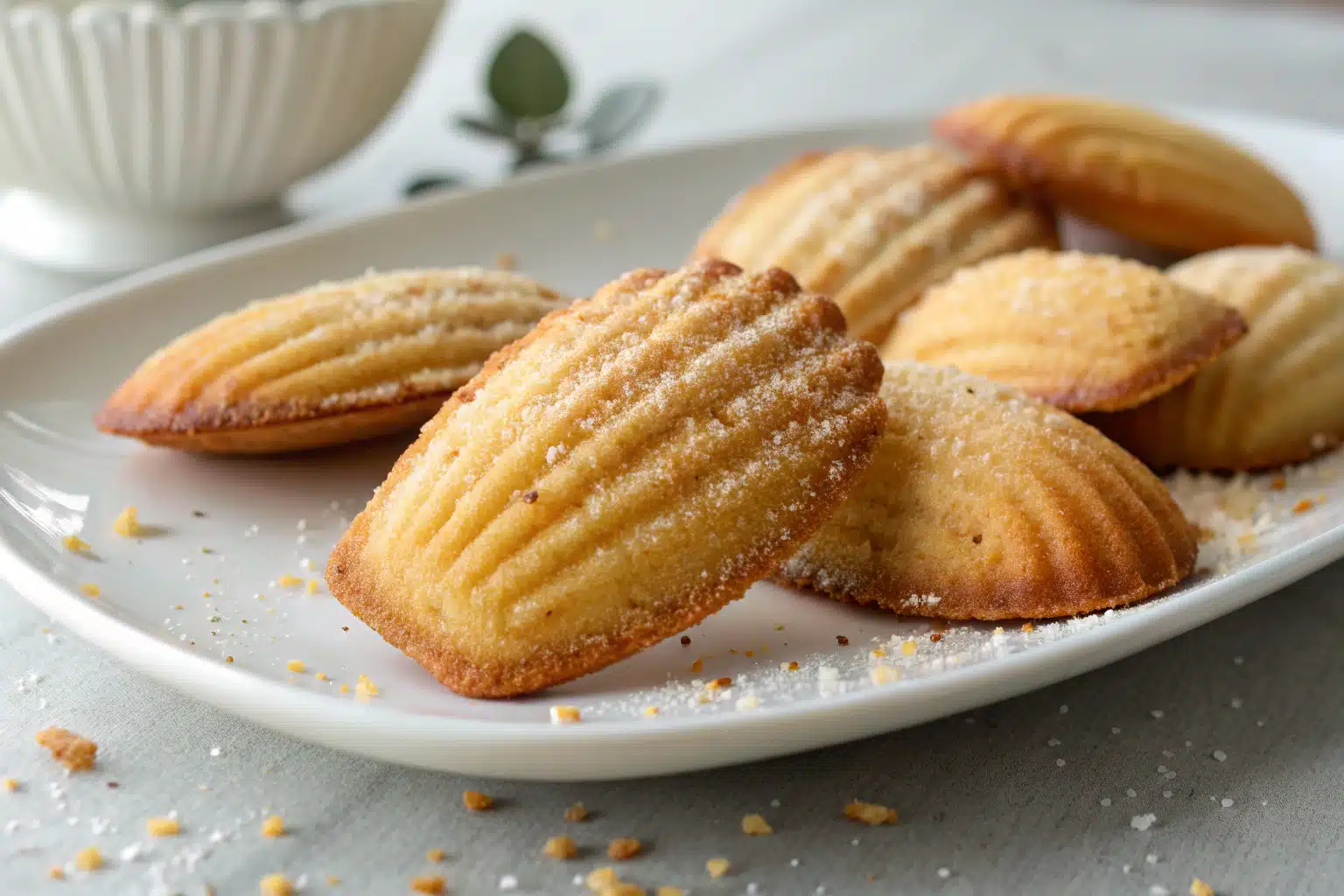
Madeleine dessert is one of France’s most iconic sweet treats, instantly recognizable by its distinctive scallop-shell shape and characteristic hump. These delicate, buttery sponge cakes have been a staple in French patisseries for centuries and have gained worldwide popularity for their subtle sweetness and versatile flavor profile. While traditional madeleines contain wheat flour and sugar, our recipe offers a modern keto-friendly adaptation that maintains the authentic taste and texture without the carbs.
“Looking for inspiration? Try our buttercup squash recipes for more low-carb dessert ideas.”
The History and Cultural Significance of Madeleines
The madeleine dessert has a rich history dating back to the 18th century in northeastern France’s Lorraine region. These treats became forever immortalized in literature when Marcel Proust described the profound emotional response triggered by tasting a madeleine dipped in tea in his novel “Remembrance of Things Past.” Today, madeleines continue to be cherished worldwide, not just for their delicious taste but also for their nostalgic qualities and elegant appearance. Our keto-friendly version honors this tradition while making it accessible to those following low-carb lifestyles.
Ingredients: What You’ll Need for Keto Madeleines
Essential Components for Perfect Keto Madeleines
| Ingredient | Amount | Purpose |
|---|---|---|
| Almond flour | 1/3 cup | Low-carb base |
| Coconut flour | 1 tbsp | Texture enhancement |
| Salt | pinch | Flavor balancer |
| Egg yolks | 2 | Structure and richness |
| Whole egg | 1 | Binding and moisture |
| Granular sugar substitute | 1/4 cup | Sweetness without carbs |
| Vanilla extract | 1 1/2 tsp | Flavor enhancement |
| Unsalted butter, melted | 4 tbsp | Richness and authentic flavor |
| Sugar-free chocolate baking chips, melted | 1 cup | Optional decoration |
Understanding Alternative Flours in Keto Madeleine Dessert
The success of keto madeleines largely depends on properly handling almond and coconut flours. Unlike wheat flour, these alternatives have different absorption properties and structural characteristics. Almond flour provides a tender crumb and subtle nutty flavor that complements the buttery notes of traditional madeleines, while coconut flour adds just enough structure to help the cookies hold their classic shape. Together, they create the perfect foundation for this beloved madeleine dessert without the carbohydrates of conventional recipes.

Step-by-Step: Creating Your Perfect Madeleine Dessert
Preparation and Batter Mixing Techniques
- Preheat your oven to 375°F (190°C). Using a pastry brush, thoroughly coat each cavity of a madeleine pan with melted butter to ensure easy release and achieve the signature crisp edges.
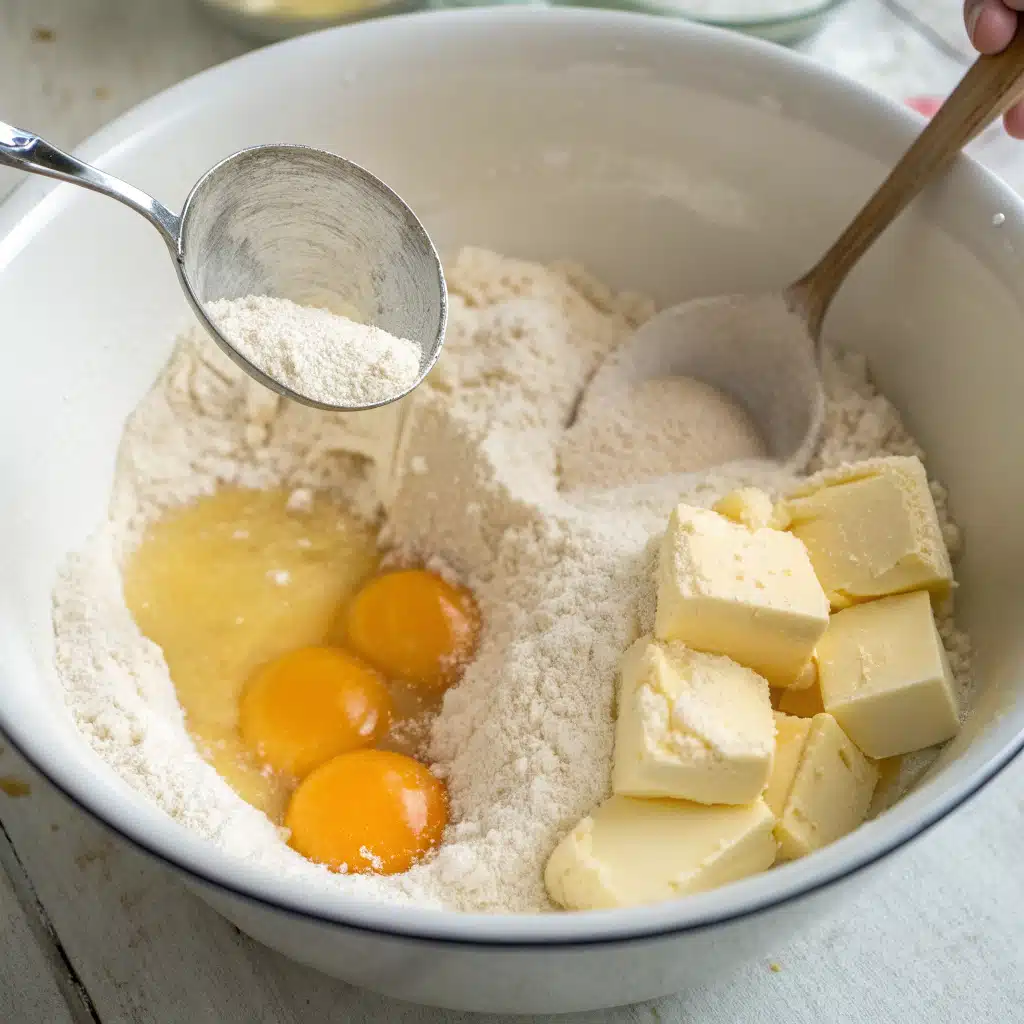
- In a small bowl, carefully sift together the almond flour, coconut flour, and salt. Sifting is crucial for eliminating lumps and creating a fine, uniform texture in your madeleine dessert. Set this dry mixture aside.
- In a medium bowl, vigorously beat the egg yolks and whole egg until they become noticeably lighter in color and fluffy in texture, about 5 minutes. Patience is key here as this step incorporates air into the batter.
- Add the granular sugar substitute and vanilla extract to the beaten eggs. Continue beating until the mixture forms ribbons when the beater is lifted (approximately 5 more minutes). This ribbon stage is essential for creating the proper structure in your madeleines.
- Using a rubber spatula, gently fold the dry ingredients into the egg mixture with a light hand, maintaining as much air in the batter as possible. Over-mixing will result in dense madeleines.
- Finally, carefully fold in the melted butter until just combined and no streaks remain. The batter should be smooth and have a soft, dropping consistency.
“Discover great ideas like our creamy skillet chicken mushrooms cheese for a savory complement to these sweet treats.”
Baking and Finishing Your Madeleine Dessert
- Using a small spoon or piping bag, fill each mold in the madeleine pan about three-quarters full. Avoid filling to the top, as the mixture expands during baking.
- Bake at 375°F for 10 minutes, or until the edges are golden brown and the centers spring back when lightly touched. The signature hump should have formed on top of each madeleine dessert.
- Immediately after removing from the oven, turn the pan over onto a clean tea towel to release the madeleines. This prompt removal prevents them from becoming soggy in the pan.
- Allow the madeleines to cool completely on the tea towel before proceeding with any decoration.
- If desired, melt the sugar-free chocolate chips in a microwave-safe bowl in 30-second intervals, stirring between each, until smooth. Either dip half of each madeleine into the chocolate or drizzle it over the tops for an elegant finishing touch.
Tips: Mastering the Art of Madeleine Dessert
Achieving the Perfect Madeleine Hump
The iconic hump on a madeleine dessert isn’t just for appearance—it’s a hallmark of proper technique. To achieve this distinctive feature, several factors come into play. First, ensure your batter is properly aerated during the egg-beating stage. Second, the temperature shock between cold batter and a hot oven creates the steam that pushes up the center of each madeleine. For best results, chill your completed batter in the refrigerator for 30-60 minutes before baking. Additionally, preheating your madeleine pan in the oven for a few minutes before filling with batter can enhance the temperature differential that creates the perfect hump.
“Here’s your guide to garlic parmesan baked chicken for a savory main course to balance your sweet madeleine dessert.”
Troubleshooting Common Madeleine Challenges
Even experienced bakers sometimes encounter issues when making madeleines. If your madeleine dessert lacks the characteristic hump, your batter may be too warm or overmixed. If they’re sticking to the pan despite greasing, try dusting the greased pan with a light coating of almond flour. For madeleines that are too dense, your folding technique may be too aggressive—remember to maintain air in the batter with gentle folding motions. Pale madeleines often indicate an oven that’s not hot enough, so verify your temperature with an oven thermometer. Finally, if the texture seems dry, the baking time may be too long, or the coconut flour proportion might need slight adjustment, as it’s highly absorbent.
Essential Equipment for Perfect Madeleines
While a traditional madeleine pan with shell-shaped molds is the most important specialized equipment for creating authentic madeleine dessert, other tools can elevate your baking experience. A stand mixer or electric hand mixer makes achieving the ribbon stage much easier than manual whisking. A kitchen scale ensures precise measurements, especially important when working with alternative flours in keto baking. Silicone spatulas are gentle enough for proper folding techniques, and a pastry brush allows for even butter application in the molds. For decoration, a wire cooling rack and parchment paper create a clean workspace for chocolate dipping or drizzling.
Storage: Keeping Your Madeleine Dessert Fresh
Immediate Storage Solutions
Madeleine dessert is best enjoyed fresh, ideally within hours of baking when their contrast between crisp edges and tender centers is at its peak. However, if you need to store them for same-day consumption, place completely cooled madeleines in a single layer on a plate and cover loosely with a clean kitchen towel. This method preserves their texture while preventing moisture buildup that would soften their crisp exterior. For chocolate-dipped madeleines, allow the chocolate to set completely before storing, and place parchment paper between layers to prevent sticking.
“Don’t miss our melt in your mouth chicken recipe for a satisfying meal before enjoying these madeleines for dessert.”
Long-Term Madeleine Preservation
For longer storage of your madeleine dessert, freezing offers the best results. Place completely cooled madeleines in an airtight container with parchment paper between layers to prevent sticking. They can be frozen for up to three months without significant quality loss. To thaw, remove from the freezer and let them come to room temperature on a wire rack for about 30 minutes—this prevents condensation from making them soggy. For a special touch, warm thawed madeleines in a 300°F oven for 3-5 minutes to restore some of their fresh-baked quality. If you’ve dipped your madeleines in chocolate, consider freezing them before adding the chocolate, then dipping them after thawing for the freshest presentation.
Reviving Day-Old Madeleines
If your madeleine dessert has lost its freshness after a day or two, all is not lost. These treats can be refreshed by warming them in a 300°F oven for about 5 minutes, which will crisp the exterior while warming the interior to a tender state. Another traditional French approach is to serve slightly stale madeleines as Marcel Proust did—dipped in tea or coffee. The warm beverage softens the madeleine just enough while enhancing its buttery, vanilla flavors. For a decadent treat, day-old madeleines can be transformed into a trifle by layering them with sugar-free custard and berries, creating an entirely new dessert from leftovers.
Variations: Exciting Twists on Madeleine Dessert
Flavor Infusions for Creative Madeleines
The classic madeleine dessert provides a perfect canvas for creative flavor variations. For citrus lovers, add the zest of one lemon or orange to the batter for a refreshing twist that complements the vanilla base. Spice enthusiasts might appreciate 1/2 teaspoon of cardamom or cinnamon stirred into the dry ingredients. For a more indulgent variation, fold 2 tablespoons of sugar-free chocolate chips into the batter just before baking. Coffee-flavored madeleines can be created by dissolving 1 tablespoon of espresso powder in the melted butter before incorporating it into the batter. Almond extract can replace half the vanilla for a more pronounced nutty flavor that pairs beautifully with the almond flour base.
“Check out our creamy garlic herb chicken recipe for a delicious dinner option before enjoying these madeleines.”
Decorative Techniques for Special Occasions
Elevate your madeleine dessert for special events with decorative finishes that add visual appeal and flavor complexity. Beyond the classic chocolate dip, consider drizzling madeleines with sugar-free caramel sauce or dusting them with powdered erythritol for an elegant, snow-capped appearance. For holiday gatherings, add a few drops of food coloring to melted white chocolate for seasonal colors, or sprinkle with sugar-free colored sprinkles while the chocolate is still wet. Chopped nuts, unsweetened coconut flakes, or freeze-dried berry powder can be pressed into dipped chocolate for texture and flavor contrast. For sophisticated adult desserts, brush warm madeleines with sugar-free flavored syrups infused with a splash of rum or bourbon.
Dietary Adaptations of Madeleine Recipes
While our madeleine dessert recipe is already keto-friendly, it can be adapted for other dietary needs without sacrificing taste or texture. For dairy-free madeleines, substitute the butter with an equal amount of melted coconut oil or ghee. Those avoiding eggs can experiment with commercial egg replacers, though the texture may vary slightly from traditional madeleines. To make the recipe paleo-compliant, use honey or maple syrup instead of the granular sugar substitute, adjusting the amount to taste (note that this will increase the carbohydrate content). For those with nut allergies who can tolerate coconut, try using all coconut flour (about 3 tablespoons total) instead of almond flour, but increase the eggs to compensate for coconut flour’s absorbency.
Serving: Presenting Your Madeleine Dessert
Traditional French Serving Suggestions
In France, madeleine dessert is traditionally served with afternoon tea or coffee, creating the perfect complement to these buttery treats. For an authentic experience, arrange madeleines on a vintage cake stand or decorative plate, shell-side up to showcase their distinctive pattern. They’re typically served slightly warm or at room temperature, allowing their buttery aroma to fully develop. For a truly Proustian experience, serve alongside a cup of lime-flower tea (tilleul) as mentioned in his famous novel. French hosts often present madeleines in odd numbers (three or five per person) following the traditional aesthetic principle that odd numbers are more visually pleasing on a plate.
“Want more ideas? Check out our garlic butter baked chicken breast recipe for a complete meal plan.”
Creating Madeleine-Centered Dessert Plates
For a more elaborate dessert course, use madeleine dessert as the centerpiece of a composed plate. Pair three madeleines with a small scoop of sugar-free vanilla ice cream or whipped cream for contrast in temperature and texture. Add visual appeal with a fan of fresh berries or a small puddle of sugar-free berry coulis. For chocolate-dipped madeleines, consider garnishing the plate with a light dusting of unsweetened cocoa powder or a few chocolate curls. A sprig of fresh mint adds a pop of color and a refreshing aromatic element. For special occasions, serve madeleines alongside a shot of espresso for an elegant after-dinner experience.

Packaging Madeleines as Gifts
Madeleine dessert makes a thoughtful homemade gift that’s sure to impress. For gifting, allow madeleines to cool completely, then package them in a decorative tin lined with parchment paper, arranging them in a single layer if possible. Alternatively, stack them in a clear cellophane bag tied with an elegant ribbon, perhaps including a handwritten note with serving suggestions or the story of Proust’s madeleine. For extra protection during transport, place madeleines in paper cupcake liners before packaging. If giving chocolate-dipped madeleines, refrigerate them until the chocolate is completely set before packaging, and advise recipients to enjoy them within 2-3 days for the best quality. Consider including brewing instructions for the perfect cup of tea to accompany these special treats.
FAQs: Common Questions About Madeleine Dessert
What is madeleine made of?
Classic madeleines are prepared with flour, sugar, eggs, butter, and flavoring like vanilla or lemon zest. Our keto version substitutes almond and coconut flours for wheat and a sugar replacement for sweetness, while still relying on eggs for structure and butter for richness. The signature shell look comes from madeleine pans.
What’s the difference between a cake and a madeleine?
Madeleines are small French cakes baked in shell molds. Lighter than cookies yet richer than sponge, they feature crisp edges, soft centers, and a signature hump from whipped-egg batter.
Why do madeleines taste so good?
Their appeal comes from high butter content, which delivers richness and a tender crumb. Slight caramelization on the surface deepens flavor, while vanilla or lemon zest adds fragrance. The contrast of crisp edges with a soft interior enhances the overall sensory experience, and their shape maximizes browning for extra flavor.
What gives madeleines their hump?
The hump forms when chilled batter meets a hot oven, creating a burst of steam that pushes the center upward. Eggs contribute moisture for steam, and resting the batter heightens the effect. Shallow shell pans and sometimes preheating them help encourage the rise.
What to serve with madeleines?
They pair beautifully with tea or coffee, balancing sweetness with slight bitterness. For variety, serve with chocolate ganache, berry coulis, whipped cream, or keto ice cream. At brunch, fresh fruit and champagne make a refined match; in winter, pair with sugar-free hot chocolate.
Who tasted a madeleine?
Marcel Proust immortalized madeleines in In Search of Lost Time, where tasting one with tea triggered vivid childhood memories—an event now known as a “Proustian moment.”
“Learn more about versatile desserts in our creamy one pan chicken and rice collection.”
Conclusion: Embracing the Magic of Madeleine Dessert
The Timeless Appeal of French Madeleines
The madeleine dessert has endured for centuries not simply because of its delicious taste, but because it represents something beyond mere sustenance—it embodies the French appreciation for simple pleasures, elevated through technique and tradition. From humble beginnings in Lorraine to worldwide recognition, these shell-shaped treats continue to captivate both amateur and professional bakers. Our keto adaptation honors this heritage while making it accessible to modern dietary preferences. Whether you’re experiencing madeleines for the first time or rediscovering them through this low-carb version, you’re participating in a culinary tradition that spans generations and cultures.
“Looking for more sweet inspiration? Check out our crispy parmesan crusted chicken recipe for more keto-friendly culinary adventures.”
Creating Your Own Madeleine Memories
As Proust so famously demonstrated, food has remarkable power to create and trigger memories. By baking madeleine dessert at home, you’re not just preparing a sweet treat—you’re creating a sensory experience that may become part of your family’s memory landscape. Consider starting traditions around these special cookies—perhaps serving them for holiday gatherings, celebrating achievements, or simply as a weekend ritual with tea or coffee. The process of making madeleines, with its attention to detail and technique, offers an opportunity to slow down and engage mindfully with baking. The rewards extend beyond the delicious results to include the joy of mastering a classic technique and sharing something made with care. These small moments of connection through food become the foundation of our most cherished memories.
PrintKeto Madeleine Dessert

Classic French shell-shaped madeleines with a keto twist – perfectly tender with crisp edges and the signature hump.
- Prep Time: 15 minutes
- Cook Time: 10 minutes
- Total Time: 25 minutes
- Yield: 12 madeleines 1x
- Category: Dessert
- Cuisine: French
Ingredients
- 1/3 cup almond flour
- 1 tbsp coconut flour
- pinch salt
- 2 egg yolks
- 1 egg
- 1/4 cup granular sugar substitute
- 1 1/2 tsp vanilla extract
- 4 tbsp unsalted butter, melted
- 1 cup sugar free chocolate baking chips, melted
Instructions
- Preheat oven to 375°F. Thoroughly brush madeleine pan with melted butter.
- Sift together almond flour, coconut flour, and salt in a small bowl.
- Beat egg yolks and egg until light and fluffy (5 minutes). Add sweetener and vanilla, continuing to beat until ribbon stage (5 more minutes).
- Gently fold dry ingredients into egg mixture using a spatula.
- Fold in melted butter until just combined.
- Fill each madeleine mold about 3/4 full.
- Bake for 10 minutes until golden at edges with formed hump.
- Immediately turn pan over onto tea towel to release madeleines.
- Cool completely before dipping in melted sugar-free chocolate if desired.
Notes
For best results, chill the batter for 30-60 minutes before baking to enhance the signature hump formation.
Nutrition facts are estimates and may vary based on ingredients used, portion sizes, and preparation methods.
Nutrition
- Serving Size: 12 madeleines
- Calories: 112
- Sugar: 1g
- Sodium: 45mg
- Fat: 11g
- Saturated Fat: 5g
- Trans Fat: 0g
- Carbohydrates: 3g
- Fiber: 1g
- Protein: 3g
- Cholesterol: 62mg
Keywords: madeleine dessert, keto madeleine, French cookies, low-carb dessert, shell-shaped cake
Let’s connect! Follow me for more Joylicious Recipes: Facebook, Instagram, Pinterest