Tantalizing Lemon Herb Beef Stew: A Taste of Comfort
A Perfect Balance of Savory and Zesty
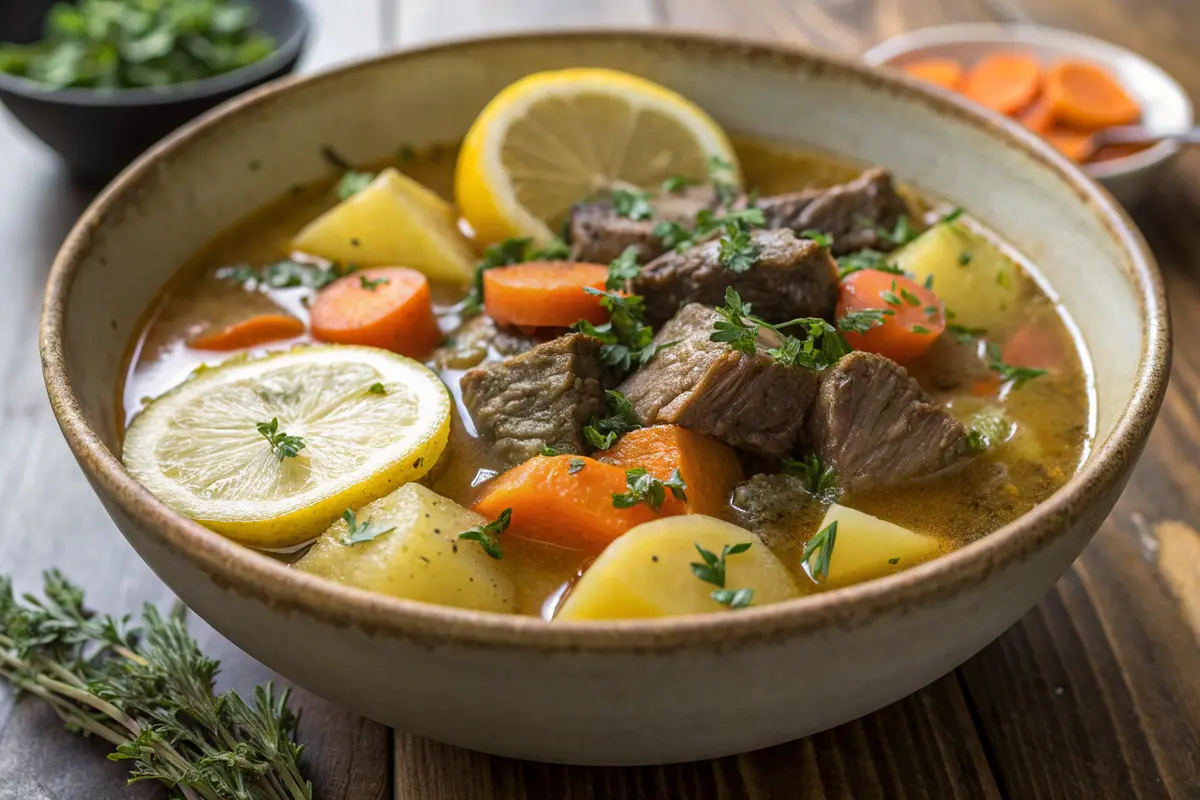
Lemon herb beef stew transforms an ordinary beef stew into an extraordinary culinary experience with its bright, citrusy notes and aromatic herbs. This hearty dish combines tender chunks of beef that melt in your mouth, wholesome vegetables, and a savory broth infused with fresh lemon and fragrant herbs. The slow cooking process allows the flavors to meld together, creating a rich, comforting meal that’s both satisfying and surprisingly refreshing. “The Honey Braised Lamb Shoulder technique offers similar staged-cooking approaches to prevent burning while developing maximum flavor.”
This versatile stew is perfect for cozy family dinners during colder months but equally delightful year-round when you’re craving something substantial yet bright. Serve it over mashed potatoes, fluffy rice, or with crusty bread to soak up every drop of the flavorful broth. It’s an ideal make-ahead meal that actually tastes even better the next day, making it perfect for busy households or weekend meal prep.
Essential Components for Your Zesty Beef Comfort Bowl
The Perfect Balance of Proteins, Vegetables, and Aromatics
Creating a memorable lemon herb beef stew requires quality ingredients that work harmoniously together. “For a lighter yet equally satisfying option, you might enjoy the Lemon Chicken Lentil Soup which uses a similar citrus-infused broth base for brightness.” The following table outlines everything you’ll need for this comforting beef casserole:
| Ingredient | Amount | Notes |
|---|---|---|
| Beef chuck | 2 lbs | Cut into 1½-inch cubes; look for well-marbled pieces |
| Olive oil | 2 tablespoons | For browning the beef and sautéing vegetables |
| Onion | 1 large | Chopped; yellow or sweet onion works best |
| Garlic | 2 cloves | Minced or finely chopped |
| Carrots | 3 medium | Cut into ½-inch slices |
| Potatoes | 3 medium | Yukon Gold or red potatoes, cut into 1-inch cubes |
| Celery | 2 stalks | Sliced into ½-inch pieces |
| Fresh lemon juice | ¼ cup | About 2 medium lemons |
| Lemon zest | 2 teaspoons | From 1 medium lemon |
| Fresh rosemary | 1 tablespoon | Finely chopped |
| Fresh thyme | 1 tablespoon | Leaves only, stems removed |
| Beef broth | 4 cups | Low-sodium preferred |
| Bay leaves | 2 | Whole leaves, to be removed before serving |
| Tomato paste | 2 tablespoons | Adds richness and depth |
| Dijon mustard | 1 tablespoon | Enhances flavor and helps thicken the broth |
| Worcestershire sauce | 1 tablespoon | For umami depth |
| Cornstarch | 2 tablespoons | Mixed with water to create a slurry for thickening |
| Water | ¼ cup | For mixing with cornstarch |
| Fresh parsley | ¼ cup | Chopped, for garnish |
| Salt and pepper | To taste | Kosher salt and freshly ground black pepper recommended |
Optional Flavor Enhancers
For those looking to elevate this slow simmered beef stew even further, consider these optional additions:
| Ingredient | Amount | Purpose |
|---|---|---|
| Mushrooms | 8 oz | Sliced; adds earthy depth and meaty texture |
| Pearl onions | 1 cup | Peeled; provides sweet pops of flavor |
| Red wine | ½ cup | Adds complexity (can substitute with additional beef broth) |
| Fresh oregano | 1 tablespoon | Chopped; adds Mediterranean flair |
| Red pepper flakes | ¼ teaspoon | For subtle heat |
| Green olives | ½ cup | Pitted and halved; adds brininess |
| Fresh baby spinach | 2 cups | Stirred in at the end; adds color and nutrition |
Creating Your Perfect Pot of Citrus-Infused Beef Goodness
Mastering the Searing and Simmering Technique
Follow these detailed steps to create a magnificent lemon herb beef stew that balances bright citrus notes with rich, savory flavors:
- Prepare the beef: Pat the beef chuck cubes dry with paper towels. Season generously with salt and freshly ground black pepper on all sides. Drying the beef ensures better browning, which develops the rich flavor foundation of your stew.
- Brown the beef: Heat olive oil in a large, heavy-bottomed Dutch oven or pot over medium-high heat until shimmering. Working in batches to avoid overcrowding (which would cause steaming instead of searing), add beef cubes in a single layer. Brown for 2-3 minutes per side until deep golden brown. Transfer browned beef to a plate and continue with remaining batches.
- Sauté the aromatics: Reduce heat to medium. In the same pot with the beef drippings, add chopped onion and sauté for 3-4 minutes until softened and translucent. Add minced garlic and cook for another 30 seconds until fragrant, being careful not to burn it.
- Build the flavor base: Add tomato paste and stir constantly for 1-2 minutes until it darkens slightly, which helps develop a deeper flavor. Pour in 2 tablespoons of the lemon juice, using it to scrape up any browned bits stuck to the bottom of the pot—these bits contain concentrated flavor.
- Add vegetables and herbs: Return the browned beef to the pot along with any accumulated juices. Add carrots, potatoes, celery, fresh rosemary, thyme, bay leaves, and lemon zest. Stir to combine everything evenly.
- Pour in liquids: Add beef broth, Worcestershire sauce, and Dijon mustard. Stir well to incorporate. The liquid should just barely cover the ingredients—add a little more broth if needed.
- Simmer to perfection: Bring the mixture to a boil, then reduce heat to low. Cover and simmer for 1.5 hours, stirring occasionally, until the beef is fork-tender. The meat should easily pull apart when tested.
- Thicken the stew: In a small bowl, whisk together cornstarch and water to make a slurry. Slowly stir this mixture into the simmering stew and cook for an additional 10-15 minutes until the broth thickens to your desired consistency.
- Finish with brightness: Remove the pot from heat and discard bay leaves. Stir in the remaining lemon juice to brighten the flavors. Taste and adjust seasonings with additional salt, pepper, or lemon juice as needed.
- Garnish and serve: Allow the stew to rest for 5-10 minutes (it will continue to thicken slightly). Sprinkle with fresh chopped parsley before serving in warm bowls.
“If you’re looking for another comforting meal with similar preparation techniques, the Chicken Potato Broccoli Corn Chowder offers the same hearty satisfaction with different flavor notes.”
Culinary Wisdom for Perfecting Your Zesty Beef Casserole
Expert Techniques for Maximum Flavor
These professional tips will elevate your lemon herb beef stew from good to extraordinary:
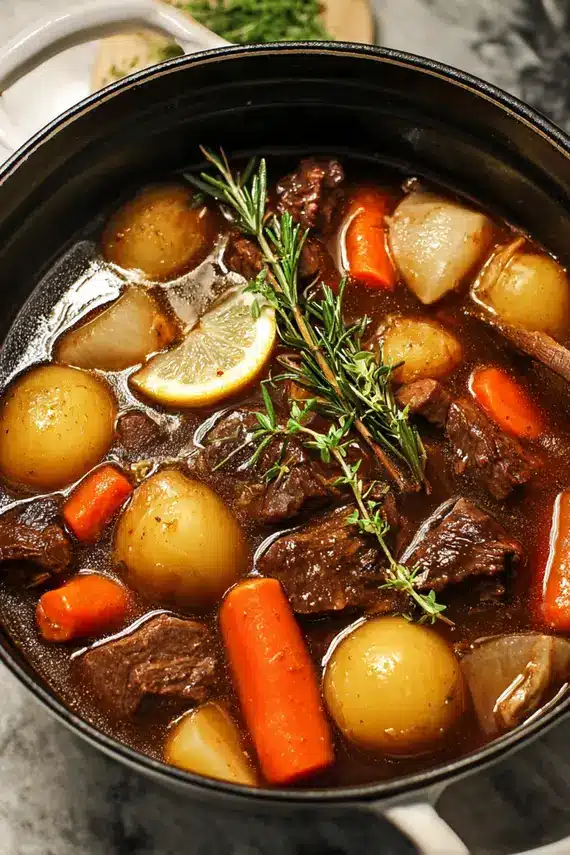
- Meat selection matters: Choose beef chuck with good marbling for the most tender results. The fat will render during cooking, creating fork-tender beef while adding richness to the broth.
- Don’t rush the browning: Taking time to properly sear the beef creates the deep flavor foundation that defines an exceptional stew. The caramelization that happens during browning produces complex flavors that can’t be achieved any other way.
- Balance the brightness: The defining feature of this stew is the perfect balance between rich, savory elements and bright, zesty notes. If your stew tastes too acidic after adding the final lemon juice, counterbalance with a small pinch of sugar or a drizzle of honey.
- Control the texture: For a thinner stew, reduce or omit the cornstarch slurry. For an extra-thick, gravy-like consistency, increase the cornstarch to 3 tablespoons mixed with ⅓ cup cold water.
- Add vegetables strategically: If you prefer firmer vegetables with more bite, add potatoes and carrots 45 minutes into the cooking process rather than at the beginning.
- Layer your herbs: Use woody herbs like rosemary and thyme during cooking, then finish with tender herbs like parsley just before serving for multiple dimensions of herbal flavor.
- Rest before serving: Allow the stew to rest for 5-10 minutes off the heat before serving. This allows the flavors to settle and the beef to reabsorb some of the liquid, resulting in juicier meat and a more cohesive stew.
“When you’re ready to try another hearty meal that uses similar techniques but features different flavors, the Creamy Vegetable Chowder offers a delicious alternative that’s equally satisfying.”
Keeping Your Slow Simmered Masterpiece Fresh
Maximizing Leftovers and Meal Planning
One of the best qualities of lemon herb beef stew is that it often tastes even better the next day as the flavors continue to develop. Here’s how to properly store and enjoy your leftovers:
Refrigeration Guidelines
Allow the stew to cool completely before transferring to airtight containers. Proper cooling prevents condensation that could water down your stew. Refrigerate within two hours of cooking to maintain food safety. When stored correctly in the refrigerator at 40°F (4°C) or below, your beef stew will remain fresh and delicious for up to 4 days.
For the best flavor preservation, store the stew in shallow containers rather than deep ones. This allows for quicker cooling and more consistent temperature throughout the stew. Glass containers work particularly well as they won’t absorb flavors or stain from the tomato elements in the stew.
Freezing for Later Enjoyment
This zesty lemon beef stew freezes exceptionally well for up to 3 months. For optimal results, allow the stew to cool completely before portioning into freezer-safe containers or heavy-duty freezer bags. Leave about an inch of space at the top of containers to allow for expansion during freezing.
For individual portions perfect for quick lunches or dinners, freeze in single-serving containers. Label each container with the date and contents to avoid mystery meals in your freezer. Consider writing reheating instructions directly on the label for added convenience.
Reheating Without Sacrificing Quality
When reheating refrigerated stew, place it in a saucepan over medium-low heat, stirring occasionally until heated through (about 165°F or 74°C). Add a splash of beef broth if the stew has thickened too much during storage.
For frozen stew, thaw overnight in the refrigerator for best results. If you’re in a hurry, you can reheat directly from frozen either on the stovetop (over low heat with frequent stirring) or in a microwave (using the defrost setting first, then heating in intervals while stirring between them).
“If you enjoy meals that reheat beautifully like this stew, you might also appreciate the Tomato Ravioli Soup which stores and reheats with similarly excellent results.”
Delicious Twists on Your Classic Comfort Bowl
Creative Adaptations for Every Palate
While the classic lemon herb beef stew is delicious on its own, consider these variations to keep the recipe fresh and exciting throughout the seasons:
Mediterranean-Style Lemon Beef Stew
Transform your stew with Mediterranean influences by adding 1 cup of pitted Kalamata olives, 2 tablespoons of capers, and 1 teaspoon of dried oregano during the last 30 minutes of cooking. Finish with a sprinkle of crumbled feta cheese and fresh dill before serving. The briny olives and capers complement the lemon beautifully while adding depth to the flavor profile.
Root Vegetable Winter Comfort Bowl
For a heartier cold-weather version, replace the standard potatoes with a colorful mix of root vegetables: 1 cup each of diced parsnips, turnips, and sweet potatoes. Add these at the same time you would add the regular potatoes. The sweet potatoes offer a subtle sweetness that balances the acidity of the lemon, while the parsnips and turnips add interesting texture and earthy notes.
Herb-Forward Spring Variation
Celebrate spring’s abundance by creating an herb-forward version. In addition to the rosemary and thyme, add 2 tablespoons each of fresh chopped tarragon and chervil during the last 5 minutes of cooking. Stir in 1 cup of fresh or frozen peas and 2 cups of baby spinach just before serving for bright color and added nutrition. The delicate herbs provide a beautiful aromatic quality that highlights the lemon.
30-Minute Pressure Cooker Express
For busy weeknights, adapt this recipe for your electric pressure cooker or Instant Pot. Follow the searing and sautéing steps using the sauté function, then pressure cook on high for 30 minutes with a 10-minute natural release. Add the cornstarch slurry after pressure cooking, using the sauté function again to thicken. This method delivers tender beef and developed flavors in a fraction of the time.
Spicy Moroccan-Inspired Variation
Create an exotic flavor profile by adding 1 teaspoon each of ground cumin, coriander, and cinnamon, plus ½ teaspoon of cayenne pepper when you add the herbs. Include ½ cup of dried apricots (chopped) during the last 30 minutes of cooking. Garnish with fresh mint and a sprinkle of toasted almonds for a Moroccan-inspired dish that maintains the lemon brightness while introducing warm, aromatic spices.
Dairy-Enriched Creamy Version
For an indulgently rich variation, stir in ½ cup of heavy cream or crème fraîche just before serving (after removing from heat). The dairy adds luxurious mouthfeel and mellows the acidity of the lemon while creating a silkier sauce. This variation pairs beautifully with buttered egg noodles instead of the usual sides.
Presenting Your Comforting Citrus Beef Creation
Elegant Plating and Accompaniment Ideas
The way you serve your lemon herb beef stew can transform it from a simple comfort food to an impressive dinner worthy of special occasions. Here are some serving suggestions to maximize enjoyment:
Everyday Family Meals
For weeknight dinners, serve this zesty beef braise in wide, shallow bowls that showcase the colorful vegetables and rich broth. Accompany with a crusty whole grain bread for dipping or ladle the stew over a small mound of creamy mashed potatoes or polenta in each bowl. The starchy base absorbs the flavorful broth while adding textural contrast.
A simple side salad with a light vinaigrette provides freshness and balances the richness of the stew. Try mixing tender greens with thinly sliced fennel and orange segments for a complementary citrus note that echoes the lemon in the stew.
Casual Entertaining
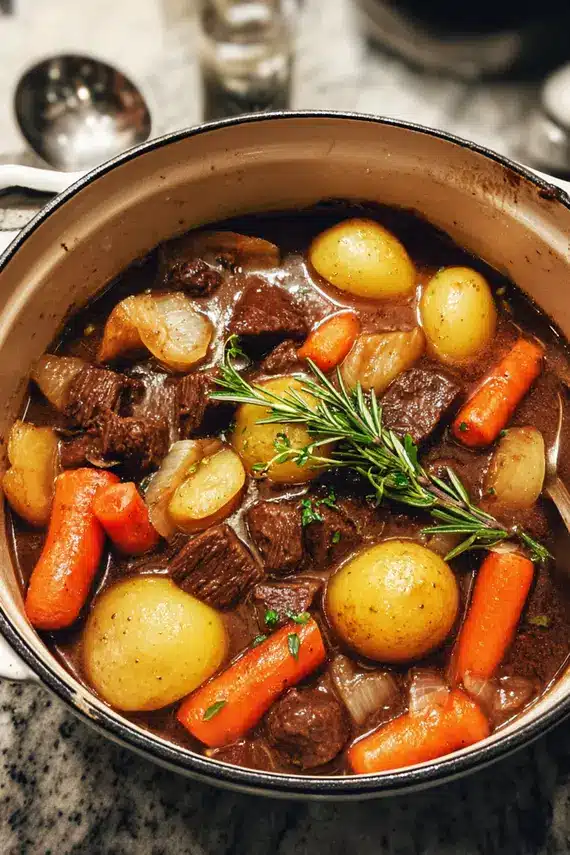
When hosting friends, create a self-serve stew bar. Present the lemon herb beef stew in a beautiful Dutch oven or tureen in the center of the table, surrounded by various accompaniments in small bowls: creamy horseradish, additional fresh herbs, lemon wedges, and croutons.
Serve alongside various bases such as Mediterranean-inspired couscous, buttered egg noodles, or garlic mashed potatoes so guests can customize their bowls. Offer a basket of artisanal bread and whipped herb butter on the side.
Seasonal Presentations
In winter, maximize comfort by serving this slow simmered beef stew in pre-warmed bowls with a dollop of herbed crème fraîche on top and a sprinkle of gremolata (minced parsley, lemon zest, and garlic) for brightness. The warm bowls keep the stew at the perfect temperature throughout the meal.
For spring gatherings, lighten the presentation by serving smaller portions in elegant cups as part of a multi-course meal. Garnish with a single edible flower and a thin lemon slice for visual appeal. Accompany with spring vegetables like roasted asparagus or fresh peas with mint.
Lunch Portioning
For lunch portions or meal prep, divide the stew into individual containers (about 1½ cups per serving) alongside ½ cup of your chosen starch. When reheating at work or school, the smaller portion ensures thorough heating without drying out. Pack a small container of fresh herbs to sprinkle on top after reheating to restore brightness.
Common Questions About Your Zesty Beef Creation
Expert Answers to Perfect Your Stew
Can I make lemon herb beef stew in a slow cooker?
Absolutely! Brown the beef and sauté the aromatics as directed in steps 1-4, then transfer everything to your slow cooker along with the remaining ingredients (except the cornstarch slurry and final lemon juice). Cook on low for 7-8 hours or high for 4-5 hours until the beef is tender. During the last 30 minutes, add the cornstarch slurry and turn to high if not already. Stir in the final lemon juice just before serving. This method produces an exceptionally tender stew with minimal hands-on time.
The lemon flavor in my stew is too strong. How can I fix it?
If you find the lemon flavor overwhelming, there are several ways to balance it. Add 1-2 teaspoons of honey or brown sugar to counteract the acidity. Alternatively, stir in 2-3 tablespoons of butter off the heat, or add ¼ cup of heavy cream to mellow the citrus notes. Adding more beef broth and a dash of Worcestershire sauce can also help dilute and balance an overly lemony stew. Remember that flavors meld overnight, so what seems too lemony today might be perfectly balanced tomorrow.
Can I use dried herbs instead of fresh in this recipe?
Yes, dried herbs can be substituted when fresh aren’t available. Use about one-third the amount called for in the recipe (1 teaspoon dried herbs for each tablespoon of fresh). Add dried herbs earlier in the cooking process to allow them time to rehydrate and release their flavors—typically when you add the beef broth. For the finishing herb garnish, however, fresh herbs are strongly recommended as they provide brightness that dried herbs cannot match. If fresh herbs are limited, prioritize fresh parsley for the final garnish even if you use dried herbs in the cooking process.
Final Thoughts on Your Citrus-Infused Beef Masterpiece
The Perfect Balance of Tradition and Innovation
Lemon herb beef stew represents the beautiful marriage of traditional comfort food with bright, unexpected flavors. This hearty yet refreshing dish proves that classic recipes can be reimagined without losing their soul. The zesty lemon cuts through the richness of slow-simmered beef, creating a perfectly balanced meal that satisfies on multiple levels.
What makes this comforting beef casserole truly special is its versatility. Whether you’re serving it for a cozy family dinner, preparing meals for the week ahead, or impressing dinner guests, this stew adapts beautifully to your needs. The complex flavors continue to develop over time, making it an ideal make-ahead dish that actually improves with a day of rest in the refrigerator.
Don’t hesitate to make this recipe your own by experimenting with the suggested variations or creating your own twist based on seasonal ingredients and personal preferences. The foundation of tender beef, aromatic herbs, and bright lemon provides an excellent canvas for culinary creativity. “For special occasions when you want something equally impressive but different, the Instant Pot Prime Rib offers another foolproof approach to preparing perfectly tender beef.”
We hope this lemon herb beef stew brings warmth, comfort, and a touch of brightness to your table. Happy cooking!
PrintLemon Herb Beef Stew
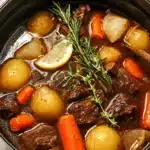
- A comforting beef stew brightened with fresh lemon and aromatic herbs.
- Tender chunks of beef, hearty vegetables, and a flavorful citrus-infused broth.
- Perfect for cozy dinners or make-ahead meals that taste even better the next day.
- Prep Time: 25
- Cook Time: 120
- Total Time: 2 hours 25 minutes
- Yield: 6 servings 1x
- Category: Dinner
- Method: Stovetop
- Cuisine: American
Ingredients
- 2 lbs beef chuck, cut into 1½-inch cubes
- 2 tbsp olive oil
- 1 large onion, chopped
- 2 cloves garlic, minced
- 3 medium carrots, sliced ½-inch thick
- 3 medium potatoes, cut into 1-inch cubes
- 2 stalks celery, sliced
- ¼ cup fresh lemon juice, divided
- 2 tsp lemon zest
- 1 tbsp fresh rosemary, finely chopped
- 1 tbsp fresh thyme leaves
- 4 cups low-sodium beef broth
- 2 bay leaves
- 2 tbsp tomato paste
- 1 tbsp Dijon mustard
- 1 tbsp Worcestershire sauce
- 2 tbsp cornstarch
- ¼ cup water
- ¼ cup fresh parsley, chopped
- Salt and freshly ground black pepper, to taste
Instructions
- Pat beef cubes dry and season generously with salt and pepper.
- Heat olive oil in a large Dutch oven over medium-high heat. Brown beef in batches, about 2-3 minutes per side. Transfer to a plate.
- Reduce heat to medium. Add onions to the pot and sauté for 3-4 minutes until translucent.
- Add garlic and cook for 30 seconds. Stir in tomato paste and cook for 1-2 minutes until darkened.
- Pour in 2 tablespoons of lemon juice, scraping up any browned bits from the bottom of the pot.
- Return beef to the pot. Add carrots, potatoes, celery, rosemary, thyme, bay leaves, and lemon zest.
- Add beef broth, Worcestershire sauce, and Dijon mustard. Stir to combine.
- Bring to a boil, then reduce heat to low. Cover and simmer for 1.5 hours until beef is fork-tender.
- In a small bowl, whisk cornstarch and water to make a slurry. Stir into the stew.
- Cook for an additional 10-15 minutes until broth thickens.
- Remove from heat and discard bay leaves. Stir in remaining lemon juice.
- Taste and adjust seasonings as needed. Let rest for 5-10 minutes.
- Garnish with fresh parsley before serving.
Notes
- Choose beef chuck with good marbling for the most tender results.
- For a thicker stew, increase the cornstarch to 3 tablespoons mixed with ⅓ cup water.
- This stew tastes even better the next day as flavors continue to develop.
- Freeze in single portions for up to 3 months for quick meals.
- Nutrition facts are estimates and may vary based on ingredients used, portion sizes, and preparation methods.
Nutrition
- Serving Size: 1 serving
- Calories: 385
- Sugar: 4
- Sodium: 620
- Fat: 18
- Saturated Fat: 6
- Unsaturated Fat: 10
- Carbohydrates: 26
- Fiber: 4
- Protein: 32
- Cholesterol: 95
Keywords: lemon herb beef stew, herb beef braise, slow simmered beef stew, zesty lemon beef, comforting beef casserole
Let’s connect! Follow me for more Joylicious Recipes: Facebook, Instagram, Pinterest