Authentic Pasty Recipe: The Ultimate Guide to Perfect Hand Pies
What is a Pasty?
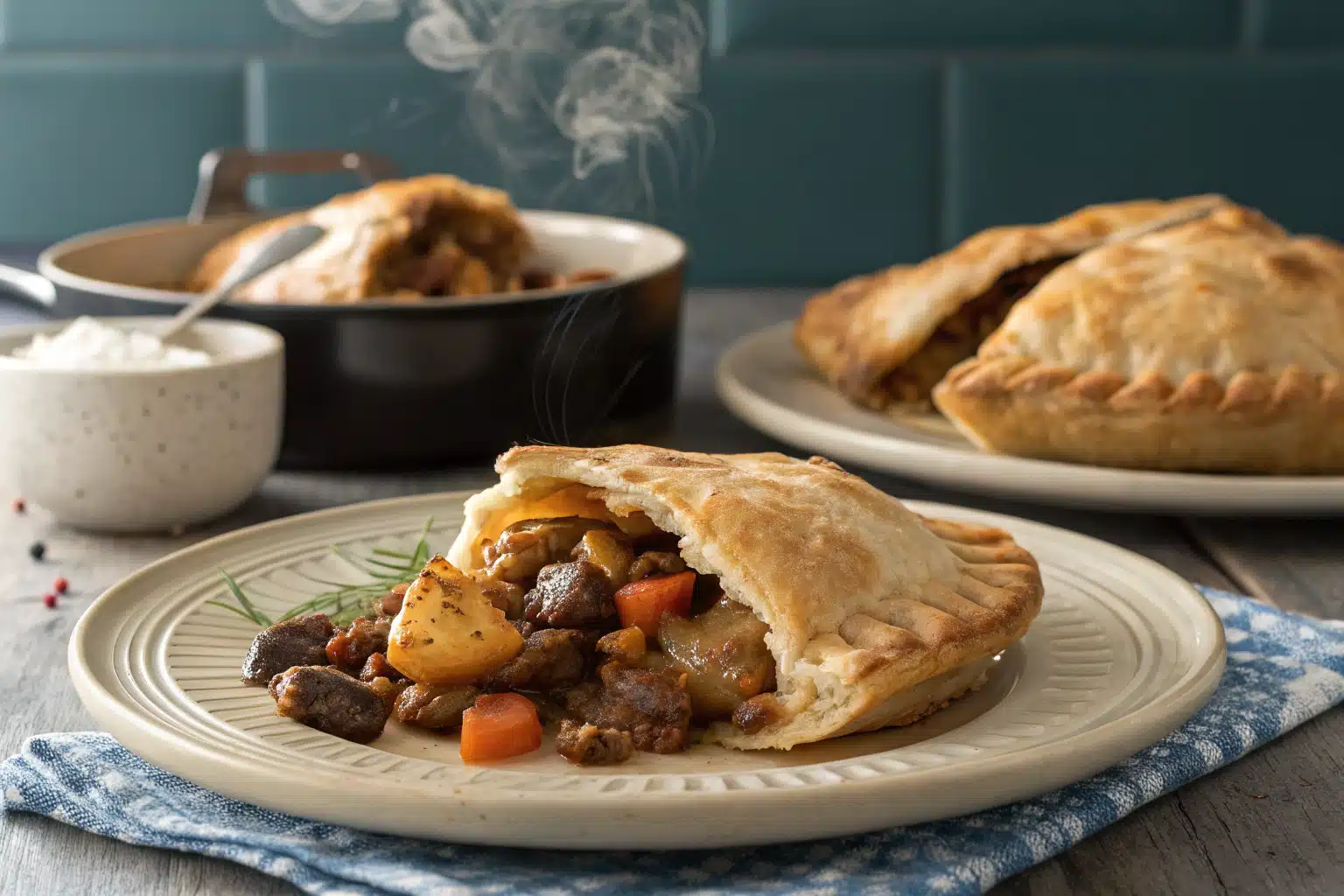
Pasty recipe enthusiasts know that this humble hand pie has a rich history dating back centuries. A pasty is a traditional hand-held pie with a robust pastry crust folded over a hearty filling of meat and vegetables. Originating from Cornwall, England, these savory pastries were historically carried by miners as a convenient, self-contained meal. The thick crimped edge served as a handle, often discarded after eating to avoid consuming the mine dust on their hands. Today, the pasty recipe has evolved while maintaining its fundamental characteristics: a flaky crust encasing a satisfying filling of meat, potatoes, and root vegetables.
The History and Cultural Significance
The pasty recipe has transcended its humble origins to become a cultural icon. While Cornwall claims the pasty as its own, similar versions appear across cultures, from empanadas in Latin America to piroshki in Russia. However, the traditional Cornish pasty received Protected Geographical Indication status in Europe in 2011, recognizing its unique preparation and ingredients. In America, pasties found popularity in mining regions of Michigan’s Upper Peninsula and parts of Wisconsin, brought by Cornish immigrant miners in the 1800s. A proper pasty recipe reflects this heritage through attention to detail in both dough and filling.
“Looking for more traditional recipes with cultural significance? Check out our buttercup squash recipes for another delicious option with deep roots.”
Ingredients for Perfect Pasties
The Secret to Perfect Pasty Dough
The foundation of any exceptional pasty recipe is the pastry dough. Unlike regular pie crust, pasty dough must be sturdy enough to hold substantial filling yet remain flaky and tender. The combination of butter and vegetable shortening creates this perfect balance. The butter provides flavor while the shortening ensures flakiness. Using high-protein all-purpose flour, such as King Arthur brand, provides the necessary structure. Additionally, cold buttermilk adds tenderness and a subtle tang that complements the savory filling. The dough-making process requires patience – chilling the fats before processing and allowing the dough to rest properly develops the perfect texture for your pasty recipe.
Traditional Filling Components
| Ingredient | Amount | Purpose |
|---|---|---|
| Skirt steak | 10 ounces | Provides rich meat flavor and tender texture |
| Waxy potato | 1 medium (7 oz) | Holds shape during baking without becoming mushy |
| Yellow onion | 1 small (5 oz) | Adds aromatic flavor and moisture |
| Rutabaga | 1/4 small (6 oz) | Offers earthy sweetness and traditional flavor |
| Kosher salt | 2 1/2 tsp (divided) | Enhances all flavors throughout dough and filling |
| Black pepper | 1 3/4 tsp | Adds necessary warmth and depth |
| Butter | 8 tbsp (1 stick) | Creates flaky layers in the pastry |
| Vegetable shortening | 1/4 cup | Improves texture and handling of the dough |
| High-protein all-purpose flour | 8 1/2 oz (about 1 1/2 cups) | Provides structure to hold the filling |
| Buttermilk | 1/4 cup | Adds tenderness and slight tanginess |
| Egg | 1 large | Used for egg wash to create golden crust |
Step-by-Step Pasty Preparation
Preparing the Perfect Dough
- Cut the butter and vegetable shortening into rough 1/2-inch pieces and freeze for 15 minutes to ensure they’re properly chilled.
- Transfer the chilled fats to a food processor with the blade attachment. Add the high-protein flour and 3/4 teaspoon of kosher salt.
- Process until the mixture resembles coarse breadcrumbs, approximately 30-45 seconds.
- With the motor running, slowly pour the cold buttermilk through the feed tube, followed by 1 tablespoon of ice water in two increments.
- After 30 seconds, check if the dough forms a ball when squeezed. If too dry, add more ice water in small amounts.
- Turn the dough onto a floured work surface and knead until smooth, about 3 minutes.
- Shape into a ball, wrap in plastic wrap, and refrigerate for at least 1 hour or overnight.
“Don’t miss our creamy skillet chicken mushrooms cheese recipe for another hearty meal option that’s perfect for family dinners.”
Creating the Savory Filling
The key to an authentic pasty recipe lies in the proper preparation of the filling. Traditional pasties use raw ingredients that cook together inside the pastry, creating a harmonious flavor profile.
- Partially freeze the skirt steak for 30 minutes before cutting to make it easier to slice into precise 1/4-inch cubes.
- Trim any excess fat and sinew from the steak before dicing.
- Peel and dice the potato and rutabaga into 1/4-inch cubes – uniform size ensures even cooking.
- Finely dice the yellow onion to distribute its flavor throughout the filling.
- Combine all vegetables with the diced steak in a medium bowl.
- Season with the remaining 1 3/4 teaspoons kosher salt and 1 3/4 teaspoons black pepper.
- Toss thoroughly to ensure even distribution of seasonings.
- Keep the mixture refrigerated until you’re ready to assemble the pasties.

Assembly and Crimping Techniques
The assembly and crimping process separates amateur attempts from authentic pasty recipes. The traditional rope crimp not only seals the filling but creates the distinctive appearance of a proper pasty.
- Preheat your oven to 375°F and line a baking sheet with parchment paper.
- Divide the chilled dough into 4 equal pieces.
- On a floured surface, roll one piece into a round just over 7 1/2 inches wide and between 1/8 and 1/4 inch thick.
- Use a 7 1/2-inch plate as a guide to cut a perfect circle, discarding excess dough.
- Place approximately 3/4 cup of filling in the center of each dough round.
- Lightly brush the edges with egg wash (1 beaten egg mixed with 2 teaspoons water).
- Fold the dough over to form a half-moon shape, carefully tucking in any escaped filling.
- Press down gently to spread the filling evenly inside.
- Press the edges firmly to seal before moving on to crimping.
- For the traditional rope crimp, start at one end and fold the edge over in 1/2-inch sections, creating a twisted rope appearance.
- Once all pasties are crimped, brush generously with egg wash, making sure to coat all crevices.
- Bake for 10 minutes, then check for any leaks and reseal if necessary.
- Continue baking for approximately 50 minutes more until deeply golden brown.
Tips for Pasty Perfection
Dough Handling Secrets
Mastering the dough is crucial for any pasty recipe success. First, temperature control is essential – keep everything cold throughout the preparation process. When the butter and shortening melt during baking (rather than during preparation), they create steam pockets that result in flaky layers. Additionally, don’t overwork the dough as this develops gluten, resulting in tough rather than tender pastry. The resting period after kneading is non-negotiable; it allows the gluten to relax and the fats to re-chill. Furthermore, when rolling out the dough, use as little additional flour as possible to prevent dryness. Finally, if the dough becomes too warm and difficult to handle at any point, return it to the refrigerator for 15-20 minutes. These techniques ensure your pasty recipe produces consistently flaky, tender crusts.
Filling Balance and Seasoning
The perfect pasty recipe requires balance in both ingredients and seasonings. While traditional pasties contain skirt steak, potato, onion, and rutabaga, the proportions matter significantly. Aim for roughly equal parts meat and vegetables for the ideal texture and flavor profile. Moreover, don’t underestimate the importance of proper seasoning – the salt and pepper quantities may seem generous, but they’re necessary to flavor the entire pasty adequately. Because the filling ingredients are raw when assembled, they release natural juices during baking that combine with the seasonings to create a natural gravy inside the pasty. For additional depth, consider adding a pinch of herbs like thyme or rosemary, though purists might consider this controversial.
“Here’s your guide to creamy garlic herb chicken recipe which uses similar seasoning principles for another delicious meal option.”
Troubleshooting Common Issues
Even experienced bakers encounter challenges when perfecting their pasty recipe. If your pasties leak during baking, your crimping technique likely needs improvement – ensure you’re pressing firmly when sealing the edges before crimping. For pasties with soggy bottoms, try placing the baking sheet on a lower rack or preheating a second baking sheet in the oven, then placing your pasty-laden sheet on top of it to provide additional bottom heat. If your filling seems dry after baking, you may have diced the ingredients too large or overfilled the pasties, preventing proper steam circulation. Conversely, if the filling is too wet, you likely added vegetables with high water content or didn’t allow enough steam vents. Finally, uneven browning indicates inconsistent oven temperature – consider using an oven thermometer to verify your settings.
Storing and Reheating Pasties
Freezing Unbaked Pasties
A well-planned pasty recipe can include preparation for future meals. Freezing unbaked pasties is an excellent way to have ready-to-bake meals on hand. After assembling and crimping your pasties, place them on a parchment-lined baking sheet and freeze until solid, about 2-3 hours. Once frozen, wrap each pasty individually in plastic wrap, then aluminum foil, or place in freezer-safe bags. Label with the date and contents – frozen unbaked pasties maintain quality for up to three months. When ready to enjoy, there’s no need to thaw before baking. Simply unwrap, brush with egg wash, and bake from frozen, adding 15-20 minutes to the original baking time. You’ll know they’re done when the crust is golden brown and the internal temperature reaches 165°F.
Refrigerating Baked Pasties
If you’ve made more pasties than you can eat in one sitting, proper storage ensures they remain delicious for several days. Allow baked pasties to cool completely before refrigerating to prevent condensation that could make the crust soggy. Once cooled, wrap individual pasties in parchment paper or aluminum foil and place in an airtight container. Properly stored, baked pasties will maintain their quality for 3-4 days in the refrigerator. For best results when enjoying leftover pasties, allow them to come to room temperature for about 30 minutes before reheating. This gradual warming helps preserve the texture of both the filling and crust when you apply heat for the final warming step.
Best Reheating Methods
The method you choose for reheating can make or break your leftover pasty experience. For the best results that maintain the integrity of your pasty recipe, avoid microwave reheating which tends to create a soggy crust and unevenly heated filling. Instead, preheat your oven to 350°F and place the pasty on a baking sheet. Cover loosely with aluminum foil to prevent over-browning while the center warms through. Bake for 15–20 minutes, or until the internal temperature registers 165°F. For a quicker option that still preserves quality, use an air fryer set to 325°F for 5-7 minutes.
“Want more ideas? Check out our garlic butter baked chicken breast recipe which includes similar reheating recommendations for maintaining food quality.”
Pasty Recipe Variations
Regional Adaptations
The pasty recipe has evolved as it traveled across regions and cultures. In Michigan’s Upper Peninsula, pasties often include carrots and sometimes ground beef instead of diced steak. Meanwhile, Wisconsin’s version might incorporate green peas or even rutabagas that have been parboiled before adding to the filling. Further west, the Butte, Montana pasty tradition, brought by Cornish miners, sometimes includes distinctive additions like marsala wine in the meat mixture. International variations include the Mexican empanada, which uses similar folding techniques but incorporates local spices and sometimes includes sweet fillings. Finnish immigrants in the northern Midwest created their own adaptation called “piiraka,” featuring a rye crust. These regional adaptations demonstrate the versatility of the basic pasty concept while maintaining the core elements of a sturdy crust encasing a filling that creates its own gravy when baked.
Vegetarian Pasty Options
A modern pasty recipe doesn’t have to include meat to be authentic and delicious. For vegetarian versions, replace the skirt steak with hearty vegetables that provide substance and flavor. Mushrooms make an excellent substitute – particularly portobello or cremini varieties that offer meaty texture and umami flavor. For protein content, consider adding cubed firm tofu, tempeh, or a half cup of cooked lentils to the vegetable mixture. The traditional potato and rutabaga can remain, but consider adding parsnips, carrots, or sweet potatoes for additional flavor complexity. Boosting the seasoning with herbs like thyme, rosemary, or sage compensates for the savory depth traditionally provided by meat. A tablespoon of soy sauce or Worcestershire sauce (vegetarian versions are available) adds umami notes that enhance the overall flavor profile.
Sweet Dessert Pasties
While savory options dominate pasty recipe traditions, sweet versions offer delightful alternatives. To adapt the basic dough for dessert pasties, increase the butter-to-shortening ratio and add 2 tablespoons of sugar to the flour mixture. For fillings, thinly sliced apples tossed with cinnamon, sugar, and a touch of lemon create a simple apple pie-like pasty. Berry fillings work beautifully as well – combine fresh or frozen mixed berries with sugar, a tablespoon of cornstarch, and a squeeze of lemon juice. For a decadent option, consider a chocolate-hazelnut spread with sliced bananas or a sweetened cream cheese mixture with cherry preserves. When making sweet pasties, reduce the size to about 5 inches in diameter for a more appropriate dessert portion. Brush with egg wash and sprinkle with coarse sugar before baking until golden brown, usually 25-30 minutes at 375°F.
“Discover great ideas like our creamy one pan chicken and rice which can be served before these sweet pasties for a complete meal.”
Serving Your Pasties
Traditional Accompaniments
The proper serving of a pasty recipe is steeped in tradition. Historically, pasties were eaten by hand, holding the crimped edge as a handle. Today, while many still enjoy them this way, table service often includes a few thoughtful accompaniments. In Cornwall, pasties are traditionally served with a side of clotted cream or a gravy boat filled with additional beef gravy for dipping. In Michigan’s Upper Peninsula, ketchup is a popular condiment, while some prefer brown gravy or even a mild curry sauce. For a complete meal, serve pasties with a simple side salad dressed with vinaigrette to cut through the richness of the pastry. Pickled red cabbage or beets provide a traditional counterpoint with their acidity balancing the savory flavors. For beverages, strong black tea is the traditional British choice, while American traditions might include a cold beer or apple cider.
Modern Plating Ideas
Contemporary presentations of pasty recipes can elevate this humble food to restaurant-worthy status. For elegant serving, place a whole pasty on a warmed plate and slice it open tableside to release the aromatic steam. Garnish with microgreens or fresh herbs like thyme or parsley. Create a colorful plate by adding vibrant vegetable sides like roasted rainbow carrots or a small portion of mashed peas with mint. For sauce presentations, consider serving individual ramekins of complementary options – perhaps a rich mushroom gravy, a tangy tomato relish, or a creamy horseradish sauce. These allow guests to customize their experience. For dinner party service, consider making mini pasties as appetizers, served on small plates with dipping sauces and garnished with edible flowers for visual impact.
Wine and Beer Pairings
The robust flavors of a traditional pasty recipe pair beautifully with thoughtfully selected beverages. For wine enthusiasts, medium-bodied reds with moderate tannins complement the savory meat filling without overwhelming it. Consider a Merlot, Syrah, or a Côtes du Rhône blend. If you prefer white wine, choose fuller-bodied options like an oaked Chardonnay or Viognier that can stand up to the hearty filling. Beer pairings offer excellent alternatives that honor the working-class origins of the pasty. Traditional English ales, particularly amber or brown ales, provide maltiness that enhances the pastry and savory filling. American craft beer options include brown ales, porters, or amber lagers. For non-alcoholic options, sparkling apple cider or a robust ginger beer provides complexity that complements the pasty’s flavors.
Frequently Asked Questions
What is a pasty?
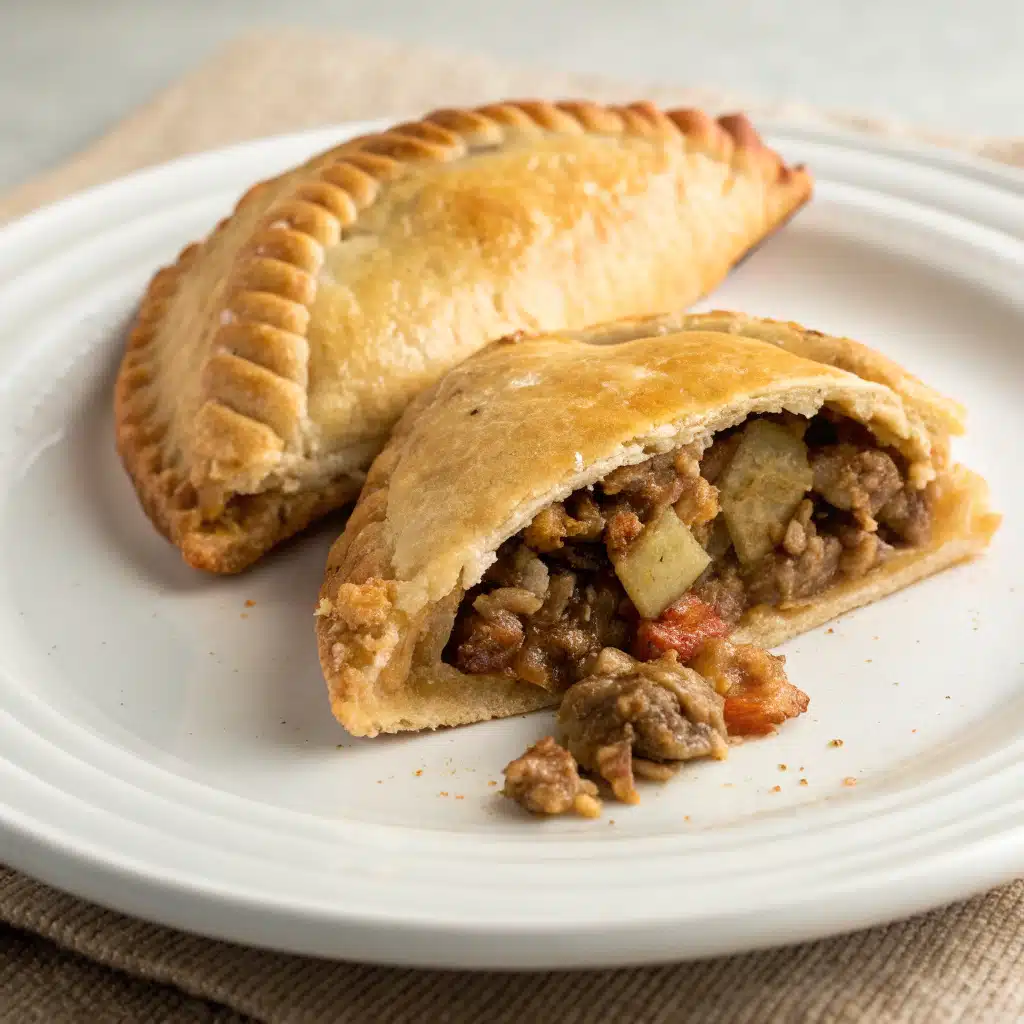
A pasty is a traditional Cornish hand pie made from shortcrust pastry folded over raw meat and vegetables. Its half-moon shape and crimped edge were once designed as a practical handle for miners.
What ingredients go into a traditional pasty?
Authentic Cornish pasties include diced skirt steak, potato, onion, and rutabaga (swede). They’re seasoned with only salt and pepper, while the pastry is made from butter and shortening. No extra vegetables, herbs, or gravy are used.
How do you make a Cornish pasty?
Start by preparing and chilling shortcrust pastry, then roll into circles. Add raw diced beef, potato, onion, and rutabaga, fold into a half-moon, crimp to seal, brush with egg wash, and bake until golden and cooked through.
What type of dough is best for pasties?
A strong shortcrust pastry works best, made with butter and shortening. High-protein flour provides structure, and a little cold buttermilk adds tenderness. The dough should be sturdy yet flaky after baking.
Should the filling be raw or cooked before putting in a pasty?
The filling should be raw. As the pasty bakes, the meat and vegetables release juices that combine into a natural gravy while maintaining their texture.
How do you crimp a pasty edge properly?
To crimp, start at one end of the folded pasty. Fold a small section of dough over, press to seal, and continue in overlapping folds along the edge, creating a rope-like pattern. Finish by tucking the end underneath.
Conclusion
The Enduring Appeal of Pasties
The pasty recipe has endured for centuries because it perfectly balances practicality, nutrition, and flavor in a portable package. From its origins as a miner’s lunch to its current status as a beloved comfort food, the pasty represents culinary ingenuity at its finest. The simple combination of flaky crust and savory filling continues to satisfy across generations and cultures. Modern cooks appreciate the pasty’s versatility and make-ahead convenience, while traditionalists value its connection to heritage and regional identity. Whether enjoyed as a quick lunch, hearty dinner, or satisfying snack, the pasty remains relevant in contemporary cuisine. Its straightforward preparation belies the complex flavors that develop during baking, making it both accessible to novice cooks and interesting to culinary experts. As food trends come and go, the humble pasty endures, a testament to the staying power of truly good food.
Making the Recipe Your Own
While traditional pasty recipes follow specific guidelines, the true joy of cooking comes from personalization and adaptation. Once you’ve mastered the classic version, consider thoughtful modifications that reflect your taste preferences and available ingredients. Experiment with different cuts of meat like chuck roast or brisket, or try alternative root vegetables such as turnips or celeriac in place of rutabaga. For those who enjoy herbs, a subtle addition of thyme or rosemary can enhance the filling without overwhelming the traditional flavors. Adjusting the size creates variety – make larger pasties for hearty dinners or smaller versions for appetizers and lunches. The crimping technique too can be personalized; while the rope crimp is traditional, a simple fork-pressed edge works effectively for beginners.
“Learn more about personalizing recipes with our crispy parmesan crusted chicken recipe which also allows for creative adaptations while maintaining core techniques.”
Authentic Cornish Pasty Recipe

Traditional hand-held meat pies with a flaky crust and savory filling of beef, potato, and root vegetables.
- Prep Time: 45 minutes
- Cook Time: 1 hour
- Total Time: 1 hour 45 minutes
- Yield: 4 pasties 1x
- Category: Dinner
- Cuisine: British
Ingredients
- 8 tablespoons (1 stick) unsalted butter
- 1/4 cup vegetable shortening
- 8 1/2 ounces high protein all-purpose flour (about 1 1/2 cups), such as King Arthur, plus more for dusting
- 2 1/2 teaspoons kosher salt, divided
- 1/4 cup cold whole buttermilk
- 1 to 3 tablespoons iced water
- 10 ounces skirt steak
- 1 medium waxy potato (7 ounces), such as red or Yukon Gold
- 1 small yellow onion (5 ounces)
- 1/4 small rutabaga (6 ounces)
- 1 3/4 teaspoons freshly ground black pepper
- 1 large egg
- 2 teaspoons water
Instructions
- Freeze butter and shortening pieces for 15 minutes, then process with flour and salt in food processor until mixture resembles coarse breadcrumbs.
- Add buttermilk and ice water while processing until dough forms. Knead briefly, shape into ball, and refrigerate for at least 1 hour.
- Freeze skirt steak for 30 minutes, then cut into 1/4-inch cubes. Dice potato, rutabaga, and onion into similar-sized pieces.
- Combine meat and vegetables, season with remaining salt and pepper, and refrigerate.
- Heat oven to 375°F. Roll dough into 7 1/2-inch rounds about 1/8-inch thick.
- Place 3/4 cup filling on each round, brush edges with egg wash, fold over, and seal.
- Crimp edges with a rope effect or press with fork tines to seal.
- Brush pasties with egg wash and bake for 10 minutes, check for leaks, then continue baking for 50 minutes until deep golden brown.
- Let cool for 5 minutes before serving.
Notes
These pasties can be enjoyed hot, warm, or at room temperature. For an authentic experience, serve with a simple side salad or pickled vegetables.
Nutrition facts are estimates and may vary based on ingredients used, portion sizes, and preparation methods.
Nutrition
- Serving Size: 4 pasties
- Calories: 680
- Sugar: 3g
- Sodium: 950mg
- Fat: 42g
- Saturated Fat: 18g
- Trans Fat: 0g
- Carbohydrates: 49g
- Fiber: 3g
- Protein: 24g
- Cholesterol: 120mg
Keywords: pasty recipe, Cornish pasty, hand pie, meat pie, beef pasty, traditional pasty
Let’s connect! Follow me for more Joylicious Recipes: Facebook, Instagram, Pinterest