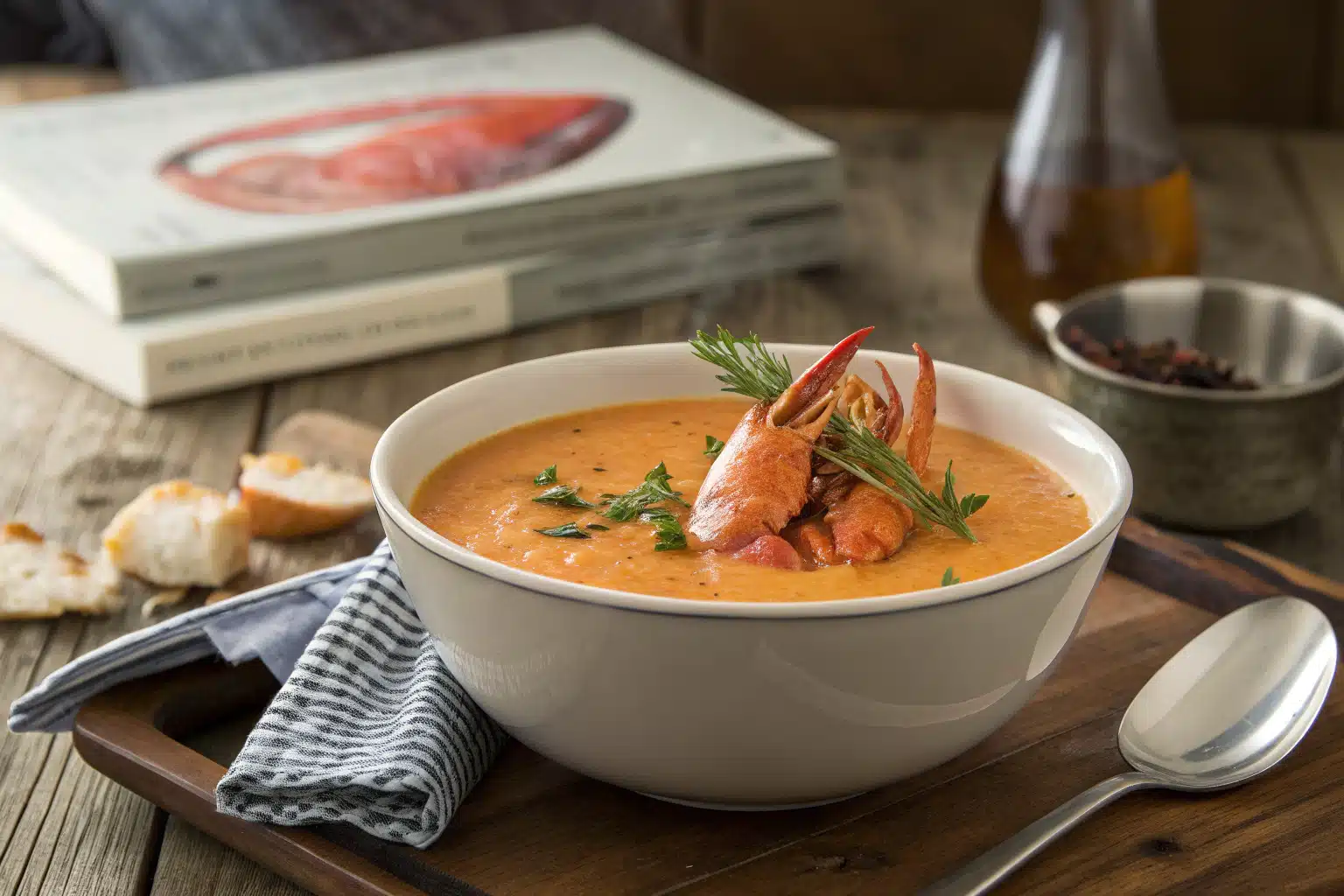
The Ultimate Lobster Bisque Recipe: Creamy Seafood Perfection
What Makes Lobster Bisque Special
Lobster bisque recipe enthusiasts know this iconic soup represents the pinnacle of seafood cuisine. This luxurious, velvety creation transforms humble shellfish into an elegant dish worthy of the finest restaurants. What makes lobster bisque truly special is its rich depth of flavor achieved through a careful process of extracting every bit of essence from the lobster shells. The combination of sweet lobster meat with aromatic vegetables, herbs, and cream creates a sophisticated harmony that delights the palate. Unlike simpler seafood soups, a proper lobster bisque balances complex flavors that develop through multiple cooking stages, resulting in an unparalleled dining experience that’s simultaneously comforting and indulgent.
History and Origins of Lobster Bisque
The illustrious lobster bisque recipe has fascinating historical roots dating back to 17th-century France. Originally, “bisque” referred to a highly-spiced soup made from crustaceans including crayfish, crabs, and lobsters. French chefs developed this method to utilize every part of these expensive ingredients. Traditional preparation involved crushing entire shells and all into a paste (“bis cuites” meaning “twice cooked”) to extract maximum flavor before straining. The dish became a symbol of refined French cuisine, eventually spreading throughout Europe and crossing the Atlantic to America, where it became a staple in upscale dining. Today’s modern lobster bisque maintains the essence of these traditional techniques while incorporating contemporary cooking methods.
“Learn more about other seafood delights in our creamy salmon pasta recipe.”
Lobster Bisque Ingredients List
Essential Ingredients for Authentic Lobster Bisque
Creating an authentic lobster bisque recipe requires specific ingredients that contribute to its characteristic flavor and texture. The foundation begins with butter—preferably unsalted—which provides richness and serves as the base for sautéing aromatics. The mirepoix (onion, celery, and carrots) forms the flavor base, while garlic adds depth. Tomato paste contributes acidity and color, while flour serves as the thickening agent. The true star, however, is the lobster itself, which appears in two forms: as meat chunks for serving and as shells for making the intensely flavorful stock. White wine and sherry add complexity, while cream provides the signature silky texture. Herbs like tarragon and thyme infuse delicate aromatics that complement rather than overpower the lobster’s natural sweetness.
| Essential Ingredients | Quantity | Purpose |
|---|---|---|
| Butter | 4 tablespoons | Base for sautéing, adds richness |
| Yellow onion | 1 large, diced | Aromatic base |
| Celery | 5 stalks, diced | Aromatic base |
| Carrots | 3 medium, diced | Aromatic base, sweetness |
| Garlic | 1 clove, minced | Flavor enhancement |
| Tomato paste | 3 tablespoons | Acidity, color, umami |
| Flour | ¼ cup | Thickener |
| White wine | 1 cup (dry) | Acidity, flavor complexity |
| Sherry | ⅓ cup | Distinctive nutty flavor |
| Lobster/shellfish stock | 6 cups | Foundation flavor |
| Heavy cream | 1 cup | Richness and silky texture |
| Lobster meat | 10 ounces | Main protein component |
Making Your Own Lobster Stock
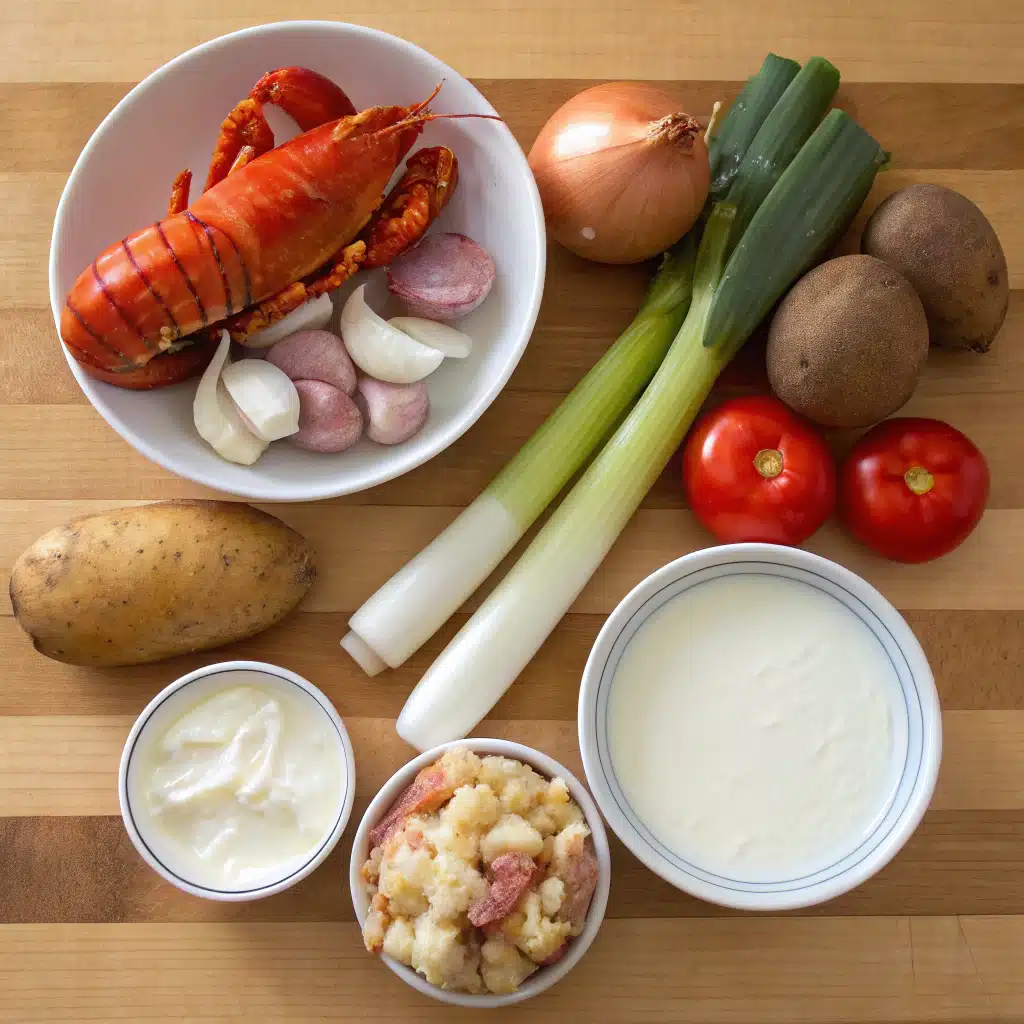
The secret to exceptional lobster bisque recipe lies in homemade lobster stock, which provides an unmatched depth of flavor that commercial alternatives simply cannot replicate. Begin by collecting lobster shells—the more, the better—though even a few will yield decent results. The process starts with a classic mirepoix of onion, celery, and carrot, enhanced with garlic and aromatic herbs like thyme and bay leaves. Peppercorns add subtle heat and complexity. The key technique involves gently simmering rather than boiling the shells, which allows for slow extraction of flavor without developing bitterness. A 20-30 minute simmer is usually sufficient to extract the essence while maintaining bright flavors. After straining, this liquid gold can be used immediately or frozen for future use. Notably, this stock-making approach can be adapted for other shellfish like shrimp or crab if lobster isn’t available.
“Discover great ideas like our easy salmon sushi balls that also celebrate seafood’s wonderful flavors.”
Step-by-Step Lobster Bisque Preparation
Preparing the Base
Making lobster bisque recipe begins with establishing a flavorful foundation. Start by melting the butter in a heavy-bottomed Dutch oven over medium heat until it foams slightly but doesn’t brown. Add the diced onion, celery, and carrots, creating the aromatic vegetable base known as mirepoix. Season with salt and white pepper—white pepper is preferable as it provides heat without visual specks. Stir frequently while cooking for approximately 8 minutes until vegetables soften but don’t take on color. This gentle cooking releases the vegetables’ natural sweetness without caramelization, which would alter the bisque’s delicate flavor profile. Once vegetables are translucent and tender, add the minced garlic and cook for just 30 seconds until fragrant, being careful not to brown it, which would introduce bitterness.
Creating the Flavor Profile
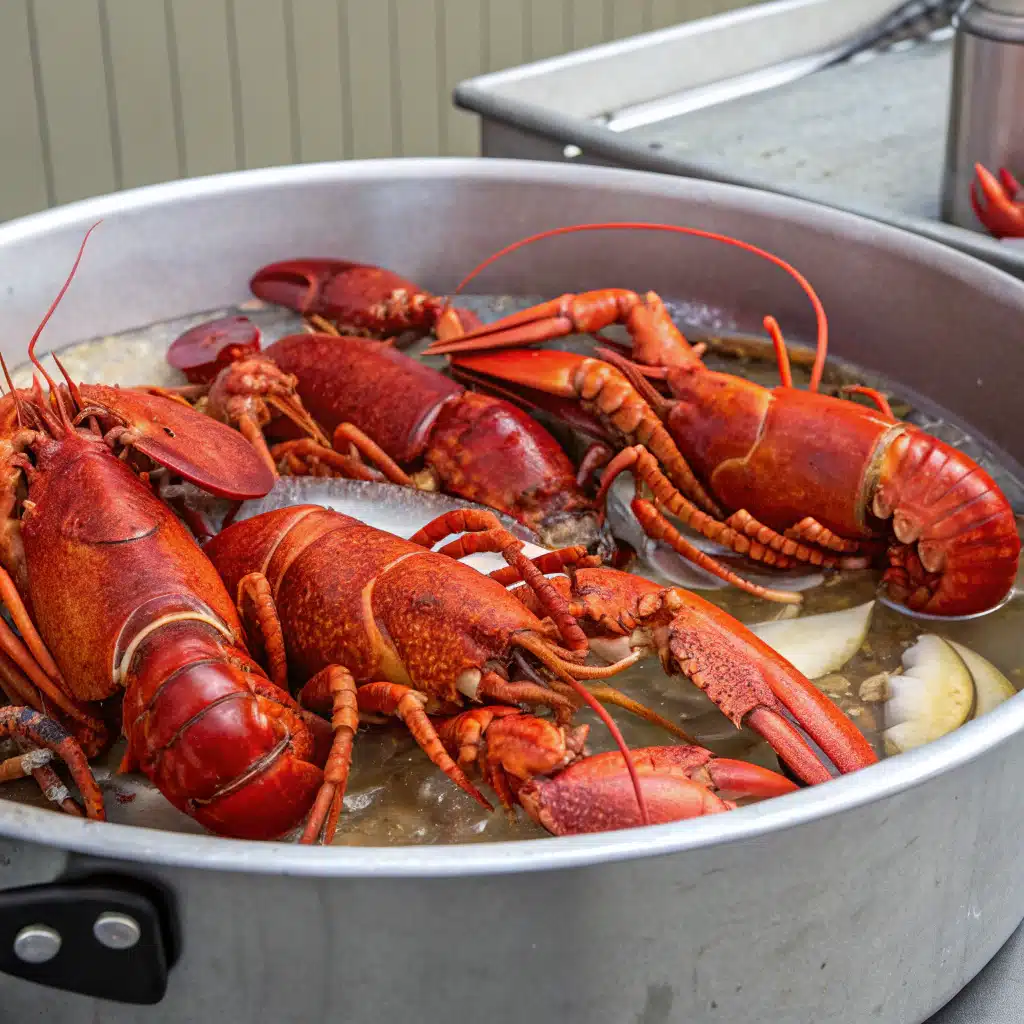
After establishing the vegetable base, it’s time to build the complex flavor profile that makes lobster bisque recipe so distinctive. Add the tarragon, which contributes a subtle anise-like flavor that pairs beautifully with seafood. Incorporate the tomato paste, paprika, and cayenne, cooking for about one minute while stirring constantly to cook out the raw tomato flavor and bloom the spices. This stage is crucial for developing depth, as the tomato paste caramelizes slightly, adding umami notes. Next, sprinkle in the flour and stir continuously for two minutes to create a roux, which will thicken the bisque without lumps. Gradually add the white wine and sherry, stirring vigorously to incorporate the roux as the alcohol bubbles and reduces. This deglazing process both incorporates the fond (flavorful browned bits) from the bottom of the pot and cooks off the alcohol while retaining the wines’ complex flavors.
Final Cooking and Blending
With the flavor base established, carefully pour in the lobster stock while stirring constantly to prevent lumps. Add the thyme sprig and bay leaf, which will infuse the bisque with herbal notes during simmering. Bring the mixture to a gentle simmer, then reduce heat, cover partially, and cook for about 20 minutes until the vegetables become very tender. This slow cooking allows the flavors to meld while the vegetables soften completely for smooth blending.
After removing the thyme sprig and bay leaf, it’s time to transform the chunky mixture into the silky soup that defines lobster bisque. Using an immersion blender directly in the pot (or working in batches with a standard blender), purée until completely smooth. This step may take several minutes to achieve the signature velvety texture.
For restaurant-quality results, strain the puréed soup through a fine-mesh sieve, pressing with a spatula to extract all liquid while leaving any fibrous bits behind. Return the strained bisque to the pot over low heat before proceeding to the finishing touches.
“Check out our garlic parmesan chicken pasta for another creamy dinner option.”
Expert Tips for Perfect Lobster Bisque
Secret Ingredients That Elevate Your Bisque
Professional chefs rely on several secret ingredients to transform a good lobster bisque recipe into an unforgettable culinary experience. The most impactful addition is a small splash of cognac or brandy (about 2 tablespoons), added either during deglazing or just before serving, which introduces complex caramel notes that complement the lobster’s sweetness. Fish sauce—just a few drops—provides umami depth without fishiness. A pinch of saffron threads adds subtle floral notes and a gorgeous golden hue.
For enhanced flavor complexity, consider a tablespoon of tomato brandy, which combines acidic and sweet components. Some chefs incorporate a small amount of lobster coral (roe) if available, which introduces intense oceanic flavor and a beautiful pink-orange color.
Finally, finishing with a teaspoon of high-quality cold butter just before serving (monte au beurre) creates a glossy appearance and velvety mouthfeel without heaviness.
Common Mistakes to Avoid
Even experienced home cooks can fall prey to common mistakes when preparing lobster bisque recipe. The most frequent error is boiling rather than simmering the stock, which causes cloudiness and can extract bitter compounds from the shells. Similarly, overcooking the vegetables until they brown introduces unwanted caramelized flavors that overpower the delicate lobster.
Another pitfall is adding cream too early in the cooking process, which can cause it to separate or develop a grainy texture; cream should always be added after blending and just before serving. Many cooks underseason bisque, failing to account for how cream mellows flavors; tasting and adjusting seasoning just before serving is essential.
Skipping the straining step results in a less refined texture with noticeable fibers. Finally, overblending can incorporate too much air, creating foam rather than a silky texture; blend just until smooth, then allow the bisque to rest briefly before serving to release trapped air bubbles.
Achieving the Perfect Consistency
The hallmark of excellent lobster bisque recipe is its luxurious texture—neither too thin nor too thick, but perfectly coating the back of a spoon. The key to achieving this ideal consistency lies in several techniques. First, the proper ratio of flour to liquid creates the initial structure; this recipe’s proportions are calibrated for the ideal thickness.
Second, blending thoroughly ensures all vegetable fibers are broken down, while straining removes any remaining particles. If your bisque seems too thick after adding cream, thin it gradually with additional warm stock or even water, adding just a tablespoon at a time until perfect.
Conversely, if it’s too thin, a simple slurry of 1 teaspoon cornstarch mixed with 1 tablespoon cold water can be stirred in while the bisque simmers for 1-2 minutes.
The bisque will also naturally thicken slightly as it cools, so serve it promptly after reaching the desired consistency. Remember that a proper bisque should be substantial enough to satisfy as a main course but light enough to appreciate its complex flavors.
“Looking for inspiration? Try our avocado shrimp salad for another elegant seafood option.”
Storing and Reheating Your Lobster Bisque
Proper Storage Techniques
Proper storage is crucial for maintaining the quality of your lobster bisque recipe. For immediate storage, allow the bisque to cool completely at room temperature for no more than two hours before refrigerating. Transfer the cooled bisque to airtight containers, preferably glass rather than plastic, which can absorb flavors.
If you plan to include lobster meat, consider storing it separately from the bisque base to prevent overcooking during reheating. In the refrigerator, properly stored bisque remains safe and flavorful for 3-4 days. For longer preservation, freezing is an excellent option, though with some considerations. Freeze the bisque without the cream or lobster meat added for best results. Use freezer-safe containers with about an inch of headspace to allow for expansion.
Properly frozen bisque maintains quality for up to three months. Label containers with the date and contents to track freshness. When ready to use, thaw frozen bisque overnight in the refrigerator rather than at room temperature to maintain food safety.
Reheating Without Compromising Flavor
Reheating lobster bisque recipe requires careful attention to preserve its delicate flavors and silky texture. The cardinal rule is gentle heating—never bring bisque to a boil, which can cause the cream to separate and the lobster meat to toughen.
For stovetop reheating, place the bisque in a heavy-bottomed saucepan over medium-low heat, stirring frequently to ensure even warming and prevent scorching on the bottom. A double-boiler method provides even gentler heating—place the bisque in a heat-safe bowl over simmering water. Microwave reheating works for single servings; use 50% power in 30-second intervals, stirring between each until warmed through.
If the bisque was frozen without cream, reheat it first, then stir in fresh cream once warm. Similarly, if storing without lobster meat, warm the bisque completely before adding the meat to prevent overcooking. After reheating, a quick pulse with an immersion blender can restore the original smooth texture if any separation has occurred. For the finishing touch, adjust seasonings as flavors often mellow during storage.
Make-Ahead Tips for Special Occasions
Lobster bisque recipe makes an impressive starter for special occasions, and preparing it in advance can significantly reduce day-of stress. The bisque base (everything except cream and lobster meat) can be made up to three days ahead and refrigerated, or frozen for up to three months.
On the day of serving, simply reheat the base gently, then stir in fresh cream and fold in the lobster meat just before serving. For ultimate convenience, prepare individual components in advance: make and freeze the stock up to six months ahead; chop and store the mirepoix vegetables in the refrigerator up to two days before cooking; and portion and refrigerate the lobster meat a day in advance, well-wrapped to preserve freshness.
When entertaining, consider serving the bisque in pre-warmed cups or bowls to maintain temperature longer at the table. A garnish of fresh chives or a small amount of reserved lobster meat added tableside creates an elegant presentation that belies the make-ahead convenience.
“Want more ideas? Check out our creamy coconut curry meatballs for another make-ahead party favorite.”
Delicious Variations of Lobster Bisque
Regional and International Variations
Lobster bisque recipe traditions vary fascinatingly across different culinary regions. New England-style bisque typically emphasizes simplicity, allowing the lobster flavor to dominate with minimal herbs and often includes a touch of cayenne for subtle heat. Southern American interpretations frequently incorporate corn and sometimes even a hint of bourbon in place of sherry. On the international front, Spanish variations may include saffron and smoked paprika, creating a bisque reminiscent of paella flavors.
French Provençal versions often feature fennel and Pernod for an anise-forward profile. Asian-inspired adaptations might incorporate lemongrass, ginger, and coconut milk instead of heavy cream for a lighter, aromatic approach. Caribbean interpretations commonly include allspice, cinnamon, and sometimes rum, reflecting the region’s affinity for warming spices. Each variation maintains the essence of lobster bisque while showcasing local ingredients and cultural preferences, demonstrating the recipe’s remarkable adaptability across culinary traditions while maintaining its luxurious character.
Dietary Adaptations (Gluten-Free, Dairy-Free)
Modern dietary needs shouldn’t prevent anyone from enjoying a superb lobster bisque recipe. For gluten-free versions, simply substitute the all-purpose flour with an equal amount of rice flour, cornstarch, or a gluten-free flour blend. These alternatives thicken effectively without introducing gluten.
For dairy-free adaptations, replace butter with olive oil or a high-quality plant-based butter alternative for the initial sautéing. Instead of heavy cream, full-fat coconut milk creates comparable richness and silky texture, though it does introduce a subtle coconut flavor that actually complements the lobster beautifully.
Another excellent dairy-free option is cashew cream—blend 1 cup of soaked raw cashews with ¾ cup water until completely smooth. For those avoiding alcohol, substitute the white wine with additional stock plus 1 tablespoon of white wine vinegar, and replace sherry with 2 tablespoons of apple cider vinegar mixed with 1 teaspoon of maple syrup to approximate sherry’s complex flavor profile. These modifications maintain the bisque’s essential character while accommodating diverse dietary requirements.
Creative Serving Suggestions
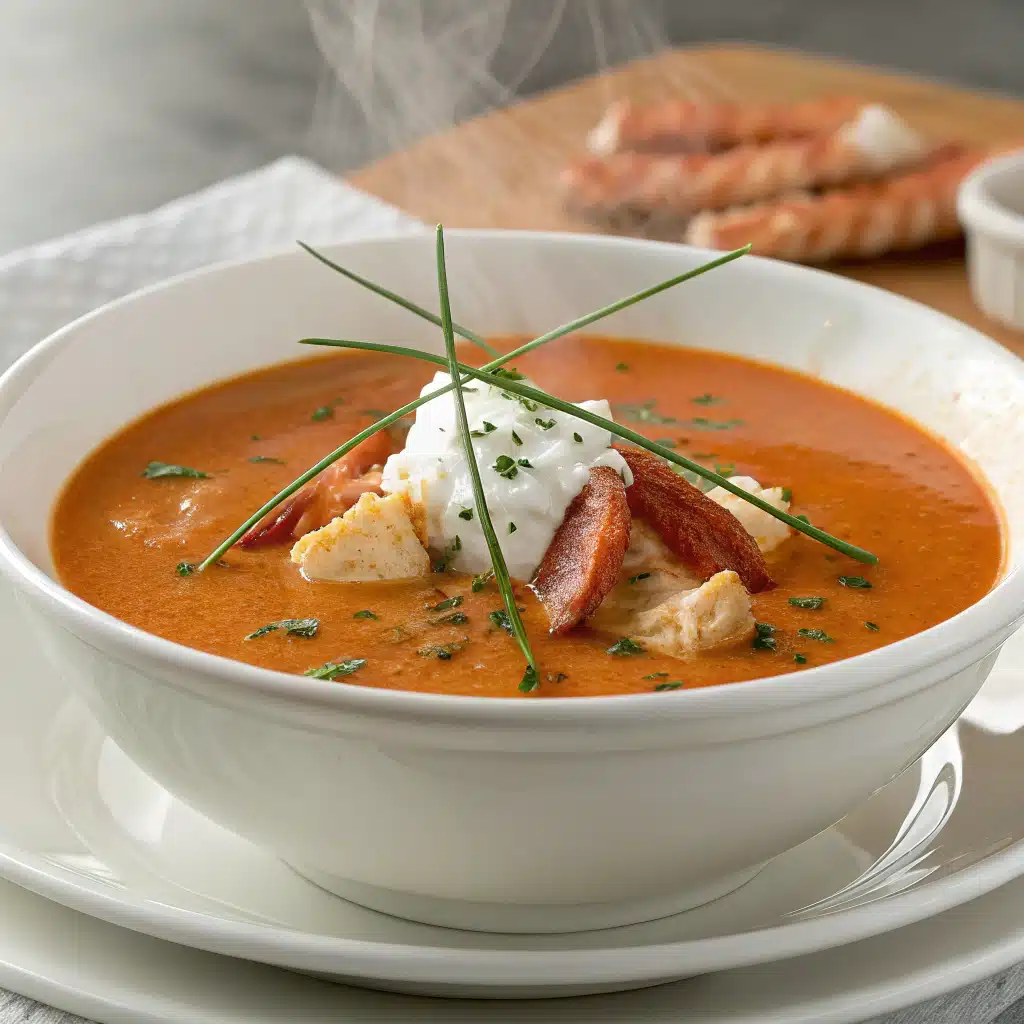
Elevate your lobster bisque recipe presentation with creative serving ideas that enhance both flavor and visual appeal. For elegant individual servings, consider hollowed-out small round bread bowls, which absorb the bisque’s flavors while providing an edible vessel.
A dramatic tableside presentation involves serving the hot bisque in a teapot or small pitcher, pouring it over a mound of lobster meat, crispy shallots, and fresh herbs arranged in the center of each bowl. For cocktail parties, serve shot-glass portions topped with a single piece of lobster and a tiny spoon of caviar for luxurious one-bite appetizers.
Enhance the bisque’s flavor profile with thoughtful garnishes: a small drizzle of truffle oil, a sprinkle of smoked sea salt, or even crispy fried leeks add contrasting textures and complementary flavors. For an impressive meal, pair smaller portions of bisque with a seafood salad or grilled fish for an elegant surf-and-surf experience. During summer months, consider serving the bisque chilled, gazpacho-style, with fresh cucumber and radish for a refreshing twist on this traditionally warm dish.
“Here’s your guide to how to smoke chicken breast perfectly for a main course to follow your bisque.”
Serving Your Lobster Bisque
Perfect Pairings for Lobster Bisque
The rich, complex flavors of lobster bisque recipe deserve thoughtfully chosen accompaniments that complement without overwhelming. For beverages, a crisp, unoaked Chardonnay or Chablis provides balanced acidity to cut through the bisque’s richness, while a dry rosé from Provence offers refreshing contrast.
Non-alcoholic pairings might include sparkling water with a twist of lemon or a mild iced tea. For bread accompaniments, crusty sourdough or buttery brioche toast points are classic choices that provide textural contrast and help savor every drop. Regarding side dishes, keep them light and simple: a small salad of butter lettuce with a lemon vinaigrette cleanses the palate between spoonfuls, while simple water crackers or crostini topped with a mild cheese like ricotta allow the bisque to remain the star.
For a complete meal, follow the bisque with a light entrée such as grilled white fish, roasted chicken with herbs, or a simple pasta primavera. The key to successful pairing is balance—avoid competing strong flavors that would diminish the bisque’s nuanced profile.
Dinner Party Planning with Lobster Bisque
Featuring lobster bisque recipe as the centerpiece of a dinner party requires thoughtful planning for maximum impact and minimum stress. First, consider portion sizes: as a rich starter, 6-8 ounces per person is ideal; as a main course, plan for 12-16 ounces accompanied by light sides. For effortless service, prepare the bisque entirely the day before, storing it without cream or lobster meat. Reheat gently before guests arrive, then add cream and lobster just before serving.
Pre-warm soup bowls in a low oven (200°F) for 5 minutes to keep the bisque hot throughout service. Create a dedicated bisque station with garnishes like chives, crème fraîche, or tiny croutons, allowing guests to customize their servings. For a dramatic presentation, serve from a warmed tureen or bring individual portions to the table simultaneously on a large tray.
Balance the menu around the bisque: if serving as an appetizer, follow with a lighter main course like herb-roasted chicken or grilled fish; if the bisque is the main attraction, precede it with a light salad and conclude with a refreshing dessert like lemon sorbet or berries with cream.
Seasonal Adaptations for Year-Round Enjoyment
While lobster bisque recipe is traditionally associated with special occasions, seasonal adaptations make it appropriate throughout the year. In summer, lighten the bisque by reducing the cream slightly and garnishing with fresh corn kernels, diced tomato, and basil for brightness. Serve smaller portions, perhaps as an amuse-bouche in chilled shot glasses topped with a cucumber foam.
For fall, incorporate subtle warming spices like a pinch of nutmeg or clove, and garnish with crispy fried sage leaves and toasted pumpkin seeds.
Winter versions benefit from increased richness—use a full-bodied stock and perhaps a touch more cream, garnishing with crispy pancetta and fresh thyme. Spring adaptations might include a garnish of fresh peas, mint, and a light drizzle of lemon-infused olive oil for seasonal freshness.
Consider the accompanying menu seasonally as well: summer calls for chilled wines and light salads, while winter pairings might include heartier breads and fuller-bodied wines. Adjusting the serving temperature slightly—cooler in summer, piping hot in winter—further enhances seasonal enjoyment. These thoughtful modifications maintain the essence of traditional lobster bisque while keeping it relevant and appealing regardless of the season.
“Don’t miss our spicy salmon crispy rice bites for another seasonal seafood appetizer option.”
Frequently Asked Questions About Lobster Bisque
What are the ingredients of lobster bisque?
Classic bisque uses lobster meat and shells, butter, mirepoix (onion, celery, carrot), garlic, tomato paste, flour, white wine, sherry, stock, cream, and herbs such as thyme or tarragon. Paprika and cayenne add depth, while vinegar or wine balances richness. Homemade stock is the key to authentic flavor.
What is the secret to great lobster bisque?
The stock is everything—simmering shells slowly extracts maximum taste. Sauté vegetables gently, blend and strain well for a silky base, and add cream at the end. Proper seasoning and balancing acidity with cream give the dish its refined complexity.
What to add to lobster bisque?
Enhance with cognac or brandy for depth, saffron for aroma, or a splash of fish sauce for umami. Garnish with chives, tarragon, crème fraîche, or smoked paprika. For a touch of luxury, add lobster roe or caviar.
How long to boil lobster?
Cook 1 lb lobsters for about 8 minutes, 1.5 lbs for 9–10 minutes, and 2 lbs for 11–12 minutes. Tails need 5–6 minutes. Meat should turn opaque, shells bright red. Slight undercooking is best since bisque reheats it. Stop cooking by plunging into ice water.
What spices enhance lobster flavor?
White pepper, paprika, thyme, bay leaf, and tarragon complement lobster naturally. Cayenne adds gentle heat, while saffron or a hint of nutmeg can bring extra depth.
Why does lobster bisque taste bitter?
Bitterness often comes from boiling shells too hard, burning garlic or tomato paste, or using poor-quality wine. Over-toasting the roux can also cause issues. If bitterness occurs, balance with cream, a touch of sugar, or lemon juice.
Conclusion: Mastering the Art of Lobster Bisque
From Novice to Expert: Your Lobster Bisque Journey
The journey from lobster bisque recipe novice to confident creator follows a natural progression that rewards patience and practice. Beginners should focus first on mastering the basic technique—creating a flavorful mirepoix base, handling the roux properly, and achieving the right consistency through careful blending and straining.
As confidence builds, experiment with the stock, perhaps incorporating different shellfish shells or adjusting aromatics to suit your preference. Intermediate cooks might play with the balance of wines, perhaps substituting cognac for sherry or adjusting acid levels with different vinegars. Advanced practitioners often develop signature touches, such as infusing the cream with lobster coral or incorporating unexpected elements like saffron or even a hint of vanilla.
Throughout this progression, tasting frequently and adjusting seasoning develops the palate’s sensitivity to the bisque’s complex flavor profile. With each preparation, you’ll gain intuition about texture, seasoning, and balance that transcends the written recipe. Remember that even professional chefs continually refine their approach to this classic dish—there’s always another level of perfection to pursue.
Creating Your Signature Lobster Bisque Recipe
Every great chef eventually develops a signature version of lobster bisque recipe that reflects personal taste and culinary perspective. Consider what aspect of bisque most appeals to you—is it the sweet lobster flavor, the aromatic complexity, the velvety texture, or the warming comfort? Once identified, enhance that element in your personal version.
Perhaps you’ll increase the lobster intensity by roasting the shells before making stock, or add complexity with a special blend of herbs unique to your kitchen.
Regional influences might inspire adaptations: Southwestern touches with a hint of ancho chile, Mediterranean flair with fennel and orange zest, or Asian influences with lemongrass and coconut.
The finishing garnish offers another opportunity for signature style—perhaps a swirl of herb oil, a specific arrangement of lobster meat, or even an unexpected element like crispy pancetta or toasted hazelnuts. Document your experiments and refinements, noting what works and what doesn’t. Over time, these personalized touches will evolve into your signature version that friends and family come to associate with your unique culinary voice.
“Looking for more seafood inspiration? Try our miso salmon recipe for another impressive dish.”
Lobster Bisque Recipe

Creamy, luxurious lobster bisque with chunks of tender lobster meat and a silky-smooth texture, perfect for special occasions or elegant dinners.
- Prep Time: 30 minutes
- Cook Time: 30 minutes
- Total Time: 1 hour
- Yield: 6 –8 servings 1x
- Category: Dinner
- Cuisine: Continental
Ingredients
For the Bisque:
- 4 tablespoons butter
- 1 large yellow onion diced
- 5 stalks celery diced
- 3 medium carrots diced
- 1 garlic clove minced
- salt and white pepper to taste
- 1 sprig fresh tarragon (or ¾ teaspoon dried tarragon)
- 3 tablespoons tomato paste
- 1 teaspoon paprika
- ⅛ teaspoon cayenne pepper
- ¼ cup all purpose flour
- 1 cup dry white wine
- ⅓ cup dry sherry or cream sherry
- 6 cups lobster stock or shellfish stock (see note)
- 1 sprig fresh thyme (or ¼ teaspoon dried thyme)
- 1 bay leaf
- 1 cup heavy cream
- 1 teaspoon sherry vinegar (or red or white wine vinegar)
- 10 ounces lobster meat cut into meaty chunks (see note)
- chopped chives optional, for garnish
For the Lobster or Shellfish Stock:
- 1 large onion halved
- 2 stalks celery halved
- 1 carrot halved
- 3 cloves garlic smashed
- 5 peppercorns
- 4 sprigs thyme
- 2 bay leaves
- lobster shells or shrimp or crab shells. As many as you can fit – the more, the better, but even just a few will work.
- water to cover
Instructions
- Melt butter in a heavy-bottomed Dutch oven over medium heat. Add onion, celery, carrots, and garlic, season with salt and white pepper, and cook until softened but not browned, about 8 minutes.
- Add tarragon, tomato paste, paprika, and cayenne, stirring until well combined. Sprinkle in flour and stir until incorporated.
- Pour in white wine and sherry, increase heat to medium-high, and stir until liquid is absorbed.
- Add lobster stock, thyme, and bay leaf. Season with salt and white pepper, cover, and simmer until vegetables are very tender, about 20 minutes.
- Remove thyme sprig and bay leaf, then puree soup until completely smooth using an immersion blender or regular blender in batches.
- Strain the soup through a fine mesh strainer if needed for extra smoothness.
- Return soup to the stove over medium-low heat. Stir in heavy cream and sherry vinegar, then taste and adjust seasoning.
- To serve, divide lobster meat among bowls, ladle hot soup over top, and garnish with remaining lobster pieces and chopped chives.
- For the Lobster Stock:
- Combine onion, celery, carrot, garlic, peppercorns, thyme, bay leaves, and shells in a large stock pot.
- Add water to cover, bring to a boil, then reduce heat to a gentle simmer and cook for 20-30 minutes.
- Strain and store in airtight containers. Yield will vary.
Notes
Nutrition facts are estimates and may vary based on ingredients used, portion sizes, and preparation methods.
Nutrition
- Serving Size: 6 -8 servings
- Calories: 384kcal
- Sugar: 6g
- Sodium: 1146mg
- Fat: 24g
- Saturated Fat: 14g
- Unsaturated Fat: 8g
- Trans Fat: 0.3g
- Carbohydrates: 18g
- Fiber: 3g
- Protein: 16g
- Cholesterol: 125mg
Keywords: Lobster Bisque Recipe
Let’s connect! Follow me for more Joylicious Recipes: Facebook, Instagram, Pinterest