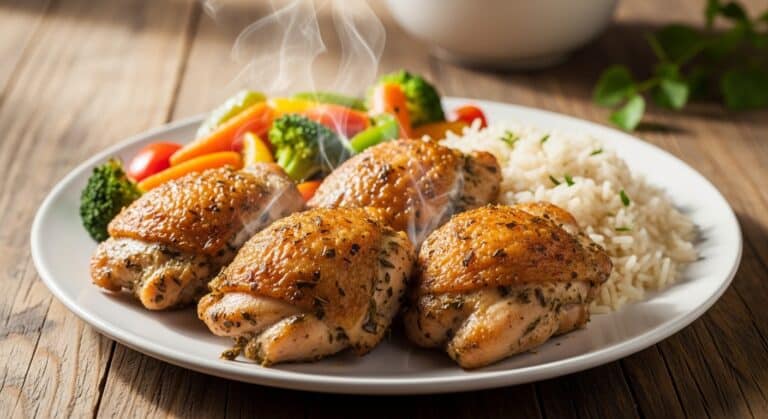
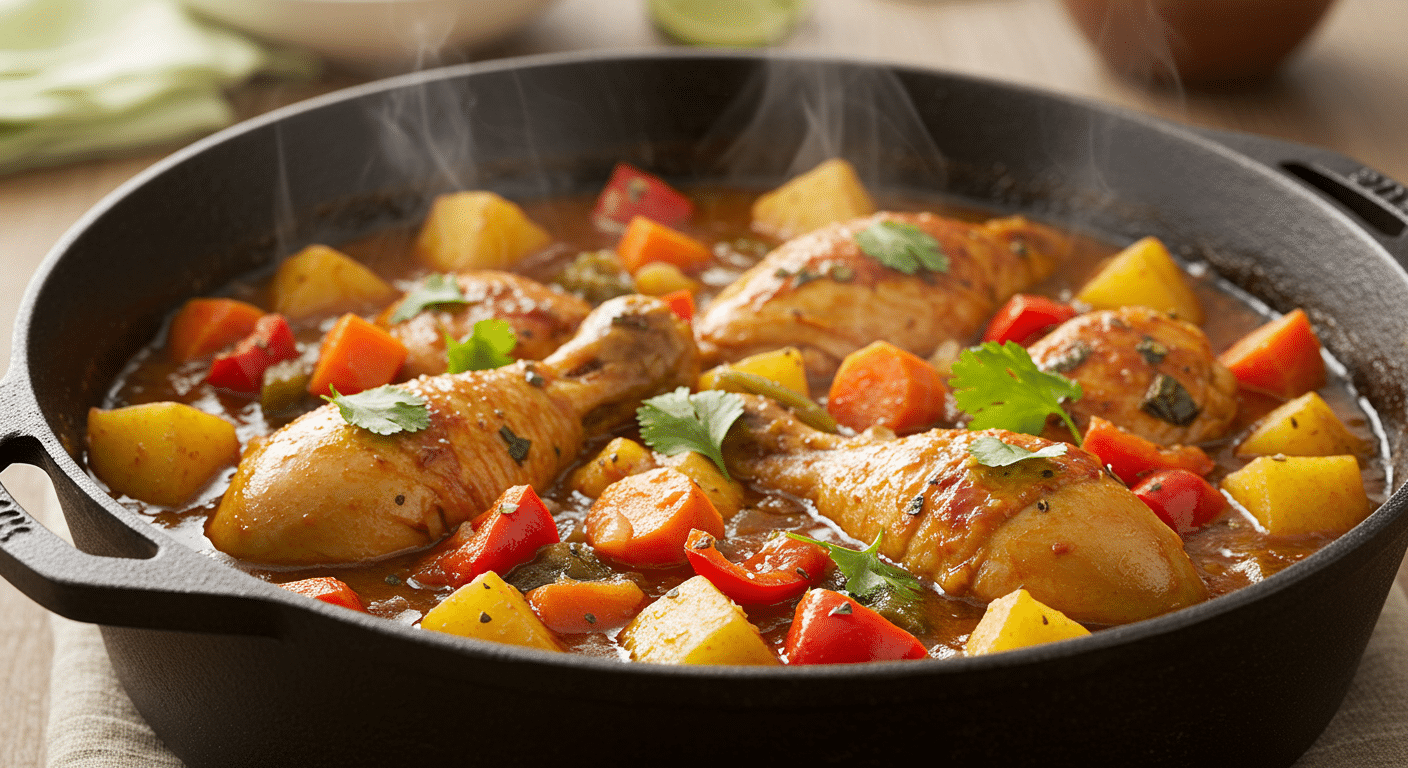
Pollo Guisado – The Ultimate Guide to This Flavorful Stew
Pollo guisado is a savory, slow-cooked chicken stew that bursts with the bold, comforting flavors of Latin America. Made with tender chicken, colorful vegetables, and warm spices, this one-pot wonder is more than just a recipe—it’s a cultural experience. If you’re craving a satisfying dish that brings families together, you’re about to fall in love with this classic.
In this guide, you’ll explore everything from choosing the right cut of chicken to crafting the perfect seasoning mix. You’ll also learn about regional twists, how to prep it in a slow cooker or Instant Pot, and the best sides to complete the meal. Whether you’re new to Latin cuisine or reconnecting with tradition, this guide is here to walk you through every flavorful step.
Check out our creamy skillet chicken with mushrooms and cheese if you enjoy cozy, one-skillet meals full of flavor and comfort.
Introduction to Pollo Guisado
What Is Pollo Guisado and Why It’s a Beloved Latin Dish
Pollo guisado means “stewed chicken,” and it lives up to the name. This dish blends tender pieces of chicken with peppers, onions, garlic, and herbs in a rich tomato-based broth. Unlike other stews, this one gets its depth from Latin spices like cumin, oregano, and adobo.
Many people love this meal because it’s both hearty and simple. You don’t need fancy equipment or rare ingredients—just fresh produce, good chicken, and a few pantry staples. Plus, it’s incredibly adaptable. Add potatoes or carrots for texture, or splash in vinegar for a touch of tang.
Even better, the flavor gets deeper the next day. It’s the kind of dish that tastes like it’s been cooking for hours, even if it hasn’t.
Origins and Cultural Significance in Latin American Cuisine
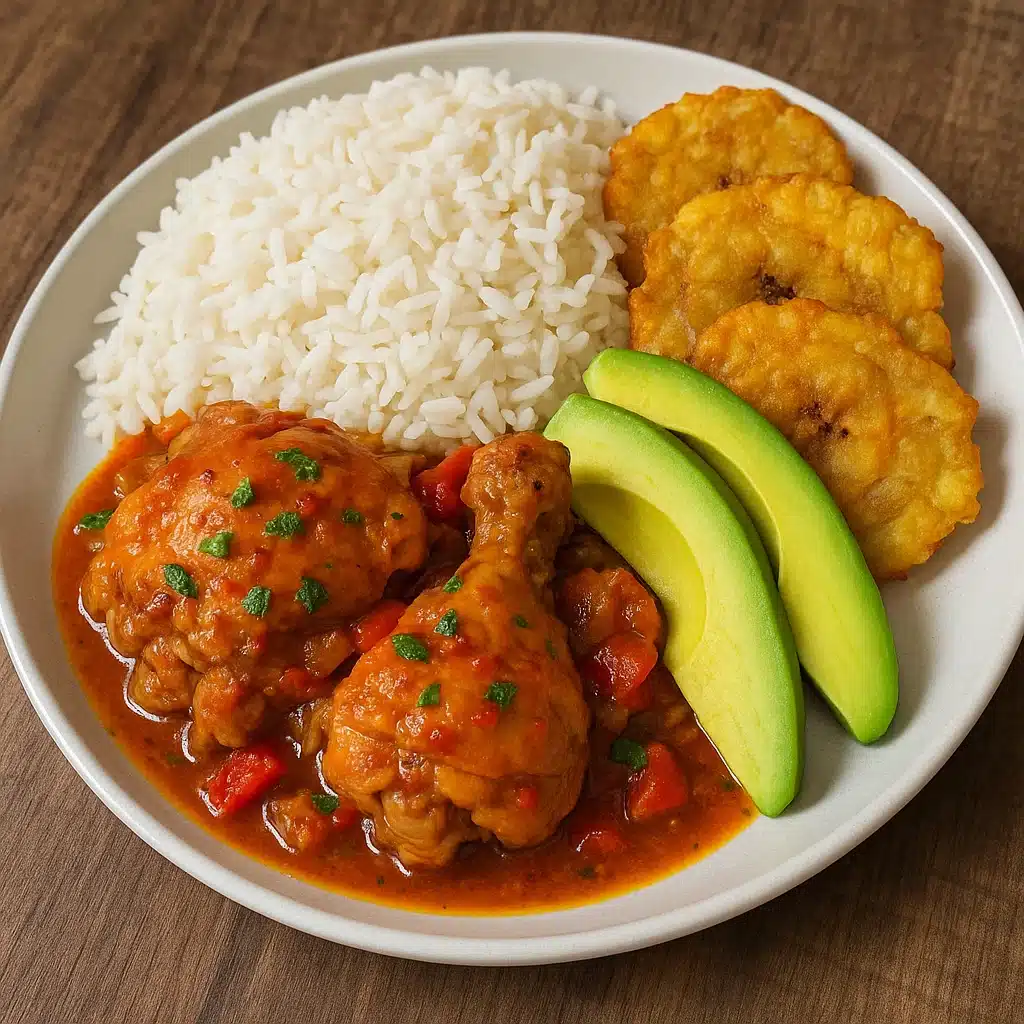
This hearty dish has strong cultural ties to Latin American heritage. In countries like the Dominican Republic and Puerto Rico, it’s more than just a weeknight dinner—it’s a reminder of home. Families often make it for big gatherings or quiet Sundays, serving it over rice with a side of tostones or avocado.
Every region brings its own touch. Dominican versions of the dish commonly feature sour orange juice or a splash of lime for added zest. Puerto Rican versions may add green olives or sofrito—a rich blend of onions, garlic, and herbs. These subtle changes reflect the diversity within Latin food culture.
Above all, pollo guisado connects people. It turns ordinary ingredients into something memorable, something that brings warmth to the table. And once you taste it, you’ll understand why it’s a favorite in so many homes.
Don’t miss our garlic parmesan baked chicken if you’re looking for another quick and flavor-packed meal idea.
Core Ingredients for Traditional Pollo Guisado
Must-Have Spices and Seasonings
The key to a flavorful pollo guisado lies in its well-balanced seasoning. The right spices make the difference between a flat-tasting stew and a flavor-packed favorite. The good news? You probably have most of the ingredients sitting in your kitchen already.
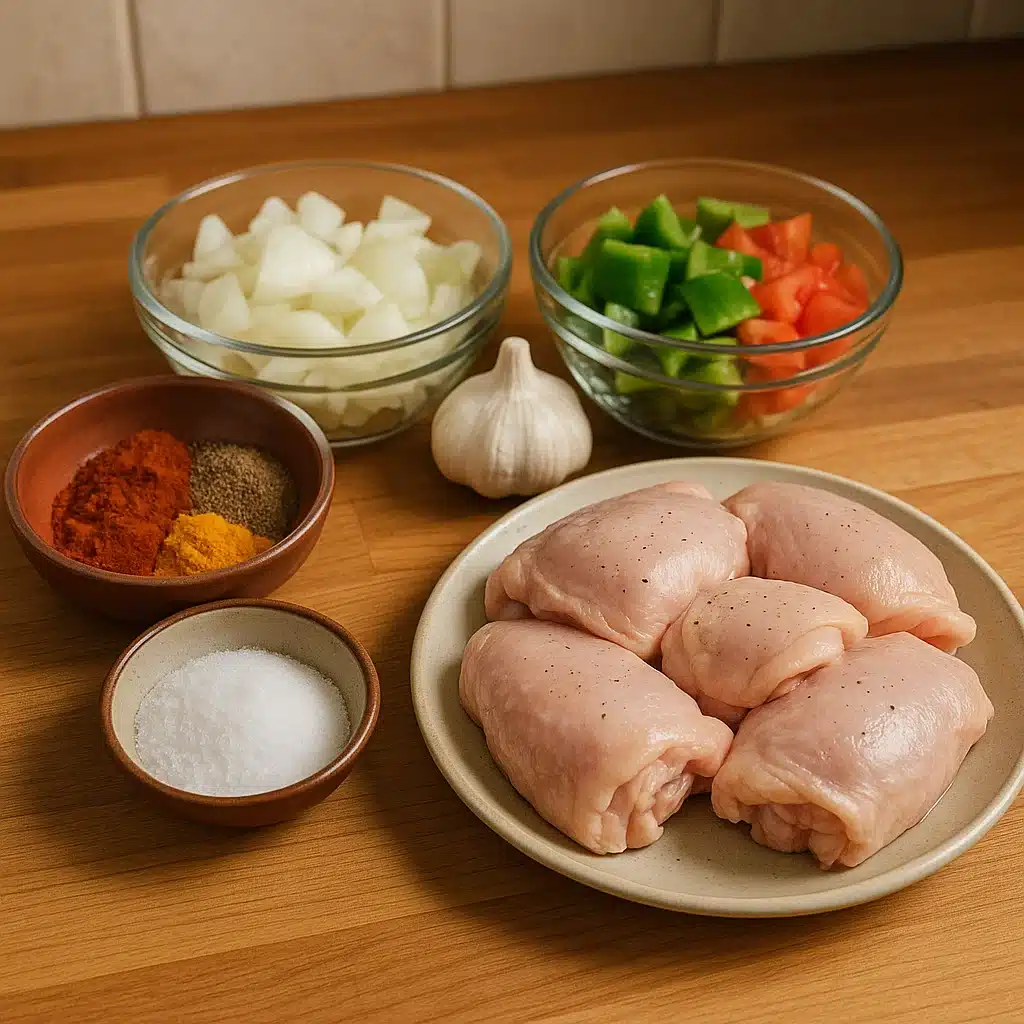
Start with adobo seasoning, a savory blend of garlic powder, onion powder, oregano, black pepper, and salt. Many Latin kitchens also use sazón, which adds color and a touch of umami from annatto or achiote. If you don’t have it on hand, a pinch of smoked paprika can be a decent stand-in.
Garlic and onions are essential. You’ll want to chop them fresh for the best flavor. Don’t skip the cumin, as it adds warmth and a slightly smoky depth. Add bay leaves to the pot during cooking to layer in a subtle earthiness.
Fresh cilantro or culantro adds a pop of brightness at the end. If you prefer a mellow herb finish, parsley works in a pinch. And remember—season as you go. Taste often, and don’t be afraid to adjust for your own flavor balance.
Looking for inspiration? Try our melt-in-your-mouth chicken—another seasoned-to-perfection dish that’s quick and comforting.
Vegetables and Liquid Bases That Build Richness
Once your spices are ready, it’s time to build the body of the stew. The vegetables in pollo guisado aren’t just for color—they’re vital for creating a deep, layered flavor.
The classic combo includes green bell peppers, red peppers, onions, and garlic. Dice them finely and sauté until soft. This forms a flavor base that no shortcut can replicate. Want a little sweetness? Add carrots, which also hold up well in the stew and absorb flavor beautifully.
Don’t forget tomatoes—they help create that rich, red base. You can use tomato paste, tomato sauce, or even crushed tomatoes, depending on what’s in your kitchen. Just avoid tomato products with added sugar, which can throw off the balance.
For liquid, use a combination of low-sodium chicken broth and water. Some people like to add a splash of white vinegar or lime juice to brighten the flavor. A tablespoon of olive oil or canola oil helps blend it all together during the initial sauté.
Here’s a quick table of go-to ingredients for a basic 4-serving pollo guisado:
| Ingredient | Purpose |
|---|---|
| Adobo seasoning | Base flavor and salt |
| Sazón or paprika | Color and umami |
| Garlic and onions | Depth and richness |
| Bell peppers (green/red) | Aroma and sweetness |
| Tomato sauce or paste | Stew base |
| Chicken broth | Liquid base with savory profile |
| Cumin, oregano, bay leaf | Warmth and herbal layers |
| Cilantro or parsley | Bright finishing touch |
| Potatoes or carrots | Texture and heartiness |
This mix of bold spices and simple vegetables is what gives pollo guisado its irresistible taste. And because the ingredients are flexible, you can adjust based on what you have.
Discover great ideas like our creamy chicken spaghetti casserole for more satisfying meals made with everyday ingredients.
Choosing and Preparing the Right Chicken
Why Boneless, Skinless Chicken Thighs Work Best
When making pollo guisado, the type of chicken you use matters—a lot. While any cut can work in a pinch, boneless, skinless chicken thighs are hands down the best choice. They stay moist, absorb flavor like a sponge, and break down beautifully during simmering. Because thighs are naturally juicy and tender, they won’t dry out like breasts often do.
Another plus? They cook evenly and are easy to cut into chunks before cooking. This means each bite gets fully coated in that rich stew sauce. Best of all, chicken thighs are budget-friendly and easy to find in any grocery store.
That said, some folks prefer drumsticks or bone-in cuts. If you go that route, just allow for more cook time and make sure the internal temperature reaches at least 165°F.
Looking for comfort food that’s just as juicy? Don’t miss our crispy parmesan crusted chicken recipe—perfect for weeknights.
Bone-In vs. Boneless: Flavor Tradeoffs
So, should you choose bone-in or boneless chicken for pollo guisado? Both have pros and cons. Bone-in pieces—like thighs or drumsticks—deliver a slightly deeper flavor. As the bones simmer, they release extra richness into the broth. This can give your stew a more authentic, homemade feel.
However, boneless cuts save time. You don’t have to deal with picking around bones, and the meat cooks faster. For busy nights, boneless thighs are the go-to. If you’re cooking for a party or Sunday dinner, though, bone-in may be worth the extra time.
Here’s a quick breakdown:
| Chicken Cut | Pros | Cons |
|---|---|---|
| Boneless thighs | Tender, quick, flavorful | Less “traditional” feel |
| Bone-in thighs/drumsticks | Extra rich flavor, slow-cooked vibe | Longer cook time, needs more handling |
| Chicken breasts | Lean, easy to slice | Can dry out in stew, less flavor |
Whether you choose bone-in or boneless, always trim off excess fat and skin before cooking. This keeps the stew from becoming greasy. Marinating the chicken with a little adobo, lime juice, and garlic for 30 minutes before cooking also boosts flavor.
Don’t miss our easy sheet pan chicken and potatoes for a no-fuss dinner that uses simple ingredients just like pollo guisado.
Step-by-Step Instructions to Make Pollo Guisado
Browning and Building the Flavor Base
Making a great pollo guisado starts with building layers of flavor. Before anything else hits the pot, you’ll need to brown the chicken. This step adds richness and helps seal in those savory juices.
Start by heating 1 to 2 tablespoons of oil in a large Dutch oven or heavy-bottomed pot over medium-high heat. Add seasoned chicken pieces (thighs or drumsticks) in a single layer. Don’t overcrowd the pot—cook in batches if needed. Brown each side for about 3 to 4 minutes until golden. Then, remove and set aside.
Next, in the same pot, lower the heat to medium. Add your chopped onions, bell peppers, and garlic. Stir occasionally and sauté until everything is soft and fragrant—about 5 minutes. These fragrant ingredients form the base of flavor that defines the stew.
Now, stir in tomato sauce or paste and let it simmer for another 2 to 3 minutes. Doing this wakes up the tomato flavor and adds a nice depth to the base.

Looking for similar bold flavors? Check out our brown sugar garlic chicken for a sweet-and-savory twist on classic chicken.
Simmering Techniques for Tender Chicken and Vegetables
Now it’s time to bring everything together. Add your browned chicken back to the pot. Stir in chicken broth (about 1 to 1.5 cups), 1 teaspoon of adobo seasoning, 1 packet of sazón, ½ teaspoon of cumin, a bay leaf, and chopped cilantro (if using). Toss in a few chunks of potatoes or carrots for extra heartiness.
Once everything is in, raise the heat until it reaches a gentle boil. Then, immediately reduce it to a low simmer. Cover and cook for 25 to 35 minutes, or until the chicken is tender and the potatoes are fork-soft.
Stir occasionally to prevent sticking. The sauce should thicken slightly as it cooks, but if it looks too dry, add a splash of water or more broth.
For the final touch, squeeze in a bit of lime juice or a splash of white vinegar to balance the flavors. Let it simmer uncovered for the last 5 minutes to thicken and concentrate the sauce.
Here’s a simplified cooking timeline:
| Step | Time |
|---|---|
| Brown chicken | 6–8 min |
| Sauté onions, peppers, garlic | 5 min |
| Add tomato + simmer | 2–3 min |
| Add broth, chicken, and veggies | 2 min |
| Simmer (covered) | 25–35 min |
| Final simmer (uncovered) | 5 min |
By the end, your kitchen will smell amazing and your stew will look rich and colorful—just like it should. Taste and adjust salt or seasoning as needed before serving.
Want another cozy meal idea? Try our smothered chicken and gravy—a creamy comfort classic you’ll love.
Flavor Variations Across Latin America
Dominican, Puerto Rican, and Mexican Style Pollo Guisado
While the core of pollo guisado stays the same—chicken, veggies, broth, and spices—each Latin American country puts its own spin on this classic dish. Let’s take a closer look at how different regions make it their own.
In the Dominican Republic, the stew often includes sour orange juice or lime, which gives it a tangy kick. They also love using sazón, cilantro, and ajíes cubanela (a sweet green pepper). Some Dominican households even add olives or capers to give the dish extra punch.
In Puerto Rico, the secret is sofrito—a blended mix of garlic, onions, peppers, culantro, and herbs. This powerful base gets sautéed before adding the chicken. It’s what gives Puerto Rican pollo guisado a deep, aromatic richness. Many families also throw in potatoes or green olives for texture and briny flavor.
Meanwhile, in parts of Mexico, pollo guisado may come with a spicy chili twist. Cooks often blend in dried ancho or guajillo chiles, which give the stew a smoky undertone. Some Mexican variations also include tomatillos, adding a bright, slightly sour edge.
Here’s a quick comparison:
| Country | Unique Additions | Flavor Notes |
|---|---|---|
| Dominican Republic | Sour orange, olives, cubanela pepper | Tangy, savory, lightly sweet |
| Puerto Rico | Sofrito, potatoes, green olives | Rich, herby, aromatic |
| Mexico | Dried chiles, tomatillos | Smoky, slightly spicy, acidic |
No matter which version you try, each one brings something special to the table. Plus, once you’ve mastered the basics, you can mix and match flavors to make your own perfect version.
Don’t miss our cowboy butter chicken linguine if you’re craving a bold, fusion-style dish full of creamy, spicy flavor.
Regional Ingredient Swaps and Taste Differences
Even small ingredient changes can shift the entire profile of your pollo guisado. For instance, swapping regular potatoes for sweet potatoes adds natural sweetness, while using red bell peppers instead of green gives a milder, more subtle bite.
Some home cooks prefer to thicken their stew using mashed yuca or even plantains. Others reduce the tomato content for a clearer broth. These regional tweaks reflect local produce, family tradition, and personal preference.
You can also adjust the heat level depending on your taste. Want something spicy? Toss in a scotch bonnet or habanero pepper (but remove the seeds first if you want just a little kick).
If you’re cooking for kids or picky eaters, go easy on the heat and lean more into herbs like oregano, parsley, or bay leaves for flavor.
Here are a few popular swap suggestions:
| Swap This | For This | Resulting Flavor |
|---|---|---|
| Green bell pepper | Red or yellow pepper | Sweeter and less earthy |
| White potatoes | Sweet potatoes or yuca | Softer, sweeter texture |
| Tomato sauce | Crushed tomatoes or none | Lighter or more rustic stew |
| No sofrito | Add homemade sofrito | Boosted herb and garlic notes |
| Mild spices only | Add scotch bonnet or chili | Richer, deeper, spicy stew |
These changes may seem minor, but they help you truly personalize your stew. And who knows? Your twist might become a new family favorite.
Storage, Freezing, and Meal Prep Tips
Best Practices for Freezing Pollo Guisado
One of the best things about pollo guisado is how well it stores. If you make a big batch, you can easily freeze it for later. In fact, the flavors often get even better after sitting for a day or two.
To freeze it right, let the stew cool completely. Afterward, place the cooled stew into sealed containers or durable freezer bags. Try to portion it out before freezing, so you only defrost what you need. Flattening bags before freezing helps them stack neatly and saves space in your freezer.
Label each container with the date, and use it within 2 to 3 months for best flavor. While it’s safe longer, it may lose some texture and taste over time.
Here are quick freezing tips to follow:
| Step | Tip |
|---|---|
| Let it cool | Prevents ice crystals and condensation |
| Portion before freezing | Makes defrosting easier and faster |
| Use airtight containers | Keeps out air and freezer odors |
| Label and date everything | Helps you track freshness |
To serve later, let the frozen portion defrost in the refrigerator overnight. Avoid defrosting it at room temperature, which can lead to uneven warming or bacterial growth.
Want another freezer-friendly idea? Try our creamy garlic herb chicken—it reheats like a dream and stays flavorful every time.
Reheating Without Losing Flavor
Reheating pollo guisado the right way keeps it tasting fresh and delicious. You’ve already put in the work—don’t let microwaving ruin it!
For best results, reheat on the stovetop. Just add your portion to a small pot with a splash of water or broth. Heat over medium-low, stirring occasionally until it’s hot all the way through. This method helps the sauce stay smooth and the chicken moist.
Using the microwave? Make sure to loosely cover the bowl with a microwave-safe lid or paper towel to avoid messes. Use medium power and stir halfway through to warm it evenly.
Avoid boiling it too long or reheating multiple times. This can dry out the chicken or make the veggies mushy. It’s better to reheat only what you plan to eat.
Here are quick tips for perfect reheating:
| Method | How-To | Best For |
|---|---|---|
| Stovetop | Simmer with broth for 5–8 minutes | Best flavor and texture |
| Microwave | Medium power, stir halfway, add splash of water | Quick weekday lunches |
| Oven | Cover and heat at 325°F for 15–20 minutes | Larger portions or family meals |
Pollo guisado is ideal for meal prep too. You can make a full pot on Sunday and portion it out with rice or beans for the week ahead. Store single servings in reusable glass containers and you’ve got lunch ready to grab and go.
Craving more make-ahead meals? Don’t miss our creamy one-pan chicken and rice—an easy, delicious recipe that keeps beautifully in the fridge.
Serving Suggestions and Side Dishes
Classic Pairings Like White Rice and Tostones
When it comes to serving pollo guisado, the side dishes are just as important as the stew itself. The bold, savory sauce is meant to be soaked up, and that’s where classic Latin staples shine.
First up, there’s white rice—the #1 companion to pollo guisado. The fluffy grains soak in the rich tomato-based broth, making each bite satisfying and flavorful. It’s simple, budget-friendly, and cooks in less than 20 minutes. To boost taste, try cooking your rice in chicken broth rather than plain water.
Next, consider tostones—twice-fried green plantains. These crispy rounds bring a salty crunch that balances out the soft, juicy chicken. Sprinkle them with a little sea salt or dip them in garlic sauce for a snackable twist.
Avocado slices are another perfect addition. Their creamy texture cools things down and pairs well with the dish’s warm spices.
Want to add some spice? Serve it with a side of spicy pickled red onions or jalapeño salsa. These small toppings give the dish a zesty kick without overpowering the main flavors.
Looking for comfort on the side? Try our cheddar biscuit chicken bake—a Southern twist that works beautifully with rich stews like pollo guisado.
Creative Ways to Use Leftover Pollo Guisado
Got leftovers? Great! Pollo guisado isn’t just a one-meal wonder. In fact, the flavors deepen overnight, making it even better the next day.
Here are some creative ways to repurpose your leftovers:
- Pollo Guisado Tacos: Shred the chicken and stuff it into soft tortillas. Top with diced onions, cilantro, and lime.
- Stuffed Bell Peppers: Mix leftover stew with cooked rice and spoon it into halved bell peppers. Bake at 375°F for 20 minutes.
- Chicken Guisado Bowls: Serve over quinoa, beans, and sautéed greens for a healthy lunch option.
- Empanadas: Use the leftover chicken as a filling for store-bought or homemade empanada dough. Bake or fry until golden brown.
These ideas don’t just reduce food waste—they also keep your meals exciting throughout the week.
And if you’re in a rush? Just pour the stew over a piece of toast or garlic bread. It’s not traditional, but it’s delicious.
Want more one-dish magic? Discover our crispy air fryer parmesan crusted chicken—easy, crispy, and great for using up sauces and sides.
Slow Cooker and Instant Pot Adaptations
How to Make Pollo Guisado in a Slow Cooker
Love the idea of pollo guisado but don’t want to watch the stove? Good news—this dish works beautifully in a slow cooker. You’ll still get the deep, slow-simmered flavor, but without all the hands-on time.
To start, brown your chicken in a skillet. This step isn’t required, but it gives your stew a richer taste. After browning, transfer the chicken to your slow cooker.
In the same skillet, quickly sauté your onions, garlic, and bell peppers for about 3 to 5 minutes. Add in your tomato sauce or paste, then stir everything together. Pour this flavor-packed mixture over the chicken in the slow cooker.
Next, add chicken broth, sazón, adobo seasoning, cumin, bay leaf, and chopped potatoes or carrots. Stir gently to combine. Cover and cook on LOW for 6 to 7 hours, or HIGH for 3 to 4 hours, until the chicken is tender and easily shreds with a fork.
Before serving, taste and adjust seasoning. If the sauce seems too thin, uncover the pot and let it simmer on high for 20–30 minutes to reduce.
| Step | Time |
|---|---|
| Brown chicken (optional) | 6–8 minutes |
| Sauté aromatics + sauce base | 5 minutes |
| Cook on LOW | 6–7 hours |
| Cook on HIGH | 3–4 hours |
Want another effortless slow-cooker recipe? Don’t miss our slow cooker cheesy ranch chicken—perfect for busy nights.
Instant Pot Timing and Pressure Tips
Need dinner fast? The Instant Pot version of pollo guisado is just what you need. With this method, you get tender, fall-apart chicken and rich sauce in under an hour—from start to finish.
Here’s how to make it:
- Sauté in the pot: Use the Instant Pot’s sauté mode to brown your chicken in a bit of oil. Remove and set aside.
- Cook aromatics: In the same pot, add your onions, peppers, and garlic. Stir for 3–4 minutes.
- Deglaze: Add ¼ cup of chicken broth to loosen any brown bits stuck to the pot. This step prevents a burn notice.
- Add everything else: Return the chicken. Add tomato sauce, broth, potatoes, seasonings, and bay leaf.
- Pressure cook: Seal the lid. Set to Manual (High Pressure) for 12 minutes.
- Natural release: Let the pressure release naturally for 10 minutes, then quick-release the rest.
When it’s done, stir and let it sit uncovered on sauté mode for a few minutes if you want a thicker sauce.
| Instant Pot Settings | Result |
|---|---|
| Manual High – 12 mins | Fully cooked, tender chicken |
| Natural release – 10 mins | Keeps juices locked in |
| Sauté (post-cook, optional) | Reduces sauce slightly |
This method is great when you need dinner fast but still want full flavor. It’s also ideal for meal prep days or weeknight cooking.
Looking for another quick pot meal? Try our easy honey dijon baked chicken for sweet, savory flavor with minimal effort.
Common Mistakes and Pro Cooking Tips
How to Avoid a Watery Stew
One of the biggest mistakes people make when cooking pollo guisado is ending up with a watery sauce. This dish is supposed to be rich, thick, and full of flavor—not soupy. So how do you avoid that?
First, don’t add too much liquid up front. Start with just enough chicken broth to cover the bottom half of the chicken. The chicken and vegetables will release moisture as they cook, so your pot won’t stay dry.
Next, keep the lid slightly cracked during the final 10–15 minutes of simmering. This allows steam to escape, reducing the sauce naturally. If you’re using a slow cooker, uncover it for the last 30 minutes and turn the heat to high.
Another common issue? Skipping the browning step. If you throw raw chicken straight into the stew, you miss out on deep, caramelized flavor. Browning locks in juices and gives the finished dish more color and complexity.
Lastly, be mindful of your tomato products. Too much sauce can overpower the spices. If you’re using tomato paste, stick to 1–2 tablespoons.
Boosting Flavor Without Overcomplicating
Great pollo guisado doesn’t need a mile-long ingredient list. In fact, keeping it simple can make it even better. Still, if your stew feels flat, here are a few quick flavor boosters that won’t overcomplicate things:
- Use homemade sofrito: A spoonful added at the start brings huge flavor with little effort.
- Add a splash of vinegar or lime juice: Just before serving, this lifts and balances the entire dish.
- Toss in fresh herbs: A handful of cilantro or parsley at the end makes the stew taste brighter and more complete.
- Use bone-in chicken: If you have time, swap in bone-in thighs or drumsticks. They add natural richness.
- Don’t forget salt: It seems obvious, but under-seasoning is one of the most common mistakes. Taste as you go and adjust!
Here’s a quick tip guide:
| Issue | Quick Fix |
|---|---|
| Sauce too thin | Simmer uncovered or add tomato paste |
| Bland flavor | Add vinegar, lime juice, or fresh herbs |
| Lacks depth | Brown the chicken before stewing |
| Too tomato-heavy | Reduce tomato sauce or add more broth |
With just a few smart moves, you can turn a good stew into a great one. The best part? Once you master these tips, you can make pollo guisado from memory—no recipe required.
Need more dinner mastery? Don’t miss our easy homemade chicken pot pie—a cozy classic with plenty of tips for perfection.
Frequently Asked Questions About Pollo Guisado
What does pollo guisado taste like?
Pollo guisado has a bold, savory flavor with hints of garlic, onions, and herbs. The tomato-based broth gives it a tangy richness, while spices like cumin and adobo add warmth. When made right, it’s comforting, tender, and full of depth.
What is pollo guisado in English?
“Pollo guisado” translates to “stewed chicken” in English. It refers to a Latin-style chicken stew, often cooked in a tomato sauce with vegetables, herbs, and spices.
How long does pollo guisado take to cook?
On the stovetop, pollo guisado usually takes about 45 to 60 minutes. In a slow cooker, it needs 6 to 7 hours on low or 3 to 4 hours on high. An Instant Pot version is ready in under 40 minutes, including prep and pressure release.
Can you freeze pollo guisado?
Yes! Pollo guisado freezes well. Once fully cooled, pack the stew into airtight containers or freezer-safe bags—it’ll keep well for about three months. Reheat on the stovetop with a splash of broth for best results.
Can I make it in the slow cooker?
Absolutely. Just brown the chicken first (optional but flavorful), then add everything to your slow cooker. Cook on LOW for 6–7 hours or HIGH for 3–4 hours until the chicken is tender.
Conclusion: Why Pollo Guisado Deserves a Spot in Your Weekly Menu
At the end of the day, pollo guisado isn’t just a dish—it’s a tradition. It brings comfort, flavor, and culture to your table with every bite. From its simple ingredients to its soul-warming sauce, this stew is everything a homemade meal should be.
Whether you make it the Dominican way, Puerto Rican-style, or with your own twist, it’s hard to go wrong. It freezes well, reheats beautifully, and pairs with almost anything. Once you master the basics, you’ll always have a go-to recipe for busy weeknights or slow Sunday dinners.
So grab a pot, season your chicken, and let it simmer. Your kitchen is about to smell amazing—and your family will thank you for it.
Looking for your next go-to dish? Don’t miss our creamy chicken linguine recipe for a cheesy, comfort-packed favorite.
Pollo Guisado
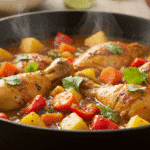
A flavorful Latin-style stewed chicken dish simmered with veggies, tomato sauce, and spices—perfect with rice or tostones.
- Prep Time: 15 minutes
- Cook Time: 55 minutes
- Total Time: 1 hour 10 minutes
- Yield: 4 1x
- Category: Lunch
- Cuisine: Latin American
Ingredients
1.5 lb chicken thighs, boneless and skinless
2 tsp adobo, all-purpose seasoning
2 Tbsp cooking oil
1 yellow onion, large dice
3 cloves garlic, finely chopped
1/2 cup sofrito
8 oz tomato sauce
1 packet sazón seasoning with annatto
2 bay leaves
2 tsp dried oregano
1/4 cup manzanilla olives, pimiento-stuffed
1 large potato, 2-inch dice (about 1 cup)
2 large carrots, 1/4-inch rounds (about 1 cup )
3 cups chicken stock
Instructions
Pat chicken dry, cut into cubes, and season with Adobo.
Heat oil in a Dutch oven over medium-high. Brown the chicken in batches and set aside.
In the same pot, sauté onion until soft, then add garlic and cook for 1 minute.
Stir in sofrito and tomato sauce. Cook until thick, about 2–3 minutes.
Add sazón, bay leaves, oregano, olives, potatoes, carrots, and broth. Bring to a boil.
Return chicken to the pot. Cover and simmer on low for 40–50 minutes.
For a thicker stew, mix 1 tbsp cornstarch with 2 tbsp water, stir into the pot, and boil for 1 minute.
Taste and season with salt and pepper. Remove bay leaves before serving.
Notes
Best served with rice or tostones. Freezes well for 3 months.
Nutrition facts are estimates and may vary based on ingredients used, portion sizes, and preparation methods
Nutrition
- Serving Size: 2 cups
- Calories: 470kcal
- Sodium: 843mg
- Fat: 18g
- Carbohydrates: 36g
- Fiber: 6g
- Protein: 42g
Keywords: pollo guisado, Latin chicken stew, stewed chicken, Caribbean chicken recipe, easy chicken stew, Dominican chicken, Puerto Rican chicken
Let’s connect! Follow me for more Joylicious Recipes: Facebook, Instagram, Pinterest